Attractions and Places To See around O Incio - Top 20
Best attractions and places to see around O Incio include a blend of historical landmarks, natural beauty, and cultural sites. This municipality in the province of Lugo, Galicia, is situated between gentle mountains and green valleys. It offers a serene environment and rich heritage, making it a destination for rural tourism. The area features ancient forests, historic buildings, and archaeological sites.
Best attractions and places to see around O Incio
- The most popular attractions is Forest Path Between A Serra…
Last updated: May 25, 2026
100 km Marker on the Camino de Santiago
Highlight • Monument
Translated by Google •
Tip by

Ancient Chestnut Tree in Ramil
Highlight • Natural Monument
Translated by Google •
Tip by
Sign up now to discover places like this
Get recommendations on the best single tracks, peaks, & plenty of other exciting outdoor places.
Sign up for free
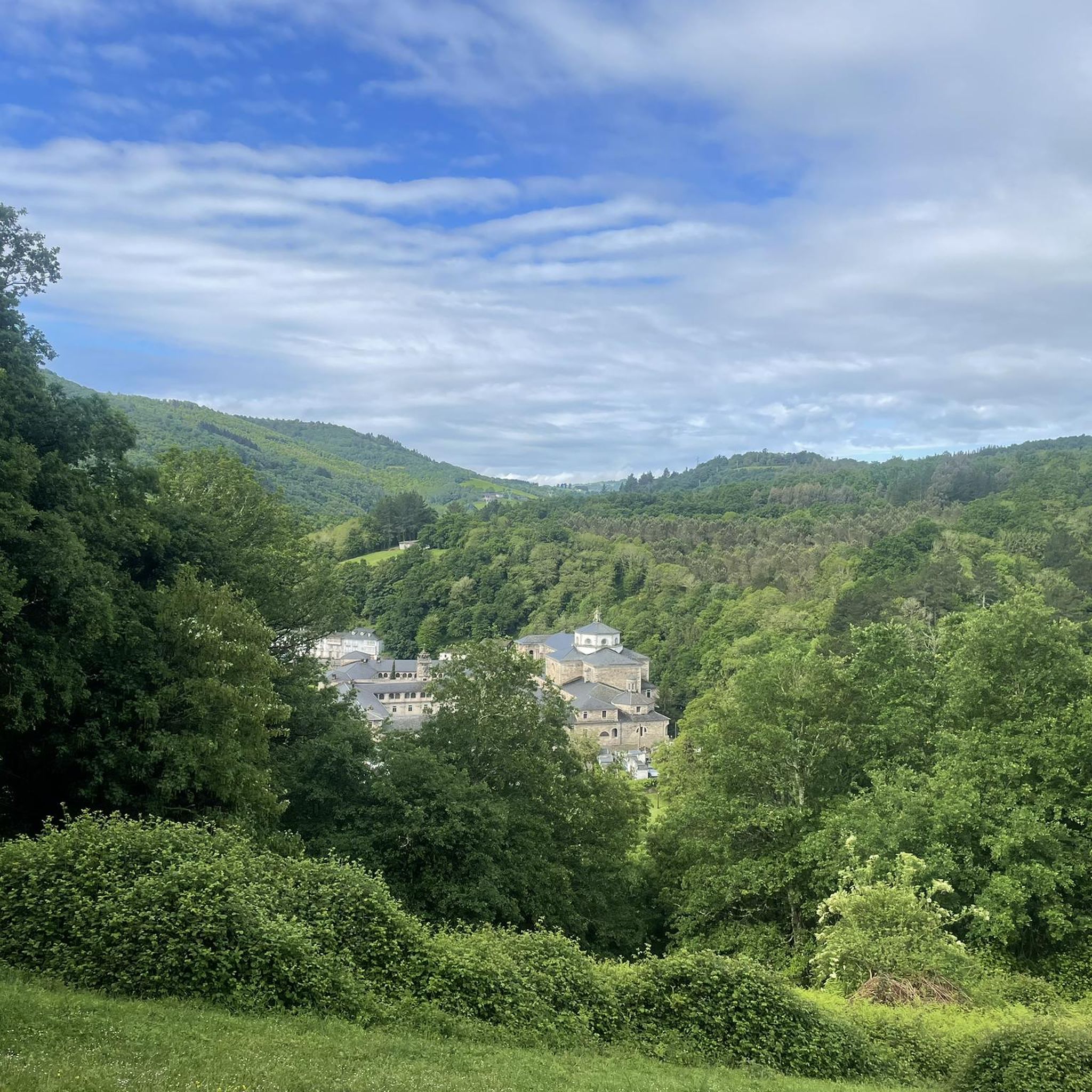
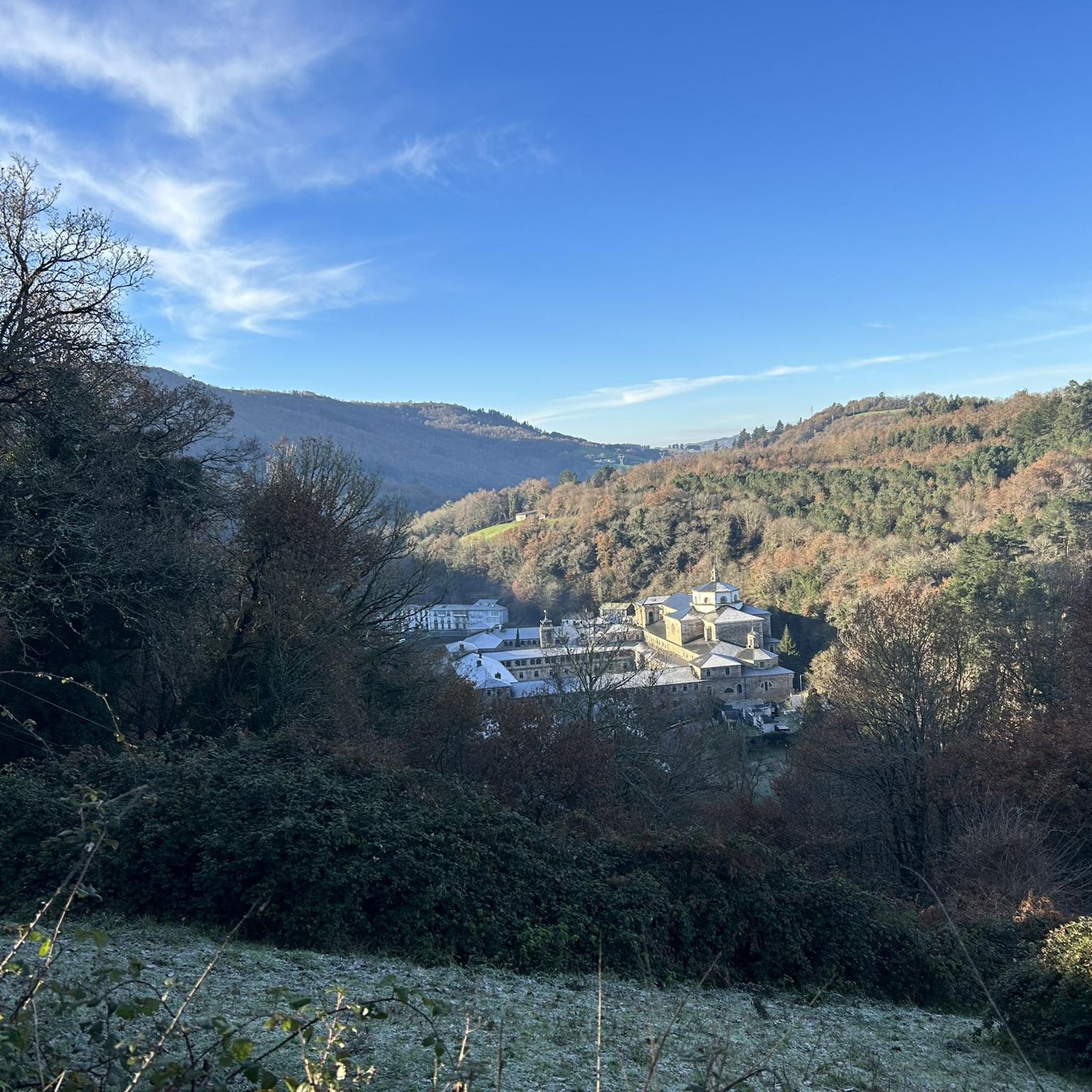
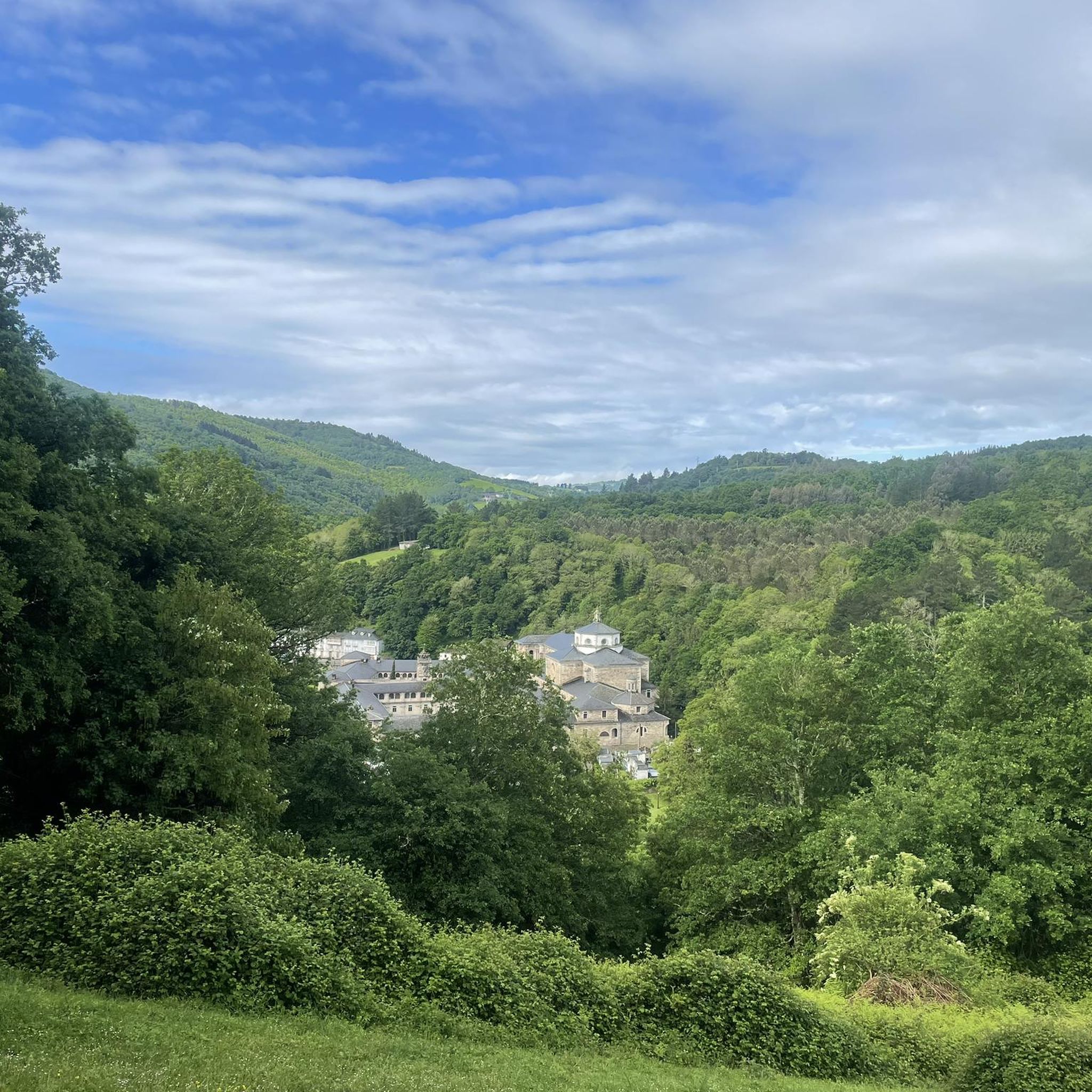
Monastery of Saint Julian of Samos
Highlight • Religious Site
Translated by Google •
Tip by
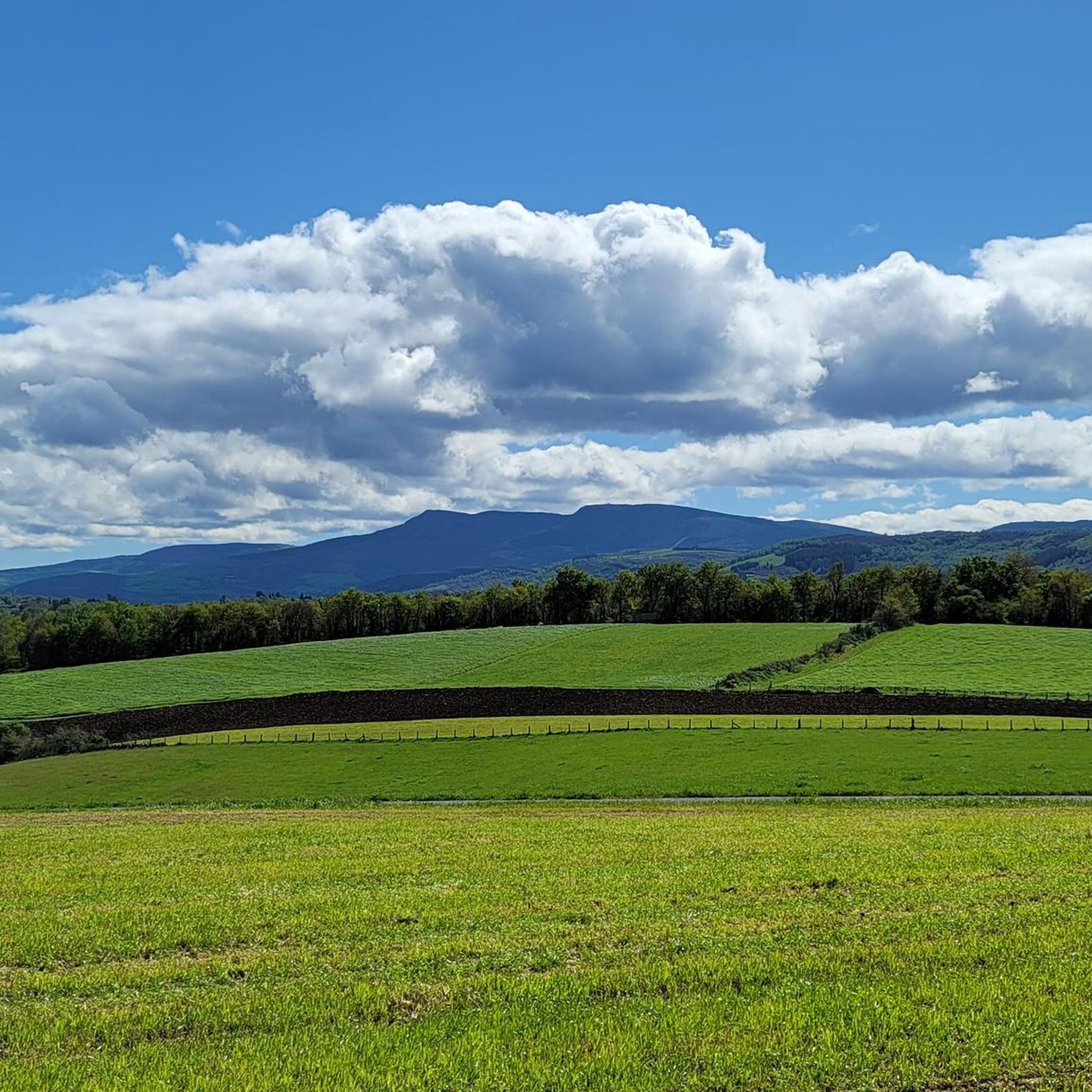
Forest Path Between A Serra and O Monte
Highlight • Trail
Translated by Google •
Tip by
Pilgrim Monument in Triacastela
Highlight • Monument
Translated by Google •
Tip by
Sign up for free to discover even more attractions around O Incio.
Sign up for free
Already have an account?
Start today with a free account
Your next adventure awaits.
Login or Signup
Tips from the Community

Located at the entrance to Triacastela, this wooden sculpture depicts a classic pilgrim with a staff, cloak, and hat. It's one of the most photographed spots on the Camino as it passes through this town. A work of local craftsmanship, it pays homage to the thousands of pilgrims who have passed through this historic Galician village, which was one of the first documented stops on the Camino de Santiago route. A good excuse to stop, stretch your legs, and take a symbolic photo before entering the town. From here, decide whether to continue along the San Xil route (shorter and more mountainous) or the Samos route (longer and with a monastery). Both routes are beautiful, but very different.
0
0

In the small village of Ramil at the foot of the Camino, just before Triacastela, stands one of Galicia's most beautiful century-old chestnut trees. Its trunk spans 8.5 meters and, with its hollow spaces and thick branches that seem to embrace the tree, resembles an X-ray of time.
0
1

Large deciduous tree that is common in the mountains of Galicia. The fruits are covered with a green rind with thorns, the "erize". The season for harvesting chestnuts is November, and in Triacastela and throughout Galicia in general it is celebrated with a festival called "magesto". The main use of the chestnut tree is to obtain its wood and use its fruit as food for the population in general and as food for livestock.
1
0

Hi! I had such a great time in the adult chat room https://bongacams.com and I couldn’t resist sharing my experience. This isn’t just a regular chat – it’s a vibrant community where you can truly be yourself. The girls are fantastic: they’re not only attractive but also know how to make you feel comfortable and entertained. The platform’s features make everything easy, from starting conversations to exploring different options. Whether you're here for fun or something more meaningful, this chat room offers a bit of magic for everyone.
2
0

This impressive tree is over 800 years old. A true natural monument.
2
0
The last 100km are shown here again. A special distance on the way.
4
1

On the Camino de Santiago, you will find signs and symbols that will guide you during your pilgrimage. In short, if you pay attention to these signs, it is unlikely that you will get lost on the Camino de Santiago. Have a good trip! 🚶♂️🌟
6
1
The Pilgrim Monument in Triacastela is a significant place on the French Camino de Santiago. It is located near the public hostel and consists of a large stone monolith with a red sword cross and a smaller statue of a pilgrim carved in wood. This monument commemorates the medieval tradition that pilgrims carried a lime stone from Triacastela to Arzúa to make lime for the Cathedral of Santiago. I hope this information is useful to you! 😊
3
1
Frequently Asked Questions
What historical and cultural sites can I explore in O Incio?
O Incio is rich in history and culture. You can visit the 12th-century Conjunto Monumental Hospital do Incio, featuring the Romanesque church of San Pedro Fiz, known for its local pink marble. The area also boasts several historic manor houses, or "pazos," such as Pazo de Dompiñor and Pazo de A Edra. Additionally, you'll find numerous other Romanesque churches like Santa María de O Mao and San Salvador de O Mao. For those interested in prehistory, there are ancient fortified settlements called "castros" and petroglyphs (rock art) in sites like Santa Mariña. Don't miss the Monastery of Saint Julian of Samos, a significant Benedictine abbey with a rich history.
Are there any significant natural attractions or viewpoints in O Incio?
Yes, O Incio offers beautiful natural spots. The Embalse de Vilasouto is a notable reservoir with a hiking trail around its perimeter. For panoramic views of the surrounding mountains, visit the Mirador de Penabranca. You can also discover the picturesque Cascada de San Pedro waterfall. The region is characterized by extensive native forests, including a 1200-hectare deciduous forest, and is home to ancient trees like the Ancient Chestnut Tree in Ramil, which is over 800 years old and an iconic stop on the Camino de Santiago.
What hiking opportunities are available around O Incio?
O Incio is a haven for hikers with diverse trails. The Ruta do Mamut e os Castros (PR-G 239) combines archaeology and nature, featuring ancient castros and life-sized mammoth sculptures. The Ruta do Ferro (PR-G 225) is a medium-difficulty trail that traverses mountains and old iron mines. You can also enjoy routes around the Embalse de Vilasouto. A particularly recommended stretch is the Forest Path Between A Serra and O Monte, known for its living nature and good shade. For more options, explore the Running Trails around O Incio guide, which includes routes like the Foz das Aceas Trail.
Are there family-friendly attractions in O Incio?
Absolutely! Many attractions in O Incio are suitable for families. The 100 km Marker on the Camino de Santiago is an interesting stop for all ages, marking a significant point on the pilgrimage. The Ancient Chestnut Tree in Ramil is a natural wonder that fascinates children and adults alike. The Monastery of Saint Julian of Samos offers a glimpse into history, and the Pilgrim Monument in Triacastela tells a unique story. The Ruta do Mamut e os Castros, with its mammoth sculptures, is also a fun and educational experience for families.
What is the significance of the Camino de Santiago in O Incio?
O Incio lies along the historic Camino de Santiago, making it a significant point for pilgrims. You'll find the 100 km Marker on the Camino de Santiago, indicating that pilgrims are only 100 km from Santiago de Compostela. The ancient Chestnut Tree in Ramil is an emblematic natural monument located directly on the French Way, offering a memorable stop. The Monastery of Saint Julian of Samos is another important waypoint on the Camino Francés, and the Pilgrim Monument in Triacastela commemorates the medieval tradition of pilgrims carrying lime stone to Santiago.
Can I find ancient Romanesque architecture in O Incio?
Yes, O Incio is home to notable Romanesque architecture. The Conjunto Monumental Hospital do Incio features the 12th-century Romanesque church of San Pedro Fiz, uniquely constructed with local pink marble. Beyond this, the municipality boasts several other Romanesque churches, including Santa María de O Mao, San Salvador de O Mao, and the restored Santa María de Rendar, offering a journey through medieval religious art and history.
What kind of outdoor activities, besides hiking, can I do near O Incio's attractions?
Beyond hiking, O Incio offers various outdoor activities. The Embalse de Vilasouto is popular for fishing. For cycling enthusiasts, there are several routes available. You can explore the Cycling around O Incio guide for options like the "Traditional house – Alto do Poio loop from Triacastela." If you prefer road cycling, check out the Road Cycling Routes around O Incio, which includes longer rides such as the "Cebreiro Pass – Samos loop."
Are there any unique local products or industries in O Incio?
O Incio is historically known for its unique Incio marble. This porous, gray, and veined material has been used in significant local structures, such as the Romanesque ensemble of O Hospital, and even in ancient Roman sculptures found in Lucus Augusti. The region's past also includes old iron mines, which you can explore along the Ruta do Ferro, providing insight into its industrial heritage.
What do visitors enjoy most about the attractions around O Incio?
Visitors particularly appreciate the blend of natural beauty and historical significance. The Forest Path Between A Serra and O Monte is highly recommended for its 'living nature, good shade, and beautiful route.' The Ancient Chestnut Tree in Ramil is cherished as an 'iconic place' and a 'wonderful break' for its age and size. The 100 km Marker on the Camino de Santiago is noted for the feeling of Santiago 'getting closer.' Overall, the komoot community has shown strong engagement, with over 350 upvotes and 70 photos shared for the attractions.
Are there any ancient settlements or rock art sites in O Incio?
Yes, O Incio has a rich prehistoric past. You can explore several "castros," which are ancient fortified settlements, in areas like Santa Mariña, Lebón, and Goó. Additionally, the municipality is home to petroglyphs, or rock art sites, found in Santa Mariña, Monte das Seixas, Pena Escrita, Agro de Pepe da Ferrería, and along the Ruta do Ferro, offering a glimpse into the region's early inhabitants.
Where can I find a good viewpoint to see the landscape of O Incio?
For stunning panoramic views of the surrounding mountains and green valleys, head to the Mirador de Penabranca. Situated between O Incio and Samos, this viewpoint offers a wonderful perspective of the region's serene environment and natural beauty.
Most popular attractions around O Incio

Get inspired with the komoot mobile app


Explore more
Still not found the Highlight you’re looking for? See guides of the top attractions in other regions:
