Attractions and Places To See around Sant Martí De Tous - Top 20
Best attractions and places to see around Sant Martí De Tous, a region in Catalonia, Spain, offers a rich blend of historical landmarks, natural features, and cultural traditions. This area is situated within the Conca d'Òdena, providing diverse landscapes for exploration. Visitors can discover ancient hermitages, fortified farmhouses, and scenic mountain passes. The municipality provides a variety of attractions, combining its deep historical roots with the serene beauty of the Catalan countryside.
Best attractions and places to see around Sant…
Last updated: July 20, 2026
Collet de la Serra
Highlight • Mountain Pass
Translated by Google •
Tip by

Sanctuary of the Mare de Déu de Collbàs
Highlight • Religious Site
Showing Translation
Tip by

Sign up now to discover places like this
Get recommendations on the best single tracks, peaks, & plenty of other exciting outdoor places.
Sign up for free
Jorba
Highlight • Settlement
Translated by Google •
Tip by

Santa Maria de la Sala Hermitage
Highlight • Religious Site
Translated by Google •
Tip by

Serra de Rubió
Highlight • Viewpoint
Translated by Google •
Tip by

Sign up for free to discover even more attractions around Sant Martí De Tous.
Sign up for free
Already have an account?
Start today with a free account
Your next adventure awaits.
Login or Signup
Tips from the Community

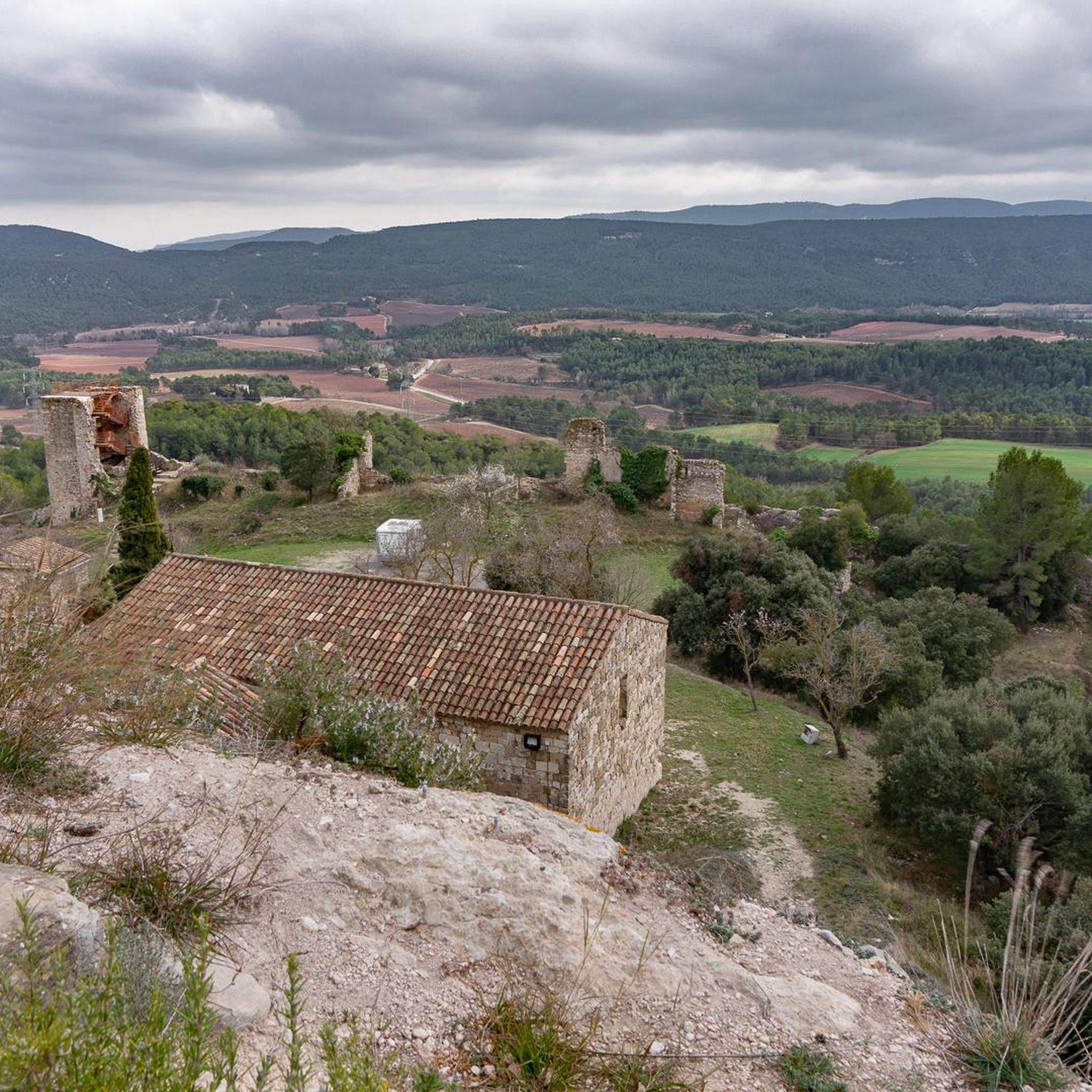
La ermita de la Mare de Déu de la Sala pasa desapercibida desde la carretera aunque lleva siendo testigo de la vida en la ribera del Anoia desde el siglo XII. Este templo románico conserva su estructura original y siempre ha estado ligado a la antigua masía que actualmente se conoce como Can Cansalada.
0
0

For Lunch that you can have or the food at the Castell de Rubió Restaurant, grill, Snails, etc, etc...
0
0

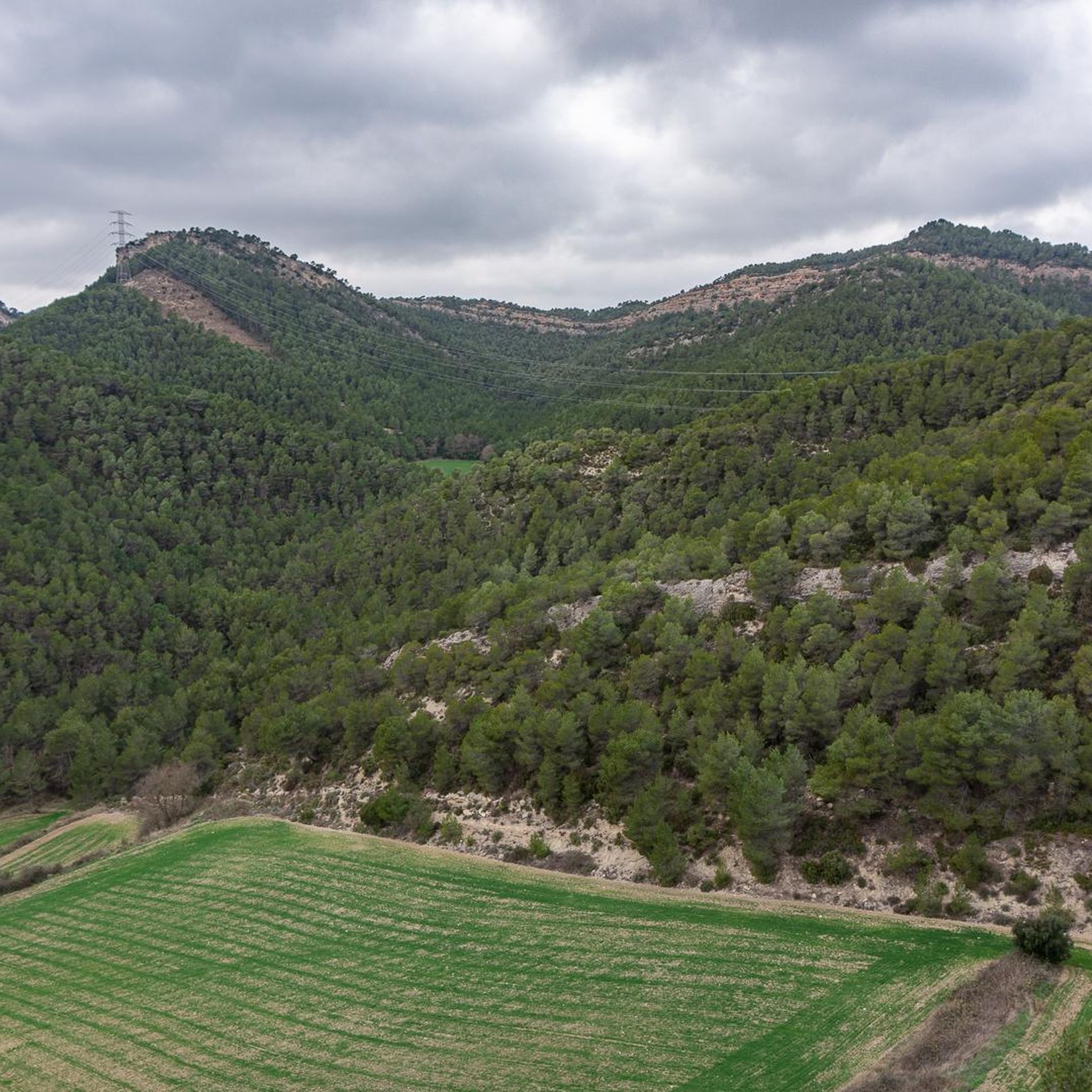
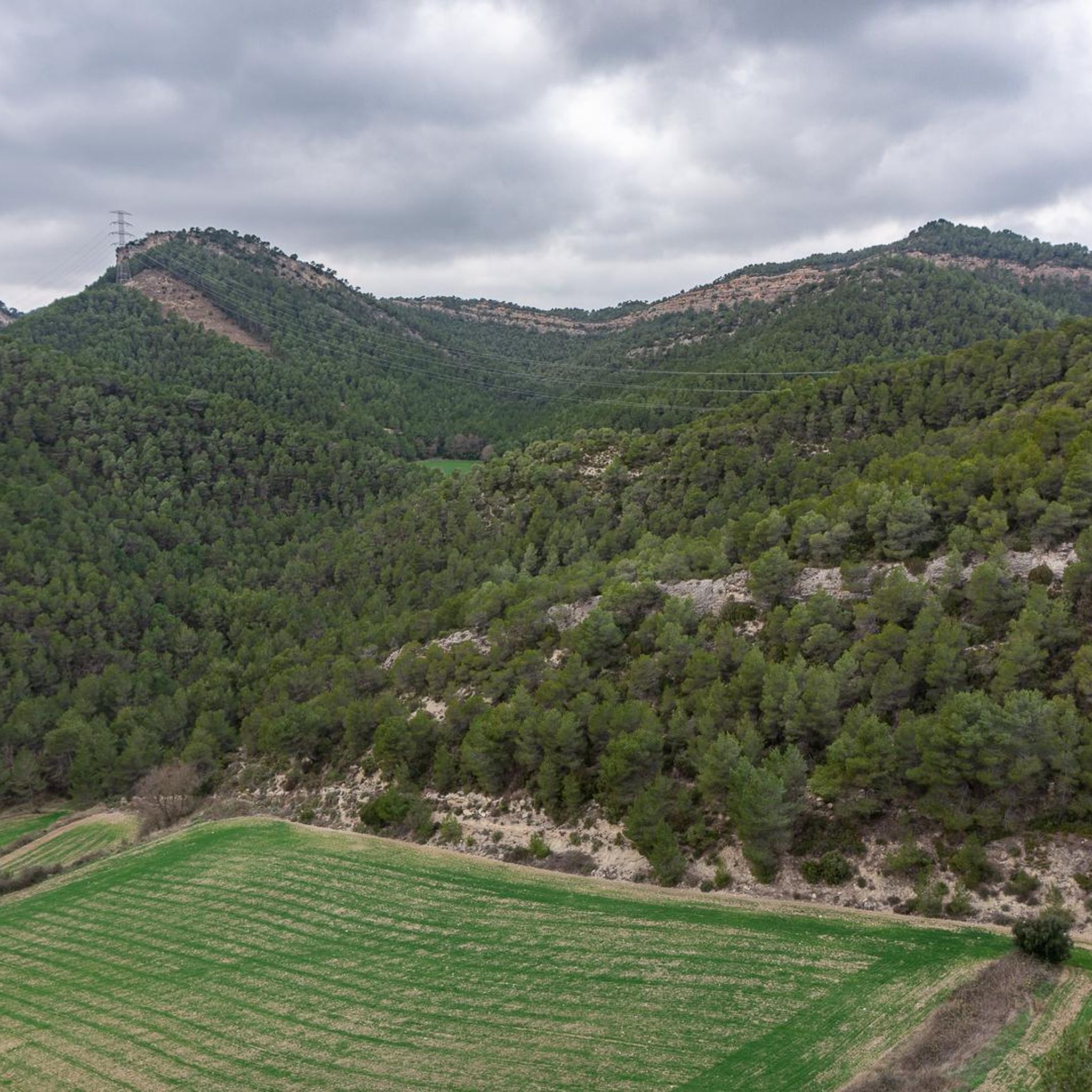
On clear days, spectacular views of the Penedès.
1
0
It is a beautiful hermitage from the 11th century that probably belonged to a farmhouse. It is Romanesque in style and has a beautiful arched doorway.
0
0

Jorba is a very rural municipality in the region of Noya, dedicated mainly to agriculture and pig farming. The four streams that form between Jorba and the towns of Calaf and Argensola join here to form the Noya River. It later flows into the Llobregat next to Martorell.
2
0

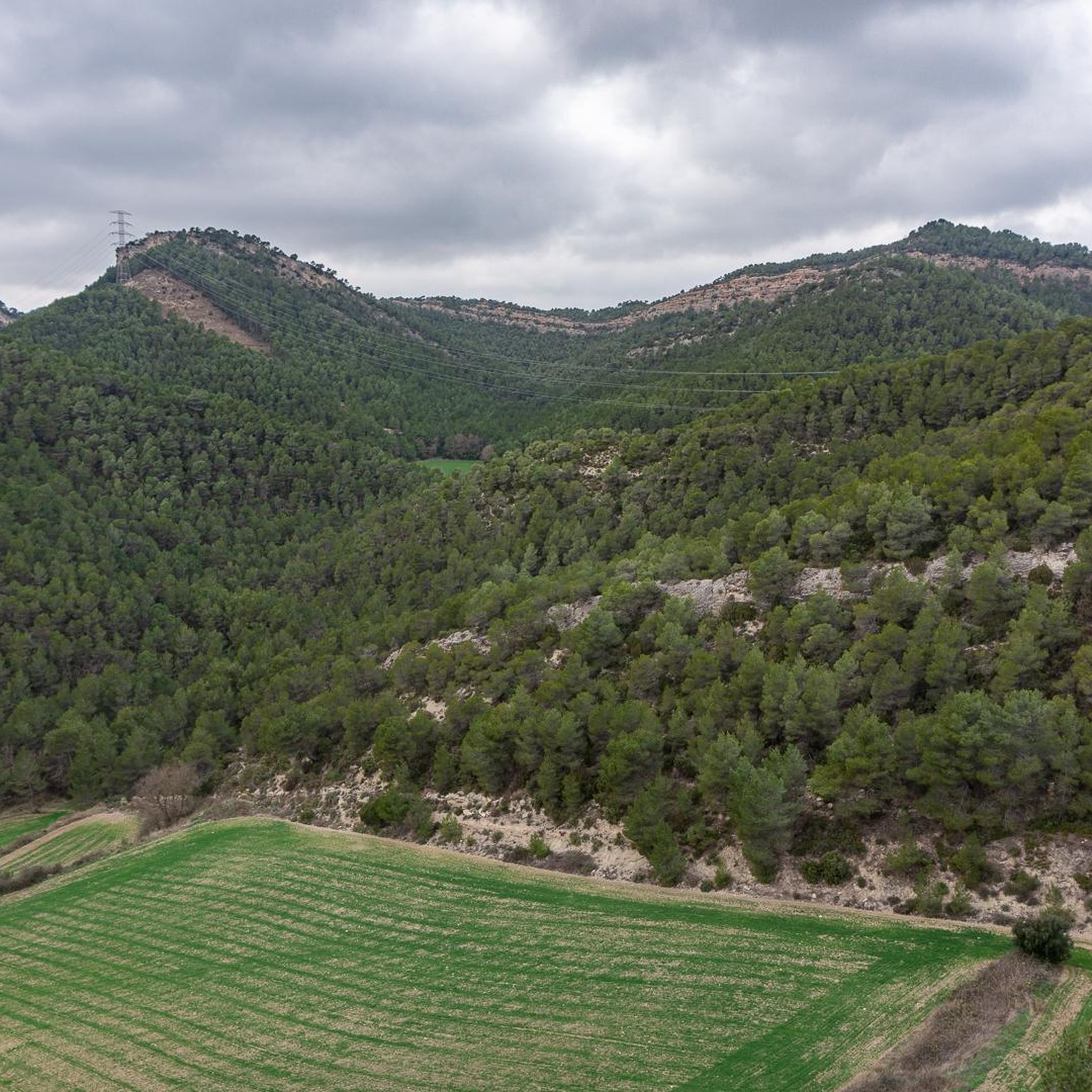
This mountain pass can be crowned by three slopes: from La Llacuna it is 4.1 kilometers long and has an average gradient of 4.8%, from Sant Martí Sarroca, 14.1 kilometers and 3.6%, and from the diversion of the Pontons road, 6.1 kilometers and 5.6%. All the slopes are very calm, with very little traffic. The slope from the Pontons turnoff has the road surface in the worst condition, since it is a paved road while the other two are well paved roads.
1
0

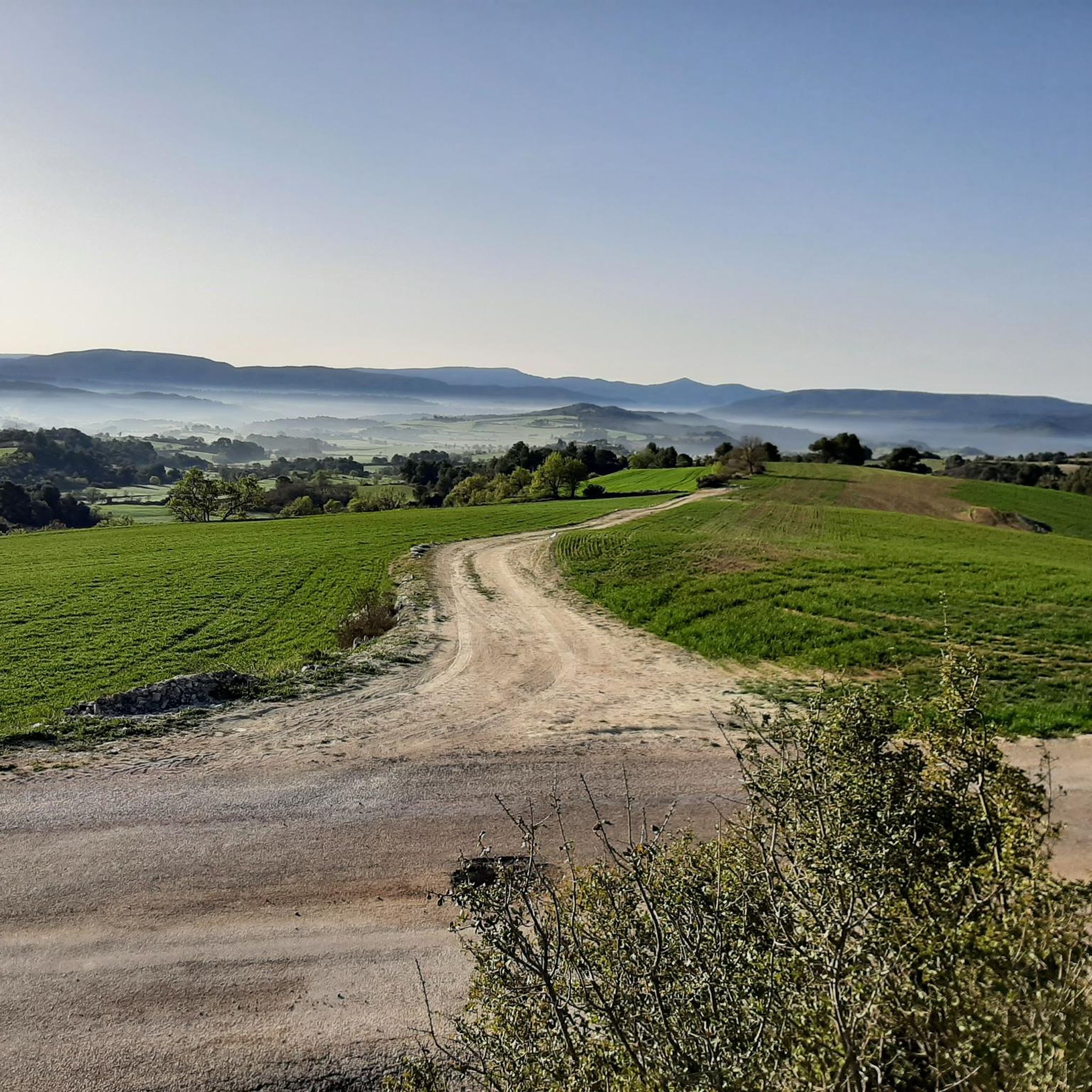
The sanctuary of Mare de Déu de Collbàs is located at the top of the Collbás mountain range, an impressive viewpoint in front of the sanctuary, where you can see incredible panoramic views from a bird's-eye view. The climb is not too hard but it has its moments from the junction with the road to Orpi, it marks two kilometers that you will do on asphalt and track.
1
0
Frequently Asked Questions
What historical sites can I explore in Sant Martí de Tous?
Sant Martí de Tous is rich in history. You can visit the imposing Castle of Sant Martí de Tous, a Cultural Asset of National Interest dating back to 960, which occasionally opens for visits. Adjacent to it is the Parish Church of Sant Martí, an 19th-century church built on Gothic foundations, housing the tomb of Bernat de Tous and a rare 16th-century altarpiece. Don't miss the 11th-century Santa Maria de la Sala Hermitage, a beautiful Romanesque building, or the 12th-century Hermitage of Santa Maria de la Roqueta, which has been recently restored. Another significant historical site is the 16th-century Mas de Pontons, a fortified farmhouse that now functions as a wine and food tasting venue.
Where can I find natural beauty and scenic viewpoints around Sant Martí de Tous?
The region offers several beautiful natural spots and viewpoints. La Fou is a picturesque area featuring a stunning waterfall over twenty meters high and clear water pools, often accessible via hiking trails. The Reservoir (Embalse) is another significant leisure spot, popular for water sports and as a gathering place. For panoramic views, head to Collet de la Serra, a mountain pass offering spectacular vistas of the Penedès on clear days. The Serra de Rubió also provides excellent viewpoints.
Are there any unique cultural events or traditions in Sant Martí de Tous?
Yes, Sant Martí de Tous hosts several unique cultural events. Since 2010, the village has been home to the Festival of Legends of Catalonia, held on the first weekend of July, where visitors can discover local legends and stories. During the main festival on the second weekend of November, you can witness the ancient traditional dance known as Ball de Faixes, performed with intricate sash movements. At Easter, the town celebrates with Caramelles, where approximately eighty singers parade through the streets, performing traditional songs to welcome spring.
What outdoor activities are available near Sant Martí de Tous?
The area around Sant Martí de Tous is excellent for various outdoor activities. You can find numerous routes for gravel biking, mountain biking, and road cycling. For example, explore the Gravel biking around Sant Martí De Tous guide for routes like the 'Pont de la O – View of Castellfollit del Boix loop'. Mountain biking enthusiasts can check out the MTB Trails around Sant Martí De Tous, which includes routes like 'Sant Martí de Tous Castle – Fields near l'Aubareda loop'. Road cyclists will find options in the Road Cycling Routes around Sant Martí De Tous, such as the 'Serra de Rubió – Jorba loop'.
Are there family-friendly attractions or activities in the region?
Yes, the region offers options suitable for families. The municipality of Jorba, a rural area dedicated to agriculture, is categorized as family-friendly and provides a glimpse into local life where four streams converge to form the Noya River. Exploring the Old Town (Nucli Antic) of Sant Martí de Tous with its narrow streets and arched passages can also be an engaging experience for families. Additionally, many of the hiking trails leading to natural features like La Fou or the Reservoir can be enjoyed by families, depending on their difficulty.
When is the best time to visit Sant Martí de Tous for outdoor activities?
The best time to visit Sant Martí de Tous for outdoor activities like hiking and cycling is generally during spring (April to June) and autumn (September to October). During these seasons, the weather is typically mild and pleasant, making it ideal for exploring the natural landscapes and historical sites. Summers can be warm, especially for strenuous activities, while winters are cooler but still offer opportunities for exploration.
Can I find places to eat or drink near the attractions?
Yes, there are options for dining in the area. The fortified farmhouse Mas de Pontons, a 16th-century historical site, currently operates as a wine and food tasting venue. While specific cafes or restaurants directly adjacent to every attraction are not detailed, the village of Sant Martí de Tous itself and nearby towns would offer local eateries.
What is the significance of the Old Town (Nucli Antic) in Sant Martí de Tous?
The Old Town (Nucli Antic) of Sant Martí de Tous offers a captivating journey into the past. Its labyrinthine narrow streets, arched passages, and steep inclines, many still featuring steps, provide a tangible connection to the village's medieval origins and subsequent historical development. It's an excellent place for a leisurely stroll to soak in the local atmosphere and architecture.
Are there any specific cycling routes recommended in the area?
Yes, the region is popular for cycling. For road cycling, you can find routes like the 'Serra de Rubió – Jorba loop from Igualada' or the 'Font de Bellprat loop from Sant Martí de Tous' in the Road Cycling Routes around Sant Martí De Tous guide. For mountain biking, the MTB Trails around Sant Martí De Tous guide features routes such as 'Sant Martí de Tous Castle – Censada loop from Santa Margarida de Montbui'.
What kind of landscapes can I expect to see in the Sant Martí de Tous region?
The municipality of Sant Martí de Tous is nestled within the Conca d'Òdena, a region known for its beautiful and diverse landscapes. You can expect to see a mix of rolling hills, agricultural fields (especially around Jorba), and wooded areas. The terrain includes mountain passes like Collet de la Serra, offering expansive views, and valleys with streams forming natural features like La Fou waterfall.
Are there opportunities for wild swimming or water activities?
Yes, the Reservoir (Embalse) near Sant Martí de Tous is a significant leisure spot that offers opportunities for water sports and is a popular gathering place, particularly on the first Sunday of September. Additionally, La Fou, with its waterfall and clear water pools, provides a natural setting where visitors might enjoy cooling off, though it's important to check local regulations and safety for swimming in natural pools.
What is the significance of the Hermitage of Sant Pere de l'Erm?
The Hermitage of Sant Pere de l'Erm is an 11th-century historical site in the area. While specific details about its current accessibility or interior are not widely available, its age marks it as a significant piece of the region's medieval religious heritage, contributing to the rich historical tapestry of Sant Martí de Tous.
Most popular routes around Sant Martí De Tous
Most popular attractions around Sant Martí De Tous

Get inspired with the komoot mobile app


Explore more
Still not found the Highlight you’re looking for? See guides of the top attractions in other regions:
