Attractions and Places To See around Gómara - Top 17
Best attractions and places to see around Gómara, a region in Soria, offer a mix of historical sites and natural landscapes. The area is characterized by the vast cereal fields of the Campos de Gómara and proximity to the Duero River. Historically, Gómara and its surroundings served as a strategic point between ancient borders, featuring medieval architecture and a recovered natural trail. Visitors can explore the karst plateaus and river valleys, making it suitable for various outdoor activities.
Best attractions…
Last updated: November 21, 2026
Almenar de Soria Castle
Highlight • Castle
Translated by Google •
Tip by

Santander-Mediterráneo Greenway
Highlight • Cycleway
Showing Translation
Tip by

Sign up now to discover places like this
Get recommendations on the best single tracks, peaks, & plenty of other exciting outdoor places.
Ledesma de Soria Village and Church
Highlight • Settlement
Hermitage of the Magdalena.
Translated by Google •
Tip by
Gómara
Highlight • Settlement
Showing Translation
Tip by
Ribarroya
Highlight • Settlement
Translated by Google •
Tip by

Sign up for free to discover even more attractions around Gómara.
Already have an account?
Start today with a free account
Your next adventure awaits.
Popular around Gómara
Tips from the Community

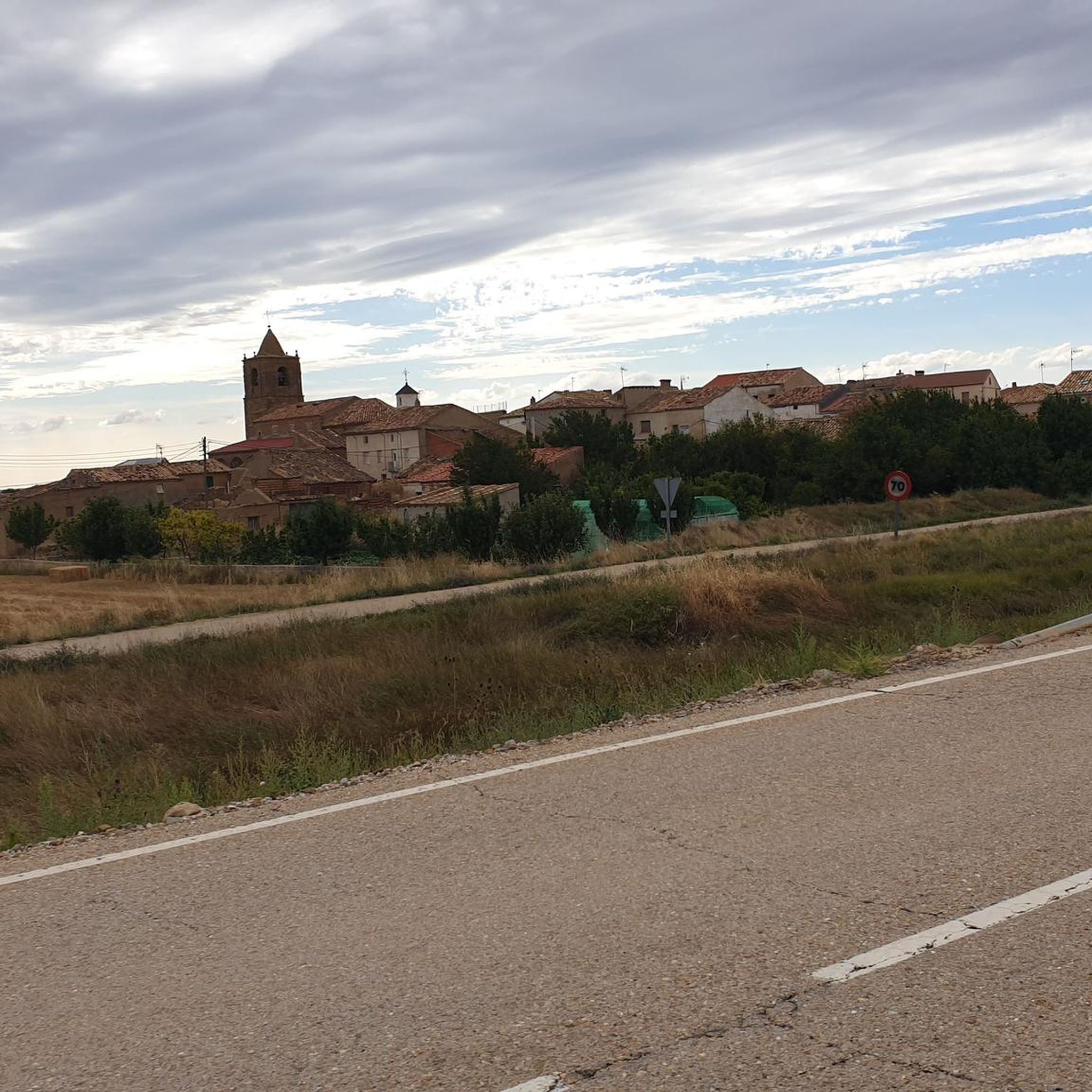
Gómara was an important outpost on the medieval border. Both between Christians and Muslims and between Castilians and Aragonese. It is the capital of the Campo de Gómara region and the view of its fields stretches as far as the eye can see.
0
0
The Vía Verde Santander-Mediterráneo is one of the longest in Spain. It runs across the peninsula from north to east and crosses a great diversity of landscapes.
0
0

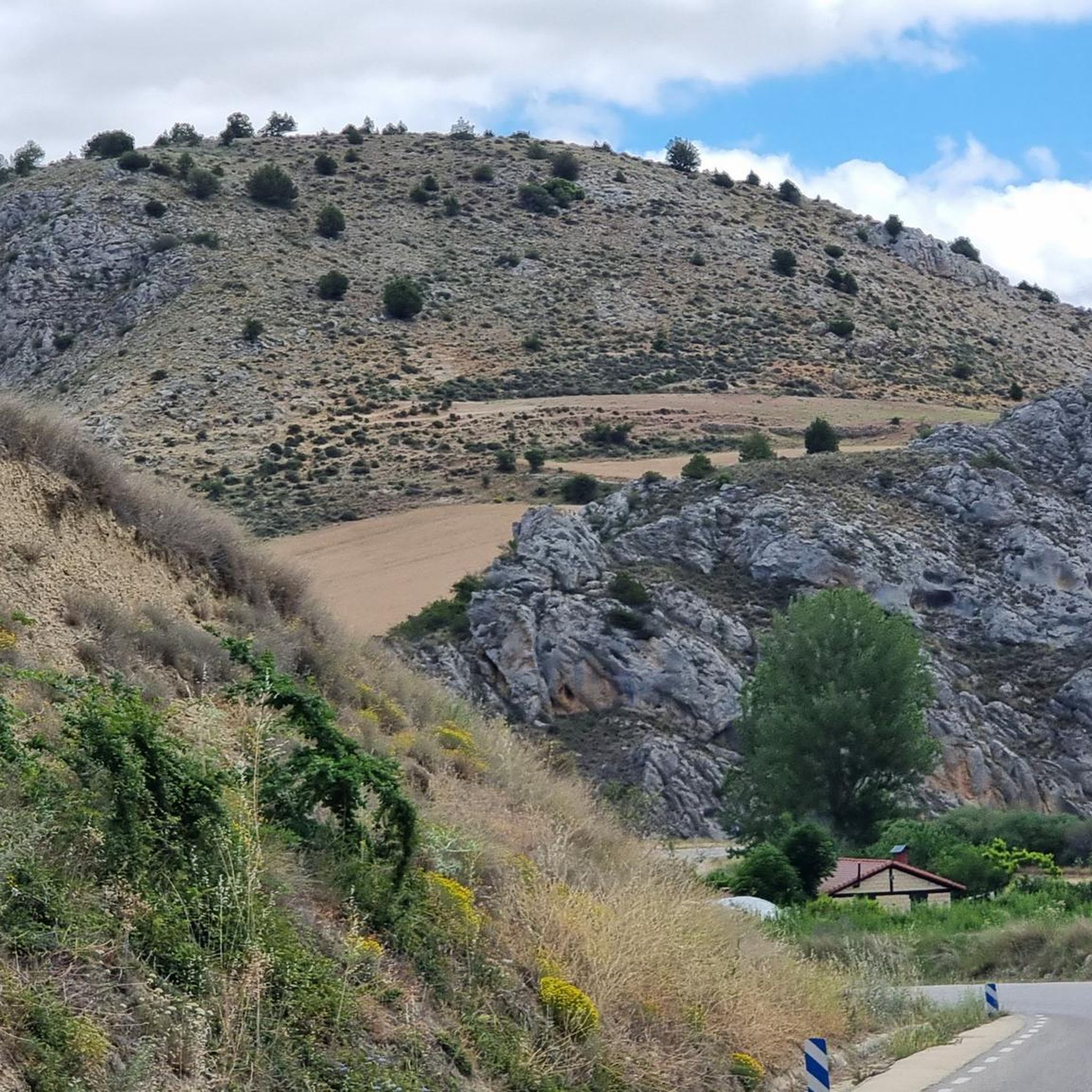
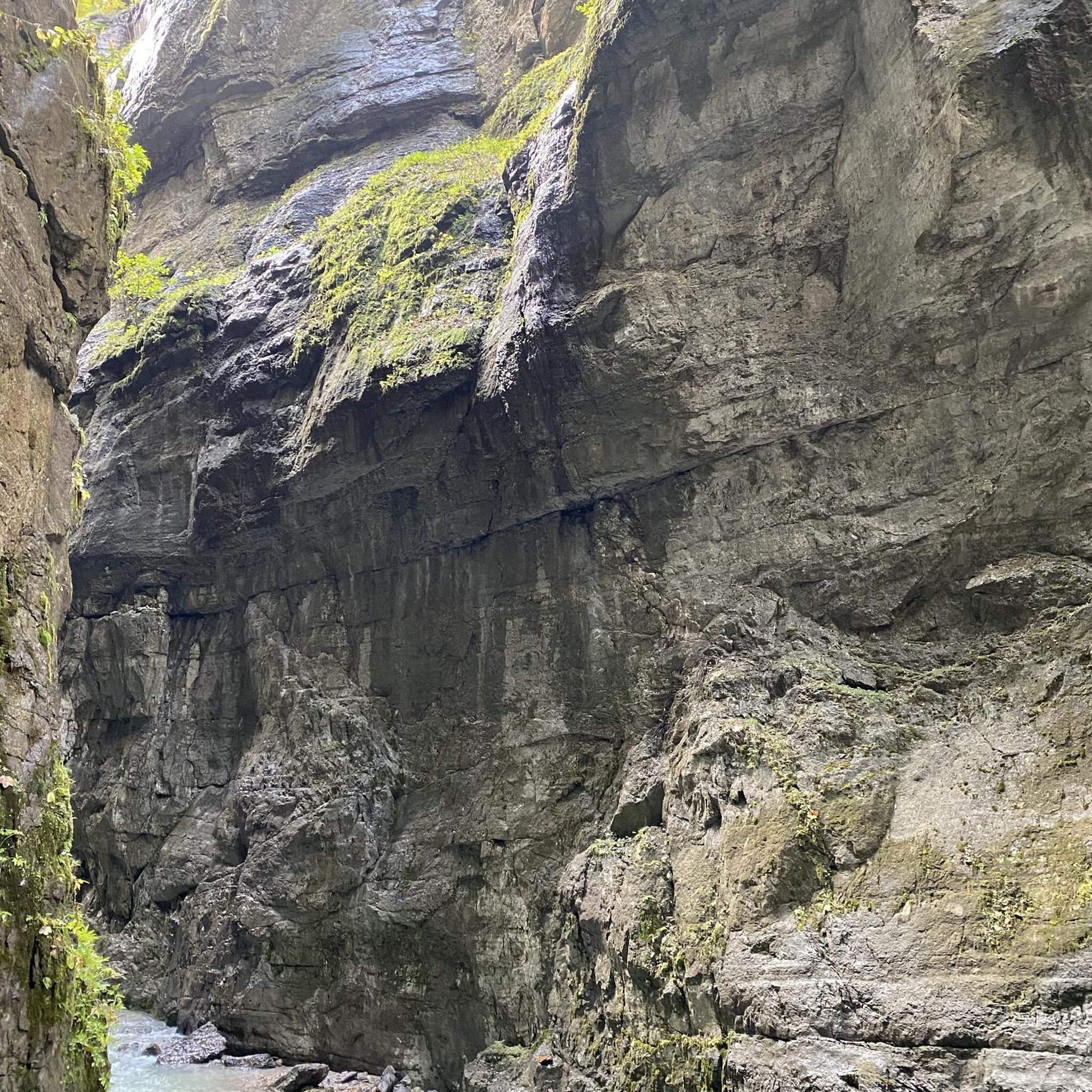
Stage 3. Refugio de Majada Baja/Soria 77.5 kilometers. 310 meters of elevation gain. The third day of the cycling trip is delightful, with almost entirely favorable terrain and very seductive landscapes until Ciria. The descent passes by the turnoff for the collado de la Cruz de las Heladas, in the beautiful pastoral meadows of El Hoyuelo. The name refers to a group of women from Beratón who were surprised by a snowstorm and froze to death; only the horses survived. The trail ridges along the last hills of the Moncayo and descends towards Beratón. In the ravines on the left, the Isuela River is born, one of the main tributaries of the Jalón River, so we are still on the Mediterranean slope of the Sistema Ibérico. In Beratón, we take a photo from the stone cross and continue pedaling at full speed along a track with an impeccable surface that surrounds the Sierra del Tablado and ends in Borobia, which has a small hostel open all year round; it is the main supply point of the stage. The route runs through the karst plateaus of the Manubles River and, at the Corrales de las Cabezas, descends into the limestone canyon of the Celorrio ravine, a spectacular gorge with rocky slopes that leads to the road to Ciria. The landscapes of the route never cease to surprise. In the Middle Ages, the town of Ciria was a strategic passage on the old borders between Arabs and Christians; it has a rocky fortress and a medieval urban layout. The castle is perched on steep, isolated crags outside the town, watching over the course of the Manubles River; you have to walk a few minutes to reach the walls of the old fortress. In the town center, the large volume of the Gothic church stands out in the stepped layout of the village. The route of the old Santander-Mediterráneo railway passes through Ciria, our destination to return to the city of Soria because this section has been recovered by the Caminos Naturales network and offers a fantastic cycling alternative for gravel bikepacking. The connection from the town to the old railway is simple along the Manubles valley and a track that climbs up to the track bed. On the shoulder, there is a sign dedicated to the people of Ciria and then a small curved tunnel with automatic artificial lighting. The first section of the natural path is a gentle climb to El Pozuelo and the Tordesalas station, the gateway to the Soria moorland and the Duero basin. The rest of the trip is a flat landscape without notable changes in rhythm in the immense colored plains of the Campos de Gómara, dedicated mainly to cereal cultivation. The railway passes near the towns but never touches the urban centers; you have to deviate to get water or any kind of provision. We stop at the hermitage of Los Silos, near Portillo de Soria, which is next to the track; it has shade and a pleasant place to have the last supplies we have left and recover our strength. In the next section, there are more abandoned stations, some of good size, which demonstrate the commercial importance that the railway had during its time of service. The rest area of the old Martialay station announces the end of the trip. The natural path ends at the Polígono de Valcorba, about four kilometers before Soria. The route runs through the streets of the industrial warehouses and exits to the roundabout of the N-234 road that enters Soria via the Duero River. At the end of the descent, there is a turnoff to the left that enters directly into the Soto Playa gardens, crosses the Duero via the pedestrian bridge of the crab, and ends in the parking lot. End of the cycling adventure. The value of a trip is not measured by the distance traveled or the number of photos, but rather by the desire to start the next one.
0
0

Small town located in the old middle of the Campo de Gómara and some of its houses are bathed by the Río Duero.
0
0

Its castle stands out above all, very well preserved (although small) that has served as the setting for numerous series and films
0
0
Although it is an important town, the truth is a bit disappointing. To highlight, the town hall square, the Church and the streets with arcades.
0
0
Church of San Lorenzo, consists of a semicircular apse and a presbyterial section from the Romanesque period. The apse is semicircular with a blind semicircular loophole. Hermitage of the Magdalena.
0
0
Frequently Asked Questions
What historical sites can I explore around Gómara?
The region is rich in history. You can visit the well-preserved Almenar de Soria Castle, which has even served as a setting for films. Another significant historical site is Ledesma de Soria Village and Church, featuring the Romanesque Church of San Lorenzo with its distinctive semicircular apse.
Are there any family-friendly attractions in the Gómara area?
Yes, Ribarroya is a small town known for its family-friendly atmosphere, with some houses bathed by the Río Duero. The Gómara Town Center also offers a pleasant experience for families, with its town hall square, church, and arcaded streets.
What outdoor activities are available near Gómara's attractions?
The area offers excellent opportunities for cycling. You can explore routes like the 'Santander-Mediterráneo Greenway: Soria Loop' or the 'Almenar de Soria Castle - Campo de Gómara Loop'. For more options, check out the Cycling around Gómara guide or the Road Cycling Routes around Gómara guide.
Can I find natural trails for walking or cycling in the region?
Absolutely. The Santander–Mediterranean Nature Trail (Ciria Section) is a recovered railway path offering a fantastic cycling alternative, especially for gravel bikepacking. This trail showcases diverse landscapes, from karst plateaus to the vast cereal fields of the Campos de Gómara.
What is the best time to visit Gómara for outdoor activities?
The region's climate, characterized by warm summers and cold winters, makes spring and autumn ideal for outdoor activities. During these seasons, the weather is generally mild, perfect for exploring historical sites and natural trails without extreme heat or cold.
Are there any easy or beginner-friendly cycling routes around Gómara?
Yes, there are easier options available. For instance, the 'Gómara Town Center loop from Gómara' and the 'Almenar de Soria Castle – Almenar de Soria Castle loop from Almenar de Soria' are both rated as easy cycling routes, suitable for beginners or those looking for a relaxed ride. You can find these and more in the Cycling around Gómara guide.
Where can I see the Duero River near Gómara?
The town of Ribarroya is a great spot to experience the Duero River, as some of its houses are directly bathed by its waters. The Santander–Mediterranean Nature Trail also passes through the Duero basin, offering views of the river's influence on the landscape.
What kind of landscapes can I expect to see around Gómara?
The Gómara region offers a diverse landscape. You'll encounter the expansive cereal fields of the Campos de Gómara, karst plateaus, and river valleys, particularly along the Duero and Manubles rivers. The area also features remnants of its strategic past, with medieval architecture nestled within these natural settings.
Are there any specific architectural styles to look out for in Gómara's villages?
Yes, in villages like Ledesma de Soria, you can admire Romanesque architecture, particularly in the Church of San Lorenzo. The region's history as a strategic point between ancient borders also means you'll find medieval architectural elements in castles and older town structures.
What makes the Santander–Mediterranean Nature Trail interesting?
The Santander–Mediterranean Nature Trail (Ciria Section) is notable for being a recovered old railway path, offering unique perspectives on the landscape. It features a small curved tunnel with automatic artificial lighting and passes through varied terrain, from the Manubles plain to the Duero basin, showcasing the region's natural beauty and agricultural heritage.
What is the significance of Gómara's location historically?
Historically, Gómara and its surroundings served as a strategic point situated between ancient borders. This is reflected in the presence of medieval architecture, such as Almenar de Soria Castle, which played a crucial role in the region's past.

Get inspired with the komoot mobile app


Explore more
Still not found the Highlight you’re looking for? See guides of the top attractions in other regions:
