Attractions and Places To See around O Barco De Valdeorras - Top 20
Best attractions and places to see around O Barco De Valdeorras, located in the Sil Valley in eastern Galicia, offers a diverse range of attractions. The region is characterized by the Sil River and surrounding mountains, providing a backdrop for exploration. Visitors can find notable landmarks, natural features, and cultural sites. This area is also part of the Camino de Santiago winter route.
Best attractions and places to see around O Barco De Valdeorras
- The most popular attractions is Pumares…
Last updated: July 26, 2026
Church of Our Lady of Fátima and Fontei Cross
Highlight • Religious Site
Translated by Google •
Tip by

Pumares Village on the Camino de Invierno
Highlight • Settlement
Translated by Google •
Tip by
Sign up now to discover places like this
Get recommendations on the best single tracks, peaks, & plenty of other exciting outdoor places.
Sign up for free
O Bañadoiro Suspension Bridge
Highlight • Bridge
Translated by Google •
Tip by
Ruins of the Old Church with Altar of the Virgin
Highlight • Historical Site
Translated by Google •
Tip by
Pazo de Arnado
Highlight • Historical Site
Translated by Google •
Tip by

Sign up for free to discover even more attractions around O Barco De Valdeorras.
Sign up for free
Already have an account?
Start today with a free account
Your next adventure awaits.
Login or Signup
Tips from the Community

The Church of Our Lady of Fatima in Fontei, located in the municipality of A Rúa, Valdeorras, Ourense, is a modern temple built between the 19th and 20th centuries. This church stands out for its two slate-covered towers and its neo-Gothic style. Every year, in May, a festival is held in honor of the Virgin of Fatima. It is said that the famous Catalan architect Antonio Gaudí may have influenced its design, although there are no documents to confirm this. ⛪
14
1

This small shrine, built in honor of the Mother of God, consists of a square pillar made of natural stone, on top of which a statue of the Virgin Mary is enthroned. It is rather small in comparison to the massive pillar (perhaps the word tower would be more appropriate). Larger and more conspicuous, however, is the wooden cross attached to the stone pillar, which stands out clearly against the dark background of the stone due to its light color. The simple cross has no corpus, but the characters for "Alpha" and "Omega" hang down from the side arms of the crossbeam. These are the first and last letters of the Greek alphabet and refer to the words from the Revelation of John, the last book of the New Testament: "I am the Alpha and the Omega, the beginning and the end. If anyone is thirsty, I will give him a free drink from the spring of the water of life" (Rev 21:6).
1
1
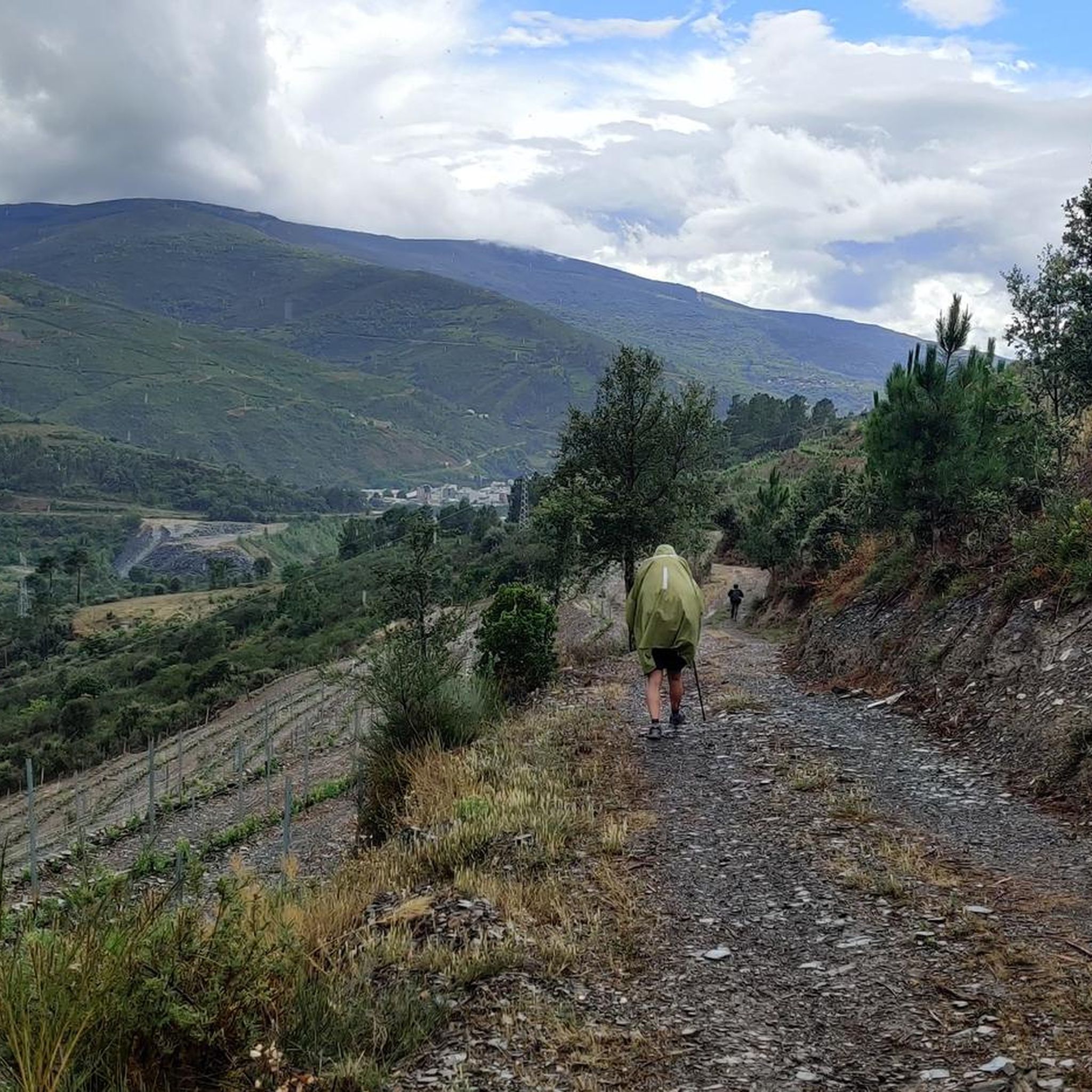
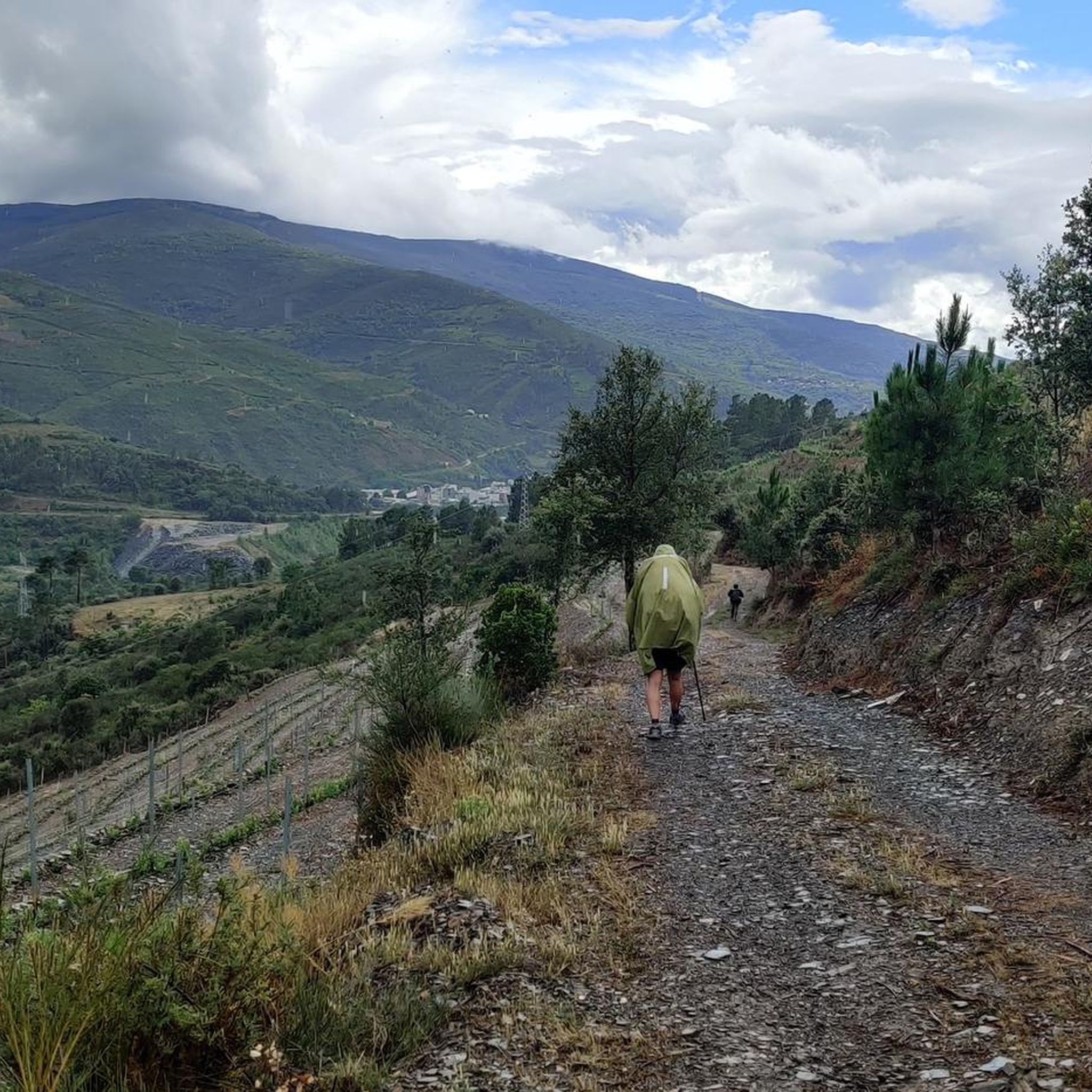
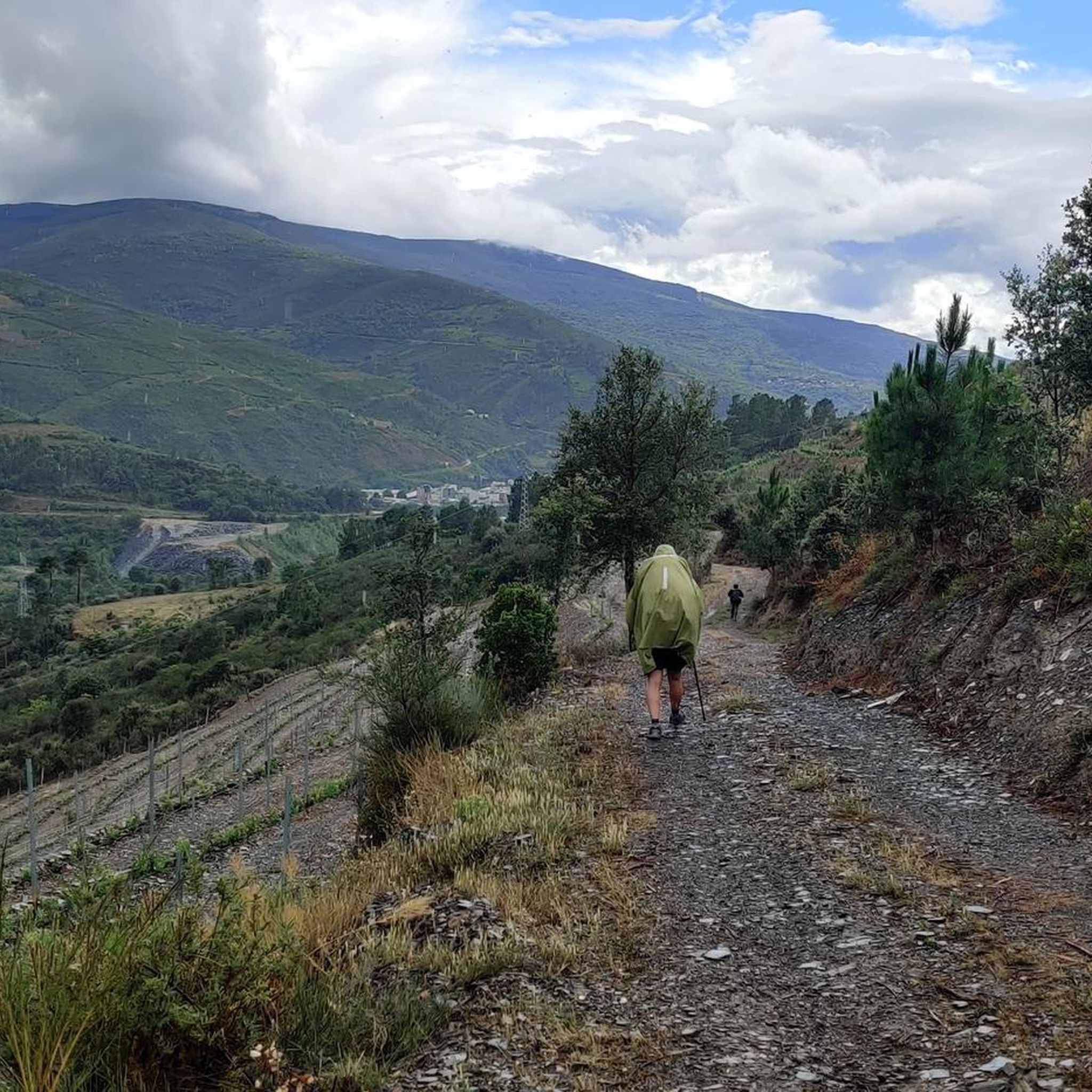
Pumares is a small village located in the province of Ourense, in the autonomous community of Galicia, Spain. It belongs to the municipality of Carballeda de Valdeorras and is known for being part of the Camino de Invierno, an alternative route of the Camino de Santiago. The town offers accommodation and other services for pilgrims and visitors. Pumares is characterized by its tranquility and natural surroundings, being an ideal place for those looking for an experience of peace and connection with nature on their way to Santiago de Compostela. If you are interested in the culture and history of the region, Pumares can be an interesting stop on your trip, offering an authentic view of Galician rural life. 🌄😎🚶♂️
16
0
If you decide to explore this route, you will be surrounded by nature, history and stunning views. Enjoy your hike! 🏞️🚶♂️🥾🚵🌞
17
1

Nice place to rest
5
0
Mystical place! Worth a detour!
5
0
A dilapidated church with a Marian altar. MYSTICAL
5
0
A highlight along the way. The path doesn't actually lead over the bridge. But you should take it with you
5
0
Frequently Asked Questions
What natural attractions can I explore in O Barco de Valdeorras?
The region is rich in natural beauty. You can visit the impressive Pincheira de Fervenza, a 25-meter waterfall, or explore the picturesque Sil Valley. The area also features centenary chestnut groves, particularly vibrant in autumn, and the O Salgueiral recreational area, home to various bird species.
Are there historical sites to visit in O Barco de Valdeorras?
Yes, O Barco de Valdeorras boasts several historical sites. Explore the Old Town (Casco Antiguo) with its Plaza Mayor and stately houses. Don't miss the 14th-century Torre do Castro (Tower and Fortress of O Castro), offering excellent valley views, or the 12th-century Romanesque Church of San Miguel de Xagoaza. You can also see the Ruins of the Old Church with Altar of the Virgin.
What activities are available for families in the area?
Families can enjoy the Paseo do Malecón, a riverside promenade with a river beach, playgrounds, and sports courts. The O Salgueiral recreational area is also great for spotting ducks, herons, and storks. Visiting Pumares Village on the Camino de Invierno offers a glimpse into rural life, and the Pazo de Arnado is also considered family-friendly.
Where can I find panoramic views of the Sil Valley?
For breathtaking panoramic views of the Valdeorras riverbank, head to the Mirador de Alixo. The Torre do Castro also provides excellent vistas of the valley. Additionally, the routes between Alixo, Domiz, and Candeda offer elevated perspectives.
Are there opportunities for hiking or outdoor sports?
Absolutely. The region offers numerous outdoor activities. You can find various hiking trails, including those starting from the O Bañadoiro Suspension Bridge. For more detailed routes, explore the hiking guides for the area, such as Hiking around O Barco De Valdeorras. There are also options for road cycling and running, with dedicated guides like Road Cycling Routes around O Barco De Valdeorras and Running Trails around O Barco De Valdeorras.
What cultural experiences does O Barco de Valdeorras offer?
The region is famous for its wine production. You can explore the Valdeorras Designation of Origin Wine Route, visiting vineyards and local cellars for tastings of Godello and Mencía wines. The Teatro Lauro Olmo hosts cultural events, and the Old Town provides insight into the area's heritage.
Is O Barco de Valdeorras part of the Camino de Santiago?
Yes, O Barco de Valdeorras lies on the Camino de Santiago winter route. Pilgrims often pass through the area, and villages like Pumares Village on the Camino de Invierno offer accommodation and services for those on their journey.
What is the Paseo do Malecón, and what can I do there?
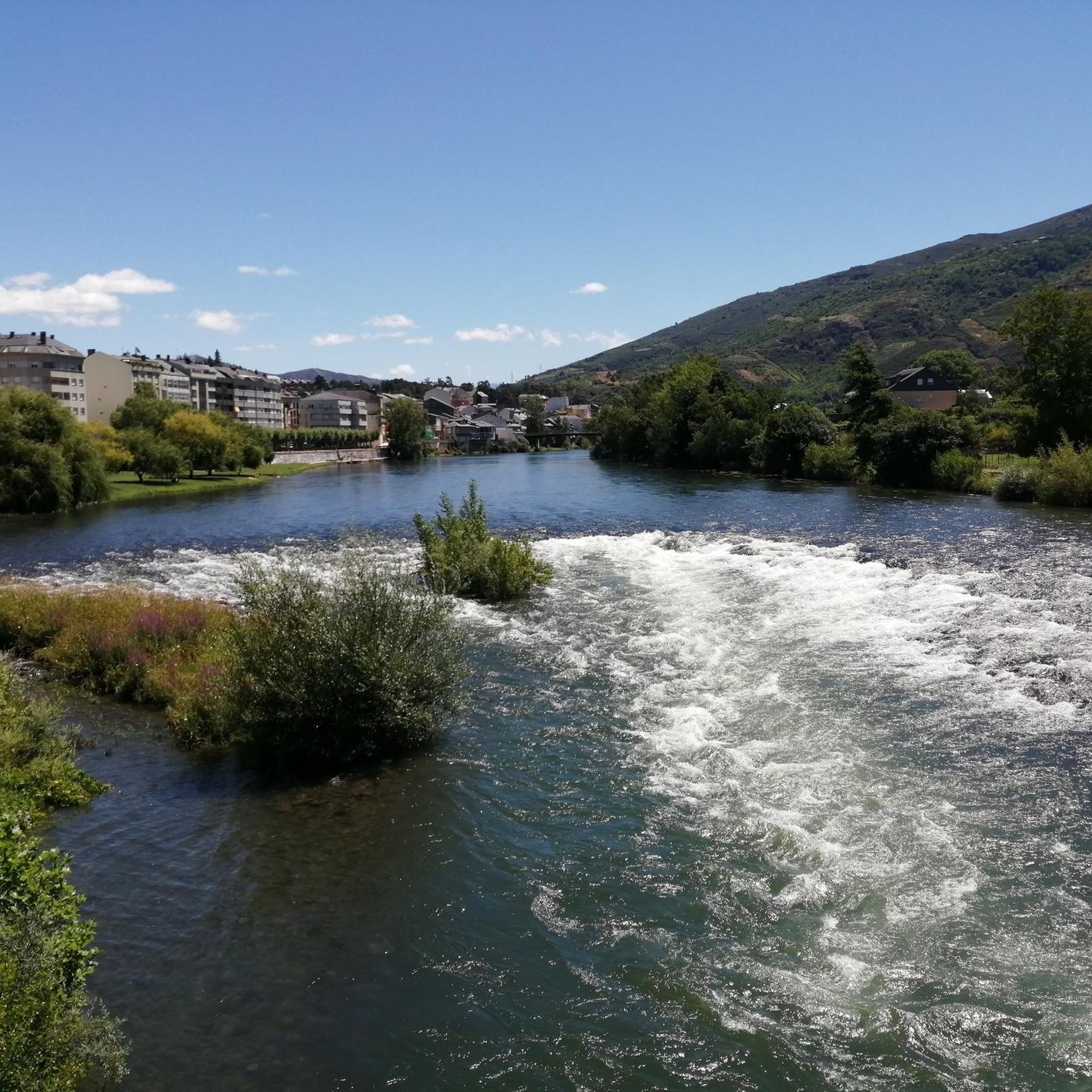
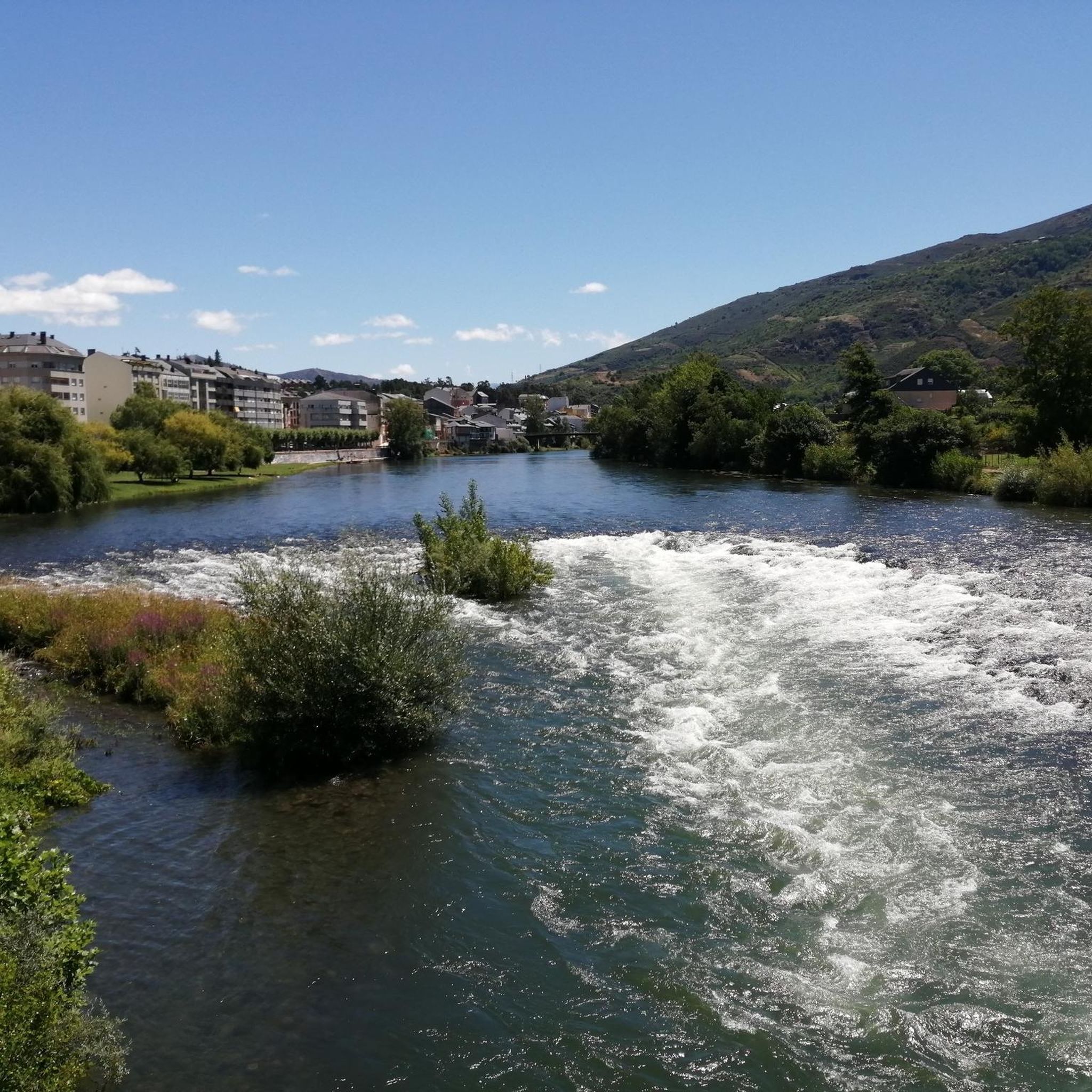
The Paseo do Malecón is a two-kilometer promenade along the Sil River in O Barco. It's a central hub for leisure, featuring a river beach, sports courts, a swimming pool, playgrounds, and cafes. It's ideal for relaxing, socialising, and accessing the O Salgueiral recreational area.
Are there any ancient ruins or archaeological sites?
Beyond the medieval structures, you can find evidence of ancient history. The Torre do Castro reveals pre-Roman and Roman origins through archaeological excavations. The Vila do Castro was once an important settlement with remains of a Castro dating back approximately 2,500 years. There are also ancient petroglyphs at Petroglifo da Raia.
What is the best time of year to visit O Barco de Valdeorras for outdoor activities?
The region offers beauty year-round. Autumn is particularly spectacular for viewing the centenary chestnut groves when their foliage changes color. Spring and early summer provide pleasant temperatures for hiking and exploring the natural landscapes. Always check local weather conditions before planning outdoor activities.
Are there any notable architectural sites beyond churches?
Beyond the churches, you can visit the Casa Grande de Viloira, a striking 17th-century stone building with unique gardens. The Pazo de los Flórez, a manor house from 1630, is also found in O Castro. Additionally, the Éntoma Bridge is a well-preserved Roman-origin bridge made of slate slabs.
What makes the Old Town of O Barco de Valdeorras interesting?
The Old Town (Casco Antiguo) is essential for understanding O Barco's origins. Its Plaza Mayor has historical ties to a ferry crossing the Sil, and the surrounding streets are lined with stately houses adorned with coats of arms, reflecting the town's rich past. The Church of San Mauro is also located here.
Are there any nearby natural parks worth visiting?
While located in the neighboring municipality of Rubiá, the Sierra de la Encina de la Lastra Natural Park is a significant natural gem nearby. It's known for its Mediterranean vegetation, limestone formations, and diverse bird and bat populations, designated as a Special Protection Area for Birds (SPA).
What do visitors enjoy the most about O Barco de Valdeorras?
Visitors appreciate the blend of history, nature, and local culture. Many enjoy the tranquility and natural surroundings, especially along the Sil River and its suspension bridges like O Bañadoiro Suspension Bridge. The authentic rural life experienced in places like Pumares Village and the historical insights from sites like the Ruins of the Old Church are also highly valued.
Most popular routes around O Barco De Valdeorras

Get inspired with the komoot mobile app


Explore more
Still not found the Highlight you’re looking for? See guides of the top attractions in other regions:
