The best walks and hikes around Rezerwat Przyrody Świdwie
4.4
(16)
95
hikers
16
hikes
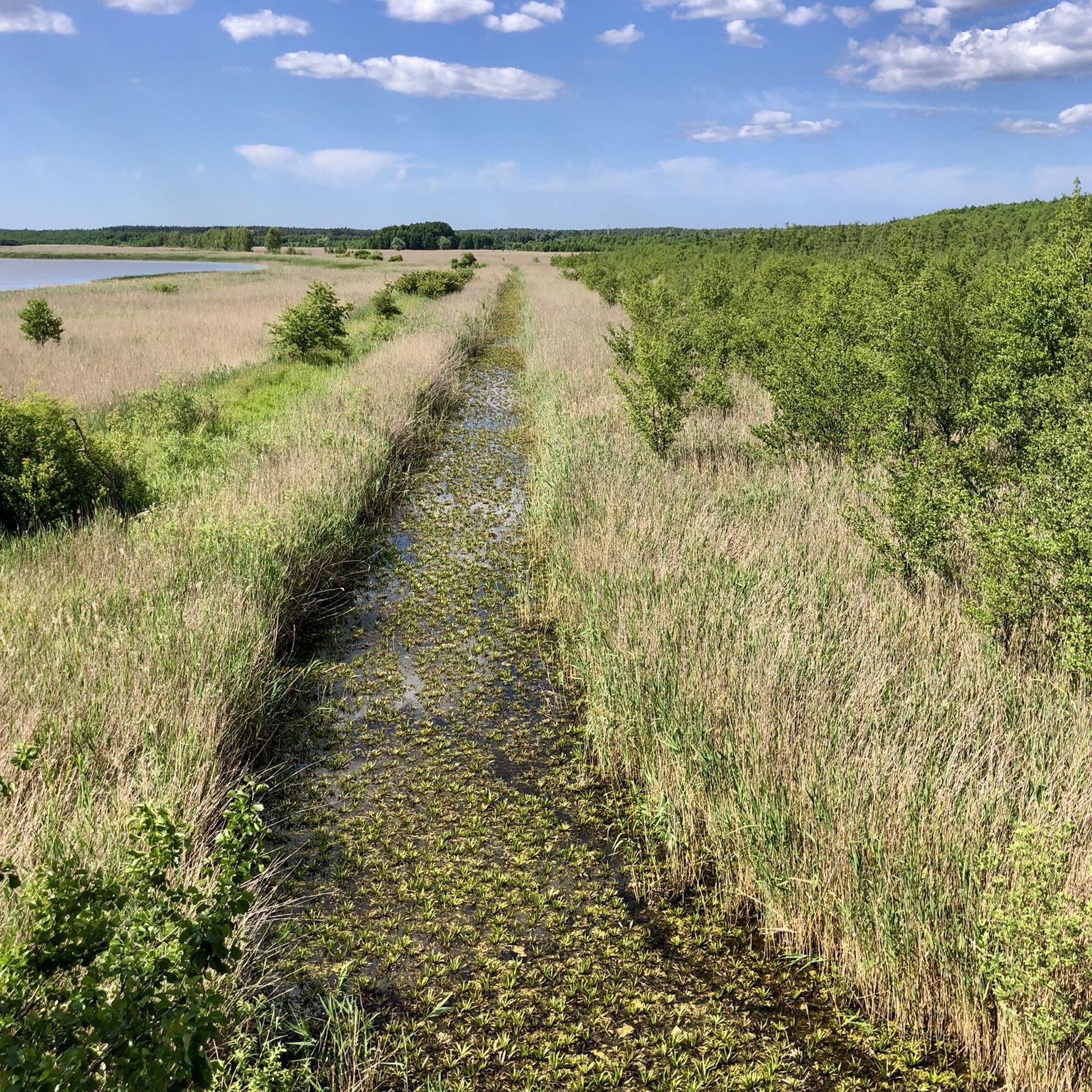
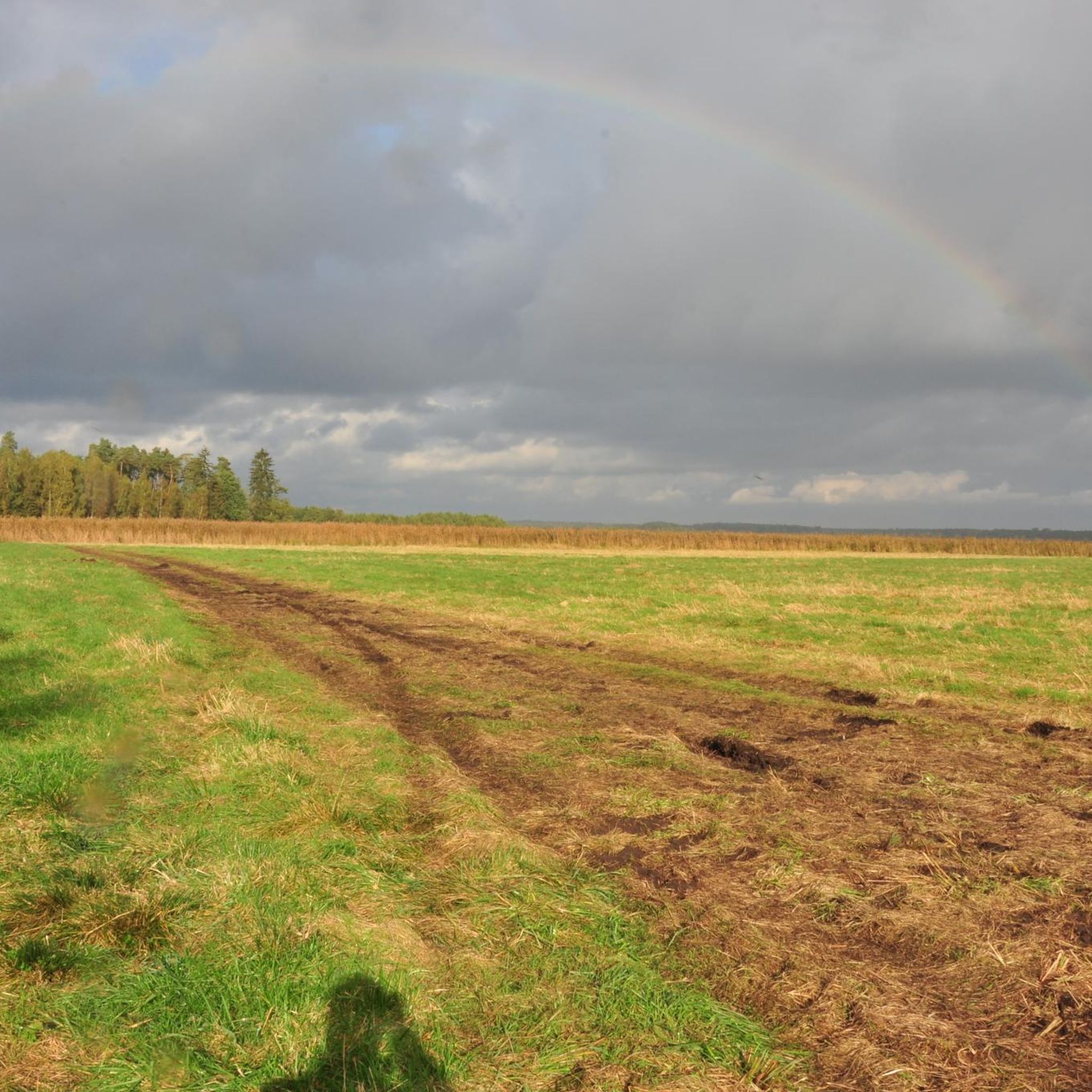
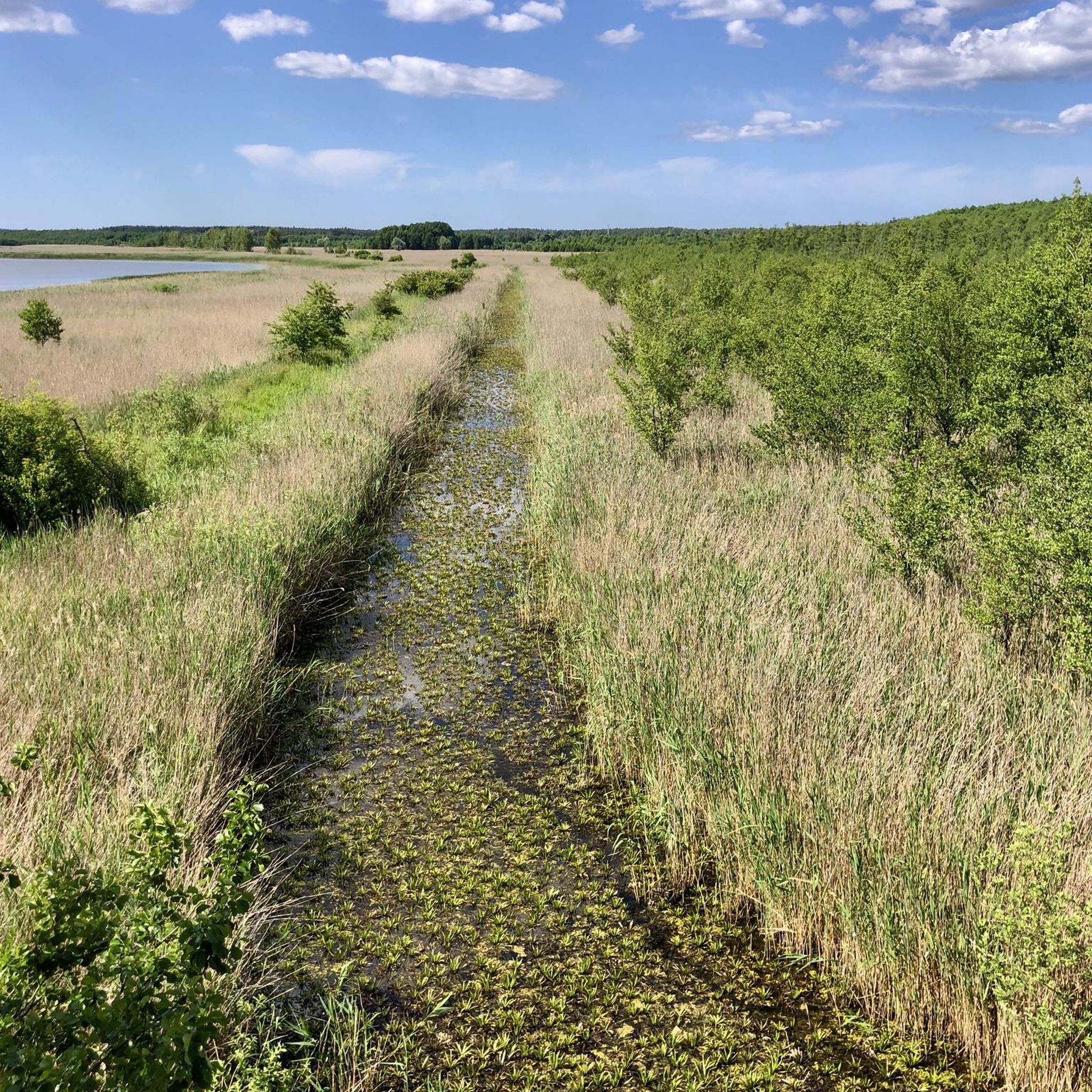
Hiking around Rezerwat Przyrody Świdwie offers trails through a unique wetland ecosystem, characterized by extensive reed beds, marshes, and low peatlands surrounding the overgrown Lake Świdwie. The landscape also features mixed pine forests and swamp forests, providing diverse scenery for outdoor activities. The terrain is generally flat, with minimal elevation changes, making it accessible for various fitness levels. This protected area is internationally recognized for its rich birdlife and varied habitats.
Best hiking trails around Rezerwat Przyrody Świdwie
- The most…
Last updated: July 22, 2026
4.6
(5)
23
hikers
12.9km
03:16
40m
30m
Moderate hike. Good fitness required. Easily-accessible paths. Suitable for all skill levels.
3.0
(1)
15
hikers
5.21km
01:19
10m
10m
Easy hike. Great for any fitness level. Easily-accessible paths. Suitable for all skill levels.

Sign up for free
5.0
(1)
4
hikers
Moderate hike. Good fitness required. Easily-accessible paths. Suitable for all skill levels.
3.5
(2)
14
hikers
5.64km
01:26
10m
10m
Easy hike. Great for any fitness level. Easily-accessible paths. Suitable for all skill levels.
5.0
(3)
5
hikers
5.78km
01:28
20m
20m
Easy hike. Great for any fitness level. Easily-accessible paths. Suitable for all skill levels.
Get access to more routes and recommendations from other explorers.
Sign up for free
Already have an account?
Our route recommendations are based on thousands of hikes, rides, and runs completed by other people on komoot.
Start today with a free account
Your next adventure awaits.
Login or Signup

Tips from the Community

the tower after renovation in 2023 open to tourists.
1
0
The machine shot down near Szczecin (No. 44-6117) was less than two months old at the time. It left the Douglas concern factory in Tulsa on May 6, 1944. A month later, it was at the RAF base near London, and on June 21, it was already lying at the bottom of Lake Stolsko.
0
0

Everything has already been said by the previous speakers, I hope that one day you can visit it
1
0

May 2024, the tower was operational.
1
0
The first mention of the town comes from the 13th century, when it belonged to the von Blankenburg family. Until 1521, the village was called Blankenburg. In 1554, the last owner of the estate - Amus von Blankenburg - sold it to Frederick von Ramin, the owner of Dobra Szczecińska. At that time, the village was given a new name - Stolzenburg, which means "lofty castle" During the Thirty Years' War, the village was deserted and the existing manor house was destroyed. Thanks to the von Ramin family, in 1662 the settlement of Glashütte was established near Stolec, with the oldest glassworks in Pomerania. In the years 1721–1727, Jürgen Bernard von Ramin, starosta of the Randow district, founded a new palace and established a park. In the years 1731–1735, a church was built, funded by the owner of the village. In 1872, the property became the property of a company of merchants, and then in 1888, after the bankruptcy of the company, it was taken over by a bank from Lübeck to cover the debts. In the first years of the 20th century, the estate was owned by Szczecin merchants. In 1900, a metal fence with an impressive neo-baroque gate with wrought-iron, richly decorated wings was built on the side of the road, partially preserved to this day. In 1939, the village had 440 inhabitants. After World War II, the palace was the headquarters of the Border Protection Forces, and then of the Border Guard. In the village there is a two-story palace, built in the style of baroque classicism, covered with a mansard roof. Nothing has survived from the former interior. A linden and chestnut alley leads to the palace. Around the palace there is a naturalistic park from the 19th century, in which there are, among others, wejmutka, hornbeams, blue and silver spruces, lindens, elms and yews. In the church cemetery there is a baroque monument with the image of Jürgen von Ramin. The estate covers 13 hectares of land.
1
0

The tower was open in July 2023
1
0

The seat of the von Ramin family, built in 1721-1727. The founder was Jurgen Berndt von Ramin, who built not only this palace, but also the nearby church. The palace survived the last wars in very good condition. Immediately after World War II, a border guard post was organized here. At that time, the interior layout was transformed and most of the fireplaces and stucco decorations on the ceilings were removed. The furniture had probably been stolen before. All floors were replaced in the 1970s. Nothing has survived from the historic interiors of the palace. Soldiers were stationed here until 2000. Then it was not known what to do with the palace. For some time it stood empty, for some time the University of Szczecin was the owner, but it had neither money nor an idea for this object. Attempts to sell were also unsuccessful. In the end, someone bought the palace, but also did nothing to it. And the palace stood and fell into disrepair. Since 2020, the palace has been owned by the "Safe - Animal" foundation, but still nothing is happening in it. What's next? Time will tell. For now, we bounce off the closed entrance gate and we can only look at the palace from a distance, through the bars.
4
1

There is a new tower, nice view, must see.
2
1
Frequently Asked Questions
What kind of terrain can I expect when hiking in Rezerwat Przyrody Świdwie?
Rezerwat Przyrody Świdwie features a unique wetland ecosystem. You'll find extensive reed beds, marshes, and low peatlands surrounding the overgrown Lake Świdwie. The landscape also includes mixed pine forests and swamp forests. The terrain is generally flat with minimal elevation changes, making it accessible for various fitness levels.
Are there any viewpoints or notable landmarks to see during a hike?
Yes, a prominent feature is the approximately 10-meter-high Świdwie Observation Tower, offering panoramic views of the lake and its surrounding reed beds, ideal for birdwatching. You can experience this on routes like the Świdwie Observation Tower loop from Rezerwat Przyrody Świdwie.
What is the best time of year to visit Rezerwat Przyrody Świdwie for hiking?
The reserve is particularly known for its rich birdlife, especially during spring and autumn when it serves as a significant resting and feeding ground for migrating birds, such as geese. These seasons offer excellent opportunities for wildlife spotting amidst pleasant hiking conditions.
Are there any family-friendly hiking options in the reserve?
Yes, the generally flat terrain and well-marked paths make many routes suitable for families. For example, the Świdwie Observation Tower loop from Rezerwat Przyrody Świdwie is an easy 3.2-mile (5.2 km) trail that can be completed in about 1 hour 19 minutes, perfect for a family outing.
Can I bring my dog on the hiking trails in Rezerwat Przyrody Świdwie?
While the reserve is a protected area, movement within the reserve is generally restricted to designated paths to protect the sensitive ecosystem. It's advisable to check local regulations regarding dogs on trails within nature reserves to ensure compliance and protect the wildlife.
Are there circular hiking routes available?
Yes, several routes are designed as loops. A popular moderate option is the Świdwie Observation Tower loop from Zalesie, which is 8.0 miles (12.9 km) long. For a longer adventure, consider the Stolsko Lake Beach – Świdwie Observation Tower loop from Rezerwat Przyrody Świdwie.
What do other hikers enjoy most about hiking in Rezerwat Przyrody Świdwie?
The area is highly rated by the komoot community, with an average score of 4.7 stars. Reviewers often praise the unique wetland environment, the opportunities for birdwatching from the observation tower, and the tranquil forest sections that offer a peaceful escape into nature.
Are there any facilities or rest areas within the reserve?
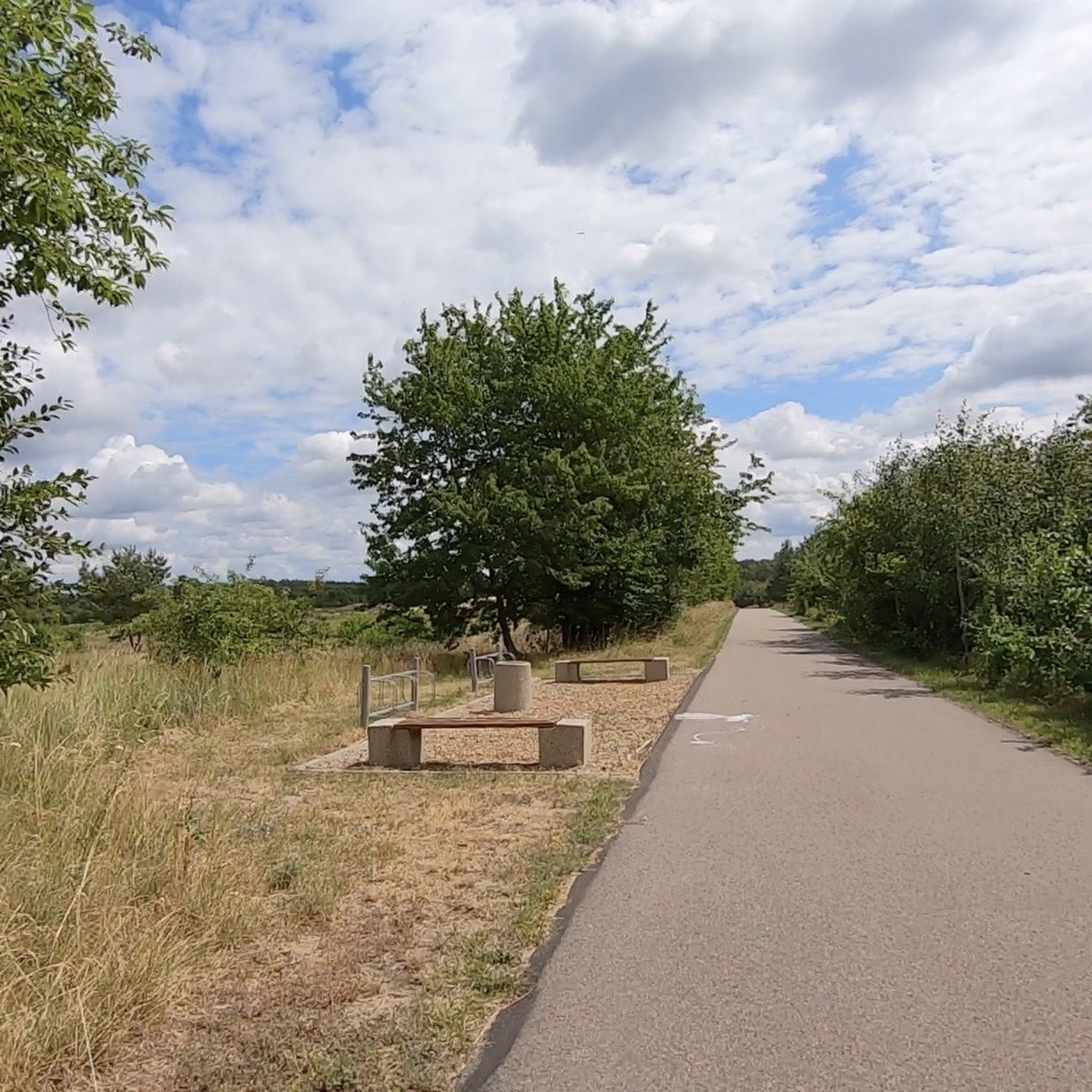
Yes, the Świdwie Rest Area, located by Lake Świdwie, provides amenities such as shelters, tables, and a designated campfire spot, offering a peaceful place for hikers to relax.
How many hiking trails are available in Rezerwat Przyrody Świdwie?
There are over 10 hiking trails available in Rezerwat Przyrody Świdwie, catering to various difficulty levels. You'll find 8 easy routes, 5 moderate routes, and 1 difficult route, ensuring options for different preferences and fitness levels.
Is there parking available near the hiking trailheads?
While specific parking locations are not detailed, nature reserves typically provide designated parking areas for visitors at or near main access points. It is recommended to check local signage upon arrival for official parking spots to ensure you are within permitted areas.
What kind of wildlife can I expect to see while hiking?
Rezerwat Przyrody Świdwie is a haven for wildlife, particularly birds, with 218 recorded species including water rail, black tern, greylag goose, and crane. Beyond birds, the reserve is home to 10 fish species, 12 amphibian species, 5 reptile species, and 45 mammal species, making it an excellent spot for nature observation.
Are there any educational opportunities or information points in the reserve?
While the Świdwie Nature Reserve Educational and Museum Center has faced periods of closure, educational boards are often found along the trails. These boards enrich the hiking experience with information about the local flora and fauna, promoting nature conservation and environmental awareness.
Most popular routes around Rezerwat Przyrody Świdwie
Most popular attractions around Rezerwat Przyrody Świdwie

Get inspired with the komoot mobile app


Explore more
Browse the best Hikes in other regions.
