Attractions and Places To See around Pedrafita Do Cebreiro - Top 20
Best attractions and places to see around Pedrafita Do Cebreiro is a municipality in the province of Lugo, Galicia, Spain, serving as a key entry point into Galicia for pilgrims on the Camino de Santiago. The region is characterized by its historical significance, traditional Galician culture, and natural landscapes, including its position between the Sierra de Ancares and Courel. Visitors can explore ancient villages, religious sites, and natural monuments. The area offers a blend of spiritual, historical, and outdoor experiences.
Best attractions and places to see around Pedrafita Do Cebreiro
- The most popular attractions is Galicia Border Marker on the Camino de Santiago, a man-made monument that signifies the official entry into Galicia for pilgrims. This marker represents a significant milestone on the journey to Santiago de Compostela.
- Another must-see spot is Ancient Chestnut Tree in Ramil, a natural monument. This emblematic chestnut tree, over 800 years old, is located directly on the French Way and is a popular spot for pilgrims.
- Visitors also love Pilgrim Statue at Alto de San Roque, a man-made monument. Located at 1270 meters altitude, this statue symbolizes the effort of pilgrims and offers panoramic views of the surrounding mountains.
- Pedrafita Do Cebreiro is known for its historical sites, natural monuments, and significant points along the Camino de Santiago. The region offers a variety of attractions to see and explore, from ancient churches to scenic viewpoints.
- The attractions around Pedrafita Do Cebreiro are appreciated by the komoot community, with more than 316 upvotes and 274 photos shared by visitors.
Last updated: October 10, 2026
Church of Santa María la Real in O Cebreiro
Highlight • Religious Site
Translated by Google •
Tip by

Ancient Chestnut Tree in Ramil
Highlight • Natural Monument
Translated by Google •
Tip by
Sign up now to discover places like this
Get recommendations on the best single tracks, peaks, & plenty of other exciting outdoor places.
Pilgrim Statue at Alto de San Roque
Highlight • Monument
The silhouette of the pilgrim whipped by the wind represents the effort of all the people who make the Camino de Santiago, it does not matter if it is on foot or by bicycle.
From here you can enjoy a unique panoramic view of the surrounding mountains and one of the most photographed images of the Camino: the monument to the pilgrim against the background of the landscape.
Translated by Google •
Tip by

Galicia Border Marker on the Camino de Santiago
Highlight • Monument
However, for our group of pilgrims - and countless others who set off on the "Camino" year after year - the "Credencial" was the only important identification document and pilgrimage routes have always been limitless. Nevertheless, it is of course particularly nice to have (finally) reached Galicia, as you realize that you are slowly but surely approaching the goal of the great pilgrimage: the tomb of the Apostle James the Elder in Santiago de Compostela, Galicia.
Translated by Google •
Tip by

Alto do Poio
Highlight • Mountain Pass
Here you will find a hostel and a hostel with bar service, so you can enjoy a reward by having a drink on one of its terraces and regaining strength before facing the descent.
The landscape, both going up and down, is unforgettable.
Translated by Google •
Tip by
Sign up for free to discover even more attractions around Pedrafita Do Cebreiro.
Already have an account?
Start today with a free account
Your next adventure awaits.
Popular around Pedrafita Do Cebreiro
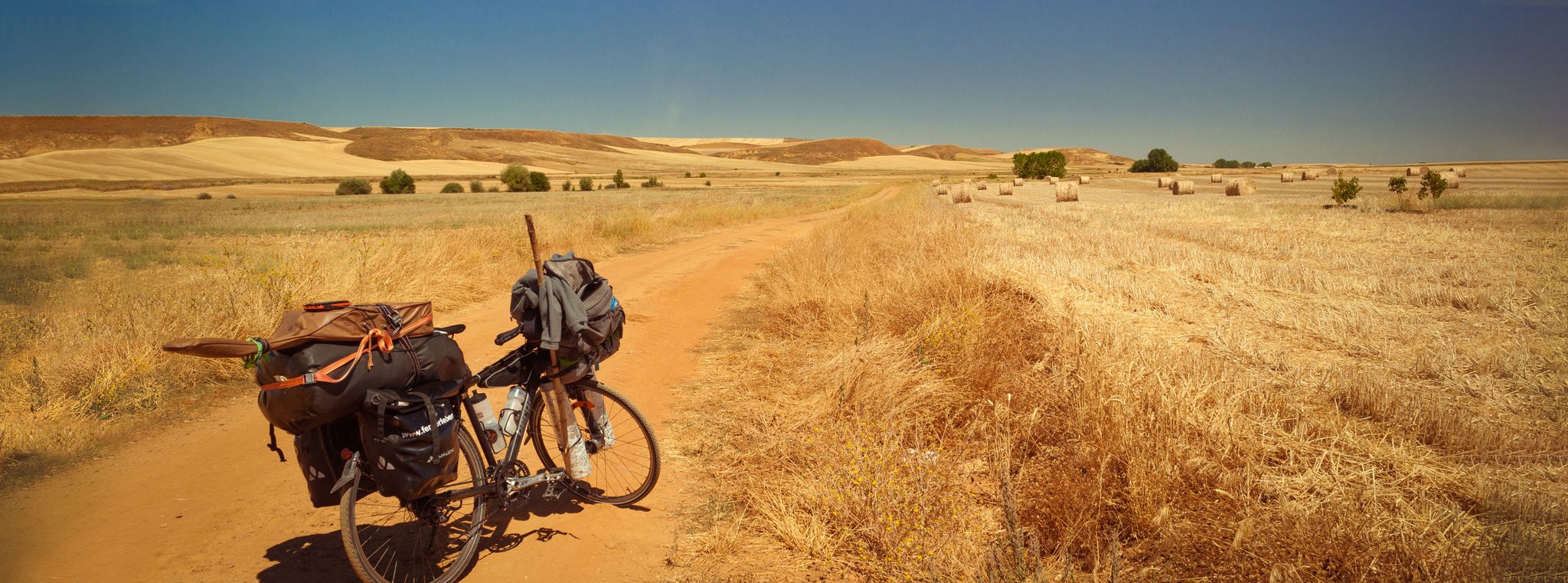
Camino Francés and Camino Finisterre – Cycling pilgrimages in Spain
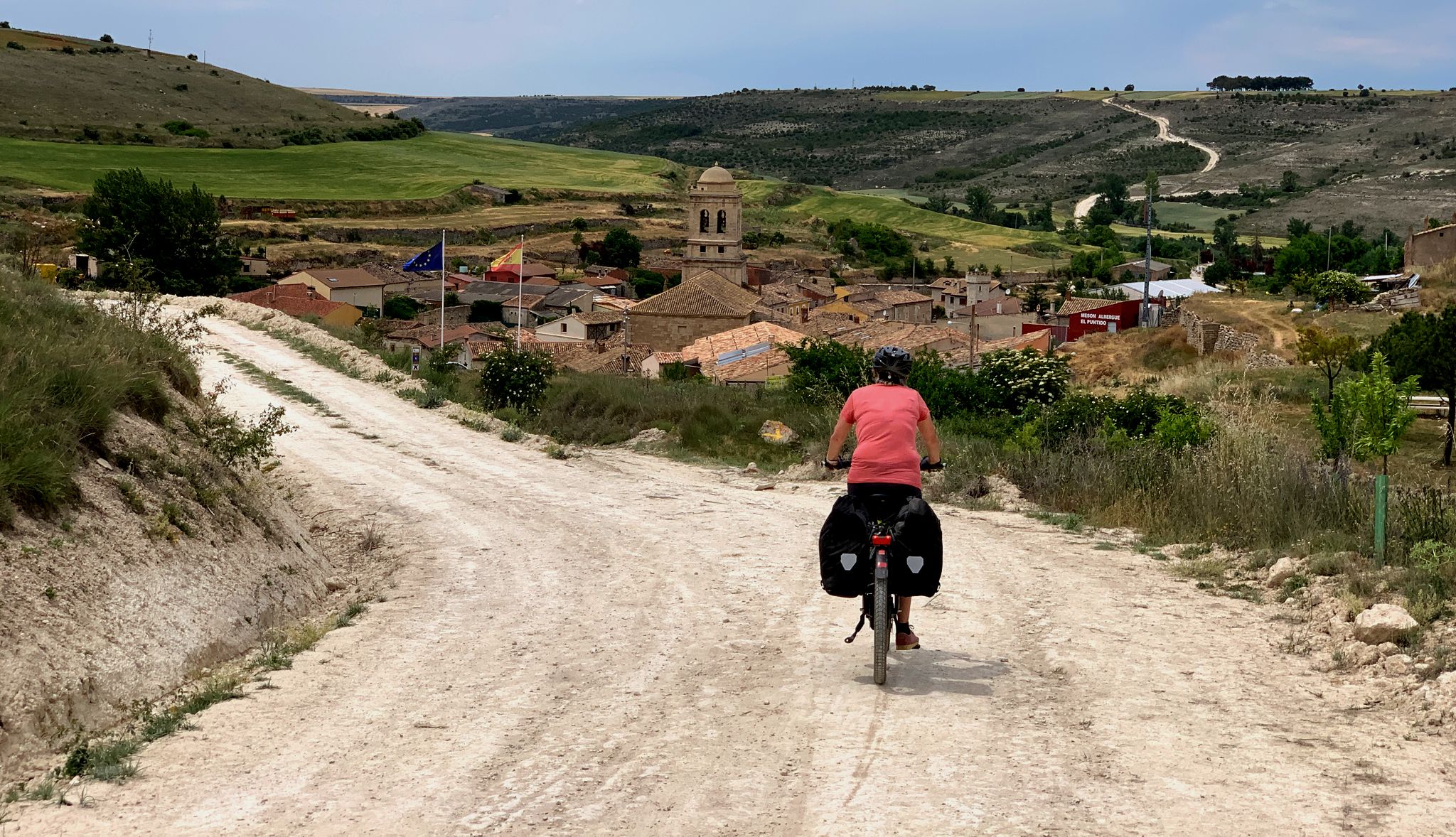
The Pilgrim Route — EuroVelo 3 through Spain
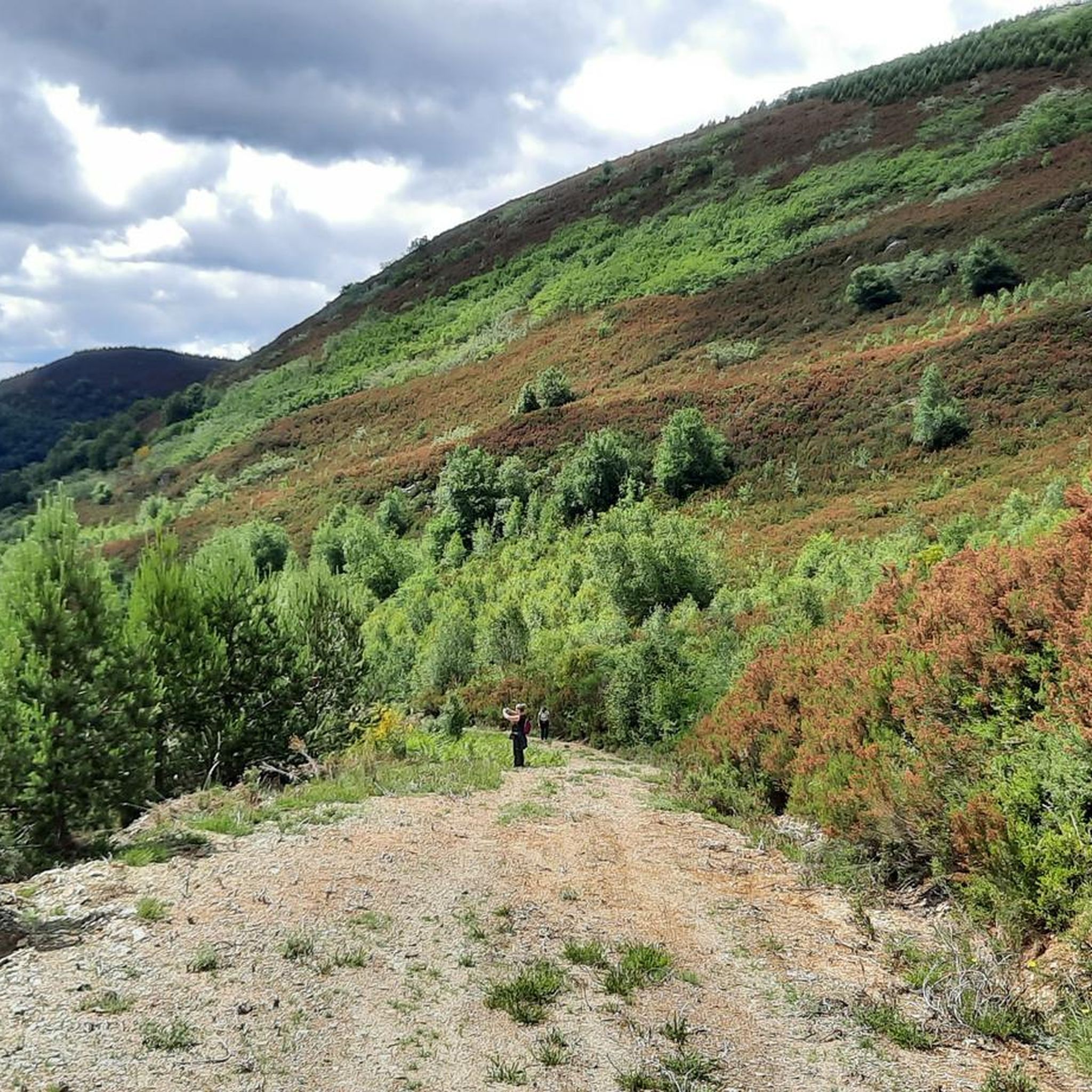
MTB Trails around Pedrafita Do Cebreiro
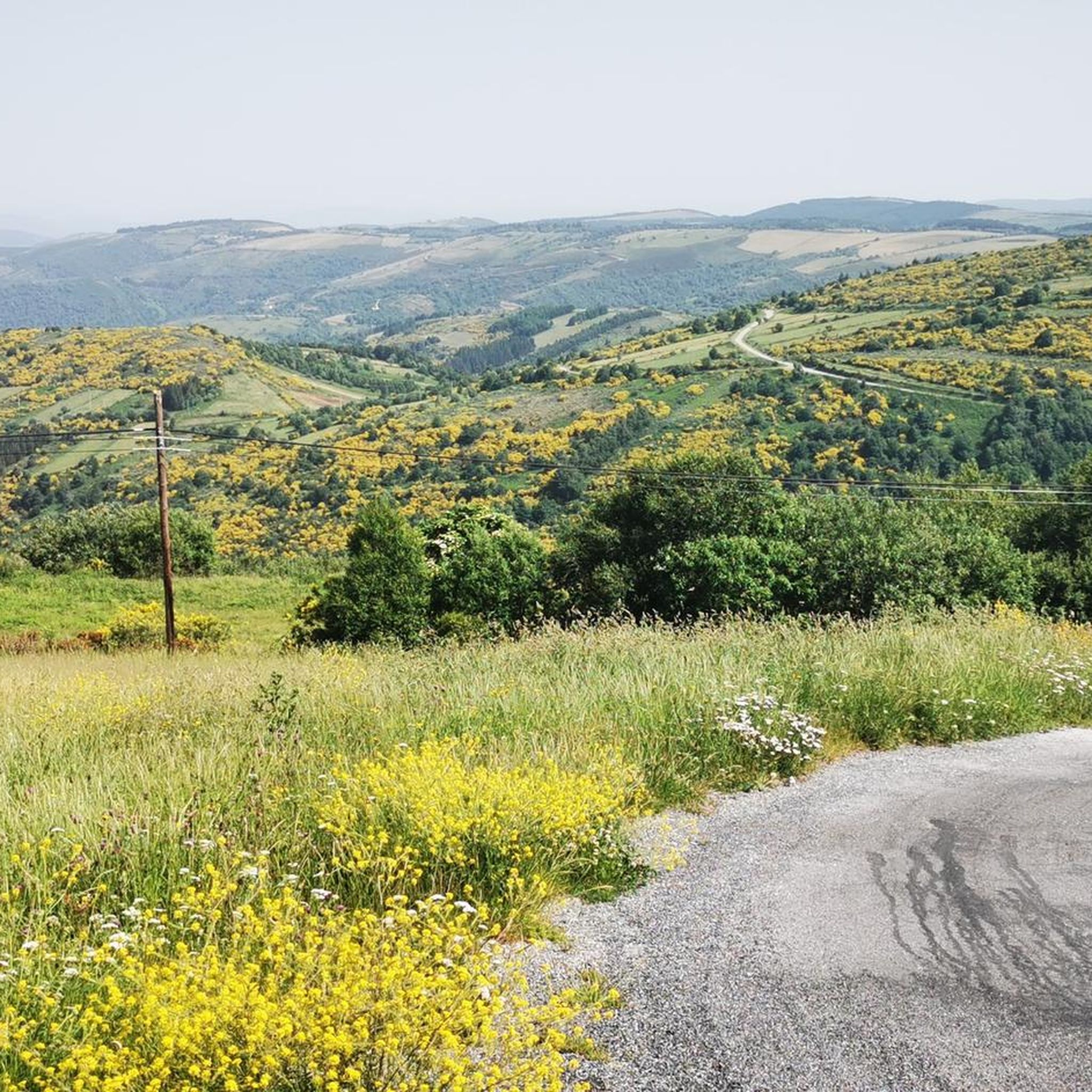
Road Cycling Routes around Pedrafita Do Cebreiro
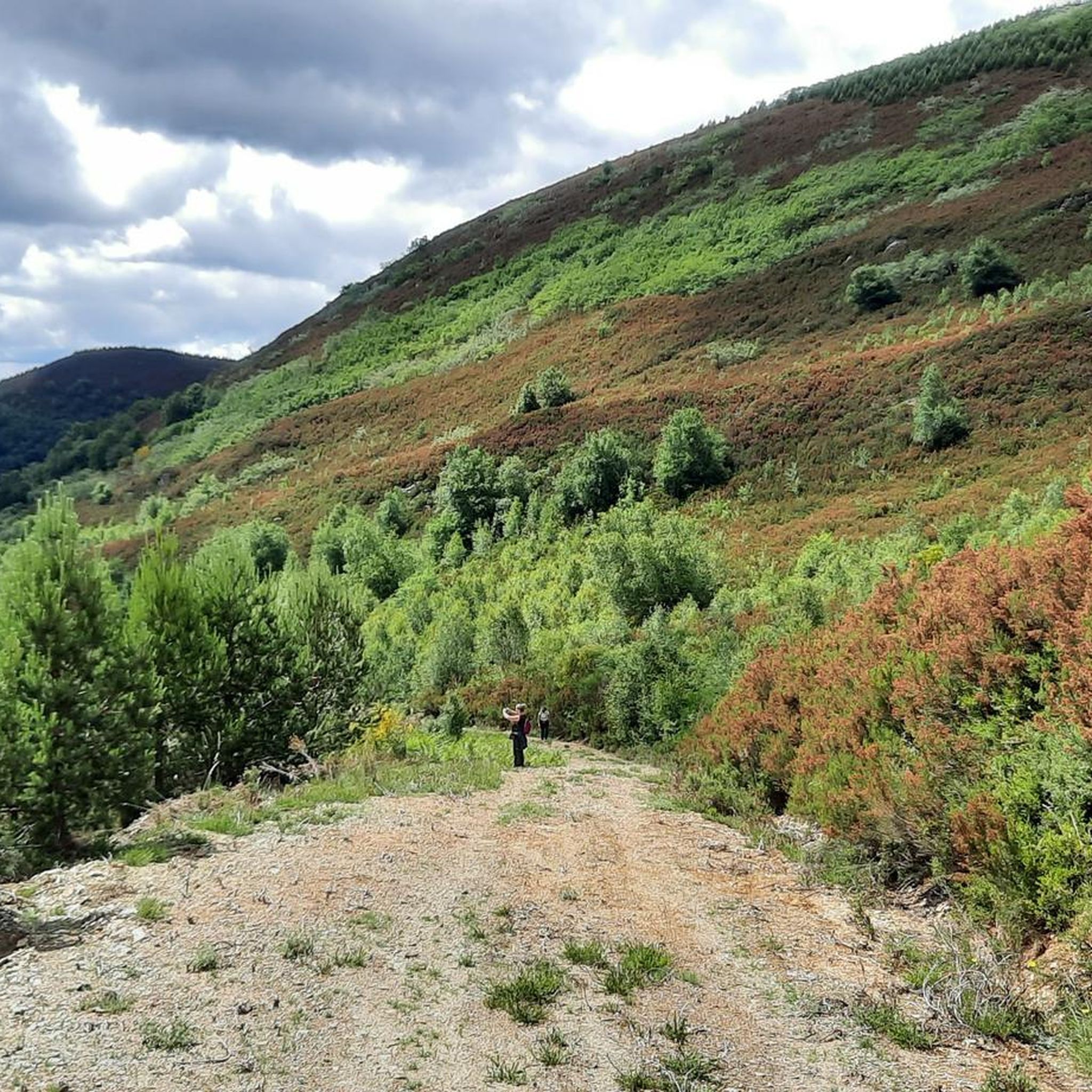
Cycling around Pedrafita Do Cebreiro
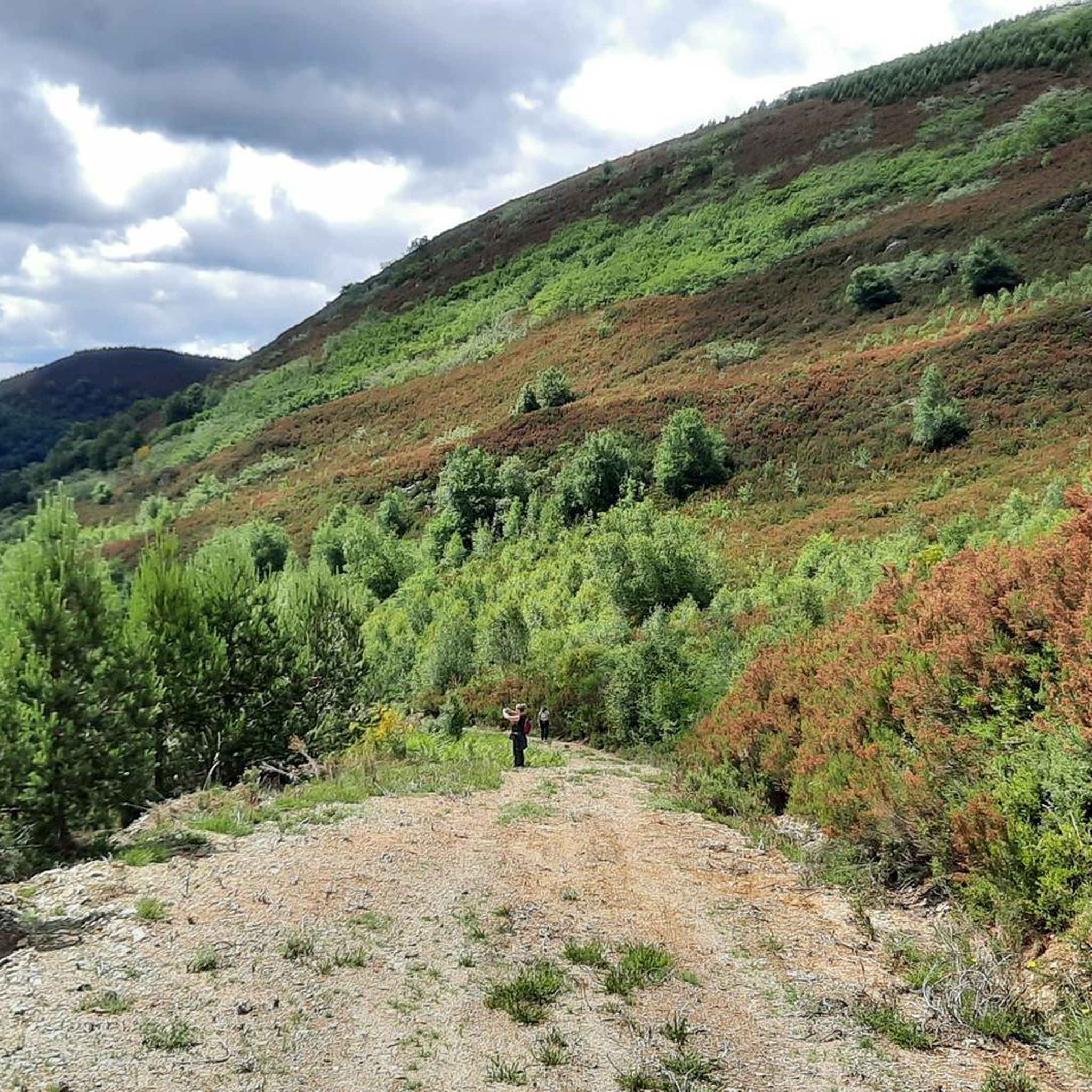
Hiking around Pedrafita Do Cebreiro
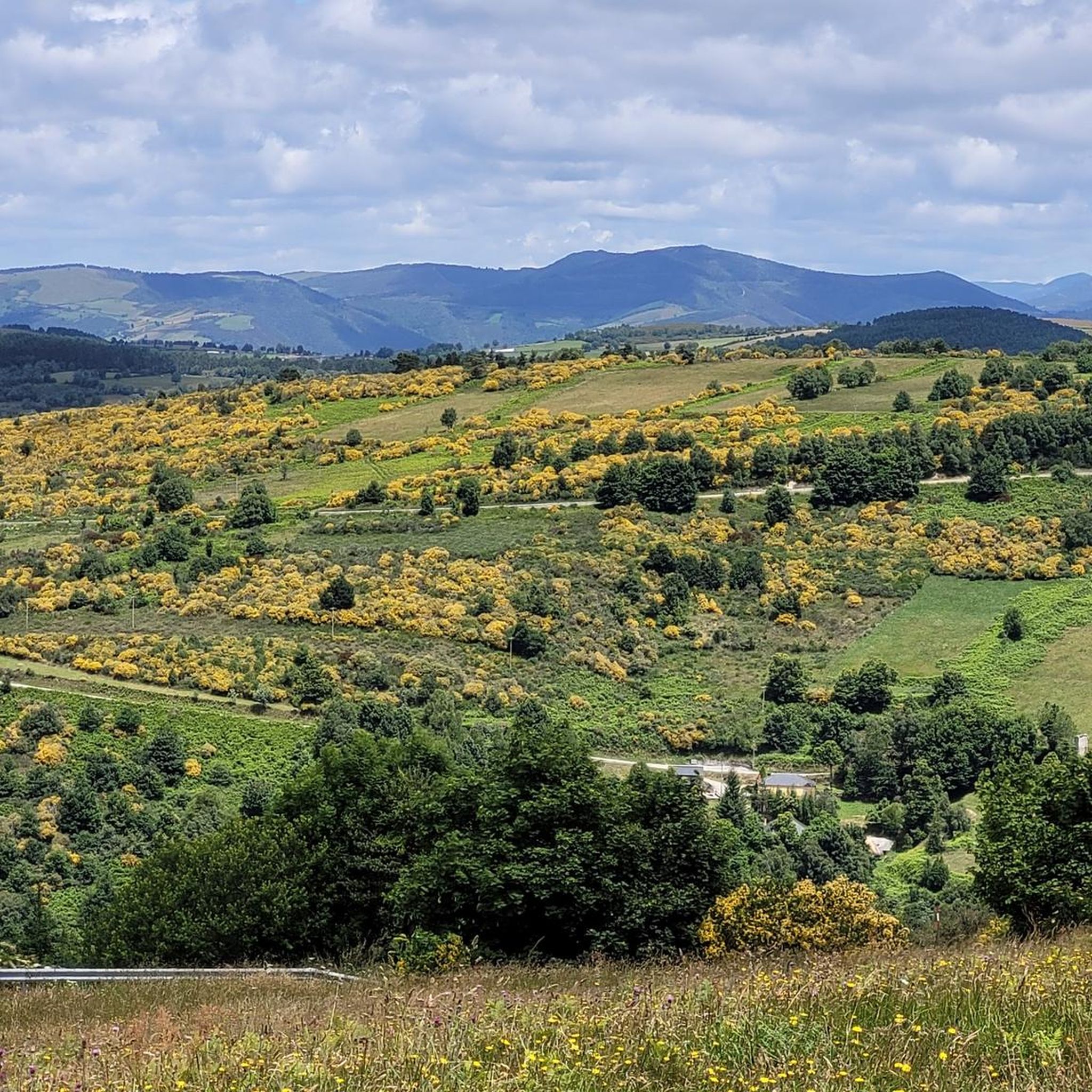
Running Trails around Pedrafita Do Cebreiro

Gravel biking around Pedrafita Do Cebreiro
Other adventures around Pedrafita Do Cebreiro


Tips from the Community

One of the highest points on the French Way of the Camino de Santiago, located between Triacastela and Fonfría, already in the province of Lugo. At 1,335 meters above sea level, this peak offers a natural viewpoint overlooking the Galician mountains. The area is often exposed to wind and changeable weather, even in summer, but the views and the feeling of having reached a milestone more than compensate. There's a hostel/bar right at the summit, useful as a stopping point for pilgrims and cyclists. Dress warmly before reaching the top: the temperature here can drop suddenly, even on sunny days. If you're on a mountain bike or e-bike, make sure you have good traction on descents and that your brakes are checked: the descent towards Fonfría is fast and winding. It's a good place to rest and refill your water or coffee before continuing.
1
0


Of course, at this border—of which the pilgrim has already crossed several on his long journey through northern Spain—it is especially wonderful to have (finally) reached Galicia. This makes us realize that we are slowly but surely approaching the destination of the great and beautiful, but naturally also strenuous, pilgrimage route: the tomb of the Apostle James the Greater in Santiago de Compostela, Galicia.
2
1

In the small village of Ramil at the foot of the Camino, just before Triacastela, stands one of Galicia's most beautiful century-old chestnut trees. Its trunk spans 8.5 meters and, with its hollow spaces and thick branches that seem to embrace the tree, resembles an X-ray of time.
0
1


Large deciduous tree that is common in the mountains of Galicia. The fruits are covered with a green rind with thorns, the "erize". The season for harvesting chestnuts is November, and in Triacastela and throughout Galicia in general it is celebrated with a festival called "magesto". The main use of the chestnut tree is to obtain its wood and use its fruit as food for the population in general and as food for livestock.
1
0

This impressive tree is over 800 years old. A true natural monument.
2
0
At the top of the pass there is a small bar where you can stock up on drinks and snacks after the long and steep climb.
3
0
Frequently Asked Questions
What role does Pedrafita do Cebreiro play in the Camino de Santiago?
Pedrafita do Cebreiro is a crucial entry point into Galicia for pilgrims on the French Way of the Camino de Santiago. It offers a unique blend of spiritual, historical, and outdoor experiences for those undertaking the pilgrimage. You'll find several significant landmarks related to the Camino here.
What historical and cultural sites can I explore in Pedrafita do Cebreiro?
The region is rich in history. You can visit the ancient Church of Santa María la Real in O Cebreiro, dating back to the 9th century and famous for the legend of the Eucharistic Miracle. The village of O Cebreiro itself is a cultural highlight, known for its traditional thatched-roof stone houses called *pallozas*, some of which house ethnographic museums.
Can I see traditional Galician architecture in the region?
Yes, the village of O Cebreiro is particularly renowned for its well-preserved traditional thatched-roof stone houses, known as *pallozas*. These ancient dwellings offer a glimpse into the region's Celtic past and traditional way of life. Some *pallozas* are open to visitors, including one that serves as an ethnographic museum.
What natural attractions are there to visit in Pedrafita do Cebreiro?
Pedrafita do Cebreiro is nestled between the beautiful Sierra de Ancares and Courel, offering lush forests and alpine meadows. You can also visit the Ancient Chestnut Tree in Ramil, an emblematic tree over 800 years old located directly on the French Way.
Where can I find the best panoramic views in the area?
For breathtaking vistas, head to Alto de San Roque, located at 1270 meters altitude, where you'll find an impressive monument to the pilgrim and panoramic views of the surrounding mountains. Alto de Poio, at 1335 meters, is another emblematic point on the Camino de Santiago offering stunning views, especially when covered in snow.
Are there outdoor activities available near Pedrafita do Cebreiro's attractions?
Absolutely. The region offers numerous opportunities for outdoor enthusiasts. You can find a variety of MTB trails, cycling routes, and running trails. During winter, the area transforms into a haven for winter sports, with the Cabeza de Manzaneda ski resort within easy reach.
What kind of hiking trails can I find around Pedrafita do Cebreiro?
Numerous trails crisscross the region, including sections of the Camino de Santiago. You can explore routes like the popular "Route of the Viewpoints," which provides stunning vistas from spots like Mirador de O Cebreiro and Mirador de Piornedo. The Sierra de Ancares is particularly known for its hiking opportunities. For more options, check out the running trails guide, which includes many suitable for hiking.
Are there family-friendly attractions or activities in Pedrafita do Cebreiro?
Yes, several attractions are suitable for families. The Ancient Chestnut Tree in Ramil and the Galicia Border Marker on the Camino de Santiago are both family-friendly highlights. Exploring the traditional *pallozas* in O Cebreiro village and its ethnographic museum can also be an engaging experience for all ages.
What is O Cebreiro village known for?
O Cebreiro is often considered the jewel of the municipality. It's famous for its well-preserved traditional thatched-roof stone houses called *pallozas*, some of which are open to visitors and house an ethnographic museum. The village is also home to the ancient Church of Santa María la Real, a significant site on the Camino de Santiago.
When is the best time to visit Pedrafita do Cebreiro?
The region offers different experiences depending on the season. Spring and autumn are ideal for hiking and exploring the Camino de Santiago, with pleasant temperatures and beautiful landscapes. During winter, the area transforms into a haven for winter sports, with the Cabeza de Manzaneda ski resort nearby.
Is Pedrafita do Cebreiro accessible for visitors with mobility concerns?
While many of the historical sites and natural trails involve varied terrain typical of mountainous regions, some areas within O Cebreiro village and the main Camino de Santiago path might offer easier access. It's advisable to check specific attraction details for accessibility information, as some traditional structures or mountain passes may present challenges.
What are some unique cultural experiences in Pedrafita do Cebreiro?
Beyond the Camino, you can immerse yourself in traditional Galician culture by visiting the *pallozas* in O Cebreiro, one of which houses an ethnographic museum showcasing ancient living conditions. The region is also known for its delicious gastronomy, including the famous Queso do Cebreiro, offering a taste of local culinary heritage.
Are there any significant monuments marking the Camino de Santiago in the area?
Yes, you'll find several significant markers. The Galicia Border Marker on the Camino de Santiago signifies the official entry into Galicia. Additionally, the Pilgrim Statue at Alto de San Roque is an impressive monument symbolizing the effort of pilgrims, located at 1270 meters altitude.
Most popular routes around Pedrafita Do Cebreiro
Most popular attractions around Pedrafita Do Cebreiro

Get inspired with the komoot mobile app


Explore more
Still not found the Highlight you’re looking for? See guides of the top attractions in other regions:
