Attractions and Places To See around Riba-Roja D'Ebre - Top 20
Best attractions and places to see around Riba-Roja D'Ebre are shaped by its location on the Ebro River, offering a mix of historical landmarks and natural features. The area encompasses mountainous terrain, pine forests, and significant wetlands, providing diverse landscapes for exploration. Visitors can discover ancient structures and experience the rich ecosystems influenced by the river.
Best attractions and places to see around Riba-Roja D'Ebre
- The most popular attractions is Old Church Tower of Fayón, a man-made monument that is the sole remnant of the 16th-century church of San Juan Evangelista. It was restored in 2004 and holds cultural asset status.
- Another must-see spot is La Mineta, a historical site related to early 20th-century coal mining projects. This site was abandoned due to an underground watercourse.
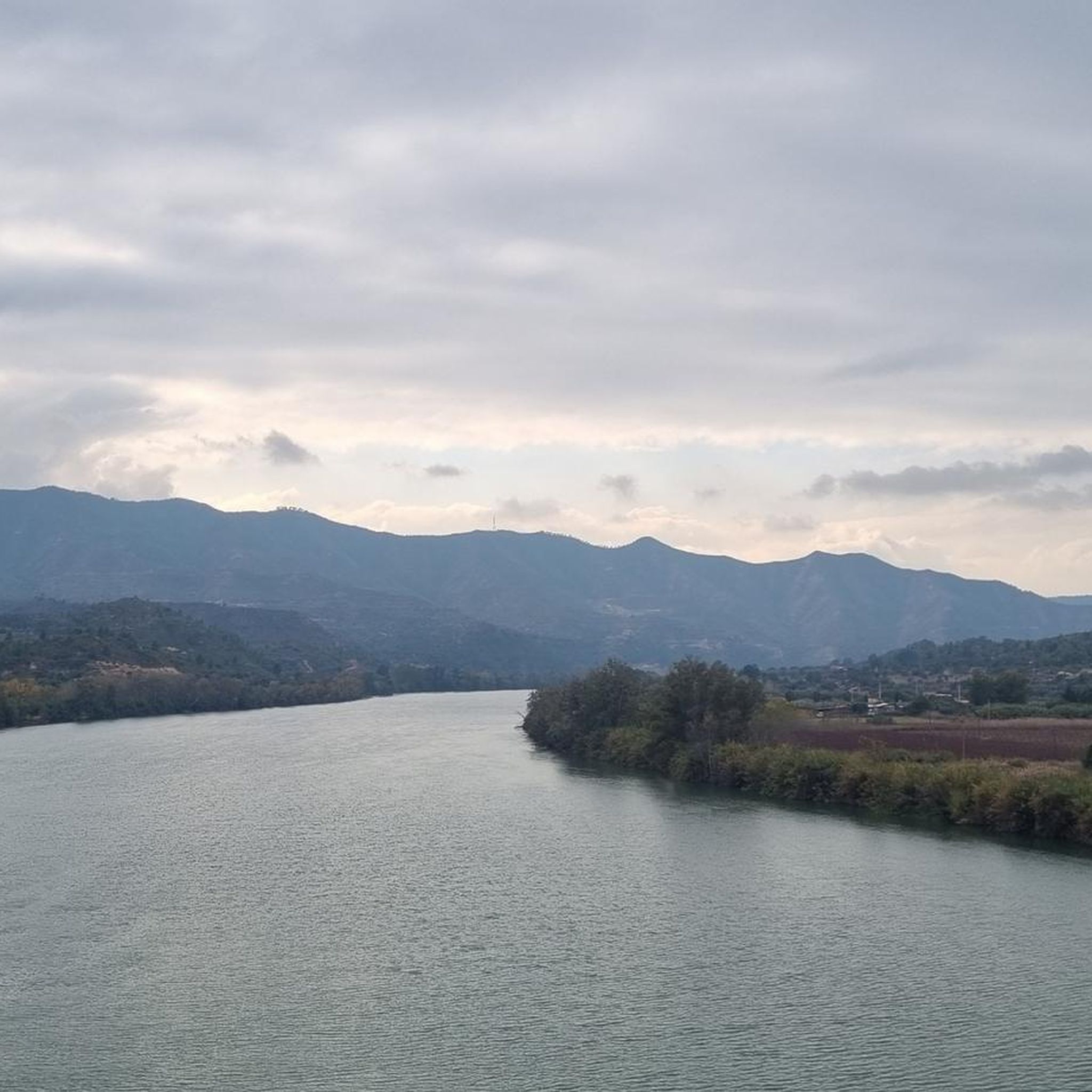
- Visitors also love Ebro River, a river that flows 930 kilometers through Spain. It is known for water sports, fishing, and forming a delta in southern Catalonia.
- Riba-Roja D'Ebre is known for its historical sites, natural features, and opportunities for water sports. The region offers a variety of attractions to see and explore, from ancient towers to river activities.
- The attractions around Riba-Roja D'Ebre are appreciated by the komoot community, with 11 upvotes and 10 photos shared by visitors.
Last updated: June 9, 2026
Old Church Tower of Fayón
Highlight • Monument
The only remnant is the church of San Juan Evangelista (16th century) from old Fayón, of which only the tower remains and has been declared a cultural asset by the government.
Translated by Google •
Tip by

La Mineta
Highlight • Historical Site
“La Mineta” entered the history of Fayón in the early years of the 20th century with the coal boom that led to the start of numerous mining projects in the municipality. The presence of an underground watercourse prevented exploitation of this mine and the site was abandoned.
Translated by Google •
Tip by
Sign up now to discover places like this
Get recommendations on the best single tracks, peaks, & plenty of other exciting outdoor places.
Sign up for free
Ebro Nature Trail
Highlight • Trail
123,7 kilómetros. 1.400 metros positivos.
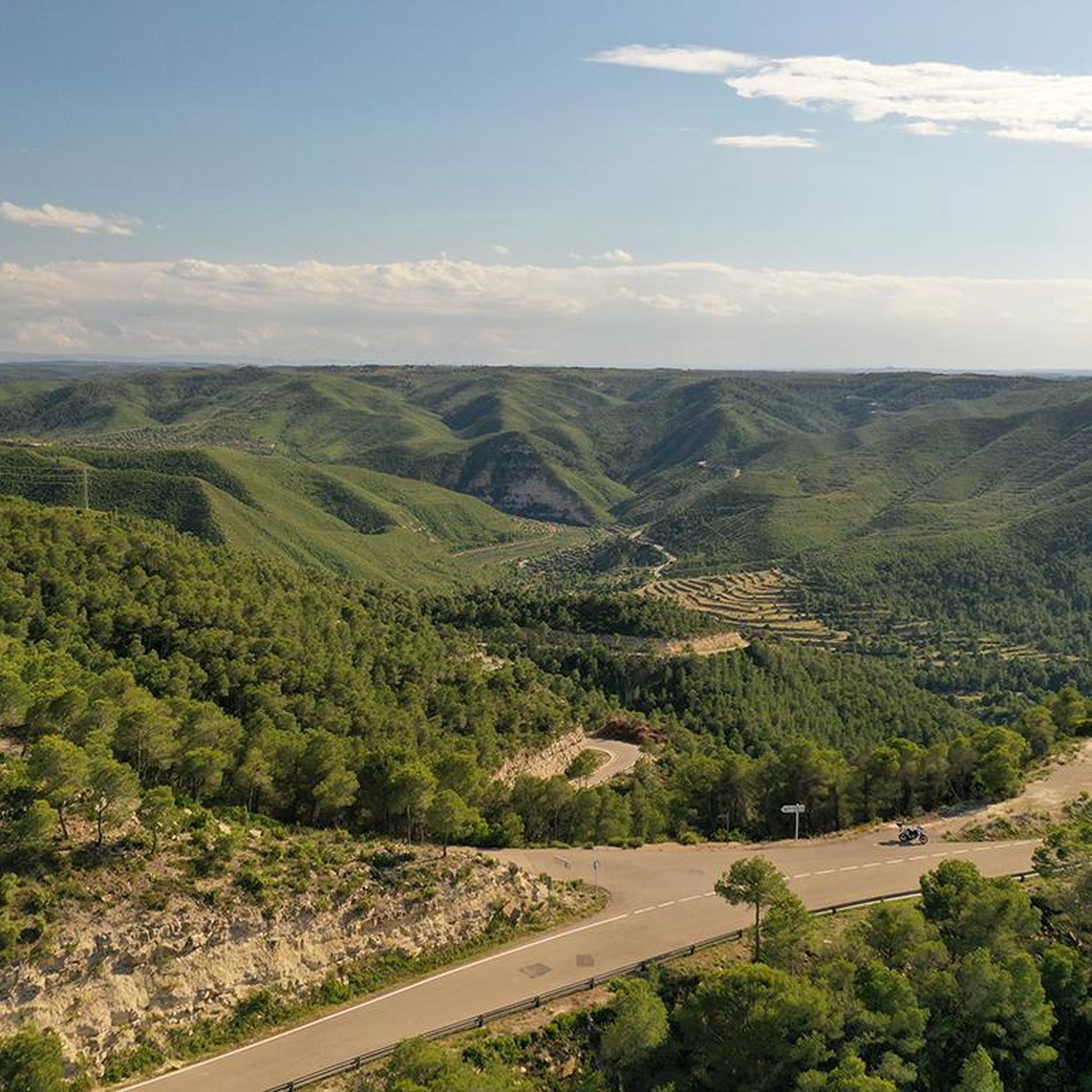
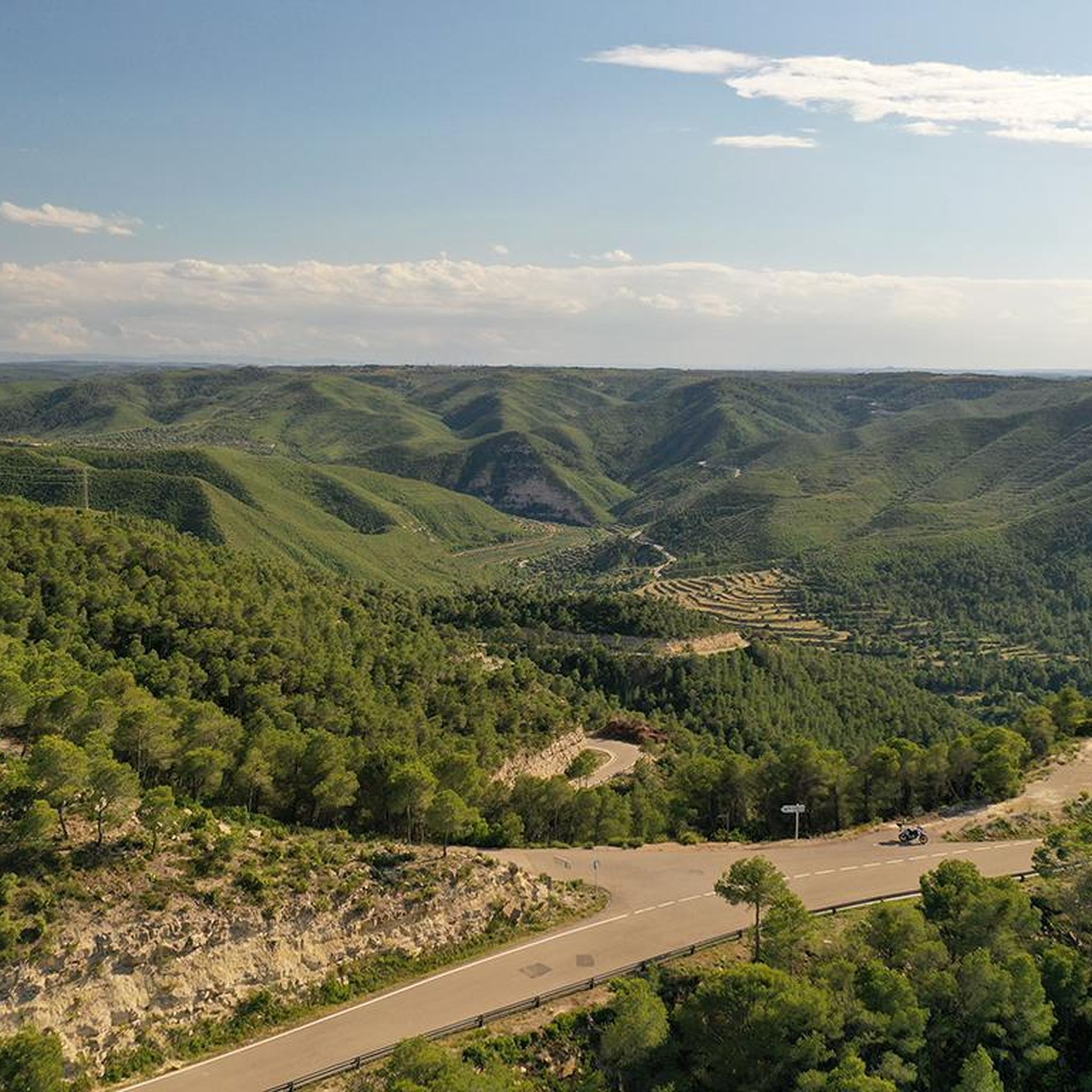
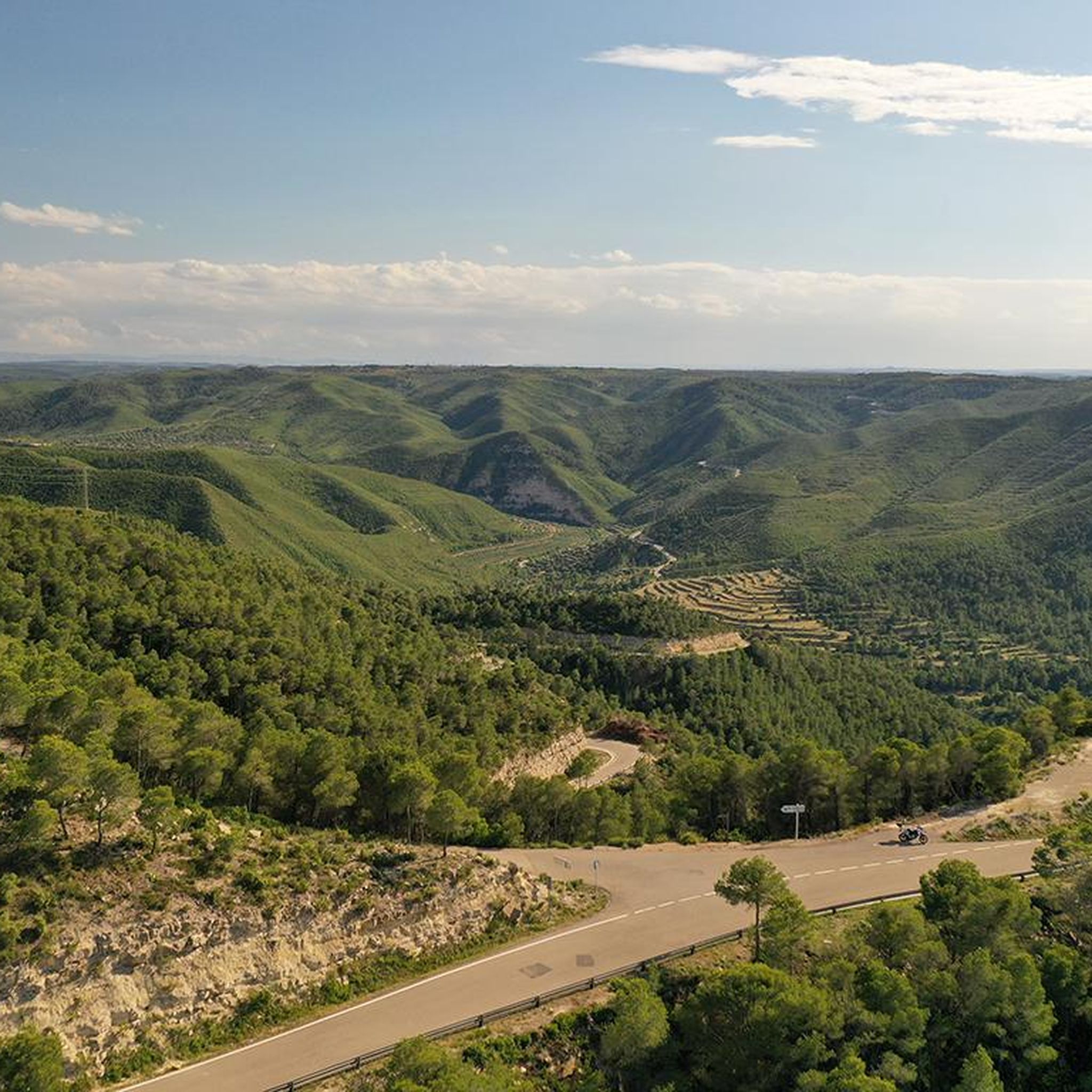
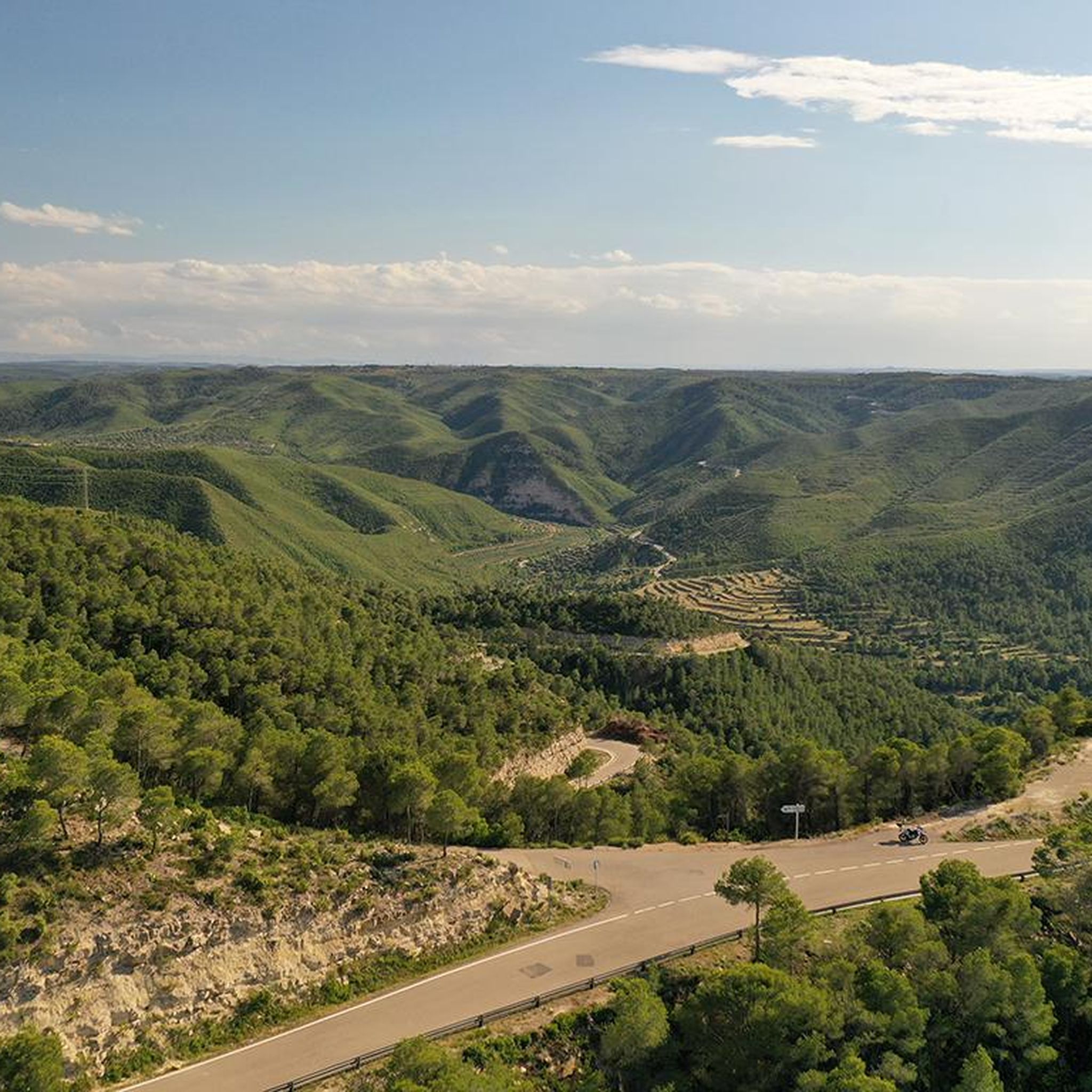
La segunda jornada sale de Fayón por la rampa del desfiladero del barranco de Juanito y atraviesa el puente del Matarraña, el paso que marca la línea entre Aragón y Cataluña. El plan es conectar con el Camino Natural del Ebro en Riba-roja d’Ebre por la carretera de Berrús, salvando dos pequeños puertos de montaña sin dejar el asfalto. Los postes del Camino Natural del Matarraña-Algars terminan en la estación de La Pobla de Massaluca, en la antigua línea Zaragoza-Caspe-Barcelona, y antes de llegar al viejo apartadero ferroviario hay que continuar por la carretera de Batea. La subida es agradable y tranquila, apenas tiene tráfico y en unos cuatro kilómetros termina la primera subida, con un cruce que se toma hacia la izquierda. La travesía del valle de la Riera de Sant Pau es fantástica, auténtica serranía mediterránea, y aparecen las primeras vistas del gran Ebro, un paisaje fabuloso que será el siguiente compañero del viaje durante muchos kilómetros. El camino salva el puerto de la Punta de Berrús y baja finalmente hasta la orilla del río en las masías del Pla de Pinyeres. Las bicis vuelan por los caminos rurales hasta que aparecen los hitos rojos del Camino Natural del Ebro con el sendero GR-99 en Les Sènies, un grupo de masías agrícolas en la orilla izquierda del río, enfrente de las colinas de Riba-roja d’Ebre.
El cambio de paisaje es sorprendente, los llamativos colores de los montes, las curiosas formas creadas por la erosión ambiental, los cultivos y la distribución de los caseríos campesinos componen una estampa exótica y evocadora en las orillas del Ebro. El camino rodea pequeñas vaguadas por bancales agrícolas y entra en la Reserva Natural de Sebes, primero pasa por el Mirador de les Illes, con vistas de las islas de Mauricio y de Caloi, de aspecto tropical, y después por un centro de reproducción de cigüeña blanca, también hay observatorios de aves, frondosas riberas de vegetación palustre y masías tradicionales. En Mas de Pitoia está el Centro de Interpretación del Camí de Sirga, un homenaje a los sirgadores (sirgadors), los tocadores del cuerno de llaguter (llaguters) y el resto de los antiguos oficios del río.
El caserío de Flix ocupa el cuello del singular Meandro de Flix, un paraje con nombre propio dentro de la Reserva Natural de Sebes por las poblaciones de aves y los ecosistemas fluviales que albergan sus alamedas ribereñas. La travesía del pueblo es agradable, el primer lugar con bares y tiendas desde Fayón. En la salida de Flix hay que atravesar de nuevo el Ebro para salir del meandro y es imprescindible usar la barca de sirga que opera entre las dos orillas, uno de los tres pasos de barca que todavía quedan en el tramo catalán del río, los otros dos están en García y Miravet. La travesía es gratuita y en el caso de que la barca esté en la orilla opuesta hay que llamar al barquero a viva voz o esperar que vuelva con pasajeros. El viaje continúa por la orilla izquierda del río contemplado la imponente chimenea de la central de Asco, pasa por Vinebre y en la población de Asco comienza un tramo clave en el cañón del Ebro para salvar el Pas de l’Ase. El camino discurre primero paralelo a la línea del ferrocarril, con algunos hitos de la ruta de los fortines y posiciones de la guerra civil, y enseguida el río entra en una garganta enorme. La línea del tren se cuela en un túnel y el carril se convierte en un sendero escarpado sin opciones de ciclabilidad, hay que cargar con la bici. La senda sube hasta un pequeño mirador empotrado en los riscos de la ladera y baja a un carril agrícola una vez pasado el túnel del tren. La travesía es incómoda con la bicicleta a cuestas pero con paciencia se pasa en unos quince minutos. Y las vistas merecen la pena.
La ruta pasa por el desvío de García, donde está el segundo paso de barca, y continúa por buen firme hasta Móra d’Ebre. En la entrada de la población hay un embarcadero y un restaurante con terraza sugerente para un momento de avituallamiento, nosotros aprovechamos la parada para arreglar un pinchazo mientras preparaban el picoteo. El Ebro en este tramo es grandioso y el atractivo de los pueblos mejora constantemente, pasamos por Benissanet y llegamos al conjunto medieval de Miravet, donde comienza el tramo más complicado del viaje en cuanto a ciclabilidad y dificultad técnica para las bicicletas. En la orilla del río está la barca de sirga que cruza el río, al pie del pueblo viejo de Miravet, una antigua alquería morisca del siglo VIII convertida después en sede templaria y plaza disputada durante siglos en un paraje estratégico del río. El castillo está declarado Bien de Interés Cultural. El paso por las callecitas del casco antiguo es estremecedor, impresiona la osadía para construir la población en un lugar tan escarpado. La salida es por una calzada medieval conocida como Costa de Riago, con la gravel es mejor bajar caminando. La ruta sigue por caminos rurales entre cultivos y pinares hasta el temido Pas de Barrufemes, un escarpado sendero fluvial de un kilómetro muy roto por la escorrentía. La opción para evitar este tramo sería buscar alguna pista de montaña hasta El Pinell de Brai y después bajar por la carretera de Benifallet hasta la orilla del río, pero la vuelta es muy larga y no merece la pena, en realidad son unos treinta o cuarenta minutos según el peso de las bolsas, la habilidad y experiencia de cada uno para salvar este tipo de tramos no ciclables con la bici a cuestas. El Pas de Barrufemes o Congost de Benifallet es la entrada natural al Baix Ebre desde la gran vega de la Móra de la Vall. La senda termina en un carril agrícola que lleva hasta el cruce de Benifallet y poco después al desvío que sube hacia la Vía Verde de la Val de Zafán.
Las bicicletas se lanzan en el firme impecable de la vía verde, hay que tener cuidado en algunos túneles que no tienen iluminación, el frontal es imprescindible, es el momento de disfrutar un agradable paseo cicloturista por nuevos paisajes y ambientes rurales. En Xerta está rota la continuidad del Camino Natural, hay que atravesar el centro de la población y conectar de nuevo con el trazado del viejo tren de La Torica en el barranco dels Fornets. Tortosa es un buen lugar para terminar la etapa, con servicios completos y mucho patrimonio monumental y arquitectónico que visitar, pero aprovechamos el día y el terreno favorable hasta Amposta, dejando el paseo por Tortosa para la vuelta. En la salida del puente de hierro que cruza el río Ebro aparecen los hitos rojos marcando la ruta, siguen la orilla del río y conectan con un carril bici paralelo al Canal del Ebro hasta las cercanías de Amposta, entrando en la población por el magnífico puente colgante, cerrando un día de bikepacking fabuloso por el reino fluvial del Baix Ebre.
Tip by

Ebro River
Highlight • River
Tip by

Castillete de Fayón
Highlight • Historical Site
Translated by Google •
Tip by

Sign up for free to discover even more attractions around Riba-Roja D'Ebre.
Sign up for free
Already have an account?
Start today with a free account
Your next adventure awaits.
Login or Signup
Tips from the Community

The spire was restored in 2004 by the Fayón City Council with financial support from the Endesa Foundation. The only remnant is the church of San Juan Evangelista (16th century) from old Fayón, of which only the tower remains and has been declared a cultural asset by the government.
10
0
THE MINETA “La Mineta” entered the history of Fayón in the early years of the 20th century with the coal boom that led to the start of numerous mining projects in the municipality. The presence of an underground watercourse prevented exploitation of this mine and the site was abandoned.
10
0

Etapa 2. Fayón/Amposta 123,7 kilómetros. 1.400 metros positivos. La segunda jornada sale de Fayón por la rampa del desfiladero del barranco de Juanito y atraviesa el puente del Matarraña, el paso que marca la línea entre Aragón y Cataluña. El plan es conectar con el Camino Natural del Ebro en Riba-roja d’Ebre por la carretera de Berrús, salvando dos pequeños puertos de montaña sin dejar el asfalto. Los postes del Camino Natural del Matarraña-Algars terminan en la estación de La Pobla de Massaluca, en la antigua línea Zaragoza-Caspe-Barcelona, y antes de llegar al viejo apartadero ferroviario hay que continuar por la carretera de Batea. La subida es agradable y tranquila, apenas tiene tráfico y en unos cuatro kilómetros termina la primera subida, con un cruce que se toma hacia la izquierda. La travesía del valle de la Riera de Sant Pau es fantástica, auténtica serranía mediterránea, y aparecen las primeras vistas del gran Ebro, un paisaje fabuloso que será el siguiente compañero del viaje durante muchos kilómetros. El camino salva el puerto de la Punta de Berrús y baja finalmente hasta la orilla del río en las masías del Pla de Pinyeres. Las bicis vuelan por los caminos rurales hasta que aparecen los hitos rojos del Camino Natural del Ebro con el sendero GR-99 en Les Sènies, un grupo de masías agrícolas en la orilla izquierda del río, enfrente de las colinas de Riba-roja d’Ebre. El cambio de paisaje es sorprendente, los llamativos colores de los montes, las curiosas formas creadas por la erosión ambiental, los cultivos y la distribución de los caseríos campesinos componen una estampa exótica y evocadora en las orillas del Ebro. El camino rodea pequeñas vaguadas por bancales agrícolas y entra en la Reserva Natural de Sebes, primero pasa por el Mirador de les Illes, con vistas de las islas de Mauricio y de Caloi, de aspecto tropical, y después por un centro de reproducción de cigüeña blanca, también hay observatorios de aves, frondosas riberas de vegetación palustre y masías tradicionales. En Mas de Pitoia está el Centro de Interpretación del Camí de Sirga, un homenaje a los sirgadores (sirgadors), los tocadores del cuerno de llaguter (llaguters) y el resto de los antiguos oficios del río. El caserío de Flix ocupa el cuello del singular Meandro de Flix, un paraje con nombre propio dentro de la Reserva Natural de Sebes por las poblaciones de aves y los ecosistemas fluviales que albergan sus alamedas ribereñas. La travesía del pueblo es agradable, el primer lugar con bares y tiendas desde Fayón. En la salida de Flix hay que atravesar de nuevo el Ebro para salir del meandro y es imprescindible usar la barca de sirga que opera entre las dos orillas, uno de los tres pasos de barca que todavía quedan en el tramo catalán del río, los otros dos están en García y Miravet. La travesía es gratuita y en el caso de que la barca esté en la orilla opuesta hay que llamar al barquero a viva voz o esperar que vuelva con pasajeros. El viaje continúa por la orilla izquierda del río contemplado la imponente chimenea de la central de Asco, pasa por Vinebre y en la población de Asco comienza un tramo clave en el cañón del Ebro para salvar el Pas de l’Ase. El camino discurre primero paralelo a la línea del ferrocarril, con algunos hitos de la ruta de los fortines y posiciones de la guerra civil, y enseguida el río entra en una garganta enorme. La línea del tren se cuela en un túnel y el carril se convierte en un sendero escarpado sin opciones de ciclabilidad, hay que cargar con la bici. La senda sube hasta un pequeño mirador empotrado en los riscos de la ladera y baja a un carril agrícola una vez pasado el túnel del tren. La travesía es incómoda con la bicicleta a cuestas pero con paciencia se pasa en unos quince minutos. Y las vistas merecen la pena. La ruta pasa por el desvío de García, donde está el segundo paso de barca, y continúa por buen firme hasta Móra d’Ebre. En la entrada de la población hay un embarcadero y un restaurante con terraza sugerente para un momento de avituallamiento, nosotros aprovechamos la parada para arreglar un pinchazo mientras preparaban el picoteo. El Ebro en este tramo es grandioso y el atractivo de los pueblos mejora constantemente, pasamos por Benissanet y llegamos al conjunto medieval de Miravet, donde comienza el tramo más complicado del viaje en cuanto a ciclabilidad y dificultad técnica para las bicicletas. En la orilla del río está la barca de sirga que cruza el río, al pie del pueblo viejo de Miravet, una antigua alquería morisca del siglo VIII convertida después en sede templaria y plaza disputada durante siglos en un paraje estratégico del río. El castillo está declarado Bien de Interés Cultural. El paso por las callecitas del casco antiguo es estremecedor, impresiona la osadía para construir la población en un lugar tan escarpado. La salida es por una calzada medieval conocida como Costa de Riago, con la gravel es mejor bajar caminando. La ruta sigue por caminos rurales entre cultivos y pinares hasta el temido Pas de Barrufemes, un escarpado sendero fluvial de un kilómetro muy roto por la escorrentía. La opción para evitar este tramo sería buscar alguna pista de montaña hasta El Pinell de Brai y después bajar por la carretera de Benifallet hasta la orilla del río, pero la vuelta es muy larga y no merece la pena, en realidad son unos treinta o cuarenta minutos según el peso de las bolsas, la habilidad y experiencia de cada uno para salvar este tipo de tramos no ciclables con la bici a cuestas. El Pas de Barrufemes o Congost de Benifallet es la entrada natural al Baix Ebre desde la gran vega de la Móra de la Vall. La senda termina en un carril agrícola que lleva hasta el cruce de Benifallet y poco después al desvío que sube hacia la Vía Verde de la Val de Zafán. Las bicicletas se lanzan en el firme impecable de la vía verde, hay que tener cuidado en algunos túneles que no tienen iluminación, el frontal es imprescindible, es el momento de disfrutar un agradable paseo cicloturista por nuevos paisajes y ambientes rurales. En Xerta está rota la continuidad del Camino Natural, hay que atravesar el centro de la población y conectar de nuevo con el trazado del viejo tren de La Torica en el barranco dels Fornets. Tortosa es un buen lugar para terminar la etapa, con servicios completos y mucho patrimonio monumental y arquitectónico que visitar, pero aprovechamos el día y el terreno favorable hasta Amposta, dejando el paseo por Tortosa para la vuelta. En la salida del puente de hierro que cruza el río Ebro aparecen los hitos rojos marcando la ruta, siguen la orilla del río y conectan con un carril bici paralelo al Canal del Ebro hasta las cercanías de Amposta, entrando en la población por el magnífico puente colgante, cerrando un día de bikepacking fabuloso por el reino fluvial del Baix Ebre.
0
0

The Ebro is a river of the north and northeast of the Iberian Peninsula, in Spain. It rises in Cantabria and flows 930 kilometres, almost entirely in an east-southeast direction. It flows into the Mediterranean Sea forming a delta in the Province of Tarragona, in southern Catalonia
0
0

Located at the top of the hill, about seven kilometers away and with beautiful views of the town of Nonaspe, we find this building that was built as a watchtower during the third Carlist war in the 19th century to dominate the Matarraña valley.
1
0
Located at the top of the hill, about seven kilometers from the town of Nonaspe, we find this building that was built as a watchtower during the third Carlist war in the 19th century to dominate the Matarraña valley.
1
0
Frequently Asked Questions
What natural attractions can I explore in Riba-Roja D'Ebre?
The region is rich in natural beauty, centered around the Ebro River, which is ideal for water sports and fishing. You can also visit the Sebes Nature Reserve Boardwalk, a significant wetland area with diverse flora and fauna, including various bird species. The Riba-Roja Protected Natural Area offers pine forests and numerous trails, while the Riba-Roja Dam and its reservoir are notable for their scenic views and fishing opportunities.
Are there any historical sites or landmarks to visit?
Yes, Riba-Roja D'Ebre has a rich history. Key sites include the Old Church Tower of Fayón, a 16th-century cultural asset. You can also explore the ruins of Riba-Roja Castle, a former Templar stronghold, and the medieval watchtower of La Garita for panoramic views. The Church of Sant Bartomeu in the town center is an 18th-century architectural landmark, and the Hermitage of Santa Madrona offers magnificent views overlooking the river.
What kind of outdoor activities are popular in the area?
The Ebro River is a hub for water sports like canoeing, kayaking, and especially sport fishing, known globally for species like giant bullhead catfish. The region's mountainous terrain is excellent for hiking and cycling, with trails like the Ebro Nature Trail (GR 99) offering scenic routes along the river.
Are there family-friendly attractions or activities in Riba-Roja D'Ebre?
Families can enjoy the natural spaces around the Ebro River, which is suitable for gentle water activities. The Sebes Nature Reserve Boardwalk is a great place for nature observation and easy walks. Exploring the historic Old Town with its narrow streets can also be an engaging experience for all ages.
Where can I find hiking trails near Riba-Roja D'Ebre?
There are several hiking opportunities around Riba-Roja D'Ebre. You can find various routes, from moderate to difficult, including trails like the 'Sierra de la Devesa y vistas del Puntal dels Escambrons' loop or the 'Old Church Tower of Fayón – La Mineta' loop. For more options, explore the dedicated guide to Hiking around Riba-Roja D'Ebre.
What cycling routes are available in the region?
Riba-Roja D'Ebre offers diverse cycling routes, including challenging road cycling tours around the Pantano de Riba-roja and mountain biking trails. The Ebro Nature Trail (GR 99) is also suitable for mountain biking. For detailed routes, check out the guides for Road Cycling Routes around Riba-Roja D'Ebre and MTB Trails around Riba-Roja D'Ebre.
Are there any unique historical sites related to local industries?
Yes, you can visit La Mineta, a historical site linked to early 20th-century coal mining projects in Fayón. Although the mine was ultimately abandoned due to an underground watercourse, it offers a glimpse into the region's industrial past.
What cultural experiences can I have in Riba-Roja D'Ebre?
Beyond historical landmarks, you can immerse yourself in the town's medieval Old Town with its ancient gates. The Hermitage of Berrús (Santa Magdalena), meticulously moved stone by stone during the reservoir's construction, is a place of natural beauty and hosts a pilgrimage. The region also celebrates various local festivals throughout the year, such as the Fiesta de Santa Águeda.
Where can I find the best viewpoints in Riba-Roja D'Ebre?
For stunning panoramic views, head to La Garita, a medieval watchtower offering attractive vistas of Riba-Roja and the surrounding Ribera d'Ebre and Montsant areas. The Hermitage of Santa Madrona, situated on an elevated position, also provides magnificent views overlooking the Ebro River.
What is the significance of the Ebro River to the area?
The Ebro River is the lifeblood of Riba-Roja D'Ebre, shaping its landscape and providing numerous recreational opportunities. It's renowned for water sports, fishing, and its role in forming the Ebro Delta. The river's presence also supports rich biodiversity in areas like the Sebes Nature Reserve.
Are there any specific events or festivals in Riba-Roja D'Ebre?
Riba-Roja D'Ebre hosts several local festivals. The Fiesta de Santa Águeda in February is a significant event, declared of Comarcal Interest and considered the main winter festival. Another notable celebration is the Fiesta de la Clotxa in May.
Can I find opportunities for wine tasting nearby?
While Riba-Roja D'Ebre itself is not primarily a wine region, the neighboring areas of Terra Alta and Priorat are well-known for their quality wines. These regions offer opportunities for wine tasting tours, providing a pleasant excursion from Riba-Roja D'Ebre.
Most popular routes around Riba-Roja D'Ebre
Most popular attractions around Riba-Roja D'Ebre

Get inspired with the komoot mobile app


Explore more
Still not found the Highlight you’re looking for? See guides of the top attractions in other regions:
