The best walks and hikes around Pruna
4.2
(79)
423
hikers
41
hikes
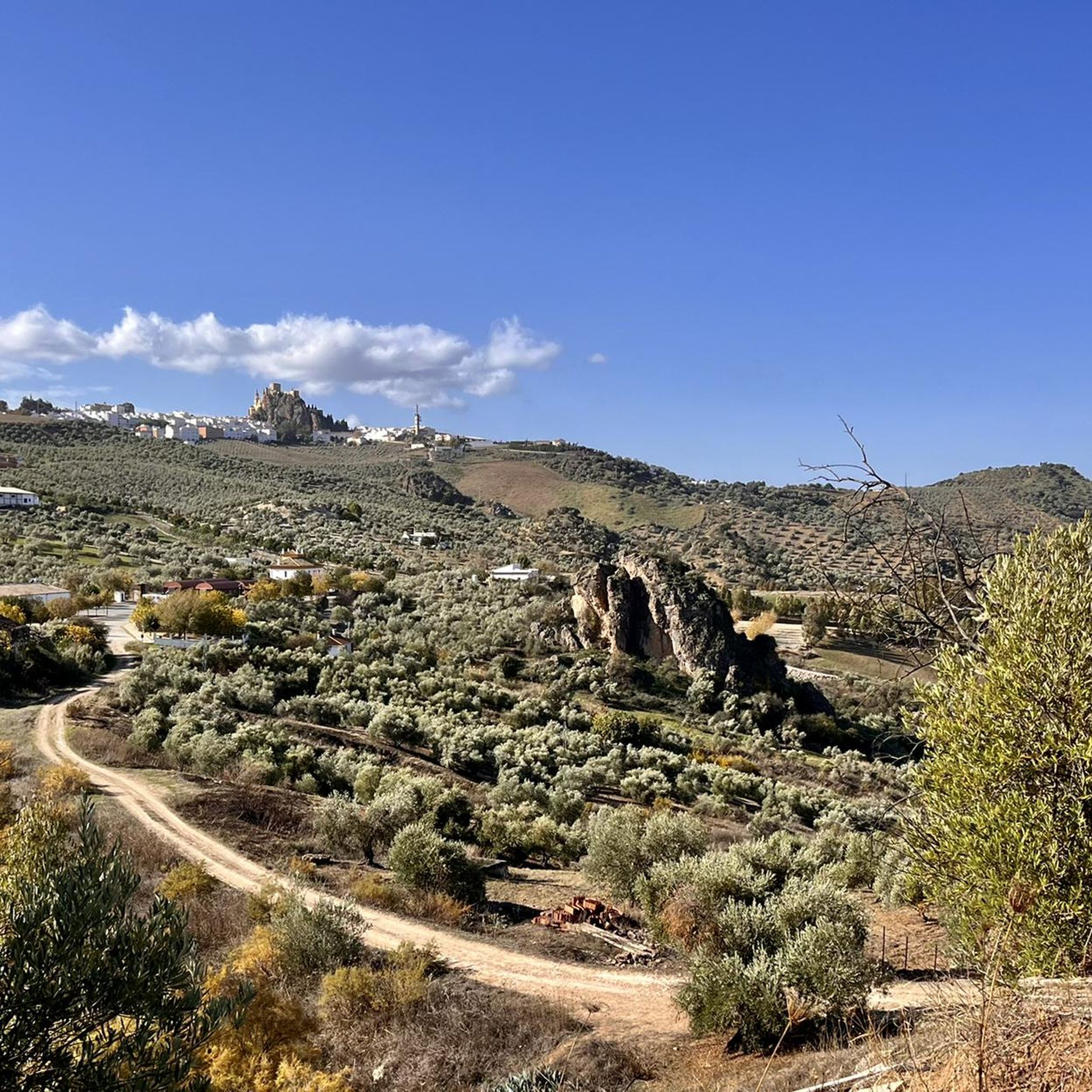
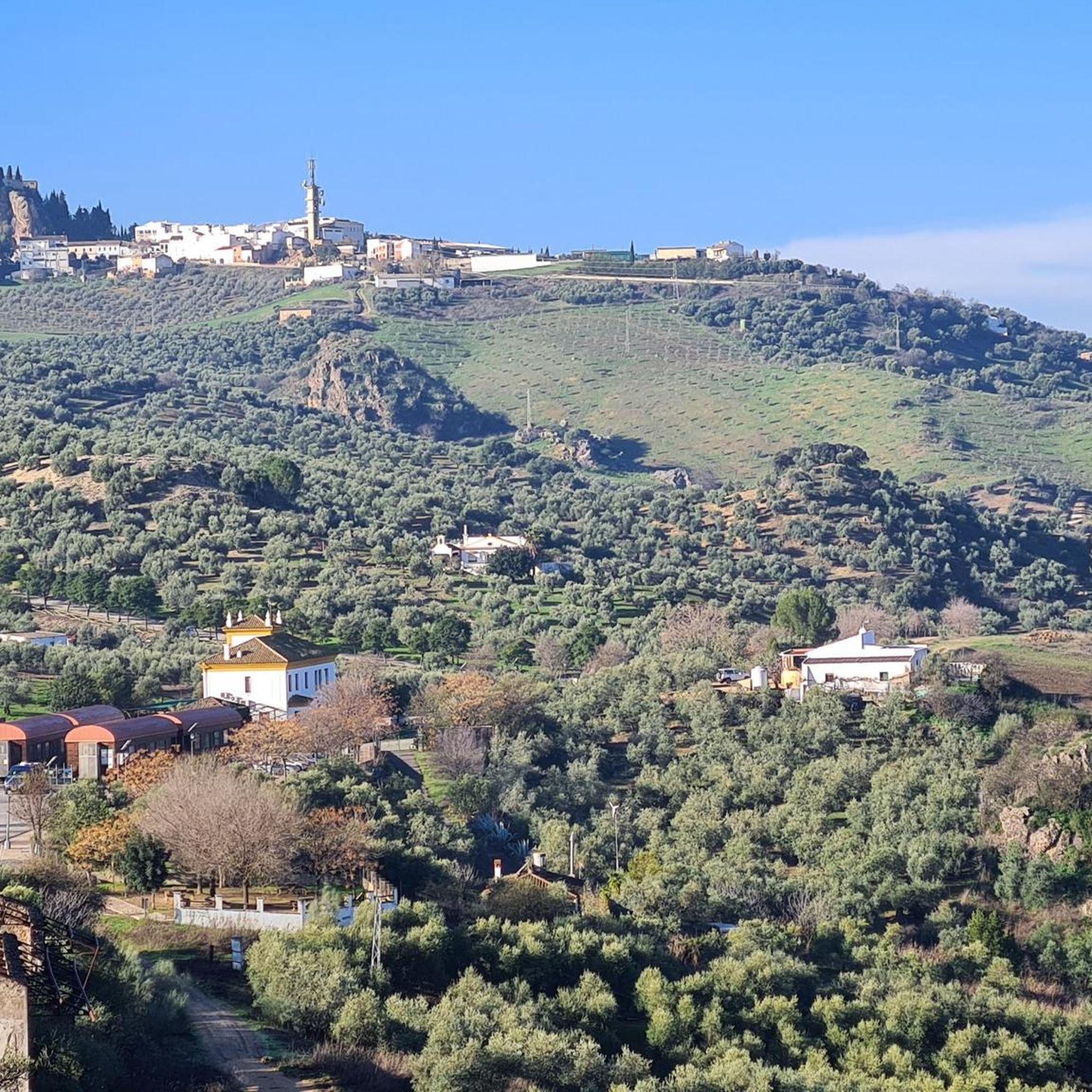
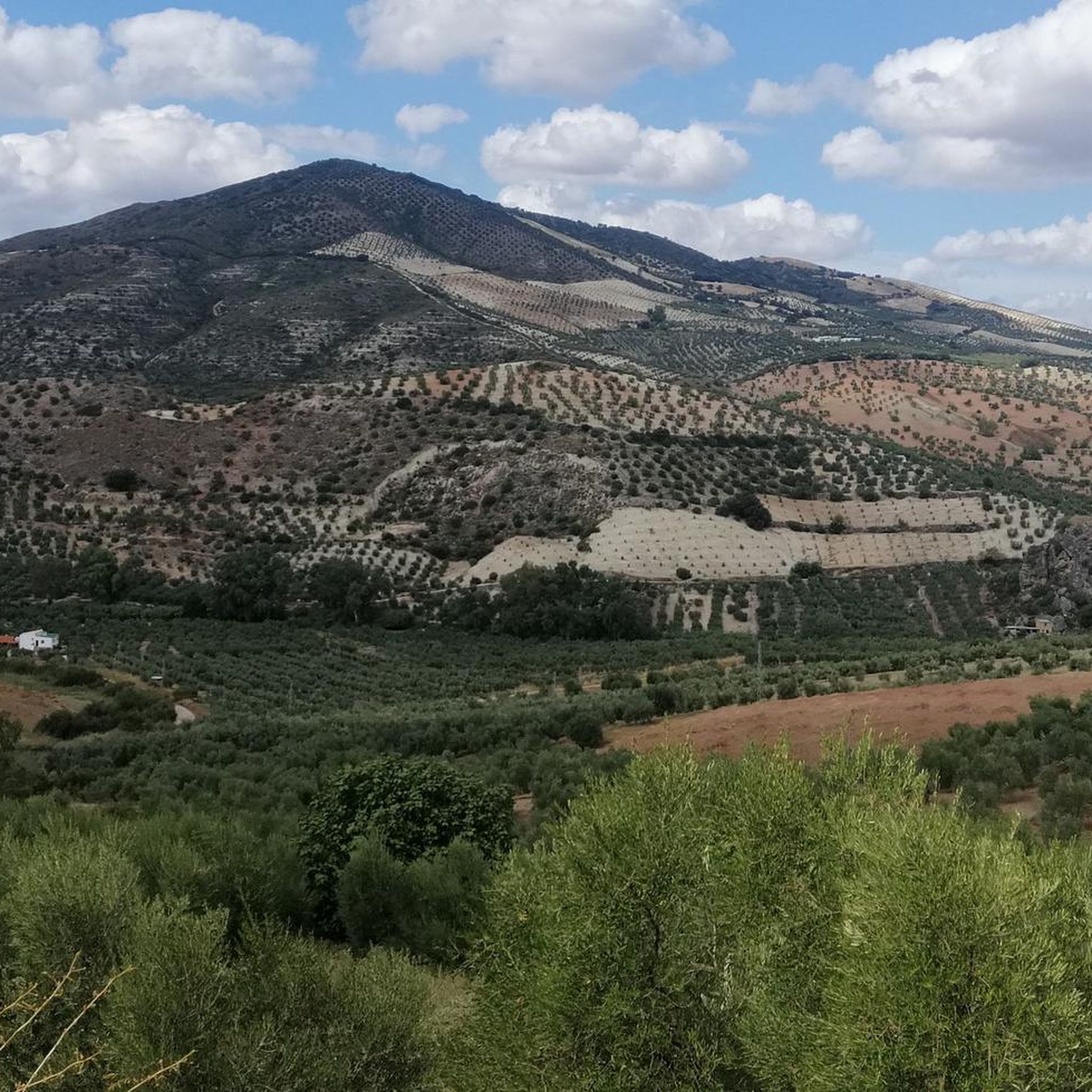
Hiking around Pruna offers diverse landscapes in the Sierra Sur region of Seville, Spain. The area features rolling hills, extensive olive groves, and limestone outcrops, providing varied terrain for exploration. A prominent natural feature is the Peñón de Algámitas, an impressive rock formation and one of the highest points in Seville province. Historical sites like the Castillo de Hierro also integrate into the hiking experience, offering panoramic views.
Best hiking trails around Pruna
- The most popular hiking route is Peñón…
Last updated: July 21, 2026
5.50km
02:07
360m
350m
This difficult 3.4-mile Peñón de Algámitas Loop Trail offers challenging climbs and panoramic views over Seville's olive groves.
5.0
(1)
1
hikers
17.8km
05:18
440m
440m
This difficult 11.1-mile circular hike from Pruna to Sierra de Tablón offers challenging terrain and panoramic views over 5 hours.

Sign up for free
4.7
(13)
95
hikers
6.56km
02:50
390m
390m
Moderate hike. Good fitness required. Mostly accessible paths. Sure-footedness required.
4.4
(7)
38
hikers
Moderate hike. Good fitness required. Easily-accessible paths. Suitable for all skill levels.
4.9
(7)
29
hikers
5.01km
02:15
320m
330m
Moderate hike. Good fitness required. Mostly accessible paths. Sure-footedness required.
Get access to more routes and recommendations from other explorers.
Sign up for free
Already have an account?
Our route recommendations are based on thousands of hikes, rides, and runs completed by other people on komoot.
Start today with a free account
Your next adventure awaits.
Login or Signup
Tips from the Community

Pruna, in the Sierra Sur of Seville, is a charming destination for those seeking nature, history, and rural authenticity. Parish of San Antonio Abad: 17th-century Baroque church with three naves, a decorated dome, and valuable religious images such as the 17th-century Jesus of Nazareth. Plaza de España: Town center with the Town Hall, the Monument to the Emigrant, and the Fountain of the Washerwomen. Calle Escalones: Picturesque steep street between white houses and brown roofs.
2
0
The Parish of Our Lady of the Incarnation is one of Olvera's most iconic monuments, both for its imposing architecture and its historical and religious significance. It was commissioned by the Dukes of Osuna at the end of the 18th century and completed in 1843. It was built on the remains of an old Moorish mosque and a Gothic-Mudejar church, the apse of which is still preserved in the baptismal chapel. It has undergone several restorations, the most recent between 1994 and 1999, and again in 2010 after a fire damaged a processional image.
1
0
The viewpoint next to the Parish of Our Lady of the Incarnation in Olvera is known as the Church Viewpoint, and offers one of the most spectacular views of the town and its natural surroundings. It is located directly opposite the main façade of the church, in the Church Square, at the highest point of Olvera's historic center. It is part of a development that was redeveloped after the demolition of an old house attached to the church, allowing for an expansion of the space and the creation of the viewpoint.
1
0
Olvera's Town Hall Square is one of the town's most iconic spots and an excellent starting point for exploring its historic center. Olvera's Town Hall is located in a traditional building with a white facade and architectural details typical of white villages. The square is surrounded by bars and terraces, such as Bar La Plaza, ideal for breakfast with toast and olive oil while soaking up the local atmosphere.
1
0
The climb to the Rock of the Coroneta (also known as the Rock of the Sacred Heart) from Plaza de Andalucía in Olvera is very easy and picturesque. It is a central and well-known square in Olvera, also known as La Alameda. From here, you can clearly see the Rock, crowned by the statue of the Sacred Heart of Jesus.
1
0

The Iglesia Parroquial de Nuestra Señora de la Encarnación in Olvera is the town's most striking church building and, together with the neighboring Moorish castle, dominates the town's panorama. It towers high above the historic Barrio de la Villa district and is visible from afar. The church was built in 1822 in the neoclassical style on the foundations of an earlier Renaissance church. This, in turn, stood on the site of a former Muslim mosque, as was common in many Andalusian towns. Construction dragged on for decades and was not completed until the end of the 19th century. The church is characterized by its monumental façade, flanked by two large towers. The building's style was inspired by the great cathedrals of Spain – unusually imposing for a town the size of Olvera.
0
1

Frequently Asked Questions
How many hiking trails are available around Pruna?
There are over 40 hiking trails around Pruna, offering a diverse range of experiences from easy strolls to challenging ascents. The area features 12 easy routes, 25 moderate routes, and 5 difficult routes, ensuring options for various fitness levels.
What is the best time of year to go hiking in Pruna?
Spring and autumn are generally the most pleasant seasons for hiking in Pruna due to favorable temperatures. The mild weather during these months makes exploring the diverse landscapes, from olive groves to limestone outcrops, particularly enjoyable.
Are there any circular hiking routes in Pruna?
Yes, Pruna offers several circular hiking routes. For a challenging option with extensive views, consider the From Pruna to Sierra de Tablón — circular from Pruna, which is 17.8 km long. Another moderate circular route is the Views of Algámitas – Peñón de Algámitas loop from Restaurante Mirador, covering 5 km.
Are there any hikes that feature waterfalls near Pruna?
Yes, the 30-meter-high La Cascada waterfall is a captivating natural attraction located just one kilometer from Pruna. While not directly on a komoot route, it's a notable natural feature in the area that can be visited.
Can I find family-friendly hiking trails in Pruna?
Pruna offers 12 easy routes suitable for families. These trails typically feature less challenging terrain and shorter distances, allowing for an enjoyable outdoor experience for all ages. Look for routes marked as 'easy' on komoot for suitable options.
Are dogs allowed on the hiking trails around Pruna?
While specific regulations for dogs on every trail are not always posted, generally, dogs are welcome on hiking trails in rural areas like Pruna. It's always recommended to keep dogs on a leash, especially in areas with wildlife or livestock, and to clean up after them to ensure a pleasant experience for everyone.
What historical sites or landmarks can I explore while hiking in Pruna?
You can explore several historical sites and landmarks. The remains of the Castillo de Hierro (Iron Castle) offer panoramic views. Additionally, the area features the Zaframagón Viaduct, part of the Vía Verde de la Sierra, which is a significant historical railway structure.
Are there any viewpoints offering panoramic views on the trails?
Absolutely. The Peñón de Algámitas, one of the highest points in Seville province, offers impressive panoramic views over the surrounding olive groves. The Pico del Terril – Sierra de Tablón Pass loop from Puerto de la Ventana also provides unique and stunning vistas of the Sierra Sur.
What do other hikers say about the trails in Pruna?
The trails in Pruna are highly rated by the komoot community, with an average score of 4.2 stars from over 70 reviews. Hikers often praise the varied terrain, the stunning panoramic views from points like Peñón de Algámitas, and the opportunity to explore both natural beauty and historical sites.
Are there options for less crowded hikes in Pruna?
While popular routes like the Peñón de Algámitas Loop can attract visitors, Pruna has over 40 trails, many of which offer a tranquil experience. To find less crowded options, consider exploring some of the moderate or difficult routes that venture further into the Sierra del Tablón, or hike during off-peak hours.
Are there any unique natural features to discover on the hikes?
Beyond the prominent Peñón de Algámitas, the region is characterized by rolling hills, extensive olive groves, and limestone outcrops. You can also discover natural springs, such as Fuente del Molino Cegato, and the impressive La Cascada waterfall just outside town.
Is there parking available at the trailheads in Pruna?
Parking availability varies by trailhead. For routes starting directly from Pruna, you can often find street parking within the town. For trails that begin at specific points like Puerto de la Ventana or near the Peñón de Algámitas, there are usually designated parking areas. It's advisable to check the route details on komoot for specific parking information.
Most popular attractions around Pruna

Get inspired with the komoot mobile app


Explore more
Browse the best Hikes in other regions.
