The best road cycling routes around Lucillo
5.0
(3)
216
riders
14
rides
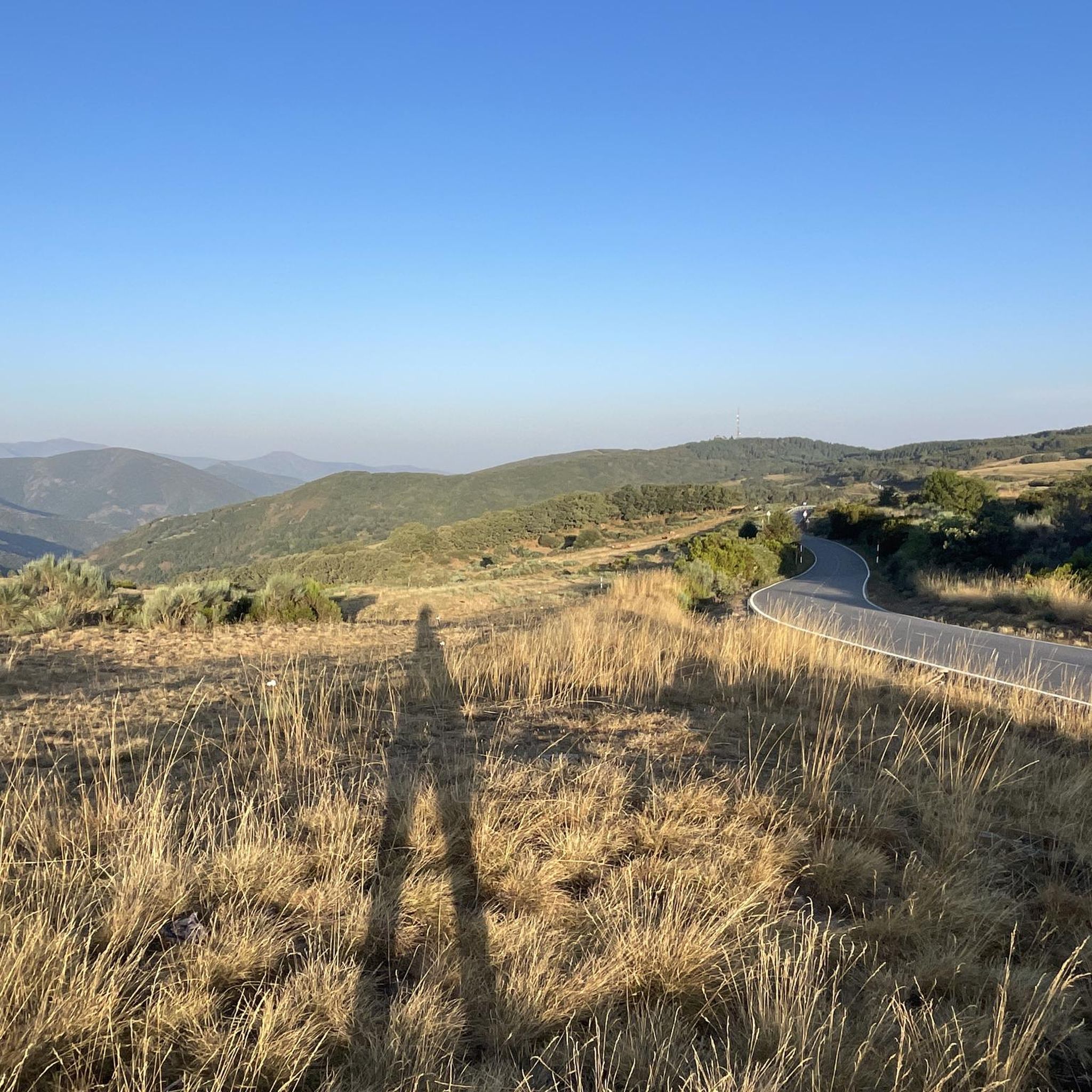
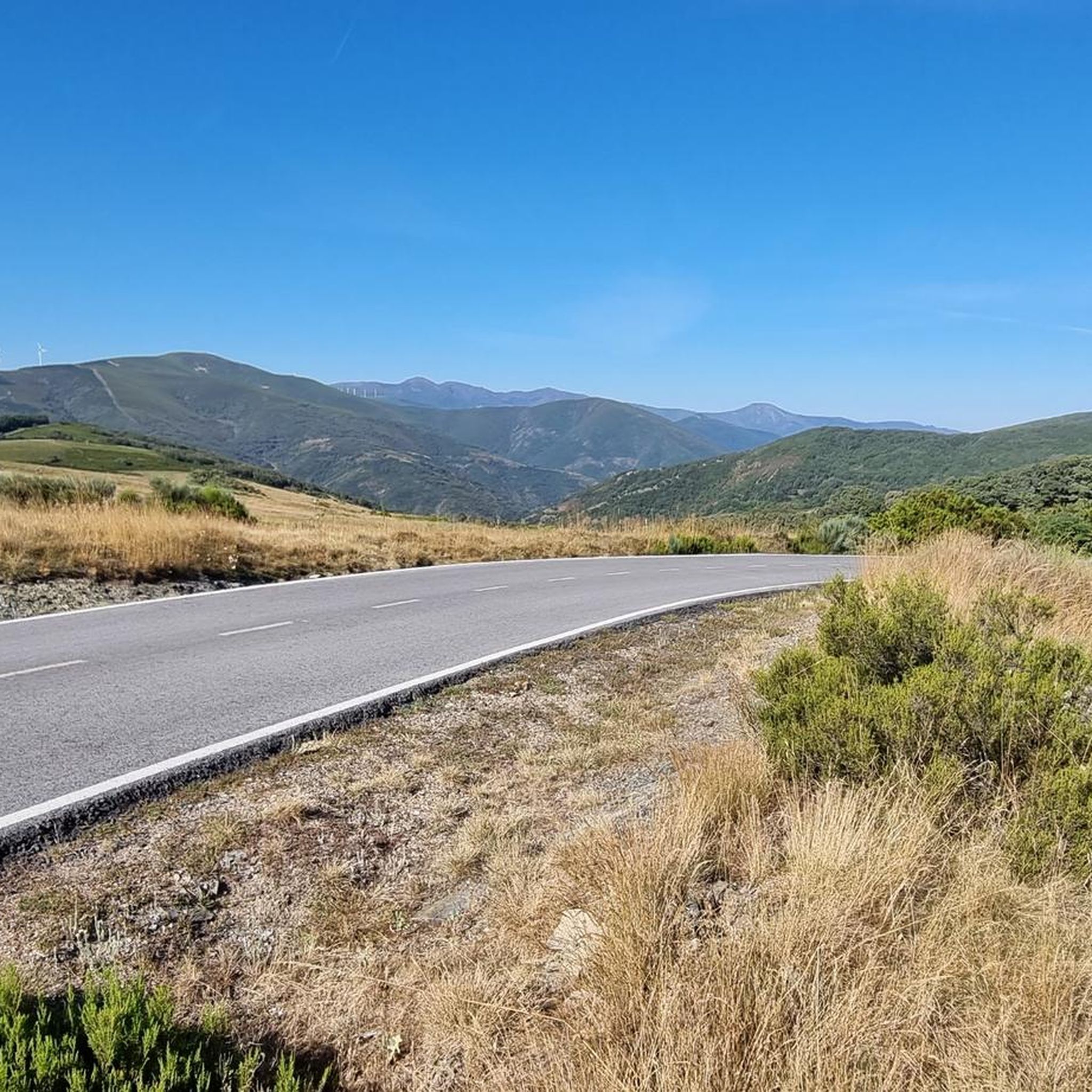
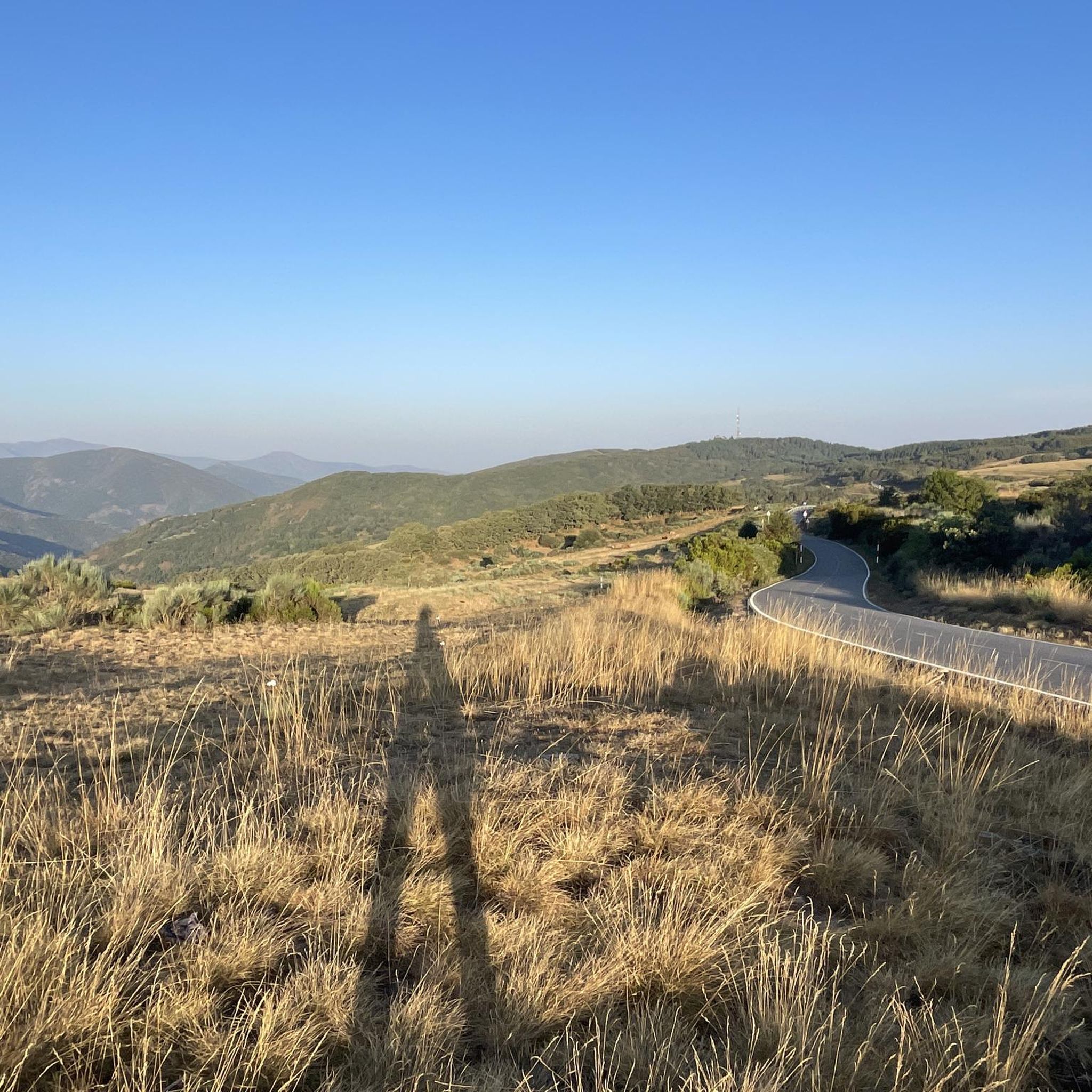
Road cycling around Lucillo, located in the province of León, Spain, offers diverse terrain at an elevation of approximately 3,990 to 3,999 feet (1,216 to 1,219 meters). The region features hilly and mountainous landscapes, providing varied challenges for road cyclists. Routes range from moderate to difficult, with significant elevation gains across well-paved and some unpaved sections. This area is suitable for cyclists seeking both endurance challenges and scenic rides through historic surroundings.
Best road cycling routes around Lucillo
- The most…
Last updated: June 1, 2026
5.0
(1)
58
riders
Moderate road ride. Good fitness required. Some segments of this route may be unpaved and difficult to ride.
5.0
(1)
32
riders
40.5km
02:16
870m
870m
Moderate road ride. Good fitness required. Mostly well-paved surfaces and easy to ride.

Sign up for free
5.0
(1)
24
riders
63.9km
02:55
700m
700m
Moderate road ride. Good fitness required. Mostly well-paved surfaces and easy to ride.
20
riders
94.2km
05:15
2,070m
2,070m
Hard road ride. Very good fitness required. Mostly well-paved surfaces and easy to ride.
16
riders
45.9km
02:10
550m
550m
Moderate road ride. Good fitness required. Mostly well-paved surfaces and easy to ride.
Get access to more routes and recommendations from other explorers.
Sign up for free
Already have an account?
Our route recommendations are based on thousands of hikes, rides, and runs completed by other people on komoot.
Start today with a free account
Your next adventure awaits.
Login or Signup
Tips from the Community


The Bishop's Palace of Astorga is one of only three buildings that Antoni Gaudí built outside Catalonia.
3
0

A town of less than fifty inhabitants and with 5 restaurants and seven hostels. The miracles of the Camino de Santiago
5
0

The elaborately restored village of Castrillo de los Polvazares with less than 100 inhabitants is a typical example of the architecture of the Maragatería region
2
0

It is also known as Cruz de Fierro (Iron Cross). A mountain landmark (1504 m) that stands on the French Way in the mountains of León as it passes through the province of the same name, corresponding to the autonomous community of Castilla y León. 230 km from Santiago. It is one of the best-known and most symbolic places of all the Jacobean routes, and perhaps for this reason the most mythologised and exciting, with the Monte do Gozo de Santiago, the first place from which pilgrims on the French Way observe the city of Santiago.
8
0

On June 24, 1889, the prelate's name day, the first stone was laid. They had planned to complete the work on the palace in June 1894, but the bishop died in 1893, and this event radically changed the course of the work, paralyzed by the hostility between Gaudí and the Diocesan Council. Finally, Antonio Gaudí resigned from his post as chief architect, very upset by the treatment he received. In 1905, D. Julián de Diego y Alcolea ruled the diocese of Astorga and tried to convince Gaudí to return to the works of the palace, but he did not succeed. Ricardo García-Guereta, diocesan of León, was appointed architect and completed the work on October 12, 1913, as bishop D. Julián de Diego y Alcolea
4
0
Cultural visit The Cathedral of Astorga is a temple that is forever engraved in the memory of those who visit it. It offers a fantastic tour explained through an audio guide system available in different languages. A visit also designed for the little ones, since the cathedral offers a fun audio guide for children.
5
0

The Church of Nuestra Señora de la Asunción in Rabanal del Camino is a beautiful architectural gem along the Camino de Santiago. This church, located in the small village of Rabanal del Camino in the province of León, was built in the 12th century and has undergone several renovations and extensions over the centuries. The church is of Romanesque origin and is believed to have been built by the Knights Templar, who protected the pilgrims who crossed the Montes de León on their way to Santiago de Compostela.
6
0
Frequently Asked Questions
What kind of terrain can I expect when road cycling around Lucillo?
Lucillo, situated at an elevation of approximately 1,216 to 1,219 meters (3,990 to 3,999 feet), offers a diverse mix of hilly and mountainous landscapes. You'll find routes with significant elevation gains, ranging from well-paved roads to some unpaved sections, providing varied challenges for road cyclists.
Are there road cycling routes suitable for beginners or less experienced riders in Lucillo?
While the region is known for its challenging terrain, there are routes that cater to different fitness levels. Moderate rides, such as the Astorga – El Ganso Village loop from Santa Colomba de Somoza, offer substantial climbs but are manageable for those with some experience. The area's 13 moderate routes provide a good starting point for building endurance.
What are some notable landmarks or attractions I can see while cycling near Lucillo?
The region is rich in historical and cultural sites, particularly along the Camino de Santiago. You can encounter significant pilgrim landmarks like the Cruz de Ferro (Iron Cross), which is part of the Cruz de Ferro (Iron Cross) – Iron Cross loop from Santa Colomba de Somoza route. Other points of interest include traditional villages like El Ganso, known for its unique architecture.
Are there any particularly challenging road cycling routes for advanced riders?
Yes, for experienced cyclists seeking a significant challenge, Lucillo offers difficult routes. An example is the Cruz de Ferro (Iron Cross) – Molinaseca loop from La Taberna de Filiel, which covers 94.2 km with over 2,000 meters of elevation gain, requiring considerable endurance.
What do other road cyclists enjoy most about the routes around Lucillo?
The road cycling routes in Lucillo are highly rated by the komoot community, with an average score of 5.0 stars. Reviewers often praise the diverse terrain, the historical landscapes, and the proximity to the Camino de Santiago, which adds a unique cultural dimension to the rides.
Are there any circular road cycling routes available in the Lucillo area?
Yes, many of the routes around Lucillo are designed as loops, allowing you to start and finish in the same location. Examples include the Astorga – El Ganso Village loop from Santa Colomba de Somoza and the Boeza Bridge – Ponferrada Castle loop from Iglesia de Santiago, offering convenient circular journeys.
What is the best time of year to go road cycling in Lucillo?
Given Lucillo's elevation and the region's climate, spring and autumn generally offer the most pleasant conditions for road cycling, with milder temperatures. Summer can also be suitable, but be prepared for potentially warmer weather, especially at lower elevations. Winters can be cold, and some higher sections might experience snow or ice.
Are there any routes that pass by significant viewpoints or offer panoramic views?
Absolutely. The mountainous and hilly terrain naturally provides many scenic opportunities. Routes often feature stunning vistas, such as the View of the Montes de León or the View of the Galician Mountains, allowing cyclists to enjoy the expansive landscapes of Castile and León.
Can I find cafes or places to stop for refreshments along the road cycling routes?
The region around Lucillo, particularly along the Camino de Santiago, features traditional villages like El Ganso and Santa Colomba de Somoza. These villages often have small cafes, bars, or guesthouses where cyclists can stop for refreshments and experience local hospitality.
How many road cycling routes are available around Lucillo on komoot?
There are 14 road cycling routes available around Lucillo on komoot, offering a variety of distances and difficulty levels to explore the region's unique landscapes.
Are there any specific mountain passes that road cyclists can tackle in the area?
Yes, the region includes challenging mountain passes that are popular with road cyclists. The El Morredero Pass is a notable feature, offering significant climbs and rewarding descents, such as the Descent into Molinaseca.
What is the average length and duration of road cycling routes in Lucillo?
The routes vary significantly in length and duration. For instance, moderate routes like the Boeza Bridge – Ponferrada Castle loop from Iglesia de Santiago are about 40.5 km (25.2 miles) and take around 2 hours 15 minutes. Longer, more difficult routes can extend up to 94 km (58.5 miles) and take over 5 hours to complete.
Most popular attractions around Lucillo

Get inspired with the komoot mobile app


Explore more
Browse the best Road cycling routes in other regions.
