The best running trails around El Escorial
4.6
(9)
623
runners
28
runs
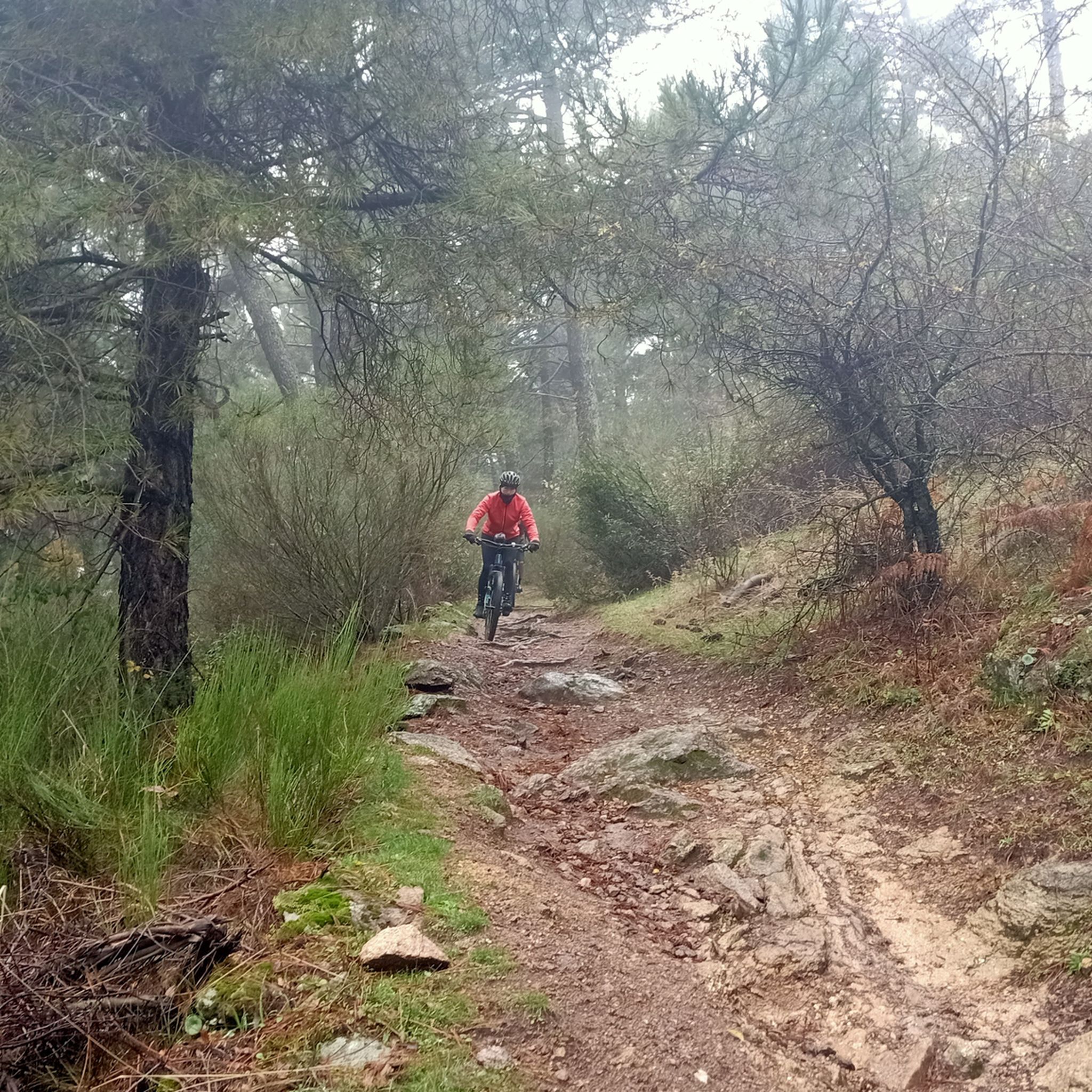
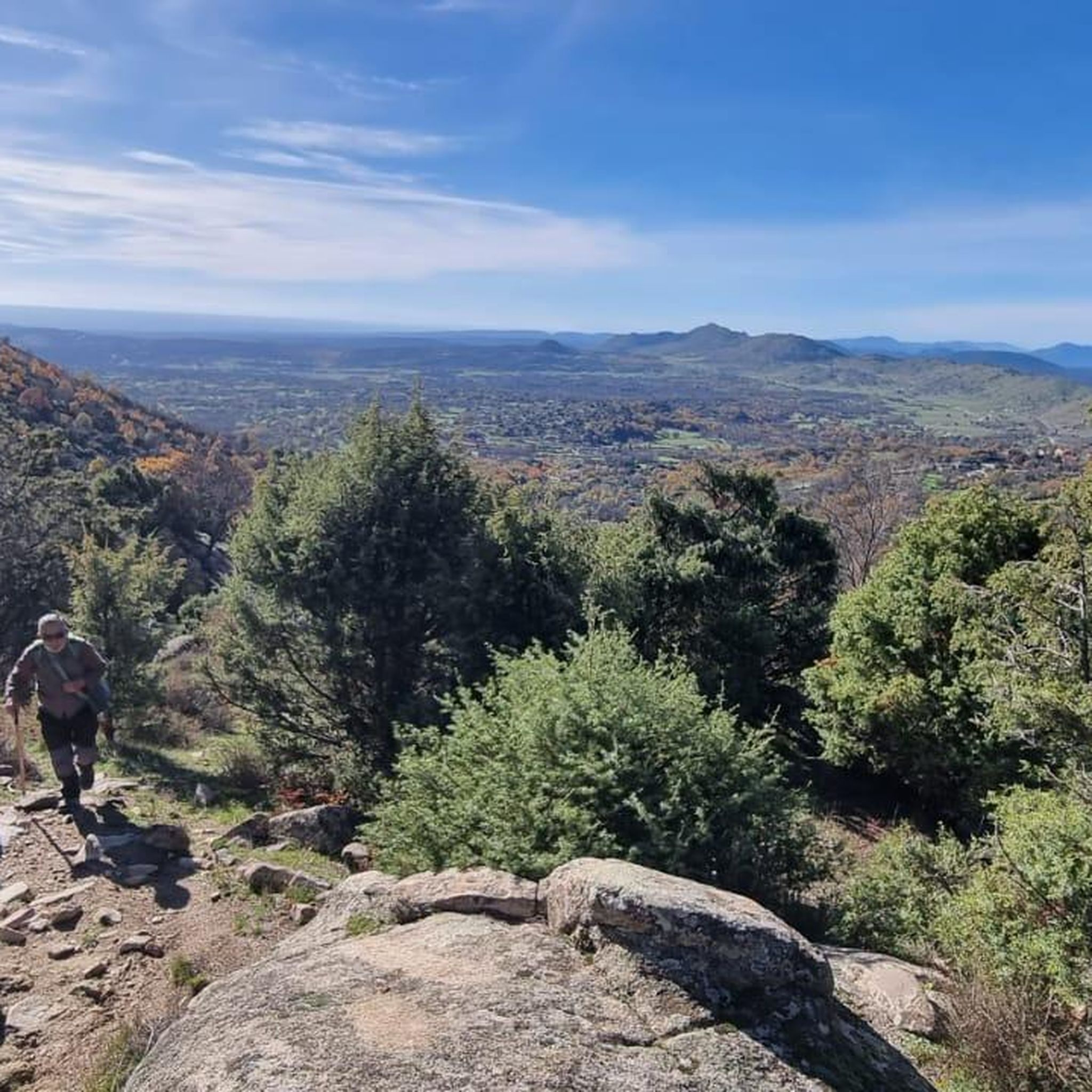
Jogging around El Escorial offers a variety of routes through the foothills of the Sierra de Guadarrama. The terrain primarily features forested slopes, mountain passes, and elevated viewpoints. Runners can expect a mix of challenging ascents and descents, characteristic of a mountainous environment. The region is defined by its granite formations and pine forests, providing diverse running conditions.
Best jogging routes around El Escorial
- The most popular jogging route is Mount Abantos – House of the Renegade loop from El…
Last updated: May 7, 2026
18
runners
22.3km
03:15
1,060m
1,060m
Hard run. Very good fitness required. Sure-footedness, sturdy shoes and alpine experience required.
5.0
(1)
57
runners
20.4km
03:06
980m
980m
Hard run. Very good fitness required. Sure-footedness, sturdy shoes and alpine experience required.

Sign up for free
4.0
(3)
64
runners
28.5km
05:25
1,990m
1,990m
Hard run. Very good fitness required. Sure-footedness, sturdy shoes and alpine experience required.
50
runners
26.0km
03:57
1,200m
1,200m
Hard run. Very good fitness required. Sure-footedness, sturdy shoes and alpine experience required.
20
runners
10.7km
01:07
90m
90m
Moderate run. Good fitness required. Mostly paved surfaces. Suitable for all skill levels.
Get access to more routes and recommendations from other explorers.
Sign up for free
Already have an account?
Our route recommendations are based on thousands of hikes, rides, and runs completed by other people on komoot.
Start today with a free account
Your next adventure awaits.
Login or Signup

Other adventures around El Escorial

Tips from the Community

One of the best MTB ports in Madrid
0
0
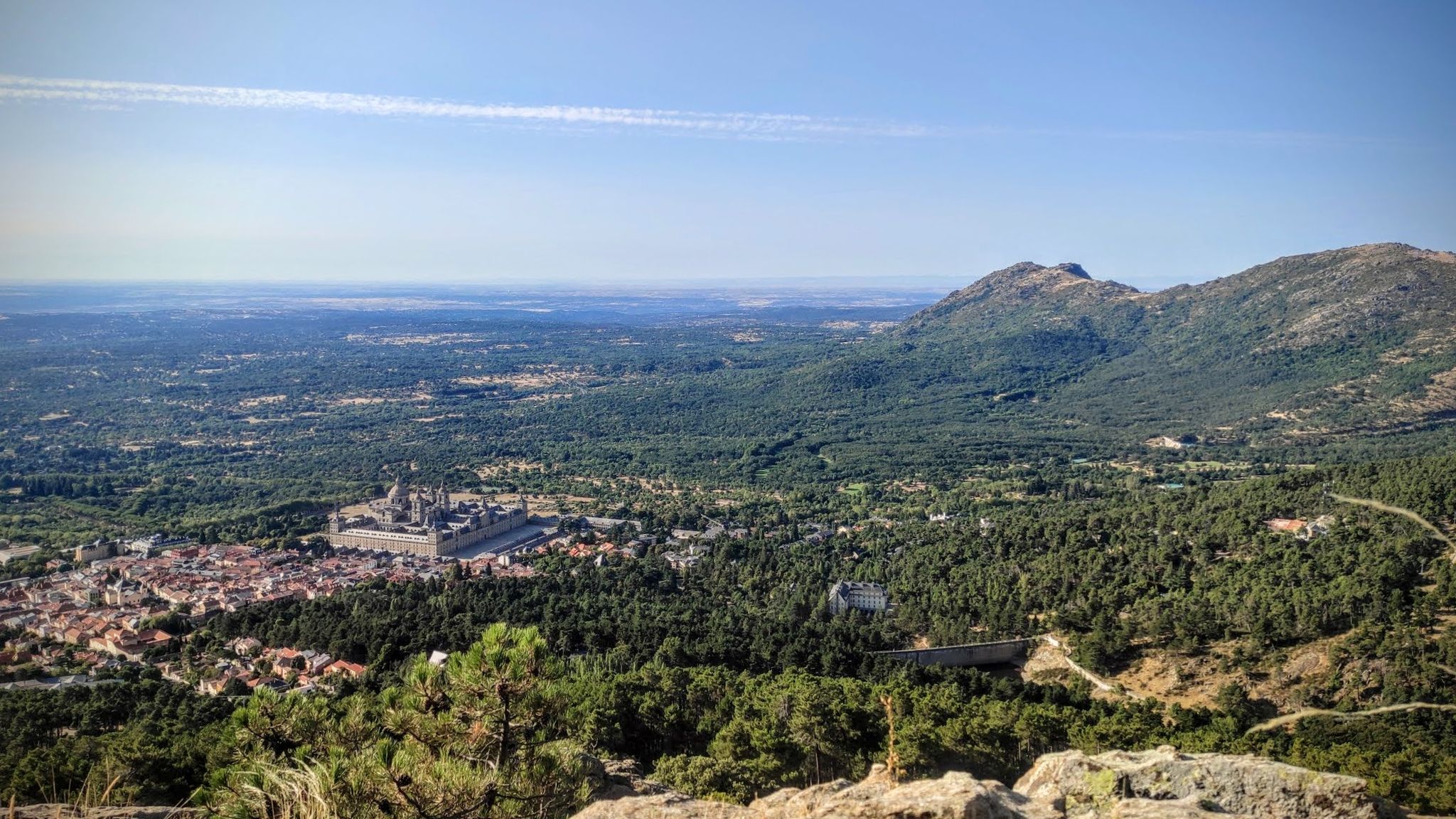
They say (I don't know how true this is) that Philip II used to watch the progress of the construction of the colossal monastery from this very spot during his hunting trips, which he was very fond of. Whether true or not, it makes for a beautiful viewpoint, especially in autumn.
1
0

Beautiful monastery both inside and out.
0
0

The Chair of Philip II is a famous granite viewpoint in San Lorenzo de El Escorial, near Madrid. Legend has it that King Philip II used it to view the construction of the Monastery of El Escorial. However, experts believe it was actually an ancient Celtic altar, possibly used for rituals. Today, it's a popular hiking spot with stunning views of the monastery and its surroundings.
3
0
The Monastery of El Escorial was built by King Philip II in the 16th century to commemorate a military victory and serve as a royal pantheon for the Habsburg dynasty. Designed by architects Juan Bautista de Toledo and Juan de Herrera, it is characterized by its sober, Renaissance style. Today it is a UNESCO World Heritage Site.
5
0
The Monastery of El Escorial was built by King Philip II in the 16th century to commemorate a military victory and serve as a royal pantheon for the Habsburg dynasty. Designed by architects Juan Bautista de Toledo and Juan de Herrera, it is characterized by its sober, Renaissance style. Today it is a UNESCO World Heritage Site.
4
0

The Chair of Philip II is a group of platforms and seats carved in granite. According to tradition, Philip II used this site as an observatory during the construction of the Monastery of El Escorial. However, some theories suggest that it could be an ancient Vetton altar. This site offers spectacular views of the Monastery of El Escorial and its surroundings, including the La Herrería forest. The route to reach the Chair of Philip II is quite accessible and can be done in approximately one hour from the San Lorenzo de El Escorial Tourist Office.
1
0
The Chair of Philip II is a group of platforms and seats carved in granite. According to tradition, Philip II used this site as an observatory during the construction of the Monastery of El Escorial. However, some theories suggest that it could be an ancient Vetton altar. This site offers spectacular views of the Monastery of El Escorial and its surroundings, including the La Herrería forest. The route to reach the Chair of Philip II is quite accessible and can be done in approximately one hour from the San Lorenzo de El Escorial Tourist Office.
1
0
Frequently Asked Questions
What kind of terrain can I expect on running routes around El Escorial?
The running routes in El Escorial primarily feature forested slopes, mountain passes, and elevated viewpoints. You can expect a mix of challenging ascents and descents, characteristic of a mountainous environment, with granite formations and pine forests defining the landscape.
How many running routes are available in El Escorial?
There are over 29 dedicated running routes around El Escorial, offering a wide variety of options for different skill levels and preferences.
Are there any easy running trails for beginners in El Escorial?
Yes, El Escorial offers routes suitable for beginners. While many trails are moderate to difficult, there are at least 2 easy routes available. These typically feature less elevation gain and shorter distances, perfect for those new to trail running.
What are the typical distances of running routes in El Escorial?
The running routes in El Escorial vary significantly in length. For example, popular routes range from around 9.4 miles (15.2 km) like the Puerto de Malagón – Mount Abantos loop, up to 15.2 miles (24.5 km) for the Mount Abantos – House of the Renegade loop, and even longer options like the Abantos – Pinar de Abantos loop at 17.7 miles (28.5 km).
What do other runners say about the trails in El Escorial?
The running routes in El Escorial are highly rated by the komoot community, with an average score of 4.6 stars from over 9 reviews. Runners often praise the challenging mountain trails, the beauty of the pine forests, and the rewarding elevated viewpoints.
Are there any circular running routes in El Escorial?
Yes, many of the popular running routes in El Escorial are circular, allowing you to start and finish in the same location. Examples include the Mount Abantos – House of the Renegade loop and the Mount Abantos – View of Monte Abantos loop.
What natural features or landmarks can I see while jogging in El Escorial?
While jogging in El Escorial, you can encounter various natural features and landmarks. Highlights include the impressive Mount Abantos, the scenic Puerto de Malagón mountain pass, and the unique Bear Cave. You might also spot parts of the Valmayor Reservoir.
Are there any specific viewpoints along the running trails?
Yes, many routes in El Escorial offer elevated viewpoints. For instance, the Mount Abantos – View of Monte Abantos loop is specifically known for its various scenic overlooks, providing panoramic views of the surrounding mountainous terrain.
Is El Escorial suitable for family-friendly running or jogging with children?
While many routes in El Escorial are challenging, there are easier options that might be suitable for families with older children or those looking for a less strenuous run. It's best to check the difficulty grade and distance of specific routes to ensure they match your family's ability.
Are dogs allowed on the running trails in El Escorial?
Generally, dogs are permitted on many trails in the Sierra de Guadarrama region, including around El Escorial. However, it's always recommended to keep them on a leash, especially in protected areas or near wildlife, and to check local regulations for specific routes or natural parks.
What is the best time of year to go jogging in El Escorial?
El Escorial offers good running conditions for much of the year. Spring and autumn provide pleasant temperatures and vibrant scenery. Summer mornings are also popular to avoid the midday heat, while winter can offer crisp, clear runs, though some higher elevation trails might be affected by snow or ice.
Are there options for parking near the running routes in El Escorial?
Yes, El Escorial is a well-established area, and you can typically find parking options in and around the town, especially near popular trailheads. It's advisable to check specific route starting points for the most convenient parking locations.
Can I reach the running trails using public transport?
El Escorial is accessible by public transport, primarily by train and bus from Madrid. Once in El Escorial, many trailheads are within walking distance or a short local bus ride from the town center, making it convenient to access the running routes without a car.
Most popular attractions around El Escorial

Get inspired with the komoot mobile app


Explore more
Browse the best Running Trails & Routes in other regions.
