Attractions and Places To See around Villageriz - Top 20
Attractions and places to see around Villageriz offer a glimpse into the historical and natural landscape of the Eria Region. This area, located in the province of León, features a mix of historical sites and natural settings. Visitors can explore remnants of medieval architecture and enjoy the fertile valleys. The region provides opportunities to discover local heritage and scenic spots.
Best attractions and places to see around Villageriz
- The most popular attractions is Alija del Infantado Town Center, a…
Last updated: May 11, 2026
Castillo de los Pimentel
Highlight • Castle
Translated by Google •
Tip by

Alija del Infantado Town Center
Highlight • Settlement
Also noteworthy, as a …
Translated by Google •
Tip by
Sign up now to discover places like this
Get recommendations on the best single tracks, peaks, & plenty of other exciting outdoor places.
Sign up for free
Eria Bridge in Castrocalbón
Highlight • Bridge
Translated by Google •
Tip by

Ruins of the Royal Monastery of Santa María de Nogales
Highlight • Historical Site
Translated by Google •
Tip by

Gothic Arch of the Palace of Castrocalbón
Highlight • Historical Site
Translated by Google •
Tip by
Sign up for free to discover even more attractions around Villageriz.
Sign up for free
Already have an account?
Start today with a free account
Your next adventure awaits.
Login or Signup
Popular around Villageriz
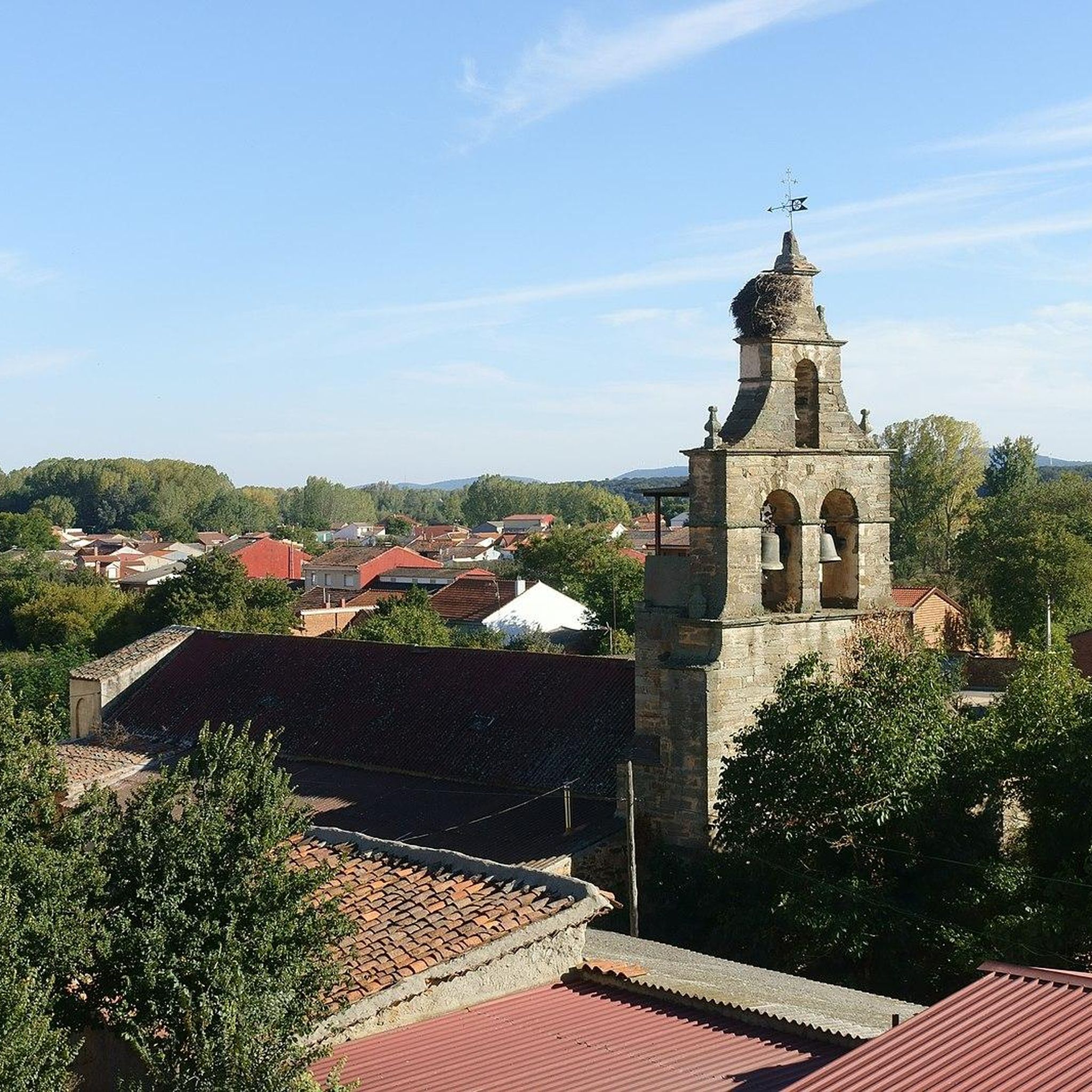
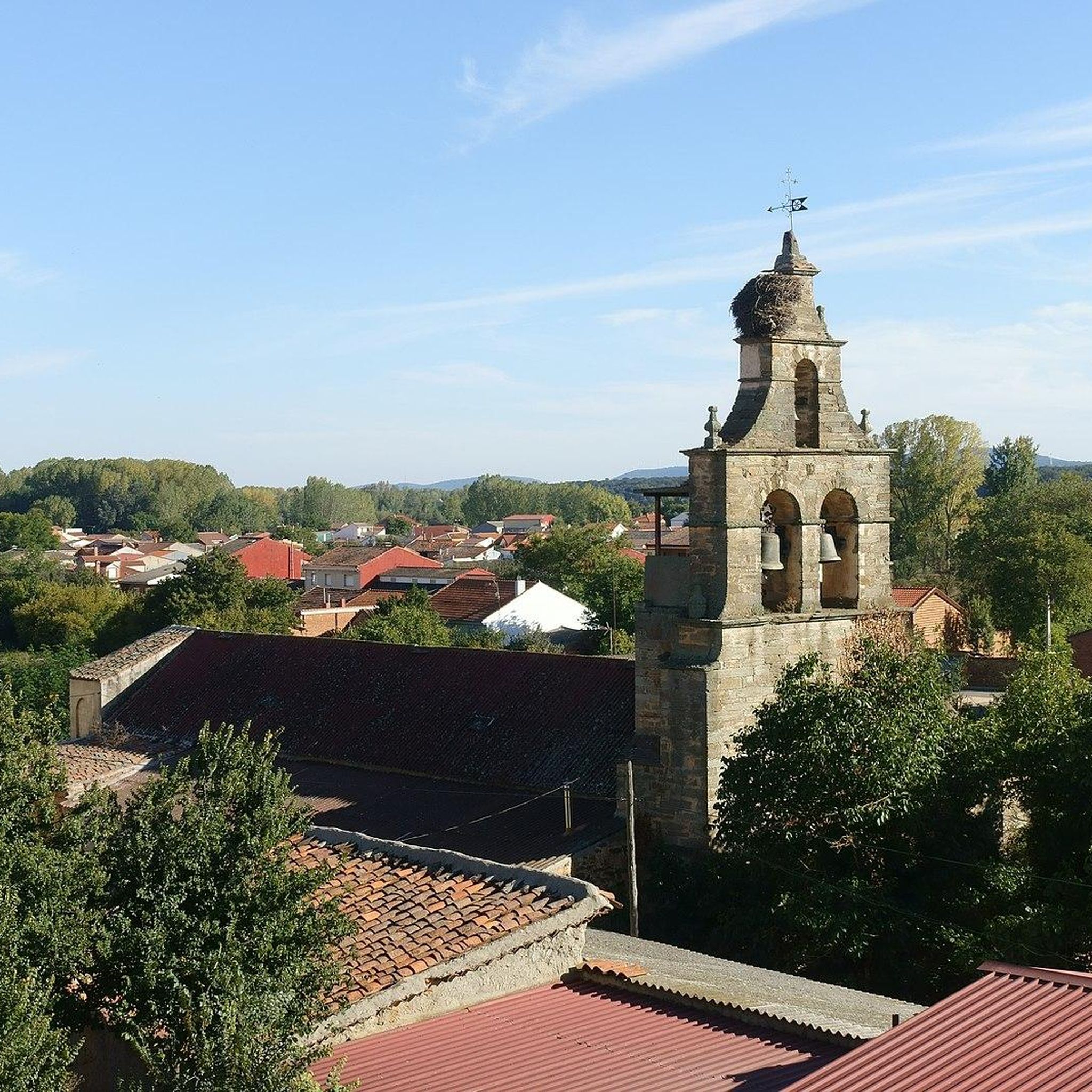
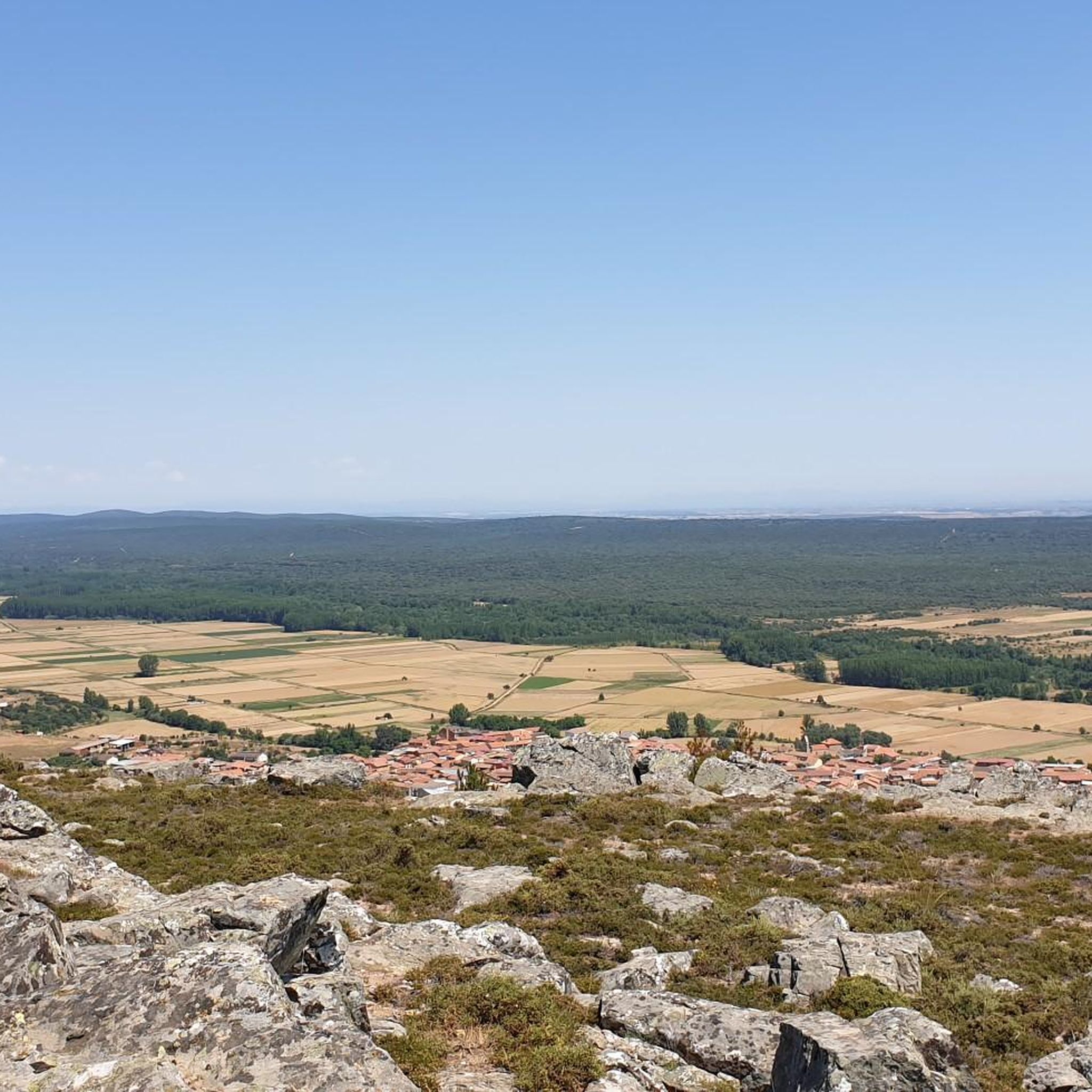
Tips from the Community

Although only part of the tower remains today, its presence is imposing: it was once a stately home and today serves as the perfect viewpoint over the Óbigo Valley. A bike ride up here is both visually and culturally rewarding. A great spot for epic photos, a restful break with views, and a bit of history on wheels. If you're planning a route with interesting stops, this castle is a definite yes.
0
0

Castrocalbón is a place with a rich history and several points of interest that you can visit. Castrocalbón Castle: Although in ruins, it is a fascinating testimony to the medieval architecture and history of the region. San Pedro Church: A church with Romanesque and Gothic elements, which houses interesting altarpieces and sculptures. Hermitage of the Virgin of the Rosary: A place of local devotion, with simple architecture and a peaceful setting.
0
0
Castrocalbón Castle is an ancient fortress located in the town of Castrocalbón, in the province of León. Built in the Middle Ages, the castle has gone through various phases of construction and destruction over the centuries. Today, only a few remains remain, such as a rammed earth wall plastered with mortar and an ashlar arch. In the past, the castle had several archways and walls that have been compared to the Berber kasbahs of the High Atlas.
2
0

Another iconographic reference of Castrocalbón is this iron bridge over the Eria River built in the 1920s and which, despite the inconveniences it causes at this time, being quite narrow, already changes its image has become a symbol of Castrocalbón. A new bridge is currently in use a short distance from the old one, which is (for the time being) maintained due to its historical value.
1
0

On December 20, 1164, the widow of the Noble Vela Gutiérrez, Doña Sancha Ponce, transferred to the Cistercian Order of Santa María de Moreruela all the possessions and belongings of the territory of Nogales in hereditary right so that they could build another monastery that would be called Santa María from Nogales. From this moment and until the monks abandoned the monastery, in the mid-19th century, the Eria Region was governed according to the guidelines of the Order. This settlement established the model of repopulation and new management at all levels; social, cultural, agricultural and economic. At the same time it marked the appearance of the Villa de Nogales, which was initially made up of the servants and servants of the Monks. Without a sumptuous construction, Santa María de Nogales is located according to the criteria of the Cistercian order: a valley of fertile lands, abundance of water, and impressive solitude. For more than seven centuries it stood out for being the cradle of great men, an emporium of letters and science, where royal advisors and professors for the University of Alcalá emerged. Currently, only the ruins and remains of its greatness remain: scattered walls, the belfry of the Church and the main entrance arch with its heraldic shield. However, the surrounding area, fertile orchard, abundant vegetation, fruit trees and the waters of the Eria River, invite you to relax, contemplate and enjoy nature.
1
0

The Pimentel castle, built in the 19th century. XV, it is a large square fortress. Inside, there is the Palacio de los Ponces, built in the 16th century. XIII and currently unusable, due to the fires suffered in 1808 and 1887. The dukes of Infantado rebuilt the now visible fortress.
1
0

Nature is reclaiming its place around the ruins of this 16th and 17th century monastery. The building was looted several times and eventually fell into disrepair.
2
0
Ruin of a palace and defensive settlement on the town of Castrocalbón of which only a restored arch remains.
1
1
Frequently Asked Questions
What historical sites can I explore around Villageriz?
The region offers several historical attractions. You can visit the 11th-century Castillo de los Pimentel, which has been maintained and reformed over centuries. Another significant site is the Alija del Infantado Town Center, known for its churches and the castle. Don't miss the Eria Bridge in Castrocalbón, an iconic iron bridge from the 1920s, or the Ruins of the Royal Monastery of Santa María de Nogales, where nature is reclaiming a 16th-century monastery.
Are there any family-friendly attractions in the Villageriz area?
Yes, several attractions are suitable for families. The Alija del Infantado Town Center offers a pleasant environment to explore with its historical buildings and unique hillside wineries. The Castillo de los Pimentel, an 11th-century castle, can also be an engaging visit for families interested in history.
What outdoor activities can I do near Villageriz's attractions?
The area around Villageriz is excellent for outdoor activities, especially hiking and cycling. You can find various routes, such as the moderate 'Nogales Monastery Ruins Loop' for hiking, or the 'Eria Bridge in Castrocalbón – Church of Castrocontrigo loop' for road cycling. For more options, explore the hiking routes around Villageriz and cycling routes around Villageriz.
Are there specific hiking trails near the historical sites?
Yes, you can combine historical exploration with hiking. For instance, the 'Nogales Monastery Ruins Loop' is a moderate 12 km hike that takes you past the Ruins of the Royal Monastery of Santa María de Nogales. You can find more hiking options, including easy and moderate trails, in the hiking guide for Villageriz.
What natural features can I enjoy around Villageriz?
The region is characterized by its natural settings and fertile valleys. The area surrounding the Ruins of the Royal Monastery of Santa María de Nogales is particularly scenic, with a fertile orchard, abundant vegetation, fruit trees, and the waters of the Eria River, inviting relaxation and contemplation of nature.
Are there any hidden gems or less-known spots to discover?
For a unique experience, consider visiting the Ruins of the Royal Monastery of Santa María de Nogales. This 16th-century monastery, now partially reclaimed by nature, offers a tranquil setting for reflection amidst historical remnants and lush surroundings. It's a place where you can appreciate both history and natural beauty away from more crowded spots.
What is the best time to visit Villageriz for outdoor attractions?
While specific data isn't provided, generally, the spring, summer, and early autumn months offer the most favorable weather for exploring outdoor attractions and engaging in activities like hiking and cycling in the Villageriz region. These seasons typically provide pleasant temperatures and longer daylight hours.
Can I find cycling routes that pass by local attractions?
Yes, there are several cycling routes that allow you to see the local sights. For road cyclists, the 'Eria Bridge in Castrocalbón – Church of Castrocontrigo loop' is a moderate 79 km route. For touring bicycles, the 'Castro de las Labradas and Alija del Infantado Loop' is a more challenging 35 km ride. You can explore more options in the road cycling guide and general cycling guide for Villageriz.
What do visitors enjoy most about the attractions around Villageriz?
Visitors appreciate the blend of historical significance and natural beauty. The well-preserved Castillo de los Pimentel and the charming Alija del Infantado Town Center are frequently highlighted. The historical value of the Eria Bridge in Castrocalbón and the serene atmosphere of the Ruins of the Royal Monastery of Santa María de Nogales also receive positive feedback for their unique character.
Is there information on parking or public transport to reach attractions?
Specific details regarding parking facilities or public transport options directly to each attraction are not provided in the guide. It is recommended to check local information or the official websites of individual sites for the most up-to-date accessibility and transport details before your visit.
Are there any specific architectural highlights to look out for?
Beyond the Castillo de los Pimentel and the Eria Bridge in Castrocalbón, you can also see the Gothic Arch of the Palace of Castrocalbón. This restored arch is one of the few remaining parts of an ancient palace and defensive settlement, offering a glimpse into medieval architecture.
Most popular attractions around Villageriz

Get inspired with the komoot mobile app


Explore more
Still not found the Highlight you’re looking for? See guides of the top attractions in other regions:
