The best road cycling routes around San Pedro De Rozados
4.0
(1)
98
riders
6
rides
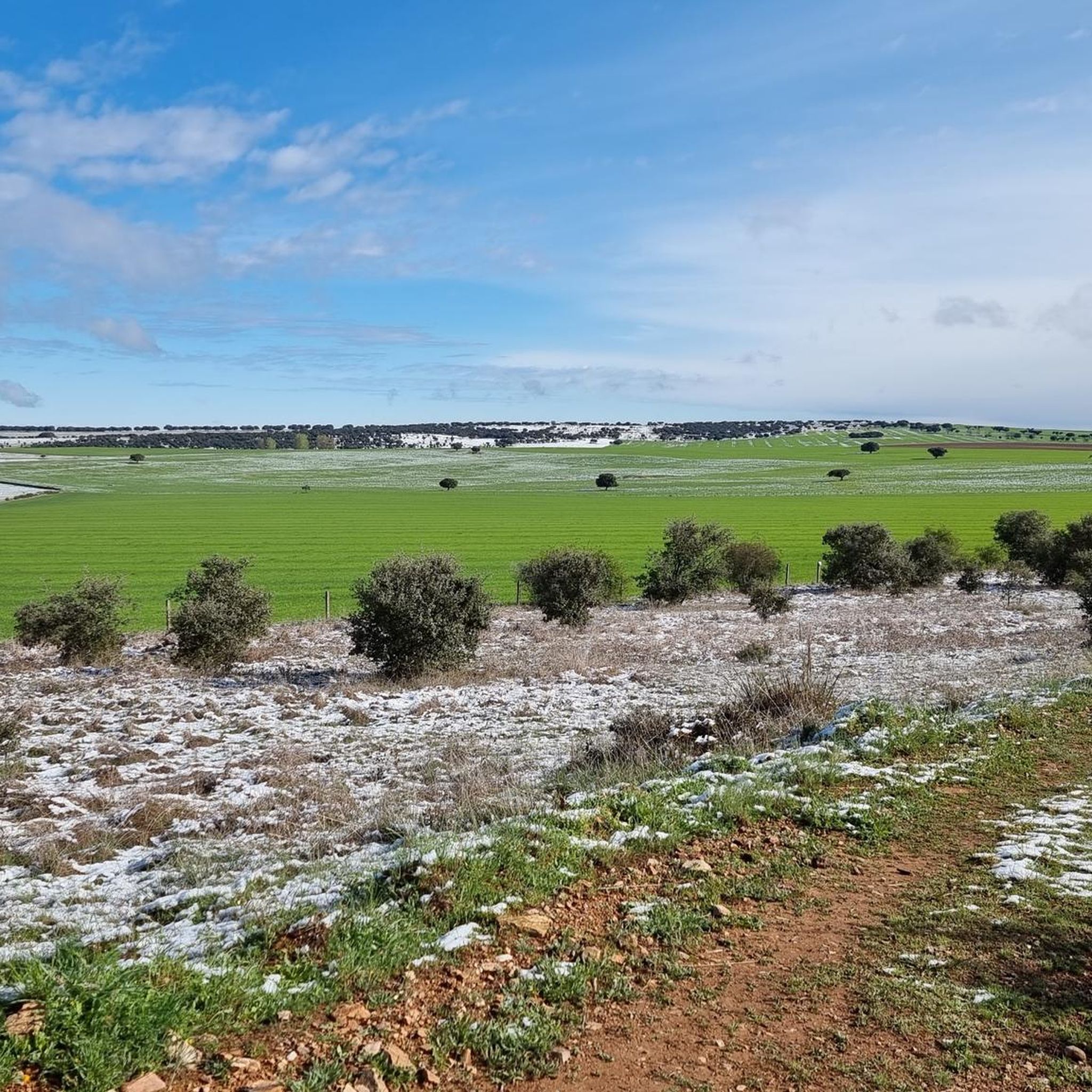
Road cycling around San Pedro De Rozados offers routes through a rural landscape characterized by "tierras de encinares y dehesas," featuring ancient holm oak trees and Mediterranean pastures. The area is situated along the historic Vía de la Plata, providing mostly well-paved surfaces for cyclists. As routes extend northward, the terrain transitions from more mountainous areas to the plains of Castilla, with the Tormes River contributing to varied scenery. The village itself is perched on a hill, offering a starting…
Last updated: May 20, 2026
57
riders
68.9km
03:42
670m
670m
Moderate road ride. Good fitness required. Some segments of this route may be unpaved and difficult to ride.
23
riders
115km
05:45
1,820m
1,820m
Hard road ride. Very good fitness required. Mostly well-paved surfaces and easy to ride.

Sign up for free
4.0
(1)
7
riders
40.4km
01:50
480m
480m
Moderate road ride. Good fitness required. Mostly well-paved surfaces and easy to ride.
7
riders
Hard road ride. Very good fitness required. Some segments of this route may be unpaved and difficult to ride.
3
riders
58.1km
02:37
630m
630m
Moderate road ride. Good fitness required. Mostly well-paved surfaces and easy to ride.
Our route recommendations are based on thousands of hikes, rides, and runs completed by other people on komoot.
Start today with a free account
Your next adventure awaits.
Login or Signup


Tips from the Community

What to see in Miranda del Castañar Medieval Walls: Over 600 meters remain intact, with four gates facing the cardinal directions: San Ginés, Nuestra Señora, La Villa, and El Postigo. Zúñiga Castle: A 15th-century fortress, symbol of the former County of Miranda. Although the interior is not open to the public, its exterior and keep are impressive. Square Bullring: Considered one of the oldest in Spain, built in the 16th century on the site of the former parade ground. Church of Santiago and San Ginés: Gothic in style (13th-16th centuries), with a detached 17th-century bell tower. Houses with Coats of Arms: More than 80 noble coats of arms adorn the facades, reflecting the town's aristocratic past.
8
0
Miranda del Castañar, one of the most beautiful villages in Spain, is located in the Sierra de Francia (Salamanca): Founded in 1213 by Alfonso IX of León as a town and council, it was the administrative capital of the Sierra de Francia. In the 15th century, the County of Miranda was created under the control of the Zúñiga family, consolidating its strategic importance.
9
0
The history of Salamanca's Roman bridge is intertwined with that of the city itself, and it has been one of its defining features for centuries. Located in a position that facilitated human settlement and the development of economic activity, its proximity to the three hills and the Tormes River made it a strategic location. It is a solid bridge, resistant to the passage of time. For centuries it served as the main access point to the city, until a new bridge was completed over the Tormes River in 1913, allowing the passage of vehicles.
10
0
The Roman Bridge of Salamanca, also known as Puente Mayor del Tormes, is an ancient bridge that crosses the Tormes River in the city of Salamanca, Spain. This bridge has a rich history and is a testament to Roman and medieval architecture.
8
0

The Roman Bridge, or Puente Romano. This magnificent granite structure with 26 arches crosses the Tormes River. The 15 arches on the city side are of Roman origin, while the rest date from the 18th century, when a restoration took place. It is such a great symbol for Salamanca that it is included in the city's coat of arms.
7
2

The Roman Bridge of Salamanca, also known as Puente Mayor del Tormes, is an ancient bridge that crosses the Tormes River in the city of Salamanca, Spain. This bridge has a rich history and is a testament to Roman and medieval architecture.
22
0

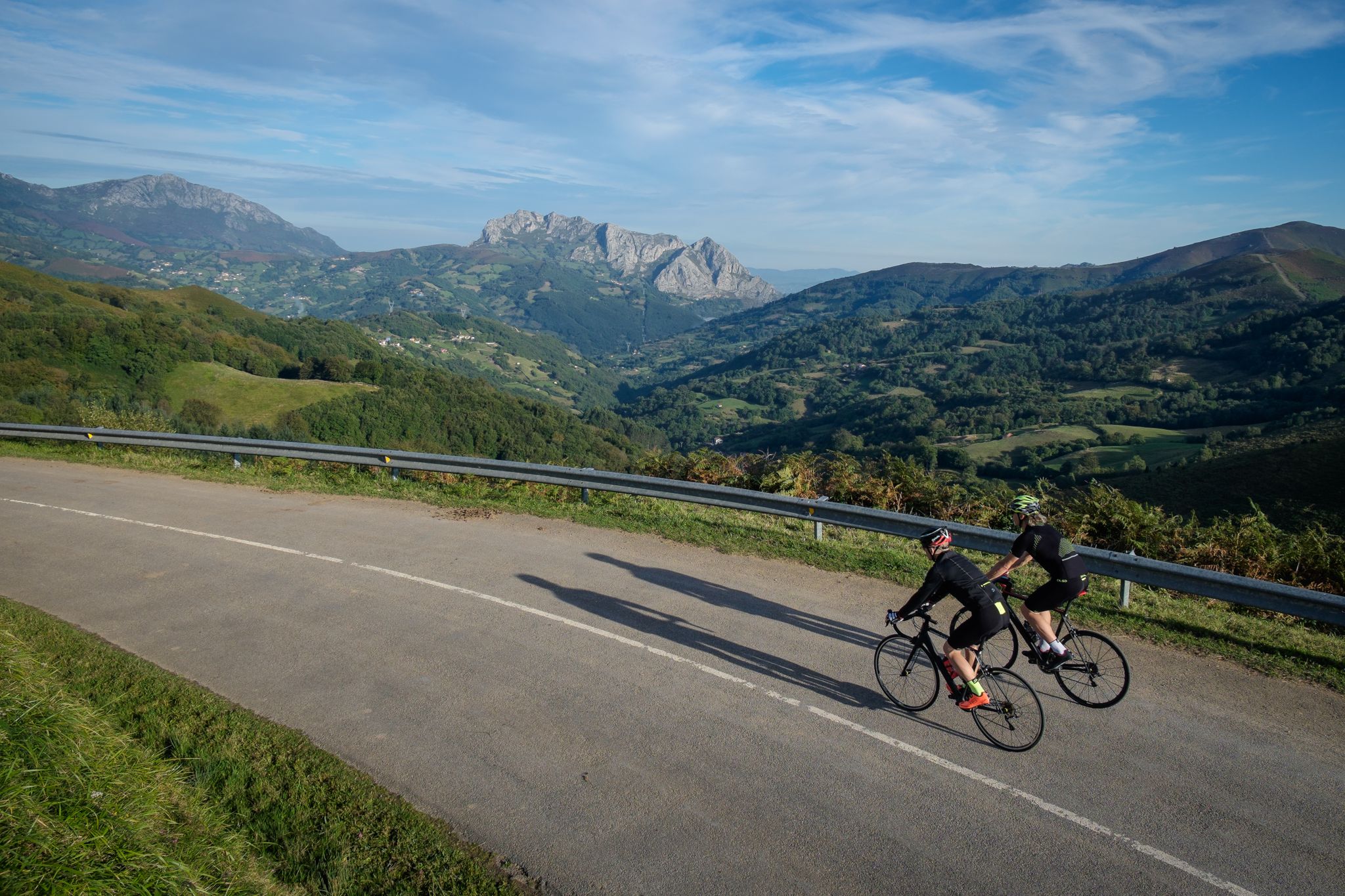
Going up Cuatrocalzadas, the only "port" we have near Salamanca capital, there are magnificent views
1
0
Frequently Asked Questions
How many road cycling routes are available around San Pedro de Rozados?
Komoot features 6 distinct road cycling routes around San Pedro de Rozados, offering a variety of options for exploring the region.
What kind of terrain can I expect on road cycling routes near San Pedro de Rozados?
The terrain around San Pedro de Rozados is characterized by 'tierras de encinares y dehesas,' featuring ancient holm oak trees and Mediterranean pastures. Routes often follow sections of the historic Vía de la Plata, providing mostly well-paved surfaces. As you cycle northward, the landscape transitions from more mountainous areas to the plains of Castilla, offering diverse scenery.
Are there challenging road cycling routes in the area?
Yes, for experienced cyclists seeking a challenge, there are difficult routes available. One such route is the Roman Bridge of Salamanca – View of Salamanca Cathedral loop from Pedrosillo de los Aires, which covers 98.4 miles (158.4 km) and includes significant elevation gain as it leads towards the historic city of Salamanca.
Are there any moderate-length road cycling routes for a good day trip?
Absolutely. A popular moderate route is the Monterrubio de la Sierra loop from Vaqueril, which is 42.8 miles (68.9 km) long and features moderate climbs through the dehesa landscape. Another option is the Climb to Frades de la Sierra loop from San Pedro de Rozados, a 25.1 miles (40.4 km) trail through holm oak pastures.
What landmarks or points of interest can I see along road cycling routes?
The region offers several points of interest. You can visit the historic Church of San Pedro de Rozados in the village itself. Routes often pass through the dehesa landscape, and you might encounter the Climb to Frades de la Sierra or the Santiago Cross on Pico de Las Dueñas. The nearby city of Salamanca, a UNESCO World Heritage site, also offers numerous attractions like its Cathedral and Roman Bridge.
Are there any viewpoints offering scenic vistas?
Yes, you can find scenic viewpoints in the area. One notable spot is the View of the Sierra de Gredos from the rolling fields near Salamanca, offering expansive views of the distant mountain range.
Is there parking available for road cyclists in San Pedro de Rozados?
San Pedro de Rozados is a tranquil locality with sufficient services for travelers, suggesting that parking should be available within the village for those starting their cycling routes from there.
Do any road cycling routes follow the historic Vía de la Plata?
Yes, many road cycling routes in the area around San Pedro de Rozados utilize sections of the ancient Roman 'Vía de la Plata' highway. This historic route provides mostly well-paved surfaces and connects the village to other significant locations, including Salamanca.
What is the best time of year for road cycling in this region?
While specific seasonal weather isn't detailed, the region's Mediterranean climate generally makes spring and autumn ideal for cycling, offering pleasant temperatures before the summer heat or winter chill. The landscape of holm oaks and dehesa is beautiful in these seasons.
Are there places to stop for refreshments or food along the routes?
San Pedro de Rozados itself offers sufficient services for travelers, and the local gastronomy, featuring indigenous products like Salamanca's cured meats and traditional pastries, provides opportunities for refreshment. Larger towns along routes, such as Salamanca, will also have ample cafes and restaurants.
Are there circular road cycling routes available?
Yes, many of the road cycling routes around San Pedro de Rozados are designed as loops, allowing you to start and finish in the same location. Examples include the Monterrubio de la Sierra loop from Vaqueril and the Climb to Frades de la Sierra loop from San Pedro de Rozados.
Are there family-friendly road cycling options?
While the listed routes are generally moderate to difficult, the Vía de la Plata sections near San Pedro de Rozados are often well-paved. For families, it's advisable to look for shorter, flatter segments of these routes or explore paths closer to the village that avoid significant elevation changes.
Most popular routes around San Pedro De Rozados
Most popular attractions around San Pedro De Rozados

Get inspired with the komoot mobile app


Explore more
Browse the best Road cycling routes in other regions.
