The best road cycling routes around Casarabonela
4.7
(54)
3,150
riders
86
rides
Road cycling around Casarabonela is characterized by its location within the Sierra de las Nieves Natural Park, offering varied terrain for cyclists. The region features significant elevation changes due to the Sierra Prieta and Sierra de Alcaparaín mountain ranges, which present calcareous landscapes. Routes often provide views of the Guadalhorce Valley and include challenging climbs. This area is known for its diverse road cycling routes, catering to various fitness levels.
Best road cycling routes around Casarabonela
- The most popular road…
Last updated: July 28, 2026
33
riders
31.8km
01:49
530m
520m
Experience challenging road cycling with fantastic views of Embalse de Guadalhorce and the Caminito del Rey in Andalusia, Spain.
4
riders
22.0km
01:02
270m
270m
Easy road ride. Great for any fitness level. Mostly well-paved surfaces and easy to ride.

Sign up for free
5.0
(1)
137
riders
67.6km
03:29
1,200m
1,200m
Hard road ride. Very good fitness required. Mostly well-paved surfaces and easy to ride.
94
riders
131km
07:37
3,030m
3,030m
Hard road ride. Very good fitness required. Mostly well-paved surfaces and easy to ride.
159
riders
171km
10:07
3,980m
3,980m
Hard road ride. Very good fitness required. Some segments of this route may be unpaved and difficult to ride.
Get access to more routes and recommendations from other explorers.
Sign up for free
Already have an account?
Our route recommendations are based on thousands of hikes, rides, and runs completed by other people on komoot.
Start today with a free account
Your next adventure awaits.
Login or Signup
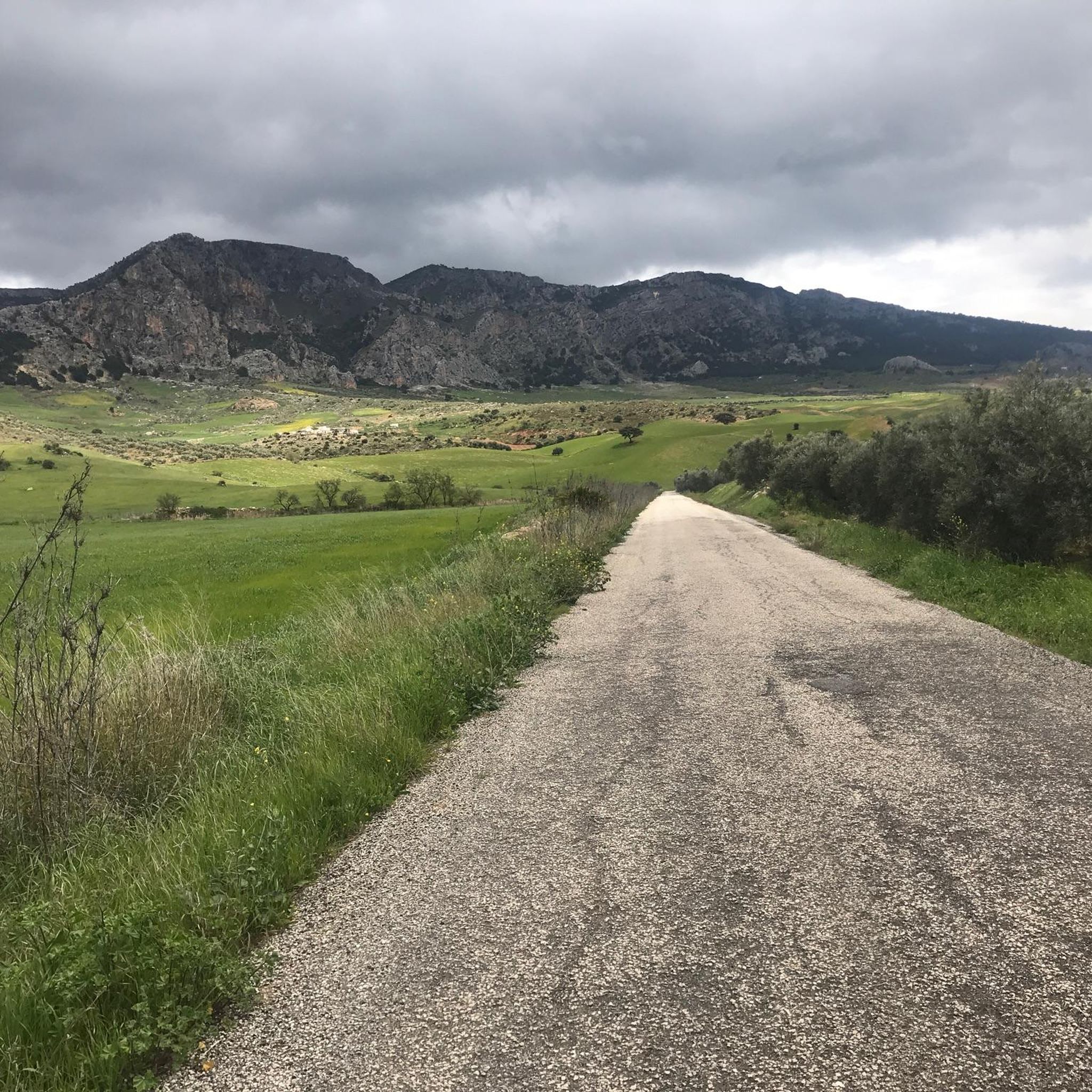
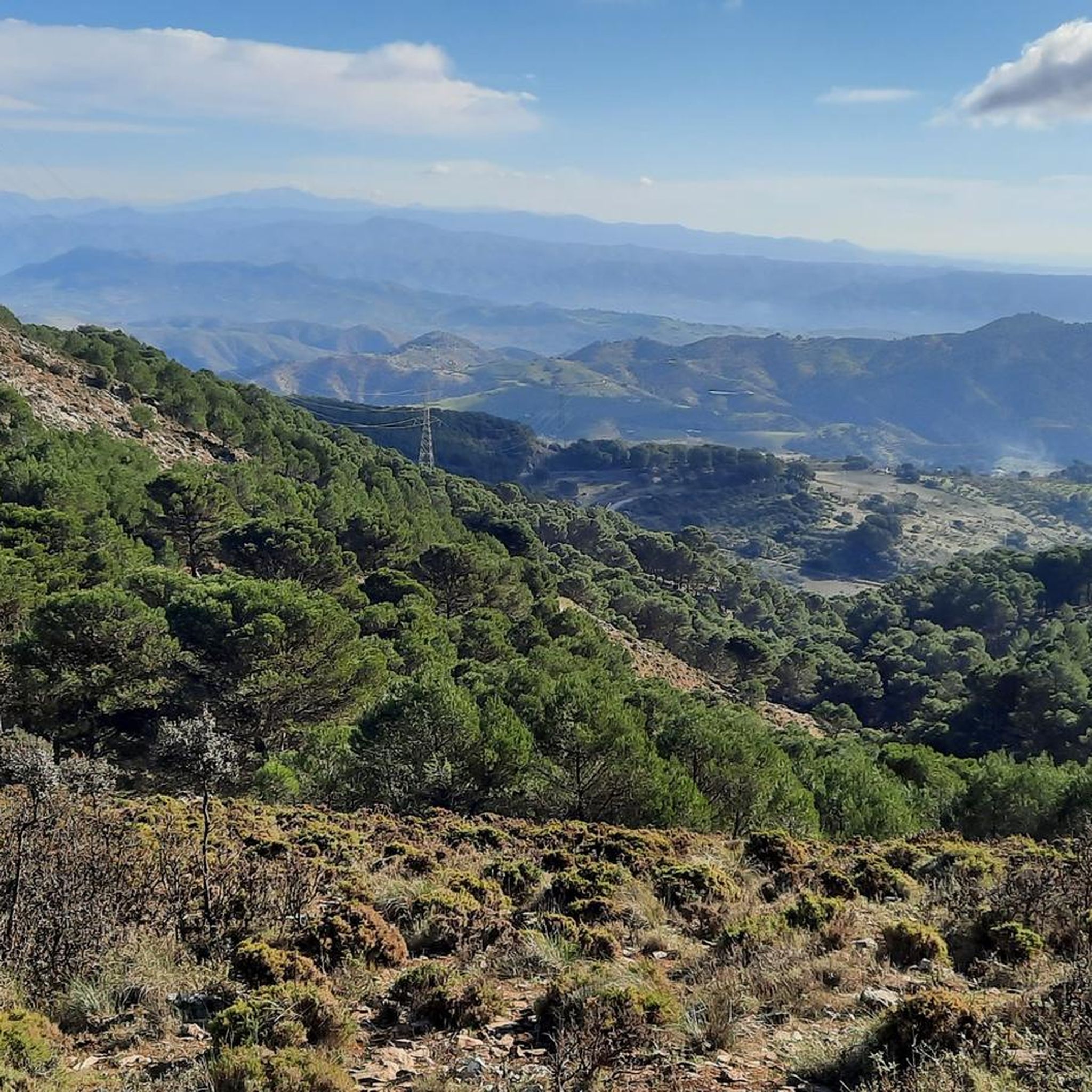
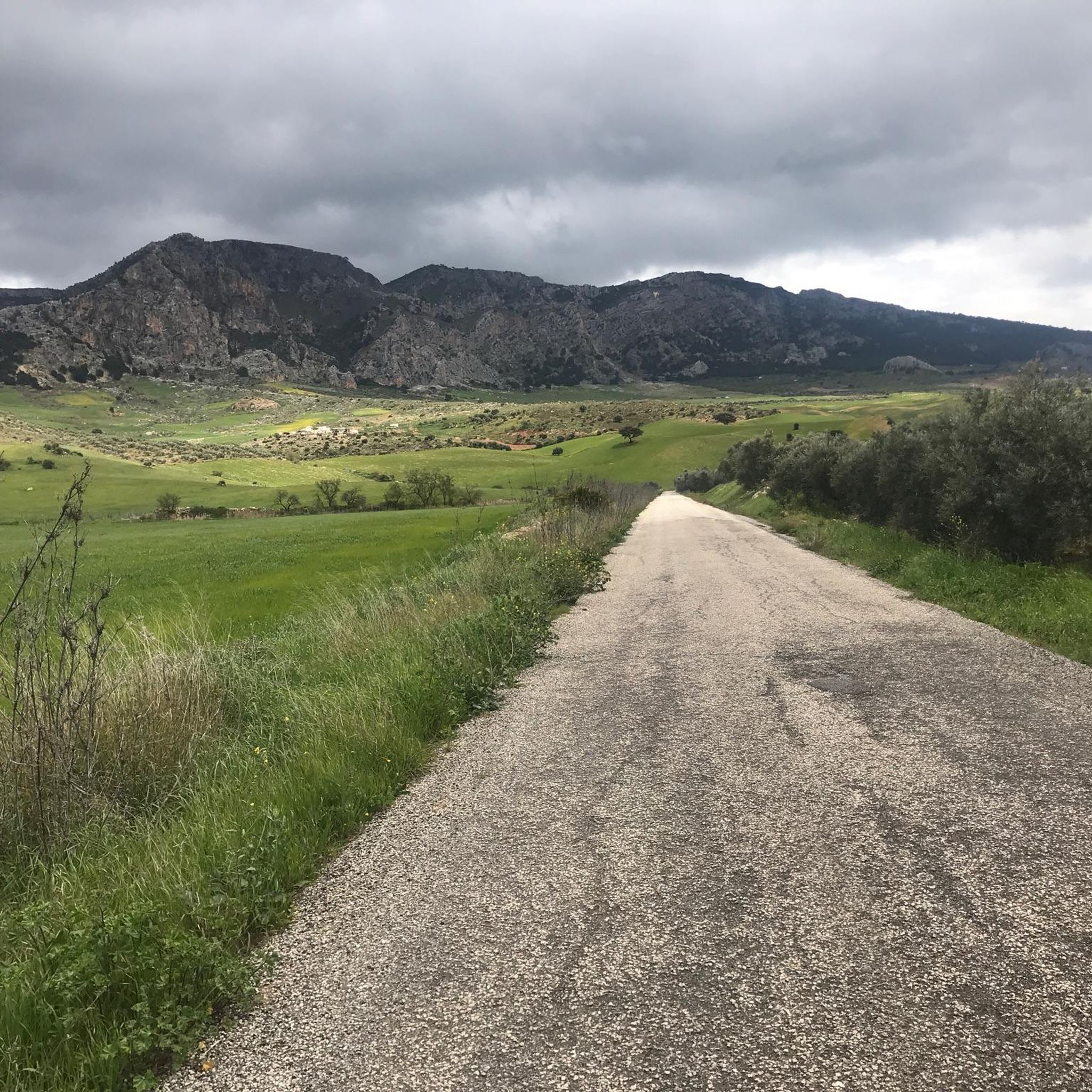
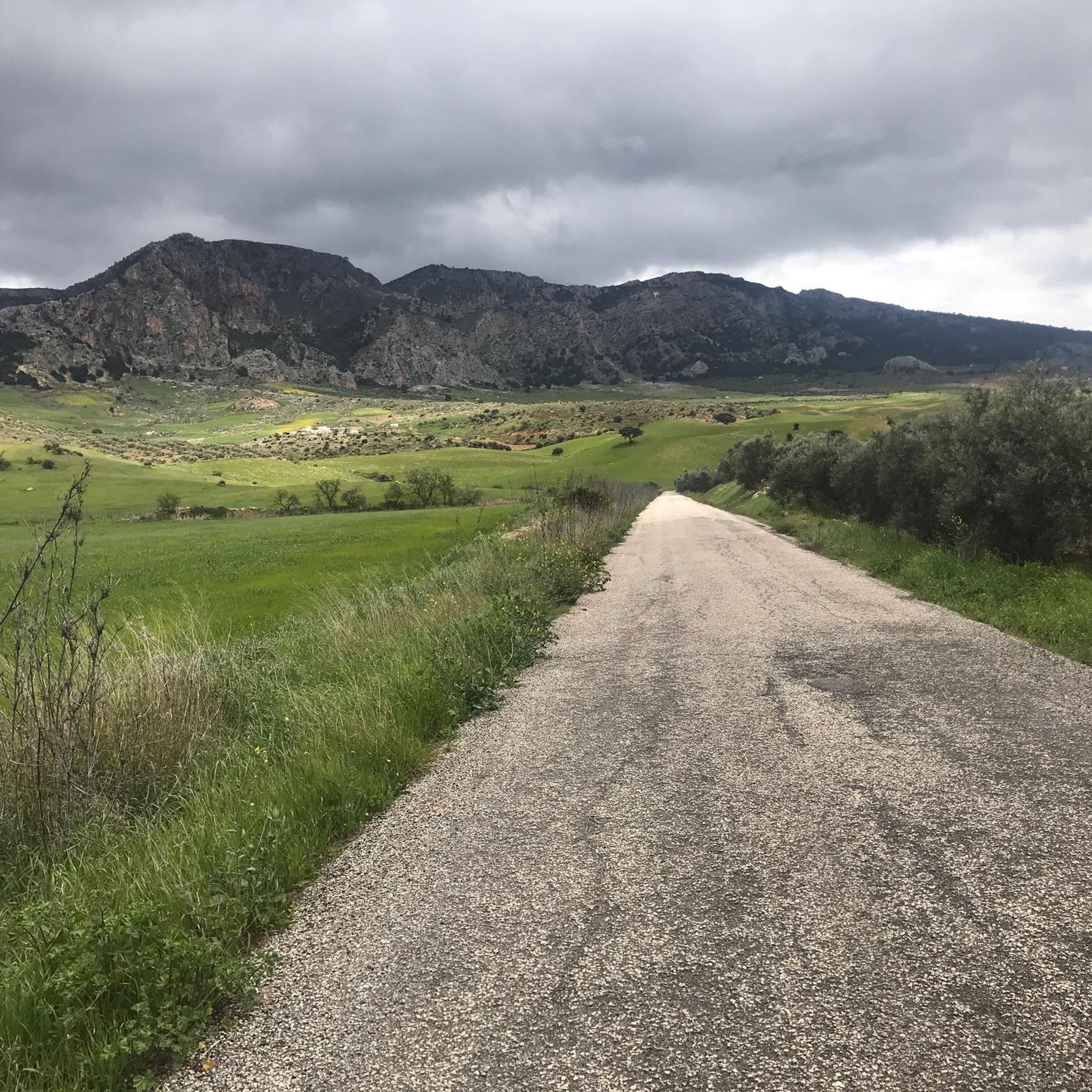

Tips from the Community

Rewarding hike through the Guadalhorce gorge
0
0

El puerto de las Abejas is hidden in the mountains of Málaga, but it is a classic among locals. The 2026 Vuelta included it in its route.
0
0

The Conde de Guadalhorce reservoir is nestled in a picturesque mountain landscape near El Chorro and impresses with turquoise water, steep rock faces and tranquil nature, making it a particularly idyllic destination for tours.
1
0
The Arab castle of Álora, also known as Castillo de Álora, sits atop Cerro de las Torres overlooking the town and is one of the most important historical structures in the region. The fortress, in its present form, dates back to the Moorish rule of the Middle Ages, although the site had been used and fortified in earlier periods. Due to its strategic location, the castle controlled the Guadalhorce Valley and served both military and administrative purposes. It was captured by Christian troops in 1484 during the Reconquista. Remaining are sections of the imposing curtain walls, square towers, and a horseshoe-arched gate, typical of Islamic military architecture. Within the complex are also remnants of later Christian buildings, including a chapel built over a former mosque. The castle has been a listed building (Bien de Interés Cultural) since 1931 and offers a wide view over Álora and the Guadalhorce valley from its elevated position.
1
0
The Mirador Alí Ben Falcún “Al Baezi” viewpoint lies below Álorá Castle on the castle hill and offers a sweeping view of the town, the Guadalhorce Valley, and the surrounding landscape. The path to the top is steep and requires some effort, but the climb is more than worth it. The view compensates for the strenuous ascent with an impressive panorama that vividly illustrates Álorá's unique location between the river valley and the mountains. The viewpoint is named after Alí Ben Falcún, a figure from the Moorish era, thus commemorating the town's long Islamic history. Today, the Mirador is a cherished viewpoint that combines historical significance with scenic beauty, inviting a moment of quiet reflection.
2
0
The view from the south reveals Álora with its striking castle hill at its center. The remains of Álora Castle are clearly visible on the hilltop, underscoring the town's strategic location overlooking the Guadalhorce Valley. The town itself, with its whitewashed houses, stretches along the slope below, surrounded by arid hills, olive groves, and the fertile plain of the river valley. The view perfectly illustrates the typical landscape and settlement pattern of this region of Andalusia. Why not take a short break, soak in the beautiful scenery, and capture the perspective?
3
0

A magnificent viewpoint with a unique natural setting. The water of the reservoirs shimmers a truly turquoise color, offering incredible views. There is a parking lot not far away. Mirador de los Tres Embalses (Viewpoint of the Three Reservoirs): Located at the confluence of the Turón, Guadalteba, and Guadalhorce reservoirs, the viewpoint offers a panoramic view of the various dams and hydroelectric power plants of the El Chorro water network. This viewpoint was originally built as a topographical checkpoint during construction in the early 20th century.
7
0

The Castillo de Álora, also known as the Castle of Álora, stands on a hill above the town and forms an impressive landmark. The castle's origins date back to Roman times, but the current structure dates largely from the Moorish period (Al-Andalus), particularly from the 9th and 10th centuries. The Moors used the fortress's strategic location to monitor the Guadalhorce Valley and protect themselves from Christian attacks. The horseshoe portal, a typical element of Islamic architecture, is particularly noteworthy. Sections of the castle walls, a Moorish tower, and a small Christian chapel added after the Reconquista still remain. From the castle grounds, you can enjoy magnificent panoramic views over the valley, the village of Álora, and the surrounding Sierra de Huma mountains. Today, the castle is a cultural landmark and a popular viewpoint. It tells the eventful history of the region – from Romans to Moors to the Christian reconquest.
0
0
Frequently Asked Questions
What kind of terrain can I expect on road cycling routes around Casarabonela?
Road cycling around Casarabonela offers a diverse and often challenging terrain. You'll encounter significant elevation changes due to the Sierra Prieta and Sierra de Alcaparaín mountain ranges, which feature distinctive calcareous landscapes. Routes often include demanding climbs, such as Puerto Martinez (730 m.a.s.) and Puerto de las Abejas (820 m.a.s.l.), which have even been part of professional races like La Vuelta. The area is within the Sierra de las Nieves Natural Park, providing a picturesque backdrop of lush forests and dramatic landscapes.
How many road cycling routes are available in the Casarabonela area?
There are over 70 road cycling routes around Casarabonela listed on komoot. These routes cater to various fitness levels, with options ranging from easy to very difficult, ensuring there's something for every cyclist.
Are there any easy or beginner-friendly road cycling routes in Casarabonela?
While many routes in Casarabonela feature significant climbs, there are a few easier options available. The region offers 5 easy routes and 28 moderate routes, providing a good starting point for less experienced cyclists or those looking for a more relaxed ride. These routes often provide views of the Guadalhorce Valley without the most extreme elevation gains.
What are some of the most scenic natural features or viewpoints along the cycling routes?
The routes frequently offer stunning views of the Guadalhorce Valley and traverse the beautiful Sierra de las Nieves Natural Park, a UNESCO Biosphere Reserve. You can also find natural spots like the Llano de Cristobal Spring, surrounded by pines. For breathtaking natural monuments, consider exploring areas near the Caminito del Rey or the Desfiladero de los Gaitanes Gorge, which are accessible from some routes.
What is the best time of year for road cycling in Casarabonela?
Casarabonela benefits from year-round sunshine, making it an ideal destination for cyclists. While cycling is possible throughout the year, spring and autumn generally offer the most comfortable temperatures for tackling the region's challenging climbs and enjoying the scenic routes without the peak summer heat.
Can I rent a bike in Casarabonela or the surrounding area?
Yes, the region is well-supported for cyclists. Businesses like Terral Bikes offer bike rentals, and some may even provide guided or self-guided routes. It's advisable to check with local providers for availability and specific services.
Are there any circular road cycling routes around Casarabonela?
Many of the road cycling routes in the Casarabonela area are designed as loops, allowing you to start and end in the same location. For example, the Water fountain – Coín loop from Casarabonela is a popular option, offering a challenging ride with scenic views.
What do other cyclists say about road cycling in Casarabonela?
The road cycling routes around Casarabonela are highly rated by the komoot community, with an average score of 4.8 stars from over 60 reviews. Cyclists often praise the challenging mountain climbs, the stunning views of the Guadalhorce Valley, and the diverse routes through the Sierra de las Nieves Natural Park.
Are there any notable attractions or landmarks I can visit near the cycling routes?
Beyond the natural beauty, you can explore several attractions. The historic Arab Castle, dating back to the 9th century, offers panoramic views of the village and the Sierra de las Nieves. The Mora I Bravard Cactus Botanical Garden houses over 2,500 species of cacti. Additionally, the area features several reservoirs and lakes, such as the Conde de Guadalhorce Reservoir and the Tajo de la Encantada Reservoir, which can be points of interest along or near your cycling journey.
What is the typical elevation gain on road cycling routes in this region?
The Casarabonela area is known for significant elevation gains. Many routes involve substantial climbing, with some covering over 2,000 meters of elevation across 150 kilometers, or even 2,240 meters over 104 kilometers. For instance, the View of El Burgo – Wind Pass loop from Alozaina features an elevation gain of over 1,800 meters.
Are there routes that connect Casarabonela with other towns?
Yes, many routes connect Casarabonela with neighboring towns, allowing for longer and more varied rides. You can find options that link to Pizarra, El Burgo, Coin, Ardales, Bobastro, and Ronda. These routes often provide a great way to explore more of the region's diverse landscapes and charming villages.
Most popular routes around Casarabonela
Most popular attractions around Casarabonela

Get inspired with the komoot mobile app


Explore more
Browse the best Road cycling routes in other regions.
