Attractions and Places To See around Las Navas De Jadraque - Top 18
Attractions and places to see around Las Navas De Jadraque are found in a village situated in the Sierra Norte of Guadalajara, Spain. The region is known for its traditional "Arquitectura Dorada," characterized by houses built with golden-hued gneis stone, and its diverse natural landscape. Visitors can explore significant mountain peaks, river valleys, and sites reflecting the area's 19th-century mining history. The surroundings offer opportunities to experience both cultural heritage and natural features.
Best attractions and places to see around…
Last updated: June 1, 2026
Hiendelaencina
Highlight • Settlement
Its origins are medieval, possibly predating the Bronze Age. The name derives from the Arabic …
Translated by Google •
Tip by

Alto Rey Peak (1,858 m)
Highlight • Summit
Translated by Google •
Tip by

Sign up now to discover places like this
Get recommendations on the best single tracks, peaks, & plenty of other exciting outdoor places.
Sign up for free
East ascent to Ocejón
Highlight • Mountain Pass
Translated by Google •
Tip by
Prádena de Atienza
Highlight • Settlement
Translated by Google •
Tip by
Alcorlo Reservoir
Highlight • Lake
Translated by Google •
Tip by

Sign up for free to discover even more attractions around Las Navas De Jadraque.
Sign up for free
Already have an account?
Start today with a free account
Your next adventure awaits.
Login or Signup


Tips from the Community

What to see 🧭 “El País de la Plata” Interpretation Center Interactive museum about local mining, open Saturdays and Sundays from 12:00 to 14:00. General admission approx. €2, free for residents and children under 14. ⛪ Santa Cecilia Parish Church 19th-century building constructed during the mining boom, with a single nave and a simple transept. 🏗️ Mining and Industrial Heritage More than 200 shafts/mines, such as Santa Catalina, Santa Teresa, Mala Noche, Fuerza, etc. Remains of ore-washing facilities like San Carlos, ruined industrial sites, and power plants.
4
0
A village in the Sierra Norte of Guadalajara, at an altitude of approximately 1,084 meters. Its origins are medieval, possibly predating the Bronze Age. The name derives from the Arabic Hisn al-Ancina (“castle of the holm oak”). In 1844, the discovery of silver triggered a “silver rush,” transforming Hiendelaencina into a major 19th-century mining district, with up to 200 mines and a population that reached 5,000. A parish church dedicated to Saint Cecilia was built between 1848 and 1851, financed with funds from the mining town.
4
0
The climb to Pico Ocejón via the eastern slope is a popular route that begins in Valverde de los Arroyos. This route is known for its spectacular scenery and the opportunity to enjoy nature at its best.
4
0

It is the Collado del GR 60 on the way up to Ocejón through Peña Mala.
1
0
Beautiful and quiet town of Architecture between Negra and Dorada. With the famous Pera Galena River (Pelagallinas), with very cool waters in summer. You can start routes to La Junta de los Ríos with the Bornova, Climb the Alto Rey or head towards the Cueva del Oso. In any case you can enjoy Great Tranquility.
1
0
Nature in Vena. Extraordinary landscape in everything around. Possibility of taking various routes, circular or online, with different origins and destinations.
1
0

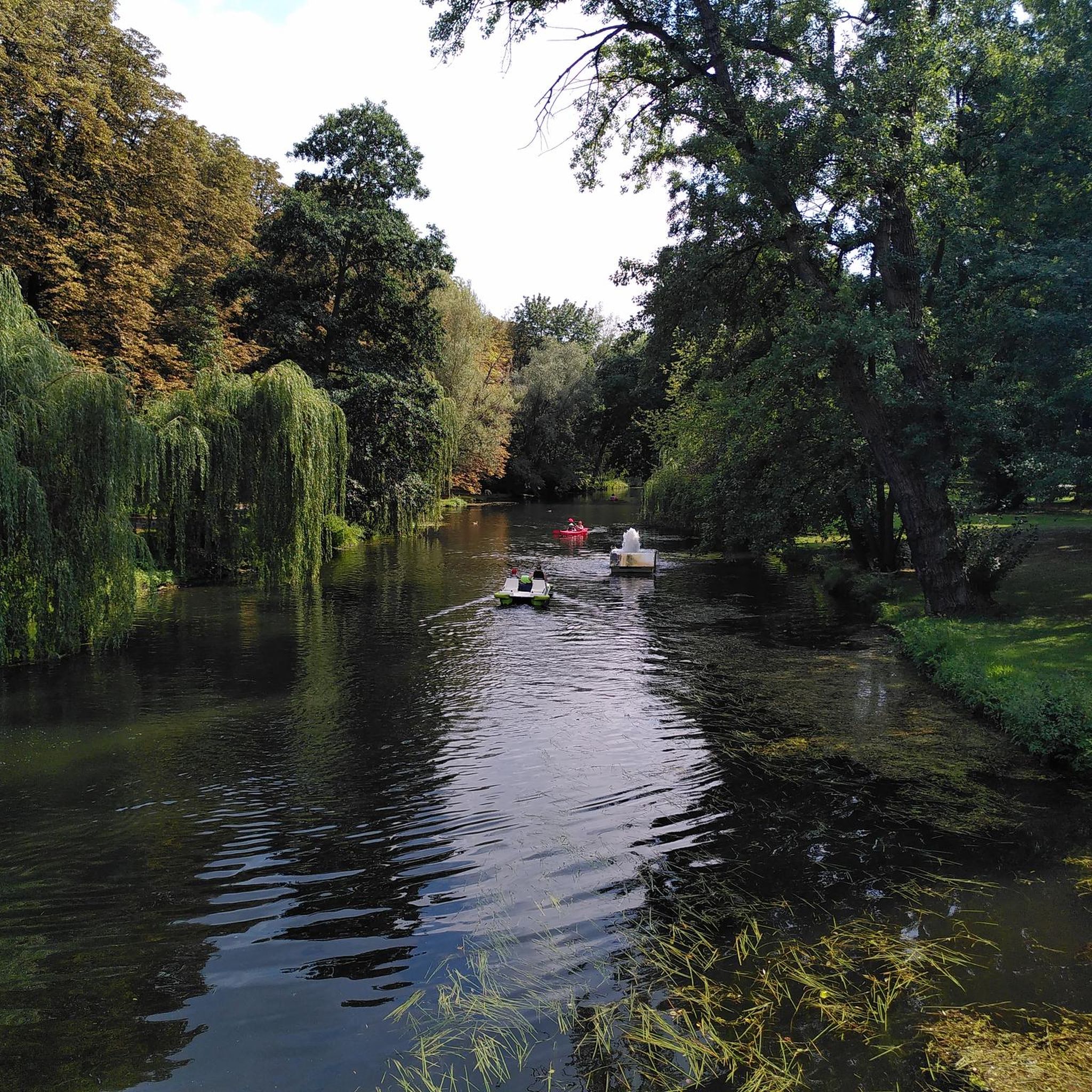
Pedaling along the southern shore of the Alcorlo reservoir, you will reach the dam's viewpoint to have incredible views of the power of water. The reservoir is near San Andrés del Congosto.
1
0

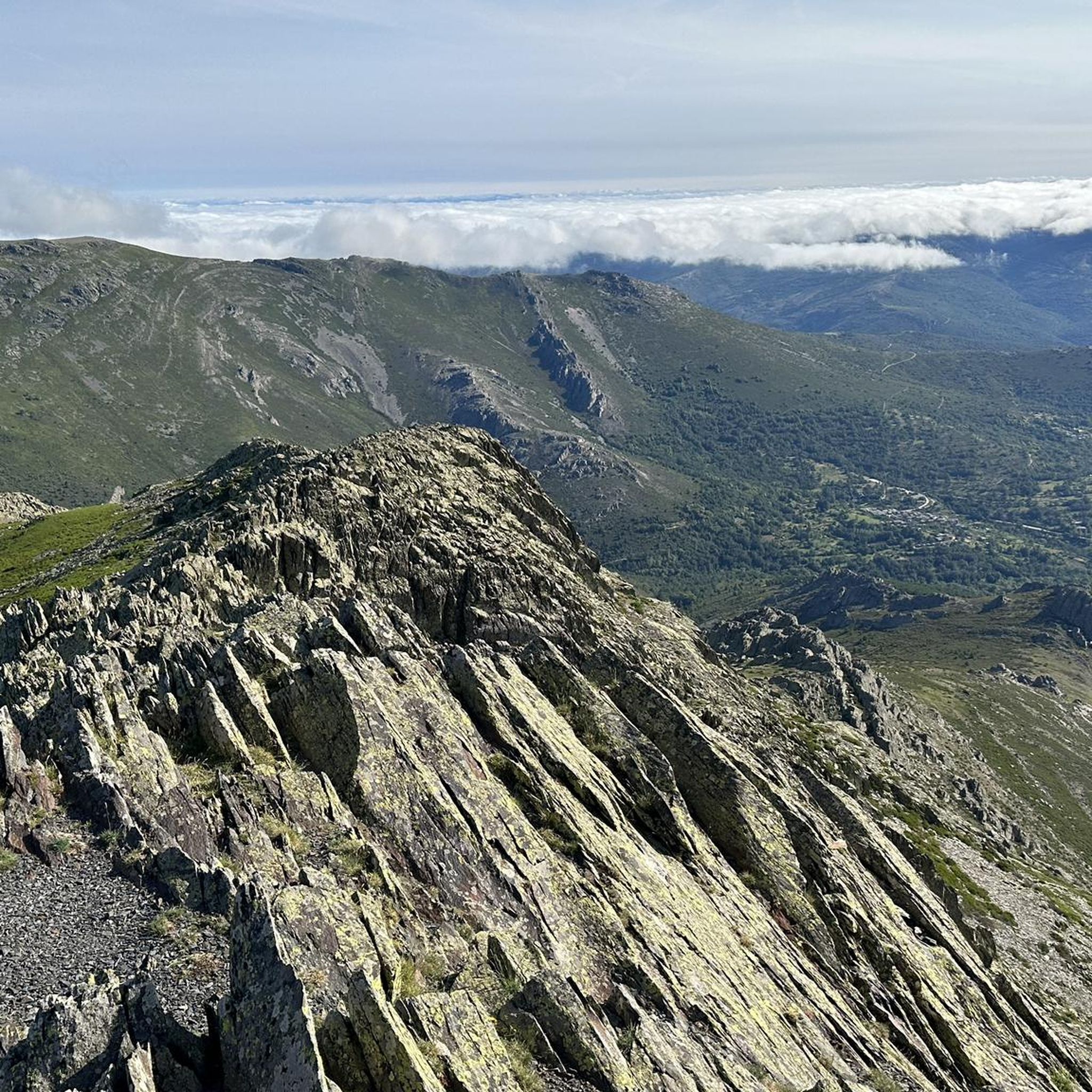
Mountain of the Central System located in the homonymous mountain range, to the north-northwest of the province of Guadalajara. Its summit is a succession of small slopes aligned along 3.5 km. At its top is the hermitage of Santo Alto Rey, the object of a religious procession on the first Saturday of September from the towns that are on its slopes, as well as a military station at its western end and four Retevisión antennas next to the hermitage.
2
0
Frequently Asked Questions
What historical or cultural sites can I explore in the area?
Beyond the village's traditional architecture, you can visit Hiendelaencina, a settlement known for its 19th-century silver mining history. It features the “El País de la Plata” Interpretation Center and remains of industrial mining heritage. The village of Las Navas de Jadraque itself also boasts a charming parish church and well-preserved traditional elements like the communal oven, forge, and wash house.
What is the 'Arquitectura Dorada' of Las Navas de Jadraque?
The 'Arquitectura Dorada' (Golden Architecture) refers to the traditional building style of Las Navas de Jadraque. Houses are constructed with local gneis stone, which gives them a distinctive golden shimmer. These buildings typically feature small doors and windows, slate or Arab tile roofs, and are found along perfectly paved streets, creating a unique and picturesque urban area.
Can I learn about the region's mining history?
Yes, the region has a rich mining history, particularly around Hiendelaencina. You can visit the “El País de la Plata” Interpretation Center, an interactive museum housed in the old school, which provides insights into local mining and daily life. The area also has remains of over 200 silver mines and industrial vestiges from the 19th century.
Where can I find the best views or natural landscapes?
For spectacular views, ascend Alto Rey Peak (1,858 m), which also hosts a hermitage at its summit. The East ascent to Ocejón offers breathtaking landscapes of surrounding mountains and valleys. Additionally, the Bornova Valley provides panoramic vistas, and the Cristóbal River Valley offers natural beauty along its banks.
Are there any reservoirs or lakes nearby for outdoor activities?
Yes, the Alcorlo Reservoir is a popular spot for outdoor activities like cycling and hiking. You can pedal along its southern shore to reach the dam's viewpoint for incredible views.
What hiking opportunities are available around Las Navas De Jadraque?
The region is excellent for hiking. You can find routes leading to prominent peaks like Alto Rey Peak or the East ascent to Ocejón. There are also trails exploring the mining heritage around Hiendelaencina. For more options, explore the dedicated guide for Hiking around Las Navas De Jadraque.
Are there cycling routes in the area?
Yes, the area around Las Navas de Jadraque is well-suited for cycling. You can find routes that take you through scenic landscapes, including loops around Alto Rey Peak and the Alcorlo Reservoir. Discover more options in the Cycling around Las Navas De Jadraque guide.
Are there family-friendly attractions around Las Navas De Jadraque?
Yes, several attractions are suitable for families. The interactive “El País de la Plata” Interpretation Center in Hiendelaencina offers an engaging way to learn about local history. The Alcorlo Reservoir is also a great spot for family outings, offering gentle paths for walking or cycling. Exploring the traditional urban area of Las Navas de Jadraque itself is also a pleasant family activity.
When is the best time to visit Las Navas De Jadraque?
The Sierra Norte of Guadalajara, where Las Navas de Jadraque is located, is generally pleasant for outdoor activities during spring and autumn when temperatures are mild. Summer can be warm, ideal for enjoying the river valleys, while winter offers a different, often snowy, landscape for those prepared for colder conditions. The Romería del Santo Alto Rey, a significant religious procession, takes place on the first Saturday of September.
Are there dog-friendly trails in the area?
Many of the natural trails and paths in the Sierra Norte of Guadalajara are suitable for dogs, provided they are kept under control and local regulations are followed. The hiking routes around Alto Rey Peak and the Alcorlo Reservoir are popular choices for walks with canine companions.
Do I need permits for hiking in the Sierra Norte de Guadalajara?
Generally, permits are not required for hiking on established trails in the Sierra Norte de Guadalajara. However, it's always advisable to check for any specific local regulations or protected area rules, especially if venturing off marked paths or into sensitive ecological zones. Always practice Leave No Trace principles.
What do visitors enjoy most about Las Navas De Jadraque?
Visitors particularly appreciate the stunning natural surroundings, especially the panoramic views from peaks like Alto Rey Peak. The well-preserved 'Arquitectura Dorada' of the village and the insights into 19th-century mining history at Hiendelaencina are also highly valued. The variety of hiking and cycling routes through diverse landscapes is another major draw for outdoor enthusiasts.

Get inspired with the komoot mobile app


Explore more
Still not found the Highlight you’re looking for? See guides of the top attractions in other regions:
