Attractions and Places To See around Brenes - Top 17
Best attractions and places to see around Brenes include historical landmarks, cultural sites, and natural features. Located 24 kilometers from Seville in the fertile Vega del Guadalquivir region, Brenes has a heritage dating back to Roman times, known for olive oil production. The town is characterized by its historical architecture and the presence of the River Guadalquivir, which offers opportunities for fishing and riverside strolls. Its blend of history and natural surroundings makes it a destination for exploration.
Best attractions…
Last updated: May 17, 2026
Camino del Chaparral
Highlight • Trail
Translated by Google •
Tip by

Church of the Immaculate Conception
Highlight • Religious Site
Translated by Google •
Tip by

Sign up now to discover places like this
Get recommendations on the best single tracks, peaks, & plenty of other exciting outdoor places.
Sign up for free
Ermita de San Bartolomé
Highlight • Religious Site
Translated by Google •
Tip by
Church of the Sweet Name of Jesus and Holy Mercy
Highlight • Religious Site
This church has a rich history and …
Translated by Google •
Tip by
Ermita de Nuestra Señora de la Soledad
Highlight • Religious Site
The chapel is …
Translated by Google •
Tip by
Sign up for free to discover even more attractions around Brenes.
Sign up for free
Already have an account?
Start today with a free account
Your next adventure awaits.
Login or Signup

Tips from the Community

The Ermita de Nuestra Señora de la Soledad in Cantillana is a beautiful chapel dedicated to the Virgen de la Soledad, the patron saint of the village. The chapel is in Baroque style and consists of a single, spacious nave closed by a beautiful plaster cross vault. The front of the chapel is adintel and is flanked by pilasters that crown a pediment with a pinnacle. The facade is decorated with azulejería. Inside the chapel is a neoclassical altarpiece in which the Virgen de la Soledad is venerated, together with portal altarpieces of Santa Rita and San Sebastián, the patron saint of the village. The chapel is approximately 20 metres wide and 35 metres long, and is well preserved. The church has a plaque with a text confirming the canonical patronage of the Virgen de la Soledad over Cantillana. This plaque is decorated with Baroque style and was made by local artist Luís Manuel López Hernández in 2005.
6
0
The Ermita de San Bartolomé in Cantillana is a historic chapel originally built in the 15th century. The chapel is located in the Plaza de Llano, a central square in Cantillana. It has a basilica plan with three naves, separated by brick columns supporting pointed arches. The roof is wooden, with a central coffered ceiling and hanging on the sides. The exterior has been intensely transformed, highlighting the main entrance of the eighteenth century. The chapel has a beautiful main door from the 18th century and contains several altarpieces and statues, including the image of Jesus of Nazareth and Saint Bartholomew. Currently the hermitage of San Bartolomé houses the images of Our Lady of the Assumption, Saint Bartholomew, Our Father Jesus and Our Lady of Consolation, from the Baroque period, and the painting of Saint Catherine of Alexandria, from the eighteenth century, with some interest in the wall paintings with themes of angels with inscriptions between rock formations, datable to very late dates in the eighteenth century
6
0
Here too there is a stork's nest on the tower.
7
0
The Iglesia del Dulce Nombre de Jesús y Santa Misericordia in Cantillana is a beautiful historic building originally built in the 16th century. This church has a rich history and was once used as a hospital, probably run by a brotherhood. Originally the church had one nave, but later another was added on the side of the epistle. The facade of the church is made of exposed brick and is topped with an artistic tower with a tiled facade. Inside the church, the ceilings are made of wooden beams, with a gable roof in the main naves and simple chapel floors in the side aisles. The entrance to the church is in a typical Mudéjar style, with an oculus formed by bricks surrounded by blue, white and honey-coloured tiles. The tower has a semicircular arch with alfiz and is topped with a mixtilinear pediment and a cast iron weathercock. The church houses an 18th century altarpiece, on which there is an image of the Holy Jesus of the School of Seville, together with a painting of the Virgin of Mercy. Another special feature of the church is the simpecado of the Virgin of Belén, a precious plate with an embroidery of silver on red velvet. The church is also the seat of the brotherhood of San Benito Abad of Cantillana, and from the last weekend of August a pilgrimage to the hermitage of the Saint in Castilblanco de los Arroyos starts from this church.
7
0
The Iglesia de la Purísima Concepción in Villaverde del Río is located on the Plaza Blas Infante and is a popular place for both locals and visitors. The church is of Baroque style and consists of a single, spacious nave closed by a beautiful plaster cross vault. The façade of the church is adintel and is flanked by pilasters that crown a pediment with a pinnacle. Inside the church is a neoclassical altarpiece in which the Purísima Concepción is venerated, along with portal altarpieces of Santa Rita and San Sebastián.
8
0

Building rebuilt in 1755, after the Lisbon earthquake and reformed at the beginning of the 19th century. The main altarpiece is an anonymous work from the end of the 18th or beginning of the 19th century. In one of the chapels is the image of the Holy Virgin of Aguas Santas, patron saint of the town. It is a small terracotta molded image that measures only 11 centimeters.
4
0

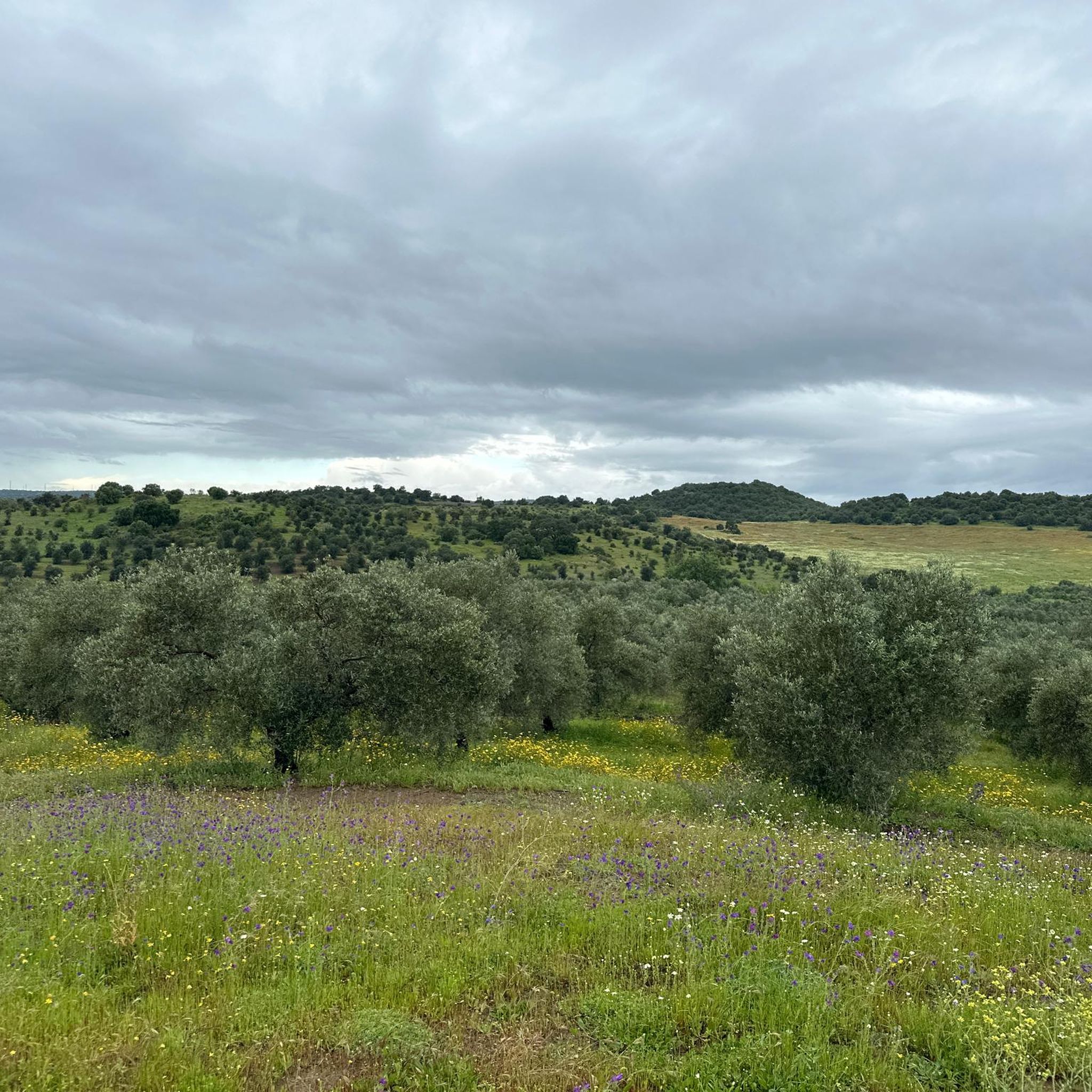
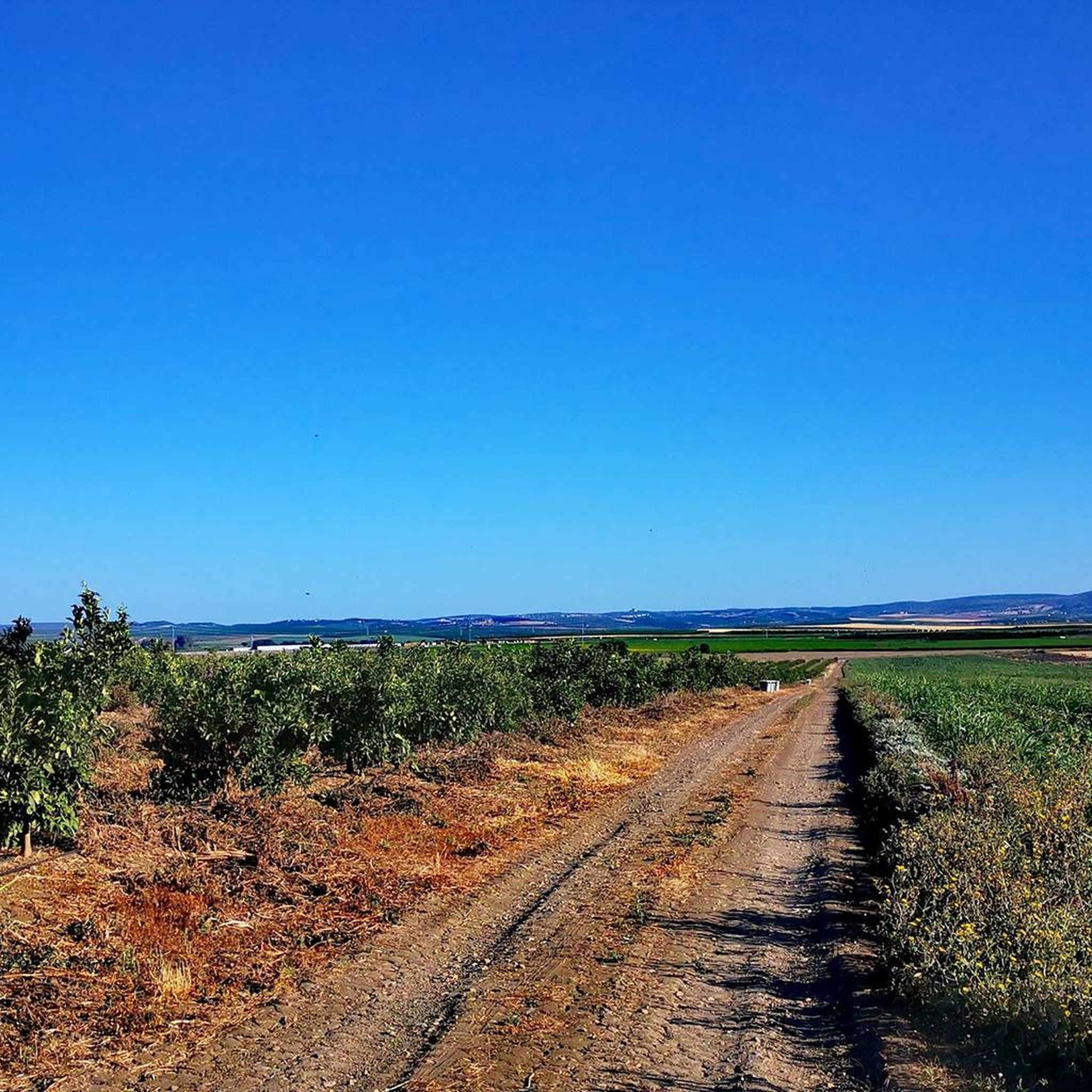
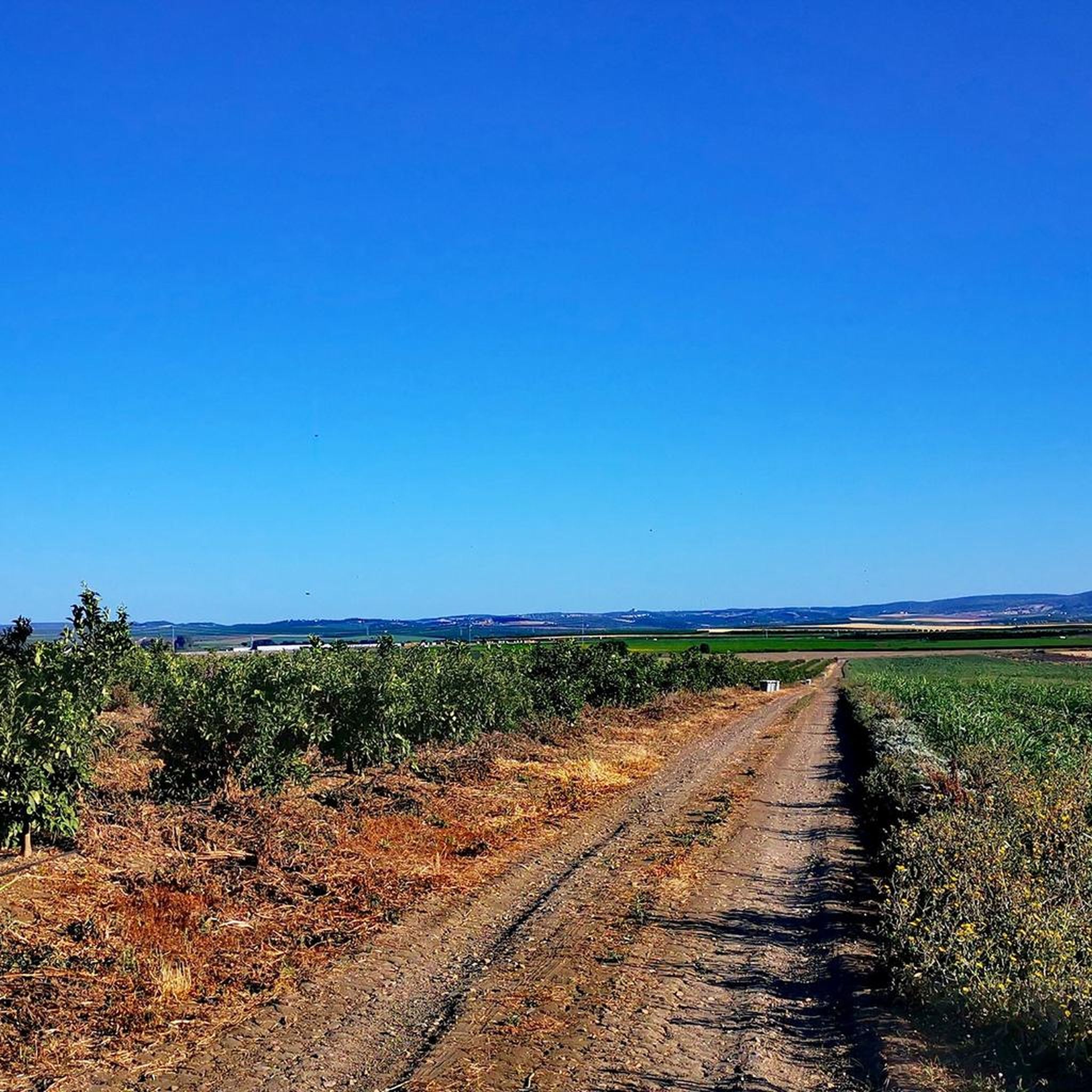
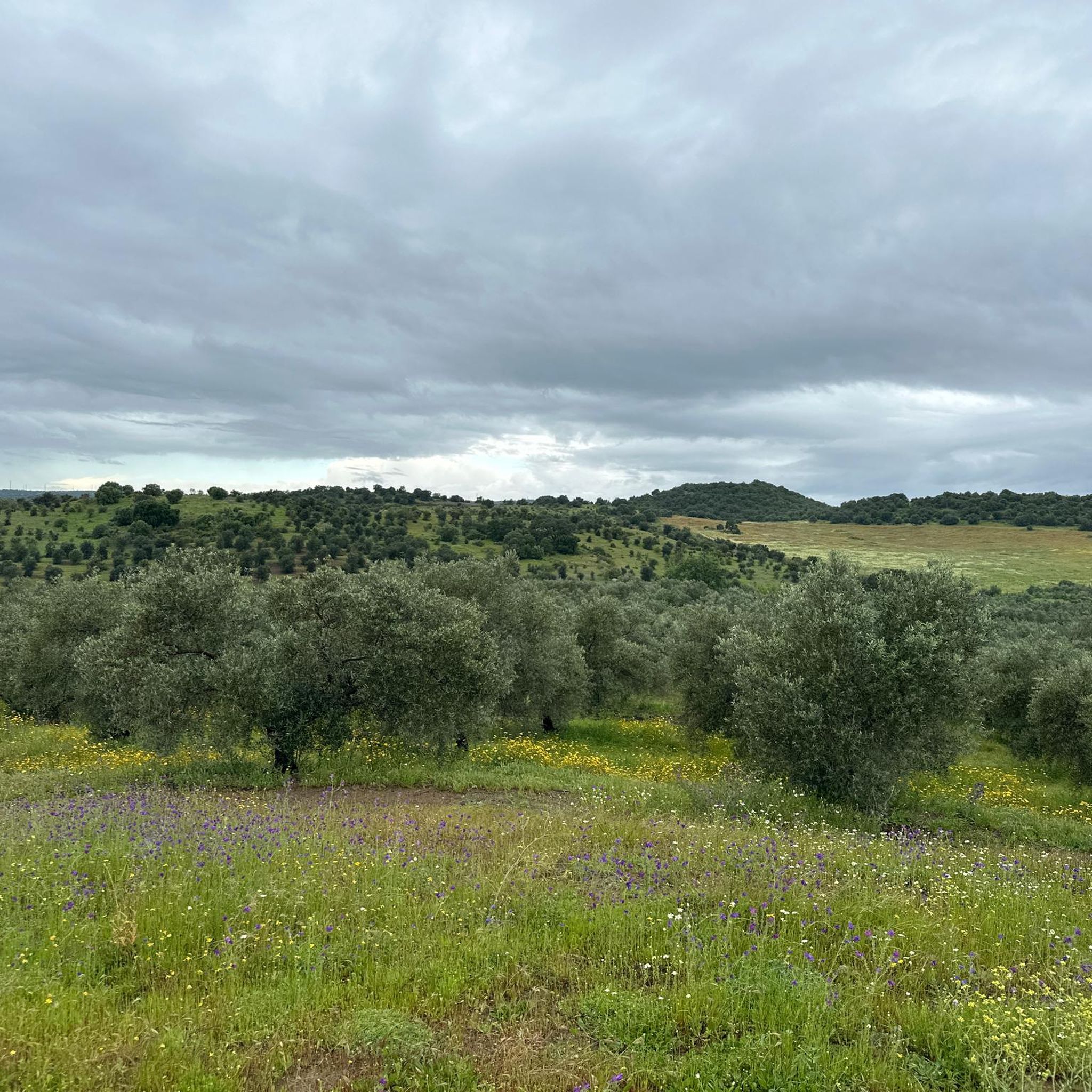
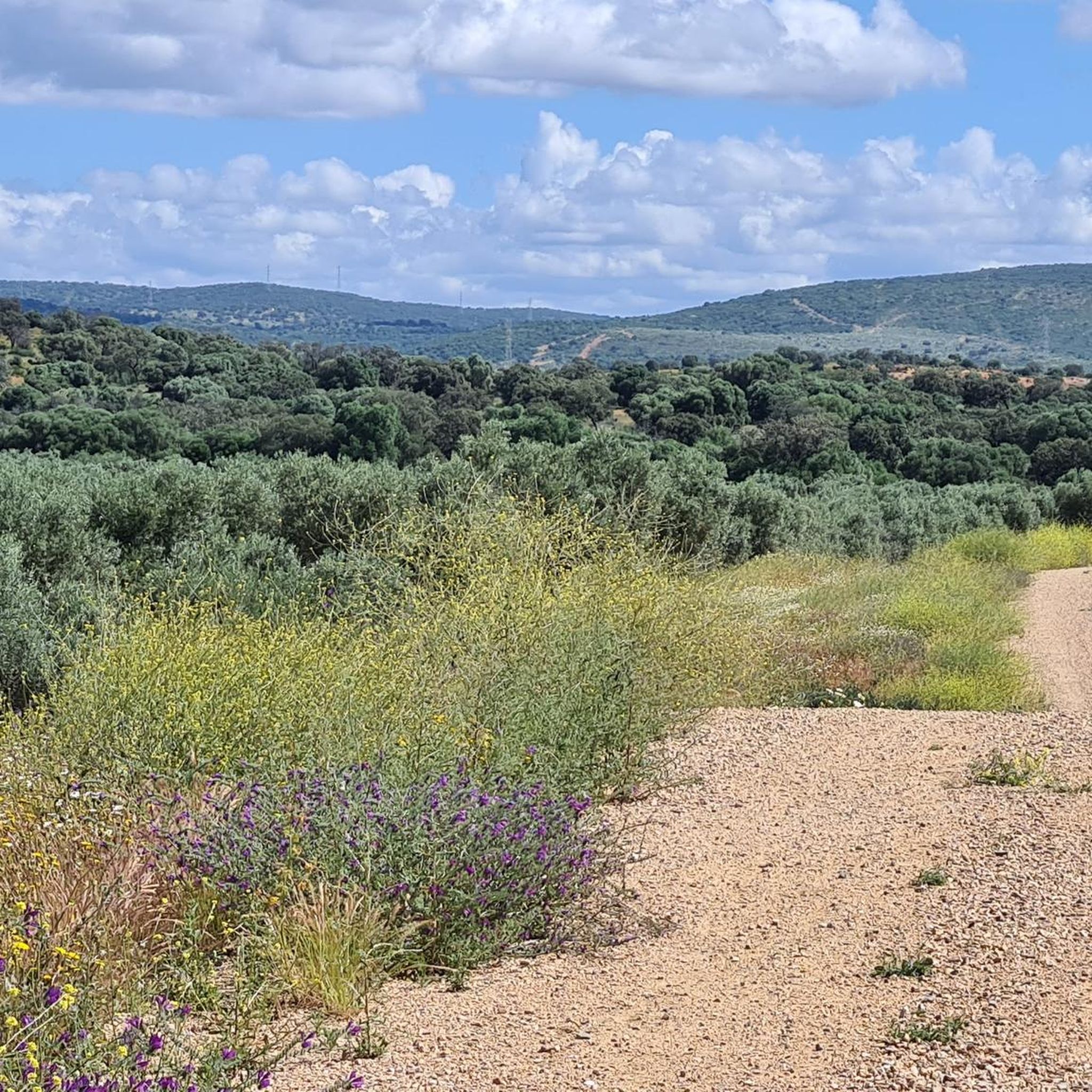
The road is beautiful but there are sections with a lot of erosion. They are easy with BTT when they are dry.
1
0

The dirt track is damaged in some sections as a result of erosion and floods caused by heavy rains. However, the views you get once you get to the top of the hill are worth the effort.
2
0
Frequently Asked Questions
What historical landmarks can I visit in Brenes?
Brenes offers several notable historical landmarks. You can explore the Inmaculada Concepción Parish Church, which began construction in the 14th century and features a Mudejar-style coffered ceiling. Another significant site is the Shrine to San Sebastián, built on the remains of a medieval temple. Don't miss the distinctive Smokestack-Tower ('torre de la cigüeña'), a symbol of the town's olive oil production history.
Are there any natural attractions or outdoor activities in Brenes?
Yes, Brenes is situated along the River Guadalquivir, offering opportunities for fishing (carp and barbel are common) and pleasant strolls along its banks. The surrounding area is rich with olive groves, cereal crops, and fruit trees. For hiking, Brenes is part of the Route of the Knights of the Order of Malta, providing trails to explore the town's history and natural beauty.
What cultural experiences does Brenes offer?
Brenes has a vibrant cultural scene. The Vera Cruz Confraternity House displays valuables of the confraternity. The town also hosts the annual Festival de la Naranja Flamenco de Brenes every September in Plaza Primero de Mayo, celebrating flamenco singing, guitar, and dance. Holy Week is also a very popular festival, with local embroidery workshops crafting garments for the confraternities.
What kind of monuments can I find in Brenes?
Brenes features several unique monuments. These include the Monument to the Constitutional Rights, a metallic statue of an olive picker, and the Monument to the Costalero or Float-Bearer, dedicated to float-bearers and located near the Shrine to San Sebastián. There's also a monolith commemorating the 28th National Pilgrimage of Vera Cruz Brotherhoods and Confraternities on Calle Real.
Are there any family-friendly attractions in Brenes?
While specific family-focused attractions aren't detailed, the general charm of Brenes, with its riverside strolls along the Guadalquivir and central squares like Plaza Primero de Mayo, can be enjoyable for families. Exploring the historical churches and monuments also offers an educational outing. The nearby Church of the Immaculate Conception is listed as family-friendly.
What local cuisine should I try in Brenes?
Brenes is known for its delicious local cuisine. Be sure to try fried marinated fish, cocido de habas y guisantes (broad bean and pea stew), and menestra de alcauciles (artichoke stew). In spring, don't miss the local delicacy of snail tapas. For sweet treats, look for alfajor de oblea and palmeras de huevo.
What is the best time to visit Brenes?
The Festival de la Naranja Flamenco de Brenes takes place every September, making this a vibrant time to visit for cultural enthusiasts. The annual pilgrimage to the Shrine to San Benito Abad de Castilblanco occurs in August. For outdoor activities like hiking and riverside strolls, spring and autumn generally offer more pleasant temperatures than the hot summer months.
Can I go cycling near Brenes?
Yes, the area around Brenes is suitable for cycling. You can find various routes for different cycling types. For example, there are gravel biking routes, road cycling routes, and general cycling tours available, ranging from easy to difficult. These routes often take you through the scenic countryside and past local attractions.
Are there any viewpoints or scenic trails in the area?
Yes, the Camino del Chaparral is a notable trail that offers excellent views from the top of the hill. While some sections of the dirt track may be damaged due to erosion, the effort is rewarded with extensive cork and kermes oak forests and panoramic vistas.
What is the significance of the Hacienda de San Sebastián and its Mill Tower?
The Hacienda de San Sebastián and its Mill Tower (Torre del Molino) dates back to the late 17th century. It was historically dedicated to olive oil production, reflecting Brenes' agricultural heritage. While largely privately owned and partially in ruins today, its façade and distinctive mill tower are still visible, showcasing typical 19th-century Andalusian hacienda architecture.
What is the central hub of Brenes for visitors?
The Plaza Primero de Mayo serves as a central hub and an excellent starting point for exploring Brenes. It is home to the Town Hall, the Vera Cruz Confraternity House, and the Inmaculada Concepción Parish Church, making it a focal point for both historical and cultural exploration.

Get inspired with the komoot mobile app


Explore more
Still not found the Highlight you’re looking for? See guides of the top attractions in other regions:
