The best cycling routes around Caleruela
35
riders
15
rides
Touring cycling routes around Caleruela are situated in a plain within the Campana de Oropesa region, featuring a significant mountainous area to its east known as the Sierra de la Ventosilla. This range is characterized by holm oaks and scrubland, with prominent hills like Navarra, Gatos, and Canchera. The landscape includes picturesque granite rock formations and a meandering stream, offering a serene, rural environment for cyclists.
Best touring cycling routes around Caleruela
- The most popular touring cycling route is Puente…
Last updated: May 14, 2026
10
riders
Hard bike ride. Very good fitness required. Mostly paved surfaces. Suitable for all skill levels.
9
riders
98.5km
08:56
690m
690m
Hard bike ride. Very good fitness required. Mostly paved surfaces. Suitable for all skill levels.

Sign up for free
4
riders
Moderate bike ride. Good fitness required. Mostly paved surfaces. Suitable for all skill levels.
4
riders
53.4km
04:28
470m
470m
Hard bike ride. Very good fitness required. Mostly paved surfaces. Suitable for all skill levels.
3
riders
Moderate bike ride. Good fitness required. Mostly paved surfaces. Suitable for all skill levels.
Get access to more routes and recommendations from other explorers.
Sign up for free
Already have an account?
Our route recommendations are based on thousands of hikes, rides, and runs completed by other people on komoot.
Start today with a free account
Your next adventure awaits.
Login or Signup
Popular around Caleruela
Tips from the Community

The Camino Real de Guadalupe by bike, especially the Oropesa – Alcañizo section: Approximate distance: 24–25 km (depending on the exact route). Terrain: rural tracks and roads, with some paved sections. Difficulty: Moderate, with no major mountain passes on this section. Surroundings: Toledo countryside, cereal fields, and pastures. Oropesa is notable for its castle and Renaissance palace (now a Parador).
4
0
The Camino Real de Guadalupe by bike, especially the Oropesa – Alcañizo section: Approximate distance: 24–25 km (depending on the exact route). Terrain: rural tracks and roads, with some paved sections. Difficulty: Moderate, with no major mountain passes on this section. Surroundings: Toledo countryside, cereal fields, and pastures. Oropesa is notable for its castle and Renaissance palace (now a Parador).
4
0
The Count's Palace of Oropesa, located in the province of Toledo, is an architectural gem with a rich history and great heritage value. The Old Palace (or Doña Elvira Palace): in the Mudejar Gothic style, built in the 14th century. The New Palace: in the Renaissance style, built in the 15th century. It stands out for its original coffered ceiling, its balconies with the coat of arms of the Counts of Oropesa, and a large interior courtyard that was even used as a bullring. Together with the adjacent castle, it forms a complex declared a Historic-Artistic Monument in 1923. In 1931, it was incorporated into the National Parador Network, becoming the first Parador built on a historic building.
4
0

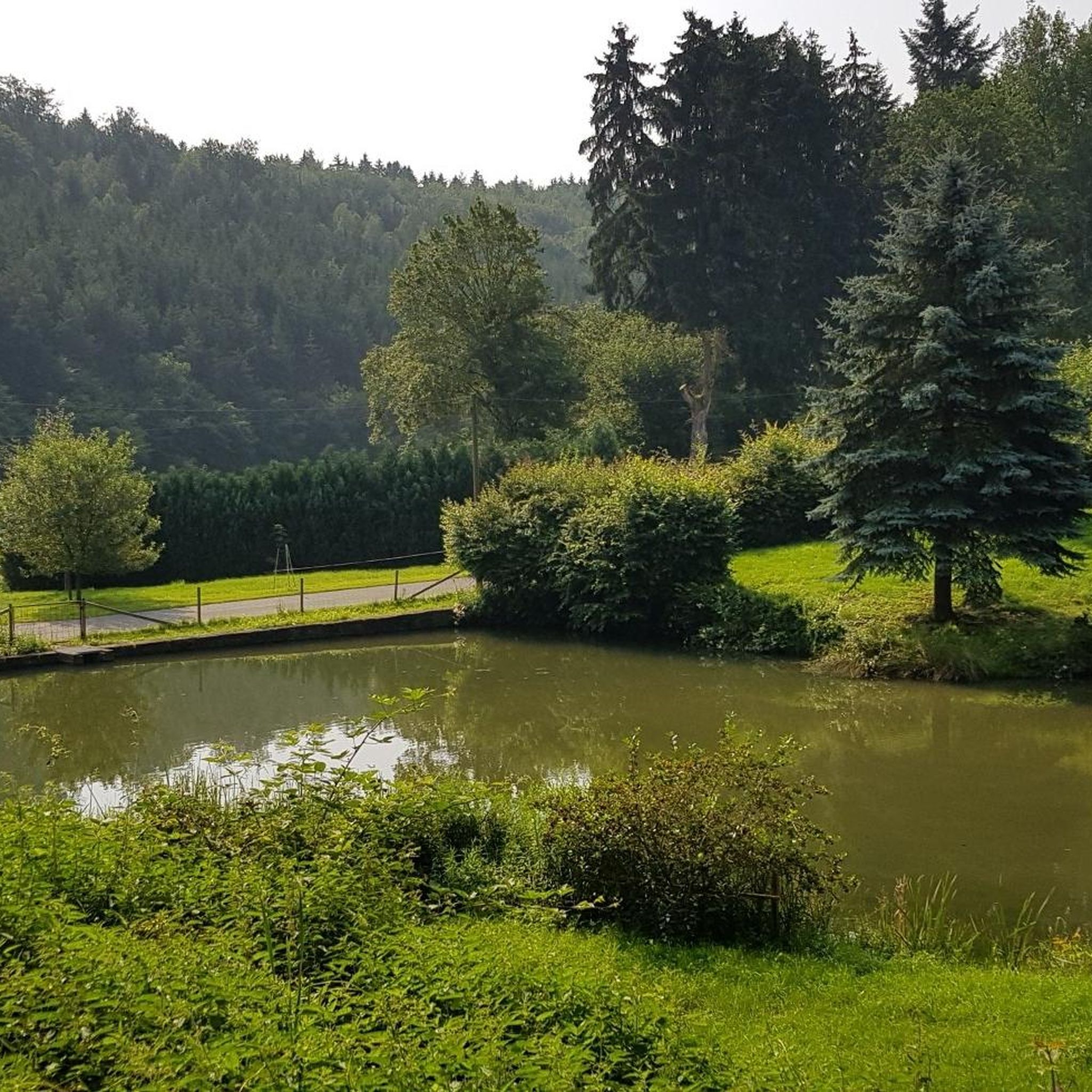
Using the power of moving water to drive a mill wheel is an ancient invention that dates back to pre-Christian times. Thanks to such a construction, human or animal muscle power could be easily replaced by a watercourse - natural or artificially created - in order to grind grain into corn, for example. There are essentially two different ways of driving watermills: Either the water simply hits the blades of the water wheel from below to set it in motion; or the water is guided above the wheel and falls onto the blades; this type of construction is more efficient due to natural gravity.
0
1

Villar del Pedroso is a municipality in the province of Cáceres, bordering Toledo to the north, where the Tagus acts as a border. Its municipal term has Celtiberian, Roman and medieval vestiges.
2
0
The Archbishop's Bridge is a municipality in Toledo that takes its name from its beautiful Gothic bridge with 11 arches that crosses the waters of the Tagus River. The town is famous for its ceramics, and together with Talavera de la Reina, it is the largest pottery center in Spain.
1
1

The Archbishop's Bridge is a magnificent example of medieval engineering. The bridge was built to allow trade and pilgrims to cross the Tagus River in 1380, but was further widened in the 18th century to allow passage after floods.
1
0

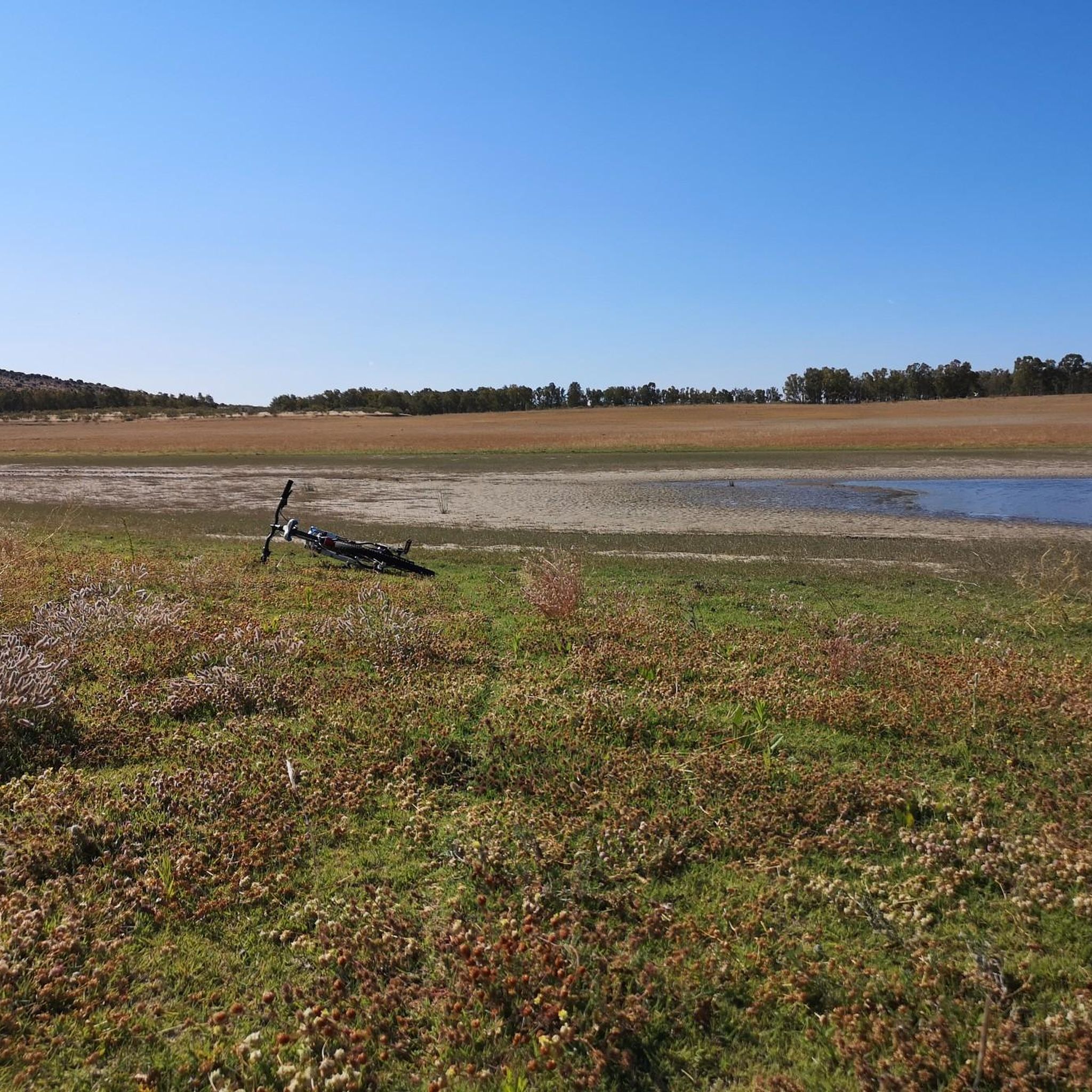
Another section of the picturesque Camino Real de Guadalupe, in this case joining Oropesa with the town of Alcañizo.
1
1
Frequently Asked Questions
How many touring cycling routes are available around Caleruela?
There are over a dozen touring cycling routes around Caleruela, offering various options for exploring the region. These routes primarily range from moderate to difficult in terms of challenge.
What is the general difficulty level of touring cycling routes in Caleruela?
The touring cycling routes around Caleruela are generally classified as moderate to difficult. There are 9 moderate routes and 6 difficult routes, with no easy routes specifically listed, indicating a focus on more experienced cyclists or those seeking a challenge.
Are there any circular touring cycling routes in the Caleruela area?
Yes, many of the touring cycling routes around Caleruela are designed as loops. For example, the Count's Palace of Oropesa – Camino Real de Guadalupe loop from Oropesa de Toledo is a moderate 49.4 km route that allows you to start and finish in the same location.
What interesting landmarks or attractions can I see while cycling near Caleruela?
While cycling near Caleruela, you can encounter several notable landmarks. These include the historic Puente del Arzobispo, the impressive Count’s Palace of Oropesa and Oropesa Castle, and sections of the historic Camino Real de Guadalupe. The region itself is characterized by the Sierra de la Ventosilla with its holm oaks, scrubland, and picturesque granite rock formations.
What is the best time of year for touring cycling in Caleruela?
Given Caleruela's location in Castilla-La Mancha, spring and autumn generally offer the most pleasant conditions for touring cycling. Temperatures are milder, and the natural landscape, including the holm oaks and scrubland of the Sierra de la Ventosilla, is vibrant. Summers can be very hot, and winters can be chilly, so plan accordingly.
Are there any longer touring cycling routes for experienced cyclists?
Yes, for experienced cyclists seeking longer rides, there are several options. The El Puente del Arzobispo – Puente del Arzobispo loop from Oropesa de Toledo is a challenging 90.8 km route with significant elevation gain, offering an extensive exploration of the rural landscapes.
Can I find family-friendly cycling routes in the Caleruela area?
While the listed routes around Caleruela are primarily moderate to difficult, the broader Toledo province, including areas like the Ruta de Don Quijote, offers more varied terrain that may include sections suitable for families. For routes directly around Caleruela, it's advisable to check individual route details for elevation and distance to ensure they match your family's ability.
What kind of terrain can I expect on touring cycling routes around Caleruela?
The terrain around Caleruela features a mix of rural plains and the more rugged Sierra de la Ventosilla. You can expect areas with holm oaks and scrubland, as well as picturesque granite rock formations. Routes often include significant elevation changes, traversing both flat sections and rolling hills.
Are there places to eat or stay near the touring cycling routes in Caleruela?
Caleruela and its surrounding villages, such as Oropesa de Toledo and El Puente del Arzobispo, offer local amenities including cafes, restaurants, and accommodation options. These can serve as convenient stops for refreshments or overnight stays during your touring cycling adventure.
What is the shortest touring cycling route available?
One of the shorter touring cycling routes is the El Puente del Arzobispo – Puente del Arzobispo loop from El Puente del Arzobispo. This moderate route covers 39.4 km and typically takes around 3 hours and 15 minutes to complete.
What are the elevation gains like on these touring cycling routes?
The touring cycling routes around Caleruela often feature notable elevation gains. For instance, the El Puente del Arzobispo – Puente del Arzobispo loop from Oropesa de Toledo has an elevation gain of approximately 877 meters, indicating a challenging ride with significant climbs.
Is it possible to find routes that pass through the Sierra de la Ventosilla?
Yes, the Sierra de la Ventosilla, with its holm oaks and scrubland, is a defining feature of the region. Many routes will offer views or pass through areas adjacent to this mountainous zone, allowing you to experience its natural beauty and varied terrain, including prominent hills like Canchera with its granite rock formations.
Most popular attractions around Caleruela

Get inspired with the komoot mobile app


Explore more
Browse the best Cycling routes in other regions.
