The best cycling routes around La Vall De Laguar
4.7
(332)
21,009
riders
98
rides
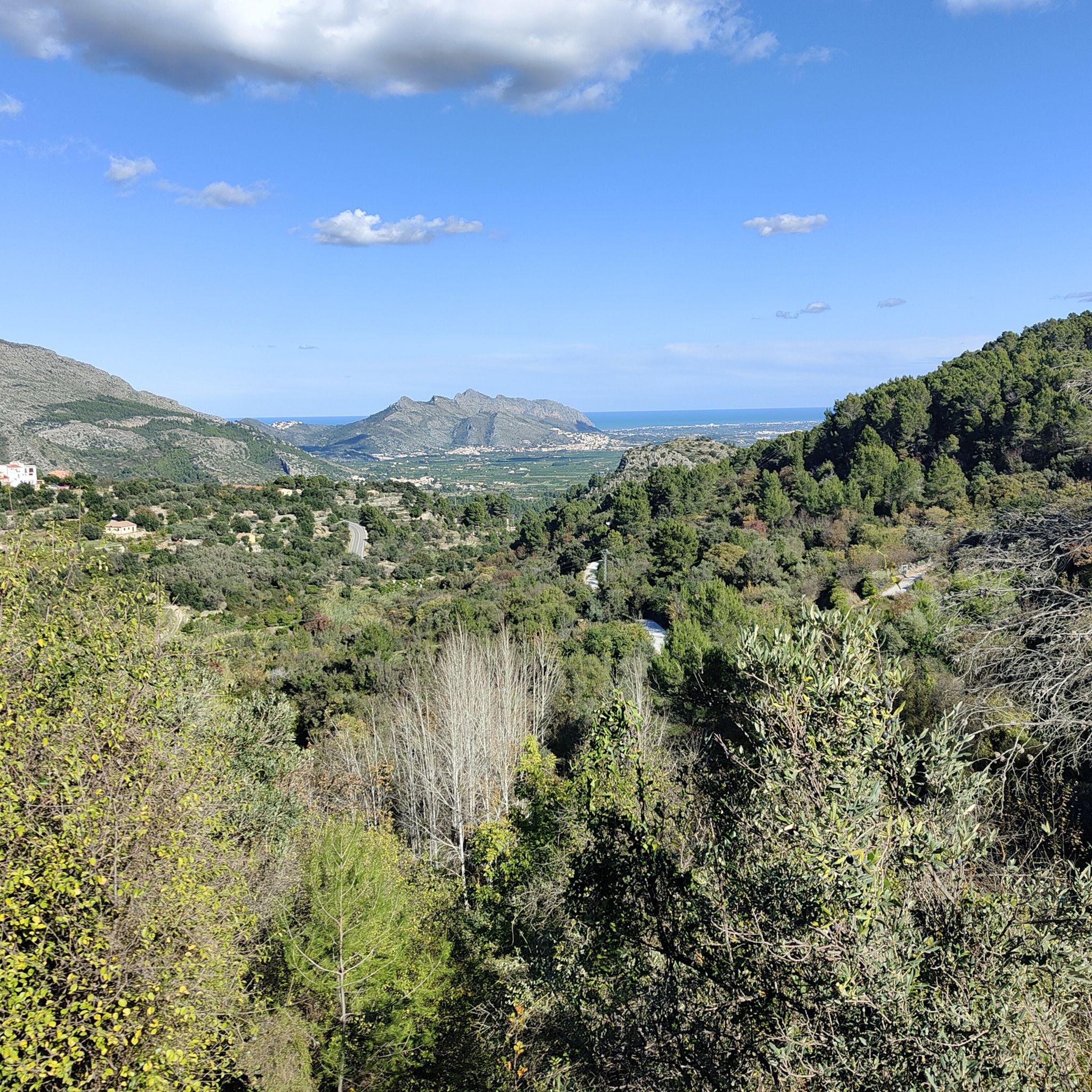
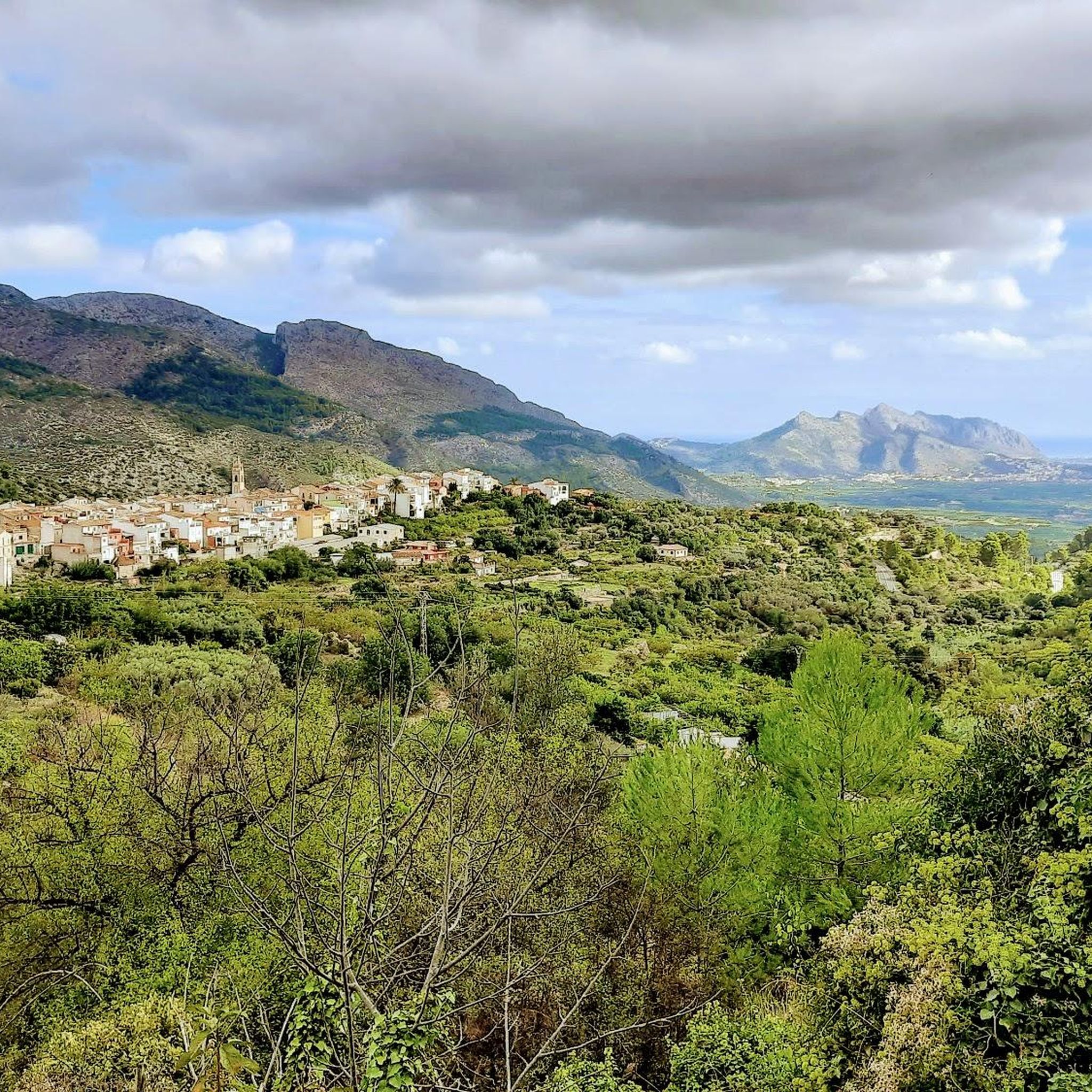
Touring cycling routes around La Vall De Laguar traverse a diverse landscape characterized by mountain ranges, winding roads, and significant elevation changes. The region, situated at an average altitude of 500 meters, features well-maintained surfaces alongside sections with irregular terrain and steep inclines. Cyclists encounter a mix of agricultural areas with cherry groves and olive trees, framed by natural features such as the Girona River and numerous springs. This varied topography offers a range of challenges for touring cyclists.
Best…
Last updated: May 14, 2026
4.7
(18)
2,598
riders
31.4km
02:05
410m
410m
Moderate bike ride. Good fitness required. Mostly paved surfaces. Suitable for all skill levels.
4.6
(21)
78
riders
22.9km
01:44
550m
550m
Hard bike ride. Very good fitness required. Mostly paved surfaces. Suitable for all skill levels.

Sign up for free
4.7
(15)
583
riders
64.9km
04:21
960m
960m
Hard bike ride. Very good fitness required. Mostly paved surfaces. Suitable for all skill levels.
4.6
(5)
784
riders
37.4km
02:24
510m
510m
Hard bike ride. Very good fitness required. Mostly paved surfaces. Suitable for all skill levels.
4.3
(10)
62
riders
50.1km
03:00
230m
230m
Moderate bike ride. Good fitness required. Mostly paved surfaces. Suitable for all skill levels.
Get access to more routes and recommendations from other explorers.
Sign up for free
Already have an account?
Our route recommendations are based on thousands of hikes, rides, and runs completed by other people on komoot.
Start today with a free account
Your next adventure awaits.
Login or Signup


Tips from the Community

TARDOR ROSELLÓ Three elements stand out in his works of recent years, which are repeated in almost every work: the cracks, the birds and the women.
1
0

Description The Ermita de la Sangre in Murla is a small church located in the heart of the town. Behind its walls lies a long history. The building's history stretches from the Middle Ages to the present day, resulting in various uses and changes to its appearance. The Ermita de la Sangre in Murla was restored in 1979. It is a semi-detached building with a vaulted ceiling and two transverse arches, above which, from the altar, stands the image of Ecce Homo. To one side is the old Chapel of San Francisco de Borja, which has housed the image of the town's patron saint, the Divine Aurora, since 1856. History The Ermita de la Sangre in Murla has a centuries-old history. Although the exact date of its construction is unknown, all indications point to around 1591. The building was formerly the city's old women's hospital, which, like these rooms in the Middle Ages, was converted into a hermitage invoking the Blood of Christ. However, it had been used as a prison long before that. In 1600, the prison was located within the hospital, but the diocese at the time decided to separate them. Documents indicate that the old prison was located where the image of the divine Aurora is currently situated.
2
0

water levels can be deep and fast moving afters rains,caution!.
0
0

sandwich with the Alkmaar tour club
0
1

The Vía Verde de Dénia is a beautiful, flat cycle path that follows a former railway line between Dénia and El Vergel (Spanish: El Verger). It is approximately 6 kilometers long, well-maintained, and ideal for cycling, walking, or running – away from traffic and surrounded by nature. The route begins on the northern edge of Dénia, near the Camí del Llavador road, and leads to just before El Vergel. Along the way, you'll cycle through orange groves, past small country houses, and enjoy beautiful views of Montgó mountain. The route is almost entirely flat, paved or surfaced with fine gravel, and is therefore suitable for all fitness levels. Along the Vía Verde, there are several rest areas with benches, shade, and information panels about the history of the old railway line that once connected Dénia with Gandía. It's also part of Spain's larger network of "Vías Verdes" – disused railway lines that have been transformed into sustainable recreational paths. A particular charm lies in the tranquility and the diverse landscape: in spring, the orange trees blossom, and in summer, the air is fragrant with pine trees and sea air. At the end of the route, it's easy to continue on to Els Poblets or Las Marinas beach.
3
0
The Plaza de Toros de Ondara, also known as "La Joya Levantina," was built in 1901 in the Neo-Mudéjar style and remains one of the most striking buildings in the Marina Alta. Destroyed during the Spanish Civil War, it was rebuilt in 1957 and has undergone several restorations since then. Since 2023, the arena has been increasingly used as a multifunctional cultural space, including concerts, exhibitions, and dining options, including a modern bar with a glass terrace. A bullfighting museum is also planned. After a hiatus of almost twenty years, the bullfighting tradition returned in 2025: a mixed bullfight took place on June 7, followed by another bullfight on August 9 as part of the Feria del Mediterráneo, which delighted a sold-out crowd.
3
0

Frequently Asked Questions
How many touring cycling routes can I explore in La Vall de Laguar?
La Vall de Laguar offers a wide selection of touring cycling routes, with nearly 100 different options available. These routes cater to various skill levels, ensuring there's something for every cyclist.
What kind of terrain can I expect on touring cycling routes in La Vall de Laguar?
The terrain in La Vall de Laguar is highly diverse. You'll find a mix of well-maintained, paved roads, especially between Murla and Fleix, alongside sections with irregular surfaces and significant elevation changes. The region features challenging climbs, winding mountain roads, and agricultural areas with cherry groves and olive trees, all set against a backdrop of majestic mountain ranges.
Are there any circular touring cycling routes in La Vall de Laguar?
Yes, La Vall de Laguar offers several circular touring cycling routes. A notable challenging option is La Vall de Laguar – Circular from Benigembla, which covers 22.9 km with substantial elevation gain, providing panoramic views of the valley.
What are some moderate touring cycling routes suitable for those with good fitness?
For cyclists seeking a moderate challenge, the Font del Llavador de Parcent – Velosol Café loop from el Campell is a popular choice. This 31.3 km route takes about 2 hours to complete and features varied terrain and scenic views. Another moderate option is the Castell de Castells – Castell de Castells loop from Benigembla, covering 22.8 km.
What is the best time of year for touring cycling in La Vall de Laguar?
La Vall de Laguar is a popular destination for cyclists, even attracting professional teams for winter and spring training. Spring is particularly beautiful, as the cherry blossoms transform the landscape with delicate colors. The region's climate generally allows for enjoyable cycling during these seasons, though specific weather conditions should always be checked.
What natural features and landmarks can I see along the touring cycling routes?
The routes in La Vall de Laguar pass through a natural paradise. You can expect to see the Penya Foradà, the Girona River, and numerous natural springs like Fuente del Camusot. The region is also characterized by its agricultural landscape, featuring fields of almonds, carob trees, figs, and especially cherry groves. Keep an eye out for charming villages such as Benimaurell, Campell, Fleix, and Fontilles, which offer cultural points of interest.
Are there any challenging routes for experienced touring cyclists?
Absolutely. La Vall de Laguar is known for its challenging climbs. Routes like the Xaló – Mural of the Cyclist of Senija loop from el Campell, a 65.6 km trail with significant elevation, are popular among experienced riders. The region's mountain roads, including climbs like the Coll de la Garga, present substantial challenges with steep gradients.
What do other touring cyclists enjoy most about cycling in La Vall de Laguar?
The area is highly rated by the komoot community, with an average score of 4.7 stars from over 300 reviews. Cyclists often praise the diverse landscape, the challenging yet rewarding climbs, and the stunning natural beauty, including the agricultural valleys and mountain vistas. The variety of routes catering to different abilities is also a frequently mentioned positive aspect.
Are there any viewpoints or scenic spots along the touring cycling routes?
Yes, the mountainous terrain of La Vall de Laguar offers numerous viewpoints. The Sierra del Cavall Verd provides stunning vistas, especially from its 793-meter peak. You can also find scenic spots like Mirador de Cocoll, offering panoramic views of the valley and surrounding ranges.
Can I find routes that take me through traditional villages?
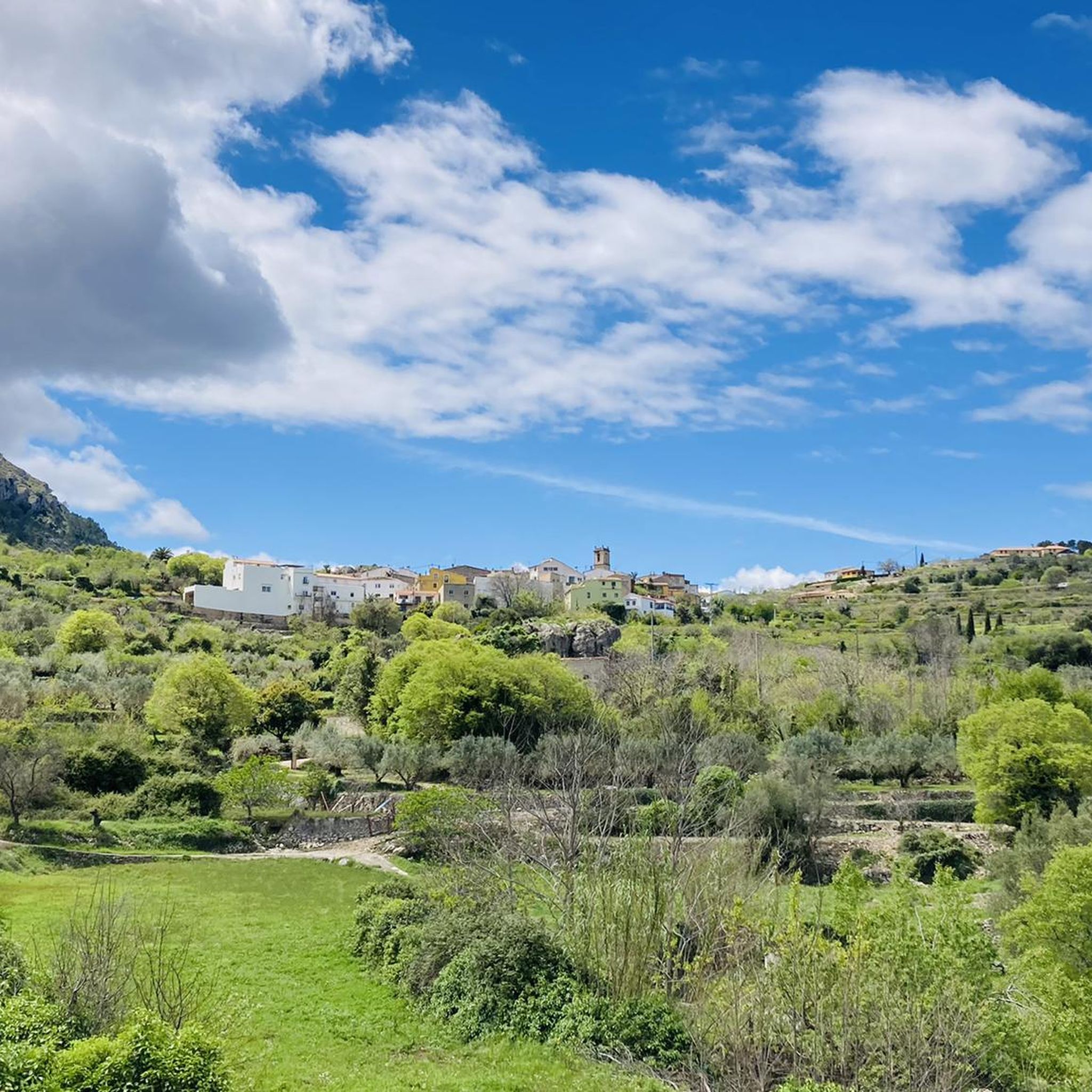
Many touring cycling routes in La Vall de Laguar weave through or near charming traditional villages. These include Benimaurell, Campell, Fleix, and Fontilles, which offer glimpses into the region's cultural heritage with their traditional streets and historical monuments like the ruins of Laguart Castle and the Casota Tower.
Are there any routes that pass by significant mountain passes?
Yes, the region is home to several notable mountain passes that are often incorporated into touring cycling routes. You might encounter passes such as Coll de Rates, Vall d'Ebo Pass, and Bèrnia Pass, which offer both challenging climbs and spectacular views.
What is the average altitude of the touring cycling area in La Vall de Laguar?
La Vall de Laguar is situated at an average altitude of 500 meters above sea level. This elevation contributes to the diverse terrain and the significant climbs that characterize many of the touring cycling routes in the region.
Most popular routes around La Vall De Laguar
Most popular attractions around La Vall De Laguar

Get inspired with the komoot mobile app


Explore more
Browse the best Cycling routes in other regions.
