The best cycling routes around Tubilla Del Agua
5.0
(2)
77
riders
19
rides
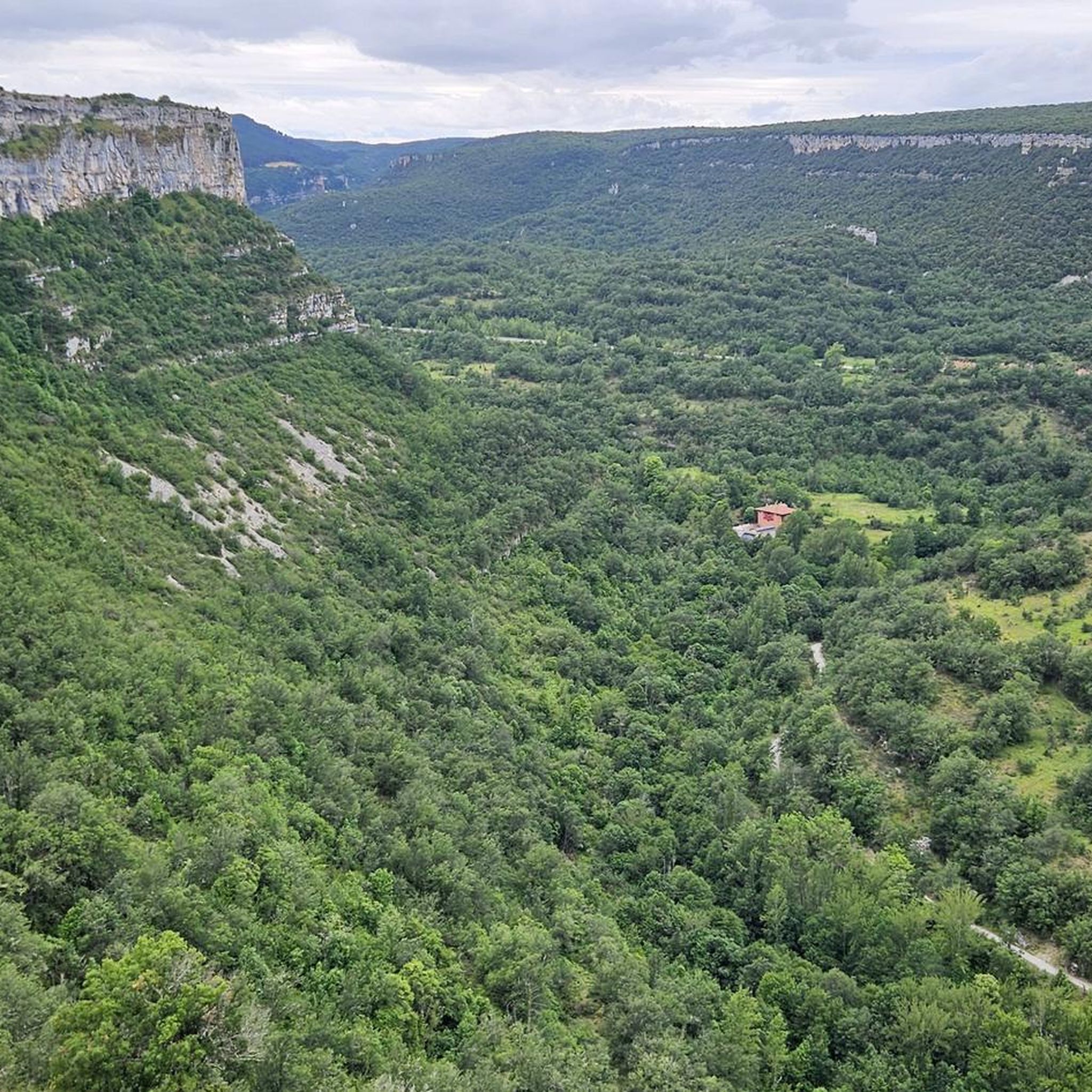
Touring cycling routes around Tubilla Del Agua traverse a landscape characterized by expansive limestone moors and deep river valleys. The region is shaped by the convergence of the Ebro and Rudrón rivers, creating dramatic canyons and unique karst formations. Numerous springs and waterfalls, such as those along the Río Hornillo, are prominent features throughout the area. This terrain offers varied conditions for touring cyclists.
Best touring cycling routes around Tubilla Del Agua
- The most popular touring cycling route is Ebro…
Last updated: July 21, 2026
3
riders
40.3km
03:22
640m
640m
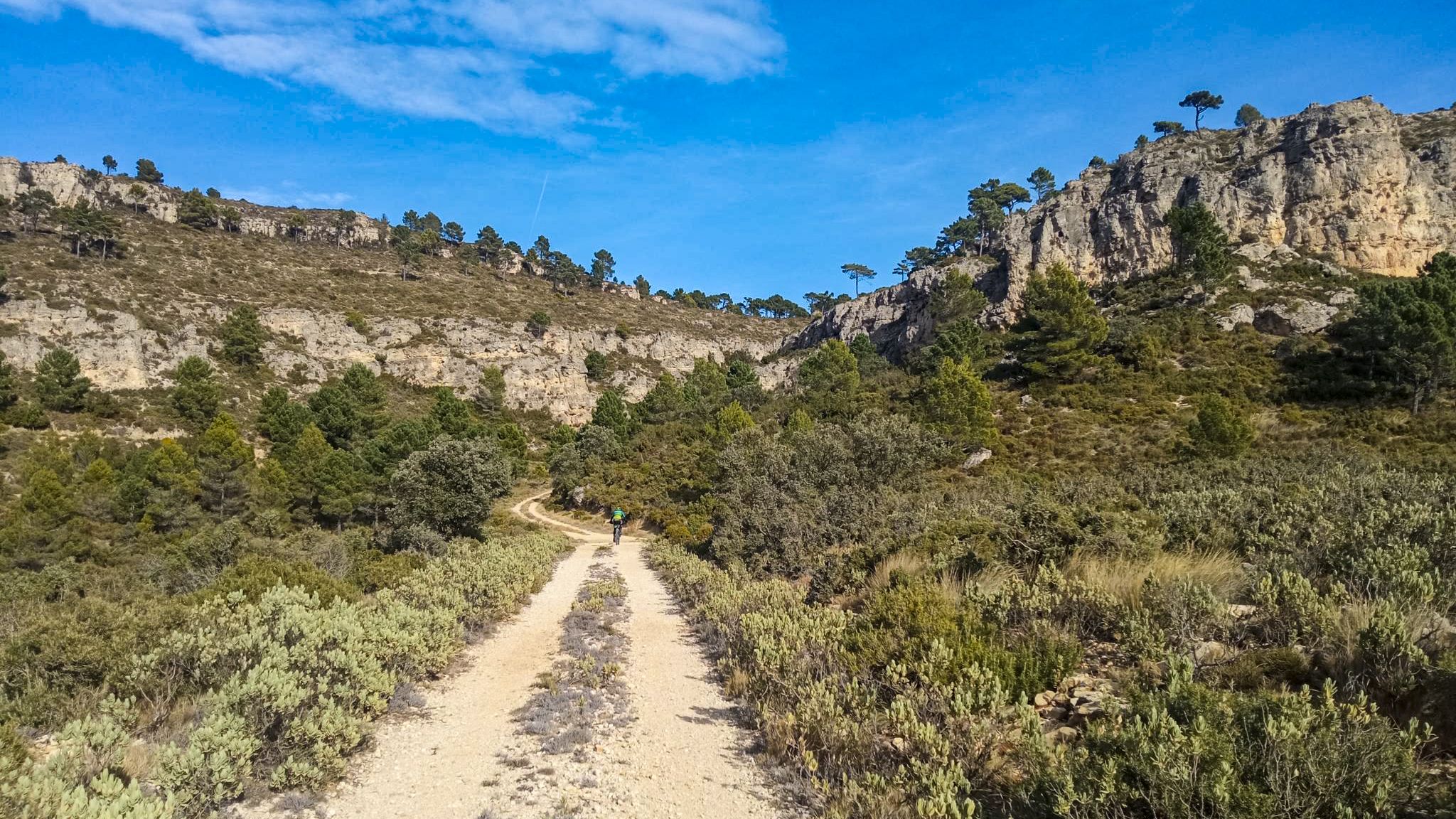
This difficult 25-mile gravel circular route from San Felices del Rudrón explores the dramatic Cañón del Ebro in Hoces del Alto Ebro y Rudró
7
riders
44.6km
04:34
1,020m
1,020m
Hard bike ride. Very good fitness required. You may need to push your bike for some segments of this route.

Sign up for free
9
riders
48.7km
05:13
1,310m
1,310m
Hard bike ride. Very good fitness required. Mostly paved surfaces. Suitable for all skill levels.
6
riders
57.1km
05:57
1,510m
1,510m
Hard bike ride. Very good fitness required. You may need to push your bike for some segments of this route.
8
riders
47.4km
05:16
1,440m
1,440m
Hard bike ride. Very good fitness required. Mostly paved surfaces. Suitable for all skill levels.
Get access to more routes and recommendations from other explorers.
Sign up for free
Already have an account?
Our route recommendations are based on thousands of hikes, rides, and runs completed by other people on komoot.
Start today with a free account
Your next adventure awaits.
Login or Signup
Other adventures around Tubilla Del Agua

Tips from the Community

Tubilla del Agua waterfall
0
0

The Church of Saint Stephen the Protomartyr in Bañuelos del Rudrón, in the municipality of Tubilla del Agua (province of Burgos), is a jewel of Castilian rural Romanesque architecture, with a remarkable history and architecture. Construction: 11th century. Style: Romanesque, with later Baroque and Gothic elements. It was declared a Site of Cultural Interest (BIC) in 1997.
4
0

From various shades of blue, ranging from turquoise to a dark ultramarine in the deepest part. To reach the well, there's a half-kilometer walk along a beautiful path that even has a cave entrance. When we arrived, it was a beautiful day, with people swimming and a caving group who had put on their diving suits and were exploring the depths of the underwater cave. A spectacle.
2
1

Natural wonder of the karst environment of Castilla León in the province of Burgos
3
0
The Ayoluengo oil field, located in Sargentes de la Lora, Burgos, is the only oil field that has operated in Spain. Discovered in 1964, this field was in production until 2017. The characteristic oil balancers, also known as “caballitos”, are a symbol of this exploitation.
6
0
The Tubilla del Agua Waterfalls are one of the greatest natural attractions of this town in the province of Burgos, Castile and Leon. These waterfalls are located in the Hoces del Alto Ebro and Rudrón Natural Park, an area of great scenic beauty.
8
0
The Church of Our Lady of the Assumption in Tubilla del Agua is a beautiful example of religious architecture in the region. This parish church, built in the 16th century, is dedicated to the Virgin of the Assumption, patron saint of the town.
8
0
The Hermitage of San Roque in Tubilla del Agua, Burgos, is a place of great importance for the local community. This hermitage, located in a picturesque natural setting, is a point of reference for the inhabitants of the town, who come here in search of comfort and protection.
7
0
Frequently Asked Questions
How many touring cycling routes are available around Tubilla Del Agua?
There are over 20 touring cycling routes available around Tubilla Del Agua. These routes traverse a diverse landscape of limestone moors and deep river valleys, offering varied conditions for cyclists.
What kind of terrain can I expect on touring cycling routes in Tubilla Del Agua?
The terrain around Tubilla Del Agua is characterized by expansive limestone moors and dramatic river valleys, shaped by the convergence of the Ebro and Rudrón rivers. You can expect a mix of doubletrack trails and rural roads, with significant elevation changes on many routes, especially those exploring the canyons and karst formations.
Are there touring cycling routes suitable for beginners or those looking for an easier ride?
Most touring cycling routes around Tubilla Del Agua are rated as difficult, with significant elevation gain. There are a couple of moderate routes, but currently, no easy routes are specifically listed for touring cyclists. It's advisable to check the route details on komoot for elevation profiles and distance to ensure it matches your fitness level.
What natural attractions can I discover along the touring cycling routes?
The region is rich in natural beauty. You can explore numerous springs and waterfalls, such as those along the Río Hornillo within Tubilla del Agua itself. Notable attractions include the stunning Pozo Azul de Covanera, a deep blue spring, and the picturesque Turquoise Pools and Waterfalls of Orbaneja del Castillo. The La Cañada Waterfall near Hoyos del Tozo is also a beautiful stop.
Are there any routes that offer panoramic views of the Rudrón Canyon?
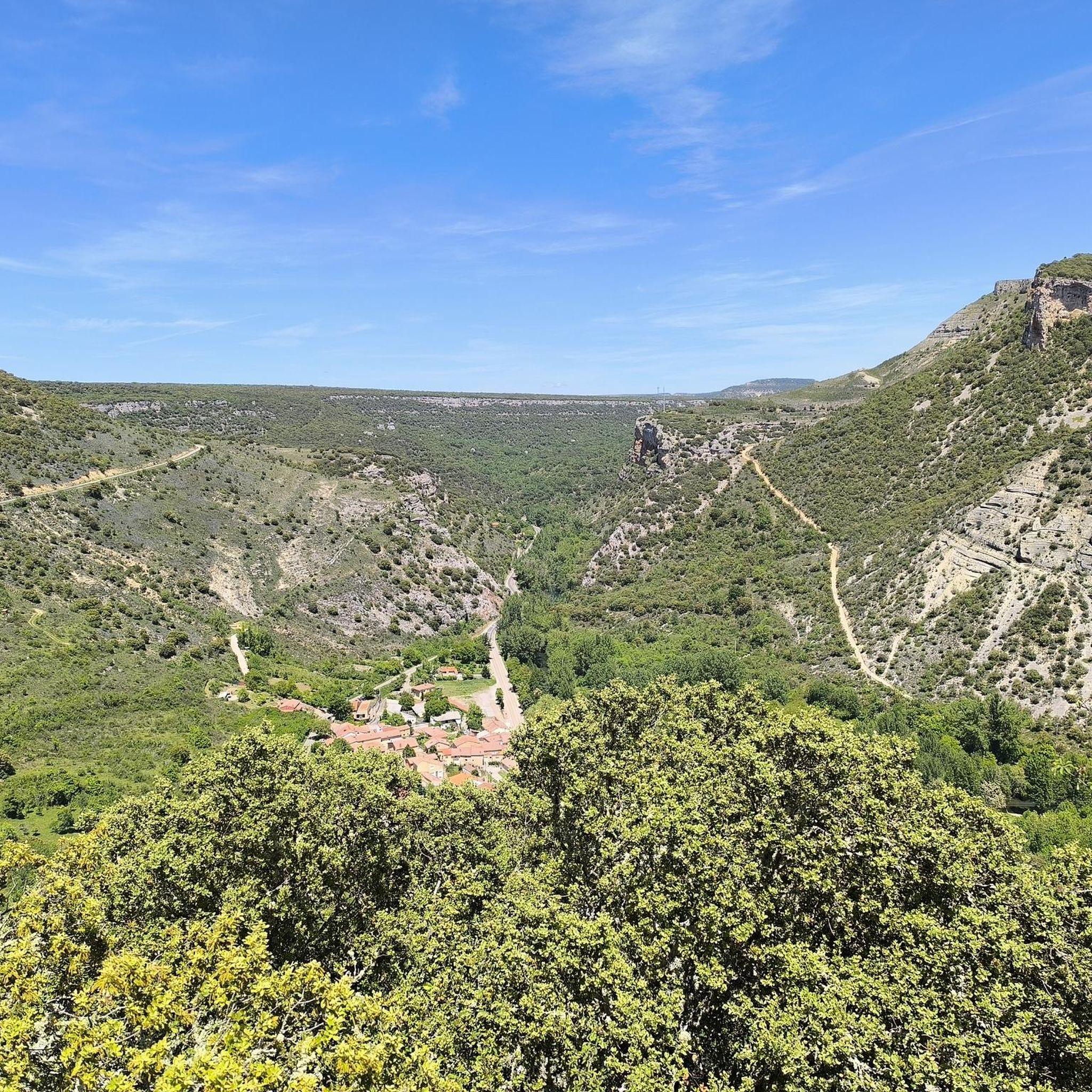
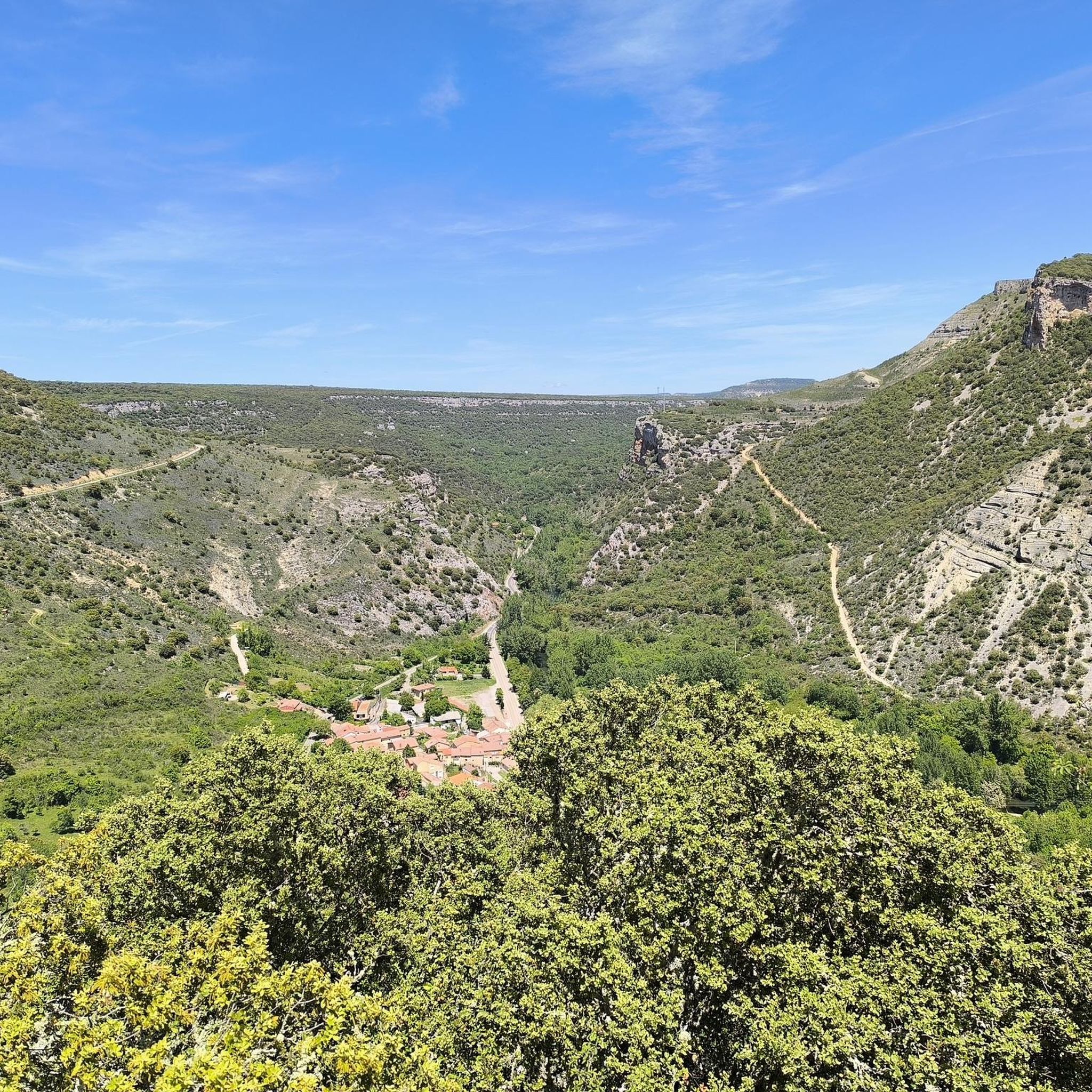
Yes, the region is famous for its dramatic canyons. The Mirador de Tubilla del Agua provides a stunning 360-degree panoramic view of the deep Rudrón River canyon. Routes like the Ebro Canyon Trail and the Ebro Canyon Viewpoint – Pozo Azul de Covanera loop from Sedano offer excellent opportunities to experience these impressive landscapes and viewpoints.
Can I cycle to the famous Pozo Azul de Covanera?
Absolutely! The Pozo Azul de Covanera is a significant natural monument in the Rudrón valley and is accessible via cycling routes. For instance, the Ebro Canyon Viewpoint – Pozo Azul de Covanera loop from Sedano specifically passes by this notable site, allowing you to combine your ride with a visit to this unique blue spring.
What do other touring cyclists enjoy most about cycling in Tubilla Del Agua?
The touring cycling routes in Tubilla Del Agua are highly rated by the komoot community, with an average score of 5.0 stars. Cyclists often praise the dramatic river canyons, unique karst formations, and the abundance of natural water features like springs and waterfalls that define the region's picturesque landscape.
Are there any circular touring cycling routes in the area?
Yes, many of the touring cycling routes around Tubilla Del Agua are designed as loops. Examples include the Ebro Canyon Viewpoint – Pozo Azul de Covanera loop from Sedano, the Bike loop from Terradillos de Sedano, and the Pozo Azul de Covanera – La Cañada Waterfall loop from Covanera, offering convenient starting and ending points.
What is the best time of year for touring cycling in Tubilla Del Agua?
While specific seasonal recommendations are not provided, the region's climate suggests that spring and autumn would offer the most pleasant temperatures for touring cycling. Summers can be hot, and winters may bring colder conditions, especially in the higher parts of the moors and canyons. Checking local weather forecasts before your trip is always recommended.
Are there any historical sites or unique geological formations to see while cycling?
Beyond its natural beauty, the area holds historical significance with Neolithic dolmens found in the surrounding moors, forming one of Europe's largest megalithic complexes. Geologically, the region is renowned for its unique karst landscapes, including the Orbaneja del Castillo Rock Formations and the striking Pozo Azul de Covanera, which are often incorporated into cycling routes.
Is it possible to find accommodation or places to eat near the cycling routes?
Tubilla Del Agua and surrounding villages offer various options for accommodation and dining. While specific establishments are not listed here, you can typically find rural houses, hotels, and restaurants in the villages along or near the cycling routes. It's advisable to research local amenities in advance, especially in smaller villages.
Can I bring my dog on the touring cycling routes?
While many outdoor areas in Spain are generally dog-friendly, specific regulations for cycling routes can vary. It's best to check individual route descriptions on komoot or local signage for any restrictions regarding dogs, especially in protected natural areas or private lands. Always ensure your dog is well-behaved and kept on a leash where required.
Most popular attractions around Tubilla Del Agua

Get inspired with the komoot mobile app


Explore more
Browse the best Cycling routes in other regions.
