Attractions and Places To See around Peñacaballera - Top 20
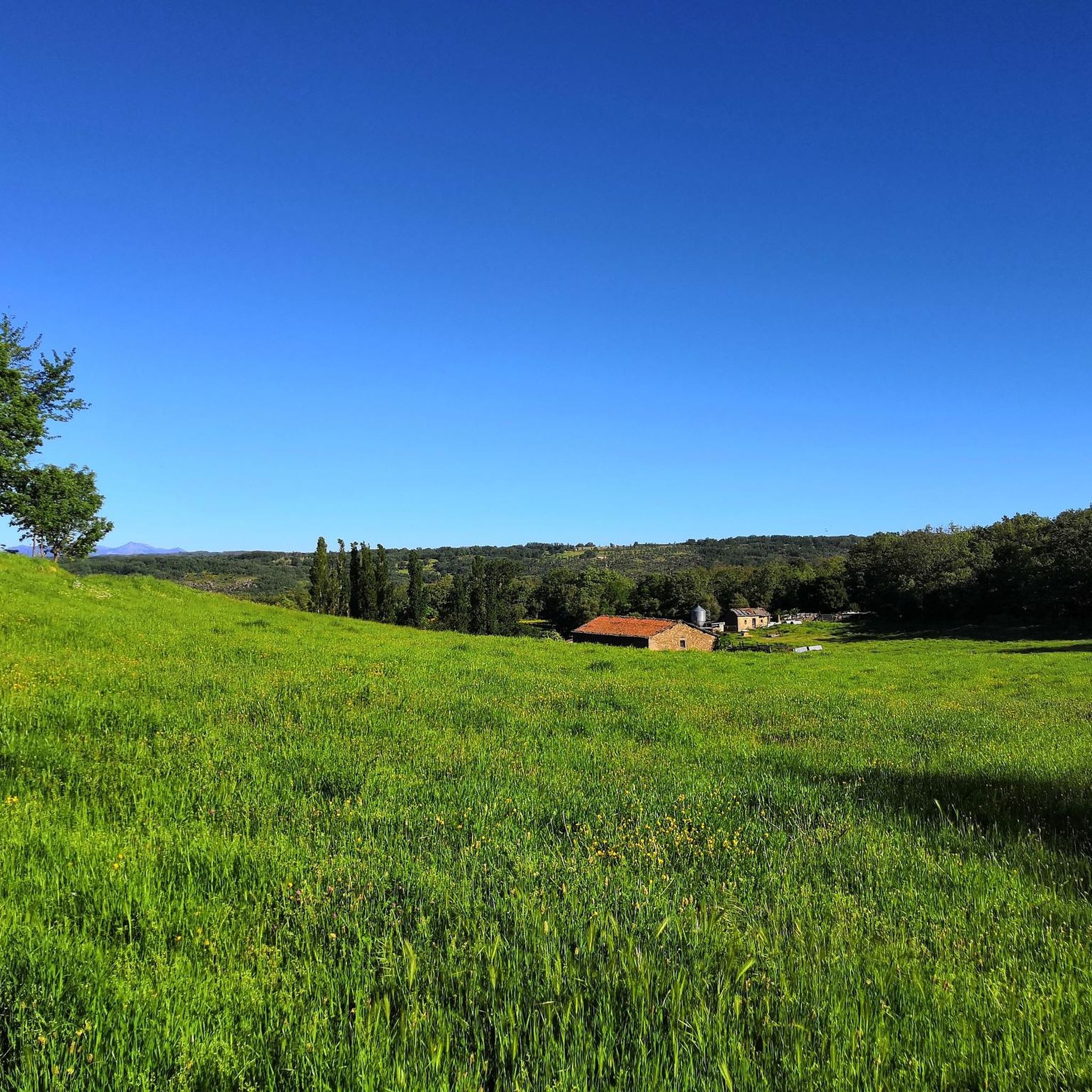
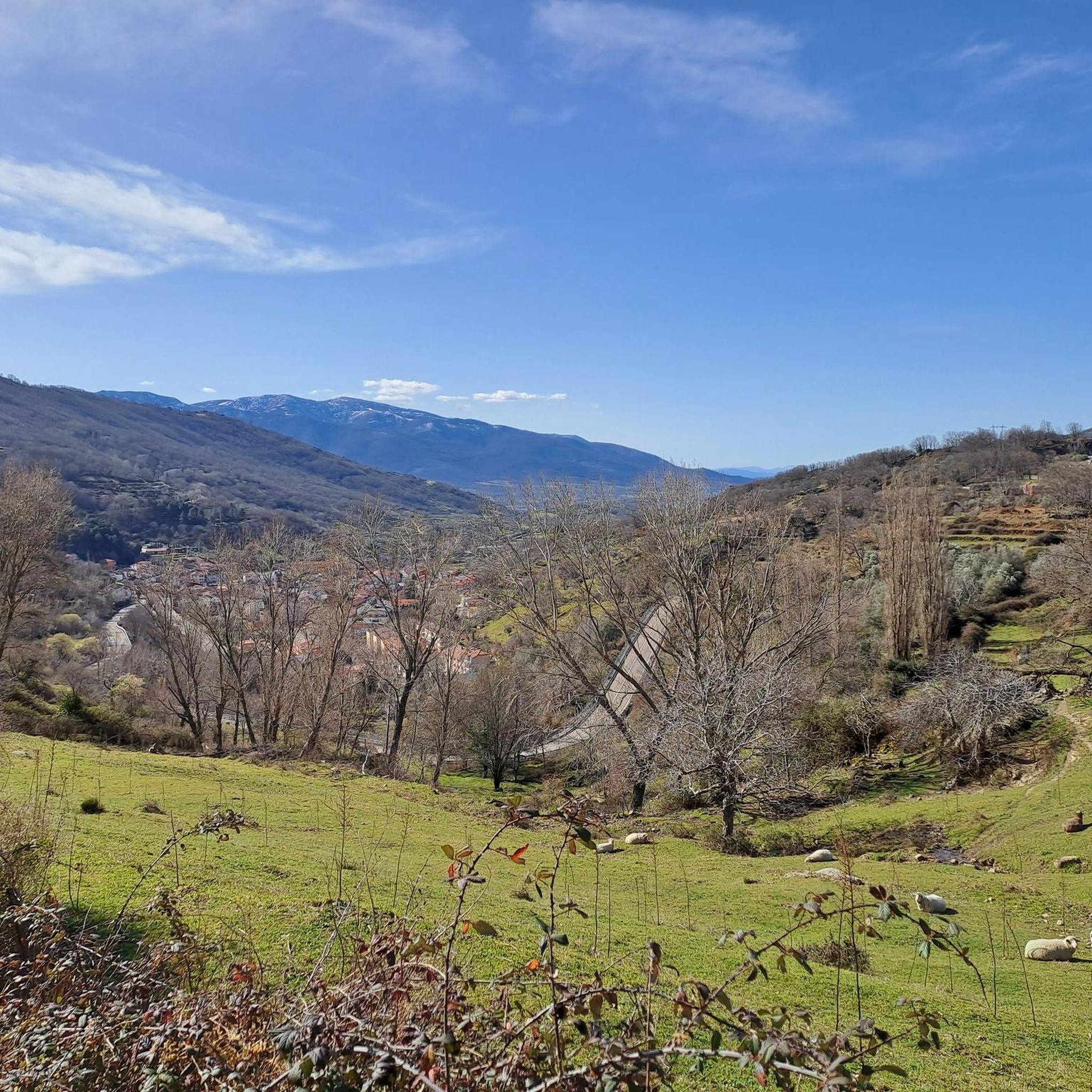
Best attractions and places to see around Peñacaballera include a blend of historical sites and natural landscapes. Situated in the Sierra de Béjar, the municipality is surrounded by oak and chestnut forests, offering opportunities for outdoor activities. Peñacaballera is also part of the historic Ruta de la Plata, an ancient Roman road. The area provides diverse points of interest for visitors exploring its cultural heritage and natural environment.
Best attractions and places to see around Peñacaballera
- The most popular attractions is La Pequeña Estación Bar Restaurant Café, a restaurant that serves Mediterranean and Spanish cuisine, including grilled meats and tapas. It is located near the Béjar Greenway, making it suitable for cyclists and hikers.
- Another must-see spot is Béjar Pass, a settlement that serves as a starting point for cyclists and hikers exploring the old railway line. This area is the first town in Salamanca crossed by the Silver Way.
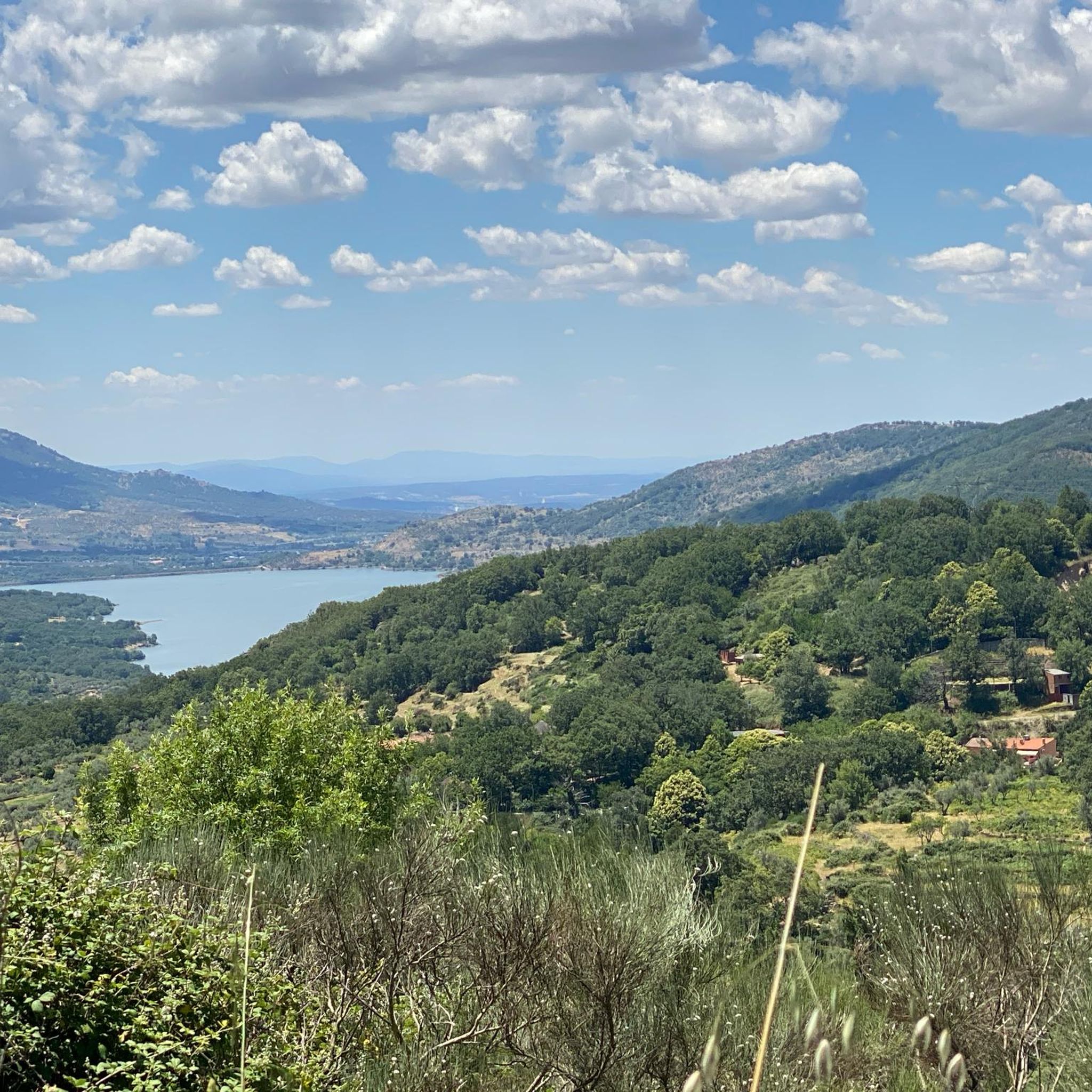
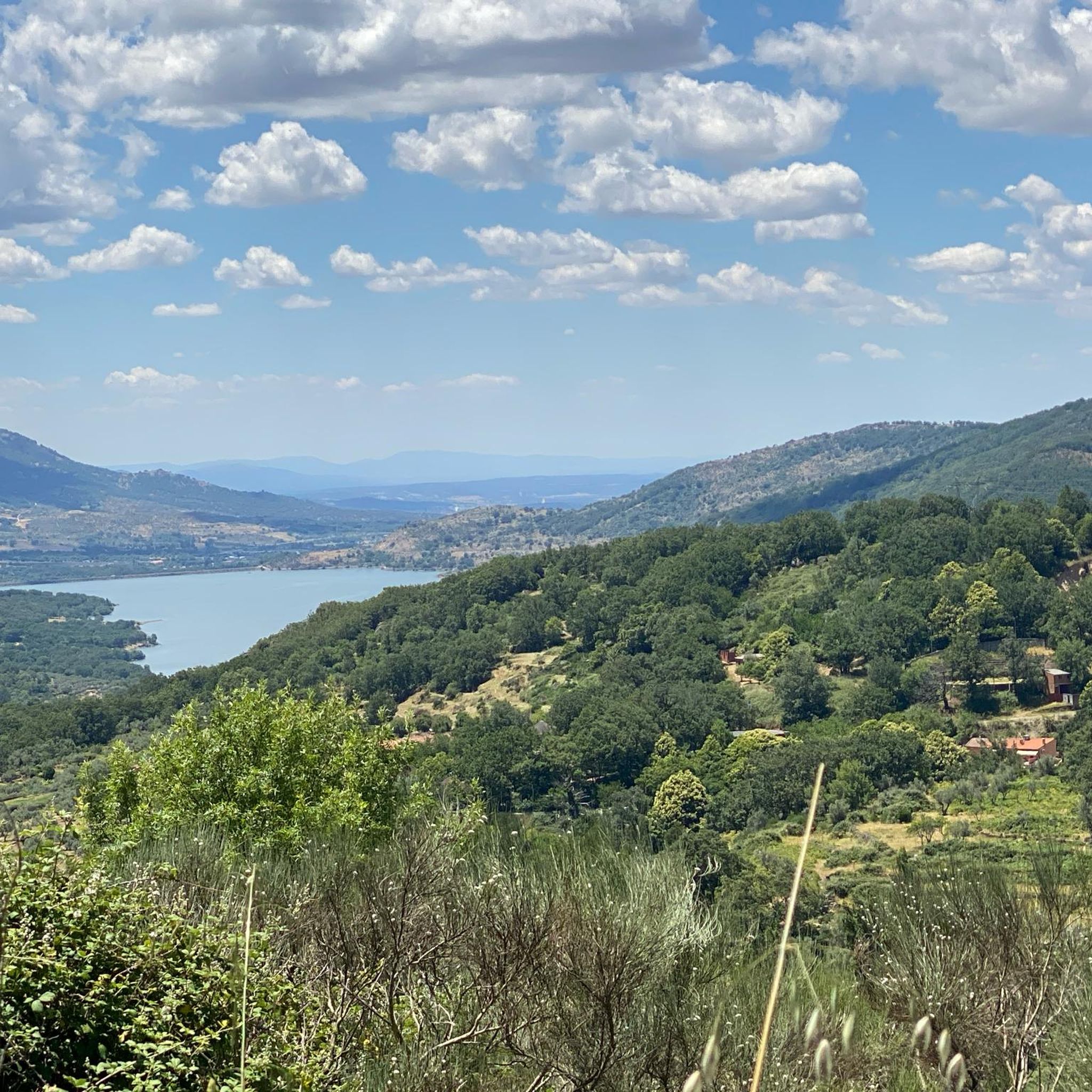
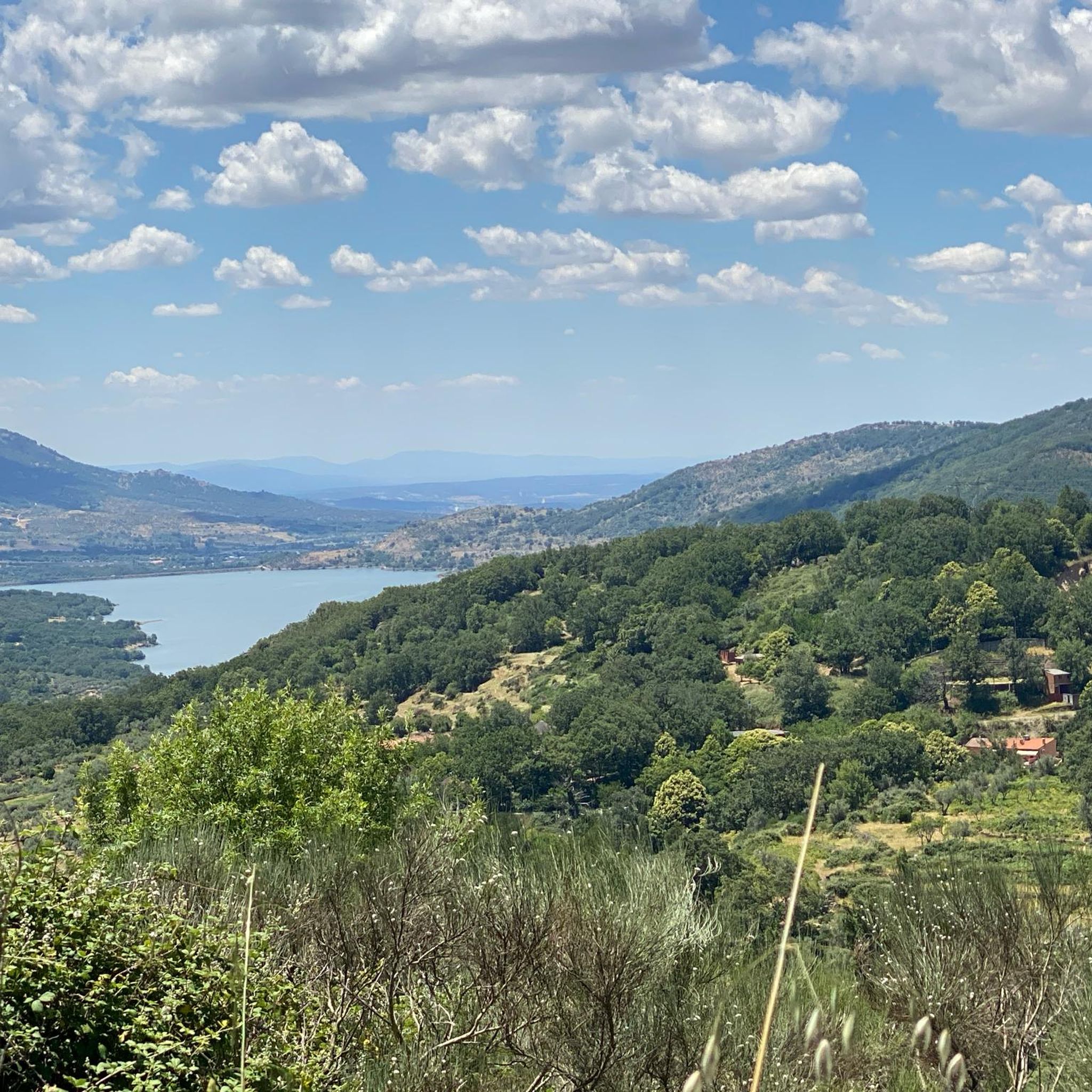
- Visitors also love Peña de la Cruz and Balanced Boulder, a natural monument and viewpoint. This site offers panoramic views of the Sierra de Béjar valley and features a large granite cross and a viewpoint on a rock.
- Peñacaballera is known for its historical sites, natural rock formations, and scenic hiking routes. The area offers a variety of attractions, from ancient Roman roads to unique natural features and viewpoints.
- The attractions around Peñacaballera are appreciated by the komoot community, with more than 30 upvotes and more than 15 photos shared across 4 highlights.
Last updated: June 4, 2026
Béjar Pass
Highlight • Settlement
Showing Translation
Tip by

Béjar Station and Vía de la Plata Tunnel
Highlight • Trail
80.1 kilometers. 730 positive meters.
The route leaves the Béjar station through a curved tunnel with automatic artificial lighting that passes under the historic complex, where the main monuments and buildings are located around the Plaza Mayor, the Doge's Palace, the churches and the streets with a medieval atmosphere. The route passes through another tunnel that ends in a small gorge, with climbing routes, and leaves the Corpus de Hombre river valley towards the Navalmoral de Béjar pastures, where the conditioning of the natural path ends. The last kilometer to the town still has the rails of the road but it can be easily reached by pedaling to the town. At the entrance you turn towards the town and at the first intersection you have to turn left again to go down towards the Camino de Santiago. Immediately the Béjar road appears, you must continue on the right, pass the Calzada de Béjar detour and 400 meters later the yellow arrows of the Jacobean route appear marking the Vía de la Plata to Astorga. The gravel journey continues in the opposite direction to the indication of the arrows and at many intersections it is difficult to see the signs because they are painted so that they are useful in the opposite direction, towards Santiago de Compostela. The path runs through a stretch of land and reaches the beautiful street on the way to Calzada de Béjar. At the entrance there is a pilgrim fountain and a sealing place, but the pilgrim hostel is at the end of the town. The street has facades typical of the popular architecture of the region, with stone and wood arcades and balconies, adapted to the centuries-old passage of migrating herds and the active commerce generated by the Vía de la Plata. The descent to the valley of the Body of Man River follows the original layout of the medieval road and there is a section with stones but it is easy to navigate slowly. And then the dirt road continues parallel to the Montemayor del Río highway. In this section you could go along the road to the Malena bridge, losing the possibility of seeing the original milestones that are on the Camino de Santiago.
The milestones marked the distance of the Roman roads, in this section there are several but they have been moved and do not coincide exactly with the original “miles”. The Sinforiano milestone is first, indicating mile 135, and then the Malena milestone appears, at the entrance to the medieval bridge that spans the Corpus de Hombre river. Mile 134 is about 200 meters after passing the bridge, at another milestone that is part of the wall of a farm. At the Malena bridge the hardest climb of the route begins, the slope is steep and there are sections with loose stones that require patience, grinding technique and good legs. The oak and chestnut forest and the beautiful rural environment help a lot to overcome the slope. The climb ends in Puerto de Béjar but it is not yet time to connect with the Vía de la Plata railway route. The route continues along the Camino de Santiago towards Baños de Montemayor and goes down a modern cobblestone built on the original one of the medieval itinerary. The views of the Ambroz Valley are fantastic. At the entrance to Baños de Montemayor the track leaves the urban complex on the right and continues along the La Garganta road to climb the Natural Path, right where the rest area and the stone fountain are. The bikepacking adventure continues through familiar terrain on the old railroad track. The slope is favorable, the bicycles fly along the side of the mountain, they pass by the Hervás station and one kilometer before the Aldeanueva del Camino station you have to take a detour to the right to enter the urban complex and connect again with the Camino de Santiago.
Translated by Google •
Tip by

Sign up now to discover places like this
Get recommendations on the best single tracks, peaks, & plenty of other exciting outdoor places.
Sign up for free
La Pequeña Estación Bar Restaurant Café
Highlight • Restaurant
Showing Translation
Tip by
"La Cruz" on the ancient Roman road Calzada Baños de Montemayor
Highlight • Monument
The Via Ver Via de la Plata is also very close if you want to make a smooth ascent with a good surface.
Translated by Google •
Tip by

Peña de la Cruz and Balanced Boulder
Highlight • Monument
At the end of the path we find a great esplanade with picnic areas and fountains that is presided over by a huge granite cross and its viewpoint located on a rock.
Translated by Google •
Tip by

Sign up for free to discover even more attractions around Peñacaballera.
Sign up for free
Already have an account?
Start today with a free account
Your next adventure awaits.
Login or Signup

Tips from the Community

Usually cozy here, but today deserted.
8
0
The origin of this via verde lies in the transport of silver. the Silver Route (Vía de la Plata) runs through. However, pilgrims do not walk through the village itself, which is characterized by its typical local architecture; instead, the pilgrim route stays to the left of the village
8
0

Very close to the Béjar Greenway, ideal for cyclists and hikers who follow the old railway line. Cuisine: Mediterranean and Spanish, with grilled meats, tapas, and traditional dishes. Specialties: Grilled meats (T-bone steak, Iberian pork shoulder). Burgers (including Wagyu). A variety of tapas, croquettes, and salads. Fresh fish and homemade stews.
7
0
Very close to the Béjar Greenway, ideal for cyclists and hikers who follow the old railway line. Cuisine: Mediterranean and Spanish, with grilled meats, tapas, and traditional dishes. Specialties: Grilled meats (T-bone steak, Iberian pork shoulder). Burgers (including Wagyu). A variety of tapas, croquettes, and salads. Fresh fish and homemade stews.
6
0


Puerto de Béjar is a municipality and Spanish town in the province of Salamanca, in the autonomous community of Castilla y León. It is integrated into the Sierra de Béjar region.
1
1

Stage 2. Béjar/Plasencia 80.1 kilometers. 730 positive meters. The route leaves the Béjar station through a curved tunnel with automatic artificial lighting that passes under the historic complex, where the main monuments and buildings are located around the Plaza Mayor, the Doge's Palace, the churches and the streets with a medieval atmosphere. The route passes through another tunnel that ends in a small gorge, with climbing routes, and leaves the Corpus de Hombre river valley towards the Navalmoral de Béjar pastures, where the conditioning of the natural path ends. The last kilometer to the town still has the rails of the road but it can be easily reached by pedaling to the town. At the entrance you turn towards the town and at the first intersection you have to turn left again to go down towards the Camino de Santiago. Immediately the Béjar road appears, you must continue on the right, pass the Calzada de Béjar detour and 400 meters later the yellow arrows of the Jacobean route appear marking the Vía de la Plata to Astorga. The gravel journey continues in the opposite direction to the indication of the arrows and at many intersections it is difficult to see the signs because they are painted so that they are useful in the opposite direction, towards Santiago de Compostela. The path runs through a stretch of land and reaches the beautiful street on the way to Calzada de Béjar. At the entrance there is a pilgrim fountain and a sealing place, but the pilgrim hostel is at the end of the town. The street has facades typical of the popular architecture of the region, with stone and wood arcades and balconies, adapted to the centuries-old passage of migrating herds and the active commerce generated by the Vía de la Plata. The descent to the valley of the Body of Man River follows the original layout of the medieval road and there is a section with stones but it is easy to navigate slowly. And then the dirt road continues parallel to the Montemayor del Río highway. In this section you could go along the road to the Malena bridge, losing the possibility of seeing the original milestones that are on the Camino de Santiago. The milestones marked the distance of the Roman roads, in this section there are several but they have been moved and do not coincide exactly with the original “miles”. The Sinforiano milestone is first, indicating mile 135, and then the Malena milestone appears, at the entrance to the medieval bridge that spans the Corpus de Hombre river. Mile 134 is about 200 meters after passing the bridge, at another milestone that is part of the wall of a farm. At the Malena bridge the hardest climb of the route begins, the slope is steep and there are sections with loose stones that require patience, grinding technique and good legs. The oak and chestnut forest and the beautiful rural environment help a lot to overcome the slope. The climb ends in Puerto de Béjar but it is not yet time to connect with the Vía de la Plata railway route. The route continues along the Camino de Santiago towards Baños de Montemayor and goes down a modern cobblestone built on the original one of the medieval itinerary. The views of the Ambroz Valley are fantastic. At the entrance to Baños de Montemayor the track leaves the urban complex on the right and continues along the La Garganta road to climb the Natural Path, right where the rest area and the stone fountain are. The bikepacking adventure continues through familiar terrain on the old railroad track. The slope is favorable, the bicycles fly along the side of the mountain, they pass by the Hervás station and one kilometer before the Aldeanueva del Camino station you have to take a detour to the right to enter the urban complex and connect again with the Camino de Santiago.
0
0

A bar where you can recharge your batteries before reaching the Port of Béjar along the Vía Verde de la Plata. A large terrace is available to enjoy the sun, also if you want to leave the bike in sight.
2
1
Frequently Asked Questions
What kind of hiking trails can I find around Peñacaballera?
Peñacaballera, nestled in the Sierra de Béjar, offers a variety of hiking trails through oak and chestnut forests. You can find routes ranging from easy to difficult. For example, there's a moderate 4.8 km circular route from Baños de Montemayor via the Vía Verde de la Plata and Calzada Romana, or a more challenging 15.8 km circular hike from Montemayor del Río by the Vía de la Plata. You can explore more options on the Hiking around Peñacaballera guide.
Are there any significant historical landmarks to visit in Peñacaballera?
Yes, Peñacaballera is rich in history. You can visit the Iglesia de El Salvador with its panoramic belfry, the Ermita del Bendito Cristo de la Victoria, or the historic Castillo de San Vicente. The area is also part of the ancient Ruta de la Plata (Silver Route), and you can explore sites like the Béjar Station and Vía de la Plata Tunnel, which offers insights into this historic path.
What natural attractions or unique geological features are there to explore?
The region boasts several unique natural features. Don't miss El Canchal de la Romana, an enormous balanced stone that can reportedly be moved by a single person. Other interesting rock formations include Los Tres Panetes and Peña de los Ladrones. You can also visit the traditional Fuente de la Salud (Fountain of Health) located just outside the village.
Where can I find the best viewpoints to appreciate the landscape?
For stunning panoramic views, head to Peña de la Cruz and Balanced Boulder. This natural monument and viewpoint offers breathtaking vistas of the entire Sierra de Béjar valley and the town below. It features a large granite cross and a viewpoint on a rock, making it a very popular spot.
Are there family-friendly activities or places suitable for children?
Many of the natural and historical sites can be enjoyed by families. The Sierra de Béjar with its forests is great for easy walks. For a meal, La Pequeña Estación Bar Restaurant Café is family-friendly and located near the Béjar Greenway, making it convenient for those exploring the old railway line.
What are the options for cycling or mountain biking in the area?
Peñacaballera is excellent for cycling and mountain biking, especially along the old railway line, the Vía Verde de Béjar. Béjar Pass serves as a great starting point for cyclists. You can find various gravel biking routes, including challenging loops like the 57.4 km 'Béjar Pass – Vía Verde de la Plata loop from La Garganta'. More routes are available in the Gravel biking around Peñacaballera guide.
What do visitors enjoy most about the attractions around Peñacaballera?
Visitors particularly appreciate the blend of historical sites and natural beauty. The panoramic views from spots like Peña de la Cruz and Balanced Boulder are highly praised. The accessibility to the Béjar Greenway from places like La Pequeña Estación Bar Restaurant Café is also a highlight for cyclists and hikers.
Can I explore the ancient Roman road, the Vía de la Plata, near Peñacaballera?
Absolutely. Peñacaballera is situated directly on the historic Vía de la Plata. You can walk or cycle sections of this ancient Roman road, which offers both historical significance and scenic routes. The Béjar Station and Vía de la Plata Tunnel is a key point of interest along this route, featuring tunnels and beautiful landscapes.
Are there any places to eat or relax after exploring?
Yes, La Pequeña Estación Bar Restaurant Café is a popular choice. It's conveniently located near the Béjar Greenway and offers Mediterranean and Spanish cuisine, including grilled meats, tapas, and traditional dishes. It also has a large terrace, perfect for relaxing and enjoying the sun.
What is the best time of year to visit Peñacaballera for outdoor activities?
The Sierra de Béjar, with its oak and chestnut forests, is beautiful throughout much of the year. Spring and autumn generally offer pleasant temperatures for hiking and cycling, with vibrant foliage in autumn. Summers can be warm but are still suitable for outdoor activities, especially in the mornings or late afternoons.
Are there any unique cultural sites beyond the main churches?
Beyond the churches, you can discover the Coto de Nuestra Señora del Carmen, also known as Jardín del Conde. This private botanical garden is recognized as a Property of Cultural Interest and uniquely houses a Roman milestone, blending natural beauty with historical artifacts.
What kind of running trails are available around Peñacaballera?
For runners, there are several trails, including a 10.1 km circular route from Peñacaballera to Puente de la Malena along the Vía de la Plata, rated as moderate. More challenging options include the 8.3 km 'Ruta de La Muela' from El Puertecito. You can find detailed information and more routes in the Running Trails around Peñacaballera guide.
Most popular routes around Peñacaballera
Most popular attractions around Peñacaballera

Get inspired with the komoot mobile app


Explore more
Still not found the Highlight you’re looking for? See guides of the top attractions in other regions:
