The best cycling routes around Medina Del Campo
4.1
(16)
142
riders
28
rides
Touring cycling routes around Medina Del Campo traverse the Castilian countryside, characterized by open rural landscapes and pine forests. The region's terrain is generally flat, making it suitable for less strenuous cycling. The Zapardiel River flows through the area, adding a natural element to the routes, which often connect historical towns and villages. Cyclists can expect a blend of mostly paved roads, protected bike lanes, and backroads.
Best touring cycling routes around Medina Del Campo
- The most popular touring cycling…
Last updated: November 21, 2026
2
riders
32.1km
02:42
90m
90m
Moderate bike ride. Good fitness required. Mostly paved surfaces.
1
riders
36.6km
02:06
100m
100m
Moderate bike ride. Good fitness required. Mostly paved surfaces.

5.0
(3)
8
riders
Easy bike ride. Mostly paved surfaces.
3.0
(2)
3
riders
19.0km
01:27
70m
60m
Easy bike ride. Mostly paved surfaces.
2
riders
Moderate bike ride. Good fitness required. Mostly paved surfaces.
Get access to more routes and recommendations from other explorers.
Already have an account?
Our route recommendations are based on thousands of hikes, rides, and runs completed by other people on komoot.
Start today with a free account
Your next adventure awaits.
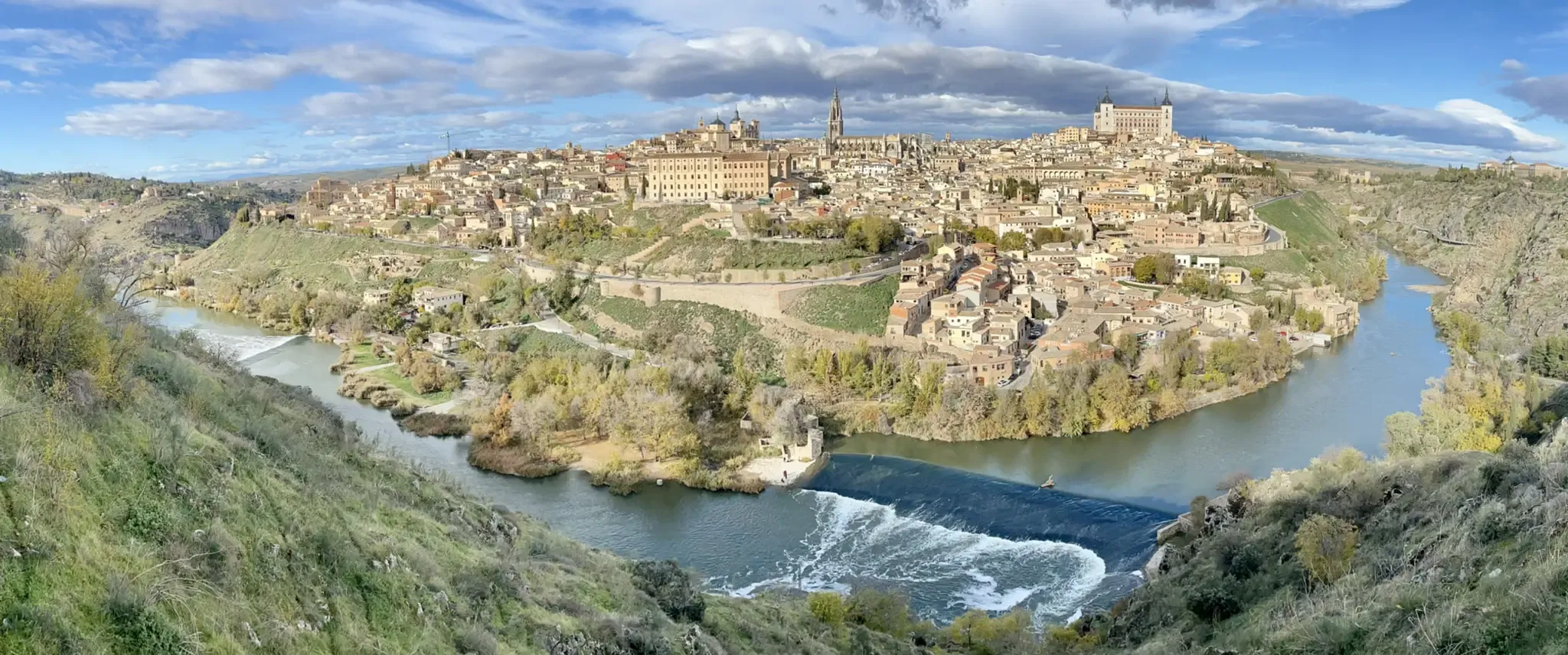
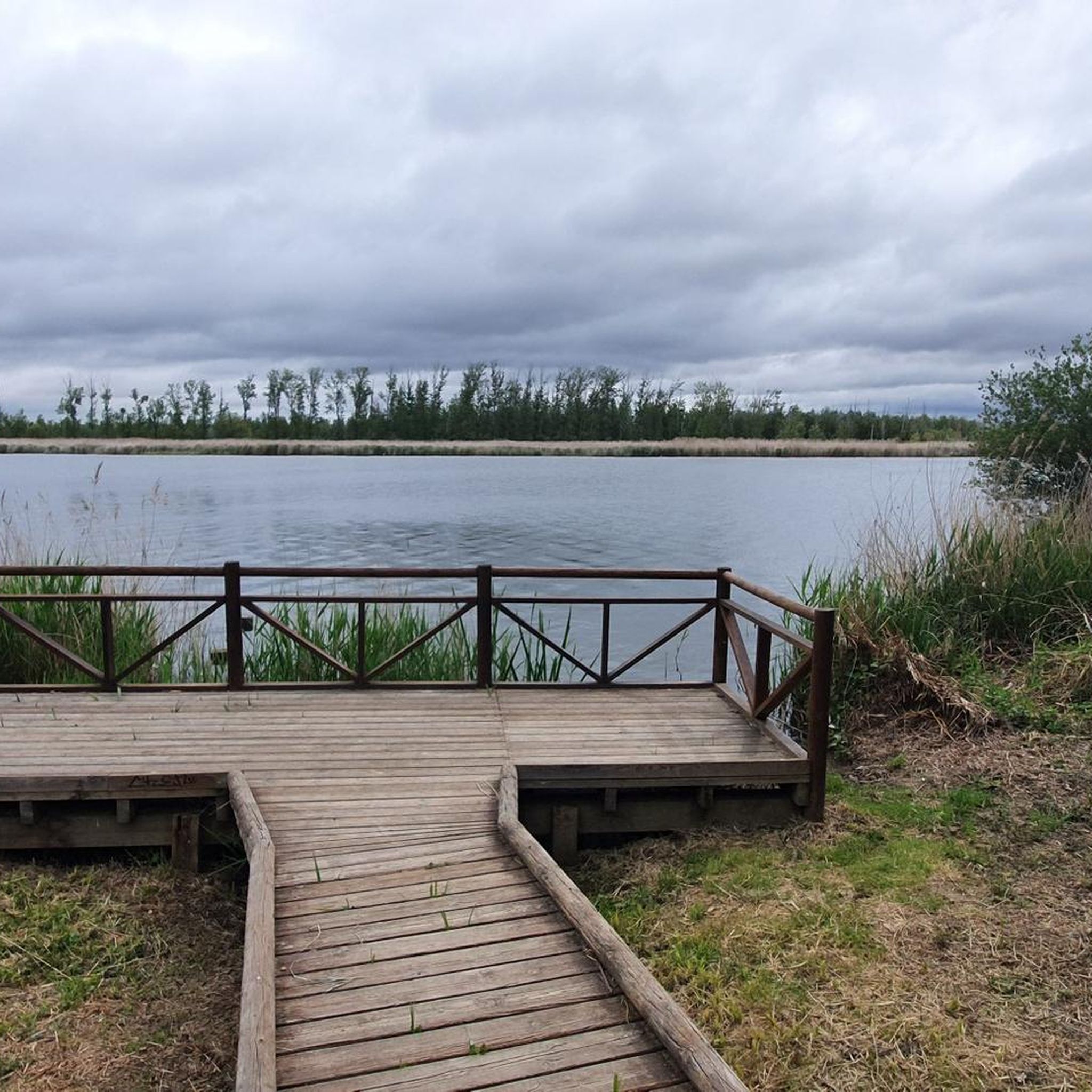
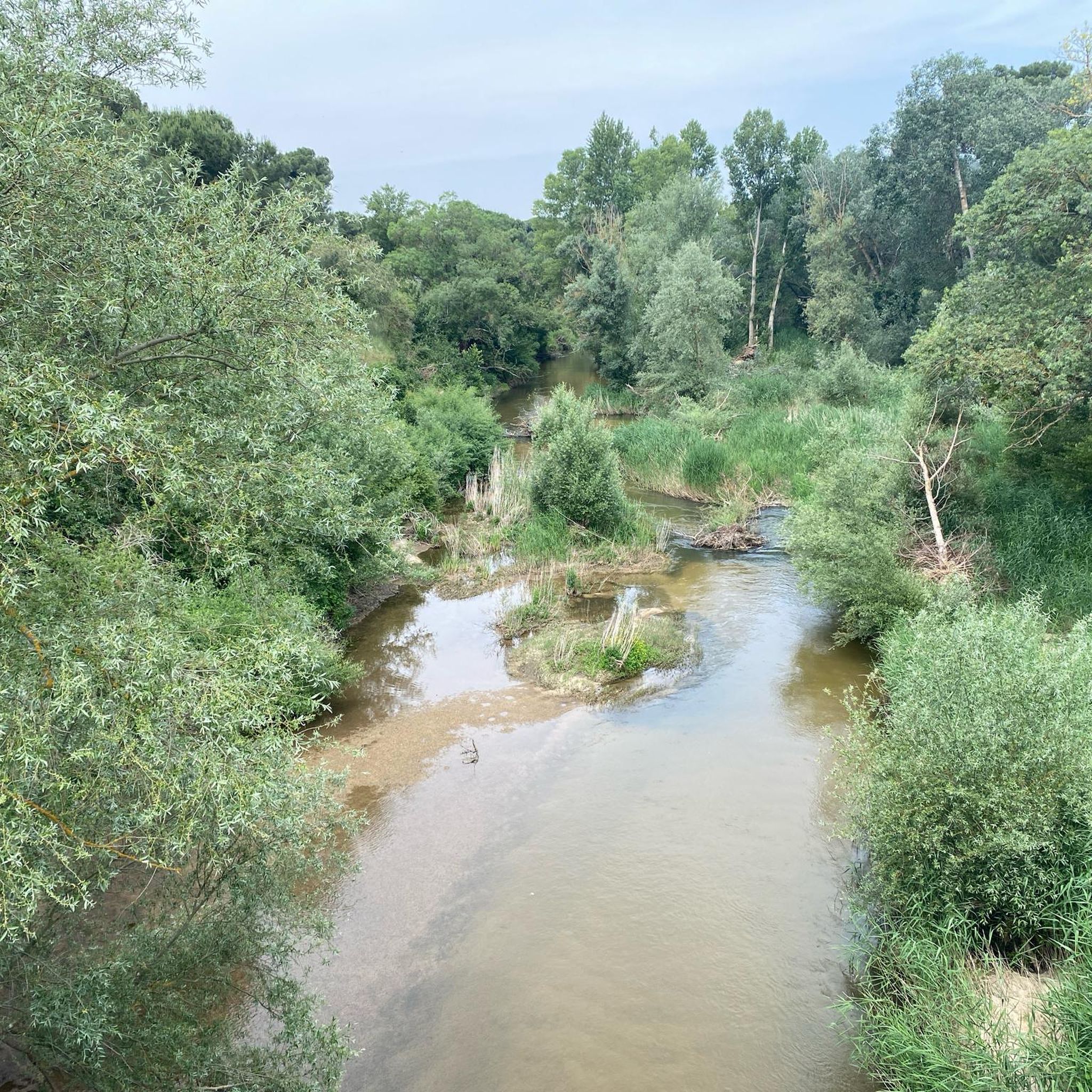
Other adventures around Medina Del Campo

Tips from the Community

Built in the 16th century by Diego Beltrán, a nobleman and member of the Royal Council of the Indies, around 1528–1533, on a site previously used on Santiago Street. Its design is attributed to the royal architect Luis de Vega. From 1602 to 1604, it housed the Royal Chancery; later, it served as the residence of the Marquis of Ensenada during his exile. In 1916, it was acquired by the Marquises of Argüeso; in 1950, it passed into the hands of the State and was used as a vocational institute, currently functioning as an educational center.
5
0
Also known as the Main Parish Church of San Antolín. The original parish dates back to 1177, founded by settlers from the north (Palencia) and dedicated to Saint Antolín. In 1480, the Catholic Monarchs obtained a papal bull from Pope Sixtus IV elevating its status to a collegiate church with a free abbey. Construction of the current church began in 1502 and continued into the 18th century, with prominent architects such as Juan Gil de Hontañón, Rodrigo Gil, and the Gutiérrez brothers. It lost its collegiate church status in 1851, becoming simply the main parish church.
10
0

This is a Renaissance building constructed in the 16th century. It was designed by Luis de Vega, who was the architect of Charles V. Importantly, the Marquis of Ensenada lived in exile and died in this building in December 1781.
11
0
This Gothic-style building began construction in 1503, although, as is often the case with such complex structures, it wasn't completed until almost two centuries later. It is a relatively large church, notable for the balcony of the Virgin of the People and the clock tower. The main entrance dates from the 18th century, while the side entrance is from the 16th.
11
0

It is a historic building that stands out as one of the most emblematic cultural treasures of the city. The collegiate church is, together with the Castle of La Mota, one of the most important historical buildings in Medina del Campo. Although its main part shows characteristics of the late Gothic style, its construction is complex and covers styles from the beginning of the 16th century to the 18th century.
10
0
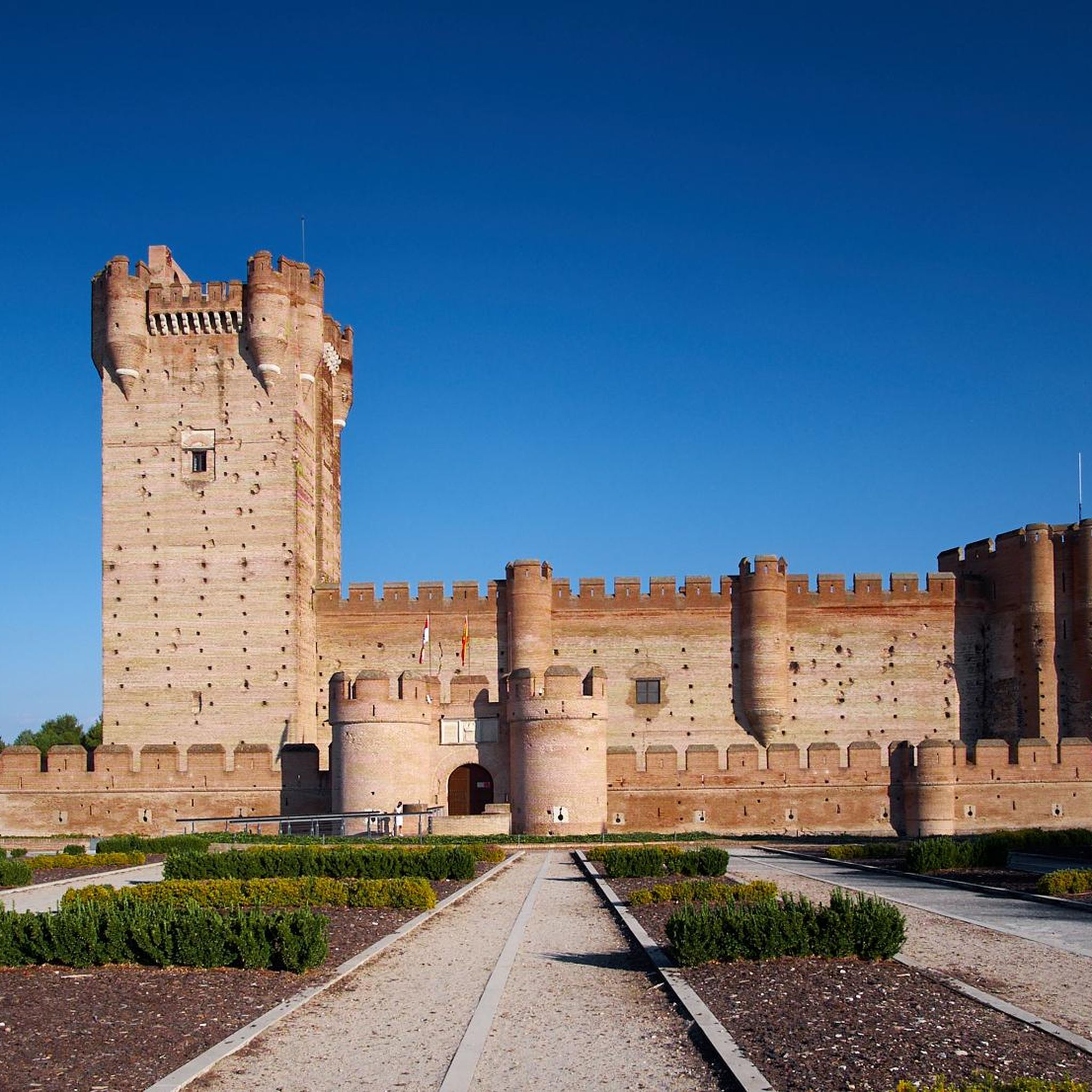
La Mota Castle is an impressive medieval fortress located in Medina del Campo. Built in the 14th and 15th centuries, this castle is located on a hill known as a “mota”, which allows it to dominate the town and its surroundings. The castle is famous for its reddish brick architecture, typical of the region, and has been restored to become an important tourist and educational centre. In addition to its historical value, the castle offers guided tours, underground galleries and cultural activities.
7
0
The Palacio de las Salinas Spa is an idyllic place to relax and enjoy a unique environment. In addition, its strategic location allows you to explore nearby places such as Tordesillas, Olmedo and Rueda. If you are looking for a refuge to take care of yourself and disconnect, this spa is an excellent option.
10
0
Frequently Asked Questions
How many touring cycling routes are available in Medina del Campo?
Medina del Campo offers over 25 touring cycling routes, catering to various skill levels. The komoot community has explored more than 160 of these routes.
What is the typical terrain like for touring cycling around Medina del Campo?
The terrain around Medina del Campo is generally flat, characteristic of the Castilian countryside. Routes often feature a mix of mostly paved roads, protected bike lanes, forest tracks, and backroads connecting old villages. You'll encounter open rural landscapes and pine forests.
Are there any easy touring cycling routes suitable for beginners or families?
Yes, there are several easy routes. For instance, the Castle of La Mota – Collegiate Church of San Antolín loop from Estación de Medina del Campo is an easy 11.2-mile (18.0 km) trail that takes about 1 hour 16 minutes, perfect for a relaxed ride through historical landmarks.
Can I find circular touring cycling routes in the area?
Many of the touring cycling routes in Medina del Campo are circular. Popular options include the Medina del Campo and Moraleja de las Panaderas Loop, which is 19.9 miles, and the Ruta de Carlos V - Medina del Campo Loop, a 22.7-mile path.
What historical landmarks or natural features can I see while cycling?
The region is rich in history and natural beauty. You can cycle past the majestic Castle of La Mota, a 15th-century fortress, or the 16th-century Collegiate Church of San Antolín. The Medieval bridge over the Zapardiel River and the Roman Bridge over the Adaja River are also notable features. The routes often traverse rural landscapes, pine forests, and follow the Zapardiel River.
What is the best time of year for touring cycling in Medina del Campo?
The Castilian countryside experiences open skies, making spring and autumn ideal for touring cycling. The weather is generally pleasant, avoiding the intense heat of summer or the colder, potentially wetter conditions of winter. This allows for comfortable exploration of the flat terrain and historical sites.
Is it easy to find parking near the cycling routes?
Medina del Campo is a well-established town, and parking is generally accessible. Many routes start from or pass through the town, where you can find parking options. For routes starting from the Estación de Medina del Campo, parking facilities are typically available.
Are there cafes or places to stop for refreshments along the routes?
Yes, many routes connect historical towns and villages, providing opportunities to stop for refreshments. Medina del Campo itself has a vibrant Plaza Mayor de la Hispanidad, ideal for a break. Smaller villages along the routes may also offer local cafes or shops.
What do other cyclists say about their experience in Medina del Campo?
The touring cycling routes in Medina del Campo are highly rated by the komoot community, with an average score of 3.3 stars from over 20 reviews. Cyclists often praise the region's accessible routes, the blend of historical sites with natural landscapes, and the generally flat terrain suitable for touring.
Are there any longer or more challenging routes for experienced touring cyclists?
For those seeking longer adventures, a 51.3-mile route through rural Valladolid is available, encompassing historical towns and pine forests. An example of a longer route is the Castle of La Mota – Historic Center of Olmedo loop from Estación de Medina del Campo, which covers 52.7 km (32.7 miles) and is rated moderate.
Can I reach the cycling routes using public transport?
Medina del Campo has a train station (Estación de Medina del Campo), which serves as a starting point for several routes, such as the Castle of La Mota – Collegiate Church of San Antolín loop. This makes it convenient to access the area's cycling network via public transport.
Are there any routes that specifically follow the Zapardiel River?
The Zapardiel River flows through the Medina del Campo area and is a natural element that has shaped its historical development. Many routes incorporate sections along the river, offering scenic views and a connection to the region's natural landscape. While not a dedicated 'river path' for its entire length, the river is a recurring feature on local tours.
Most popular attractions around Medina Del Campo

Get inspired with the komoot mobile app


Explore more
Browse the best Cycling routes in other regions.
