The best cycling routes around La Fueva
4.3
(113)
2,011
riders
20
rides
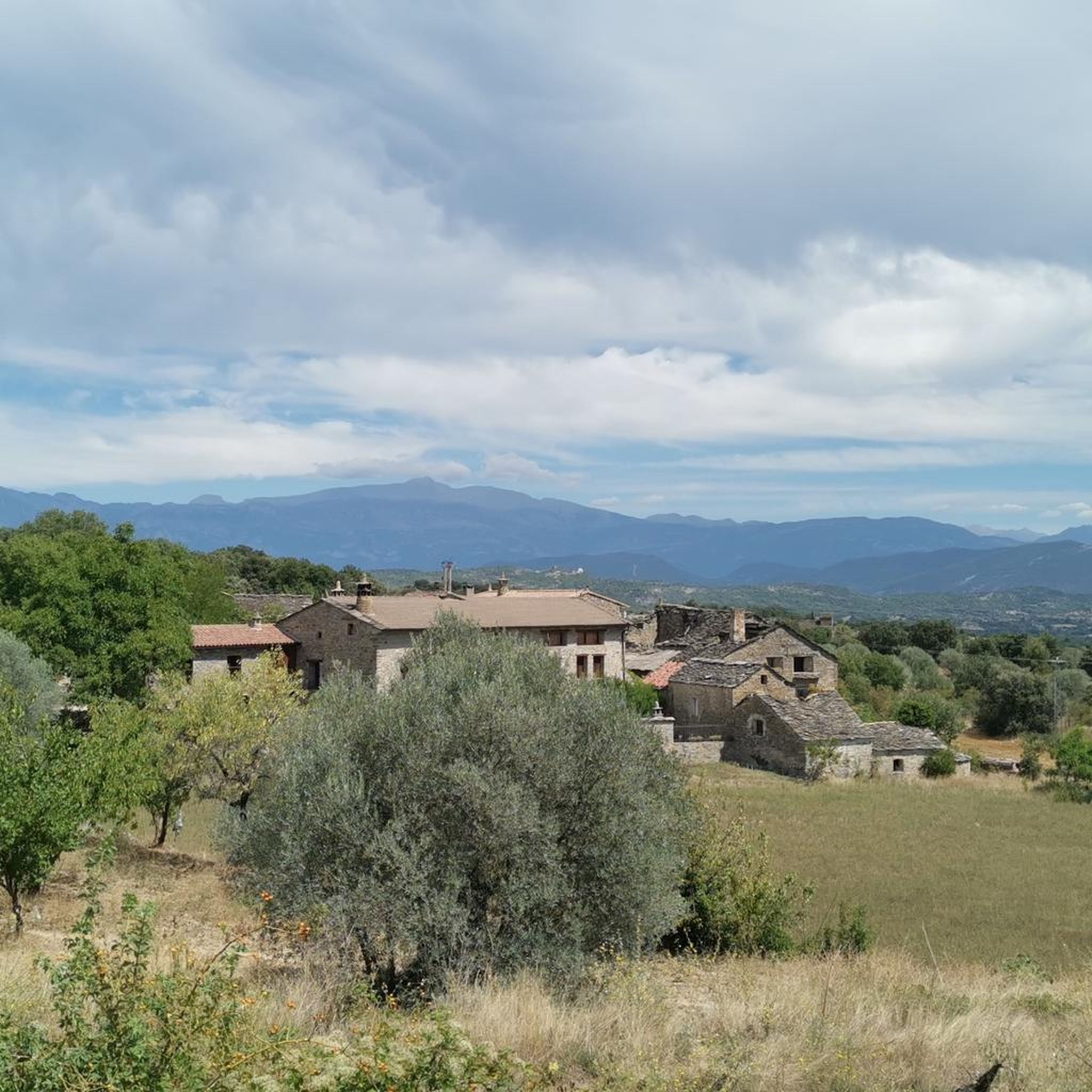
Touring cycling routes around La Fueva are situated in the heart of the Aragonese Pyrenees, characterized by spectacular mountains, valleys, and rivers. This region, a natural basin surrounded by pre-Pyrenean foothills, offers diverse terrain for cyclists. The landscape features a mix of river valleys, such as the River La Nata, and elevated areas providing panoramic views of the Pyrenees. Its unique geographical position contributes to a mild climate, making it accessible for cycling throughout the year.
Best touring cycling routes…
Last updated: October 1, 2026
66
riders
38.6km
04:21
1,460m
1,460m
Hard bike ride. Very good fitness required. Mostly paved surfaces. Suitable for all skill levels.
5.0
(1)
30
riders
52.0km
03:37
930m
930m
Hard bike ride. Very good fitness required. Mostly paved surfaces. Suitable for all skill levels.

4.0
(1)
9
riders
76.9km
05:21
1,440m
1,440m
Hard bike ride. Very good fitness required. Mostly paved surfaces. Suitable for all skill levels.
4.5
(2)
20
riders
20.3km
01:52
500m
500m
Hard bike ride. Very good fitness required. Mostly paved surfaces. Suitable for all skill levels.
4.5
(2)
9
riders
27.6km
02:41
620m
620m
Hard bike ride. Very good fitness required. Mostly paved surfaces. Suitable for all skill levels.
Get access to more routes and recommendations from other explorers.
Already have an account?
Our route recommendations are based on thousands of hikes, rides, and runs completed by other people on komoot.
Start today with a free account
Your next adventure awaits.

Other adventures around La Fueva

Tips from the Community

An iconic location. Privileged views of the Pyrenees, Sobrabe and La Fueva Valley
0
0

4 table-bench combinations and a fountain. The well didn't provide water when I was there, probably because of the ongoing drought Lots of space and a small playground for children. (clearly visible on the satellite view)
0
0

Formigales is a small town belonging to the municipality of La Fueva. It is located in the Campanué mountain range and very close to the Formigales ravine. The town stands out for preserving a large stone mansion, the Palace of the Murs, a turreted house from the 15th century where the Baron de Formigales lived.
0
0
Troncedo is a small Aragonese town belonging to the municipality of La Fueva. It is located on a hill in the Sierra del Turón. In the town, the keep of a medieval castle is preserved, as well as a beautiful Romanesque hermitage on top of a hill. From the village you have fantastic views of the surrounding fields and mountains.
0
0
At this point on the GR 1 you have the opportunity to take a detour to the town of Panillo. Nestled in a beautiful natural environment, the town stands out for housing a Buddhist temple. It is unusual to find a Tibetan-style construction in the middle of the Aragonese mountains and its mere sight transports you to Asia.
0
0

This town on a low altitude plain is one of the few towns of non-defensive origin in La Fueva. One of the theories of the origin of its name is that these were the lands of someone named "Antonius" or "Antoninus".
2
0

The Aínsa bridge that connects the two parts of the city and that are crossed by the Cinca river, is a space from where you can see Peña Montañesa to the west, and a little further to the east, the summit from Tuca Both are part of the Ferrera mountain range.
0
0

Troncedo is a small town and mountain pass that is located at 1,009 meters above sea level in the southeastern end of La Fueva, on top of a hill on the slope of the Sierra del Turón from Graus to the Fuevan hollow, but which is currently along the HU-V-6441 road. The most defining characteristic of Troncedo is its castle, of which only the homage tower remains, which is larger than those of other main castles in Sobrarbe (the castle of Aínsa or the castle of Boltaña), which makes one think in the proportions that it could have in its time of use. Due to the importance of the castle of Troncedo, the antiquity of the place is known, since documents have been found since the reign of Sancho el Mayor (first half of the 11th century) that already testify to the importance of defending the county of Troncedo, Sobrarbe as well as the nearby town of Graus, which was still Moorish. In 1797 Troncedo had 150 inhabitants; currently has about thirty inhabitants. The road from Graus is in very good condition for road cycling, little traffic, good asphalt and steep climbs. On the other hand, on the Trillo side the road can be defined as a paved forest track and has steeper slopes and very tight curves.
0
0
Frequently Asked Questions
How many touring cycling routes are available in La Fueva?
La Fueva offers a diverse selection of 15 touring cycling routes, catering to various skill levels. While there are no easy routes, you'll find 4 moderate and 11 difficult options to explore the stunning Aragonese Pyrenees.
What is the best time of year to go touring cycling in La Fueva?
Thanks to its unique geographical position as a natural basin surrounded by pre-Pyrenean foothills, La Fueva enjoys a mild and temperate climate throughout the year. This makes it accessible for touring cycling in any season, allowing you to plan your trip flexibly.
Are there any family-friendly touring cycling routes in La Fueva?
While the listed touring cycling routes in La Fueva are generally rated as moderate to difficult, the region's varied terrain includes gentle routes in the valleys. For families, it's advisable to look for shorter, flatter sections within the valley areas or consider routes with less elevation gain, keeping in mind the overall difficulty ratings.
What historical sites can I visit while cycling in La Fueva?
La Fueva is rich in history. You can incorporate cultural exploration into your rides by visiting sites such as the walled enclosure of Muro de Roda, a 12th-century site with the Romanesque church of Santa María, or the remains of a defensive tower and Romanesque architecture at Samitier Castle. The nearby medieval village of Aínsa is also a significant point of interest.
Are there any circular touring cycling routes in La Fueva?
Yes, many of the touring cycling routes in La Fueva are designed as loops. For example, you can enjoy the challenging Camino de los Palacios loop from Mediano, which offers views of the Mediano Reservoir, or the Muro de Roda – Tierrantona loop from Aluján, which traverses varied terrain and historic sites.
What are some scenic viewpoints or natural attractions along the cycling routes?
La Fueva offers stunning natural beauty. From locations like Muro de Roda, you can enjoy magnificent panoramic views of the La Fueva valley, the Cinca valley, and the Pyrenees. The iconic submerged church of Mediano, visible when water levels are low, and the surrounding reservoir also offer unique sights. You might also encounter natural highlights like the Bearded Vulture Observatory or the Picón d'O Libro (Summit of Peña Montañesa).
What do other touring cyclists say about the routes in La Fueva?
The touring cycling routes in La Fueva are highly regarded by the komoot community, holding an average rating of 4.3 stars from over 50 reviews. Cyclists often praise the diverse terrain, the stunning Pyrenean landscapes, and the opportunity to explore both river valleys and challenging mountain ascensions.
Are there options for advanced touring cyclists looking for a challenge?
Absolutely. La Fueva is well-suited for advanced touring cyclists, with 11 out of 15 routes classified as 'difficult'. These routes often feature significant elevation gains and longer distances, such as the Tierrantona – Plaza Mayor de Graus loop from Aluján, which covers over 80 km with substantial climbing.
Where can I find parking for my touring bike in La Fueva?
While specific parking facilities for cyclists are not detailed, La Fueva's 25 inhabited villages, including the municipal seat Tierrantona, offer various starting points for routes. It is generally advisable to look for parking in these villages or near popular trailheads, ensuring you respect local regulations.
Can I find cafes or accommodation along the touring cycling routes?
Cycling through the picturesque villages of La Fueva allows you to experience authentic rural life. Many of these villages, including Tierrantona, offer opportunities to find local cafes, pubs, or accommodation. The nearby medieval village of Aínsa, just 11 km away, is also a significant hub for services and amenities accessible by bike.
Are there any specific regulations for dog-friendly cycling trails in La Fueva?
The region of La Fueva, being part of the Aragonese Pyrenees and close to major natural parks, generally welcomes dogs on trails. However, it's always recommended to keep dogs on a leash, especially in protected areas or near livestock, and to check specific park regulations if your route enters a national or natural park boundary.
What kind of terrain can I expect on the touring cycling routes in La Fueva?
The terrain in La Fueva is incredibly varied, ranging from gentle routes in the valleys, such as those along the River La Nata, to challenging ascensions in the pre-Pyrenean foothills and mountains. You'll encounter a mix of paved roads and potentially some gravel sections, offering diverse experiences for touring cyclists.
Most popular attractions around La Fueva

Get inspired with the komoot mobile app


Explore more
Browse the best Cycling routes in other regions.
