Attractions and Places To See around Castillo De Bayuela - Top 20
Best attractions and places to see around Castillo De Bayuela include a blend of historical sites, cultural insights, and natural landscapes. Located in the Sierra de San Vicente, this town in Toledo offers a unique rural charm with its traditional architecture and sloping streets. Its history spans from the Paleolithic era through Roman and Muslim periods, leaving a rich legacy. The region provides opportunities for exploring ancient ruins, enjoying panoramic views, and engaging in outdoor activities.
Best attractions and places to see around Castillo De Bayuela
- The most popular attractions is El Piélago Pass, a mountain pass that is one of the most demanding and emblematic passes in the entire province of Toledo. It is a favorite among cyclists in the Sierra de San Vicente, offering beautiful views over El Real de San Vicente.
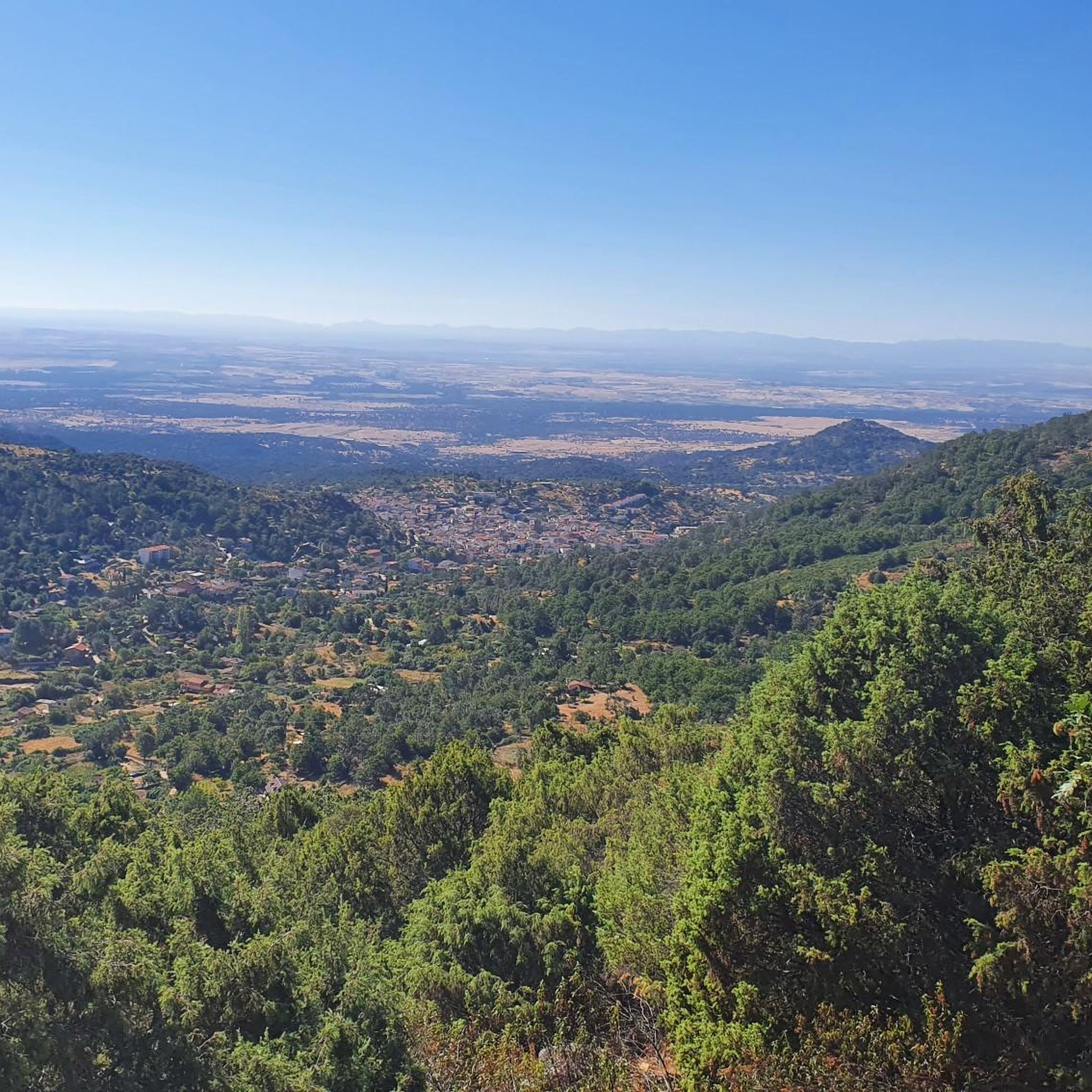
- Another must-see spot is San Vicente Hill (1320m), a summit located at 1,320 meters above sea level. The top offers wonderful views of this area of Toledo, including the Sierra de Gredos park and Alto Tiétar.
- Visitors also love Cordel de Merinas bike path, an ancient livestock route. This path was historically used for the transit of merino sheep and now features a bike lane that connects with Talavera de la Reina.
- Castillo De Bayuela is known for its historical sites, natural features, and outdoor activities like hiking and cycling. Visitors can explore ancient ruins, enjoy panoramic views, and discover unique natural environments.
- The attractions around Castillo De Bayuela are appreciated by the komoot community, with 8 upvotes and 15 photos shared by visitors.
Last updated: August 12, 2026
San Vicente Hill (1320m)
Highlight • Summit
Translated by Google •
Tip by

Main Square of Pelahustán
Highlight • Settlement
Translated by Google •
Tip by

Sign up now to discover places like this
Get recommendations on the best single tracks, peaks, & plenty of other exciting outdoor places.
Sign up for free
El Piélago Pass
Highlight (Segment) • Mountain Pass
Translated by Google •
Tip by
Cordel de Merinas bike path
Highlight • Cycleway
Translated by Google •
Tip by

Cazalegas Reservoir
Highlight • Lake
Translated by Google •
Tip by
Sign up for free to discover even more attractions around Castillo De Bayuela.
Sign up for free
Already have an account?
Start today with a free account
Your next adventure awaits.
Login or Signup

Tips from the Community

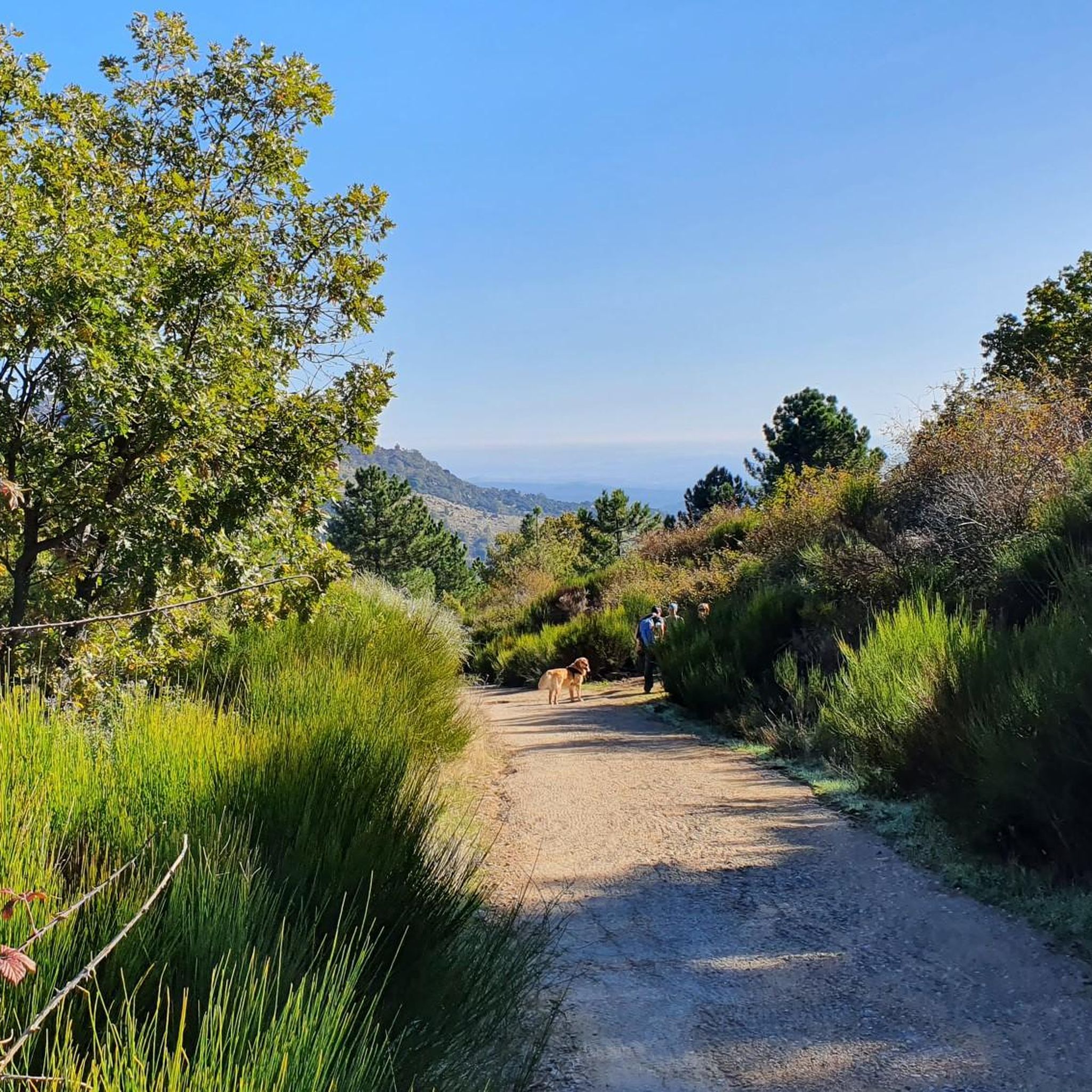
The place name Pelahustán seems to derive from the activity related to looms and the sale of linen that the population had in the past. In documents from the 18th century, it appears as Pelafustan. According to the dictionary of the Royal Spanish Academy, the concept of pelafustán is equated with that of pelagatos, which in turn means “insignificant or mediocre person, without social or economic position.” The town also had several water mills worked by Salamancan teleworkers. Pelahustán is located at an altitude of 673 meters above sea level and borders the terms of Higuera de las Dueñas in the province of Ávila, Nombela, Nuño Gómez, Garciotum and El Real de San Vicente in the province of Toledo, and Ceniientos in the Community of Madrid 😊
2
0

The Cazalegas reservoir collects the waters of the Alberche river and creates a beautiful picture with the imposing Sierra de Gredos, to the north.
0
1

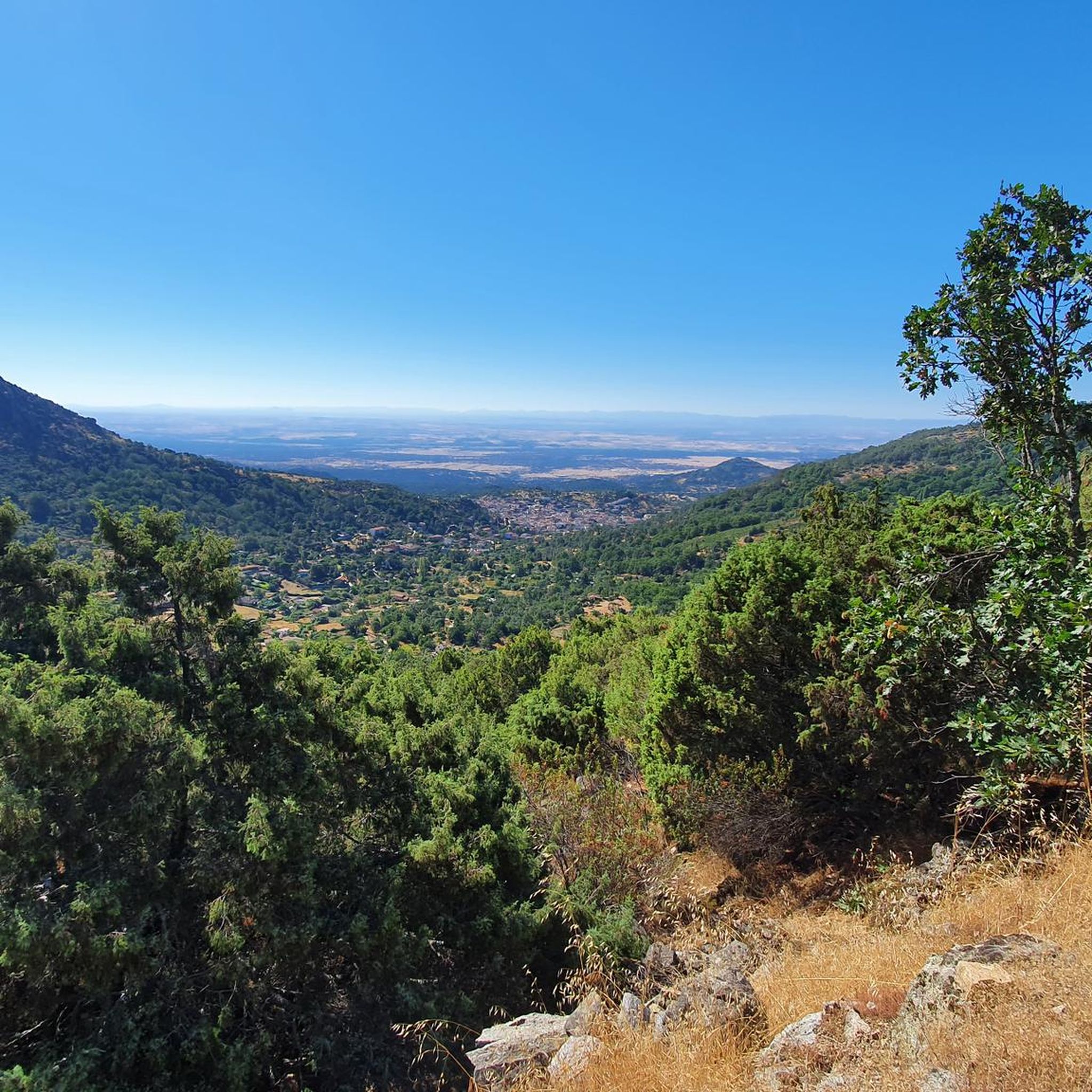
Port with beautiful views over El Real de San Vicente.
1
0

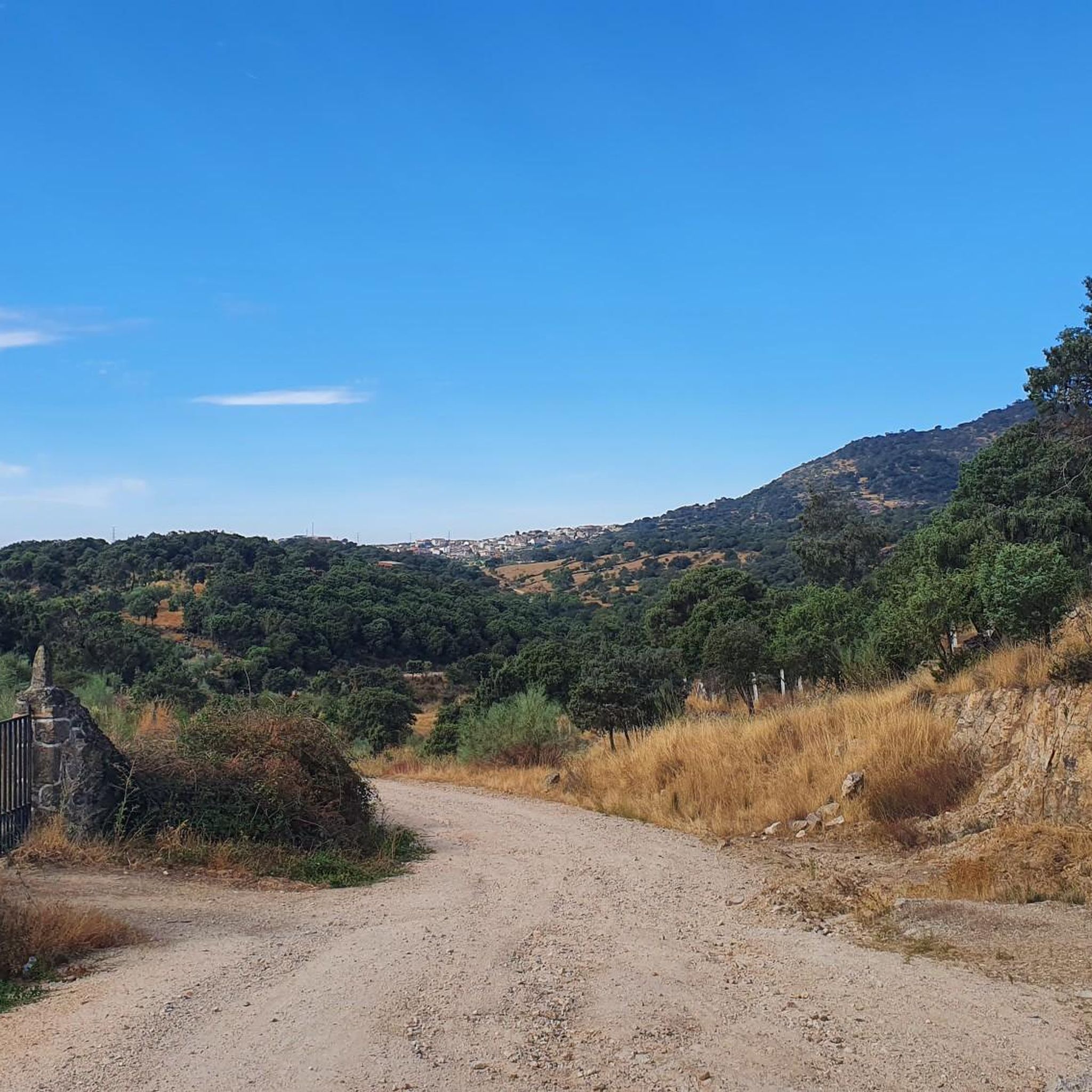
old chapel ruins, from there a view of the castle ruins and an imposing view
1
0


One of the most demanding and emblematic passes in the entire province of Toledo and, without a doubt, a favorite among cyclists in the Sierra de San Vicente, since it can be combined with routes in multiple directions.
1
0
Pelahustán is one of those places whose name has several possible origins, and each of the theories tells a part of the history of the town. The most accepted relates the name to the fustan fabric that was produced here, either with linen or with a mixture of silk and cotton. This cloth was coarse and rough and was used by hunters as protection, and the expression "pelar el fustán" existed as a synonym for hunting, but there was also a theory that the town was called Pelafustán with a derogatory character, like where the pelafustanes live ( rascals). On the other hand, a simpler theory is that there was a settler of these lands called Pela Hustán. Nothing to see.
2
0

Located at 1,320 meters above sea level, the top of Cerro San Vicente offers wonderful views of this area of Toledo and you can even see the Sierra de Gredos park and Alto Tiétar.
3
0
Frequently Asked Questions
What historical landmarks can I explore in Castillo de Bayuela?
Castillo de Bayuela is rich in history. You can visit the Cerro del Castillo, which preserves remains of an ancient medieval wall and a defensive tower. The Torre Castilla, located on the Cerro del Castillo, is a religious edifice built on a former Muslim watchtower. Don't miss the Iglesia de San Andrés Apóstol, known for its Gothic-Renaissance elements and impressive Talavera pottery, or the Rollo de la Justicia, a significant late Gothic-Plateresque monument in the Plaza de la Constitución.
Where can I learn about the region's history and culture?
For a comprehensive understanding of the area's historical, cultural, and natural evolution, visit the Centro de Interpretación de la Sierra de San Vicente. It features exhibits on flora, fauna, geology, and archaeological finds from the Paleolithic to the Middle Ages.
Are there any ancient archaeological sites to visit?
Yes, the Cerro del Castillo holds archaeological structures from early settlements. Additionally, the Verracos Vetones, three zoomorphic sculptures from the Vettonian culture over two millennia ago, are located in the Plaza de San Antonio and offer a glimpse into the region's ancient past.
What natural attractions are there to see around Castillo de Bayuela?
Castillo de Bayuela is nestled within the Sierra de San Vicente, offering fresh forests and streams. You can also explore the Molinos Maquileros and Puente de los Molinos, ancient flour mills and a bridge set in beautiful natural surroundings.
Are there opportunities for hiking or cycling near Castillo de Bayuela?
Absolutely! The Sierra de San Vicente is perfect for hiking. You can find various trails, including the moderate Cabeza del Oso and Pelados Trail or the easy Cerro del Castillo Loop. For cyclists, the Cordel de Merinas bike path is an ancient livestock route now converted into a bike lane. You can also find numerous road cycling routes and gravel biking routes in the area.
Where can I find panoramic views of the area?
For spectacular panoramic views of mountains and valleys, head to the Cerro del Castillo. Another excellent spot is San Vicente Hill (1320m), which offers wonderful views of Toledo, including the Sierra de Gredos park and Alto Tiétar. The El Piélago Pass also provides beautiful vistas over El Real de San Vicente.
Are there family-friendly activities or attractions in Castillo de Bayuela?
Yes, the Cordel de Merinas bike path is a family-friendly option for cycling. The Dehesa Landscape offers pleasant walks amidst nature, suitable for families. Exploring the charming streets and plazas of Castillo de Bayuela itself is also a delightful family activity.
What kind of landscapes can I expect to see in the area?
The landscape around Castillo de Bayuela is characterized by the Sierra de San Vicente, featuring fresh forests, streams winding through granite rocks, and rich biodiversity. You'll also encounter picturesque rural charm with sloping streets, traditional architecture, and open meadows like the Dehesa Landscape, dotted with large holm oaks.
Can I find easy walking trails suitable for all abilities?
Yes, there are easy walking trails available. For instance, the Cerro del Castillo Loop is an easy hiking route. Many of the natural areas, like the paths leading to the Molinos Maquileros and Puente de los Molinos, also offer pleasant and accessible walks.
What is the best time of year to visit Castillo de Bayuela?
The region's natural beauty, especially the forests and streams, can be enjoyed throughout the year. Spring and autumn generally offer pleasant temperatures for outdoor activities like hiking and cycling. The green landscapes of the Dehesa Landscape are particularly enchanting when the grass is green.
Are there any unique cultural symbols or traditions in Castillo de Bayuela?
Yes, the Rollo de la Justicia, a late Gothic-Plateresque monument, symbolizes the town's historical privilege of self-governance. The Verracos Vetones, ancient zoomorphic sculptures, also represent a unique cultural legacy from the Vettonian people who inhabited the area over two millennia ago.
Most popular routes around Castillo De Bayuela

Get inspired with the komoot mobile app


Explore more
Still not found the Highlight you’re looking for? See guides of the top attractions in other regions:
