Attractions and Places To See around El Castillo De Las Guardas - Top 20
Best attractions and places to see around El Castillo De Las Guardas include a diverse range of natural and historical sites within the province of Seville, Spain. The region is characterized by its extensive pastures, dehesas, and a landscape shaped by a rich mining history. Visitors can explore ancient ruins, unique river systems, and areas of significant cultural heritage. This area offers a blend of historical landmarks and natural features for exploration.
Best attractions and places to see around El Castillo De Las Guardas
- The most popular attractions is Touristic Railway for Rio Tinto Mines, a man-made monument that allows visitors to explore the historical mining landscape. It offers views of the Tinto River and abandoned mining villages, with steam locomotive tours available in colder months.
- Another must-see spot is Source of the Río Tinto, a river that is notable for its distinct reddish color. Its waters are colored by heavy metal sulfides from historical mining, and the site is studied for its geological value.
- Visitors also love La Minilla Reservoir, a lake located in the province of Seville. This reservoir, part of the Guadalquivir Hydrographic Confederation, was constructed starting in 1942.
- El Castillo De Las Guardas is known for its historical mining sites, unique natural rivers, and reservoirs. The area provides a variety of attractions to see and explore, from industrial heritage to natural landscapes.
- The attractions around El Castillo De Las Guardas are appreciated by the komoot community, with 14 upvotes and 5 photos shared across the highlights.
Last updated: July 26, 2026
Source of the Río Tinto
Highlight • River
Showing Translation
Tip by

Peña del Hierro
Highlight • Natural Monument
Showing Translation
Tip by
Sign up now to discover places like this
Get recommendations on the best single tracks, peaks, & plenty of other exciting outdoor places.
Sign up for free
Touristic Railway for Rio Tinto Mines
Highlight • Monument
Translated by Google •
Tip by

Path Between Stone Walls
Highlight • Trail
Translated by Google •
Tip by

Public Path to Las Cañadillas
Highlight • Trail
Translated by Google •
Tip by
Sign up for free to discover even more attractions around El Castillo De Las Guardas.
Sign up for free
Already have an account?
Start today with a free account
Your next adventure awaits.
Login or Signup
Tips from the Community

The Peña del Hierro Viewpoint, located in Nerva (Huelva), is part of the Riotinto Mining Park and offers one of the most impressive views of the source of the Tinto River, as well as the mining crater of the old pyrite mine.
1
0
The source of the Tinto River is located in the municipality of Nerva, in the province of Huelva, Andalusia, and is one of the most unique landscapes in Europe due to its reddish color and its scientific and geological value.
1
0

A circular route of approx. 3 kilometers leads around the Montera de Gossan natural monument. Don't miss it because of the beautiful views.
0
0

Impressive images from the river.
2
0

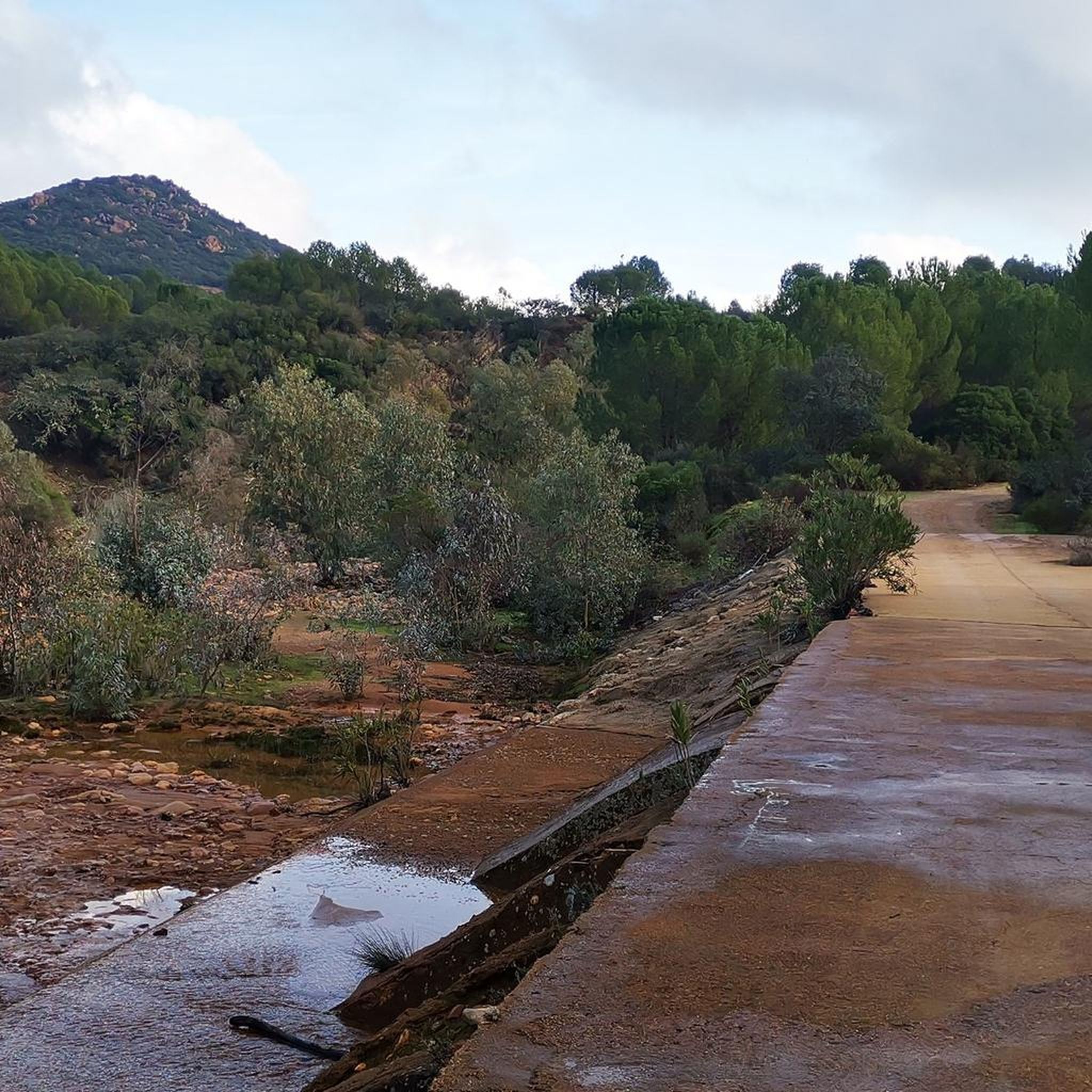
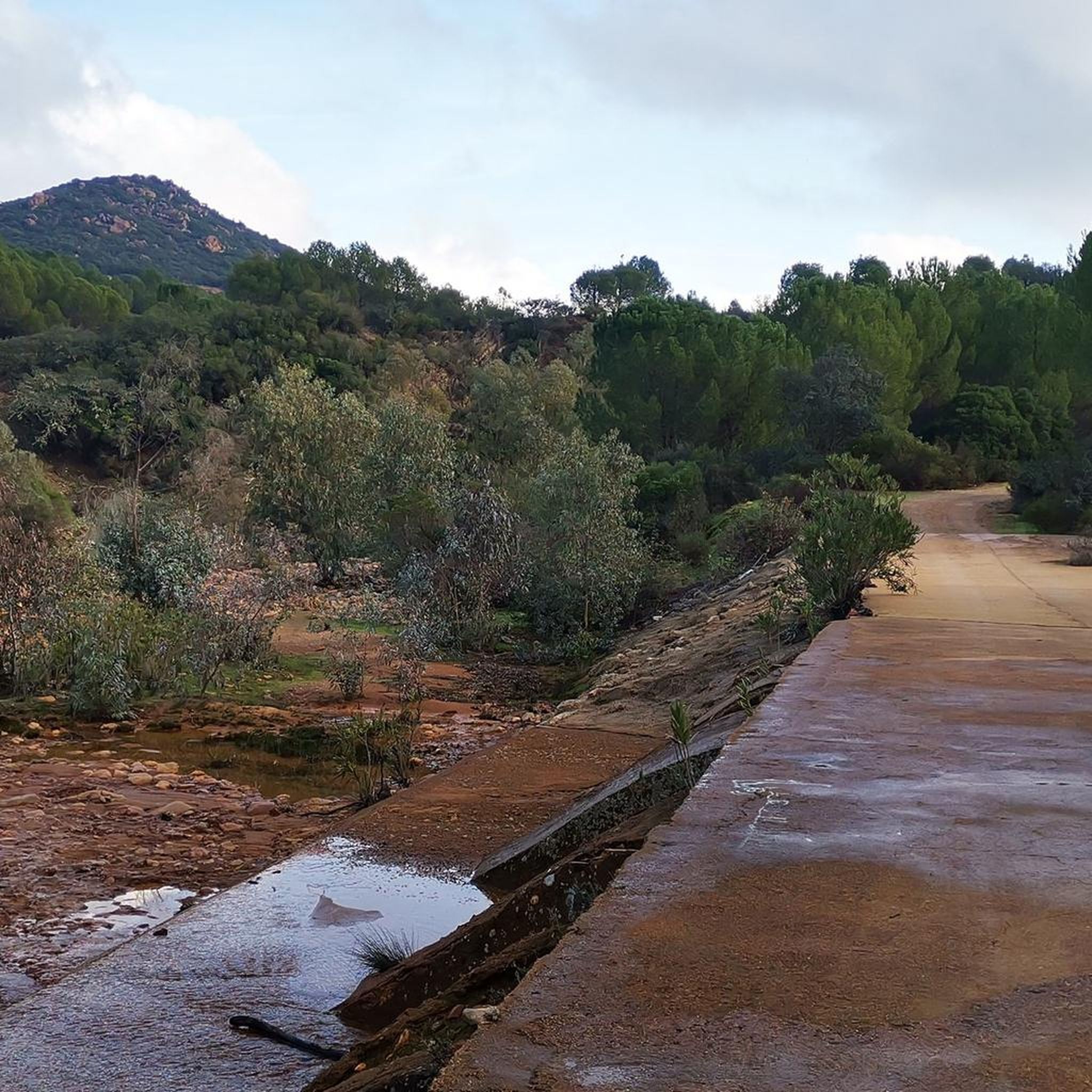
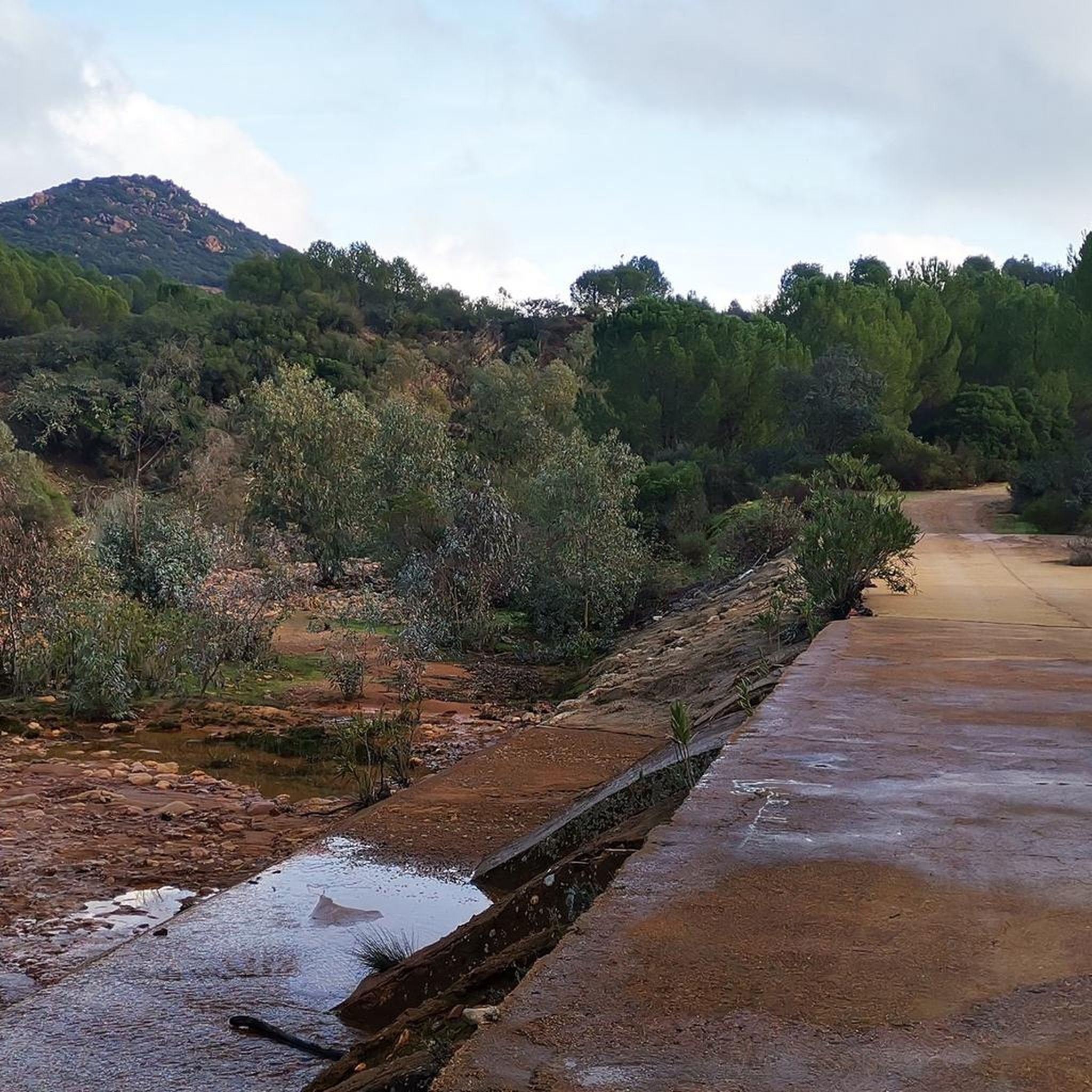
Public road that goes in the direction of the small town located to the north of the Sierra de Bermeja and called Las Cañadillas. The path is between private properties and where, at times, you will have to close the doors that open as you pass.
1
0
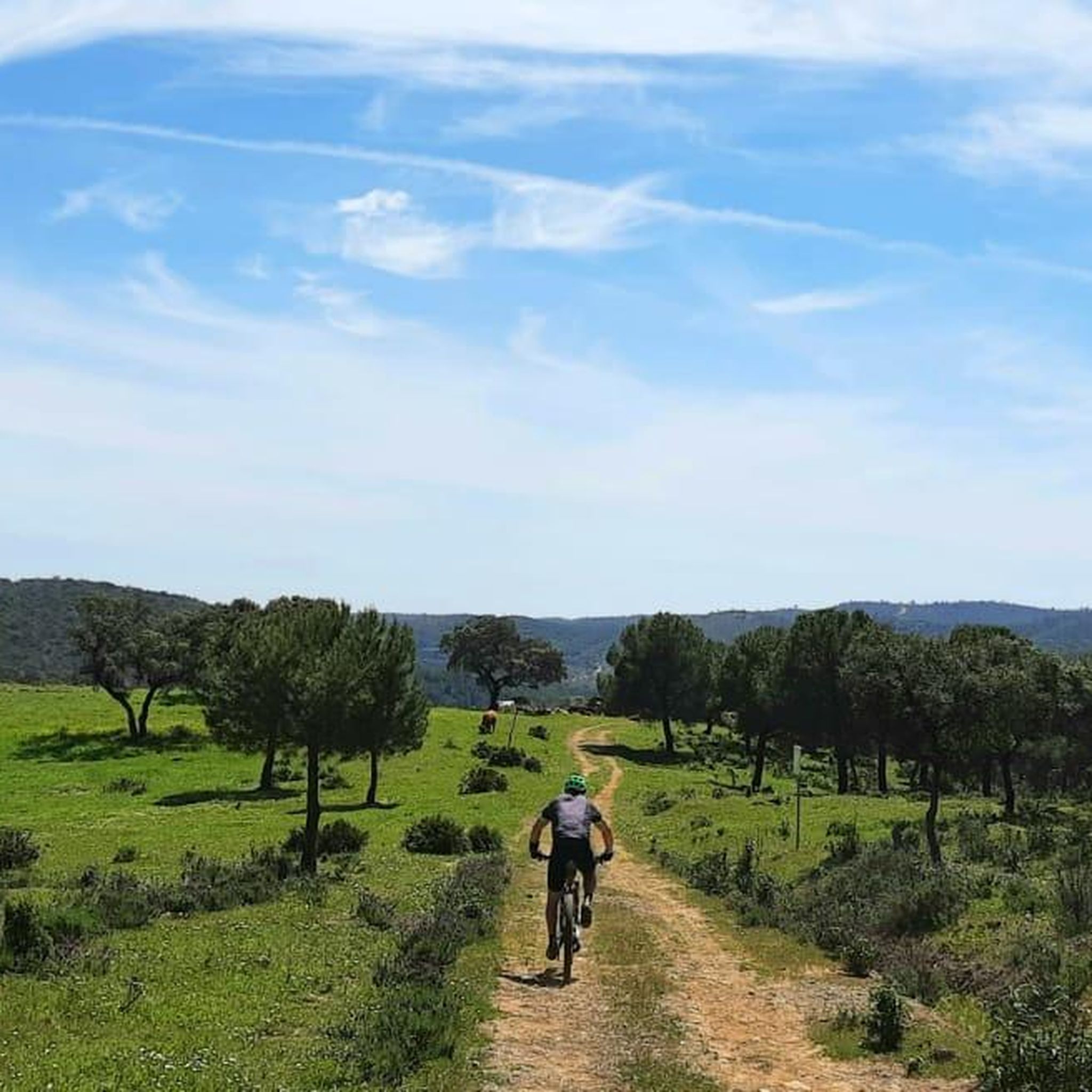
Rural path that runs through the forests of the Sierra de Bermeja, among local species such as mainly oaks, located between dry stone walls.
1
0
The station belongs to the Rio Tinto railway and throughout its history it was used as a siding for the crossing of the mining trains that circulated between Rio Tinto and Huelva, with the aim of regulating traffic in this area. It is currently used as a stop for the tourist train that runs along the Talleres Mina-Los Frailes section.
1
0

One of the most visited elements of the Riotinto Mining Park. Along the way you can see the transformation of the landscape for mining, an activity that goes back centuries. You can also see the abandoned mining villages and at the end of the tour there is a stop next to the Tinto river, in a spectacular landscape. Train tours using a steam locomotive are offered during the colder months.
1
1
Frequently Asked Questions
What natural features can I explore around El Castillo De Las Guardas?
The region offers diverse natural landscapes, including the unique Source of the Río Tinto, known for its distinct reddish color due to historical mining. You can also visit La Minilla Reservoir, a significant lake in the province of Seville. The area is characterized by extensive pastures, dehesas, and the picturesque banks of the River Guadiamar.
Are there historical sites to visit in El Castillo De Las Guardas?
Yes, the town itself is named after its ancient castle, and you can explore the remains of "El Torreón," a strategic lookout point on the Vía de la Plata. Other historical sites include the San Juan Bautista Church, built over an Arab cemetery, and the Abrevadero Fountain. The region also boasts a rich mining history, evident in sites like Peña del Hierro.
What family-friendly activities are available in the area?
The most renowned family attraction is the El Castillo de las Guardas Nature Reserve, one of Europe's most spectacular wildlife parks. It features over 100 species in semi-open enclosures, a falconry show, a Kangaroo Garden, and multi-adventure activities. Another great option is the Touristic Railway for Rio Tinto Mines, which offers steam locomotive tours in colder months and allows families to explore the historical mining landscape.
Can I go hiking or cycling near El Castillo De Las Guardas?
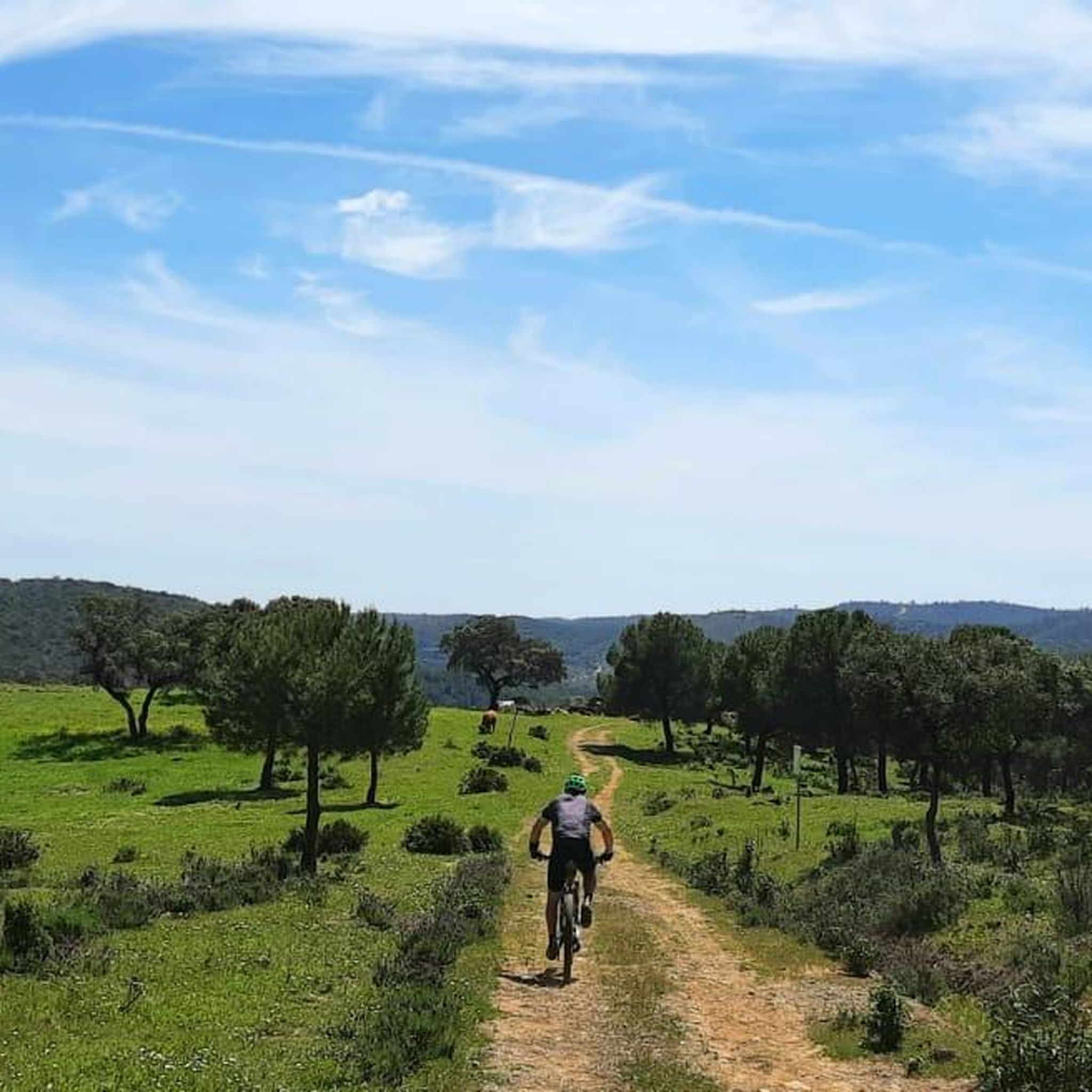
Absolutely. The natural setting provides numerous trails for both hiking and mountain biking. You can discover diverse landscapes of pine trees, holm oaks, and cork oaks. For specific routes, explore the hiking trails around El Castillo De Las Guardas or the cycling routes in the area. A notable trail is the Path Between Stone Walls.
What makes the Río Tinto unique?
The Río Tinto is famous for its distinct reddish color, which comes from the weathering of minerals with a high content of heavy metal sulfides from historical mining activities. Its source, the Source of the Río Tinto, is a site of scientific study, even in collaboration with NASA, due to its geological value and possible analogy with the planet Mars.
Are there any ancient ruins or archaeological sites?
Yes, the area has been populated since the Stone Age. You can find evidence of ancient cultures in the form of dolmens and tombs, such as the "Sepultura del Moro" (also known as Lapa del Moro), a megalithic burial site. Other dolmens have been discovered in the Cerro de San Antonio Abad, highlighting the region's long history, particularly its connection to mining from Tartessian, Phoenician, and Roman eras.
Where can I experience the region's mining heritage?
The region's mining heritage is deeply embedded in its landscape. You can visit the Touristic Railway for Rio Tinto Mines to see abandoned mining villages and the transformed landscape. The Peña del Hierro, an important disused iron mine, also offers impressive views of the mining crater. The unique reddish-colored Agrio River is another testament to the historical mining activities.
Are there opportunities to see local wildlife or traditional farming?
Beyond the El Castillo de las Guardas Nature Reserve, the extensive pastures and dehesas of the region are home to fighting bulls from significant Spanish stockbreeding farms. Guided tours of these farms are often available, offering a unique cultural experience and a glimpse into traditional farming practices.
What kind of landscapes can I expect to see while exploring?
You can expect a varied landscape featuring vast pastures, dehesas with holm oaks and cork oaks, and areas with pine trees and aromatic plants. The region is also marked by its mining history, with unique reddish rivers and transformed terrains. Panoramic views of these diverse landscapes can be enjoyed from viewpoints like the Cerro del Castillo.
What is the best time of year to visit El Castillo De Las Guardas attractions?
While specific seasonal data isn't provided, the region's outdoor attractions, such as hiking and cycling trails, are generally best enjoyed during spring and autumn when temperatures are milder. The wildlife park and historical sites are accessible year-round, but the cooler months might offer a more comfortable experience for exploring the mining railway with steam locomotive tours.
Are there any viewpoints offering panoramic views?
Yes, the Cerro del Castillo Viewpoint, located near the remains of the old castle, provides breathtaking panoramic views of the surrounding pastures and the Guadiamar River. Additionally, the Peña del Hierro viewpoint offers impressive vistas of the mining landscape and the source of the Tinto River.
Can I find dog-friendly activities or trails?
While specific dog-friendly policies for all attractions are not detailed, many natural trails and outdoor areas in the region, such as those for hiking and walking through pastures and forests, are generally suitable for dogs, provided they are kept under control. Always check local regulations for specific sites or nature reserves before visiting with your pet.
Most popular routes around El Castillo De Las Guardas
Most popular attractions around El Castillo De Las Guardas

Get inspired with the komoot mobile app


Explore more
Still not found the Highlight you’re looking for? See guides of the top attractions in other regions:
