Attractions and Places To See around Castilleja Del Campo - Top 11
Best attractions and places to see around Castilleja Del Campo include a blend of historical landmarks, cultural insights, and natural beauty within the Aljarafe region of Seville. The town's origins trace back to the Roman Empire, with archaeological findings supporting its long history. Situated west of the Guadiamar River, the area features olive groves and scenic viewpoints. Visitors can explore a variety of sites that highlight both the region's past and its natural landscape.
Best attractions and places to see…
Last updated: October 5, 2026
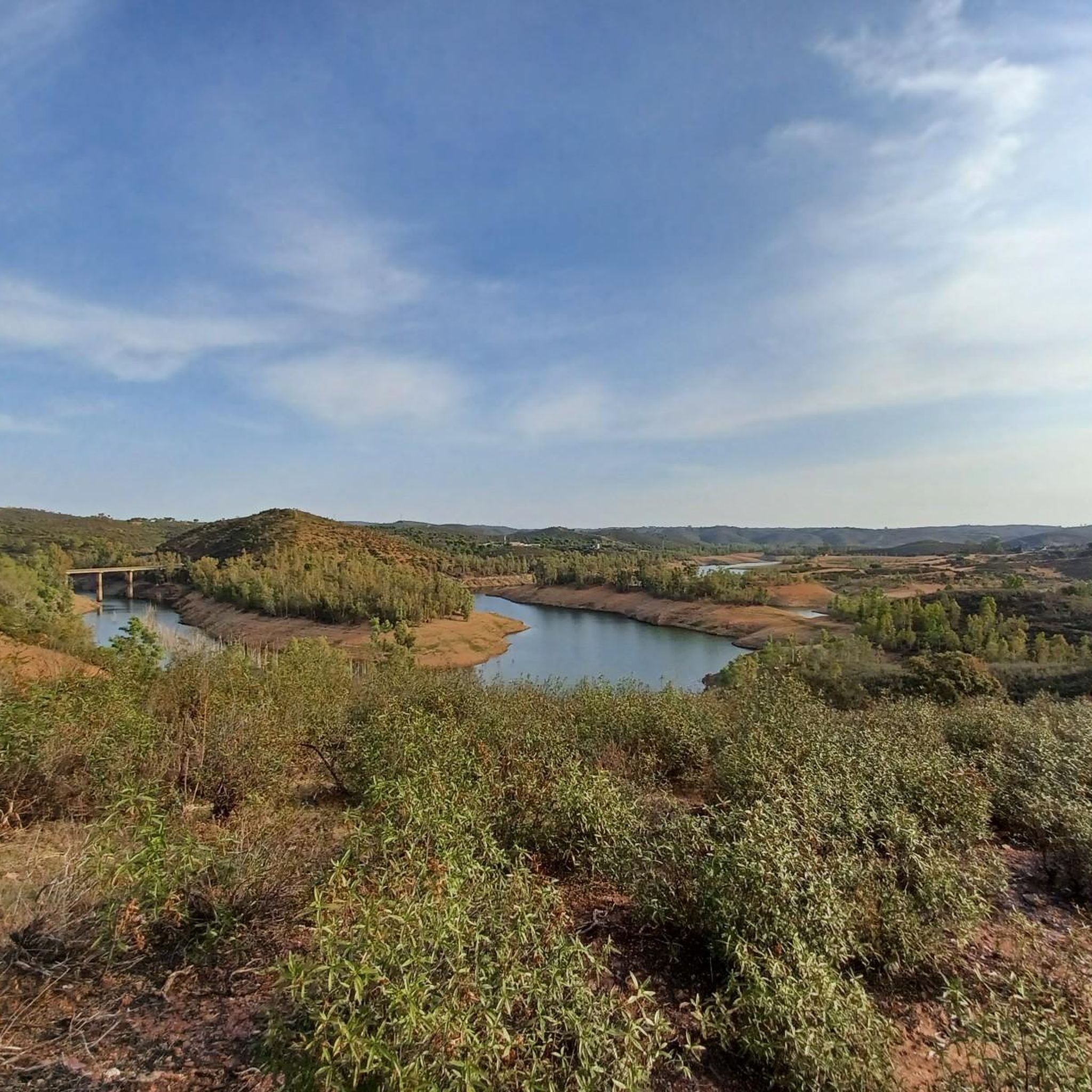
Guadiamar Viewpoint
Highlight • Viewpoint
Translated by Google •
Tip by

Dehesa of the Guadiamar
Highlight • Trail
Translated by Google •
Tip by

Sign up now to discover places like this
Get recommendations on the best single tracks, peaks, & plenty of other exciting outdoor places.
Laguna de las Doblas
Highlight • Lake
Translated by Google •
Tip by
The Osbourne Ox
Highlight • Monument
Tip by

Church of Our Lady of the Purification
Highlight • Religious Site
Translated by Google •
Tip by

Sign up for free to discover even more attractions around Castilleja Del Campo.
Already have an account?
Start today with a free account
Your next adventure awaits.

Tips from the Community

The Parish Church of Santa María de la Purificación, due to its volumetric force and its location in an elevated part of the town, becomes the most representative architectural landmark. Despite being initially located away from the urban center, it is a remarkable example of a Sevillian church, in which the Mudejar and Baroque styles converge, following a very characteristic approach to 18th-century construction practice in the area. Built according to Mudejar principles in its original construction, which appears to date from the 15th century, it would later be practically rebuilt after the damage caused by the 1755 earthquake, conforming to the Baroque guidelines prevailing in the second half of the 17th century. A reconstruction in which Pedro de Silva, Antonio Matías de Figueroa, and José Álvarez participated. Among them, Antonio Matías de Figueroa stands out for the significance of his intervention in the complex. His work on the Manzanilla church can therefore be considered one of the last examples of this family's distinctive style—the so-called triumphal baroque—and one of the first signs of the change of direction demanded by the changing times, in their preference for the primacy of Rococo lines over Baroque masses. The appearance of neoclassical elements (the Gospel nave portal), derived from the presence of José Alvarez (1782–1783) as director of the works, also speaks to the formal evolution of the style toward the last quarter of the century. Finally, the tower (1760-1779) stands out, attributed to Lucas Cintora and Francisco Díaz Pinto, and one of the most beautiful examples in the province. It perfectly fits one of the two characteristic typologies of 18th-century Andalusia, originating from the Giralda in Seville. It forms part of a unique group of towers in Huelva, along with that of the Temple of San Pedro in Huelva and that of the Church of San Juan Bautista (La Palma del Condado), all of which follow a very similar model. This building represents another example of the intense religious construction activity that characterized 18th-century Huelva architecture, motivated by a fortunate combination of economic, demographic, and natural circumstances (earthquakes), and which has come to be known as its Golden Age.
0
0
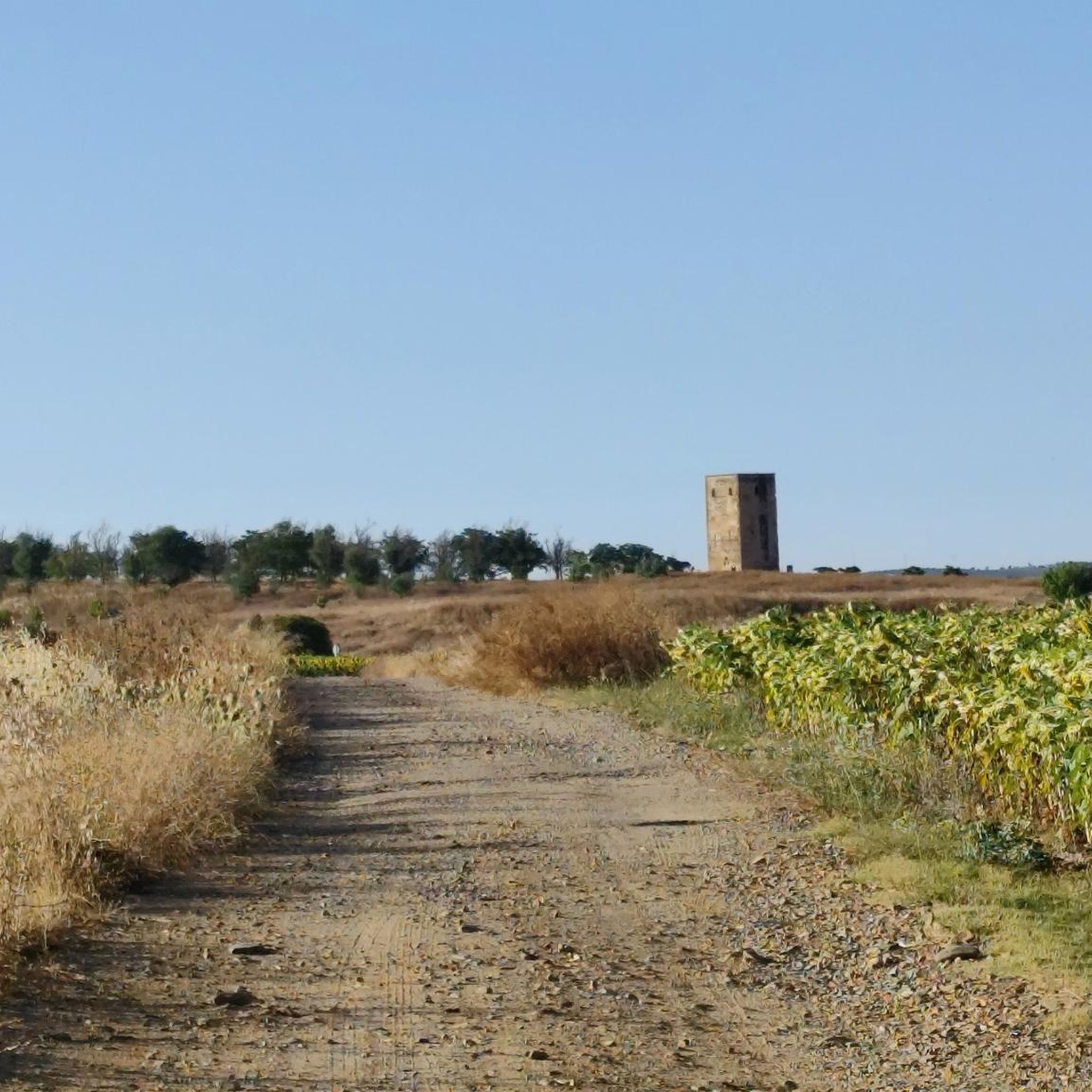
Iconic silhouette along the old Camino de Sevilla, the brand icon of excellent liquor is so large, that it is still easily noticeable from the newer paved highway.
0
0

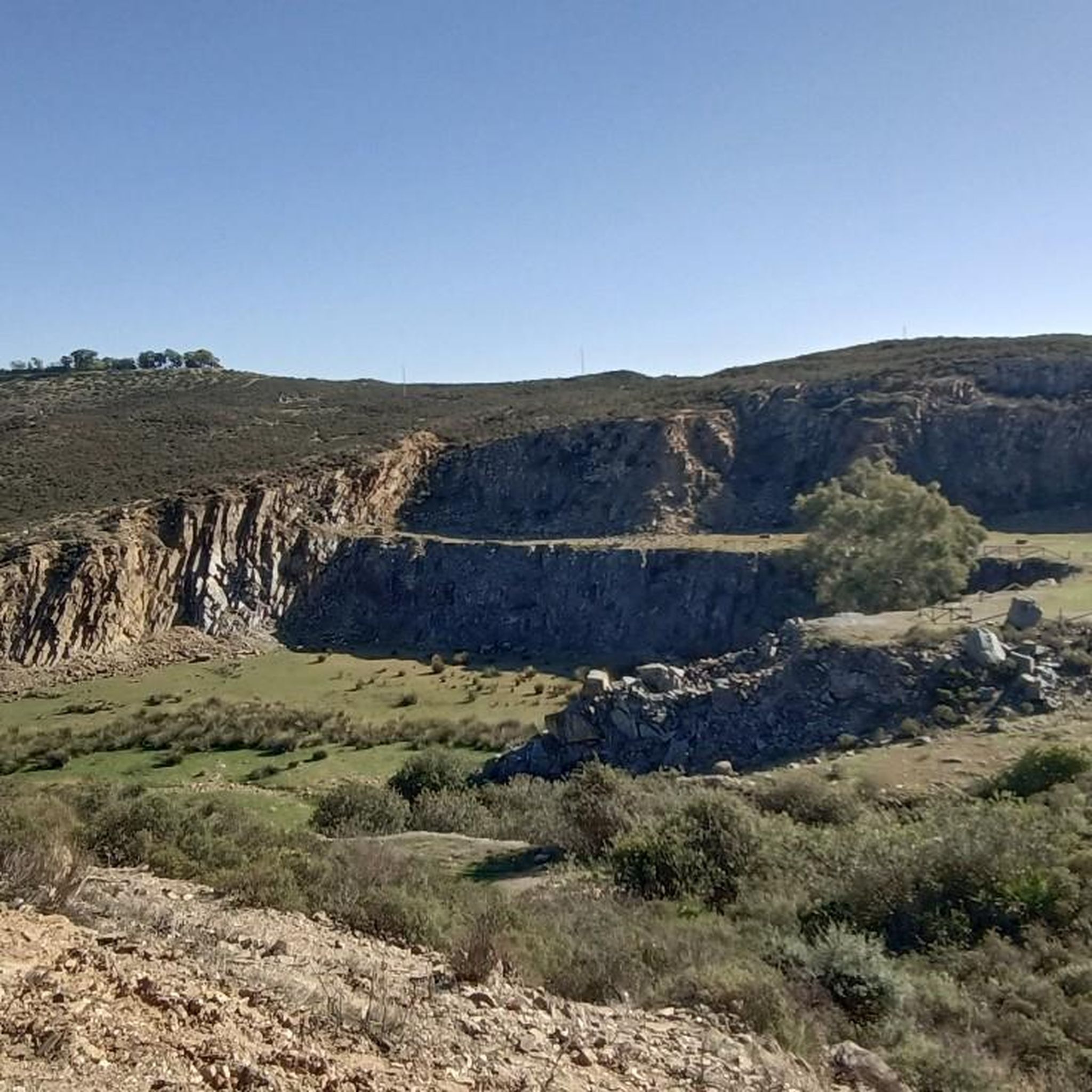
This recreational area is located next to the Las Doblas bridge in the municipality of Sanlúcar la Mayor. In this place, an artificial lagoon has been created in what was an old gravel pit, whose surroundings can be explored through a wooden walkway.
2
0
Path that is close to the riverbed of the Río Guadiamar and where you can find animals and different species associated with the river! Quiet road to walk on!
1
0

Located in the highest part of the town, it has been renovated not many years ago and is like new. Many people say that it is the most beautiful tower in the entire region.
1
0

The Mirador de la Cárcava also called Balcón del Guadiamar is an old landfill that has been transformed into a viewpoint. It has views of the Guadiamar river, olive groves and the rest of the region: municipalities of Pilas, Torre Guadiamar, Caño de la Teja, Huévar del Aljarafe etc.
2
0

Frequently Asked Questions
What natural attractions can I explore in Castilleja Del Campo?
The region offers several natural highlights. You can visit the Guadiamar Viewpoint, which provides expansive views of the Guadiamar River and olive groves. Another option is the Dehesa of the Guadiamar, a quiet path near the riverbed where you can observe local wildlife. Additionally, the Laguna de las Doblas, an artificial lake with a wooden walkway, is a great spot for birdwatching.
Are there historical sites to visit in Castilleja Del Campo?
Yes, Castilleja Del Campo has a rich history dating back to the Roman Empire. Notable historical sites include the 18th-century Baroque Church of Our Lady of the Purification, built upon an older Gothic-Mudejar structure. You can also explore the Roman Bridge of Aznalcázar, an ancient structure that was in use until 1917, now surrounded by a lush area of trees.
What cultural experiences does Castilleja Del Campo offer?
Beyond its historical landmarks, Castilleja Del Campo provides cultural insights into its agricultural past at the Museo de Aperos de Labranza, which showcases old farming tools donated by locals. You can also admire the typical Andalusian whitewashed houses by strolling through the town's charming old quarter. If you visit in October or November, you might experience the Otoño Cultural festival, featuring music and theatrical performances.
Can I find family-friendly activities around Castilleja Del Campo?
Absolutely. Several attractions are suitable for families, including the Guadiamar Viewpoint for scenic outings, the Dehesa of the Guadiamar for gentle walks and wildlife spotting, and the Laguna de las Doblas, where a wooden walkway makes it easy to observe birds.
What kind of outdoor activities are available near Castilleja Del Campo?
The area around Castilleja Del Campo is excellent for various outdoor activities. You can find numerous routes for running, gravel biking, and mountain biking. For example, there are running trails like the Guadiamar Green Corridor Loop, and gravel biking routes such as the Guadiamar Green Corridor – A-49 Overpass loop. You can explore more options on the running trails guide, gravel biking guide, and MTB trails guide for the region.
Where can I enjoy scenic views of the region?
For panoramic vistas, head to the Guadiamar Viewpoint, also known as Mirador de la Cárcava or Balcón del Guadiamar. This transformed old landfill offers extensive views of the Guadiamar River, olive groves, and surrounding municipalities like Pilas and Huévar del Aljarafe.
What local delicacies or traditional foods should I try in Castilleja Del Campo?
Castilleja Del Campo is renowned for its traditional bakery products, especially the famous "roscos de petaca." Other confectionery delights include pestiños, rosas, and torrijas. The town also produces cheese from a local company and features cuisine with dishes like lamb stew (caldereta de cordero) and tostón con sardinas. Fresh goat cheese is also a local highlight.
What is the best time of year to visit Castilleja Del Campo?
The autumn months, particularly October and November, can be a great time to visit, as you might experience the Otoño Cultural festival with its various events. The region's beautiful landscapes are enjoyable throughout much of the year for outdoor activities like cycling and exploring.
Are there any unique natural features like lakes or rivers to see?
Yes, the area is characterized by the Guadiamar River, which you can explore along the Dehesa of the Guadiamar. Additionally, the Laguna de las Doblas is an artificial lake created in an old gravel pit, offering a unique natural setting with a wooden walkway for exploration and bird observation.
What is the most beautiful church in the region?
Many locals consider the tower of the Church of Our Lady of the Purification to be the most beautiful in the entire region. This church is a significant architectural landmark, blending Mudejar and Baroque styles, and its tower is a notable example of 18th-century Andalusian architecture.
Where can I learn about the town's agricultural heritage?
To delve into Castilleja Del Campo's agricultural past, visit the Museo de Aperos de Labranza. This museum houses a wide array of old farming tools, many of which were donated by local residents, providing a deep insight into the rural roots and identity of the region.

Get inspired with the komoot mobile app


Explore more
Still not found the Highlight you’re looking for? See guides of the top attractions in other regions:
