The best cycling routes around Riserva Naturale Regionale Lago di Vico
4.3
(291)
3,246
riders
365
rides
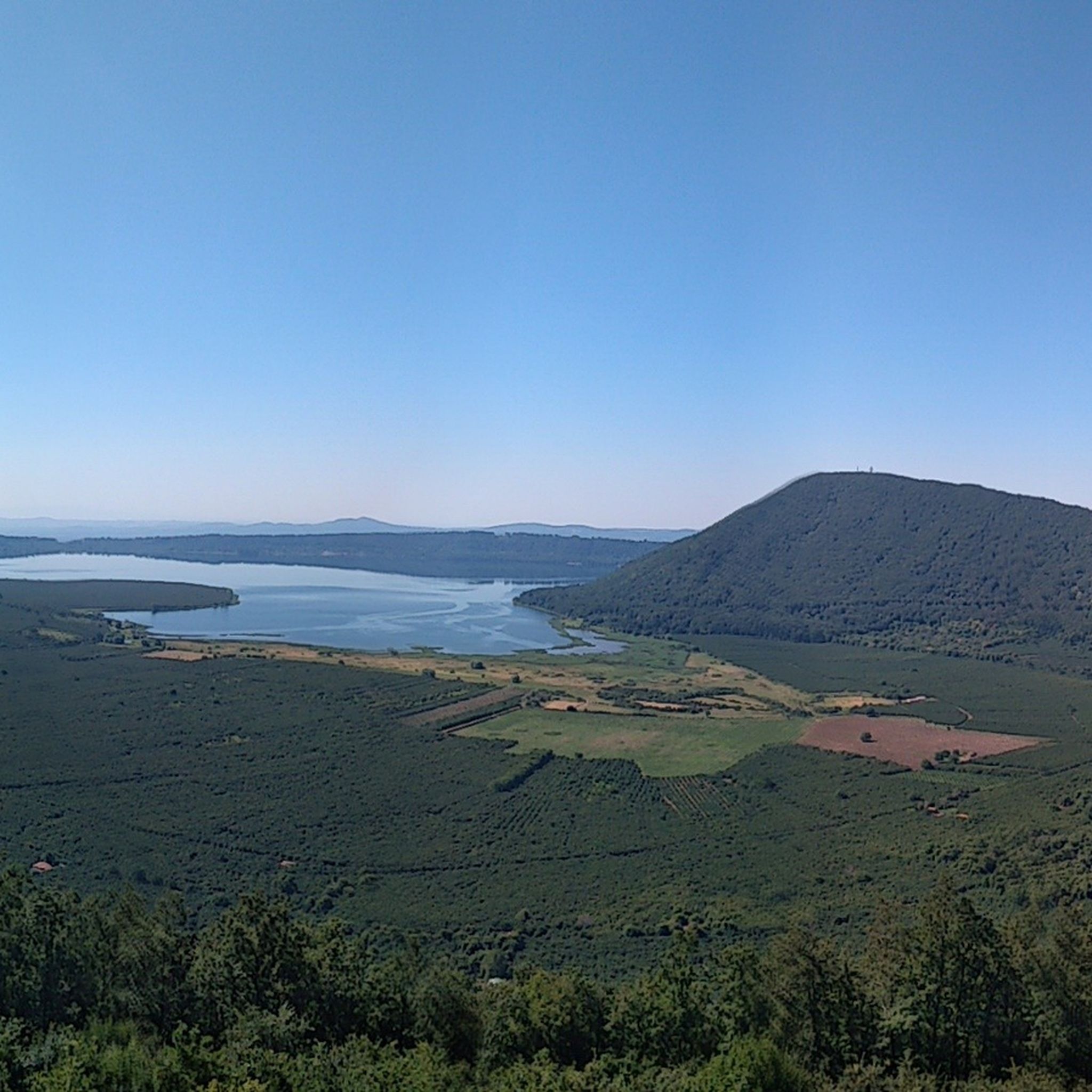
Touring cycling around Riserva Naturale Regionale Lago di Vico explores a landscape shaped by volcanic activity, centered around Lake Vico within an ancient caldera. The region features the Cimini Hills, including Monte Fogliano and Monte Venere, which provide varied terrain and elevation. Extensive beech forests, oak and chestnut woods, and hazelnut groves characterize the area, offering diverse natural environments for cycling. The elevation and crater sides create microclimates supporting these varied forest types.
Best touring cycling routes around Riserva Naturale…
Last updated: May 28, 2026
4.5
(22)
137
riders
64.2km
04:53
1,080m
1,080m
Hard bike ride. Very good fitness required. Mostly paved surfaces. Suitable for all skill levels.
4.5
(8)
77
riders
41.4km
03:28
860m
860m
Hard bike ride. Very good fitness required. You may need to push your bike for some segments of this route.

Sign up for free
4.2
(5)
22
riders
78.8km
05:42
1,120m
1,120m
Hard bike ride. Very good fitness required. Mostly paved surfaces. Suitable for all skill levels.
4.7
(3)
26
riders
29.4km
01:59
460m
460m
Hard bike ride. Very good fitness required. Mostly paved surfaces. Suitable for all skill levels.
4.5
(4)
19
riders
21.8km
01:20
160m
160m
Moderate bike ride. Good fitness required. Mostly paved surfaces. Suitable for all skill levels.
Get access to more routes and recommendations from other explorers.
Sign up for free
Already have an account?
Our route recommendations are based on thousands of hikes, rides, and runs completed by other people on komoot.
Start today with a free account
Your next adventure awaits.
Login or Signup
Popular around Riserva Naturale Regionale Lago di Vico

Tips from the Community

Small medieval part of town that has only dead-end streets.
0
0
Viterbo lived its period of major splendor and power in the 13th century when it was chosen as the seat of the papacy instead of Rome, where powerful warring families made life too dangerous. Eight different popes lived in Viterbo making it is similar to Vatican City and Avignon in France. The longest papal conclave in history happened here from 1 December 1268 to 1 September 1271. Following Pope Clement IV's death, infighting between cardinals and political pressure led to a 34-month deadlock. The cardinals were locked up cum clave (hence the word conclave) inside the palace’s large Conclave Hall. In desperation the town’s population, who were feeding them and their entourages, eventually reduced the cardinals’ food and wine supplies, trying to speed up the election. Time wore on and they finally decided to remove the roof of the palace: in order to help the Holy Spirit come down and illuminate them, it was quipped. That worked.
0
0


...is on the Via Francigenia pilgrimage route (hiking route)...
1
0

The Papal Palace in Viterbo served as the Vatican for the 24 years of the thirteenth century when the papacy moved there due to ongoing unrest in Rome.
0
0

Wonderful path through nature, lined with hazelnut plantations.
0
0
Hazelnut bushes as far as the eye can see.
1
0
Frequently Asked Questions
What kind of terrain and elevation can I expect on touring cycling routes around Riserva Naturale Regionale Lago di Vico?
The region's volcanic origin means you'll encounter varied terrain. Routes range from mostly paved paths with minimal elevation around the lake to challenging climbs through the Cimini Hills. Expect significant elevation changes on routes like the Lake Vico – Abbey of San Martino loop from Ronciglione, which features over 1,100 meters of ascent, while others like the Palazzo Farnese of Caprarola – Lake Vico loop from ZSC Monte Venere offer more moderate climbs.
Are there any easy touring cycling routes suitable for beginners or a relaxed ride?
Yes, while many routes are challenging, there are options for easier rides. The area offers routes with minimal elevation gain, particularly those closer to the lake shore. For example, the Palazzo Farnese of Caprarola – Lake Vico loop from ZSC Monte Venere is rated moderate and covers 21.9 km with only about 150 meters of elevation gain, making it a good choice for a more relaxed experience.
What natural features and landmarks can I see while cycling around Lake Vico?
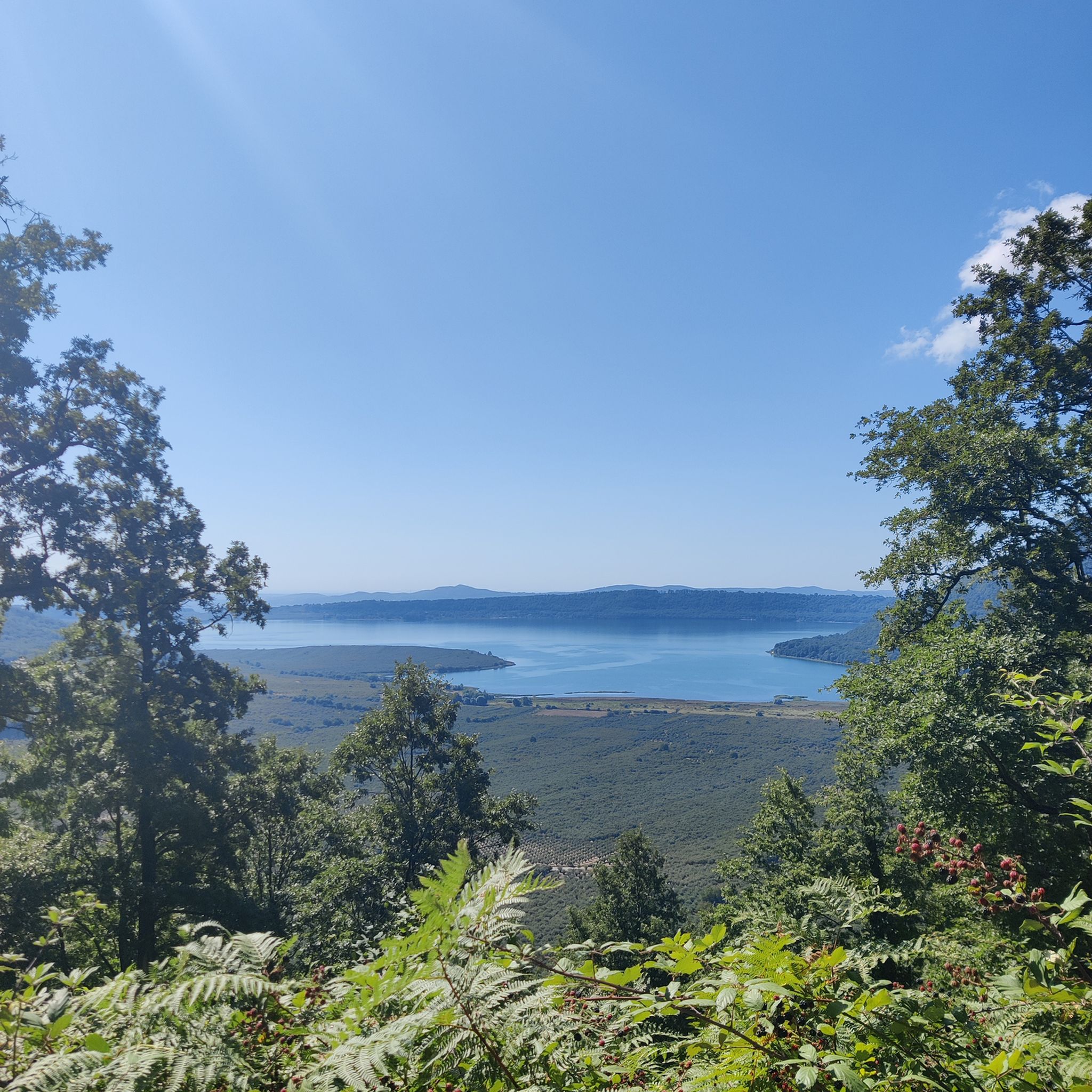
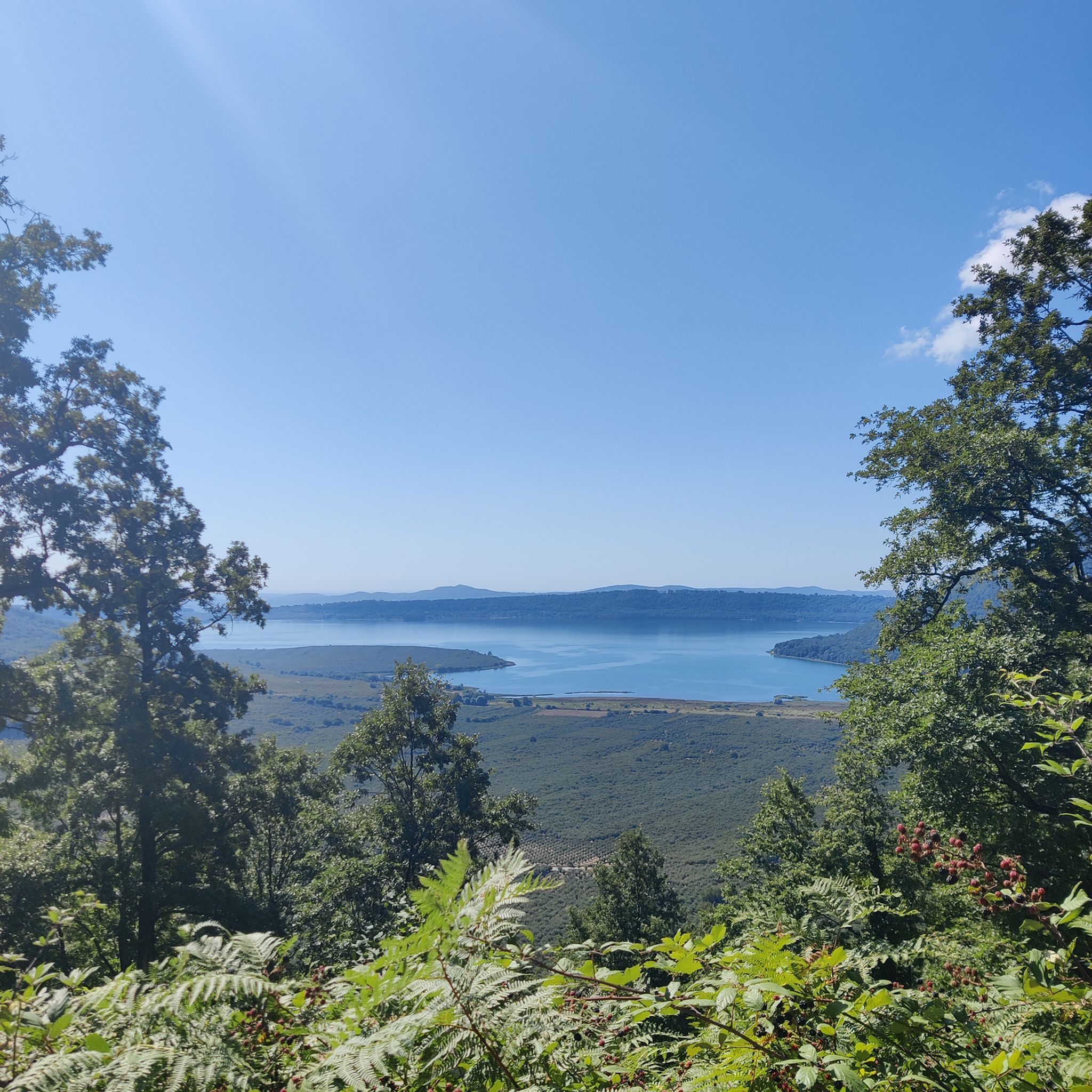
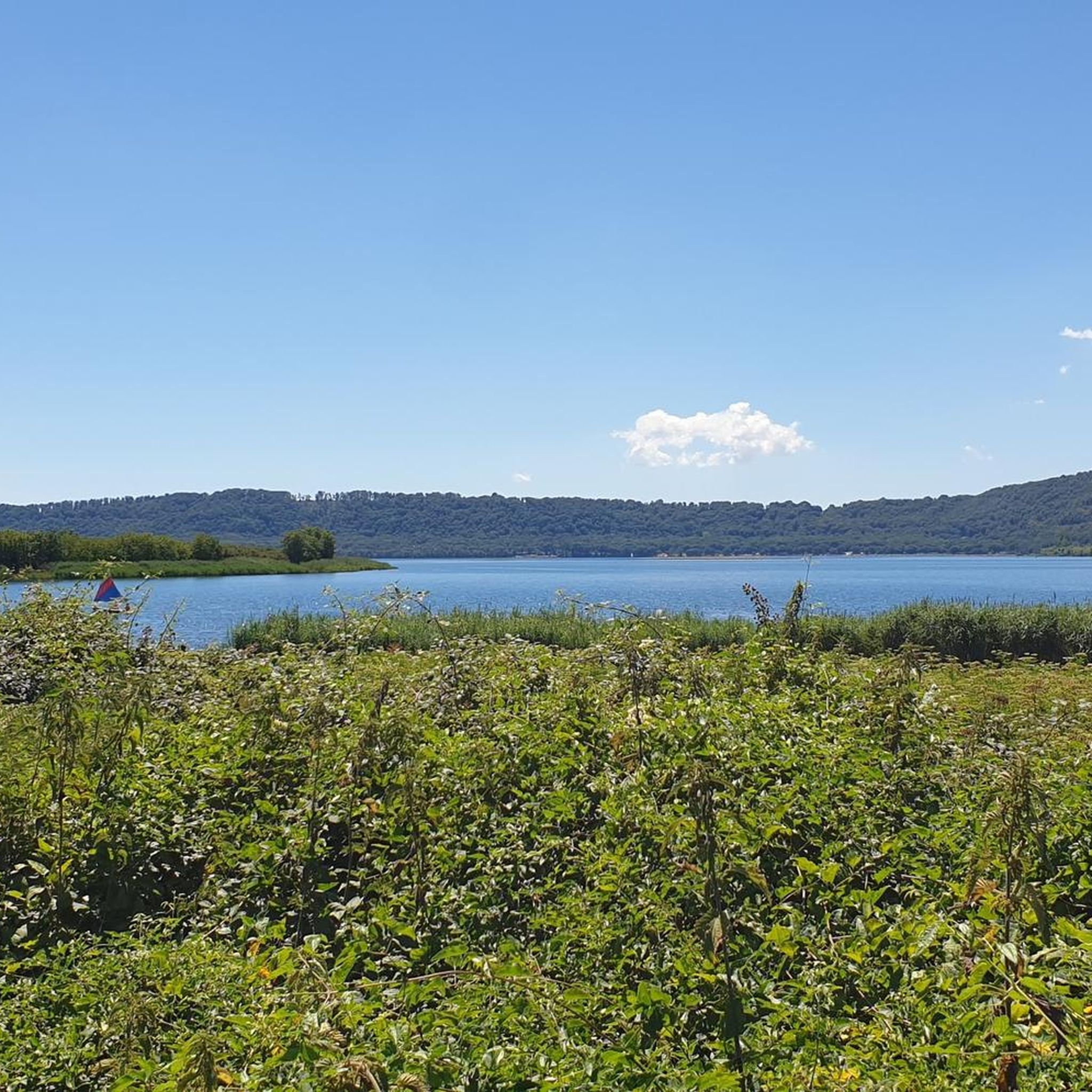
The reserve is rich in natural beauty and historical sites. You can cycle through extensive beech forests, some of the most southerly in Europe, and past hazelnut groves. The lake itself, occupying an ancient volcanic caldera, is a prominent feature. Look out for viewpoints offering stunning panoramas of the lake, such as the View of Lake Vico from Via Cassia Cimina. You might also encounter the Devil’s Well Cave (Monte Venere), a unique volcanic cave.
Are there any cultural or historical attractions accessible by bike?
Absolutely. The charming town of Caprarola, known for the impressive 16th-century Palazzo Farnese, is a notable attraction. Ronciglione, with its medieval origins, is also easily accessible. Routes like the Abbey of San Martino – Historic Centre of Capranica loop from ZSC Monte Fogliano can lead you past historical sites and through picturesque towns.
What is the best time of year to go touring cycling in Riserva Naturale Regionale Lago di Vico?
The region is enjoyable for cycling across multiple seasons. Spring and autumn offer pleasant temperatures and vibrant natural colors, making them ideal. Summer can be warm, but the elevation and forested areas provide some respite. Winter cycling is possible, though some higher routes might be cooler.
Are there circular touring cycling routes available?
Yes, many of the touring cycling routes in the Riserva Naturale Regionale Lago di Vico are designed as loops, allowing you to start and end at the same point. Examples include the popular Abbey of San Martino – Road in the Forest loop from ZSC Monte Fogliano and the View of Lake Vico – Cima Coppi - Le Cime Trail loop from Ronciglione.
What do other touring cyclists enjoy most about cycling in this region?
The area is highly rated by the komoot community, with an average score of 4.3 stars from over 300 reviews. Cyclists often praise the diverse volcanic landscapes, the tranquility of Lake Vico, and the extensive beech forests. Many appreciate the variety of routes, from challenging climbs to more leisurely lakeside rides, and the opportunity to explore both natural beauty and historical towns.
How many touring cycling routes are available in Riserva Naturale Regionale Lago di Vico?
There are over 340 touring cycling routes available in the Riserva Naturale Regionale Lago di Vico, catering to various skill levels. This includes approximately 10 easy routes, around 90 moderate routes, and over 240 difficult routes for more experienced cyclists.
Is it possible to access the cycling routes using public transport?
While the region is primarily accessed by car, some towns around Lake Vico, such as Ronciglione and Caprarola, have limited public transport connections. It's advisable to research local bus schedules in advance if you plan to rely on public transport to reach the starting points of your cycling routes.
Where can I find parking for my bike and car near the touring cycling routes?
Parking is generally available in the towns surrounding Lake Vico, such as Ronciglione and Caprarola, which serve as common starting points for many routes. There are also designated parking areas near popular access points to the reserve and the lake shore. Always check local signage for specific parking regulations.
Are there any specific regulations or permits required for cycling within the Riserva Naturale Regionale Lago di Vico?
The Riserva Naturale Regionale Lago di Vico is a protected area, but generally, no specific permits are required for touring cycling on the established trails and roads. However, it's always good practice to stay on marked paths, respect wildlife, and adhere to any local regulations or signage you may encounter within the reserve.
Are there any family-friendly touring cycling routes around Lake Vico?
Yes, the area offers options suitable for families, particularly those looking for less strenuous rides. Routes around the lake itself, often on dirt roads or paved sections with minimal elevation, can be enjoyable for families. Look for routes rated as 'easy' or 'moderate' that avoid significant climbs and busy roads.
Most popular routes around Riserva Naturale Regionale Lago di Vico
Most popular attractions around Riserva Naturale Regionale Lago di Vico

Get inspired with the komoot mobile app


Explore more
Browse the best Cycling routes in other regions.
