Attractions and Places To See around Villamuera De La Cueza - Top 20
Attractions and places to see around Villamuera De La Cueza are found within the Tierra de Campos region of Palencia, Spain. This area is characterized by its agricultural landscapes and historical significance, offering insights into traditional Castilian life. Key features include ancient landmarks, cultural sites, and remnants of historical routes like the Cañada Real Leonesa. The village itself provides a peaceful setting for exploring local heritage and the surrounding natural features.
Best attractions and places to see around Villamuera De La Cueza
- The most popular attractions is Pilgrim Statue in Carrión de los Condes, a man-made monument that commemorates the figure of the pilgrim who passes the Camino de Santiago. This iron sculpture is located in Plaza Piña Merino, right at the entrance to Carrión de los Condes.
- Another must-see spot is Monastery of San Zoilo, a religious building with historical significance. Pilgrims found shelter in this old monastery, which features a Renaissance renovation from the 16th century, including its cloister.
- Visitors also love Puente Mayor de Carrión de los Condes, a stone bridge that can be crossed by bike. This historical site offers views of Carrión de los Condes and the church Nuestre Senora de Belen.
- Villamuera De La Cueza is known for its historical sites, religious buildings, and man-made monuments. The area offers a variety of attractions to see and explore, often connected to the Camino de Santiago.
- The attractions around Villamuera De La Cueza are appreciated by the komoot community, with more than 120 upvotes and 38 photos shared.
Last updated: May 17, 2026
Pilgrim Statue in Carrión de los Condes
Highlight • Monument
Translated by Google •
Tip by

Puente Mayor de Carrión de los Condes
Highlight • Bridge
Translated by Google •
Tip by

Sign up now to discover places like this
Get recommendations on the best single tracks, peaks, & plenty of other exciting outdoor places.
Sign up for free
Monastery of San Zoilo
Highlight • Religious Site
Translated by Google •
Tip by

Santa María del Camino Church
Highlight • Religious Site
Translated by Google •
Tip by

Camino de Santiago 405 km Marker (Castilla y León)
Highlight • Monument
Yellow arrows: These arrows will guide you throughout the entire route. They indicate the direction to follow, especially at crossroads. The yellow color is due to the contribution of the parish priest Elías Valiña, a key figure in the resurgence of the Camino de Santiago in the 20th century.
Cairns or milestones: These concrete blocks include an arrow, a yellow shell on a blue background and the distance in kilometers to Santiago de Compostela. You will find them every 500 meters in Galicia.
Scallop shells: In addition to being drawn on the markers, scallop shells are distributed throughout the Camino. They are universal symbols and have been carried by pilgrims for centuries. The open part of the shell indicates the direction towards Santiago.
Good way! 🚶♂️🌟
Translated by Google •
Tip by
Sign up for free to discover even more attractions around Villamuera De La Cueza.
Sign up for free
Already have an account?
Start today with a free account
Your next adventure awaits.
Login or Signup
Popular around Villamuera De La Cueza

Tips from the Community

The Church of Santa María de las Victorias y del Camino, also known as Santa María del Camino, is one of the oldest and most emblematic churches in Carrión de los Condes, in the province of Palencia. It was built in the mid-12th century, during the reign of Alfonso VII. It is dedicated to the Virgen de las Victorias, also known as the Virgen del Camino, patron saint of the town.
2
0
The Statue of the Pilgrim in Carrión de los Condes is an emblematic monument located in Plaza Piña Merino, right at the entrance to the town if you're coming from Frómista, right on the Camino de Santiago. This bronze sculpture represents a traditional pilgrim, dressed in a cape and hat, and carrying the Jacobean symbols: the shell, the staff, and the calabash. It is a life-size figure that pays tribute to the thousands of pilgrims who pass through this historic town in Palencia each year.
2
0
The Statue of the Pilgrim in Carrión de los Condes is an emblematic monument located in Plaza Piña Merino, right at the entrance to the town if you're coming from Frómista, right on the Camino de Santiago. This bronze sculpture represents a traditional pilgrim, dressed in a cape and hat, and carrying the Jacobean symbols: the shell, the staff, and the calabash. It is a life-size figure that pays tribute to the thousands of pilgrims who pass through this historic town in Palencia each year.
1
0

It is located at the exit of Carrion de Los Condes in the direction of Terradillos de Los Templarios
2
1

Standing in the middle of the path, impossible to miss
0
1

Fabulous old monastery, now partly a hotel, that you pass as you leave Carrión de los Condes
1
1
405km marker along a flat, dusty and featureless track, just before one of the few places to take a break in the shade along that stretch.
1
0
Signage on the Camino de Santiago is essential for pilgrims. Yellow arrows: These arrows will guide you throughout the entire route. They indicate the direction to follow, especially at crossroads. The yellow color is due to the contribution of the parish priest Elías Valiña, a key figure in the resurgence of the Camino de Santiago in the 20th century. Cairns or milestones: These concrete blocks include an arrow, a yellow shell on a blue background and the distance in kilometers to Santiago de Compostela. You will find them every 500 meters in Galicia. Scallop shells: In addition to being drawn on the markers, scallop shells are distributed throughout the Camino. They are universal symbols and have been carried by pilgrims for centuries. The open part of the shell indicates the direction towards Santiago. Good way! 🚶♂️🌟
4
0
Frequently Asked Questions
What historical and cultural sites can I explore in Villamuera De La Cueza?
Villamuera de la Cueza offers a glimpse into traditional Castilian life. You can visit the Church of Nuestra Señora de las Nieves, known for its Mudejar-style wooden coffered ceiling and various altarpieces. Remnants of an old Pósito Pío (communal granary) are also present, alongside traditional dovecote structures scattered in the surrounding fields.
Are there any natural features or landscapes to see in the area?
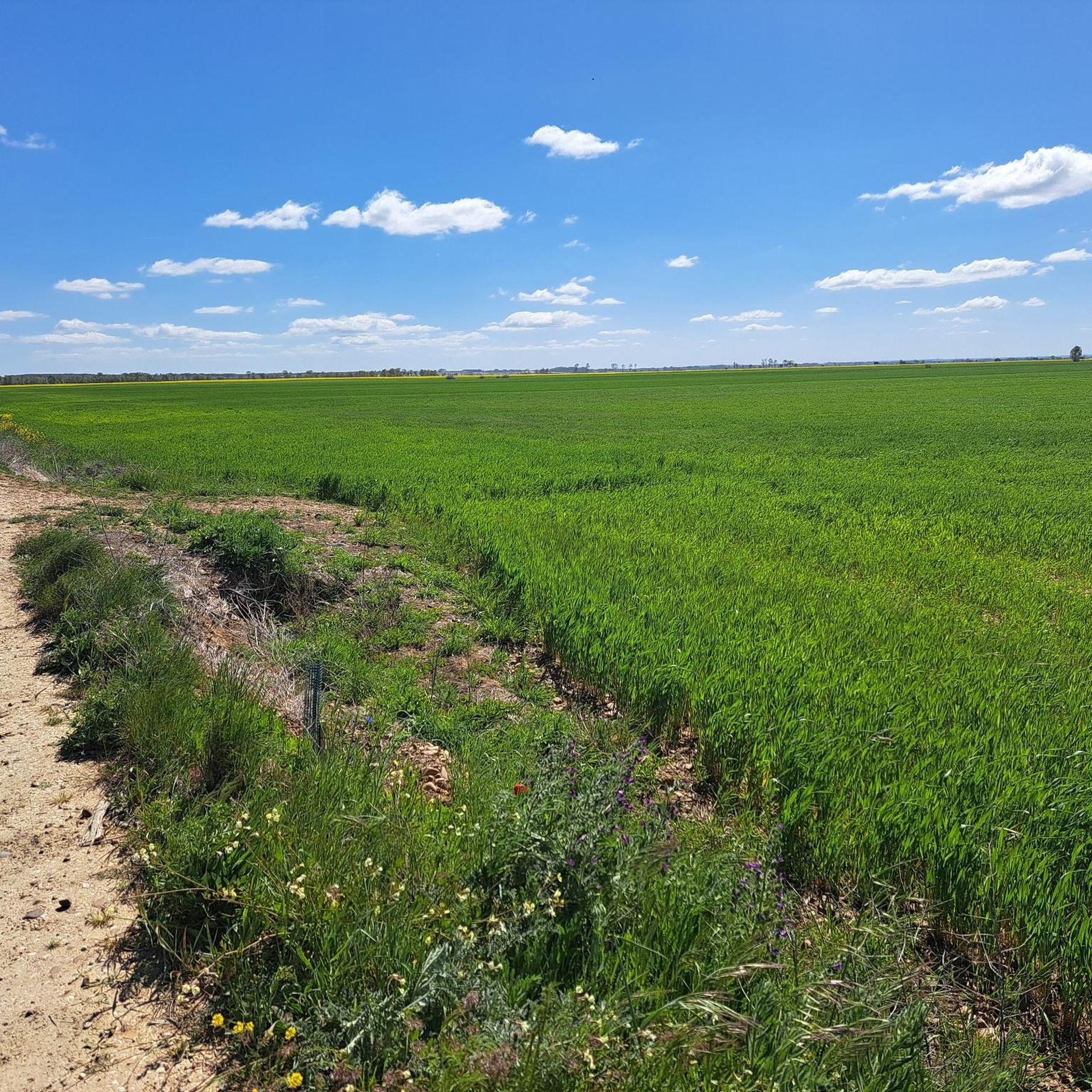
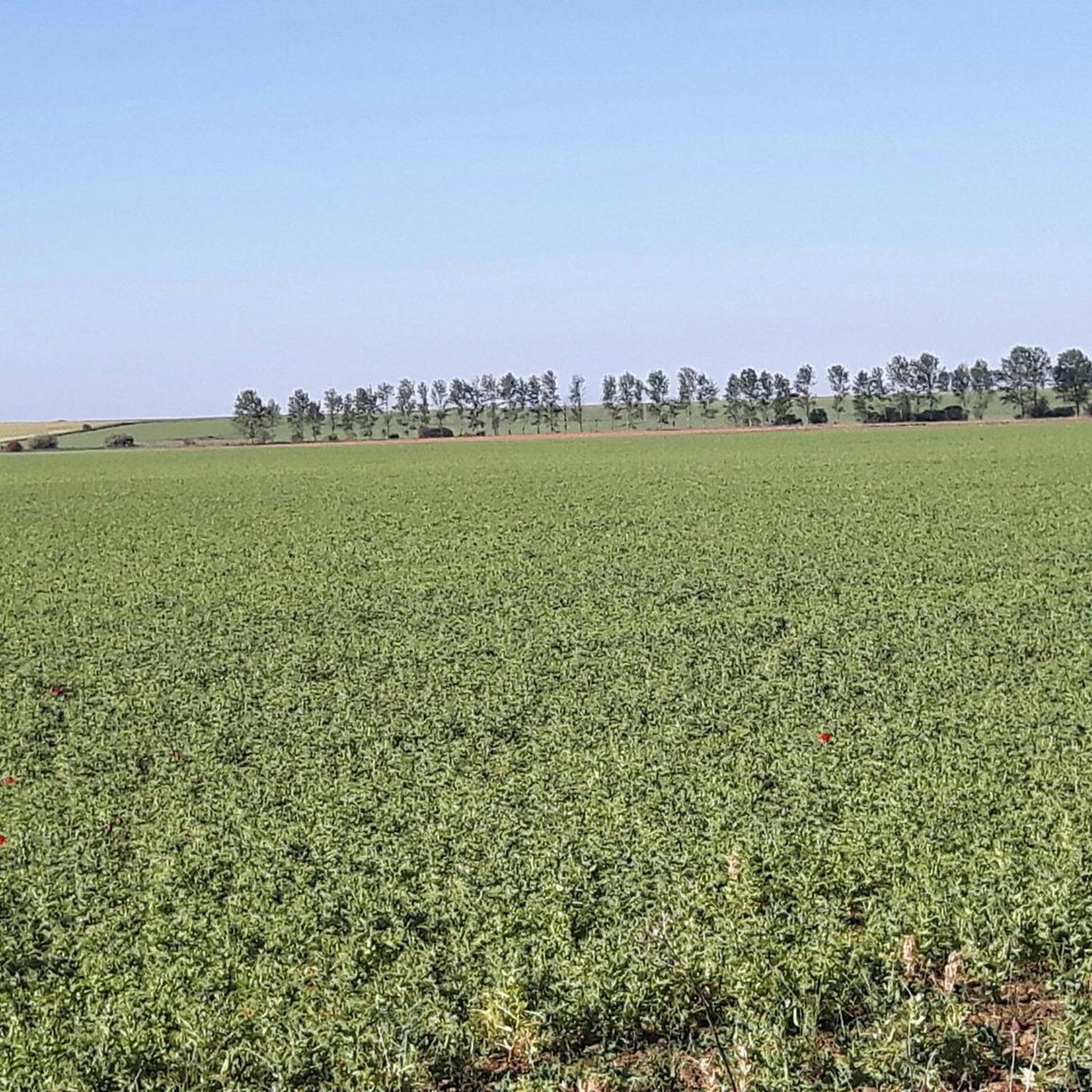
The village is set within the Tierra de Campos region, characterized by vast agricultural landscapes, particularly cereal farming, offering a typical Castilian rural setting. A section of the historic Cañada Real Leonesa, an ancient livestock migration route, also passes through the municipal area, providing a natural element for exploration.
What outdoor activities are available near Villamuera De La Cueza?
You can enjoy various outdoor activities, including hiking, road cycling, and mountain biking. For detailed routes and options, explore the guides for Hiking around Villamuera De La Cueza, Road Cycling Routes around Villamuera De La Cueza, and MTB Trails around Villamuera De La Cueza.
Are there hiking trails suitable for different difficulty levels?
Yes, there are hiking routes ranging from moderate to difficult. Examples include the 9.8 km 'Monasterio de Santa María de Benevívere from Carrión de los Condes' (moderate) and the 24.7 km 'Monastery of San Zoilo – Meseta Landscape loop from El Sepulcro' (difficult). You can find more options in the Hiking around Villamuera De La Cueza guide.
Can I find family-friendly attractions or activities?
Several attractions are considered family-friendly, such as the Puente Mayor de Carrión de los Condes, the Monastery of San Zoilo, and the Santa María del Camino Church. Exploring the traditional dovecotes in the surrounding fields can also be an interesting activity for families.
What is the best time of year to visit Villamuera De La Cueza?
The Tierra de Campos region, where Villamuera de la Cueza is located, experiences hot, dry summers and cold winters. Spring and autumn generally offer milder temperatures, making them ideal for exploring the historical sites and enjoying outdoor activities like hiking and cycling.
Are there any attractions accessible for wheelchairs?
Yes, the Pilgrim Statue in Carrión de los Condes is noted as wheelchair accessible, offering an inclusive option for visitors.
What is the significance of the Camino de Santiago in this region?
The Camino de Santiago plays a significant role in the area. Many attractions, like the Pilgrim Statue in Carrión de los Condes and the Monastery of San Zoilo (which historically sheltered pilgrims), are directly connected to this ancient route. The Camino de Santiago 405 km Marker is also a notable landmark.
Where can I find accommodation, cafes, or restaurants in Villamuera De La Cueza?
Villamuera de la Cueza is a small village. While specific establishments within the village are not detailed, the nearby town of Carrión de los Condes, a significant stop on the Camino de Santiago, offers more options for accommodation, cafes, and restaurants.
What are some notable religious buildings to visit?
Beyond the local Church of Nuestra Señora de las Nieves, the Monastery of San Zoilo and the Santa María del Camino Church in Carrión de los Condes are prominent religious sites with rich history and architectural beauty.
Are there any unique man-made monuments in the vicinity?
Yes, the Pilgrim Statue in Carrión de los Condes is a notable iron sculpture commemorating the Camino de Santiago. Additionally, the historic Puente Mayor de Carrión de los Condes is a significant stone bridge with historical importance.
Most popular routes around Villamuera De La Cueza

Get inspired with the komoot mobile app


Explore more
Still not found the Highlight you’re looking for? See guides of the top attractions in other regions:
