Attractions and Places To See around Castellote - Top 20
Best attractions and places to see around Castellote, a historic town in the Maestrazgo region of Teruel, Spain, offers a diverse range of points of interest. Situated on a cliff overlooking the Guadalope River valley, the area features a rich natural landscape. Its medieval atmosphere is complemented by significant paleontological discoveries and a variety of cultural sites. The region is part of the Natura 2000 network, highlighting its ecological importance.
Best attractions and places to see around Castellote
- The most…
Last updated: July 26, 2026
Puerto de Majalinos
Highlight • Mountain Pass
Translated by Google •
Tip by

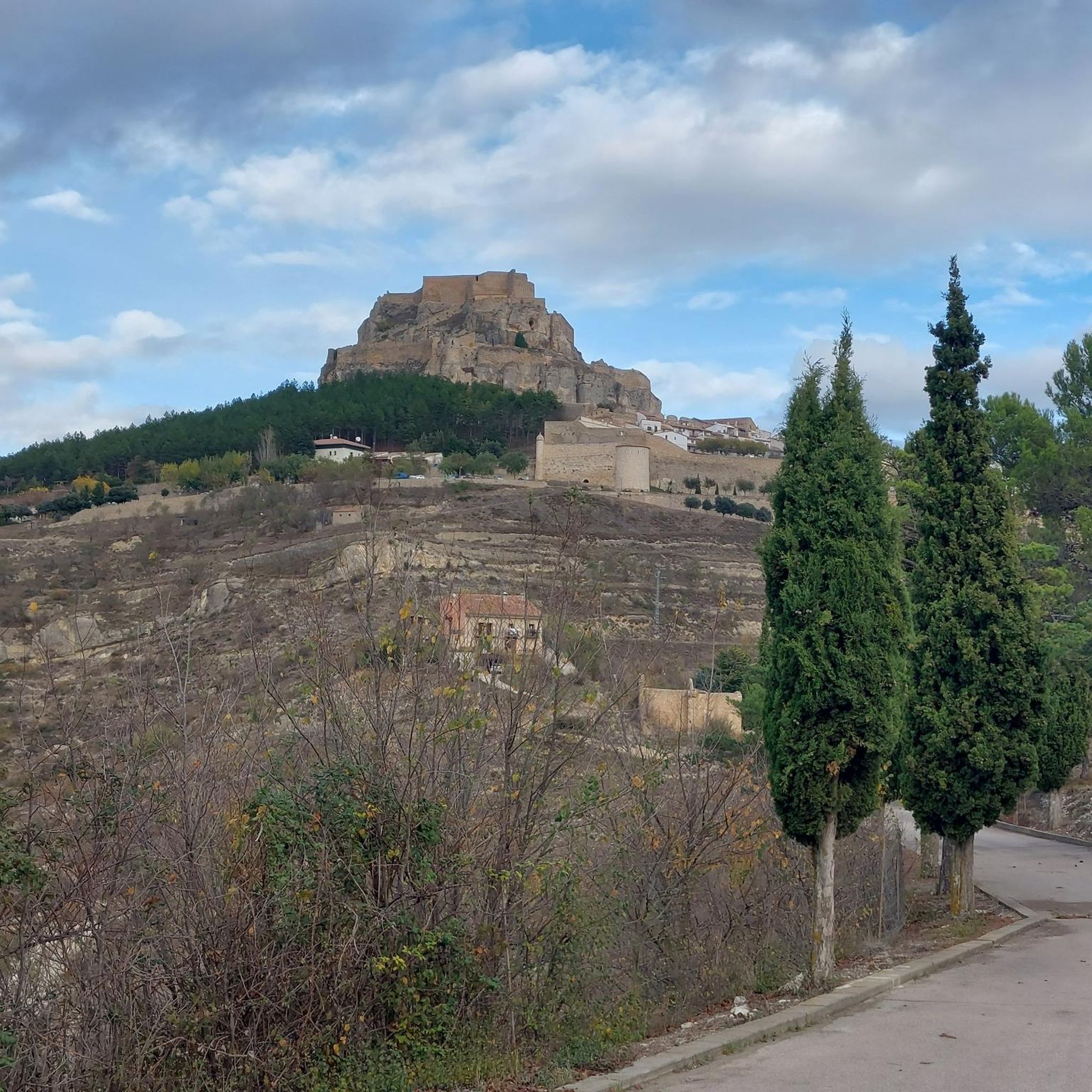
Castellote Village and Castle
Highlight • Settlement
Translated by Google •
Tip by

Sign up now to discover places like this
Get recommendations on the best single tracks, peaks, & plenty of other exciting outdoor places.
Sign up for free
Forcall
Highlight • Settlement
Translated by Google •
Tip by

San Cristóbal Pass
Highlight (Segment) • Mountain Pass
DISTANCE: 7.59km
GRADE: 568m
PEND MEAN: 7.48%
MPA COEFFICIENT: 155
CATEGORY: 1st cat
START ALTITUDE: 890m
MAX ALTITUDE GPS: 1458m
Translated by Google •
Tip by
Estrecho de Crespol Gorge
Highlight • Gorge
Translated by Google •
Tip by
Sign up for free to discover even more attractions around Castellote.
Sign up for free
Already have an account?
Start today with a free account
Your next adventure awaits.
Login or Signup
Tips from the Community

Tough climb but with beautiful hairpin bends
0
0

Population of the Els Ports region, in the province of Castellón (Valencian Community). Its name probably comes from the gallows shape made by the Bergantes, Cantavieja and Caldés rivers. Its origin can be located in an Ibero-Romanesque population center discovered in 1876, and which the locals knew as "La Moleta dels Frares or Liborio". For the researchers it was an important Roman villa, and a good part of its wall is still standing in the entrance area of the town. Its cultural heritage includes the Virgen de la Consolación hermitage, the 18th-century parish church, built from the primitive 13th-century Gothic church, the aforementioned Moleta dels Frares, the Plaza Mayor and the 16th-century Osset-Miró palace. .
0
0

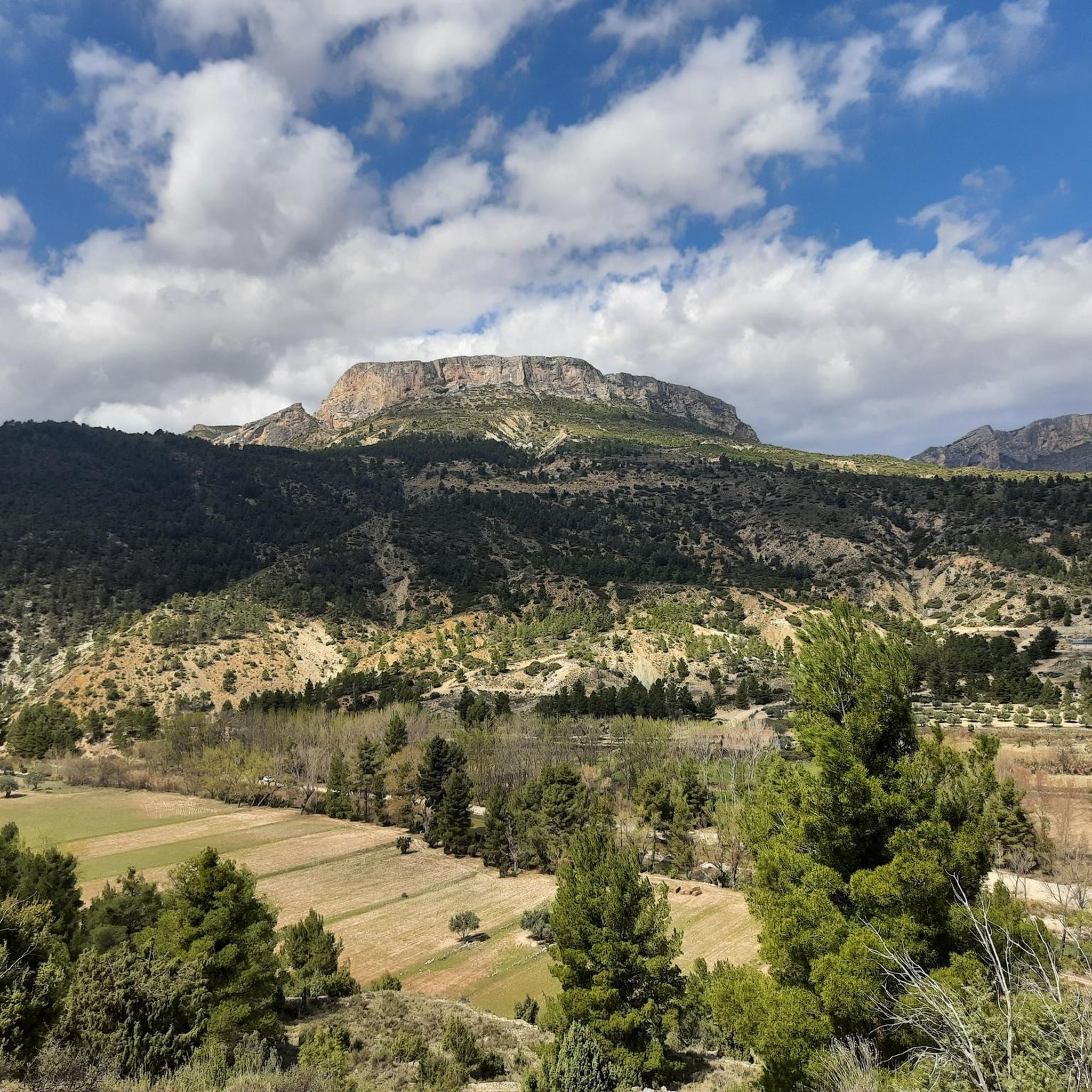
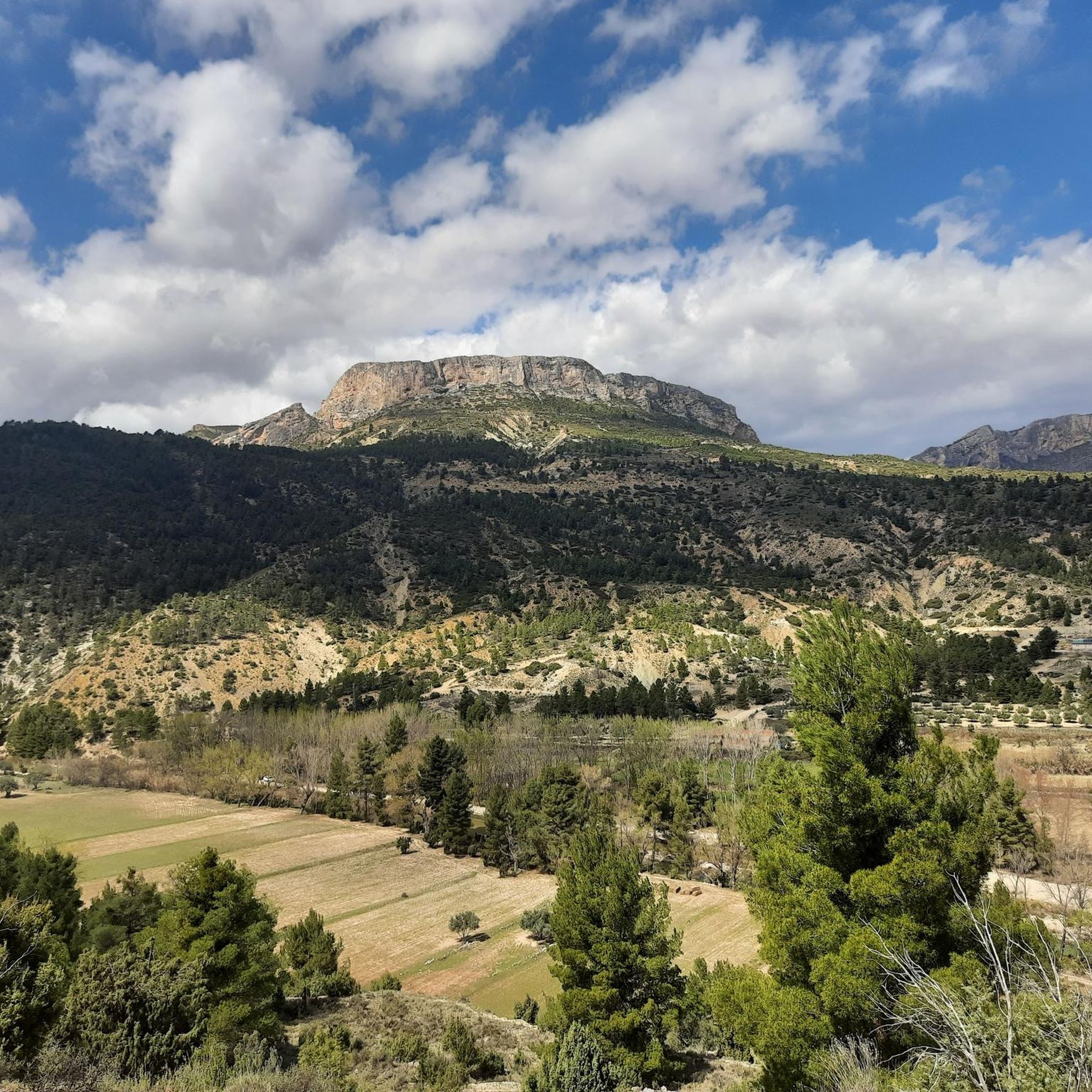
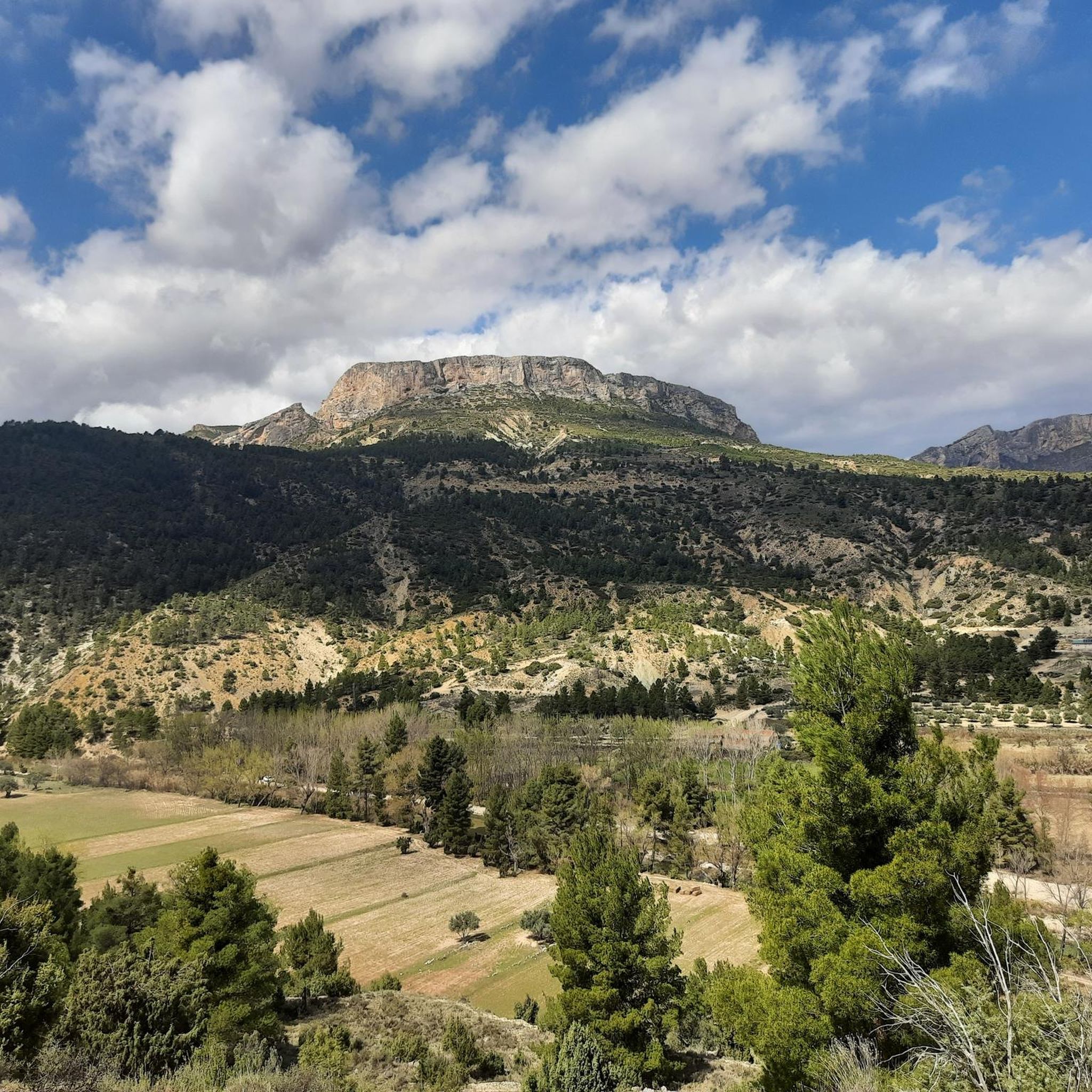
Castellote is an Aragonese municipality located in the Maestrazgo region of Teruel that has a lot of history. A beautiful castle located in the upper part of the town and the aqueduct from the year 1847 stand out. From the upper part, the views and landscapes are spectacular.
1
0
At this point we find ourselves in a beautiful place that we cross on route 08 of the Maestrazgo BTT center. It is about the Crespol Strait ravine that will surely make us take out our camera to photograph the stamp. It is a popular climbing area, so we will surely traverse it with the company of climbers.
1
0

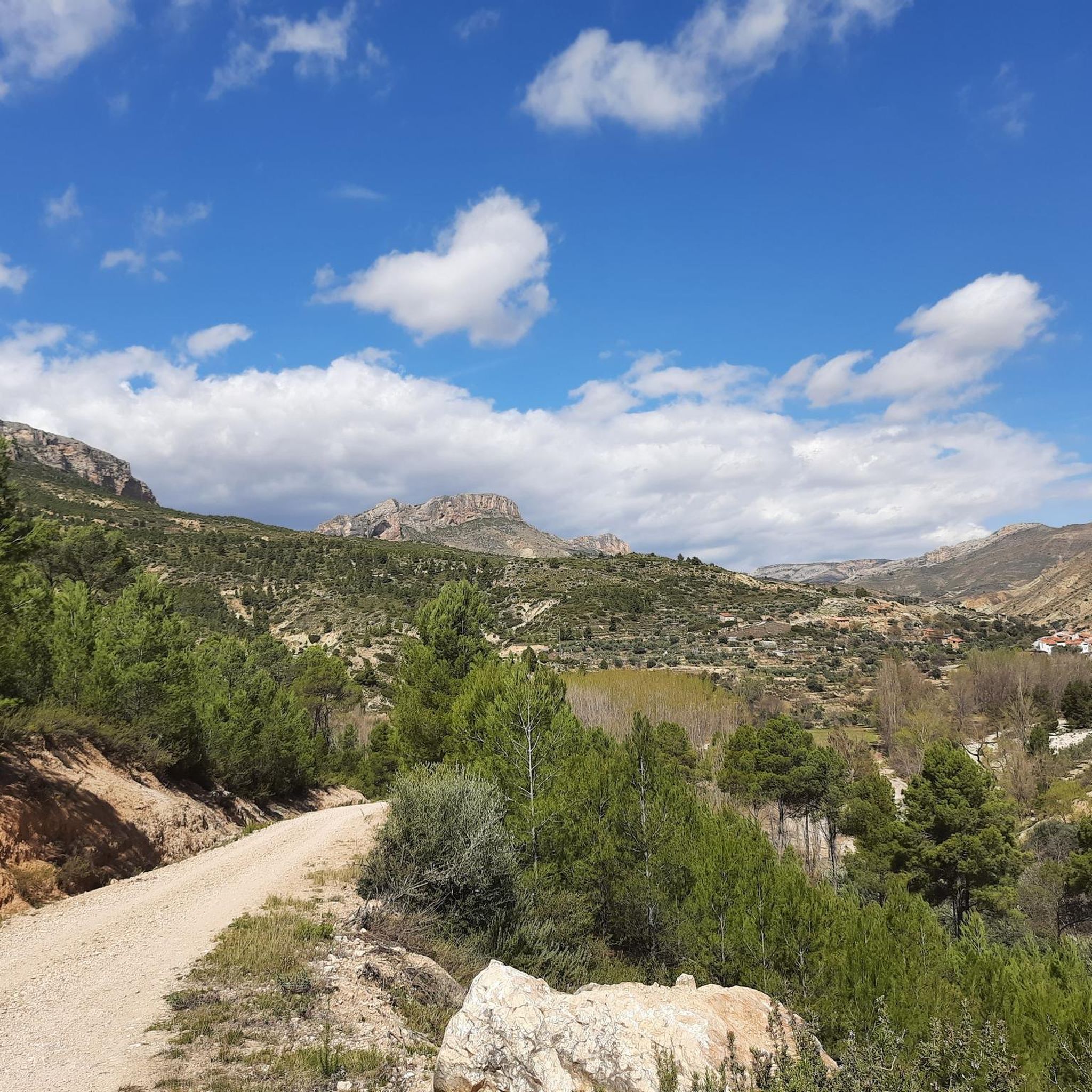
Mountain pass that starts in the town of Eljuve, with a length of 7 kilometers and an average slope of 5%. With a height difference of 350 meters, it is a port that rises in the middle of the Iberian System, in the heart of the Sierra de Eljuve
0
0

Good to know what you have in front of you (or is ignorance bliss?)
0
0

Perhaps the hardest port in Aragon. DISTANCE: 7.59km GRADE: 568m PEND MEAN: 7.48% MPA COEFFICIENT: 155 CATEGORY: 1st cat START ALTITUDE: 890m MAX ALTITUDE GPS: 1458m
0
0
It becomes very heavy. Both from the face of Aliaga and Ejulve. A fire in 2009 burned 7,301.14 hectares in the area, so it is recommended to bring plenty of water in summer.
1
0
Frequently Asked Questions
What historical landmarks can I explore in Castellote?
Castellote is rich in history, dominated by the remains of the Templar Castle of Castellote, strategically located on a rocky escarpment. You can also explore the Castellote Village and Castle, which offers spectacular views. The town's history is further reflected in its old town, the Templar Tower (which served as a prison), and ancient access gates to the walled city.
Are there any significant cultural sites beyond the main castle in Castellote?
Yes, Castellote boasts several cultural sites. The Old Town (Casco Antiguo) is a Property of Cultural Interest, featuring traditional architecture. You can visit the Gothic Church of San Miguel with its beautiful doorway, the Town Hall with a Gothic market area, and the 12th-century Romanesque Shrine of the Virgen del Agua. The area also has palatial homes and the Ermita del Llovedor, a hermitage almost embedded within the rock.
Where can I learn about the paleontological heritage of Castellote?
Castellote is a significant site for paleontology. It is a sub-site of Dinópolis, known as "Bosque Pétreo" (Stone Forest), where you can explore the coexistence of dinosaurs and mammals 125 million years ago and view fossilized trees. Key sites include the Barranquillo fossil trunks site and areas with dinosaur ichnites (footprints), particularly in the village of Abenfigo.
What natural attractions are there around Castellote?
The region around Castellote offers diverse natural beauty. The town is situated on a cliff overlooking the Guadalope River valley, which is part of the Natura 2000 network. A notable natural monument is the Puente de la Fonseca, a geological formation featuring a natural tunnel carved by the Guadalope River. You can also find the Santolea Reservoir nearby.
Can I go hiking near Castellote?
Absolutely! Castellote and its surroundings offer various hiking opportunities. You can find routes like the "Return to Atalaya and Castillo de Castellote (PR-TE 53)" or the "Mountains - Mills by the Guadalopillo River." For more detailed information and routes, you can explore the Hiking around Castellote guide.
Are there opportunities for water sports in the area?
Yes, the Santolea Reservoir, located near Las Planas de Castellote, provides opportunities for various water sports. You can enjoy activities such as sailing, fishing, and canoeing. The reservoir also features natural beaches suitable for swimming and vertical walls for climbing.
What are some unique geological features to see?
Beyond the impressive Puente de la Fonseca, the region is characterized by its dramatic geology. The Muelas y Estrechos del Guadalope is a Site of Community Importance, showcasing the unique geological formations carved by the Guadalope River. The area's paleontological sites, with fossilized trees and dinosaur footprints, also highlight its ancient geological past.
Are there family-friendly activities in Castellote?
Yes, Castellote offers activities suitable for families. Exploring the historic Old Town and the remains of the Templar Castle can be an engaging experience. The paleontological sites, particularly the "Bosque Pétreo" (Stone Forest), provide an educational and exciting adventure for children interested in dinosaurs. The nearby village of Forcall is also noted as family-friendly.
What is the best time to visit Castellote for outdoor activities?
While specific weather data isn't provided, generally, spring and autumn offer pleasant temperatures for outdoor activities like hiking and exploring the natural and historical sites. Summers can be hot, so if visiting then, it's advisable to carry plenty of water, especially on longer trails, as noted for the Puerto de Majalinos area.
What kind of mountain passes are there for cycling enthusiasts?
Cycling enthusiasts will find challenging mountain passes around Castellote. The Puerto de Majalinos is a 1st category pass, 12.2 km long with an average slope of 3.8%. Another challenging climb is the San Cristóbal Pass, covering 7.59 km with an average slope of 7.48%.
Can I find any ancient rock art in the Castellote area?
Yes, the outskirts of Castellote are home to important sets of Levantine Rock Art. These include sites such as Abrigo del Arquero, Friso abierto del Pudial, Abrigo del Torico, Abrigo de la Vacada, and Abrigo del Ángel, offering a glimpse into prehistoric human activity in the region.
Are there other charming villages to visit near Castellote?
Beyond Castellote itself, several charming villages are worth exploring. Abenfigo, with its Islamic past, features well-kept streets and a paleontological site. Las Planas de Castellote offers a pleasant urban tour near the Santolea reservoir. Luco de Bordón is known for its irregular Plaza Mayor and historic church. Further afield, Villarluengo is stunningly situated on a rocky hill.
Most popular attractions around Castellote

Get inspired with the komoot mobile app


Explore more
Still not found the Highlight you’re looking for? See guides of the top attractions in other regions:
