Attractions and Places To See around Juncosa - Top 20
Attractions and places to see around Juncosa, a village in Lleida, Catalonia, showcase its rich history and cultural heritage. The area features notable landmarks, cultural sites, and points of interest primarily within the village itself. Visitors can explore remnants of its medieval past and traditional architecture. The surrounding landscape also offers natural features and scenic views.
Best attractions and places to see around Juncosa
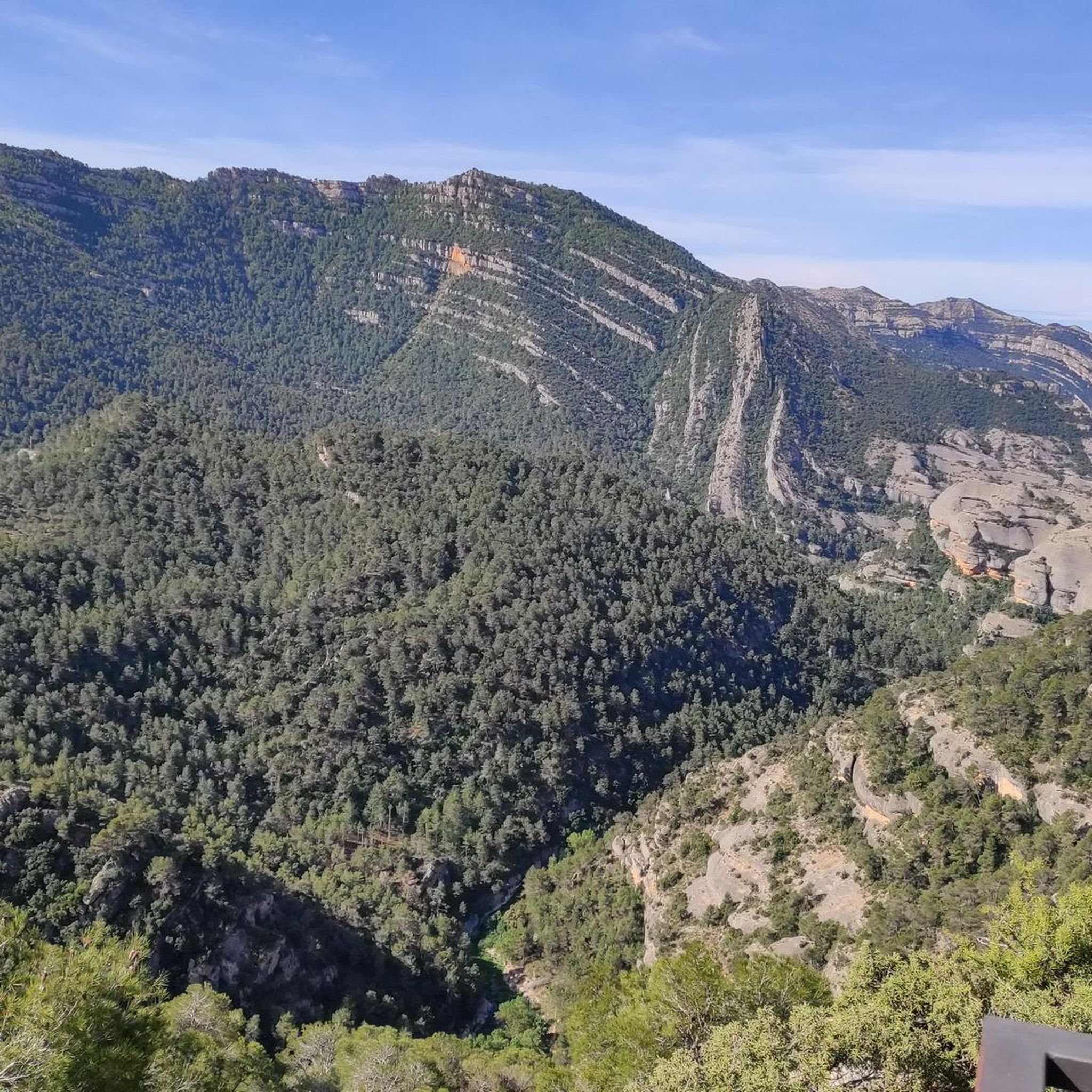
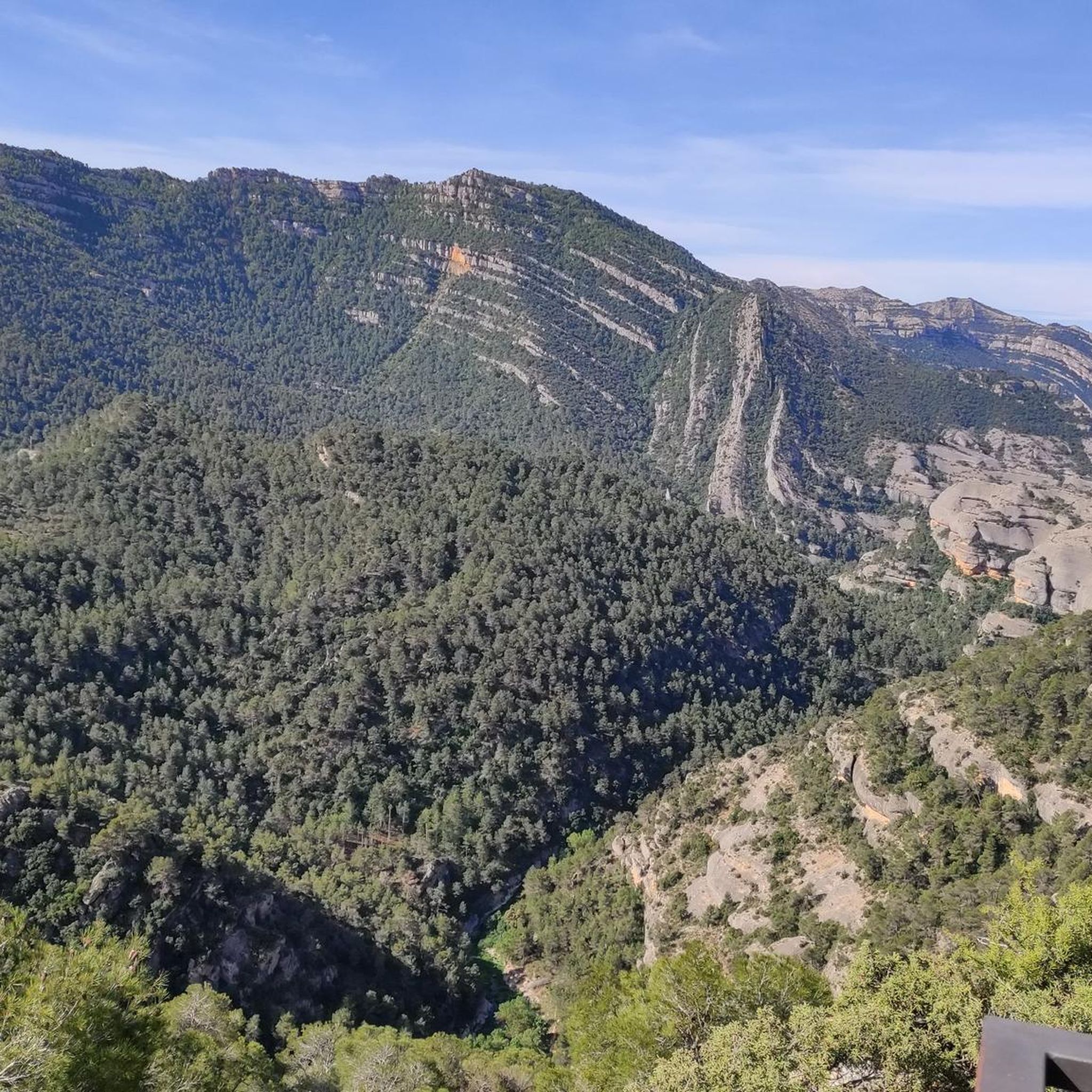
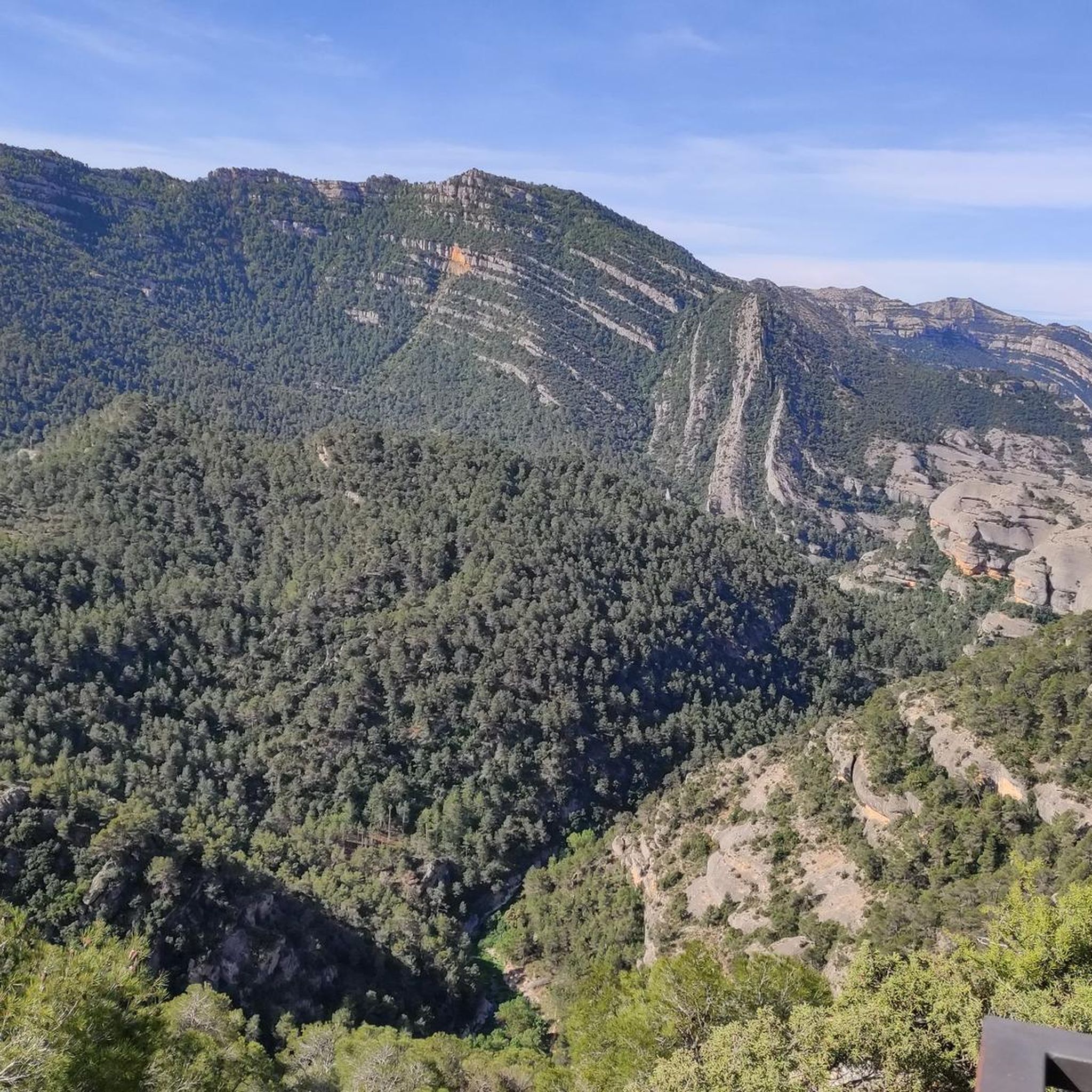
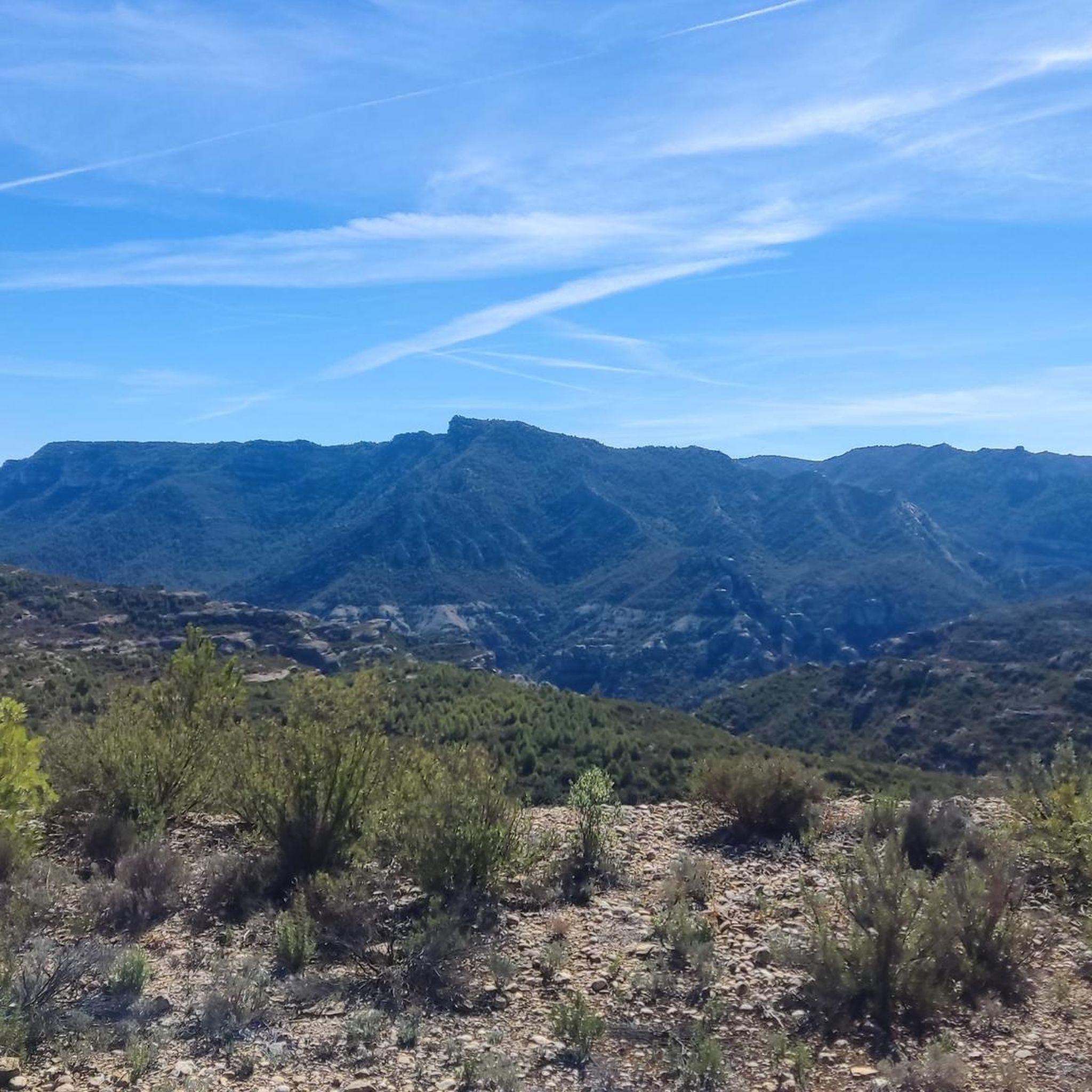
- The most popular attractions is Coll d'Albarca, a mountain pass that offers beautiful views of the surrounding landscape. Situated between the Serra de Montsant and Muntanyes de Prades, it is one of the highest points in the region.
- Another must-see spot is Cadolles Fondes Deep Pools, a canyon with deep pools carved into the rock by water action. This natural monument is located at the end of the Fraguerau gorge and is considered a wildlife reserve.
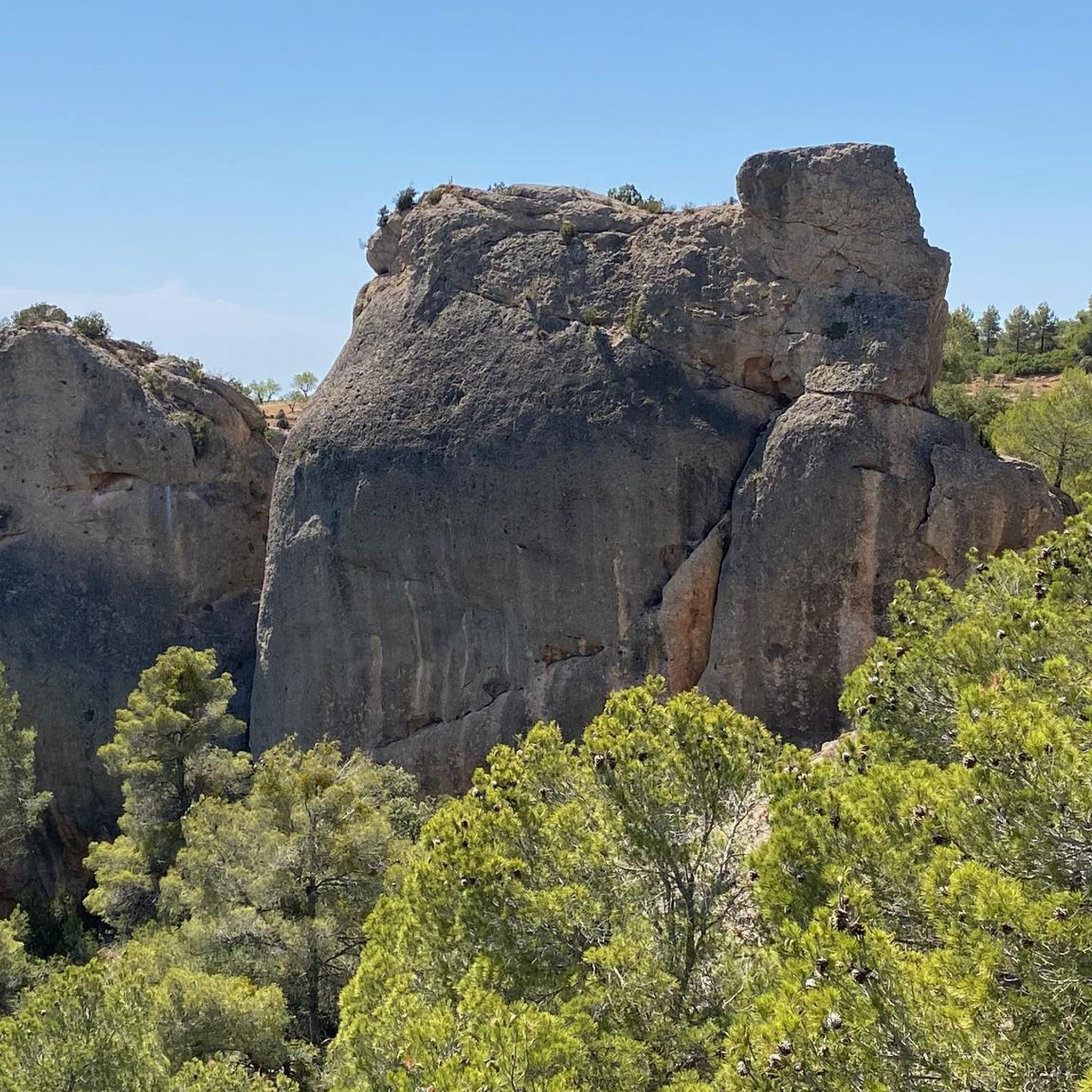
- Visitors also love Hermitage of Saint John of Codolar, a religious building surrounded by large rocks. Built by Carthusian monks in the late 15th century, it is a historical site with a long history of extensions and repairs.
- Juncosa is known for its historical landmarks, cultural sites, and natural features. Visitors can explore medieval remains, ancestral homes, and traditional arcades, alongside natural points of interest.
- The attractions around Juncosa are appreciated by the komoot community, with over 50 upvotes and 5 photos shared by visitors.
Last updated: May 25, 2026
Cadolles Fondes Deep Pools
Highlight • Canyon
Translated by Google •
Tip by

Coll d'Albarca
Highlight (Segment) • Mountain Pass
Sign up now to discover places like this
Get recommendations on the best single tracks, peaks, & plenty of other exciting outdoor places.
Sign up for free
Escaladei Charterhouse
Highlight • Historical Site
The ladder to heaven, or ladder to God, can be found again today in the priory logo.
The charterhouse existed until 1835 and lived through periods of great splendor. For seven centuries the monks tilled the fields, built mills and taught agricultural techniques and viticulture. The prior, hence the name of the region, was the judge and administrator of the villages in the center of what is now the county, roughly corresponding to what is now the Priorat growing area.
With the secularization of the church property (expropriation) by Mendizábal (1835), the monks were forced to flee suddenly, leaving their cells, the cloisters, the church and the guest house abandoned. In just two years, the once-magnificent Charterhouse was reduced to rubble as peasants weary of servitude, tithes, and submission plundered it.
The monastery ruins are open to the public: visitors are led to the three cloisters, the church and the dining room, as well as to a cell that has been reconstructed with great care.
A visit to the Carthusian monastery of Escaladei is a must for anyone who wants to discover the origins of the Priorat region.
Translated by Google •
Tip by

Hermitage of Saint John of Codolar
Highlight • Religious Site
Translated by Google •
Tip by

Hermitage of Sant Bartomeu de Fraguerau
Highlight • Religious Site
Translated by Google •
Tip by
Sign up for free to discover even more attractions around Juncosa.
Sign up for free
Already have an account?
Start today with a free account
Your next adventure awaits.
Login or Signup

Tips from the Community

A beautiful nature surprise - also invites you to take a little dip.
0
0

A wonderful place, privileged and full of charm and nature, everything very clean and cared for, I recommend going to see it and chat with its pleasant hermit
0
0

The southern slope of this port is very steep (like the vast majority in the area). There are no significant ramps, always below 6%. Unlike the passes in the Prades and Montsant mountains, this pass has long straights and the road is not winding. The views from the top are very beautiful, especially towards the north slope. In spring, the descent down the northern slope towards Ulldemolins is amazing, with a very striking contrast of yellow, green and red. In my opinion, as indicated on the website www.cyclingcols.com, the southern slope of this port begins before Cornudella de Montsant, specifically at the junction with the T-702 road, where you can go to Poboleda or Cornudella del Montsant . I leave you the link with the cyclingcols.com profile -- http://www.cyclingcols.com/col/Albarca
0
0

The hermitage was built by the Carthusian monks at the end of the 15th century. It has this name because it is surrounded by large rocks, which in Catalan are called “còdols”. Today, it is inhabited by a hermit who is in charge of its maintenance.
1
0

The Carthusian monastery dates back to the 12th century, when the monks of Provence chose to build, in this unique setting, at the foot of the Sierra del Montsant, the first Carthusian monastery on the Iberian Peninsula. During the 19th century, the monks fled the territory, leaving the land and buildings abandoned. Due to the constant looting, the space occupied by the charterhouse was deteriorated and, today, the remains of the cloisters, the church, as well as the refectory can be visited.
2
0

The Cadolles Fondes are located at the end of the Fraguerau gorge, at the confluence of the Gleva stream (in the form of a waterfall) with the Montsant river. The name is due to the large number of ponds of considerable depth carved into the rock by the action of the water.
0
0


We are at the end of the Fraguerau gorge, at the confluence of the Gleva torrent (in the form of a waterfall) with the Montsant river. The name Cadolles Fondes is due to the large number of ponds of considerable depth carved into the rock by the action of water. The river is considered a wildlife reserve. The fish population is of great importance, represented by madrilles, common barbs, common catfish, red-tailed barbs and river trout. River crabs, green frogs and water snakes abound. As for the birds related to the river, we highlight the water blackbird and the kingfisher. Among mammals, the water rat and the ferret.
2
0
Frequently Asked Questions
What historical and cultural sites can I explore within Juncosa village?
Within Juncosa, you can visit the Parish Church of the Nativity of Our Lady with its neoclassical facade and Baroque interior. The Plaça del Mig del Món features a unique stone monument. Explore remnants of the village's medieval past, including a 14th-century access portal, and admire ancestral homes like Casa Piñol. Traditional arcades such as Porxo del Mig and La Sisquella, the Hermitage of Sant Joan, and the historic Municipal Water Deposit from 1897 also offer a glimpse into the village's heritage.
Are there any significant religious or historical buildings outside the village center?
Yes, a notable site is the Hermitage of Saint John of Codolar, built by Carthusian monks in the late 15th century and surrounded by large rocks. Further afield, you can visit the Escaladei Charterhouse, the first Carthusian monastery on the Iberian Peninsula, offering a deep dive into the region's monastic history. Another historical religious site is the Hermitage of Sant Bartomeu de Fraguerau, founded in the 12th century.
What natural features and viewpoints can I find near Juncosa?
The Coll d'Albarca is a mountain pass offering beautiful views of the surrounding landscape, situated between the Serra de Montsant and Muntanyes de Prades. For a unique natural experience, visit Cadolles Fondes Deep Pools, a canyon with deep pools carved into the rock, considered a wildlife reserve. The broader region also includes the Sierra de Montsant Natural Park, known for its scenic beauty.
Are there any family-friendly attractions or activities around Juncosa?
Many of the historical sites, such as the Hermitage of Saint John of Codolar and the Escaladei Charterhouse, are marked as family-friendly, offering educational and engaging experiences. Exploring the village's traditional arcades and ancestral homes can also be an interesting walk for families. The natural areas, like the Cadolles Fondes Deep Pools, provide opportunities for outdoor exploration, though some areas might require supervision for younger children.
What kind of outdoor activities can I do near Juncosa?
The area around Juncosa is excellent for various outdoor activities. You can find numerous cycling routes, including challenging ones like the 'Alt de la Mussara' loop, or more moderate options like 'Granadella - Bellaguarda'. For mountain biking enthusiasts, there are trails such as the 'Tour of Montsant MTB Trail'. Gravel biking is also popular, with routes like 'Les Crestes de la Llena – Coll d'Albarca'. You can explore more routes on the Cycling around Juncosa, MTB Trails around Juncosa, and Gravel biking around Juncosa guide pages.
What is the best time of year to visit Juncosa for outdoor activities?
Spring is particularly recommended for outdoor activities around Juncosa. The Coll d'Albarca, for instance, offers a striking contrast of yellow, green, and red landscapes during this season. The weather is generally pleasant for exploring historical sites and natural attractions like the Cadolles Fondes Deep Pools without the intense heat of summer.
Are there any hidden gems or lesser-known spots in Juncosa?
Beyond the main attractions, Juncosa holds several charming spots. The 'Balmes, cabanes i masos' refer to unique stone constructions like caves, cabins, and farmhouses integrated into the natural landscape. The Font Vella and Rentadors (old fountain and traditional washhouses) offer a glimpse into past daily life, and a mural dedicated to rural trades can also be found within the village, showcasing local artistry and history.
What do visitors enjoy most about the attractions near Juncosa?
Visitors frequently highlight the stunning views from places like Coll d'Albarca. The tranquility and unique natural beauty of spots like Cadolles Fondes Deep Pools are also highly appreciated, with many suggesting bringing swimming gear. The historical depth and well-preserved nature of sites like the Hermitage of Saint John of Codolar and the Escaladei Charterhouse also receive strong positive feedback for their cultural significance and peaceful atmosphere.
Is public transport available to reach attractions outside Juncosa?
While Juncosa is a small village, many of the surrounding attractions, especially those in the broader region like the Sierra de Montsant Natural Park or the Escaladei Charterhouse, are best accessed by car. Public transport options directly to every specific highlight might be limited, so planning your journey in advance is advisable, especially for more remote natural sites.
Can I find places to eat or drink near the attractions?
Juncosa village itself offers local establishments. For attractions further afield, such as those in the Priorat wine region near the Escaladei Charterhouse, you'll find options in nearby towns like Escaladei, which is known for its viticulture and local cuisine. It's always a good idea to check for available services in smaller villages or plan to bring refreshments for more remote natural excursions.
Are there any specific architectural highlights in Juncosa?
Juncosa boasts several architectural points of interest. Besides the neoclassical facade of the Parish Church of the Nativity of Our Lady, you can observe the traditional design of ancestral homes such as Casa Piñol, Casa Pubill, Casa Gomis, and Antic Casal Republicà. The historic arcades, including Porxo del Mig and La Sisquella, are also distinctive examples of the village's architectural heritage.
What is the significance of the Plaça del Mig del Món?
The Plaça del Mig del Món (Square of the Middle of the World) is significant due to a local tradition. It houses a stone monument erected in 1997, which commemorates the belief that a hole in one of the village's older porches is where God placed the tip of a compass to draw the world, making it a unique cultural landmark.
Most popular routes around Juncosa
Most popular attractions around Juncosa

Get inspired with the komoot mobile app


Explore more
Still not found the Highlight you’re looking for? See guides of the top attractions in other regions:
