Attractions and Places To See around Yunclillos - Top 20
Best attractions and places to see around Yunclillos include a mix of historical sites, religious buildings, and natural viewpoints. This tranquil municipality in the province of Toledo, Spain, offers insights into rural Spanish life and history. The area is characterized by its expansive, flat plains used for cereal cultivation, traversed by the Guadarrama River. Visitors can explore a landscape that combines agricultural fields with a verdant river valley.
Best attractions and places to see around Yunclillos
- The most popular attractions…
Last updated: May 17, 2026
Chozas de Canales
Highlight • Settlement
Translated by Google •
Tip by

Parish Church of St. John the Baptist, Cedillo del Condado
Highlight • Religious Site
Translated by Google •
Tip by
Sign up now to discover places like this
Get recommendations on the best single tracks, peaks, & plenty of other exciting outdoor places.
Sign up for free
Parish Church of Saint Stephen the Protomartyr of Mocejón
Highlight • Religious Site
Translated by Google •
Tip by
Mount Magán
Highlight • Summit
Translated by Google •
Tip by

Church of Nuestra Señora de la Asunción (Cabañas de la Sagra)
Highlight • Religious Site
It stands out for its agricultural surroundings (cereals and legumes), its culinary traditions, and its proximity to Toledo and Madrid.
Translated by Google •
Tip by

Sign up for free to discover even more attractions around Yunclillos.
Sign up for free
Already have an account?
Start today with a free account
Your next adventure awaits.
Login or Signup
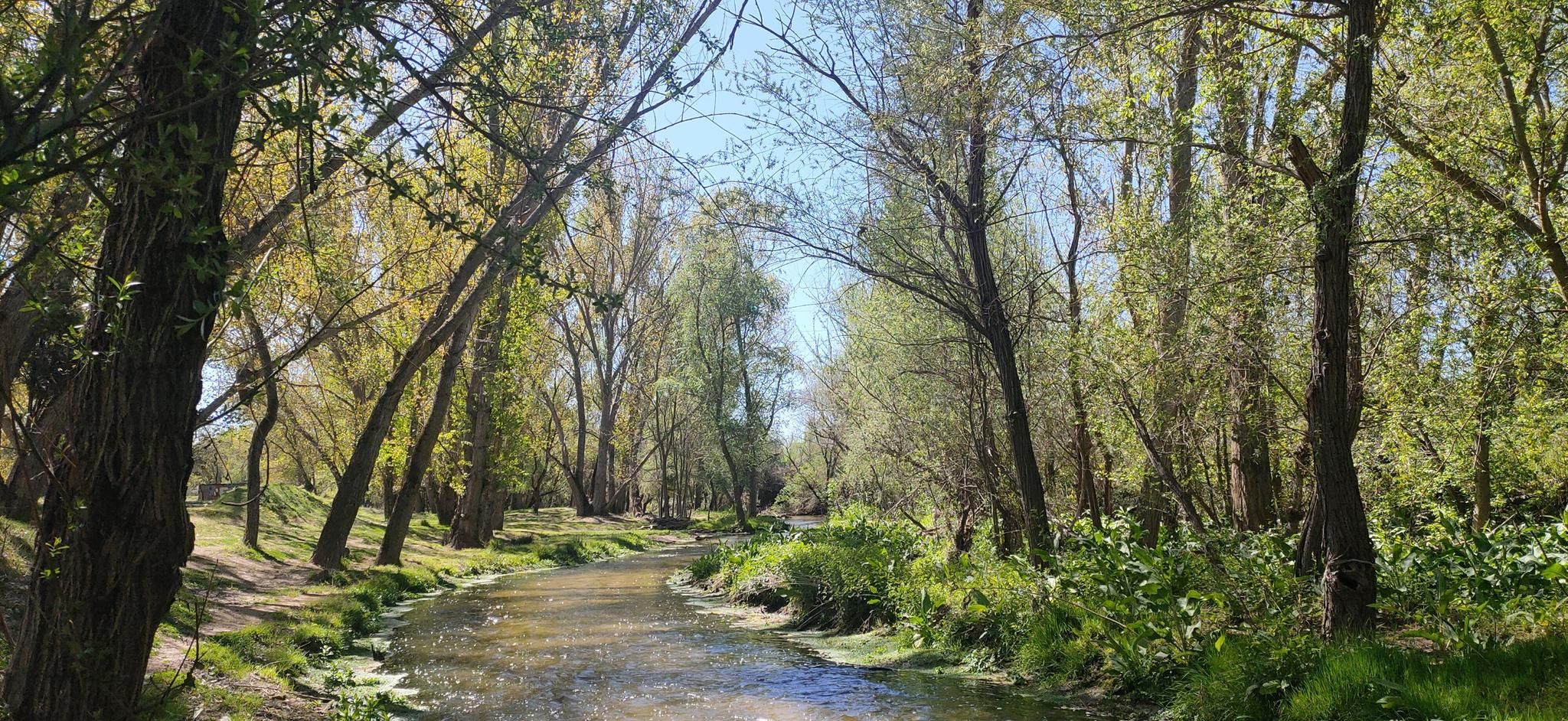
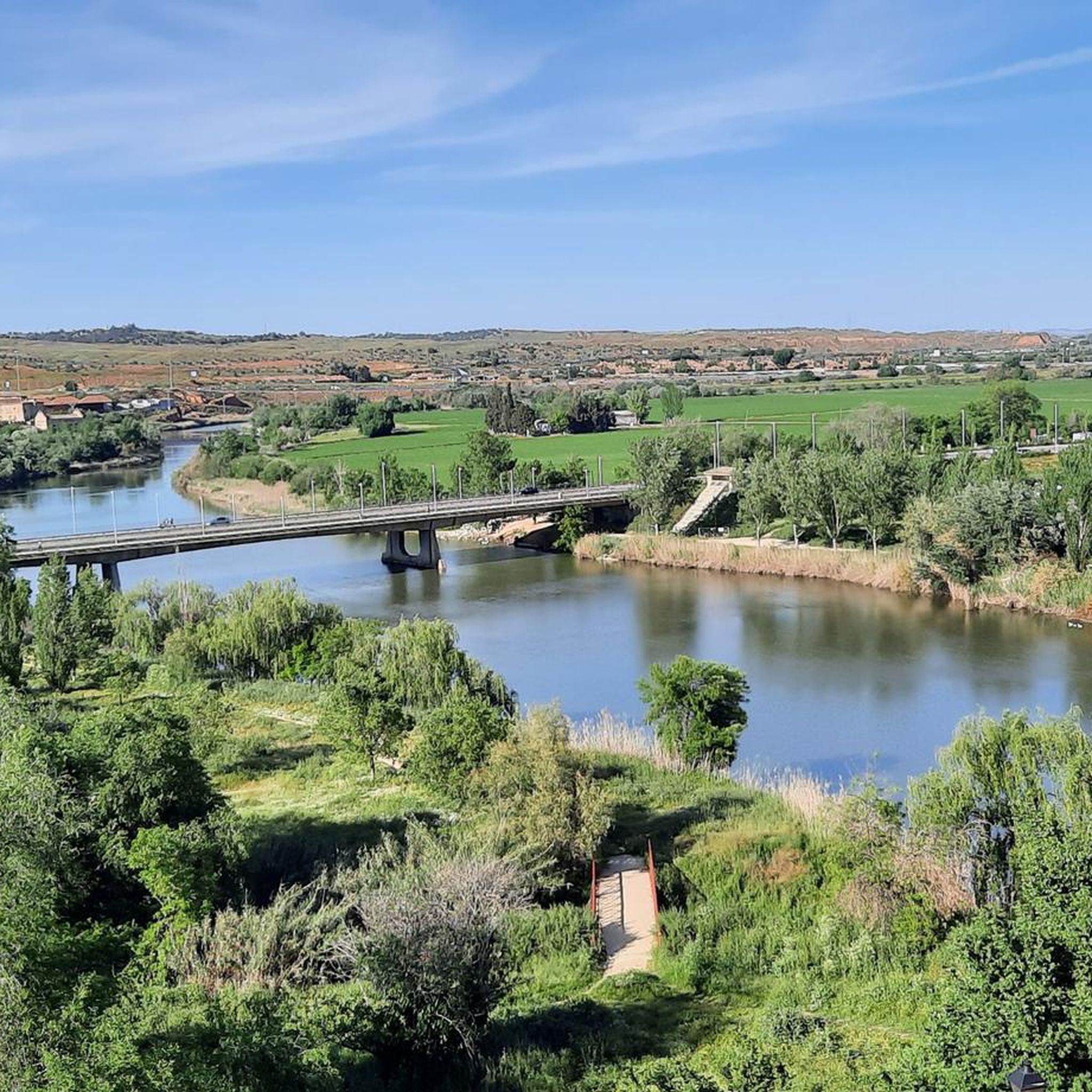
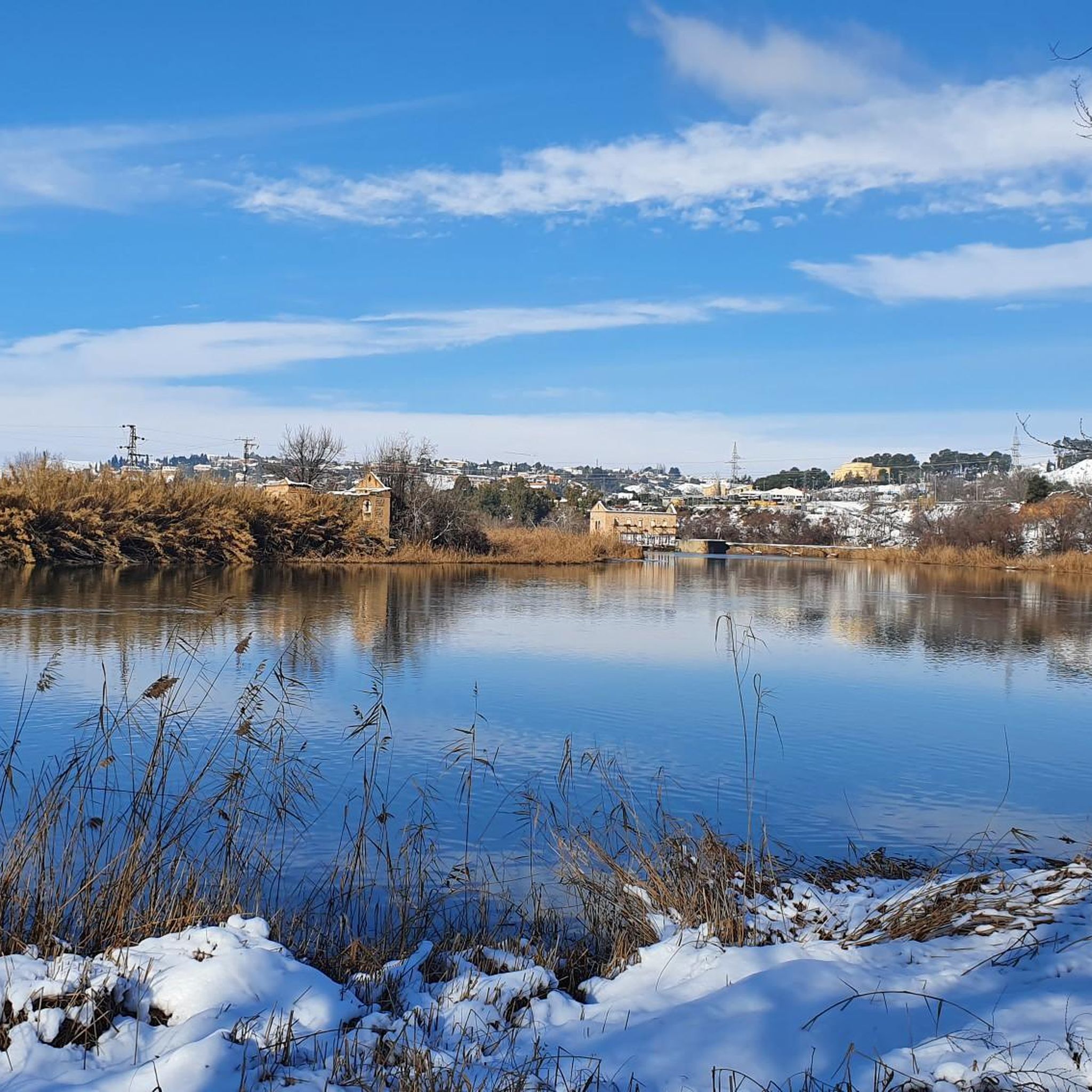
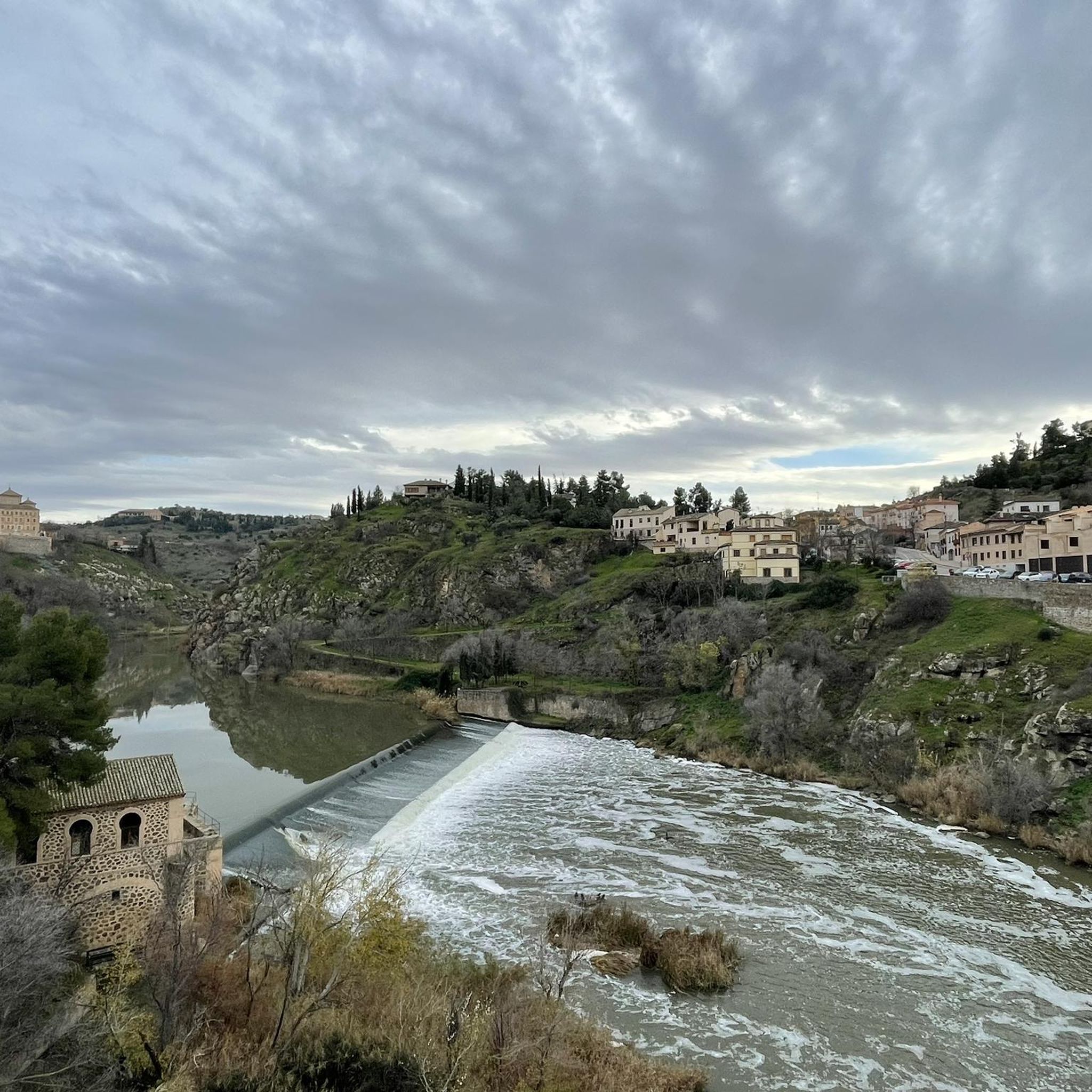


Other adventures around Yunclillos

Tips from the Community

What to see in Cabañas de la Sagra Parish Church of Our Lady of the Assumption Built between the 16th and 17th centuries, with a Mudéjar coffered ceiling and unique wooden details. Roman Villa Archaeological remains from the 3rd century AD, evidence of the Roman past in the area. Osborne Bull A Spanish cultural icon, visible from the road, ideal for photos. Natural surroundings Walks to Fuente de la Mora and Los Pinos, peaceful routes through fields of grain.
2
0
Cabañas de la Sagra is a peaceful and welcoming village, perfect for escaping the hustle and bustle of the city. It stands out for its agricultural surroundings (cereals and legumes), its culinary traditions, and its proximity to Toledo and Madrid.
2
0

The hermitage of Cristo de la Misericordia and the parish church of Santa María Magdalena stand out. A curiosity is that this town is still buried under the rubble of the real estate boom. In the 2000s, it was intended to turn it into a new "dormitory city" for Madrid and the town went from having 500 to 2,000 homes, many of which were never lived in, or even finished building. The town went through a hard stage after the real estate crisis that still lasts today.
1
0
Cabañas de la Sagra is one of the oldest towns in the region. The Mudejar church of Nuestra Señora de la Asunción dates from the 15th-16th centuries. You can also enjoy nature in the places of Fuente de la Mora and Los Pinos and visit the excavation of the ancient Roman villa.
1
1

Something curious about Mocejón is that it was not always located in this exact place. At first it was located on a hill next to the Tagus, but there, because there were more mosquitoes, they had many problems with malarial diseases, so it was decided to move the town to its current location.
3
1
If you are interested in the phenomena of real estate speculation, you can take a ride with your bike through the successive extensions that were made in this agricultural town in the 2000s, when it was intended to turn it into a new "dormitory city" for Madrid. The town went from having 500 to 2,000 homes, many of which were never inhabited, or even completed. The town went through a tough time after the real estate crisis with high unemployment rates and the hangover of this recent history still lingers today.
2
1
A curiosity of this town is that its origin is not known with certainty. It is known that pre-Roman tribes already inhabited it and then it passed through Roman, Arab hands and, after the conquest of Toledo by Alfonso VI in 1086, Mozarabs and finally Christians.
2
0

Somewhat steep ascent but worth the effort to have incredible views of this northern area of Toledo.
1
0
Frequently Asked Questions
What historical and cultural sites can I explore in Yunclillos?
Yunclillos and its surroundings offer a rich history. You can visit the Parish Church of San Andrés, dating back to the 16th and 17th centuries, which features medieval architecture and Rococo Baroque elements. Another significant site is the Necropolis of La Palomera and Hermitage of the Virgen del Río, with prehistoric anthropomorphic tombs and a peaceful hermitage. Additionally, the area has archaeological remains from the Bronze Age and a Roman Villa from the 3rd century AD. Nearby, you can find the Parish Church of St. John the Baptist, Cedillo del Condado, known for its pre-Roman, Roman, and Arab influences, and the Parish Church of Saint Stephen the Protomartyr of Mocejón, which has an interesting history of relocation due to health issues.
What natural features can I discover around Yunclillos?
The municipality is characterized by its diverse natural landscape. The Guadarrama River traverses the territory, creating a verdant river valley that contrasts with the expansive, flat plains known as "the granary of La Sagra," primarily used for cereal cultivation. This riverside environment is excellent for birdwatching. For panoramic views, consider ascending Mount Magán, which offers incredible vistas of the northern Toledo area.
Are there opportunities for hiking or cycling near Yunclillos?
Yes, the flat plains and riverine areas around Yunclillos are ideal for outdoor activities. You'll find various paths and trails perfect for exploring the ecosystem on foot or by bicycle. For specific routes, you can check out the hiking guide for Yunclillos or the cycling guide for Yunclillos, which include routes like the 'Mount Magán loop' for hikers and 'Villaluenga, Cabañas, and Villaseca de la Sagra Loop' for cyclists.
What kind of rural architecture can I see in Yunclillos?
Strolling through the quiet streets of Yunclillos offers a glimpse into authentic rural Spanish life. You'll observe traditional, low, whitewashed houses that characterize the village, providing a charming and peaceful experience.
Where can I go birdwatching in Yunclillos?
The diverse ecosystem along the Guadarrama River is an excellent spot for birdwatching. The verdant river valley provides a habitat for various bird species, making it a rewarding location for nature enthusiasts.
Are there any family-friendly attractions in the Yunclillos area?
While Yunclillos itself offers a tranquil rural experience, the nearby settlement of Chozas de Canales is listed as family-friendly. Exploring the traditional architecture and natural surroundings on easy walks can be enjoyable for families.
What are some lesser-known or 'hidden gems' near Yunclillos?
Beyond the main churches, the Necropolis of La Palomera and Hermitage of the Virgen del Río offers a unique historical and spiritual experience, with ancient anthropomorphic tombs carved into stone. The quiet streets of Yunclillos themselves, with their traditional rural architecture, can also be considered a hidden gem for those seeking an authentic Spanish village atmosphere.
What do visitors enjoy most about the attractions around Yunclillos?
Visitors appreciate the blend of historical sites, religious buildings, and natural viewpoints. The tranquility of the rural setting, the insights into Spanish history, and the opportunities for outdoor activities like hiking and cycling are highly valued. The panoramic views from spots like Mount Magán are also a favorite.
Can I find archaeological remains in the Yunclillos region?
Yes, the area around Yunclillos is rich in archaeological history. Evidence of human presence dates back to prehistoric times, specifically the Bronze Age. Additionally, there are archaeological remains of a Roman Villa from the 3rd century AD in the broader vicinity, such as those near the Church of Nuestra Señora de la Asunción (Cabañas de la Sagra).
Are there running trails available near Yunclillos?
Yes, for those who enjoy running, there are several trails in the vicinity. You can find various routes, including easy to moderate options, by consulting the running trails guide for Yunclillos. Routes like the 'Running loop from Yunclillos' offer convenient options.
What is the significance of the 'granary of La Sagra' in Yunclillos?
Yunclillos is situated within a region often referred to as "the granary of La Sagra." This name highlights the area's expansive, flat plains, which are primarily used for cereal cultivation. It signifies the agricultural importance and the characteristic landscape of the municipality.

Get inspired with the komoot mobile app


Explore more
Still not found the Highlight you’re looking for? See guides of the top attractions in other regions:
