The best cycling routes around Vallbona D'Anoia
4.6
(93)
3,353
riders
216
rides
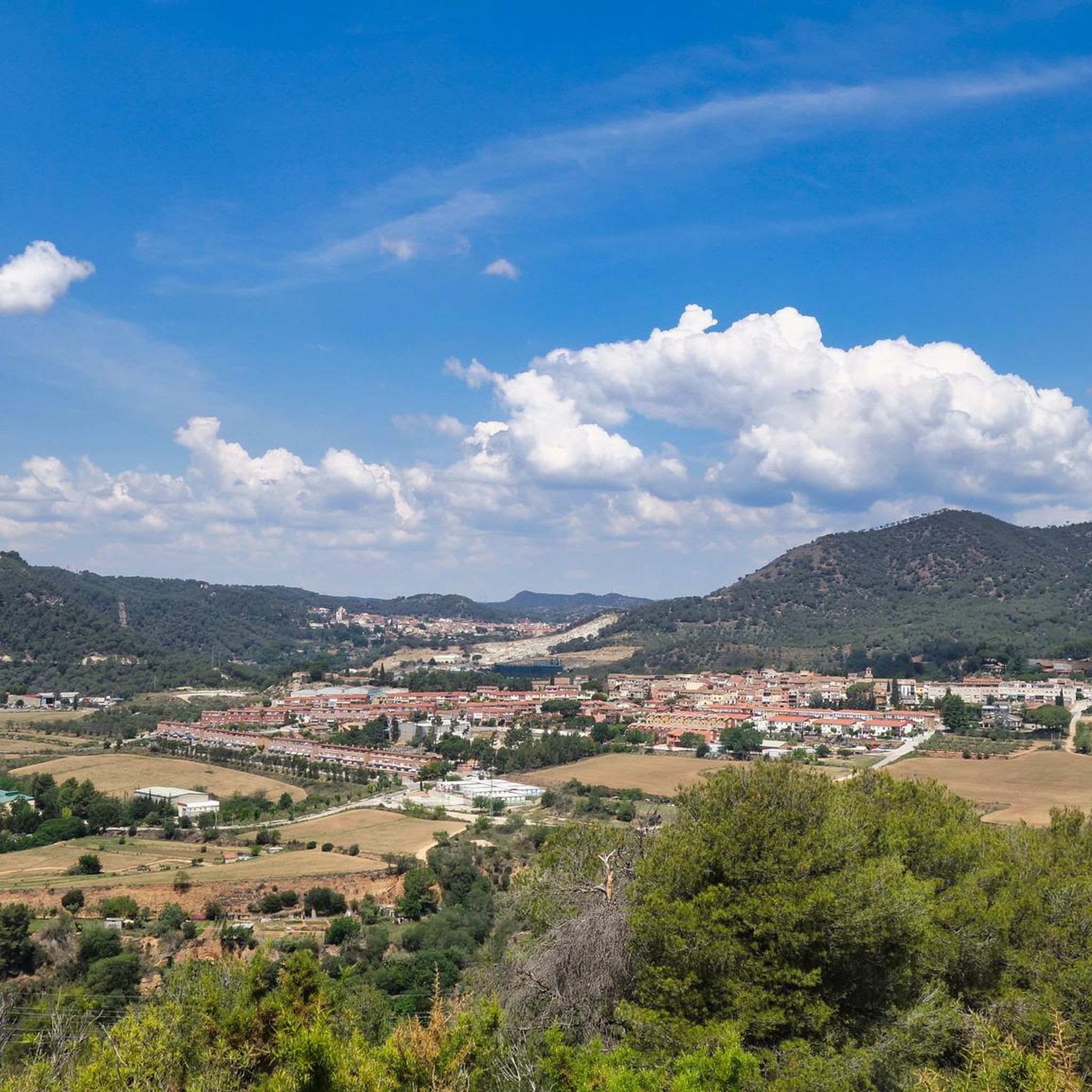
Touring cycling routes around Vallbona D'Anoia traverse a landscape characterized by hills, forests, and vineyards, with the Montserrat massif providing a dramatic backdrop. The Anoia river valley offers scenic routes along its path, connecting towns and passing historical sites. This region provides varied terrain, from flatter sections suitable for relaxed rides to challenging climbs, making it ideal for diverse cycling experiences. Natural features like the "gorgs de la Canaleta" and panoramic views from local hills enhance the scenic bike routes.
…Last updated: October 2, 2026
4.6
(8)
68
riders
43.9km
02:52
580m
580m
Hard bike ride. Very good fitness required. Mostly paved surfaces. Suitable for all skill levels.
5.0
(1)
27
riders
Moderate bike ride. Good fitness required. Mostly paved surfaces. Suitable for all skill levels.

22
riders
52.6km
05:15
1,120m
1,120m
Hard bike ride. Very good fitness required. You may need to push your bike for some segments of this route.
5.0
(1)
10
riders
22.5km
02:03
430m
430m
Hard bike ride. Good fitness required. You may need to push your bike for some segments of this route.
9
riders
37.8km
02:35
630m
630m
Hard bike ride. Very good fitness required. Mostly paved surfaces. Suitable for all skill levels.
Get access to more routes and recommendations from other explorers.
Already have an account?
Our route recommendations are based on thousands of hikes, rides, and runs completed by other people on komoot.
Start today with a free account
Your next adventure awaits.
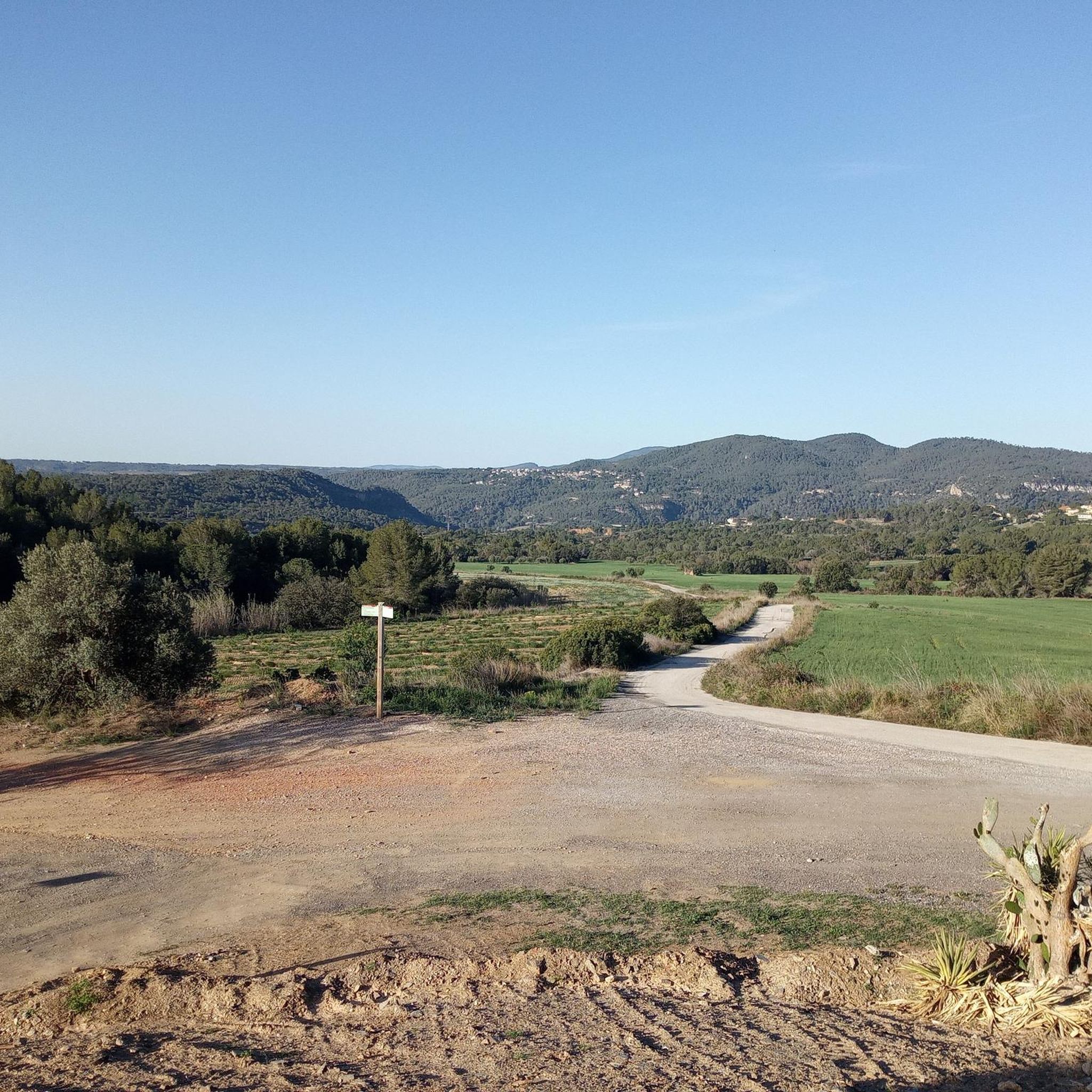
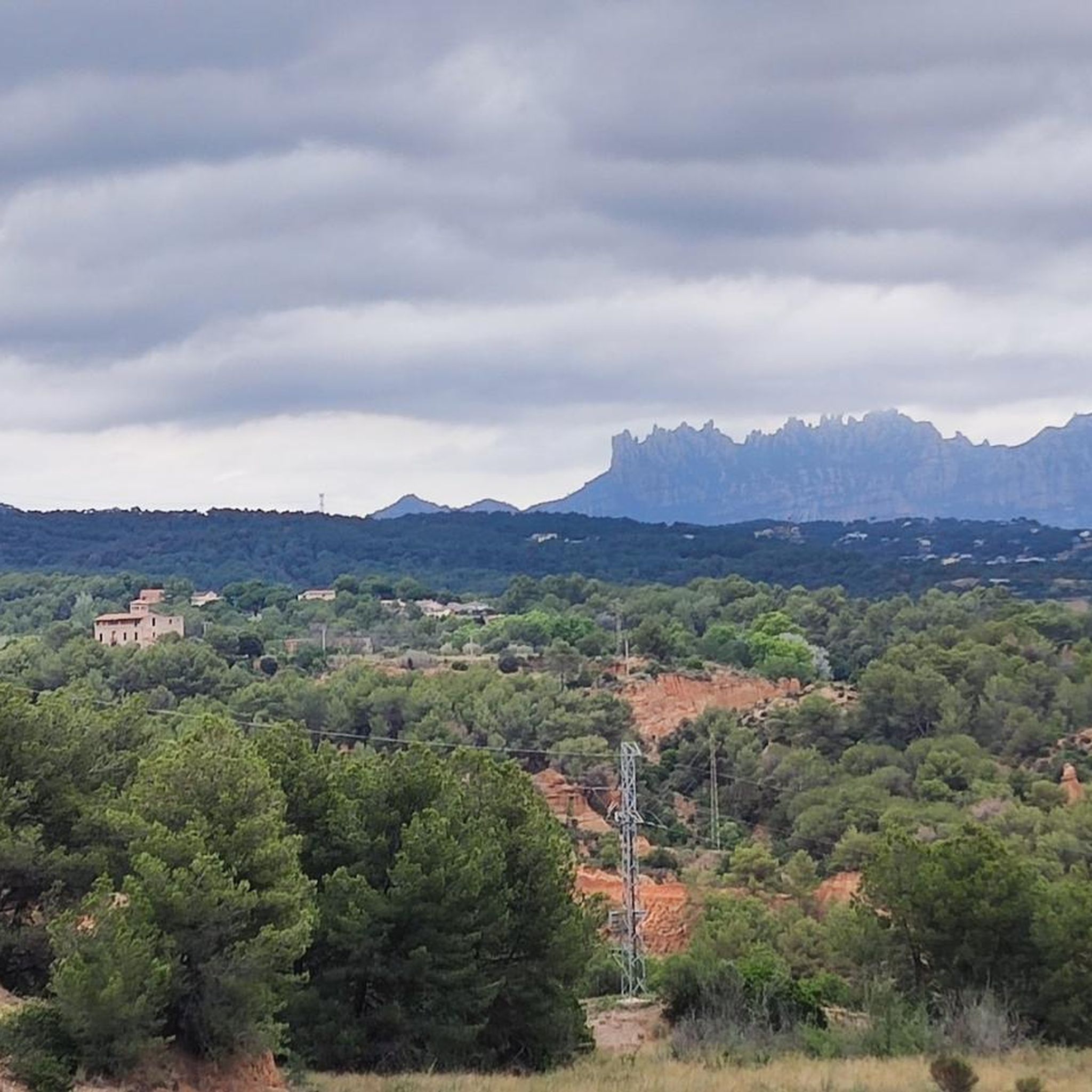
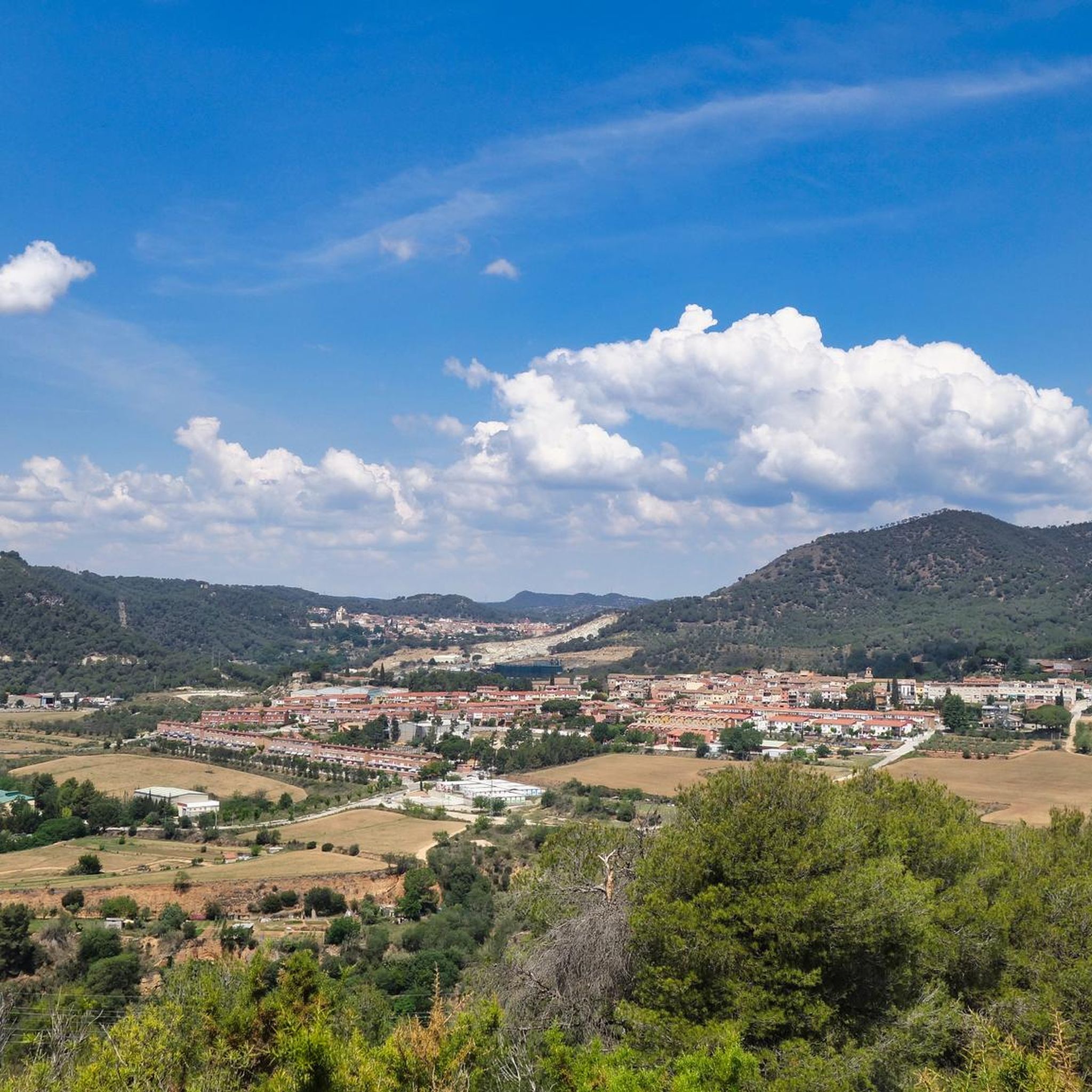
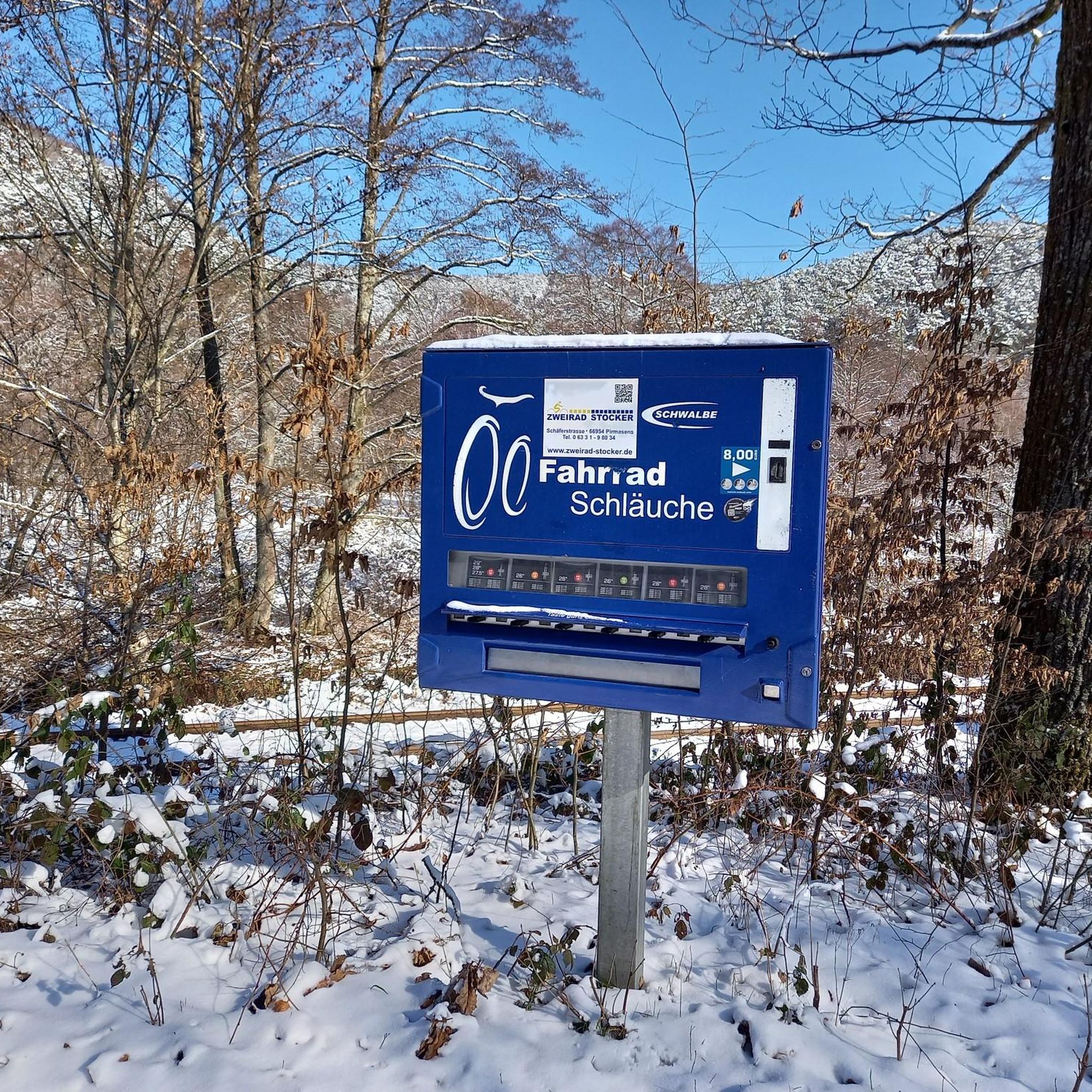
Tips from the Community

La vía Blava recorre el curso del Anoia y atraviesa preciosos paisajes rivereños y agrícolas en un recorrido ideal para toda la familia.
0
0
Igualada has been an important crossroads between Barcelona and Lleida on the course of the Anoia since the Middle Ages. It is currently a thriving industrial city, especially in the textile sector. This peculiarity is a legacy of its leatherworking history, of which it was one of the most important tanning centers in medieval Europe. One of its main attractions is the Leather Museum.
1
0

For all fitness levels, experience with the bike is required if you are riding on wet/damp terrain as the bike may skid, you may need to push the bike in some sections.
0
0

Documented for the first time in 962, it was listed as a monastic house dependent on the Ripoll monastery and since the 12th century it had housed a community of Benedictines. Practically nothing remains of the primitive Romanesque church, since in 1541 a mob of Frenchmen burned down the town, leaving the monastic house and the church collapsed. The church was rebuilt in 1567, becoming the property of the Barcelona Cathedral. In the following years he carried out various renovations, including the addition of an altarpiece by the Milanese painter Joan Baptista Toscano and various images by the Catalan baroque artist Agustí Pujol. In successive centuries the church was expanded and in the 1950s, after the damage suffered during the civil war, the sgraffito exterior that can be seen today was painted.
1
0
The Museu Molí Paperer de Capellades is a museum dedicated to the paper industry, located in the town of Capellades, in the Catalan region of l'Anoia. The museum occupies the old premises of a paper mill, called Molí de la Vila, which preserves the structure of the paper mills of the 18th century. Next to the building there is an artificial lake fed by a water source, known as the "bassa" and which is fed by the Carme - Capellades aquifer. The museum explains the history of papermaking, and preserves original tools for manual papermaking. In fact, in its underground premises paper is still made with these artisanal techniques.
0
0
The Capellades prehistoric park is a cultural facility located in the Cinglera del Capelló, the cliff on which the town of Capellades sits, in the Catalan region of l'Anoia. This area, in addition to its geological and landscape value, has great archaeological value, due to the presence of around twenty sites from various periods. The cliff itself is one of the park's attractions. Its origin is in the action of carbonated waters that, by fossilizing plant colonies, form fall travertines, a type of fossil waterfall that is locally called "capellons". Its growth formed cornices, grottoes and caves that were used as shelter by groups of prehistoric settlers. One of these caves constitutes the best preserved Paleolithic archaeological site in the complex, known as "l'Abric Romaní", used as a refuge by groups of Neanderthals and which has been excavated since 1983.
0
0
This fountain is located on a road very frequented by road cyclists, since it is located in a section whose passage is mandatory if you go to or come from Sant Quintí de Mediona, Canaletes, Sant Joan de Mediona or Capellades. The water that flows from the pipe is very fresh and tastes good, and it is not uncommon to find people filling jugs. If you politely ask to be able to fill your drum, you can skip the "turn" and thus continue your route well supplied with water.
0
0

A very nice walk along the river. But you should be prepared for a strong smell from the municipal sewage treatment plant. Otherwise really a nice way 🤪😎
0
0
Frequently Asked Questions
What kind of terrain can I expect on touring cycling routes around Vallbona D'Anoia?
The region offers a diverse landscape for touring cyclists, characterized by rolling hills, dense forests, and picturesque vineyards. You'll find varied terrain, from relatively flat sections ideal for relaxed rides along the Anoia River to challenging climbs that ascend towards the Montserrat massif, providing a good test for endurance. The area's natural features, such as the 'gorgs de la Canaleta' and panoramic viewpoints from higher elevations, add to the scenic variety.
Are there any easy touring cycling routes suitable for beginners or families in Vallbona D'Anoia?
While many routes in Vallbona D'Anoia are rated as difficult, there are options for easier rides, particularly along the Anoia River valley. These routes often connect nearby towns like Capellades and Cabrera d'Anoia, passing by historical sites such as old paper mills and stone bridges. For specific easy routes, you can explore the 2 routes categorized as easy within the region, or look for routes with less elevation gain.
What are some scenic points of interest or natural features to look out for on a touring cycling trip?
Vallbona D'Anoia is rich in scenic beauty and natural features. You can enjoy panoramic views from peaks like Miramar and Llobreia, or explore the unique rock formations of the Montserrat massif, often referred to as the 'labyrinth of needles' near Coll de Can Maçana. The Anoia River itself offers beautiful routes, and the 'gorgs de la Canaleta' provide opportunities to enjoy the fluvial environment. Historic sites like Sant Onofre Hermitage also offer stunning vistas.
What is the best time of year to go touring cycling in Vallbona D'Anoia?
The region experiences a Mediterranean climate, making spring and autumn particularly favorable for touring cycling. During these seasons, precipitation is moderate, and temperatures are generally pleasant, offering ideal conditions for outdoor activities. Summers can be hot, while winters are mild, but spring and autumn provide the most comfortable cycling weather.
Are there any circular touring cycling routes in the area?
Yes, many touring cycling routes in Vallbona D'Anoia are designed as loops, allowing you to start and finish in the same location. An example is the challenging Riu Anoia Dam – House loop from Capellades, which covers 45.3 km with significant elevation gain. Another popular option is the Celler de la Guàrdia – Coll del Bruc loop from la Pobla de Claramunt, offering challenging climbs and scenic views.
What historical attractions can I visit while cycling around Vallbona D'Anoia?
The region has a rich history, with routes often following ancient paths like the 'Camí Ral' (Royal Road). You can cycle past old paper mills and stone bridges along the Anoia River, reflecting the area's industrial past. Further afield, Coll de Can Maçana serves as a starting point for routes leading to the Romanesque church of Sant Pau Vell or the historical site of the Battle of Bruc. The 10th-century Romanesque Claramunt Castle also offers magnificent views of the Anoia River valley.
How do other touring cyclists rate the routes in Vallbona D'Anoia?
The touring cycling routes around Vallbona D'Anoia are highly regarded by the komoot community, holding an average rating of 4.6 stars from over 70 reviews. More than 2,800 touring cyclists have explored the varied terrain, often praising the challenging climbs, scenic views, and the diverse landscapes of river valleys, forested hills, and vineyard-covered slopes.
Are there any particularly challenging touring cycling routes for experienced riders?
Yes, Vallbona D'Anoia is well-suited for experienced touring cyclists seeking a challenge. A significant portion of the routes, 158 out of 195, are rated as difficult. For instance, the Prehistoric Park of Capellades – Pujol d'Orpinell loop from Capellades is a 54 km trail with over 1190 meters of elevation gain, offering a demanding ride through diverse landscapes. Another challenging option is the Sant Sadurní d'Anoia Town Hall – Footbridge loop from Piera, covering 54.5 km with over 769 meters of ascent.
What is the typical elevation gain on touring cycling routes in this region?
The elevation gain varies significantly across the region's routes, reflecting the diverse terrain. While some flatter sections exist along the river, many routes involve substantial climbing. For example, the Coll de Frígols – barraca de pedra seca 4061 loop from Capellades has an elevation gain of approximately 428 meters over 22.5 km, while the Prehistoric Park of Capellades – Pujol d'Orpinell loop from Capellades features over 1190 meters of ascent.
Can I find public transport options to access the cycling routes in Vallbona D'Anoia?
Vallbona D'Anoia is situated in a region with various towns and villages. While specific public transport links directly to trailheads might vary, the area is generally accessible. It's advisable to check local bus or train schedules connecting to towns like Capellades or Piera, which are common starting points for many routes, to plan your journey effectively.
Are there any mountain passes I can cycle over in the Vallbona D'Anoia area?
Yes, the region features several mountain passes that offer challenging climbs and rewarding views for touring cyclists. Notable passes include Coll de Can Maçana, La Portella Pass, and Coll del Bruc. These passes often form part of longer, more difficult routes and provide excellent opportunities to experience the region's hilly terrain and panoramic vistas.
Most popular routes around Vallbona D'Anoia
Most popular attractions around Vallbona D'Anoia

Get inspired with the komoot mobile app


Explore more
Browse the best Cycling routes in other regions.
