Attractions and Places To See around Escalona - Top 6
Best attractions and places to see around Escalona. Escalona, primarily located in the province of Toledo, Spain, is a town with a rich history and natural beauty. Situated on a promontory overlooking the Alberche River, it features a medieval layout and significant cultural heritage. The area offers a blend of historical landmarks and natural features, making it a notable destination.
Best attractions and places to see around Escalona
- The most popular attractions is Escalona Castle Palace, a castle that…
Last updated: May 17, 2026
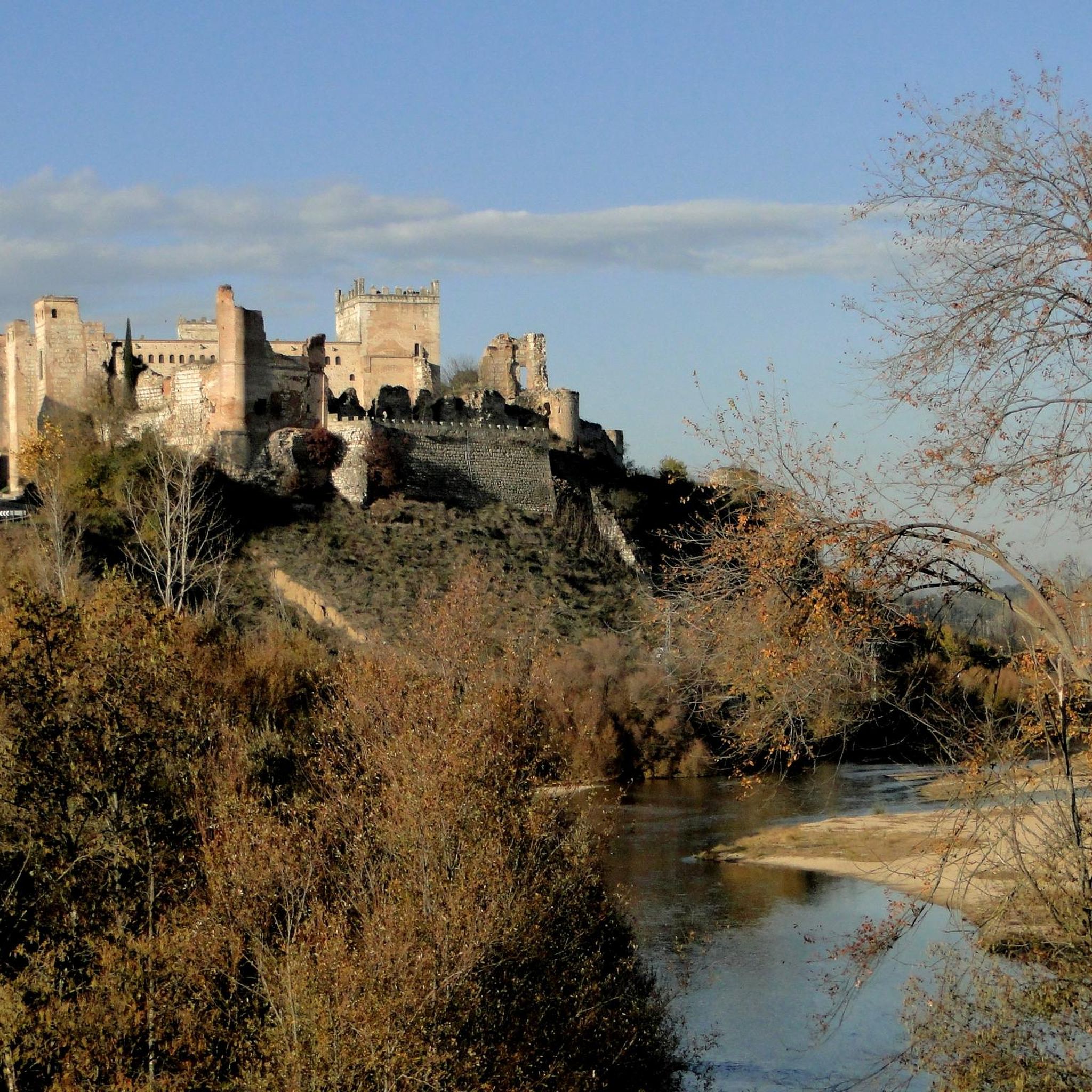
Escalona Castle Palace
Highlight • Castle
Translated by Google •
Tip by

San Silvestre Castle
Highlight • Castle
Translated by Google •
Tip by
Sign up now to discover places like this
Get recommendations on the best single tracks, peaks, & plenty of other exciting outdoor places.
Sign up for free
Castillo de la Vela
Highlight • Castle
Translated by Google •
Tip by
Peña Escrita de Cenicientos
Highlight • Monument
Translated by Google •
Tip by
Cenicientos Historic Center
Highlight • Historical Site
Translated by Google •
Tip by

Sign up for free to discover even more attractions around Escalona.
Sign up for free
Already have an account?
Start today with a free account
Your next adventure awaits.
Login or Signup


Tips from the Community

This fortress of Roman origin was also used by the Arabs and finally taken over by Alfonso VI of Castile. Located at a strategic point next to the Alberche river between Ávila and Toledo, it contains an imposing 22-meter-high keep and a Mudejar palace inside.
0
0

Initially conceived as a Roman fortress, it was later taken over by the Muslims to finally come under the orders of Alfonso VI of Castile and became a Gothic castle with a Mudejar-style interior palace. It is worth visiting inside and appreciating this interesting contrast of architectural styles, admission is free.
1
0
The ruins of the castle of San Silvestre date from the 15th century and it was built by Commander Gutierre de Cárdenas. Unlike the various castles that surround it, this one lacks a keep, although its façade and layout are similar to the others.
1
0
In the town of Maqueda is the Castillo de la Vela, which was built in the 10th century as a defensive fortress. After being taken over by Alfonso VI and then ceded to the Order of Calatrava, in the 15th century it was completely rebuilt and came to house Queen Isabella the Catholic.
1
0
It is a granite stone almost 7 meters high in which you can see a carving representing two people in front of a third. Studies on it have been able to decipher a writing in its lower part that alludes to the Roman goddess Diana and from there it is believed that it forms part of a series of elements found in the area that represented the border between the Roman provinces of Hispania Citerior. and Lusitania.
2
0

Located at one of the extreme points of the Community of Madrid, this town is known for its vineyards and natural beauty. The Camino de Santiago del Sureste passes from Alicante, Cartagena, Murcia, Valencia, Albacete and Toledo. Throughout the entire town you will be able to see beautiful granite stone fountains for public use.
1
0
Frequently Asked Questions
What historical landmarks can I explore in Escalona?
Escalona is rich in history, featuring several significant landmarks. The most prominent is the magnificent Escalona Castle Palace, a fortress with Roman origins that evolved through Muslim and Gothic influences. You can also see parts of the original medieval town walls, including the well-preserved San Miguel Gate. Other notable sites include the 16th-century Convent of the Conceptionist Nuns and the Church of San Miguel, which blends Romanesque, Gothic, and Renaissance styles.
Are there any other castles to visit near Escalona?
Yes, beyond the main castle in Escalona, the area boasts other historical fortresses. You can visit the ruins of San Silvestre Castle, a 15th-century structure with a layout similar to others in the region. Another significant site is Castillo de la Vela in Maqueda, a defensive fortress originally built in the 10th century and later rebuilt in the 15th century, which once housed Queen Isabella the Catholic.
What natural attractions are there around Escalona?
Escalona is nestled along the beautiful Alberche River, offering popular river beaches perfect for bathing during summer. The surrounding area features pine groves and fertile plains, ideal for scenic walks, especially around the castle at sunset. While Escalona in Toledo is known for its river, the region of Escalona in Huesca (Aragonese Pyrenees) is a gateway to stunning natural landscapes like Ordesa and Monte Perdido National Park and the spectacular Añisclo Canyon.
Can I find family-friendly activities or attractions in Escalona?
Many of Escalona's attractions are suitable for families. Exploring the impressive Escalona Castle Palace can be an engaging experience for all ages. The river beaches along the Alberche River are popular spots for families, especially in warmer months. Additionally, the Cenicientos Historic Center offers a pleasant environment for family strolls, with its granite stone fountains and charming streets.
Are there opportunities for hiking or walking near Escalona?
Absolutely! The area around Escalona is excellent for hiking and walking. You can explore trails like the 'Lazarillo Trail' (PR-TO 14), which is a moderate 16 km route. Other options include loops around Peña Cenicientos, offering moderate difficulty. For more detailed information and routes, you can check the Hiking around Escalona guide.
What kind of routes are available for outdoor sports around Escalona?
Beyond hiking, Escalona offers various outdoor sports routes. For runners, there are moderate jogging loops around the Escalona Castle Palace and the Cenicientos Historic Center. Cyclists can enjoy road cycling routes ranging from moderate to difficult, such as the circular route through Cenicientos, Cadalso de los Vidrios, and Almorox. Find more options in the Running Trails around Escalona and Road Cycling Routes around Escalona guides.
What is the significance of the Escalona Castle Palace?
The Escalona Castle Palace is the undisputed symbol of the town, boasting a history spanning over 2,500 years. Initially conceived as a Roman fortress, it was later taken over by Muslims and eventually transformed into a Gothic castle with a Mudéjar-style interior palace by the Pacheco family. Its imposing 22-meter-high keep and strategic location next to the Alberche River made it unconquerable despite several sieges, showcasing its robust military design and architectural evolution.
Are there any unique cultural sites in Escalona?
Yes, Escalona offers unique cultural experiences. Beyond its historical buildings, you can follow a literary route marked by panels referencing works related to Escalona, such as *Count Lucanor* and *Lazarillo de Tormes*. The town also features numerous mural paintings on various walls and facades, depicting historical and literary episodes, as well as tributes to classic cinema and local life, adding a vibrant artistic layer to its cultural heritage.
Where can I find scenic views or viewpoints in the Escalona area?
The area around Escalona Castle offers beautiful scenic walks, particularly at sunset, providing picturesque views over the Alberche River. While Escalona in Toledo doesn't have a named 'viewpoint' in the same way, the elevated position of the castle itself provides commanding vistas. If you were to visit Escalona in Huesca, the Escalona Viewpoint there offers panoramic views of the Cinca River valley and surrounding mountains.
What is the best time of year to visit Escalona for sightseeing?
The best time to visit Escalona for sightseeing and outdoor activities largely depends on your preferences. Spring (April-May) and autumn (September-October) generally offer pleasant temperatures for exploring historical sites and enjoying walks without the intense summer heat. Summer (June-August) is ideal if you plan to enjoy the river beaches and swimming, though temperatures can be quite high.
What do visitors enjoy the most about the attractions in Escalona?
Visitors particularly appreciate the rich history and architectural blend of the Escalona Castle Palace, noting its Roman, Muslim, and Gothic influences. Many find the contrast of architectural styles fascinating. The strategic location next to the Alberche River and the imposing 22-meter-high keep are also frequently highlighted. The area's historical castles, medieval defensive structures, and natural river beaches are all highly regarded by the komoot community.
Are there any ancient historical sites beyond castles near Escalona?
Yes, you can discover ancient historical sites like Peña Escrita de Cenicientos. This nearly 7-meter-high granite stone features a carving representing two people in front of a third, with a deciphered inscription in its lower part alluding to the Roman goddess Diana. It is believed to be part of a series of elements marking the border between the Roman provinces of Hispania Citerior and Lusitania.
What can I see in the historic center of Cenicientos?
The Cenicientos Historic Center, located at one of the extreme points of the Community of Madrid, is known for its vineyards and natural beauty. As part of the Camino de Santiago del Sureste, the town features beautiful granite stone fountains for public use throughout. It's a charming place to explore, offering a glimpse into traditional Spanish town life and history.

Get inspired with the komoot mobile app


Explore more
Still not found the Highlight you’re looking for? See guides of the top attractions in other regions:
