Attractions and Places To See around El Provencio - Top 20
Best attractions and places to see around El Provencio include a blend of historical landmarks, cultural sites, and natural features. The town, located in the province of Cuenca, Spain, is characterized by its rich history and diverse landscape. Visitors can explore significant architectural sites, areas along the Záncara and Rus rivers, and cultural initiatives like urban art routes and wine tourism. Archaeological findings also highlight the region's ancient past, making it a point of interest for historical exploration.
Best attractions…
Last updated: July 15, 2026
San Blas Church (Villarrobledo)
Highlight • Religious Site
Translated by Google •
Tip by

Castle of Santiago de la Torre
Highlight • Castle
Translated by Google •
Tip by
Sign up now to discover places like this
Get recommendations on the best single tracks, peaks, & plenty of other exciting outdoor places.
Sign up for free
Villarrobledo
Highlight • Settlement
Translated by Google •
Tip by
Casa de los Tellez
Highlight • Historical Site
Translated by Google •
Tip by
San Clemente
Highlight • Settlement
Very well-preserved historical heritage
One of its main …
Translated by Google •
Tip by
Sign up for free to discover even more attractions around El Provencio.
Sign up for free
Already have an account?
Start today with a free account
Your next adventure awaits.
Login or Signup




Tips from the Community

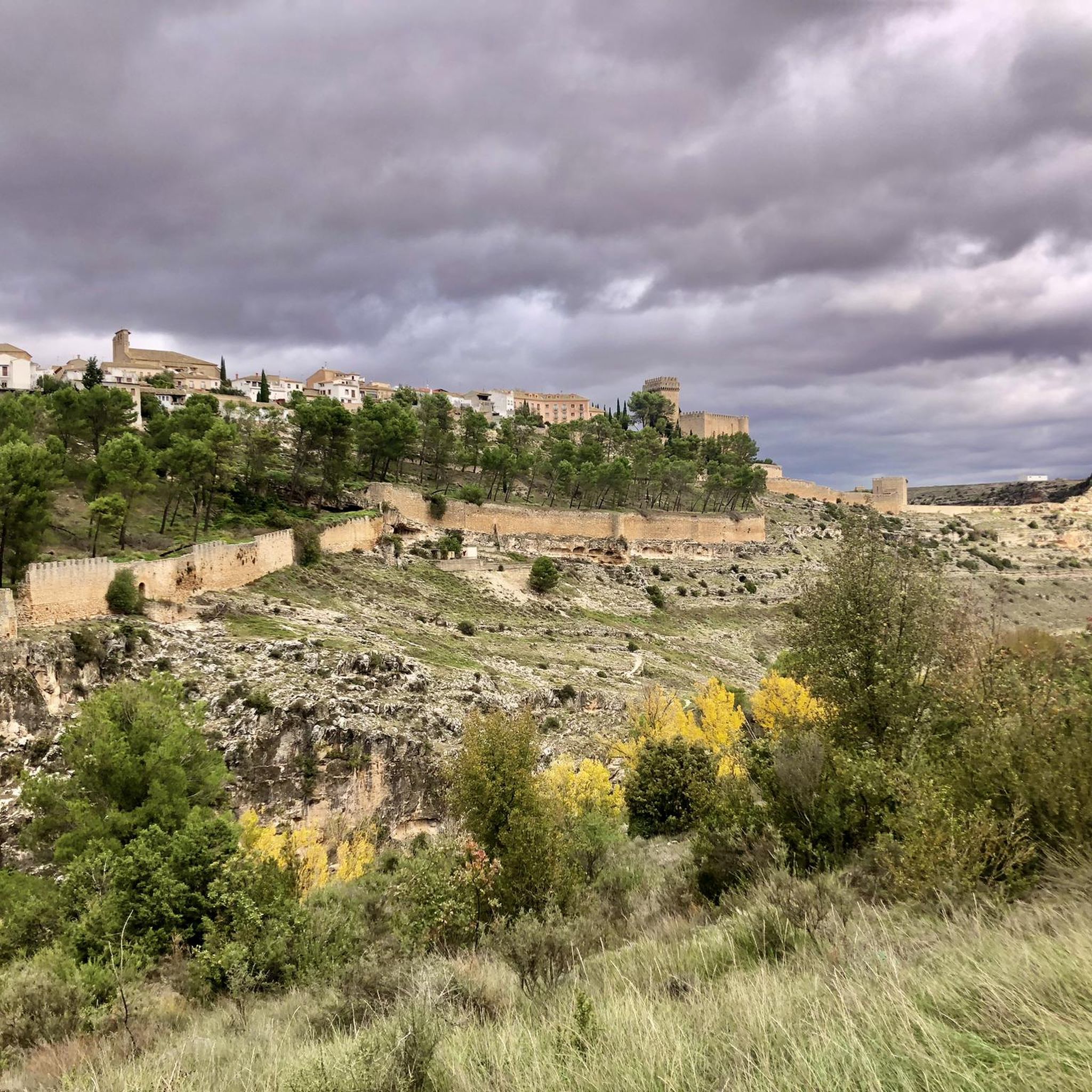
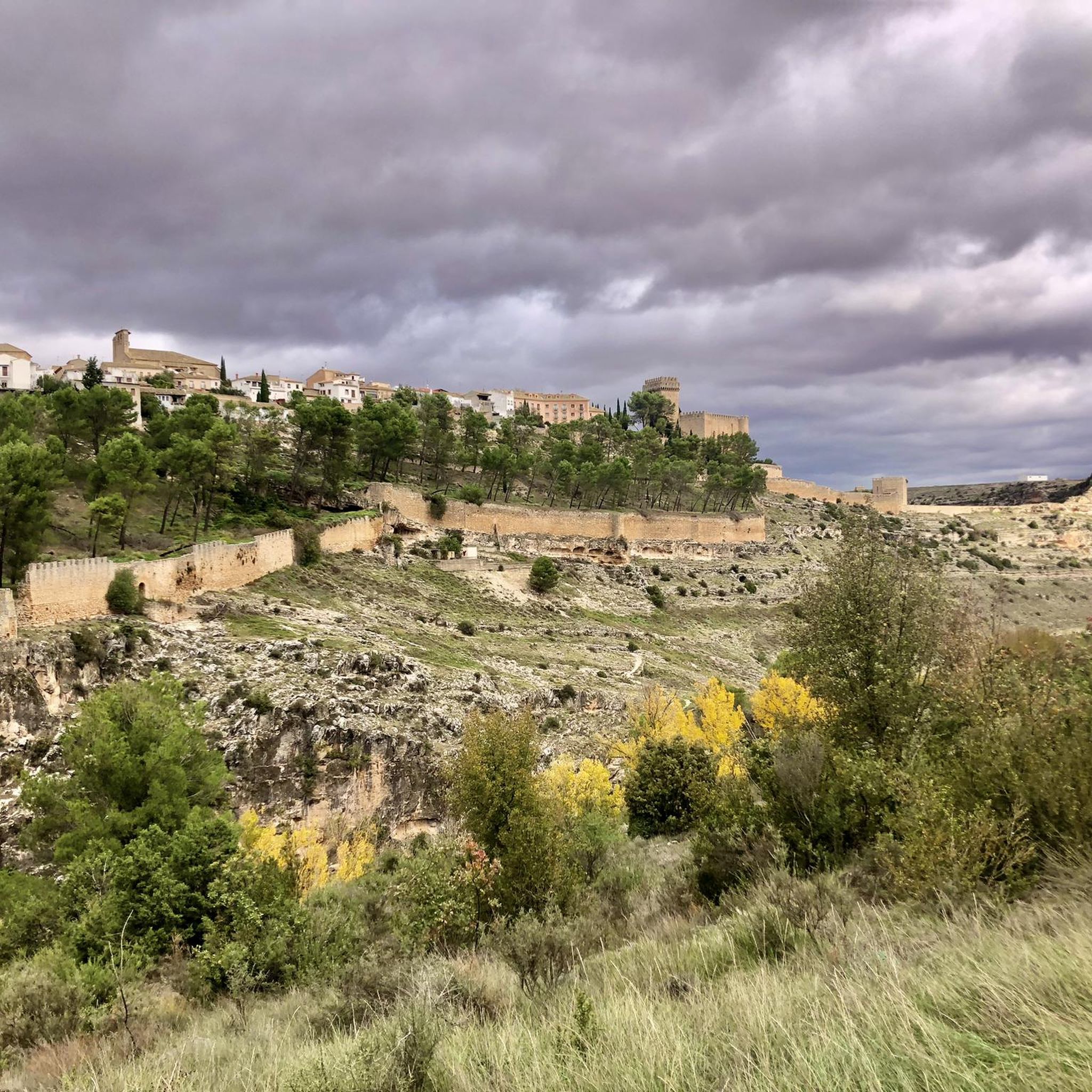
San Clemente (Cuenca) is an ideal destination for those who enjoy history, heritage, and peaceful tourism. Highly recommended as a cultural getaway. Very well-preserved historical heritage One of its main attractions is the Old Tower, the oldest building in the town, dating back to the 14th century. It stands out for its square floor plan, battlements, gargoyles, and historical significance. Inside, you'll find the Tourist Office and the Ethnographic Museum of Farming, with antique objects that illustrate the traditional way of life in the area.
3
0
The Castle of Santiago de la Torre, known in the region as Santiaguillo, is a medieval fortress located in the village of the same name. Although after its disappearance it was annexed to the municipality of San Clemente, its heart remains Provencian. This castle is located in the southwest of the province of Cuenca, in the heart of the region of Castilla-La Mancha, Spain. Explore this medieval treasure and immerse yourself in its legacy! 🏰🌿
3
0
Villarrobledo, 86 km from the capital, is one of the largest towns in La Mancha, Albacete. It collects in its municipal term the districts of Moharras and Casa de Peñas. It was the 16th century that of its economic and social splendor, as demonstrated by several of the constructions that were made during this century such as the current church of San Blas, several convents and even the Town Hall. All of them are visits of interest. But in addition, it offers an urban complex of wide streets and whitewashed walls in the style of other towns in La Mancha, characteristic of the winery industry that prevails in the area. Its Carnivals deserve special mention, one of the most important in Spain, declared of national tourist interest.
13
0

Villarrobledo is a beautiful town. It is famous for its collection of historical heritage in the form of convents, churches, hermitages and cobbled streets. Its carnival attracts more and more visitors. And the Plaza de Ramón y Cajal is the perfect place to have a drink and rest, if you are passing through with your bicycle.
2
0
The church of San Blas, from the 15th and 16th centuries, is a beautiful example of Gothic, Renaissance and Baroque architecture, which has earned it the declaration of a National Monument, a title obtained in 1977. The oldest part of the building is in the Flamboyant Gothic style, executed with great mastery. The rest was built in the purest Renaissance style and with the stamp of Vandelvira. The current temple of San Blas stands on a primitive Gothic church from the mid-15th century, at the end of this century it began to be replaced by a new factory. At the foot are remains of the primitive church, of which its western portal stands out, with a magnificent structure made in the Flamboyant Gothic style and made up of an elegant opening with a pointed arch and very slender shapes.
36
0
Building declared an Asset of Cultural Interest with a monumental façade, which is the most outstanding example of Baroque in civil architecture. It is linteled and framed by two superb Corinthian columns that support a beautiful front, very projecting and topped by pinnacles. Above the distil door there is no coat of arms, but an oval stone border or medallion that centers the front and contains a Latin inscription dated 1797. This oval is finished off by a vase topknot. The Téllez House is surrounded by other buildings also declared of Cultural Interest, which make Enrique Arce Street the most monumental in Villarrobledo. At number 3 of this street we find another house with a doorway with outstanding characteristics: lintelled stone, equipped with thick columns and an upper body. In the lower part, its attached pilasters stand out. The upper part rises on a cornice and is flanked by two Doric columns that end in a small triangular pediment. On both sides of the doorway we can find two stone coats of arms and in the center a typical grill.
33
0

One of the towns in this area of the south of the province that has more history behind it. You can see it when you walk through its streets and buildings. Mandatory stop!
0
1

Imposing large church. It has three architectural styles: Gothic, Renaissance and Baroque. It has a privileged location in the square next to the Town Hall.
1
1
Frequently Asked Questions
What historical landmarks can I explore in El Provencio?
El Provencio is rich in history. You can visit the medieval Castle of Santiago de la Torre, an 11th-century fortress located between El Provencio and San Clemente. Other notable historical sites include the Iglesia Parroquial de la Asunción de Nuestra Señora, the ancient Puente del Rey, and the Ermita de San Antón. The town also features the Casa del Gordo, a specific point of interest.
Are there any natural areas or outdoor walks to enjoy in El Provencio?
Yes, El Provencio offers several natural features and walking opportunities. The Ríos Záncara and Rus flow through the municipality, and you can enjoy the Záncara Promenade, a trail running parallel to the Záncara river. For a walk among impressive pine trees, consider exploring Monte Jareño.
What cultural attractions does El Provencio offer?
El Provencio has a vibrant cultural scene. It's known for its Urban Art Route and Murals, transforming the town into an open-air museum with works from the National Comic and Graphic Novel Festival. You can also visit the Museo del Cómic and the Bodega-Museo del Doctor Plaza, which highlights the town's viticultural tradition.
Can I find family-friendly activities in El Provencio?
While specific family activities are not detailed, the Záncara Promenade with its urban art is a pleasant and accessible walk for families. The town's focus on comic art and its open-air museum feel can also be engaging for children.
Are there opportunities for wine tourism in the El Provencio area?
Absolutely. El Provencio is a significant wine-producing area. You can explore prominent wineries such as Bodegas Lozano, Dominio de Punctum, and Pago de la Jaraba, which offer unique experiences combining wine, art, and the local territory. The Bodega-Museo del Doctor Plaza also provides insight into the town's viticultural heritage.
What kind of outdoor activities, like cycling or mountain biking, are available near El Provencio?
There are various outdoor activities available. For cycling enthusiasts, you can find routes like 'Castillo Santiago De La Torre y La Alberca de Záncara' or 'Lagunar de Manjavacas by Las Pedroñeras'. Mountain biking options include 'Villarrobledo and Socuéllamos — return through the fields of La Mancha'. You can explore more routes on the Cycling around El Provencio and MTB Trails around El Provencio guide pages.
Where can I see urban art or murals in El Provencio?
El Provencio is known for its extensive urban art. The Záncara Promenade is a prime location, featuring numerous murals contributed by graffiti artists from the Comic Fair. You'll find works by artists like Freskales, including their 'Kingfisher' and Howard the Duck pieces, along with other comic-inspired art.
Are there any archaeological sites or museums to visit in El Provencio?
Yes, El Provencio has significant archaeological interest. Recent excavations have uncovered Stone Age tools and bones from the Paleolithic period, indicating Neanderthal presence. An archaeological exhibition at the Hospedería-Bodega Nuestra Señora del Rosario showcases these findings, including remains of steppe mammoths. There is also a didactic Paleolithic classroom.
What is 'El Pueblo Olvidado' and can I visit it?
'El Pueblo Olvidado' (The Forgotten Village), also known as El Provencio subterráneo, refers to the traditional underground caves. These were originally used for food storage and wine fermentation. The tourism office conducts regular visits to some of these recovered caves, offering a unique glimpse into the town's past.
What is there to see in the nearby town of Villarrobledo?
Villarrobledo, a short distance from El Provencio, is a large town in La Mancha with a rich history. You can visit the San Blas Church, a National Monument showcasing Gothic, Renaissance, and Baroque styles. Other points of interest include the Casa de los Tellez with its monumental Baroque façade, and various convents and cobbled streets. Villarrobledo is also famous for its Carnivals.
Are there any religious buildings of note in the area?
Beyond the Iglesia Parroquial de la Asunción de Nuestra Señora in El Provencio, the San Blas Church (Villarrobledo) is a significant religious building. Dating from the 15th and 16th centuries, it is a beautiful example of Gothic, Renaissance, and Baroque architecture and has been declared a National Monument.
Is El Provencio part of any long-distance historical routes?
Yes, El Provencio is strategically located along two significant historical routes. It is part of both the historic 'Don Quijote Route' and the 'Camino de Santiago', specifically the Levante section. These routes offer historical and scenic trails for travelers interested in longer journeys.
Most popular routes around El Provencio

Get inspired with the komoot mobile app


Explore more
Still not found the Highlight you’re looking for? See guides of the top attractions in other regions:
