Attractions and Places To See around Soto En Cameros - Top 20
Best attractions and places to see around Soto En Cameros include a blend of natural beauty, historical landmarks, and cultural insights within the Leza River valley. This mountain village in La Rioja is situated in a rugged terrain, offering diverse landscapes from river canyons to historical sites. The area is part of the Biosphere Reserve of the Jubera, Leza, Cidacos, and Alhama valleys, highlighting its ecological significance. It provides opportunities for exploring ancient settlements and traditional Spanish village life.
Best…
Last updated: May 9, 2026
Clavijo Castle
Highlight • Castle
Translated by Google •
Tip by

Soto en Cameros
Highlight • Settlement
Formerly known for its textile industry, currently the small population that …
Translated by Google •
Tip by

Sign up now to discover places like this
Get recommendations on the best single tracks, peaks, & plenty of other exciting outdoor places.
Sign up for free
Ruins of the Monastery of San Prudencio
Highlight • Historical Site
Translated by Google •
Tip by

Puerto de la Rasa (1,420 m)
Highlight • Mountain Pass
Translated by Google •
Tip by
Leza Canyon Viewpoint
Highlight • Viewpoint
Translated by Google •
Tip by
Sign up for free to discover even more attractions around Soto En Cameros.
Sign up for free
Already have an account?
Start today with a free account
Your next adventure awaits.
Login or Signup
Tips from the Community

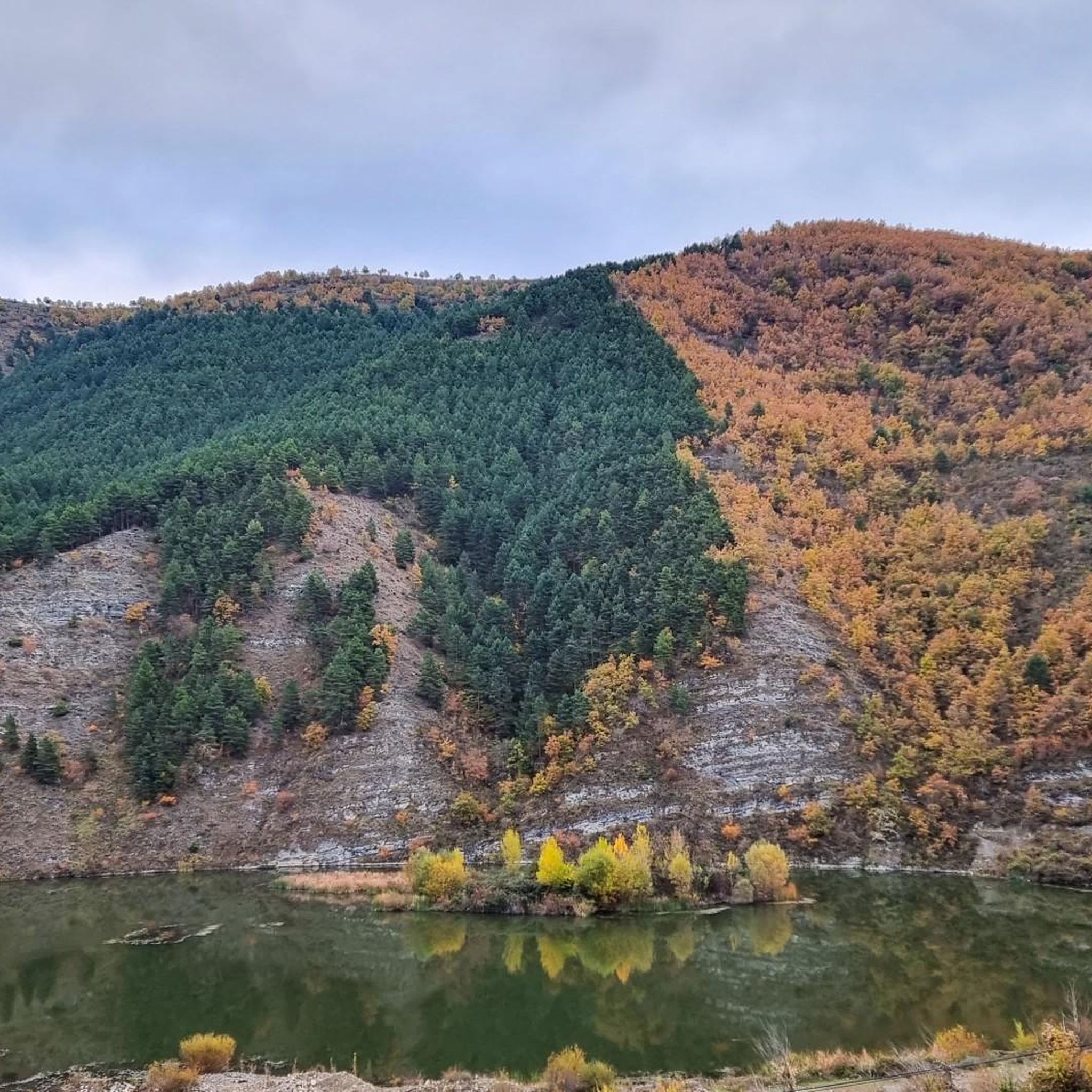
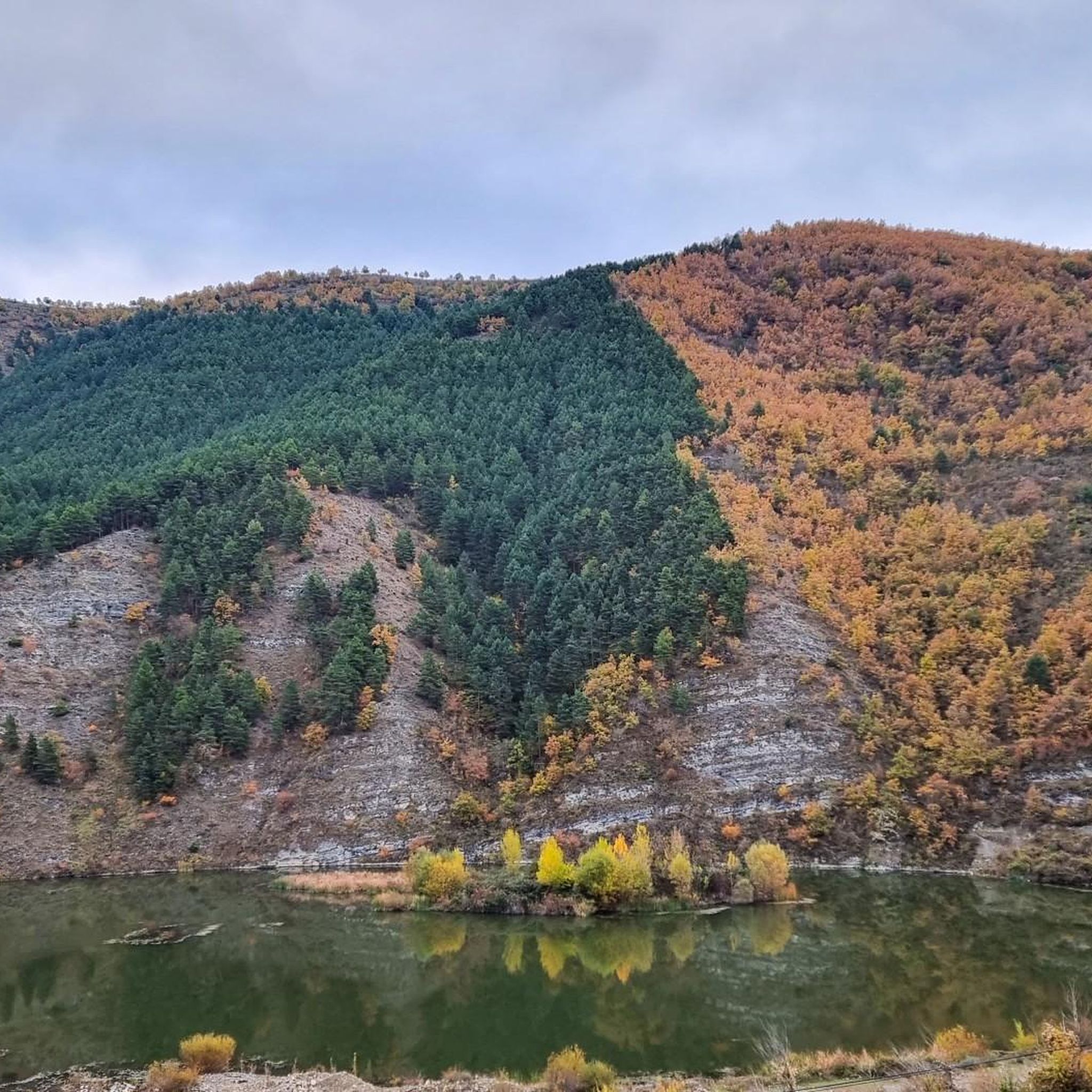
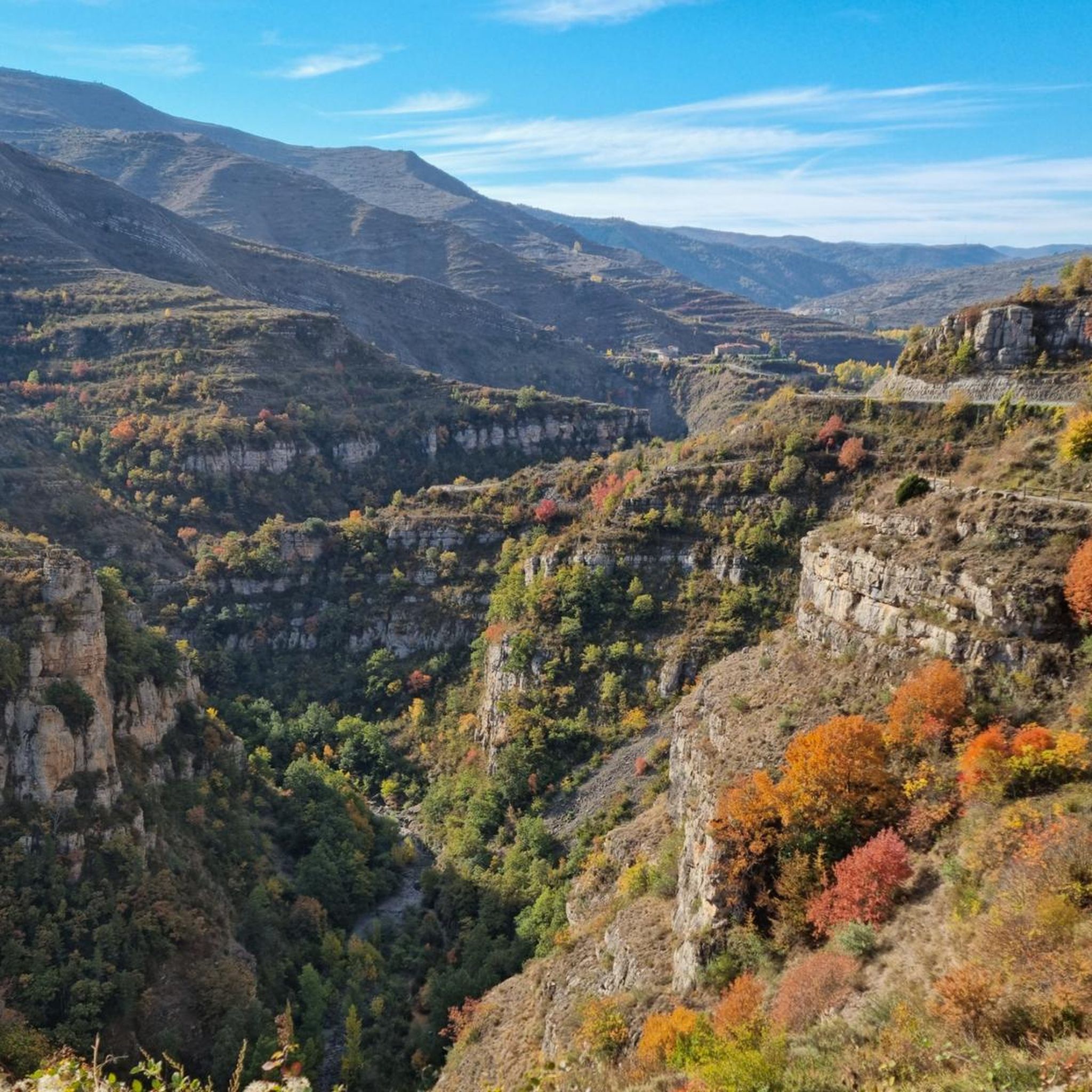
A breathtaking view of this fantastic area.
1
0

Possibly built in the 10th century. In the enclave of Clavijo, legend has it that the apostle Santiago, as patron saint of Spain, supported the troops of the king of León who had refused to pay homage to the Muslims of the south who demanded the famous tribute of the hundred maidens.
1
0

One of the most mythical ports for cyclists from La Rioja and especially for those from Logroño.
0
0

The town of Clavijo is located in the heart of Rioja's Tierra de Cameros, in a very broken terrain, surrounded by mountains with forests of holm oaks and oaks, Clavijo emerges, a place with a lot of legend and history. Barely 16 kilometers from Logroño, its fortress watches over from its battlements the roads that connect Castilla, Navarra and Aragón, the Leza river gorge and the Iregua and Ebro river valleys.
2
0
The port of La Rasa is one of the busiest ports for the Tour of La Rioja, where it is considered a first-class port. The slope that ascends from the Iregua river is somewhat harder than its opposite, although the distance is somewhat similar. You will find successive horseshoe curves that allow you to gain perspective of the valley.
0
0

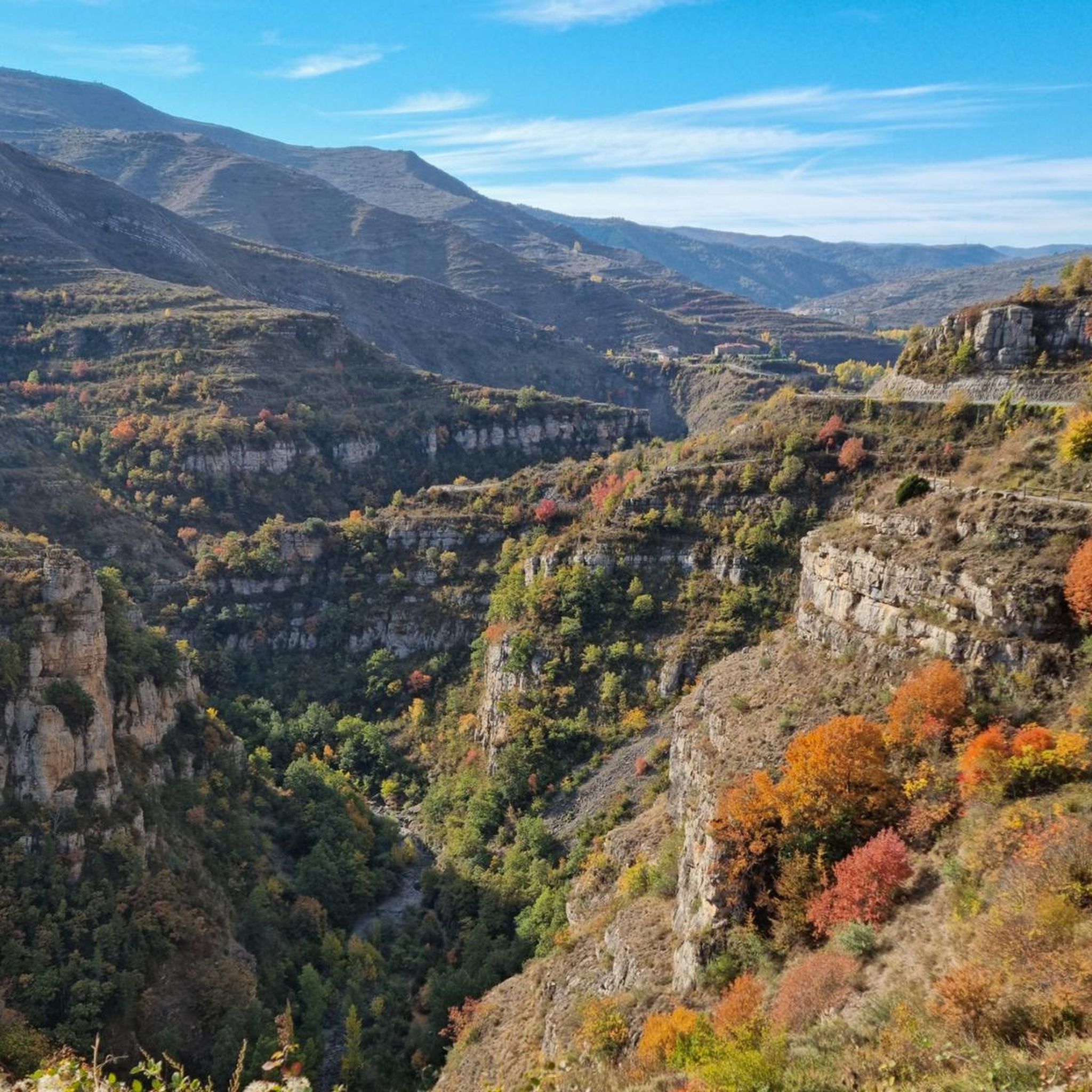
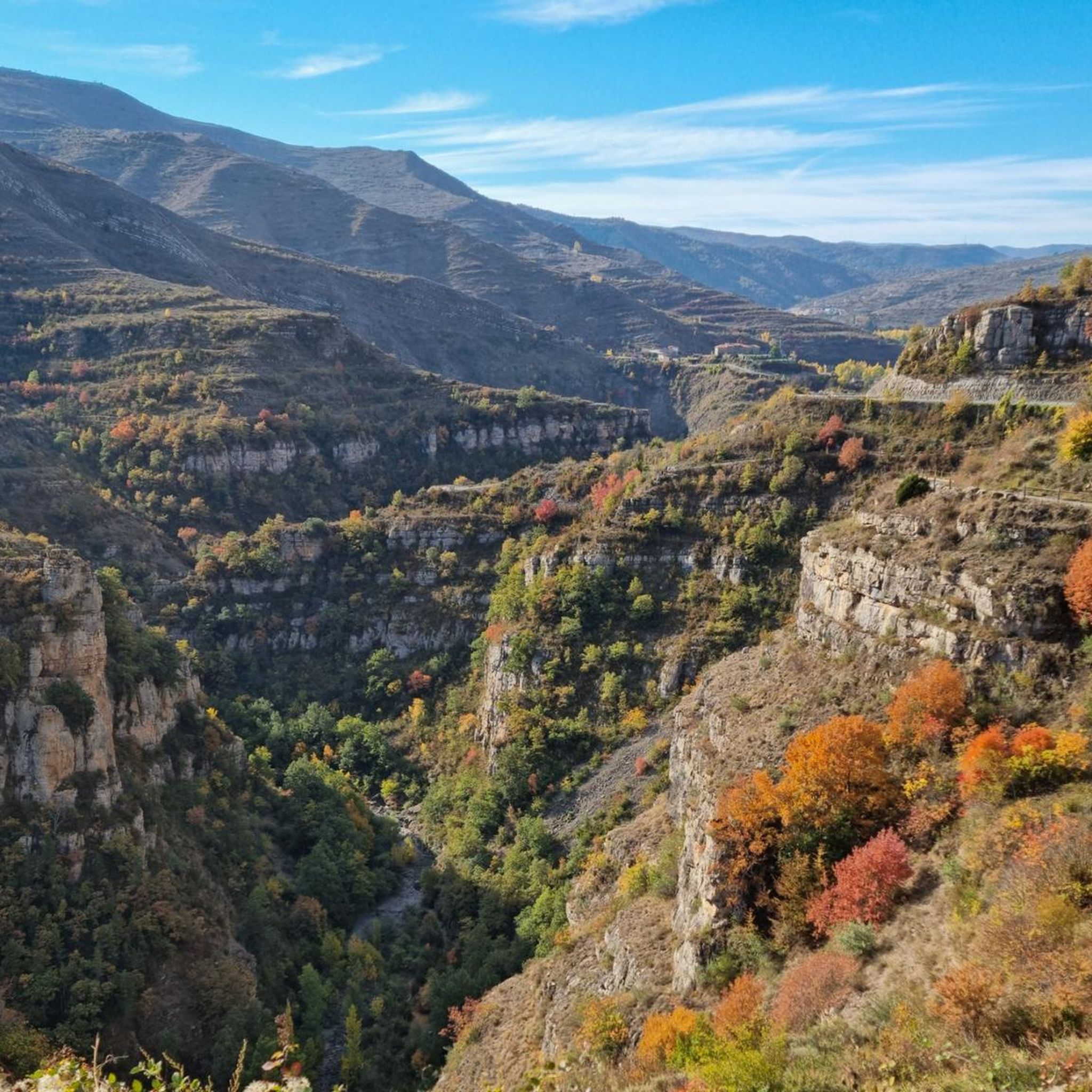
Spectacular views of the Leza Canyon. The space is conditioned with a bench so that visitors can observe both the mountainous relief and the flora and fauna of the place from the viewpoint.
3
0
Small town located at an altitude of 719 meters in the Leza river basin, in the Camero Viejo region. Formerly known for its textile industry, currently the small population that still lives in the municipality is mainly dedicated to livestock. It stands out for its renowned marzipans made in the town.
3
0
The remains of the rocky castle of Clavijo with a wall about 85 meters long and 1.50 meters thick. This spectacular fortification is made up of four towers from which you have a wide view of all the surroundings.
2
0
Frequently Asked Questions
What are some must-see natural attractions around Soto En Cameros?
The dramatic Leza River Canyon is a major natural highlight, offering scenic walks and opportunities to spot griffon vultures and eagles. You can get spectacular panoramic views from the Leza Canyon Viewpoint. Additionally, the area features significant Dinosaur Ichnite Sites, with one at the beginning of the canyon and another on the path towards Zenzano.
What historical landmarks can I explore in Soto En Cameros?
Soto en Cameros is rich in history. You can visit the 16th-century bridge spanning the Leza River, the Baroque Parish Church of San Esteban Protomártir, and the well-preserved 16th-century ice house, La Nevera del Campo. The Clavijo Castle, a historic fortification with four towers, also offers wide views of the surrounding area.
Are there family-friendly activities available in Soto En Cameros?
Yes, the area around Soto en Cameros offers several family-friendly options. The Leza Canyon Viewpoint is accessible and provides a great spot for families to enjoy nature. Exploring the Dinosaur Ichnite Sites can also be an engaging activity for children. The village itself, with its traditional architecture, is pleasant for a family stroll.
What kind of ancient history can be found in the Soto En Cameros area?
The region around Soto en Cameros boasts a long history, with evidence of ancient settlements. You can observe prehistoric dolmens and remnants of Roman roads, testifying to its past. Additionally, the Dinosaur Ichnite Sites provide a glimpse into even more ancient times.
What hiking opportunities are available near Soto En Cameros?
The rugged terrain around Soto en Cameros is perfect for hiking. There are numerous routes, ranging from short walks like the 2 km track along the Leza Canyon to longer treks such as the Path of the Neveras and the Path of the Pinewood. For more detailed routes, you can explore the running trails around Soto En Cameros, which often overlap with hiking paths.
Can I find traditional local products in Soto En Cameros?
Absolutely. Soto en Cameros is renowned for its traditional marzipan, a local delicacy made with almonds and sugar. Visitors can explore the traditional factories in the village where this famous product is made.
What cycling routes are available around Soto En Cameros?
Soto en Cameros is a great starting point for cyclists. You can find many mountain bike routes originating from the village. For road cycling, consider routes that ascend to the Puerto de la Rasa (1,420 m), a popular climb for cyclists. Explore various options in the road cycling routes and general cycling guides around Soto En Cameros.
What is the best time of year to visit Soto En Cameros for outdoor activities?
Soto en Cameros is an ideal destination for outdoor activities. While specific seasons aren't mentioned, generally spring and autumn offer pleasant temperatures for hiking and cycling. Summer can be warm but is also suitable, especially for exploring the river areas. Winter hiking is possible, but conditions may vary.
Are there any religious or spiritual sites to visit?
Yes, the Parish Church of San Esteban Protomártir, a Baroque church from the 17th and 18th centuries, stands prominently in the upper part of the village. Nearby, you can also visit the Ruins of the Monastery of San Prudencio, located in a hollow of Monte Laturce, offering a glimpse into the region's monastic history.
What makes Soto en Cameros unique in terms of its natural environment?
Soto en Cameros is nestled in the Leza River valley and is part of the Biosphere Reserve of the Jubera, Leza, Cidacos, and Alhama valleys. This highlights its significant ecological value and diverse landscapes, from the dramatic Leza River Canyon to surrounding forests, making it a rich area for nature observation.
What kind of architecture can I expect to see in Soto en Cameros?
The village retains its charm with typical mountain architecture. You'll find masonry houses, often with wooden roofs, and cobbled streets, contributing to a traditional Spanish village atmosphere.
Most popular attractions around Soto En Cameros

Get inspired with the komoot mobile app


Explore more
Still not found the Highlight you’re looking for? See guides of the top attractions in other regions:
