Attractions and Places To See around Rocafort De Queralt - Top 20
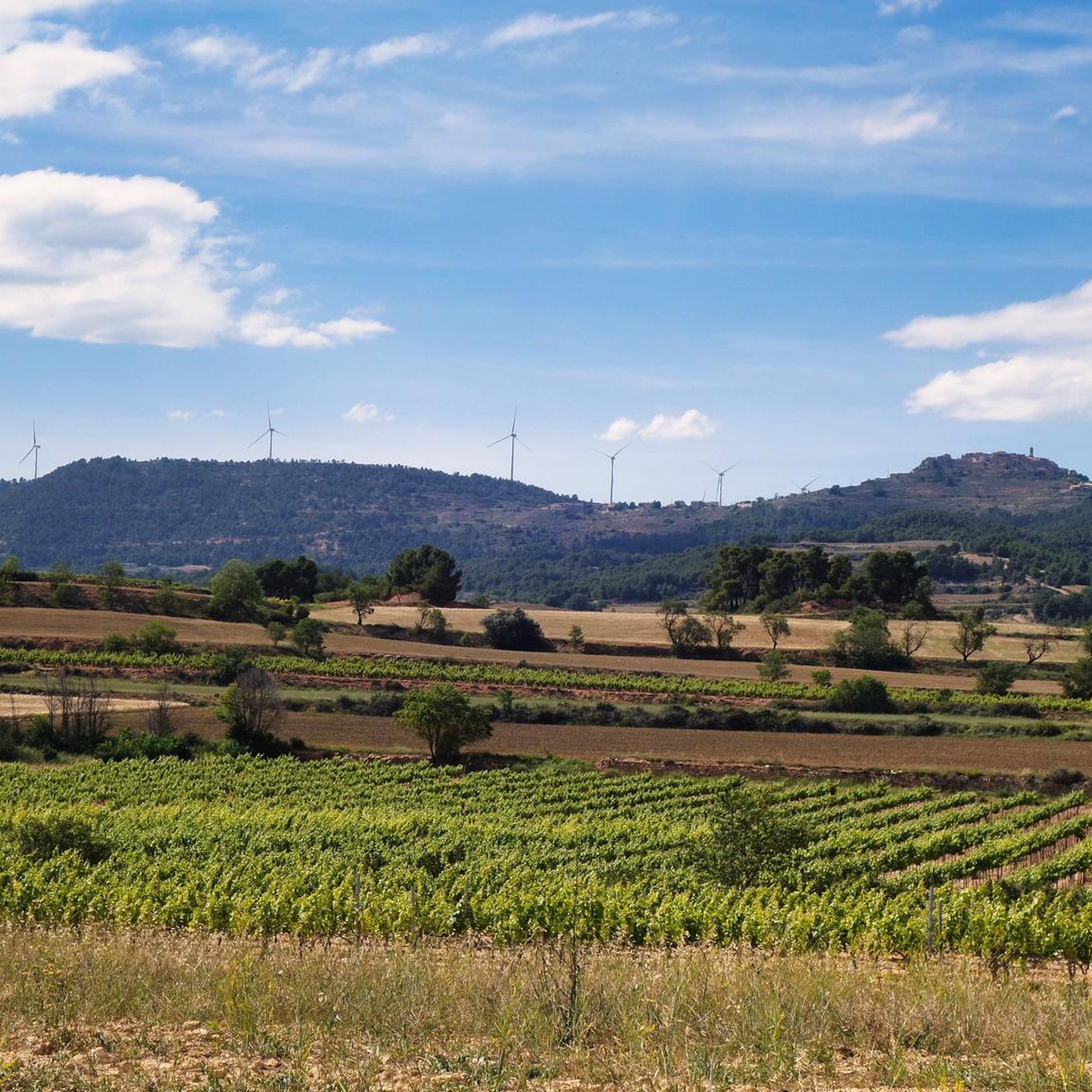
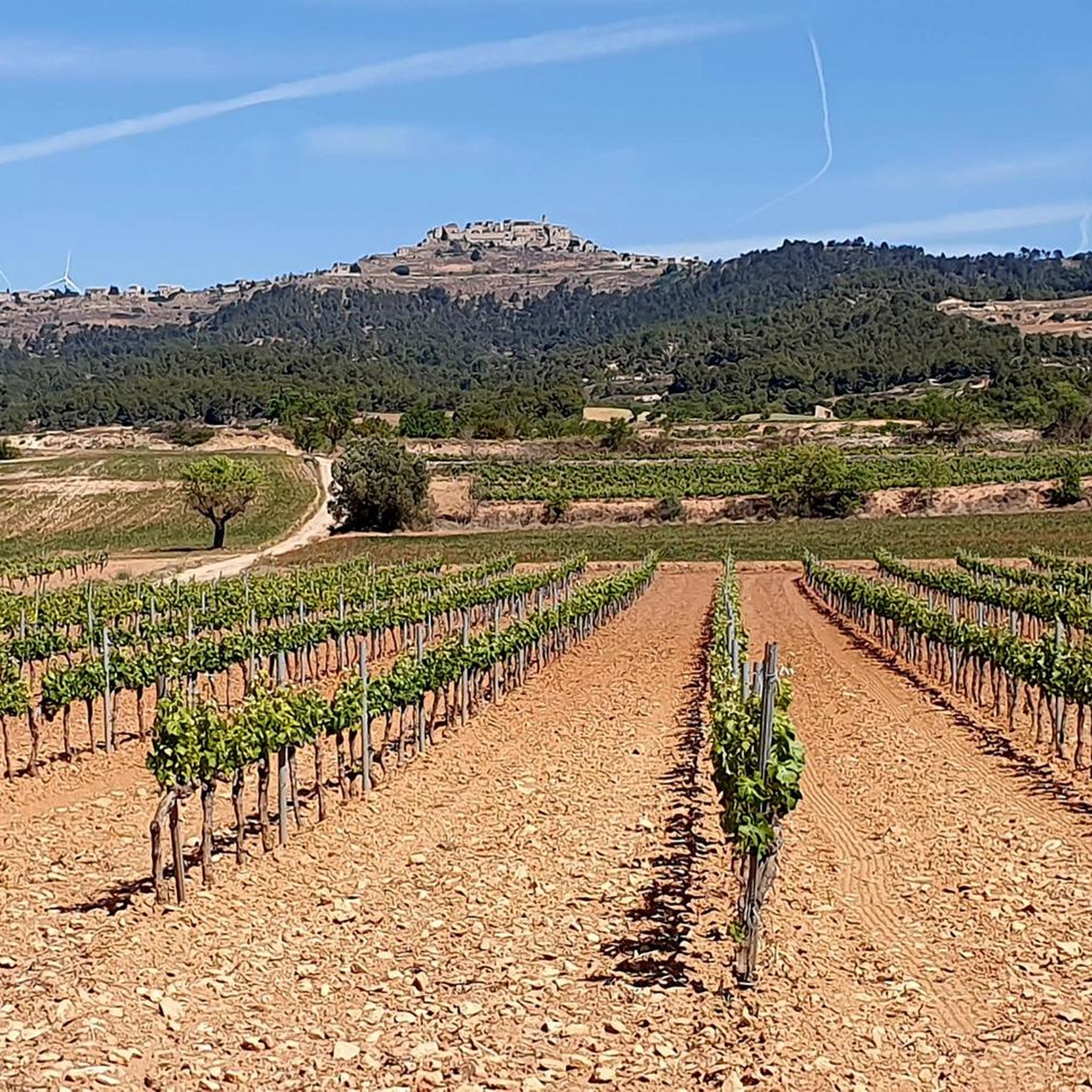
Best attractions and places to see around Rocafort De Queralt include a blend of historical landmarks, natural landscapes, and cultural sites in Catalonia, Spain. This region is characterized by vineyards, cereal fields, and its location along the Ruta del Cister. Visitors can explore ancient castles, modernist architecture, and scenic viewpoints. The area offers diverse outdoor activities, including hiking and cycling trails through mountains and valleys.
Best attractions and places to see around Rocafort De Queralt
- The most popular attractions is…
Last updated: May 9, 2026
Santuario del Tallat
Highlight • Religious Site
Translated by Google •
Tip by

Coll de Coloma Pass
Highlight • Mountain Pass
Translated by Google •
Tip by

Sign up now to discover places like this
Get recommendations on the best single tracks, peaks, & plenty of other exciting outdoor places.
Sign up for free
Views of Albió
Highlight • Viewpoint
Translated by Google •
Tip by

Prenafeta Castle
Highlight • Castle
Translated by Google •
Tip by

Belltall
Highlight • Settlement
Of its heritage, the church of Sant Pere (19th century) stands …
Translated by Google •
Tip by
Sign up for free to discover even more attractions around Rocafort De Queralt.
Sign up for free
Already have an account?
Start today with a free account
Your next adventure awaits.
Login or Signup
Popular around Rocafort De Queralt

Other adventures around Rocafort De Queralt

Tips from the Community

In addition to the views of the hilltop village of Albio, the views from Albio itself are also very beautiful.
0
0

Magnificent port. Good condition, good terrain and incredible views.
0
0

Tough loose cli.b, Best done in cool conditions. Can be very 🔥. Loose descent on the west side, but great track
0
0

Albiò, crossing point in La Segarra. Visit between March and May, beyond that the atmosphere will be very dry.
0
0

The ruins of the castle of Prenafeta (11th century) also include part of the original nucleus of the population of Prenafeta. You can still see remains of the castle, the church and the fountain of Sant Salvador. The castle is also known as Torre del Moro.
0
0
Belltall is a nucleus of the municipality of Passanant i Belltall, in the region of Conca de Barberà (Tarragona). Of its heritage, the church of Sant Pere (19th century) stands out, with its neoclassical bell tower. As is usual in the area, some of its streets have vaulted sections. Belltall is known for having its own variety of garlic, the Belltall garlic, with a rounded shape, smaller than conventional garlic and flat at the bottom.
0
0
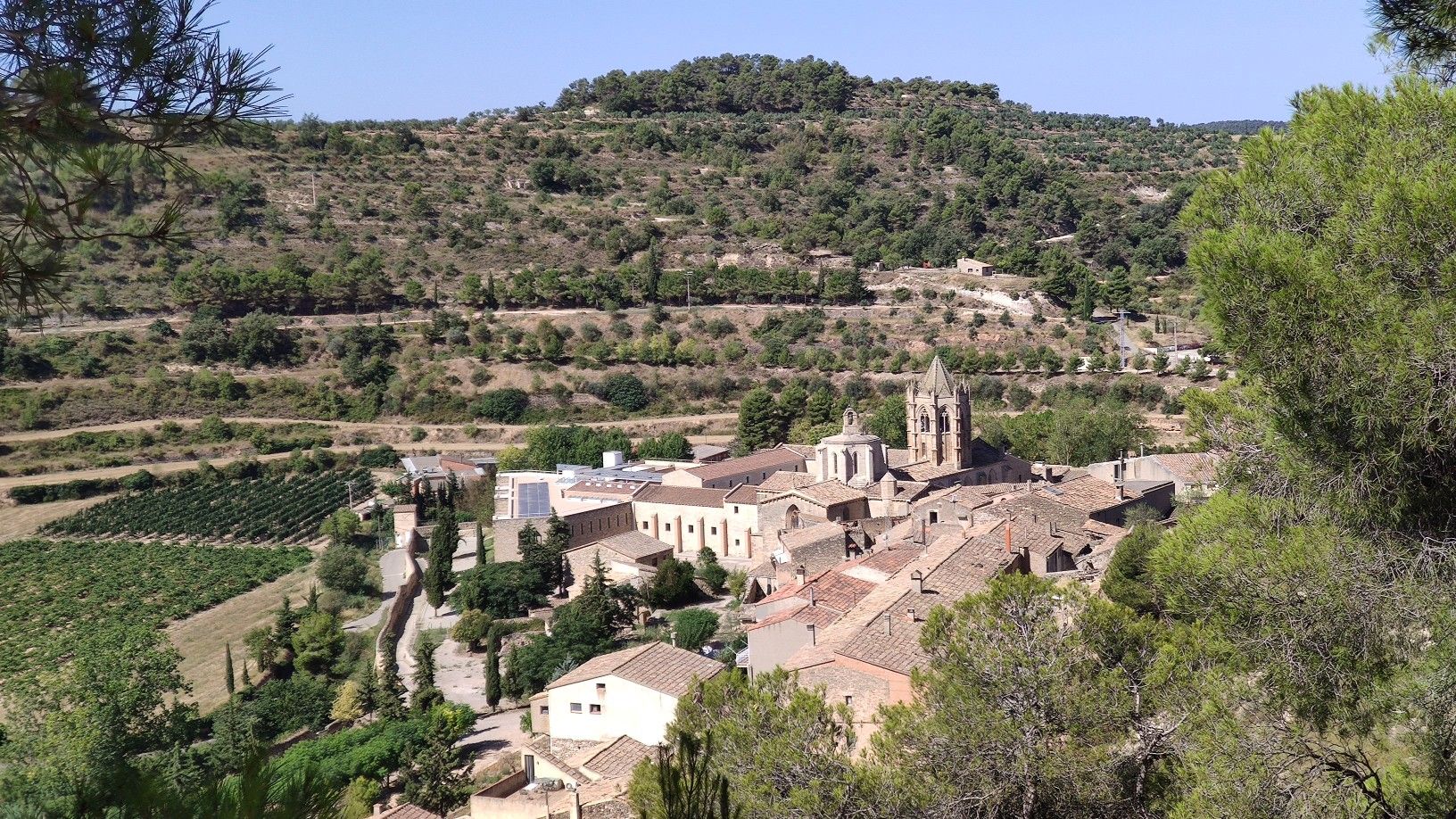
The Tallat sanctuary appears in records as early as the 11th century, where a defense tower was located that took advantage of the magnificent views over the l'Urgell, Sagarra and Conca de Barberà regions. In the middle of the 14th century, a church was established as a result of the popular initiative of the residents of Rocallaura, and in 1475 it is said that a wooden carving of a Virgin Mary appeared to a shepherd. Legend has it that despite repeated attempts to move the carving, it returned to the place where the sanctuary is now, so they decided to leave it here. Then began a period of splendor for the sanctuary, with numerous reforms during the 15th and 16th centuries, some promoted by Fernando el Católico himself, who is said to have spent the night with Queen Isabella la Católica in 1493. By order of the king, it became in the priory of nearby Poblet, and a group of monks from the Cistercian order settled there. With the confiscation of Mendizabal in the first half of the 19th century, the monks abandoned the priory, and after the subsequent looting and destruction of the enclosure, the sanctuary remained abandoned until 1970 when a private association acquired the remains and took charge of their restoration and custody.
1
0

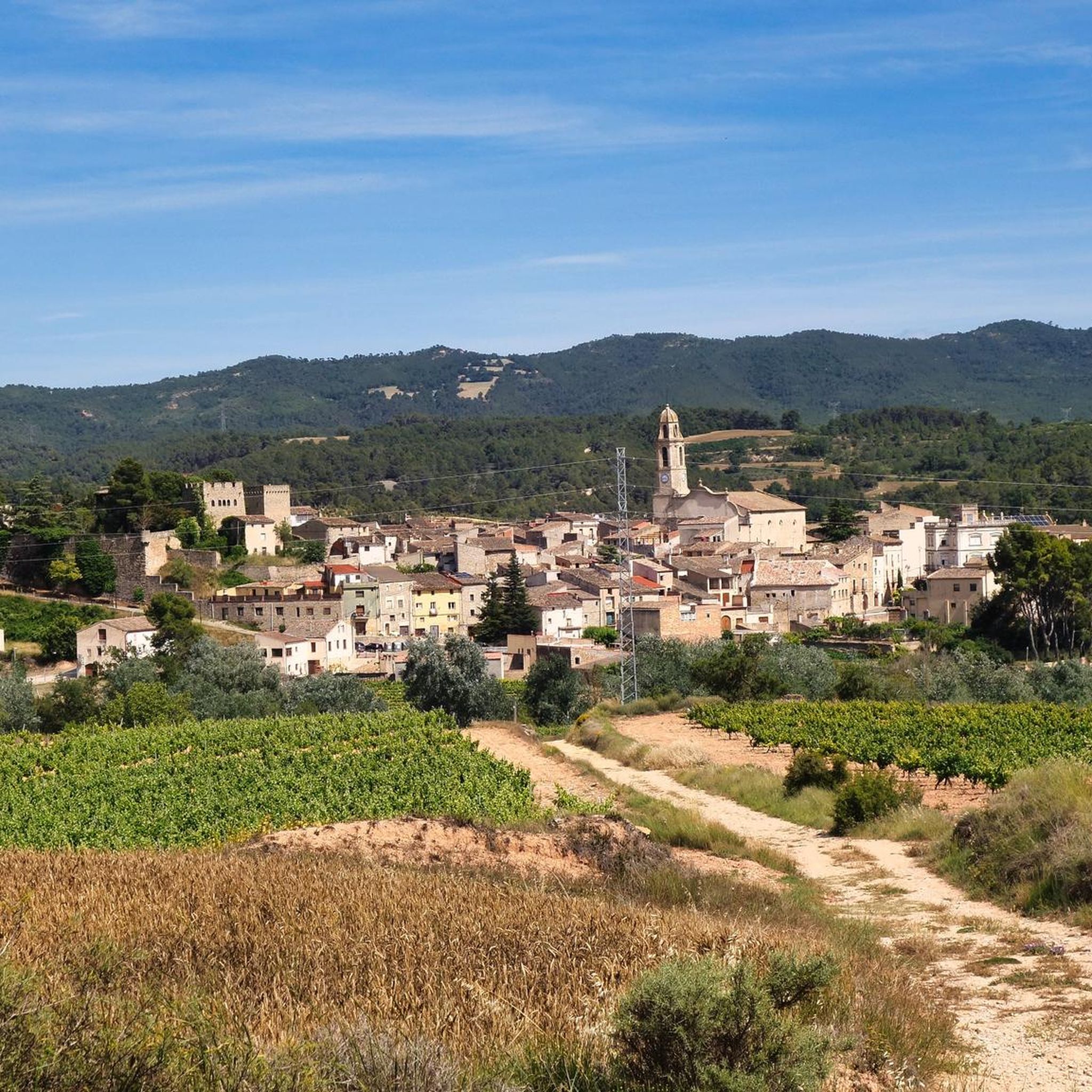
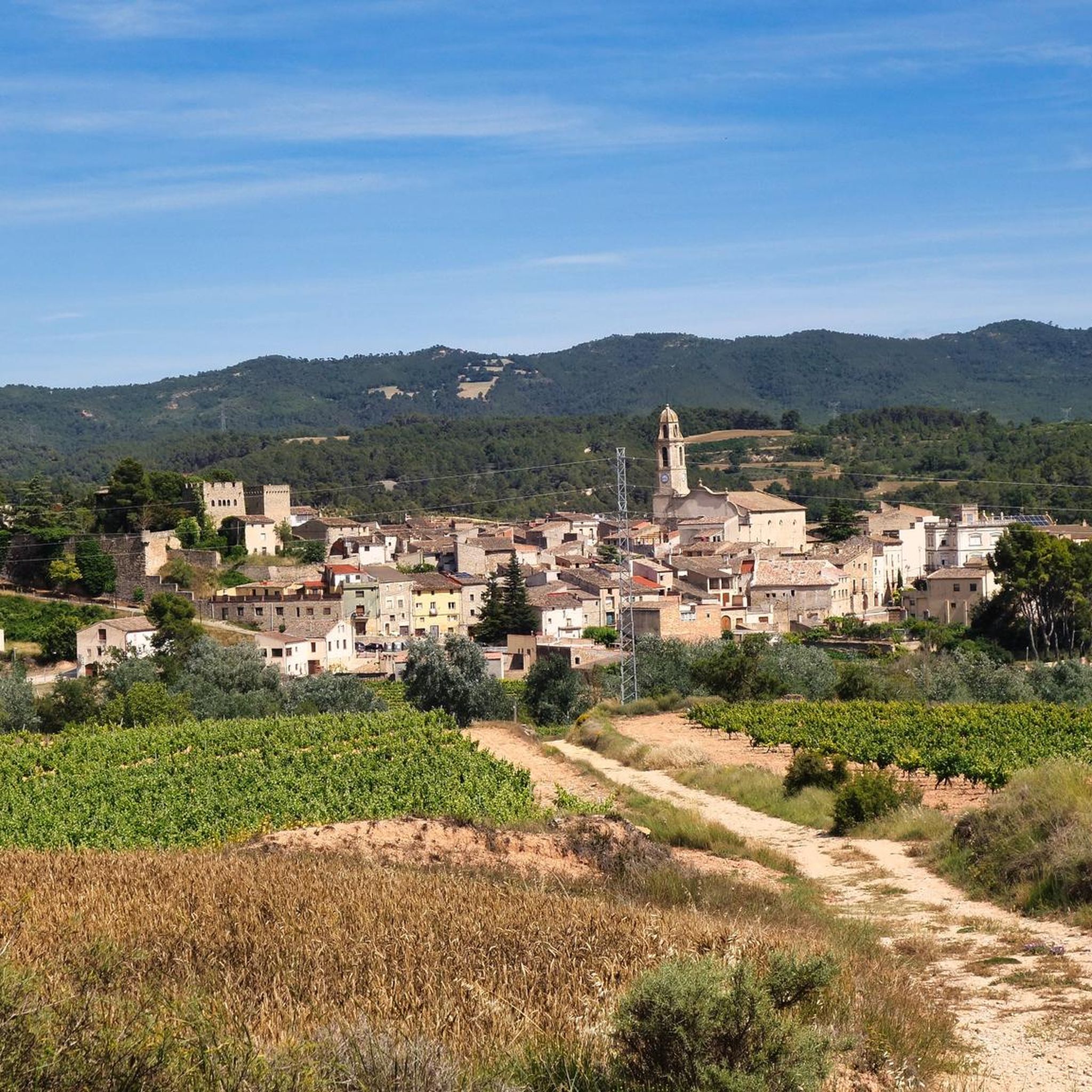
Albió is a population center located at the westernmost end of the term of Llorac, in the Conca de Barberà. It is located on a small hill and bordered by the Corb river.
0
0
Frequently Asked Questions
What historical sites can I explore in Rocafort de Queralt?
Rocafort de Queralt is rich in history. You can visit the 11th-century Rocafort de Queralt Castle, which was restored in 1964 and is recognized as an Asset of Cultural Interest. The town also features the historic Church of Sant Salvador (or Saint Mary), the impressive Modernist Wine Cooperative built by Cèsar Martinell in 1918, and remnants of ancient town walls, including two conserved gates. Don't miss wandering through the Old Town (Nucli Antic) with its narrow streets and ancestral homes. For a broader historical experience, the town is located along the GR 175 Cistercian Route.
Are there any natural viewpoints or scenic spots nearby?
Yes, the region offers several scenic viewpoints. The Coll de Coloma Pass provides incredible views between Figuerola and Prenafeta, where you can see Tossal Gros, the highest mountain in the Miramar range. You can also enjoy panoramic views from the Santuario del Tallat, located on a 788-meter-high hill, offering vistas over the l'Urgell, Sagarra, and Conca de Barberà regions. Additionally, the Views of Albió offer a picturesque perspective from a small hill bordered by the Corb river.
What outdoor activities are available around Rocafort de Queralt?
The area around Rocafort de Queralt is ideal for outdoor enthusiasts. You can explore numerous hiking and cycling trails through vineyards, cereal fields, and the nearby Prades Mountains. For specific routes, consider exploring the hiking trails, gravel biking routes, or road cycling routes. Popular hiking options include the El Cogulló Summit loop and the Roc del Cogulló Viewpoint loop.
Where can I find information about the region's wine industry?
The region has a significant wine industry. You can visit the Modernist Wine Cooperative, built by Cèsar Martinell in 1918, which is a beautiful example of modernist architecture and a testament to the area's winemaking heritage. Its interior features unique diaphragm arches. Additionally, you can explore the local vineyards that dot the landscape around Rocafort de Queralt and enjoy wine tastings.
Are there any family-friendly activities in Rocafort de Queralt?
Families can enjoy exploring the historic Old Town with its charming streets and unique architecture. The natural landscapes surrounding Rocafort de Queralt offer opportunities for gentle strolls through vineyards, which can be suitable for families. Visiting the Local Museum can also be an educational experience for all ages, showcasing the town's evolution from prehistoric times.
What cultural experiences or events can I find in Rocafort de Queralt?
Rocafort de Queralt celebrates its history and traditions through various cultural events and festivals. Notable events include the Festa Major de Sant Isidre in May, the Festa Major for Sant Salvador in early August, and the Fiesta de Sant Roc on August 16th. You can also engage with local artisans to see traditional crafts like pottery and weaving, and experience the region's rich agricultural heritage through its traditional cuisine.
What kind of wildlife can be spotted in the area?
The nearby Prades Mountains are a haven for nature lovers and offer diverse flora and fauna. This area is ideal for birdwatching and general wildlife spotting, allowing visitors to observe the natural inhabitants of the region's mountains and valleys.
What is the best time to visit Rocafort de Queralt for outdoor activities?
The region's climate makes it suitable for outdoor activities for much of the year. However, visiting between March and May is often recommended, especially for exploring areas like Albiò, though the atmosphere can become very dry beyond that period. For hiking and cycling, cooler conditions are generally preferred, making spring and autumn ideal to avoid the intense summer heat.
Are there any ancient ruins or castles to visit?
Yes, you can visit the ruins of Prenafeta Castle, an 11th-century castle where you can still see remains of the original structure, a church, and the fountain of Sant Salvador. Additionally, the Rocafort de Queralt Castle, though restored, dates back to the 11th century and offers a glimpse into the region's medieval history.
What local cuisine should I try in Rocafort de Queralt?
When visiting Rocafort de Queralt, be sure to sample traditional Catalan dishes that reflect the region's agricultural heritage. Specialties include escudella (a hearty stew), calçots (grilled spring onions with romesco sauce), and coca de recapte (a savory flatbread). Local nuts, almonds, and wild mushrooms are also key ingredients in many dishes.
Can I find challenging hiking trails near Rocafort de Queralt?
Yes, the region offers trails for various skill levels, including challenging options. For instance, the Forès Wall is known as a spectacular and tough climb with a maximum slope of 20.5%. You can find more challenging routes, such as the Roc del Cogulló Viewpoint – Sant Miquel de Montclar loop, by exploring the hiking guide for the area.
Are there any hidden gems or less-known attractions worth visiting?
Beyond the main highlights, exploring the historic Old Town (Nucli Antic) itself can reveal many hidden gems, such as well-preserved ancestral homes with unique facades and charming courtyards. The Historic Gates/Portals, remnants of the ancient town walls, are also less-known but significant historical features. Additionally, seeking out local artisans for traditional crafts can offer a unique and authentic experience.
Most popular routes around Rocafort De Queralt
Most popular attractions around Rocafort De Queralt

Get inspired with the komoot mobile app


Explore more
Still not found the Highlight you’re looking for? See guides of the top attractions in other regions:
