Attractions and Places To See around Torre Del Bierzo - Top 20
Best attractions and places to see around Torre Del Bierzo offer a blend of historical sites, cultural experiences, and natural beauty within the El Bierzo region of León, Spain. The area features ancient Roman routes, traditional villages, and significant landmarks related to the Camino de Santiago. Visitors can explore a diverse landscape that combines historical heritage with opportunities for outdoor activities. This region provides a rich cultural and natural experience for those interested in Spanish history and scenic exploration.
Best…
Last updated: May 26, 2026
Cruz de Ferro (Iron Cross)
Highlight • Monument
Translated by Google •
Tip by

Rabanal del Camino — Village and Church
Highlight • Settlement
Translated by Google •
Tip by

Sign up now to discover places like this
Get recommendations on the best single tracks, peaks, & plenty of other exciting outdoor places.
Sign up for free
Trail to Foncebadón
Highlight (Segment) • Trail
Translated by Google •
Tip by
El Ganso Village
Highlight • Settlement
El Ganso has a rich Jacobean tradition, having had a female monastery of the Order of Cluny and a hospital of Saint Catherine, both from the 12th century and …
Translated by Google •
Tip by

Wooden Cross
Highlight • Religious Site
Translated by Google •
Tip by
Sign up for free to discover even more attractions around Torre Del Bierzo.
Sign up for free
Already have an account?
Start today with a free account
Your next adventure awaits.
Login or Signup
Tips from the Community

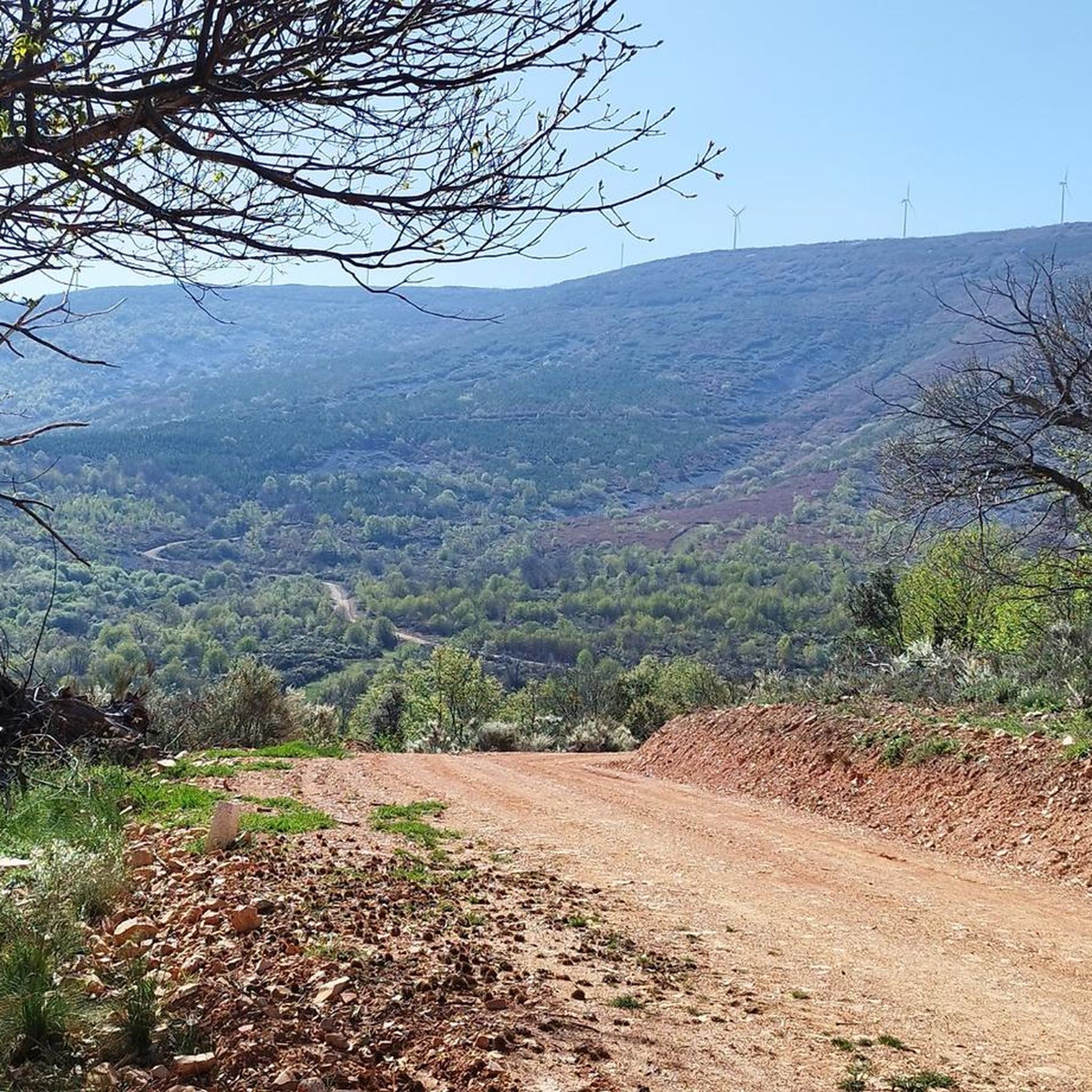
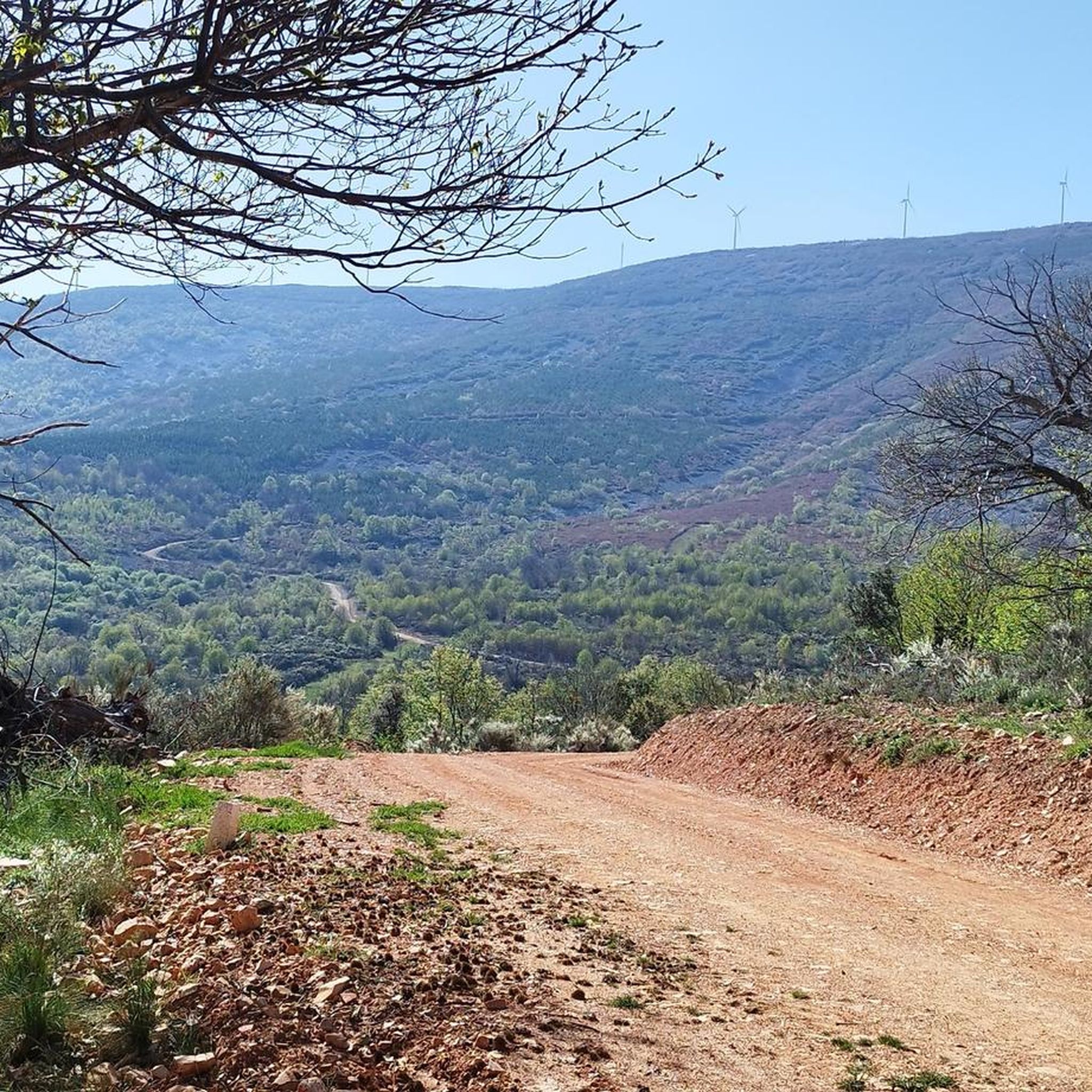
It seems like we've landed in the Wild West, all that's missing is Tex Willer arriving
1
0

The Church of Nuestra Señora de la Asunción in Rabanal del Camino is a beautiful architectural gem along the Camino de Santiago. This church, located in the small village of Rabanal del Camino in the province of León, was built in the 12th century and has undergone several renovations and extensions over the centuries. The church is of Romanesque origin and is believed to have been built by the Knights Templar, who protected the pilgrims who crossed the Montes de León on their way to Santiago de Compostela.
6
0


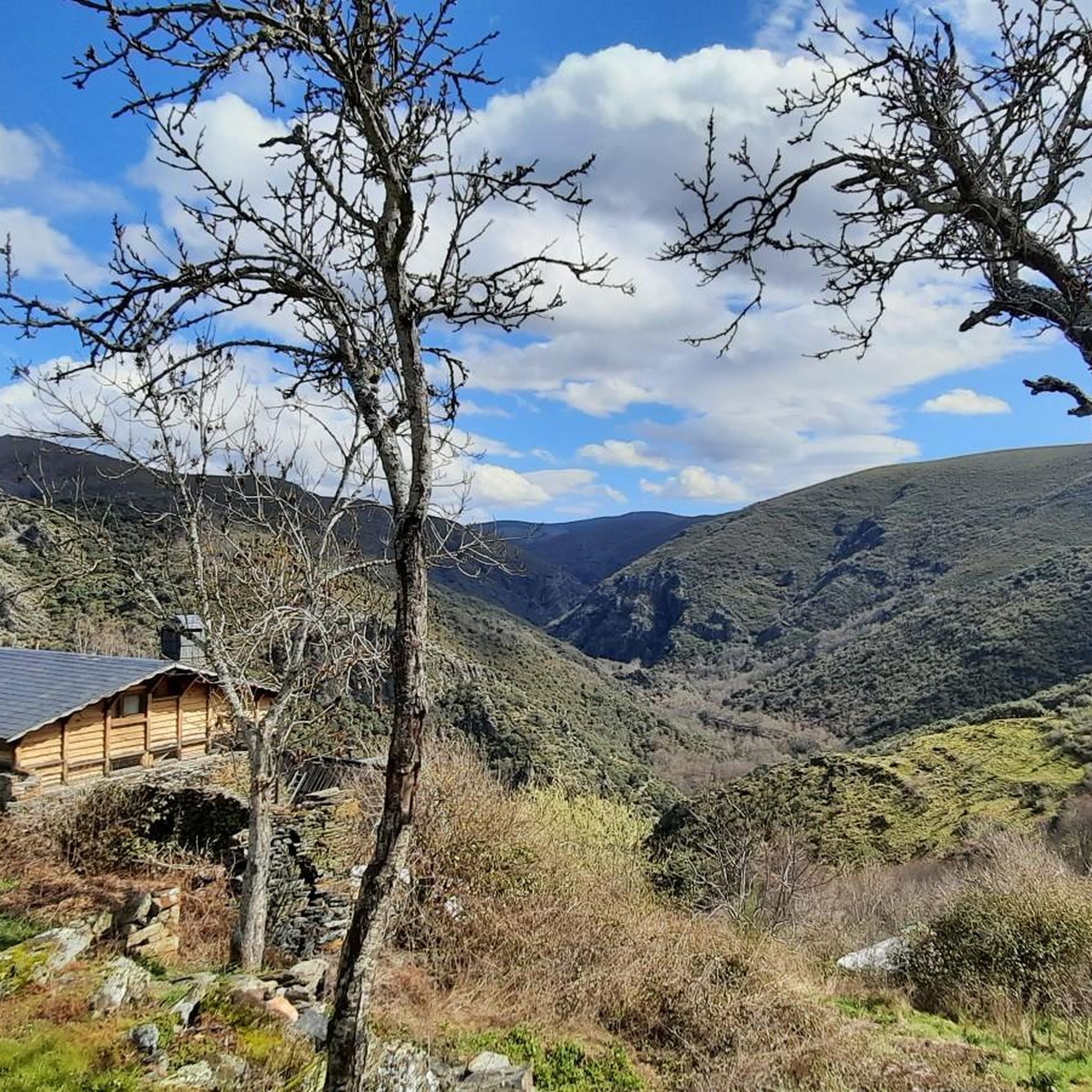
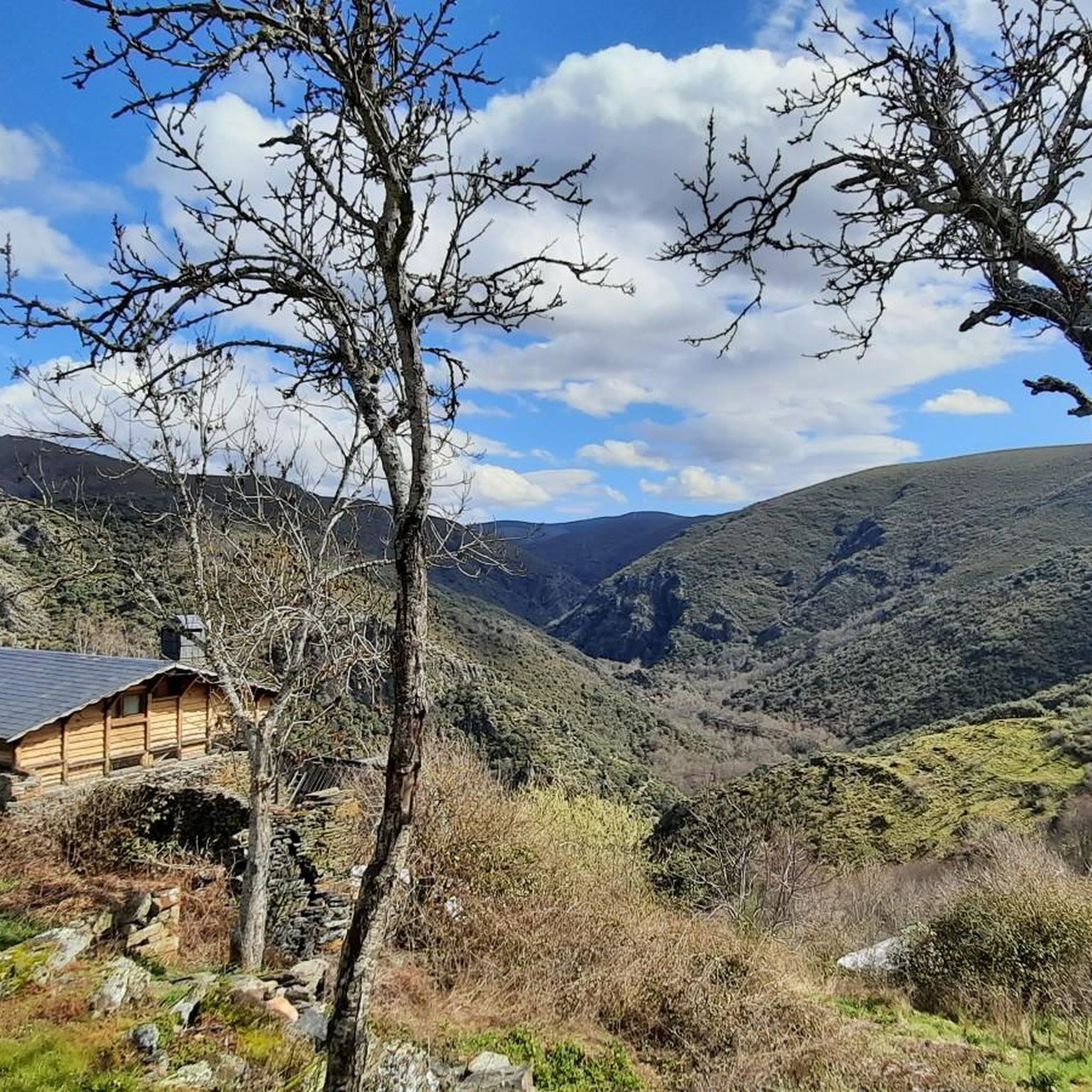
If you decide to explore this route, you will be surrounded by nature, history and stunning views. Enjoy your hike! 🏞️🚶♂️🥾🚵🌞
4
0

Long, steep climb up to the Cruz de Ferro, as the track can be very rough, especially in poor weather. Be sure to recover at one of the albergues once you reach Foncebadón.
2
0

https://www.youtube.com/watch?v=yjMbL4zYjok El Ganso has a rich Jacobean tradition, having had a female monastery of the Order of Cluny and a hospital of Saint Catherine, both from the 12th century and now gone. The name of El Ganso already appeared in documents from the 14th century, and the town was under the lordship of the Marquises of Astorga in Turienzo de los Caballeros. Its traditional architecture includes the so-called “tinted houses”, with thatched roofs, which are a clear indication of the Celtic substratum that inhabited this region. These characteristics make El Ganso a place with a deep historical and cultural connection with the region and the Camino de Santiago. The population of El Ganso was 23 inhabitants in 2017, reflecting a significant decrease since the beginning of the 20th century when it had more than 200 residents. Regarding its festivities, El Ganso celebrates two main events: the Festival of Santiago on July 25 and the Festival of Our Lady of the Assumption on August 15. During the Festival of Santiago, it is a tradition for the young people of the town to decorate the porch of the Church and the town's Christ with ivy, and at the mass that day, castanets and drum music plays.
5
0

Rabanal del Camino is a small town on the Way of St. James in the province of León in the autonomous community of Castile and León. The place belongs to the municipality of Santa Colomba de Somoza. For a long time, the place was very important for the Way of St. James because of its location before the crossing over Monte Irago, several hospices and churches in the small place prove the importance of the village at that time. https://de.m.wikipedia.org/wiki/Rabanal_del_Camino
6
0
At the end of the 1990s, three young monks from the Spanish Benedictine Abbey of Silos founded a new community in the small town of Rabanal del Camino - located on the direct pilgrimage route to Santiago de Compostela, about halfway between Astorga and Ponferrada. Since 2001, the monastery "Monasterio San Salvador del Monte Irago" has belonged to the Congregation of Missionary Benedictines of St. Ottilien. Today, an international community of four monks from Germany, Spain, South Korea and Tanzania live in the monastery. https://www.kirche-und-leben.de/artikel/kloster-rabanal-am-jakobsweg-herberge-nicht-nur-fuer-glaeubige-pilger
5
0
Frequently Asked Questions
What historical landmarks can I explore in Torre del Bierzo itself?
Within the town of Torre del Bierzo, you can visit the Plaza Mayor, which hosts the Town Hall and the Mining Museum. Don't miss the ancient Roman Bridge over the Tremor River, dating back to the 1st century, and the traditional Casa de la Hiedra. The Iglesia de Torre del Bierzo, with its distinctive bell tower, is also a notable site.
Are there significant cultural sites related to the Camino de Santiago nearby?
Yes, the region is rich in Camino de Santiago landmarks. You can visit Cruz de Ferro (Iron Cross), a significant monument where pilgrims traditionally place a stone. Another important stop is Rabanal del Camino — Village and Church, known for its historical importance on the Camino Frances. The charming El Ganso Village also has a rich Jacobean tradition.
What natural attractions are there to see in the El Bierzo region?
The wider El Bierzo region offers stunning natural beauty. A must-see is Las Médulas, a UNESCO World Heritage Site featuring spectacular Roman gold mines. You can also explore the Ruta del Castro Las Torcas, a 7-kilometer trail leading to an ancient pre-Roman settlement with panoramic views, or the Senda de los Fósiles, a circular route showcasing a significant paleontological site.
Are there hiking opportunities around Torre del Bierzo?
Torre del Bierzo is an excellent base for hiking. You can explore routes like the Paseo de los Molinos Trail, featuring historical mills and a waterfall, or the Ruta de los Cañones del Górgora. The village of San Facundo also serves as a starting point for several trails in the surrounding mountains. For more options, check out the running trails around Torre Del Bierzo, which often include scenic hiking paths.
Can I find cycling routes near Torre del Bierzo?
Absolutely. The area offers various cycling opportunities. You can find routes for different skill levels, including challenging rides like the 'Cruz de Ferro (Iron Cross) – View of the Galician Mountains loop'. For a comprehensive selection of routes, explore the cycling guide around Torre Del Bierzo or the road cycling routes guide.
Where can I find panoramic views of the El Bierzo region?
For breathtaking vistas, head to the El Picón Viewpoint, which offers 360-degree views of the entire Bierzo region. The Ruta del Castro Las Torcas also provides unparalleled views from its ancient pre-Roman settlement. Additionally, the area around Cruz de Ferro (Iron Cross) offers expansive views, especially of the Galician mountains.
Are there family-friendly attractions or activities in the area?
Yes, the region offers options for families. The charming El Ganso Village, with its traditional architecture and historical connection, is considered family-friendly. Many of the easier hiking trails, such as sections of the Paseo de los Molinos Trail, are also suitable for families looking to enjoy nature together.
What is the best time of year to visit Torre del Bierzo for sightseeing and outdoor activities?
The best time to visit Torre del Bierzo for sightseeing and outdoor activities is generally during the spring (April to June) and autumn (September to October). During these seasons, the weather is typically mild and pleasant, ideal for hiking, cycling, and exploring historical sites without the intense heat of summer or the colder, wetter conditions of winter.
Are there any unique or 'hidden gem' villages to discover in the wider region?
Beyond the main towns, you can discover unique villages like Matavenero, a small, self-sufficient 'hippie village' nestled in the mountains, known for its distinctive lifestyle and community. It offers a glimpse into an alternative way of living amidst nature.
What mining heritage sites can I visit in the El Bierzo region?
The region has a rich mining history. In Torre del Bierzo itself, you can visit the Mining Museum in the Plaza Mayor. Further afield, the Pozo Julia Mining Museum in Fabero provides a deeper look into the area's coal mining heritage, and the Senda de los Fósiles trail leads to an important paleontological site at the Boisán Mine.
What are some other notable towns or villages to visit near Torre del Bierzo?
Beyond Torre del Bierzo, consider visiting Ponferrada, the regional capital, home to the impressive 12th-century Templar Castle. Molinaseca is a charming village with a Roman bridge and cobbled streets, declared a Historic Artistic Site. Villafranca del Bierzo, known as 'little Compostela,' features the Gate of Forgiveness at the Church of Santiago.
What makes El Ganso Village a special place to visit?
El Ganso Village is special due to its rich Jacobean tradition, having once hosted a 12th-century Cluniac monastery and a hospital. Its traditional architecture, including unique 'casas teitadas' (thatched-roof houses), suggests a deep Celtic influence. The village also celebrates the Fiesta de Santiago on July 25th and the Fiesta de Nuestra Señora de la Asunción on August 15th.
Most popular routes around Torre Del Bierzo
Most popular attractions around Torre Del Bierzo

Get inspired with the komoot mobile app


Explore more
Still not found the Highlight you’re looking for? See guides of the top attractions in other regions:
