Attractions and Places To See around Soneja - Top 20
Best attractions and places to see around Soneja include a blend of historical landmarks, natural features, and cycling routes in the Alto Palancia region of Castellón, Spain. The town is situated near the Palancia River and surrounded by mountains, offering diverse terrain and elevation. Visitors can explore a rich hydraulic heritage and significant natural landscapes. This area provides opportunities for rural tourism amidst unique landscapes.
Best attractions and places to see around Soneja
- The most popular attractions is Ojos Negros…
Last updated: July 19, 2026
Ojos Negros Greenway
Highlight • Cycleway
Translated by Google •
Tip by

Ojos Negros Greenway
Highlight (Segment) • Cycleway
Translated by Google •
Tip by

Sign up now to discover places like this
Get recommendations on the best single tracks, peaks, & plenty of other exciting outdoor places.
Sign up for free
Bride's Leap Waterfall
Highlight • Waterfall
They say in the town that when a couple wanted …
Translated by Google •
Tip by
L'Oronet Pass Climb
Highlight (Segment) • Climb
Translated by Google •
Tip by
Eslida Pass
Highlight • Mountain Pass
Translated by Google •
Tip by

Sign up for free to discover even more attractions around Soneja.
Sign up for free
Already have an account?
Start today with a free account
Your next adventure awaits.
Login or Signup

Tips from the Community

It's just fun to ride here.
1
0

A place of great beauty where we can admire the spectacular 60-meter-high waterfall, which plunges its waters into a magnificent setting where the whimsical shapes created by erosion in the mountains and riverbed intertwine with the dominant greenery of nature. We can also enjoy the beautiful legend of the place...
11
1


A very beautiful and easy to drive pass road.
0
0
A nice pass with good asphalt.
1
0

A must-see place if you are in the Navajas area. A beautiful waterfall and trails to explore the place.
0
1

Now you can link this greenway of Ojos Negros with via Xurra and reach Valencia.
2
0

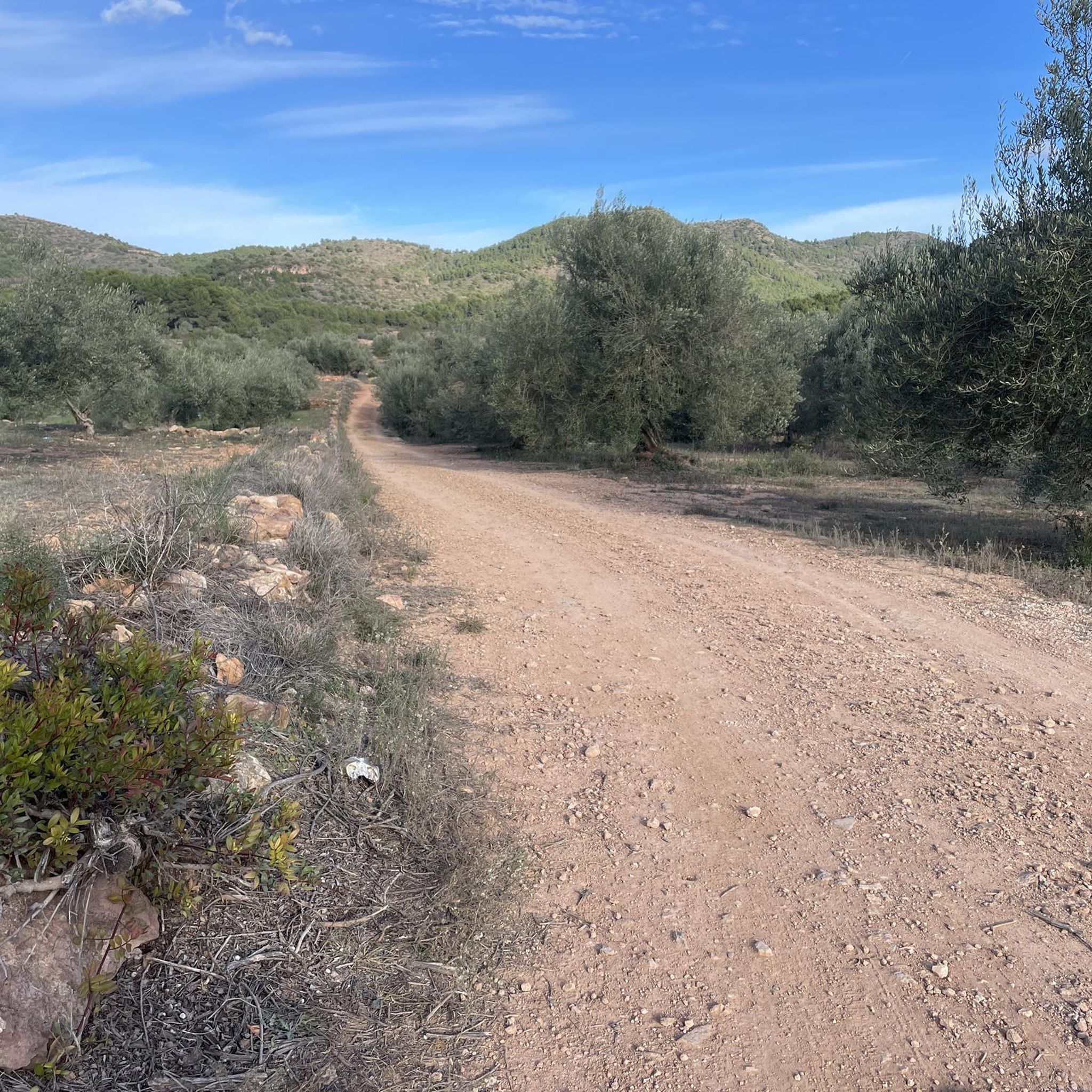
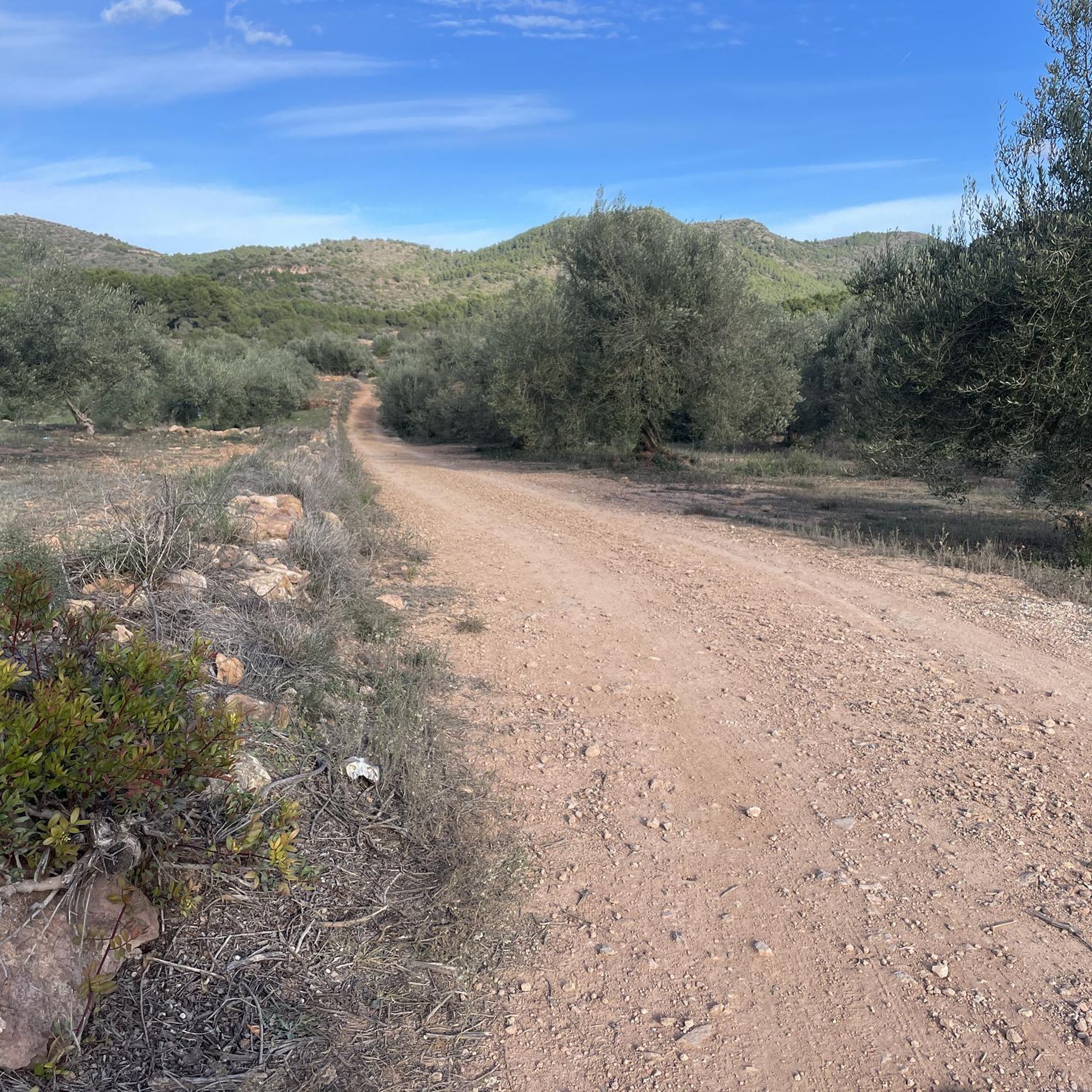
The Vias verde Ojos Negros has a very different surface. It varies between top-quality road surfaces and gravel sections. You have to concentrate on riding so that you don't miss a pothole and break a spoke (ridden with luggage and touring bikes).
1
0
Frequently Asked Questions
What are the best cycling routes and greenways near Soneja?
Soneja is an excellent base for cyclists. The most popular is the Ojos Negros Greenway, one of Spain's most recognized greenways, linking Teruel with Sagunto over 120 kilometers. It offers varied landscapes and passes through charming towns, with sections of pavement and compacted gravel. Another notable route is the L'Oronet Pass Climb, an emblematic ascent in the Valencia region featuring a zigzag path through dense trees and amenities along the way. For more cycling options, explore the Cycling around Soneja guide.
Are there any significant historical landmarks or cultural sites in Soneja?
Soneja boasts a rich history. You can visit the 18th-century San Miguel Arcángel Parish Church and Belltower, which houses valuable old bells. Explore the historic center with its Arabic layout and the impressive facade of Los Montellano Old Palace. Other historical sites include the 17th-century San Francisco Javier Chapel, the ruins of Soneja's 19th-century Carlist Walls near the Palancia River, and the ancient El Arco aqueduct, dating back to the 14th-15th century.
What natural features and viewpoints can I discover around Soneja?
Beyond the cycling routes, Soneja offers several natural attractions. The La Dehesa Municipal Natural Landscape is a significant environmental area featuring a lake atop a mountain and wetlands rich in biodiversity. You can also visit the beautiful Bride's Leap Waterfall in nearby Navajas, a 30-meter cascade known for its beauty and a tragic legend. The River Palancia itself is a prominent natural landmark, and the region offers numerous natural viewpoints, especially along the mountain passes.
Are there family-friendly activities or attractions in the Soneja area?
Yes, several attractions around Soneja are suitable for families. The Ojos Negros Greenway is largely downhill from Teruel to Sagunto, making it a comfortable cycling experience for various ages, though tunnels require lights. The Municipal Park, covering 10,000m² with an artificial river, provides a pleasant space for relaxation. The Bride's Leap Waterfall is also a scenic spot that families can enjoy.
What kind of outdoor activities, like hiking or running, are available near Soneja?
The mountainous terrain around Soneja offers diverse opportunities for outdoor enthusiasts. You can find various running and hiking trails, ranging in difficulty. For example, the 'Soneja - La Dehesa Trail (PR-CV 320)' is a challenging running route. For more detailed options, check out the Running Trails around Soneja guide. The nearby Parc Natural de la Serra d'Espadà also provides extensive natural areas for exploration.
What is Soneja's hydraulic heritage and where can I see it?
Soneja has a rich hydraulic heritage reflecting its historical reliance on water. You can explore sites like the La Mirla (or Municipal) Wash House and Noyanta Wash House. The most impressive is El Arco, a 14th-15th century aqueduct stretching over the Melón ravine. Additionally, various fountains, drinking troughs, mills, and 'allenadores' (water channels) are scattered throughout the urban and surrounding landscape, showcasing this important aspect of the town's past.
Are there any mountain biking (MTB) trails around Soneja?
Yes, Soneja offers several mountain biking opportunities. Trails like 'Bellota Spring – Rustic stone bridge loop from Estación de Soneja' and 'Paratje de La Mina – Ojos Negros Greenway loop from Estación de Soneja' provide varied terrain for MTB riders. These routes often feature a mix of compacted gravel and natural paths. For a comprehensive list of trails, refer to the MTB Trails around Soneja guide.
What do visitors enjoy most about the attractions around Soneja?
Visitors frequently praise the diverse landscapes and the blend of natural beauty with historical sites. The Ojos Negros Greenway is highlighted for its varied routing, wonderful views, and being off-road, making it a perfect way to experience Spanish landscapes. The Bride's Leap Waterfall is admired for its spectacular beauty and the captivating legend associated with it. The region's cycling routes, like L'Oronet Pass Climb, are appreciated for their scenic zigzag paths and amenities.
Is there a museum in Soneja dedicated to local heritage?
Yes, Soneja is home to the Gypsum Museum (Colección Museográfica del Yeso or Museu de l'Algeps). This museum provides fascinating insights into the local geology and the historical significance and uses of gypsum in the region, offering a unique cultural experience.
What other historical points of interest can be found in Soneja?
Beyond the main landmarks, Soneja also features an Old Paper Factory, which offers a glimpse into the town's industrial past. You can also find the village's only remaining Almázara (Olive Oil Mill) and an Old Cistern, both reflecting traditional life and industry in the area. General ruins of the old town walls are also present, adding to the historical charm.
What is the best time of year to visit Soneja for outdoor activities?
The region of Castellón, where Soneja is located, experiences a Mediterranean climate. Spring (April-May) and Autumn (September-October) generally offer the most pleasant temperatures for outdoor activities like cycling, hiking, and exploring natural sites, avoiding the peak heat of summer. Winter can be cool but often sunny, making it suitable for some activities, especially in the shaded areas of mountain passes like Eslida Pass.
Are there any notable mountain passes for cycling or scenic drives near Soneja?
Absolutely. In addition to L'Oronet Pass Climb, the Eslida Pass is another beautiful mountain pass in the north of Valencia and south of Castellón. Both sides of the pass offer scenic routes, with the Chóvar side being more gradual and picturesque. It's a classic route within the Serra de Espadán, known for its fine racing bike quality roads and stunning landscapes.
Most popular attractions around Soneja

Get inspired with the komoot mobile app


Explore more
Still not found the Highlight you’re looking for? See guides of the top attractions in other regions:
