Attractions and Places To See around Sierra Engarcerán - Top 20
Attractions and places to see around Sierra Engarcerán include a variety of historical, cultural, and natural sites within this municipality in Castellón, Spain. Known for its elevated position, the area offers panoramic views across the region of La Plana. The terrain is mountainous, providing a diverse landscape for exploration. Visitors can find remnants of ancient settlements, traditional architecture, and unique natural formations.
Best attractions and places to see around Sierra Engarcerán
- The most popular attractions is Coll de la Bandereta…
Last updated: May 9, 2026
Arch of Cabanes
Highlight • Historical Site
Translated by Google •
Tip by

Coll de la Bandereta
Highlight • Mountain Pass
Translated by Google •
Tip by

Sign up now to discover places like this
Get recommendations on the best single tracks, peaks, & plenty of other exciting outdoor places.
Sign up for free
Puerto de la Serratella
Highlight (Segment) • Mountain Pass
Translated by Google •
Tip by
Green Chair of Benlloc (Via 7 Cadires)
Highlight • Monument
Translated by Google •
Tip by

Giant blue chair
Highlight • Structure
Translated by Google •
Tip by
Sign up for free to discover even more attractions around Sierra Engarcerán.
Sign up for free
Already have an account?
Start today with a free account
Your next adventure awaits.
Login or Signup

Tips from the Community

One of the seven giant chairs on the Placa de l'Arc. The chair is positioned somewhat off-road, requiring about 100-200 meters of riding over fairly eroded, rocky paths. Mountain bikers shouldn't have a problem with this, but other cyclists might – but it's doable with a bit of skill.
0
0

Beautiful blue giant chair, accessible via the rough gravel road, sometimes not easy to drive (only recommended for wider tires)
0
0
Beautiful blue giant chair. The route coming from the north is partly very rough gravel, not easy to ride and not recommended for narrow tires.
0
0

Each of the 7 chairs has a different color and refers to a different feeling.
2
0
It is part of the 7 chairs scattered throughout the villages of the Plana de l'Arc. Each one is a different color and they play different messages. They are a tribute to the Valencian custom of sitting outside and having a relaxed conversation.
1
0
It is part of the 7 chairs scattered throughout the villages of the Plana de l'Arc. Each one is a different color and they play different messages. They are a tribute to the Valencian custom of sitting outside and having a relaxed conversation.
3
0

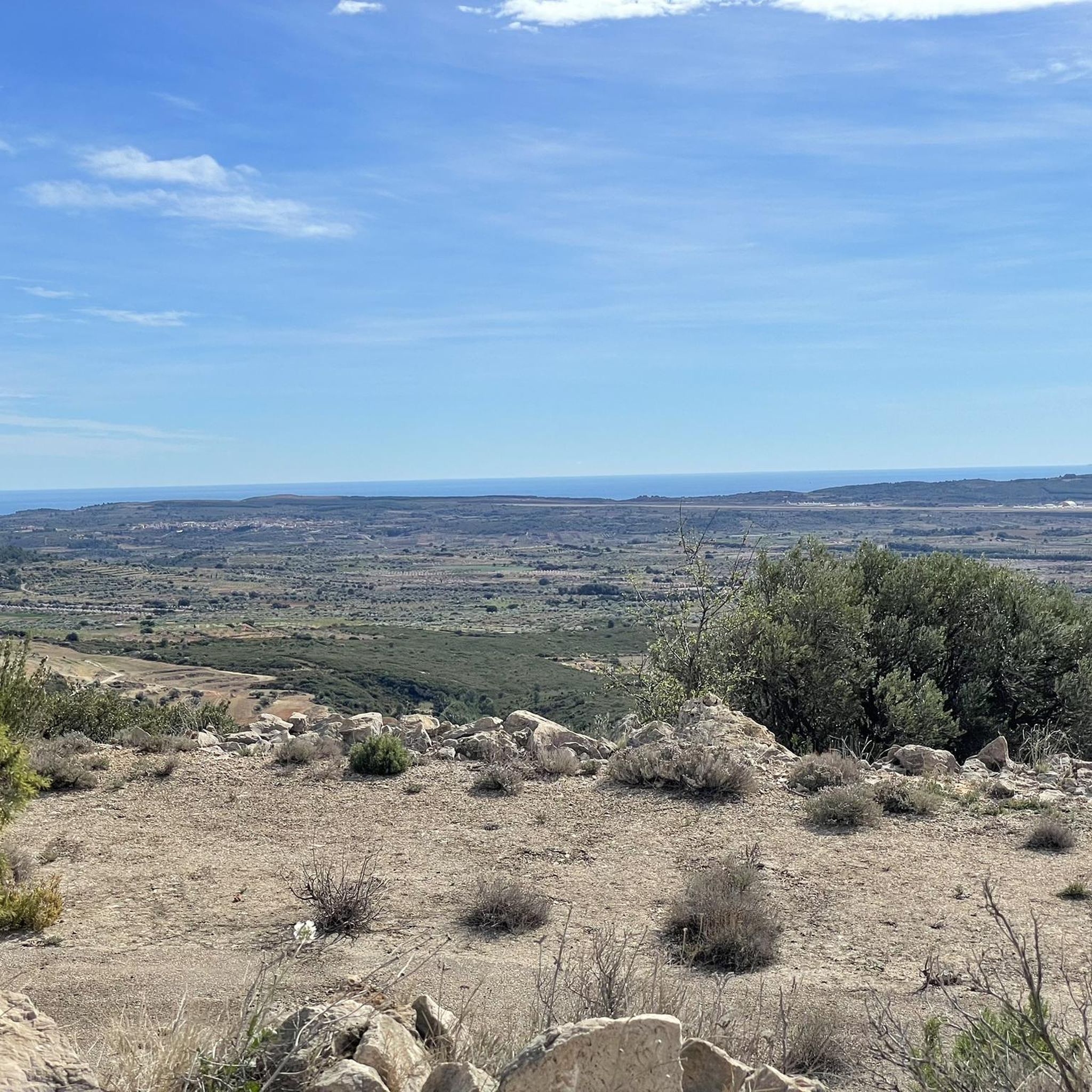
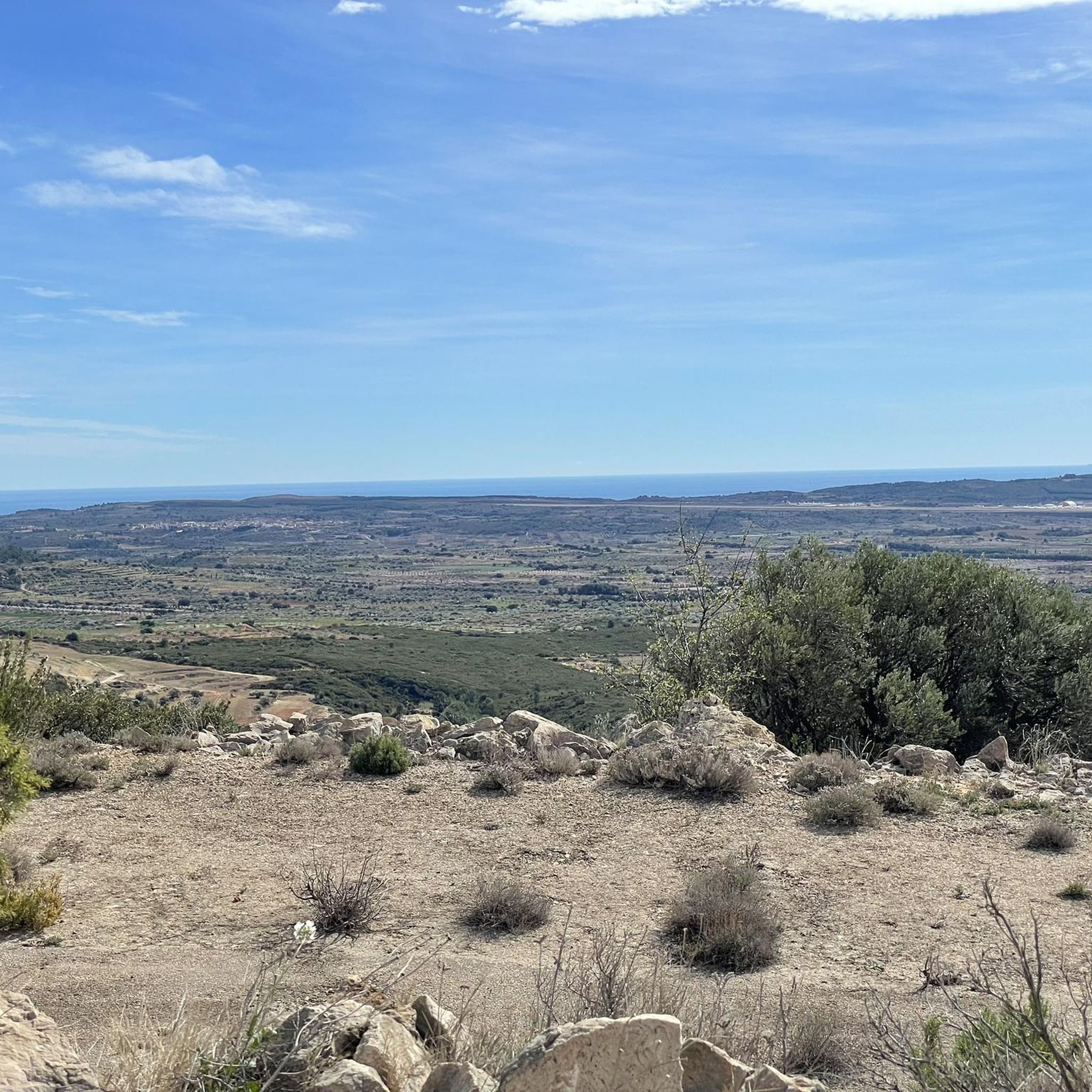
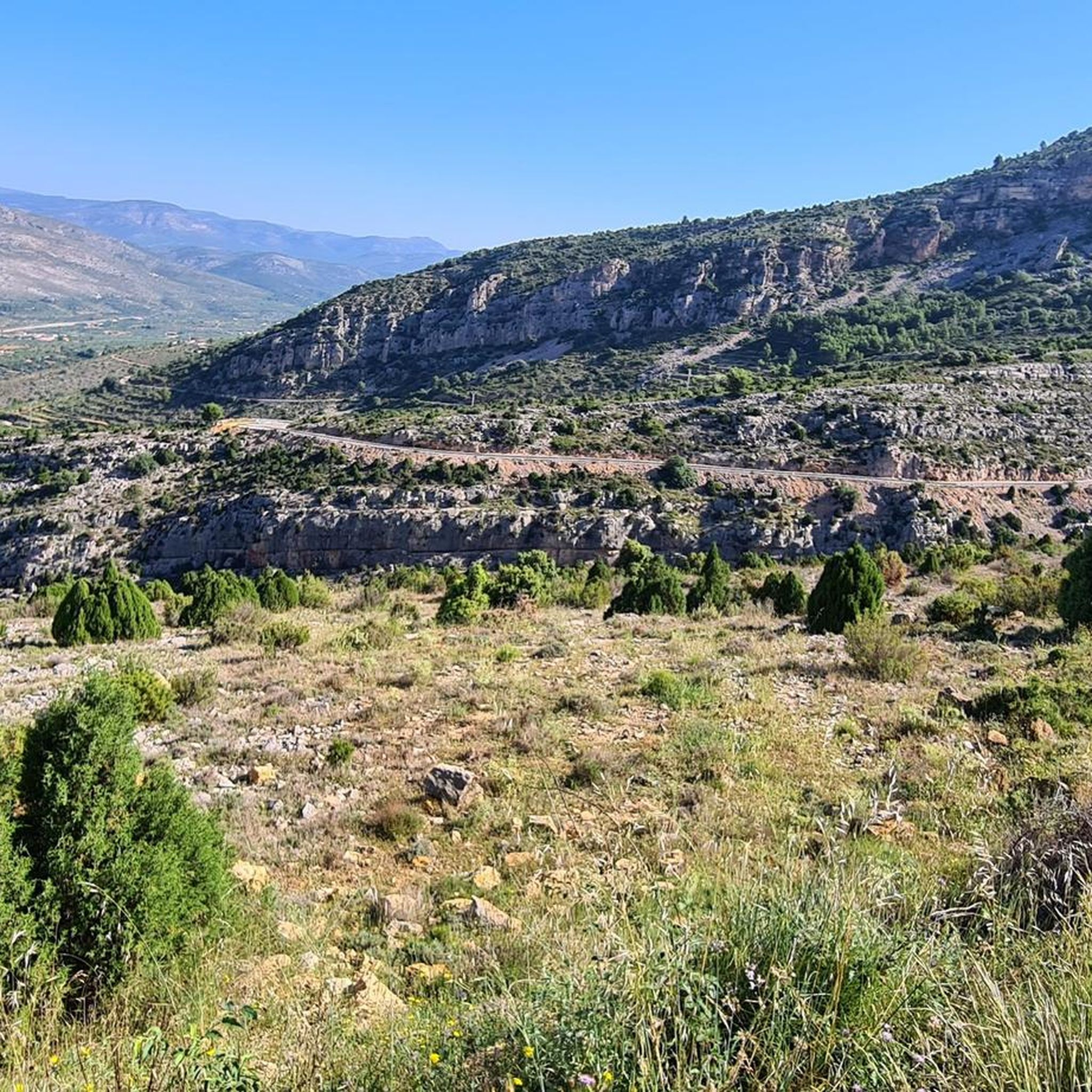
It is a beautiful and entertaining port, without major complications and with magnificent views. In the first part, we start with gentle slopes, which will be very good for us to "warm up" our legs, since after km. 4 things get a little more serious. The slope will begin to increase, with some loose ramps around 10%, and horseshoes will appear, until we reach the first hill at km. 12. Afterwards, we will have a short break including a short descent to the town of Serratella, and we will only have the final stretch, quite gentle, until we reach the top at 844 m. of altitude. At that point, we can decide whether to go down towards Albocàsser, or have a little "warm up" going up to the hermitage of S. Juan Nepomuceno along a concrete track that goes out to our left for about 500 m. and with 20% ramps, until reaching 920 m. of altitude.
1
0
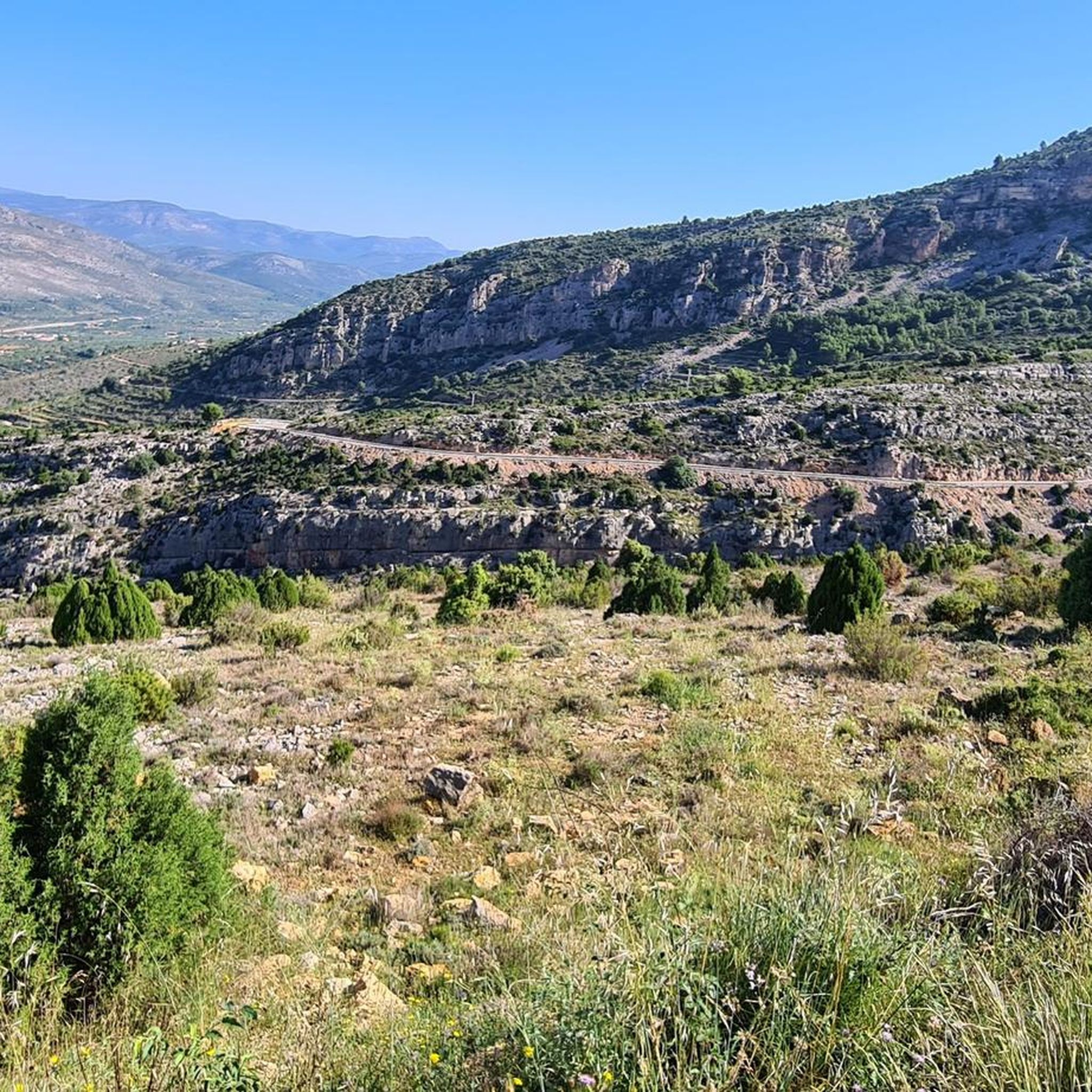
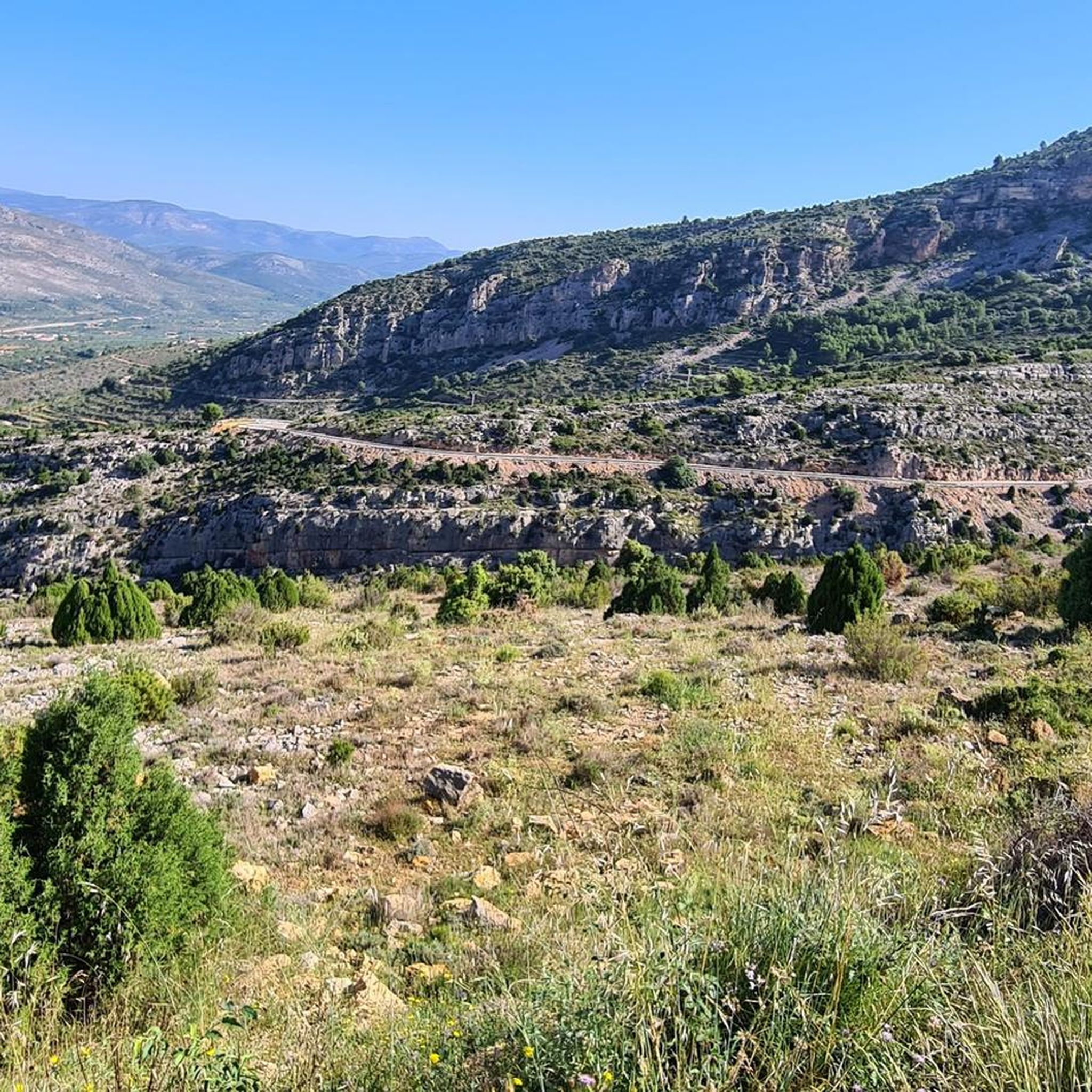
It is a short but very hard ascent, which will probably surprise us with its hardness. We will begin the climb with an initial section until the intersection of the CV-15 with some hard ramps, we cross the town of Rosildos, surrounding the church to look for the street that takes us to Mas de Cervera, where we will join the “main” road. towards Serra Engarcerán. When we reach a somewhat more wooded area we will find a small break, but let's not trust ourselves, because when we take a curve to the left and the trees disappear, we will find ourselves with the hardest section of the ascent, where the slope reaches 16%. maximum in a section of 500 m. that does not go below 10%. We will finish a little easier, but without a doubt this climb will have pleasantly surprised us.
0
0
Frequently Asked Questions
What historical and cultural sites can I explore in Sierra Engarcerán?
Sierra Engarcerán is rich in history. You can visit the impressive Palacio Casalduch, also known as "El Fort," which serves as the Town Hall and is a fine example of Valencian civil Gothic architecture. Other notable sites include the Baroque Iglesia de San Bartolomé, the Casa del Obispo Felipe Beltrán with its 18th-century ceramics exhibition, and the remnants of a Former Muslim Castle at the highest point of the town. Don't miss the well-preserved 17th-century Nevera de la Sierra, an ancient ice house.
Are there any unique natural features or viewpoints in the area?
Yes, Sierra Engarcerán offers several unique natural features and stunning viewpoints. The region is known as the "Mirador de la Plana" (Viewpoint of La Plana), providing panoramic views that, on clear days, extend to the Columbretes Islands. You can also explore the Barranco de la Guitarra, famous for its UNESCO World Heritage cave paintings, or discover the surprising geological formation of Cueva Santa. For a historical natural landmark, seek out the Centenary Valencian Oak in the pine forest of Mola de la Vila, cataloged by botanist Cavanilles in the 18th century.
What outdoor activities can I do around Sierra Engarcerán?
The mountainous terrain of Sierra Engarcerán is ideal for various outdoor activities. You can find numerous routes for mountain biking, running, and gravel biking. For example, consider exploring the challenging Coll de la Bandereta or the extensive Puerto de la Serratella, both offering picturesque landscapes and demanding climbs. You can find detailed routes and guides for these activities on komoot, such as MTB Trails around Sierra Engarcerán, Running Trails around Sierra Engarcerán, and Gravel biking around Sierra Engarcerán.
Are there family-friendly attractions in Sierra Engarcerán?
Families can enjoy several attractions in the area. The Arch of Cabanes, a historical Roman arch dating back to the 2nd-3rd centuries, offers an interesting glimpse into ancient history. Additionally, the region features unique art installations like the Green Chair of Benlloc (Via 7 Cadires) and the Giant blue chair, which are part of a series of seven chairs spread across the municipalities of La Plana de l'Arc, celebrating local traditions and offering fun photo opportunities.
What is the best time of year to visit Sierra Engarcerán?
Sierra Engarcerán benefits from a temperate climate, protected by tall mountains from northern winds. This makes it pleasant for visiting throughout much of the year. Spring and autumn generally offer the most comfortable temperatures for outdoor activities like hiking and cycling, with lush landscapes in spring and vibrant colors in autumn.
What archaeological sites can I visit?
Beyond the Muslim Castle, Sierra Engarcerán is home to significant archaeological findings. You can explore the Tosal de la Vila, an archaeological site with remains from the Bronze and Iron Ages, offering insights into ancient civilizations. Another important site is the Poblado Íbero de Els Castellàs, an Iberian settlement located on the outskirts of the town.
Where can I find traditional crafts or industries in the region?
To experience traditional industries, visit the Traditional Lavender Distillery (Destilería de Espliego), which showcases the process of distilling lavender, a fragrant Mediterranean plant. Additionally, you'll find numerous Lime Kilns dispersed throughout the municipal area, offering a glimpse into past trades and local heritage.
Are there any notable natural springs in Sierra Engarcerán?
Yes, the municipality is known for its several natural springs, which are vital to the local ecosystem and offer serene spots for visitors. Notable springs include those of Ombria, Andreu, Solès, Gargallo, and Ditjos, providing refreshing stops during your exploration of the region.
What makes the mountain passes around Sierra Engarcerán popular?
The mountain passes, such as Coll de la Bandereta and Puerto de la Serratella, are popular for their challenging yet rewarding routes and the extensive, beautiful views they offer. They are favored by cyclists and hikers for their picturesque landscapes and the sense of accomplishment gained from conquering their demanding ascents.
What is the significance of the Arch of Cabanes?
The Arch of Cabanes is a significant historical landmark, dating between the 2nd and 3rd centuries AD. This Roman arch, located on the ancient Via Augusta, is believed to have been an honorary-funerary monument. Although incomplete, with its upper body missing, it stands as a remarkable example of ancient Roman architecture in the region.
What do visitors enjoy most about the attractions around Sierra Engarcerán?
Visitors particularly appreciate the diverse range of experiences, from the historical depth of sites like the Arch of Cabanes to the stunning panoramic views offered by mountain passes such as Coll de la Bandereta and Puerto de la Serratella. The blend of ancient ruins, traditional architecture, and unique natural formations, combined with opportunities for active tourism, makes the region appealing for exploration.
Most popular routes around Sierra Engarcerán
Most popular attractions around Sierra Engarcerán

Get inspired with the komoot mobile app


Explore more
Still not found the Highlight you’re looking for? See guides of the top attractions in other regions:
