The best road cycling routes around Réserve naturelle du Massif du Monte Ritondu
4.7
(94)
1,752
riders
45
rides
Road cycling around Réserve naturelle du Massif du Monte Ritondu offers challenging routes through a dramatic landscape in the heart of Corsica. The region is defined by Monte Ritondu, Corsica's second-highest peak, and features significant elevation changes, deep valleys like the Restonica and Verghellu, and high-altitude glacial lakes. Cyclists encounter granite formations, coniferous forests, and diverse ecosystems, providing varied terrain for road cycling routes. The area's topography ensures demanding ascents and rewarding descents.
Best road cycling routes around Réserve naturelle…
Last updated: May 16, 2026
5.0
(2)
32
riders
13.7km
00:45
280m
280m
Easy road ride. Great for any fitness level. Mostly well-paved surfaces and easy to ride.
5.0
(1)
16
riders
77.9km
05:04
2,050m
2,050m
Hard road ride. Very good fitness required. Some segments of this route may be unpaved and difficult to ride.

Sign up for free
5.0
(5)
124
riders
62.6km
03:48
1,690m
1,690m
Hard road ride. Very good fitness required. Mostly well-paved surfaces and easy to ride.
5.0
(1)
54
riders
78.8km
04:13
1,420m
1,420m
Hard road ride. Very good fitness required. Mostly well-paved surfaces and easy to ride.
5.0
(1)
21
riders
34.9km
02:24
1,200m
1,200m
Hard road ride. Very good fitness required. Mostly well-paved surfaces and easy to ride.
Get access to more routes and recommendations from other explorers.
Sign up for free
Already have an account?
Our route recommendations are based on thousands of hikes, rides, and runs completed by other people on komoot.
Start today with a free account
Your next adventure awaits.
Login or Signup
Popular around Réserve naturelle du Massif du Monte Ritondu
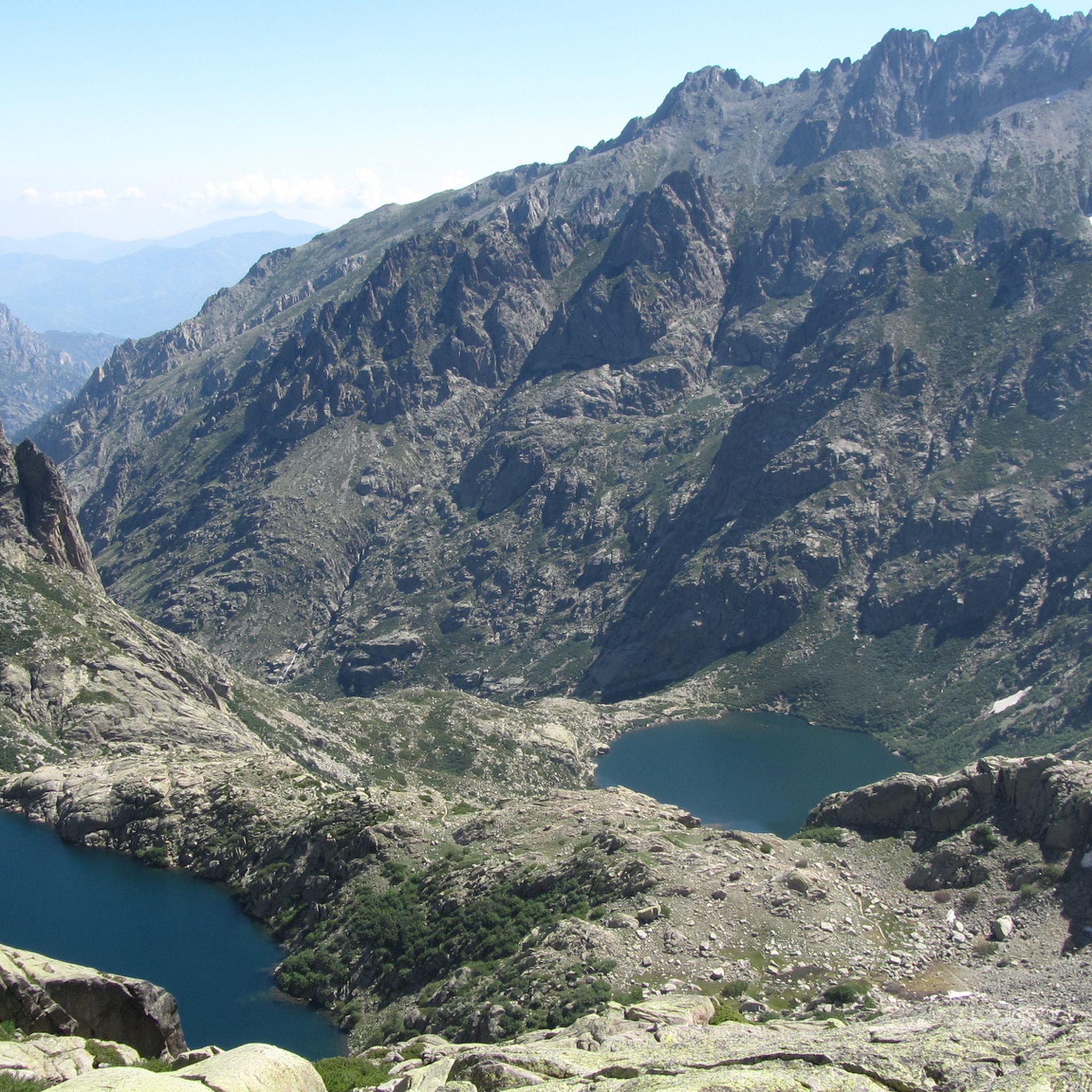
Hiking around Réserve naturelle du Massif du Monte Ritondu
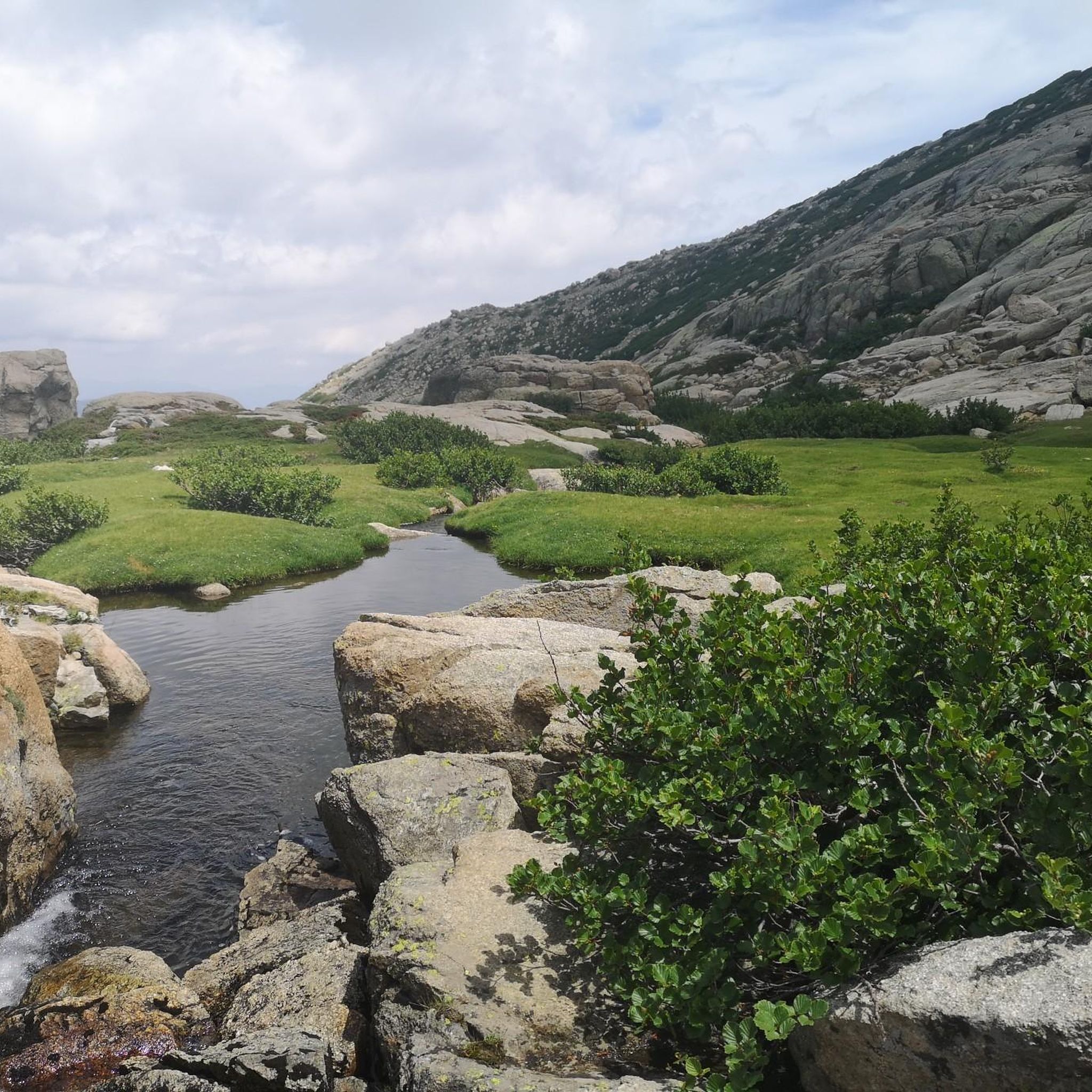
Cycling around Réserve naturelle du Massif du Monte Ritondu
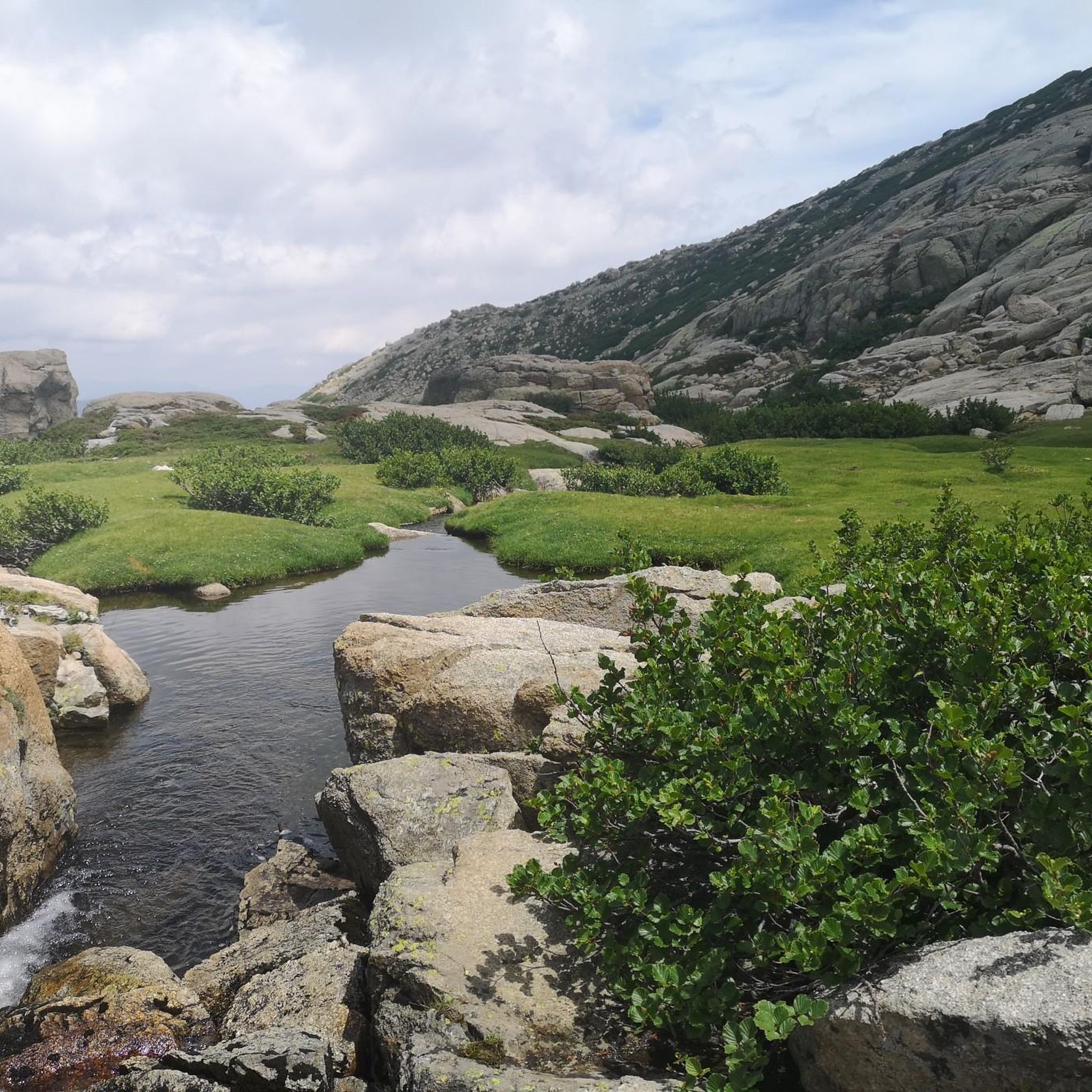
MTB Trails around Réserve naturelle du Massif du Monte Ritondu

Mountain Hikes around Réserve naturelle du Massif du Monte Ritondu
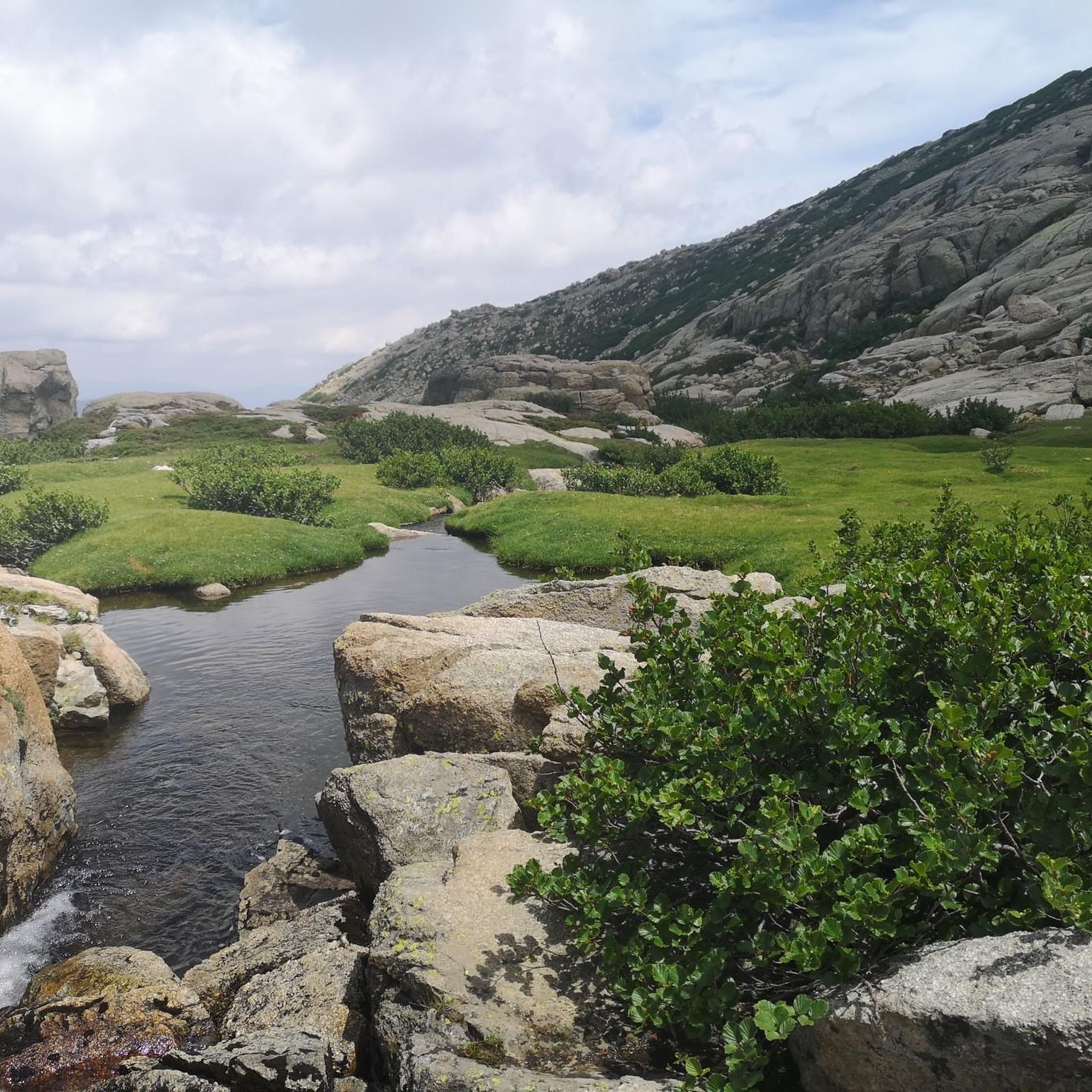
Running Trails around Réserve naturelle du Massif du Monte Ritondu
Tips from the Community

This charming 16th-century village is surrounded by the Marmanu and Sorba forests. The village once marked the end of the long Mare è Monti Livantinu hiking trail. The route now extends to Vivario. Don't miss the Neptune Fountain in the village center.
0
0


The Route Forestière 6 was a road in Corsica established in 1854 by the Décret Imperial 1782. It was built to develop one of Corsica's forests for the timber industry. Operated by the state, it had the status of a national road. The F6 branched off from the National Road 198 south of Aléria and led to Vivario. It was 45 kilometers long. It was downgraded in 1973.
1
0
The Vecchio rises on the Monte d'Oro and is initially called Agnone. This river is best known for its Cascades des Anglais, which attract hundreds of tourists every day in high season. From the hamlet of Vizzavona onwards, the river is called Vecchio and you only meet very few people. Shortly after entering Canaglia, it joins the Manganello. Here the Vecchio valley becomes very lonely. On the right-hand side, far above the riverbed, the railway line winds its way along the hills, barely visible. You don't notice the busy T20, which lies behind the hills. You only see it when you get off at the Ponte Vecchio. High above us, it crosses the Vecchio valley on the new bridge. Later, the Vecchio flows into the Tavignano, which reaches the sea near Aléria.
1
0
On his way to England, Paoli was welcomed and honored throughout Europe as a freedom hero. He met, among others, Joseph II and Goethe, who later described this encounter in Poetry and Truth:[2] Paoli's life was marked by the struggle for the goal of a united Corsican nation. To this end, he entered into varying alliances with France and England and maintained contacts with Jean-Jacques Rousseau, Frederick the Great, Catherine II of Russia, the Pope, the young United States of America, the Turkish Sultan, and the Bey of Tunis.
1
0
Pasquale Paoli was born in 1725 in Stretta, in the municipality of Morosaglia, Corsica. His father, General Giacinto Paoli, was a kind of prime minister in the short-lived Kingdom of Corsica under King Theodore I of Corsica and, in 1739, went into exile in Naples with his youngest son, Pasquale. In 1755, Paoli returned to Corsica as a 30-year-old ensign in the King's Corsican Guard and, as commander at the head of the Corsican guerrillas, fought the Genoese. He succeeded in expelling them from the interior and entrenching them in a few port cities. In the same year, Paoli gave Corsica a democratic constitution and temporarily ruled Corsica. He named Corte its capital. Among other things, he was friends with the Buonaparte family, who fought with him against the Corsican enemy Marius Matra. Carlo di Buonaparte, Napoleon's father, collaborated on a Corsican constitution and became Paoli's right-hand man. When the Genoese ceded the island to France on May 15, 1768, pending redemption, Paoli fought the French. In 1768, the French, who had landed with 10,000 men, were forced to withdraw. A year later, however, 22,000 men landed under the command of the Comte de Vaux and defeated the Corsicans in the Battle of Ponte Novu on May 9, 1769. Paoli laid down his arms and chose exile. In 1790, the revolutionary National Assembly voted for the final annexation of Corsica to France.
1
0

Not a big monument with cars always driving around it, but still beautiful in the city center of Corte.
2
0

Corte is a city well worth seeing. The citadel towers above everything.
0
0
Frequently Asked Questions
How many road cycling routes are available in the Réserve naturelle du Massif du Monte Ritondu area?
The region around the Réserve naturelle du Massif du Monte Ritondu offers a substantial network for road cycling, with over 40 routes documented on komoot. These routes cater to various skill levels, from easy loops to challenging mountain climbs.
Are there easy road cycling routes suitable for beginners or families in the Monte Ritondu area?
Yes, while the region is known for its challenging topography, there are options for easier rides. For instance, the Hotel Restonica – Fontaine - Fountain loop from Tuani is an easy 8.5-mile route with a moderate elevation gain, perfect for a less strenuous experience. The valleys, such as the Restonica, can offer more gentle sections.
What kind of landscapes can I expect to see while road cycling around Monte Ritondu?
Road cyclists in this area will experience a dramatic and diverse landscape. Routes traverse deep valleys like the Restonica and Verghellu, featuring granite formations and maquis. As you ascend, you'll pass through coniferous and mixed forests, eventually reaching high mountain landscapes with subalpine elements, including pristine glacial lakes like Lac de Melo and Lac de Capitello, and panoramic vistas of Monte Ritondu itself.
Are there any specific passes or significant climbs for experienced road cyclists?
Absolutely. The region is defined by its challenging topography, offering demanding ascents. Routes like the Col of Sorba and Erbajo or the Col de Sorba — loop in the lands feature significant elevation gains and lead through mountainous terrain, providing rewarding climbs for experienced riders.
What are some notable natural attractions or viewpoints along the road cycling routes?
The area is rich in natural beauty. Cyclists can enjoy views of majestic peaks like Monte Rotondo Summit and traverse mountain passes such as Bocca alle Porte. The region is also home to stunning glacial lakes, including the Grand Lac de Rinoso, offering picturesque rest stops amidst the rugged scenery.
Is it possible to find circular road cycling routes in the Réserve naturelle du Massif du Monte Ritondu area?
Yes, many of the routes in the region are designed as loops, allowing you to start and finish in the same location. An example is the challenging View of Vivario – Viaduct over the Vecchio loop from Tattone, which offers extensive climbing and panoramic views on a circular path.
What is the best time of year for road cycling in the Réserve naturelle du Massif du Monte Ritondu?
The best time for road cycling in this mountainous region is typically from late spring through early autumn (May to October). During these months, the weather is generally more stable, and higher passes are clear of snow. Always check local weather conditions, especially for high-altitude sections, as conditions can change rapidly.
Are there any specific considerations for public transport or parking when planning a road cycling trip here?
While the core reserve is remote, surrounding towns like Corte serve as good starting points. Parking is generally available in these towns. For public transport, options might be limited, and carrying bikes on buses can be challenging. It's advisable to research specific bus routes like the C13 shuttle in the Restonica Valley if you plan to use public transport, as bike carriage policies can vary.
What do other road cyclists think about the routes in the Réserve naturelle du Massif du Monte Ritondu area?
The road cycling routes around Réserve naturelle du Massif du Monte Ritondu are highly regarded by the komoot community, holding an average rating of 4.7 stars from over 90 reviews. Cyclists often praise the dramatic scenery, challenging climbs, and the immersive experience of riding through Corsica's natural heartland.
Are there any amenities like cafes or accommodation near the road cycling routes?
The main towns surrounding the reserve, such as Corte and Venaco, offer various amenities including cafes, restaurants, and accommodation options suitable for cyclists. While direct services within the most remote parts of the reserve are limited, you'll find places to refuel and rest in the valleys and villages along the cycling network.
Are there any specific permits required for road cycling within the Réserve naturelle du Massif du Monte Ritondu?
Generally, specific permits are not required for road cycling on public roads and designated cycling paths around the Réserve naturelle du Massif du Monte Ritondu. However, as it is a protected natural area, cyclists should always respect local regulations, stay on marked routes, and be mindful of the environment. If you plan to venture off-road or into very sensitive areas, it's always best to check with local authorities or park management.
Most popular routes around Réserve naturelle du Massif du Monte Ritondu
Most popular attractions around Réserve naturelle du Massif du Monte Ritondu

Get inspired with the komoot mobile app


Explore more
Browse the best Road cycling routes in other regions.
