The best road cycling routes around Réserve Naturelle de Lachaussée
4.2
(36)
607
riders
51
rides
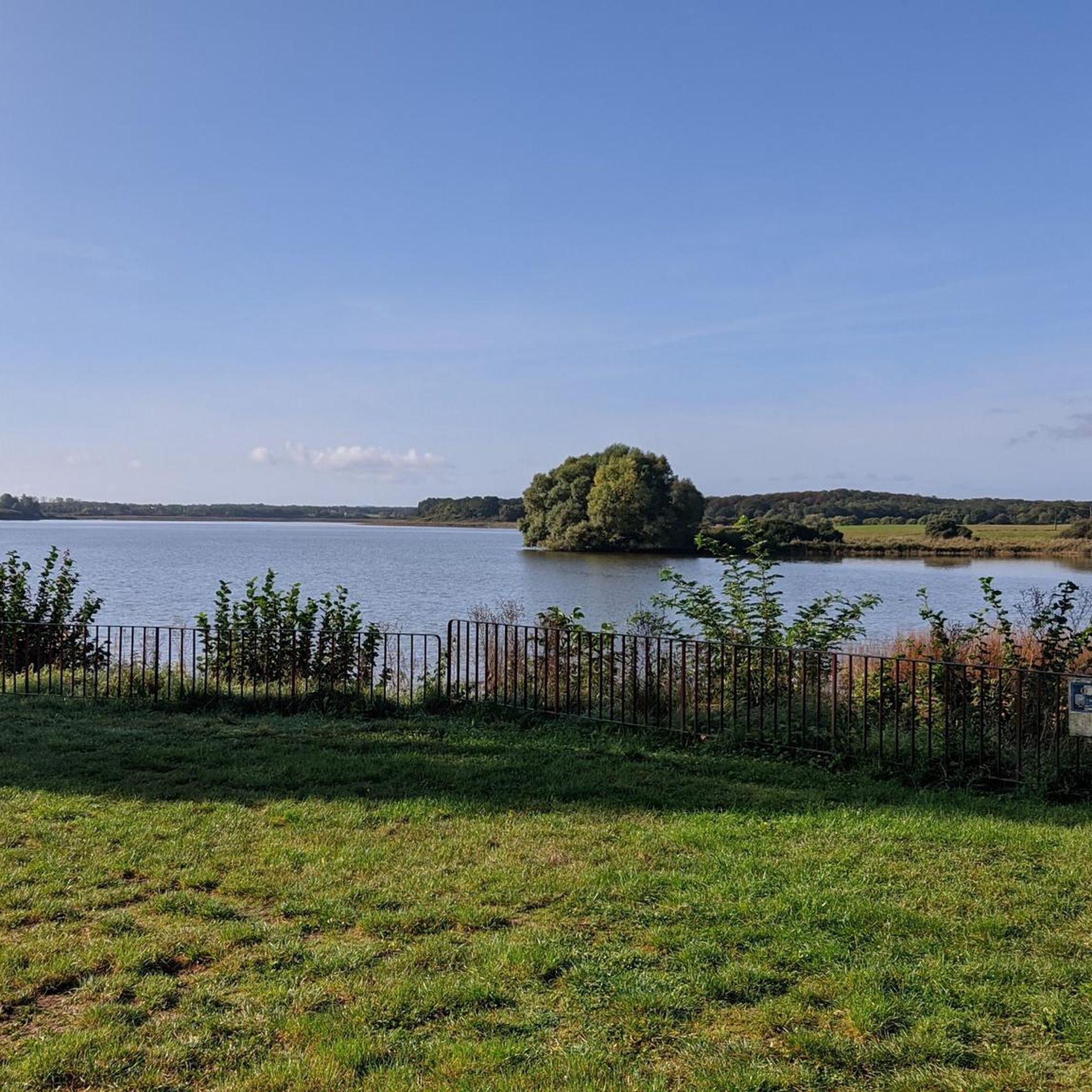
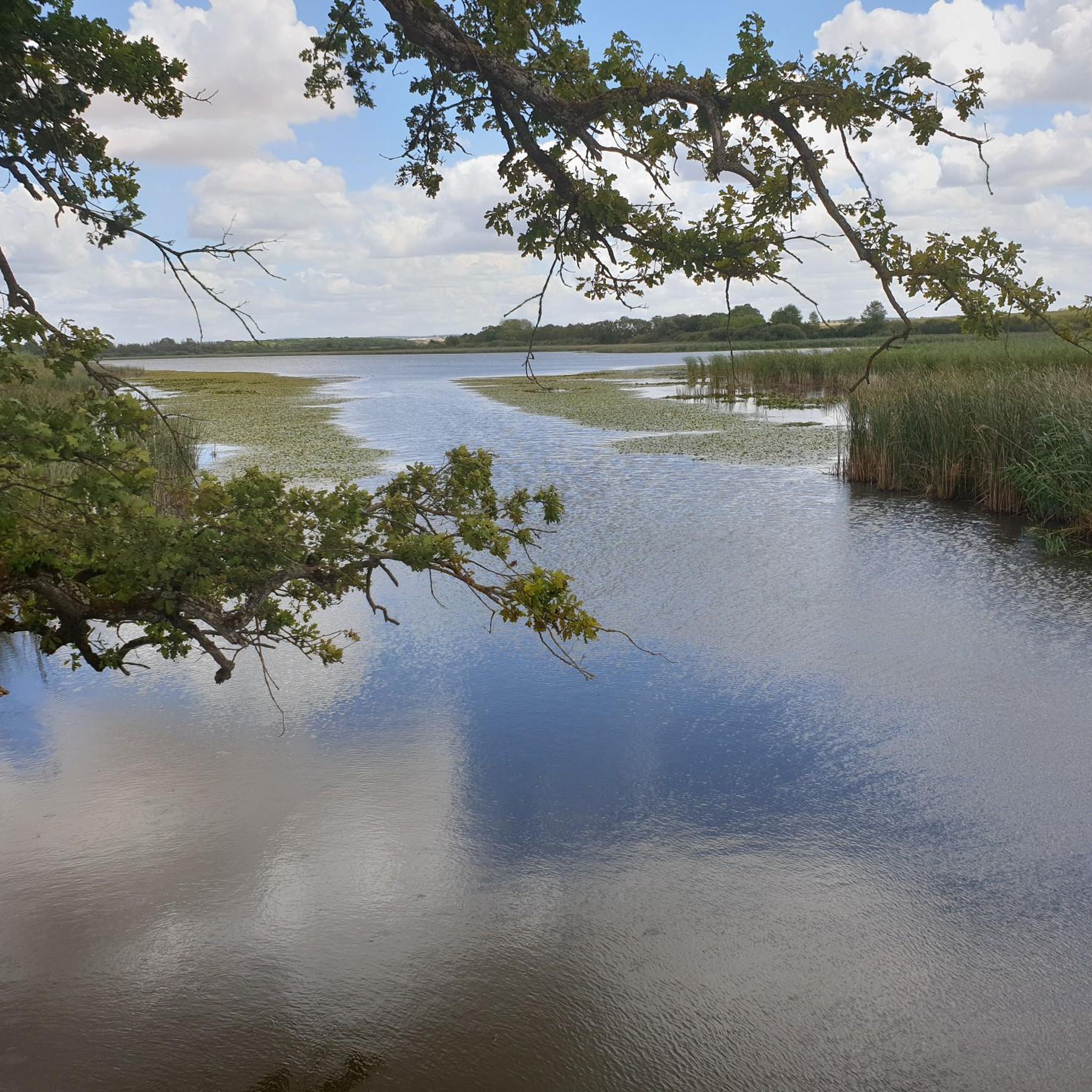
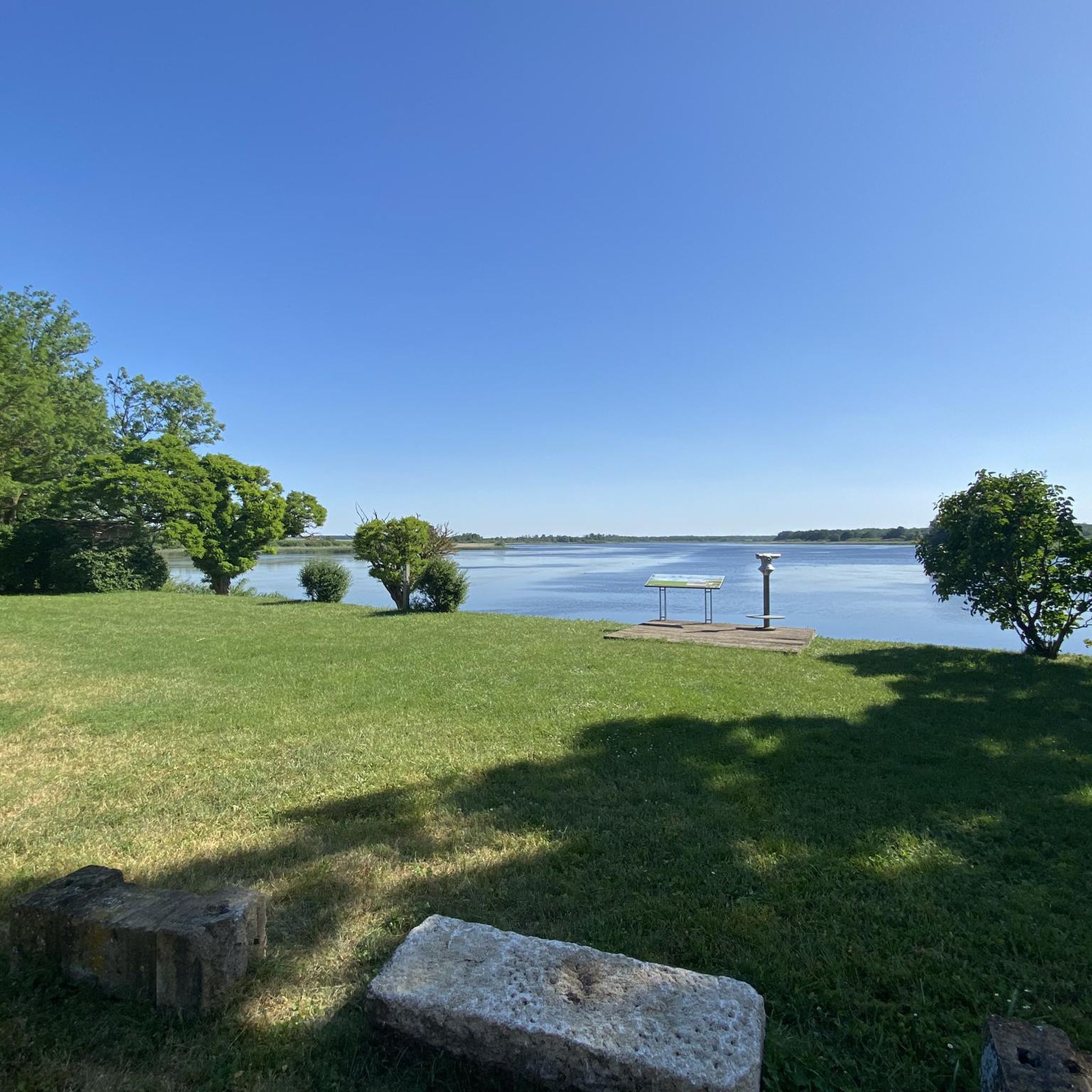
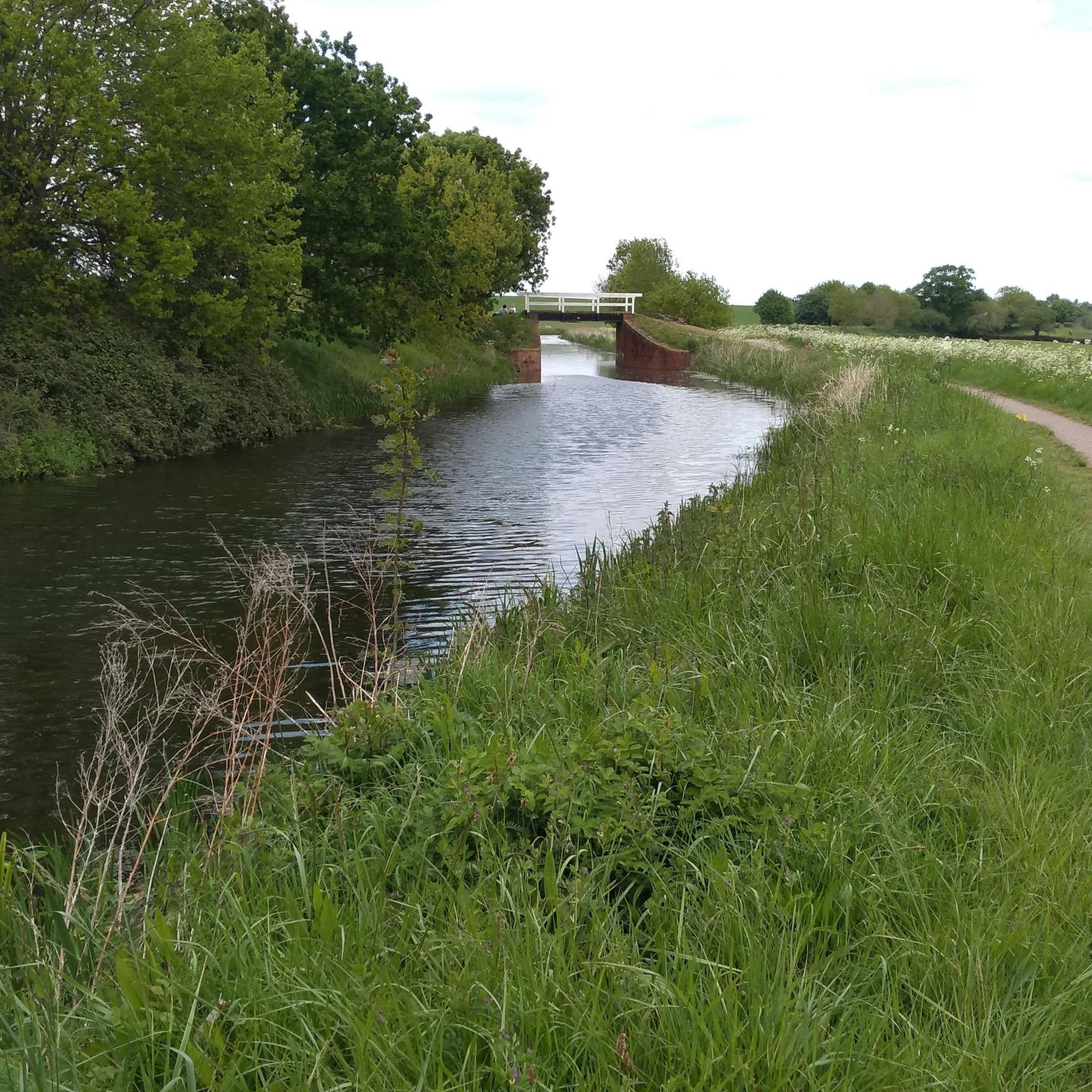
Road cycling around Réserve Naturelle de Lachaussée is characterized by the flat topography of the Woëvre plains, offering routes with minimal elevation changes. The region features the expansive Lachaussée Pond, surrounded by wetlands, reed beds, and forests. These natural elements provide varied scenery for road cyclists.
Best road cycling routes around Réserve Naturelle de Lachaussée
- The most popular road cycling route is Roadbike loop from Thiaucourt-Regniéville, a 22.5 miles (36.1 km) trail that takes 1 hour 43 minutes to complete. This moderate route offers views of the surrounding plains.
- Another top favourite among local road cyclists is Lac de Madine loop from Saint-Julien-lès-Gorze, a moderate 36.3 miles (58.5 km) path. This route circles Lac de Madine, providing scenic water views.
- Local road cyclists also love the Lac de Madine – Saint Lucy's Church loop from Vigneulles-lès-Hattonchâtel, a 23.8 miles (38.3 km) trail leading through the natural landscapes around Lac de Madine, often completed in about 1 hour 33 minutes.
- Road cycling around Réserve Naturelle de Lachaussée is defined by the flat Woëvre plains, the large Lachaussée Pond, and surrounding forests and wetlands. The network offers options for different ability levels, from easy loops to more challenging distances.
- The routes in Réserve Naturelle de Lachaussée are highly rated by the komoot community with an average score of 4.4 stars from over 40 reviews. More than 600 road cyclists have used komoot to explore Réserve Naturelle de Lachaussée's varied terrain.
Last updated: October 5, 2026
5
riders
74.0km
04:07
900m
900m
Hard road ride. Very good fitness required. Mostly well-paved surfaces and easy to ride.
4.0
(1)
4
riders
59.5km
03:30
470m
470m
Moderate road ride. Good fitness required. Mostly well-paved surfaces and easy to ride.

5.0
(3)
38
riders
Easy road ride. Great for any fitness level. Mostly well-paved surfaces and easy to ride.
4.7
(14)
28
riders
Moderate road ride. Good fitness required. Mostly well-paved surfaces and easy to ride.
15
riders
40.9km
02:03
520m
520m
Moderate road ride. Good fitness required. Mostly well-paved surfaces and easy to ride.
Get access to more routes and recommendations from other explorers.
Already have an account?
Our route recommendations are based on thousands of hikes, rides, and runs completed by other people on komoot.
Start today with a free account
Your next adventure awaits.
Tips from the Community

superbly developed cycle path along the Moselle
0
0

It's wonderful to cycle with the racing bike
0
0

On September 12, 1918, during the St. Mihiel Offensive, Vieville-en-Haye was liberated by the American 5th Infantry Division. That day, the front line was established a few kilometers north of this point. It was a key moment in the first large-scale American military operation of the First World War.
8
0
Founded around 708 by Count Wulfoalde, this Benedictine abbey became an important religious and cultural centre in Lorraine. The abbey was under the protection of Charlemagne and flourished under Abbot Smaragdus in the 9th century. Today, you can still visit the abbey church of Saint-Michel, home to the masterpiece La Pâmoison de la Vierge by Ligier Richier. The 18th-century monastery library houses thousands of ancient works and is one of the most beautiful in the region.
7
0
This former abbey church forms the historic heart of Saint-Mihiel. Originally built in the 9th century, it took on its current form during major renovations in the 17th and 18th centuries. Inside, you can admire a magnificent baroque organ (1679–1681), colourful stained glass windows and the masterpiece La Pâmoison de la Vierge by sculptor Ligier Richier. A place where art, history and spirituality come together.
5
0
Lac de Madine is an artificial lake of almost 10 km², created in the 1970s as a water reservoir for the city of Metz. It is located in the heart of the Lorraine Regional Nature Park and is part of the Natura 2000 network for its ecological value. The lake has two islands, 250 hectares of forest and 42 km of shoreline. In addition to its role in the drinking water supply, it is an important recreational area with two main sites: Nonsard-Lamarche and Heudicourt-sous-les-Côtes. Visitors will find marinas, beaches, cycle and walking routes, restaurants and nature reserves.
8
0
Saint-Mihiel is picturesquely situated on the Meuse, on the edge of the Lorraine Regional Nature Park. The town grew around a Benedictine abbey, founded in the 8th century, and flourished during the Renaissance. Visit the abbey with its impressive library, the Museum of Sacred Art, and the Saint-Michel church. Wander the charming streets, admire the sculptures of Ligier Richier, and taste local specialities such as the “croquets” and “rochers de Saint-Mihiel”. A town full of history, culture and character.
7
2

Saint-Mihiel is one of those towns in the Meuse with a unique charm. You'll discover beautiful Renaissance facades there. Don't miss a detour to the Saint-Étienne church to see its superb Entombment, as well as the former Benedictine abbey, which reveals an impressive 18th-century library.
2
1
Frequently Asked Questions
What is the typical terrain like for road cycling in Réserve Naturelle de Lachaussée?
The Réserve Naturelle de Lachaussée is situated within the Woëvre plains, characterized by generally flat topography. This makes for road cycling routes with minimal elevation changes, ideal for continuous and enjoyable rides.
Are there road cycling routes suitable for beginners in Réserve Naturelle de Lachaussée?
Yes, the region offers several routes suitable for beginners due to its flat terrain. For example, the Lac de Madine – Saint Lucy's Church loop from Vigneulles-lès-Hattonchâtel is an easy 23.8-mile (38.3 km) route that provides a great introduction to road cycling in the area.
What natural features or landmarks can I expect to see while cycling around Réserve Naturelle de Lachaussée?
Road cyclists can enjoy views of the expansive Lachaussée Pond, one of France's largest fish ponds, surrounded by wetlands, reed beds, and rich forests. The area is also known for its diverse birdlife, and you might encounter bird observatories, such as one accessible on the D131 between Haumont-Les-Lachaussée and Lachaussée.
Is parking available for road cyclists near Réserve Naturelle de Lachaussée?
While specific parking areas for cyclists are not detailed for every route, the presence of bicycle racks at locations like the bird observatory on the D131 suggests that cycling to and from points of interest is accommodated. Parking is generally available in nearby towns and at trailheads.
What is the best time of year for road cycling in Réserve Naturelle de Lachaussée?
The flat terrain makes road cycling enjoyable for much of the year. Spring and autumn generally offer pleasant temperatures and beautiful scenery with fewer crowds. Summer is also suitable, though it can be warmer. Winter conditions might include colder temperatures and potential for ice, so checking local weather is advised.
Are there family-friendly road cycling routes in the area?
Given the generally flat topography of the Woëvre plains, many routes around Réserve Naturelle de Lachaussée are suitable for families. Routes with minimal elevation changes, like the easy 23.8-mile Lac de Madine – Saint Lucy's Church loop from Vigneulles-lès-Hattonchâtel, are good options for family outings.
Can I bring my dog on road cycling routes around Réserve Naturelle de Lachaussée?
While the nature reserve is rich in wildlife, road cycling routes typically follow public roads where dogs are generally permitted. However, for the safety of your dog and other road users, it's recommended to ensure your dog is well-trained and secured, perhaps in a bicycle trailer, especially on routes with traffic. Always respect local regulations regarding pets in natural areas.
Are there cafes or places to stop for refreshments along the road cycling routes?
The routes often pass through or near small villages and towns where you can find cafes, bakeries, or small shops for refreshments. Planning your route with komoot allows you to identify potential stops along the way, particularly around larger hubs like Vigneulles-lès-Hattonchâtel or Saint-Julien-lès-Gorze.
How many road cycling routes are available around Réserve Naturelle de Lachaussée?
There are over 50 road cycling routes available around Réserve Naturelle de Lachaussée, offering a wide range of options for different skill levels and preferences. These include 14 easy routes, 39 moderate routes, and a few more challenging options.
What do other road cyclists enjoy the most about road cycling in Réserve Naturelle de Lachaussée?
The area is highly rated by the komoot community, with an average score of 4.4 stars. Reviewers often praise the peaceful, scenic rides through the flat Woëvre plains, the picturesque views of Lachaussée Pond, and the varied natural landscapes including wetlands and forests.
Are there any longer road cycling routes for more experienced riders?
Yes, for more experienced riders seeking longer distances, routes like the View of Verdun – Monthairons Castle loop from Vigneulles-lès-Hattonchâtel offer a substantial challenge. This moderate route covers 60.8 miles (97.9 km) and includes more significant elevation changes, providing a full day's adventure.
Are there circular road cycling routes available?
Many of the road cycling routes in the Réserve Naturelle de Lachaussée area are designed as loops, allowing you to start and finish at the same point. Examples include the popular Lac de Madine loop from Saint-Julien-lès-Gorze, which circles the scenic Lac de Madine.
Most popular routes around Réserve Naturelle de Lachaussée

Get inspired with the komoot mobile app


Explore more
Browse the best Road cycling routes in other regions.
