Attractions and Places To See around Barberà De La Conca - Top 20
Best attractions and places to see around Barberà De La Conca offer a blend of historical, cultural, and natural points of interest. Located in the province of Tarragona, Catalonia, this village is part of the Conca de Barberà region. Visitors can explore ancient landmarks, significant cultural sites, and the natural beauty of the surrounding landscape, characterized by vineyards and olive groves. The area provides opportunities for exploring both historical heritage and outdoor trails.
Best attractions and places to see around Barberà De La Conca
- The most popular attractions is Old Bridge of Montblanc, a bridge that crosses the Francolí River. It is a medieval bridge from the 12th century, having undergone numerous renovations.
- Another must-see spot is Ermita de Sant Josep de Montblanc, a religious building and recreational area. It is a natural space for gatherings, located about 2 km from the town center.
- Visitors also love Walkways and Bridges of the Gaià River, a trail that runs parallel to the Gaià River. This route features footbridges and bridges, offering an entertaining path through the landscape.
- Barberà De La Conca is known for its historical sites, natural monuments, and trails. The region offers a variety of attractions to see and explore, from ancient structures to scenic river paths.
- The attractions around Barberà De La Conca are appreciated by the komoot community, with over 60 upvotes and more than 20 photos shared.
Last updated: May 9, 2026
Old Bridge of Montblanc
Highlight • Bridge
Translated by Google •
Tip by

Mazinger Z Statue
Highlight • Monument
omnibus-dubitandum.blogspot.com/2013/06/el-mazinger-z-de-tarragona.html
Translated by Google •
Tip by

Sign up now to discover places like this
Get recommendations on the best single tracks, peaks, & plenty of other exciting outdoor places.
Sign up for free
Walkways and Bridges of the Gaià River
Highlight (Segment) • Trail
From this point, continue very well until the fork to the right and to the left of the path (the route has been changed, and now to the left you reach the end of the path) and until you reach the fork, there are a couple of more sections of walkways but easy to pass where aided by the ropes will not pose any problem.
Translated by Google •
Tip by

Deport Spring
Highlight • Natural Monument
The Sport source is located under the Cingle de les Cabres. From this location, the trail leads up to the La Pena viewpoint.
The place has a lot of charm and in the past the monks had some kind of construction there (remember that the place is very close to the site of the old La Pena farm and currently a forestry house). These constructions were maintained after the exclaustration of the Poblet monastery, when the Pena estate was sold to private individuals and also later (in 1906) when it was expropriated to be reincorporated into the management of the forestry services. Currently, however, we can only find small evidence of those constructions.
The location of the Deport fountain has also had other changes or modifications over the years, and one of these was the location of the fountain itself.
Translated by Google •
Tip by

Ermita de Sant Josep de Montblanc
Highlight • Religious Site
Translated by Google •
Tip by

Sign up for free to discover even more attractions around Barberà De La Conca.
Sign up for free
Already have an account?
Start today with a free account
Your next adventure awaits.
Login or Signup

Tips from the Community

It's always a pleasure to cross this bridge that leads us to the Viñes Pastry Shop along the main street. The Borratxo is incredible, one of the best.
0
0

Medieval bridge (12th century) with four eyes that crosses the channel of the Francolí river. Throughout its history it has undergone numerous reforms due to floods.
0
0

Entertaining route that runs parallel to the river Gaià. The path is easy to do and has practically no complications, perhaps there will only be a couple of steps that can be a bit difficult and can be passed without problems, which would be the first walkway (where I go down the planks of about 50cm wide and supported on some "nails" sunk into the wall) with a rope to help us cross this first short section of footbridges and the first bridge with a length of about 15m (also with a width of about 50cm) that crosses the river Gaià, at about 2/3m above the river (which does not have any type of handrail, cable or rope to help cross it). From this point, continue very well until the fork to the right and to the left of the path (the route has been changed, and now to the left you reach the end of the path) and until you reach the fork, there are a couple of more sections of walkways but easy to pass where aided by the ropes will not pose any problem.
2
0
It is a medieval bridge from the 12th century with four eyes that spans the bed of the Francolí River. Throughout its history it has undergone numerous renovations due to floods. The last one was in 2019, and currently (October 2022) it is still under construction, the passage being closed, although you can circulate without problem on the new bridge, which is located right next to it.
0
0

Old medieval bridge that crosses the Francolí River on its way through Montblanc.
4
0
The bridge is destroyed by the flood a few years ago... but the rest of the town is very cool.
0
0

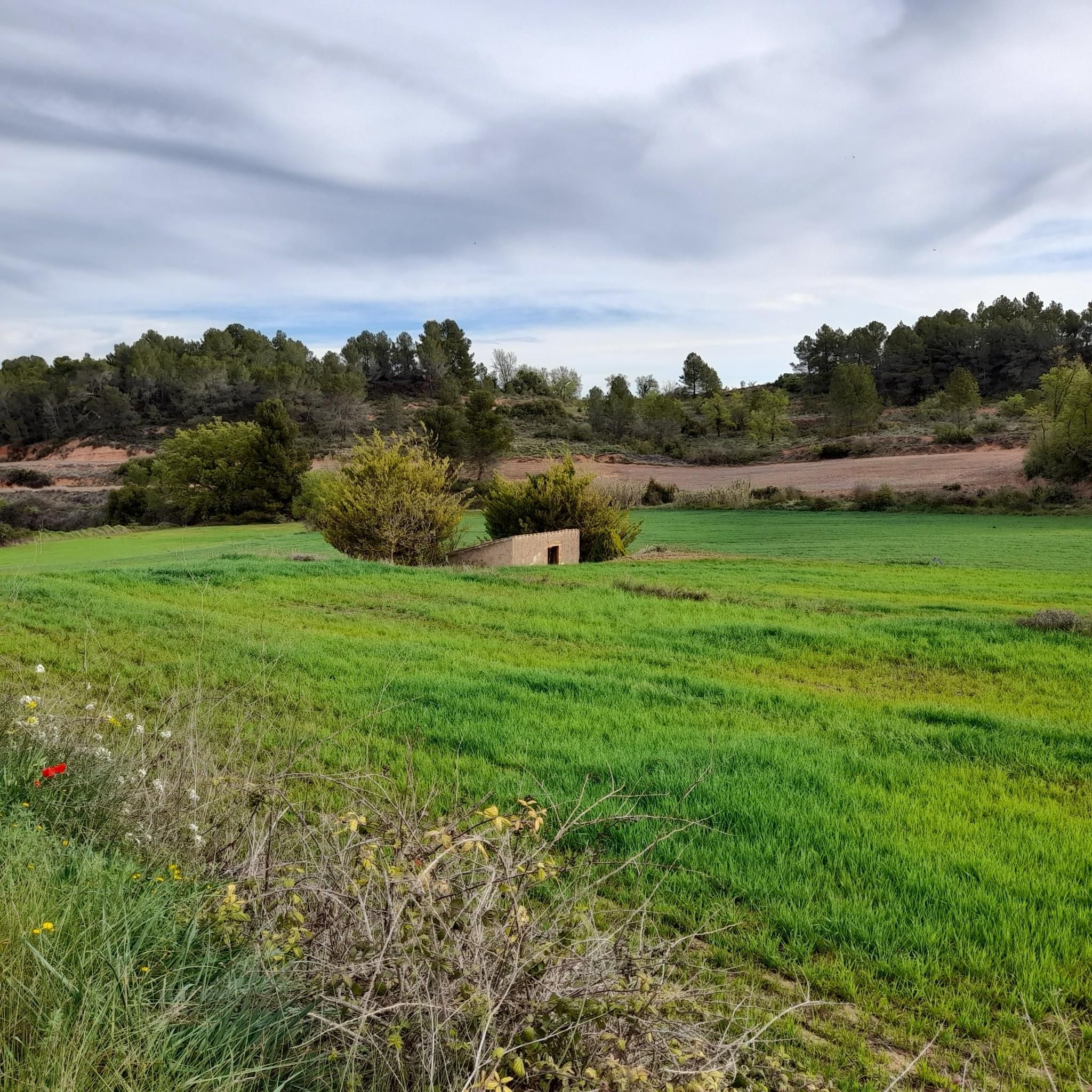
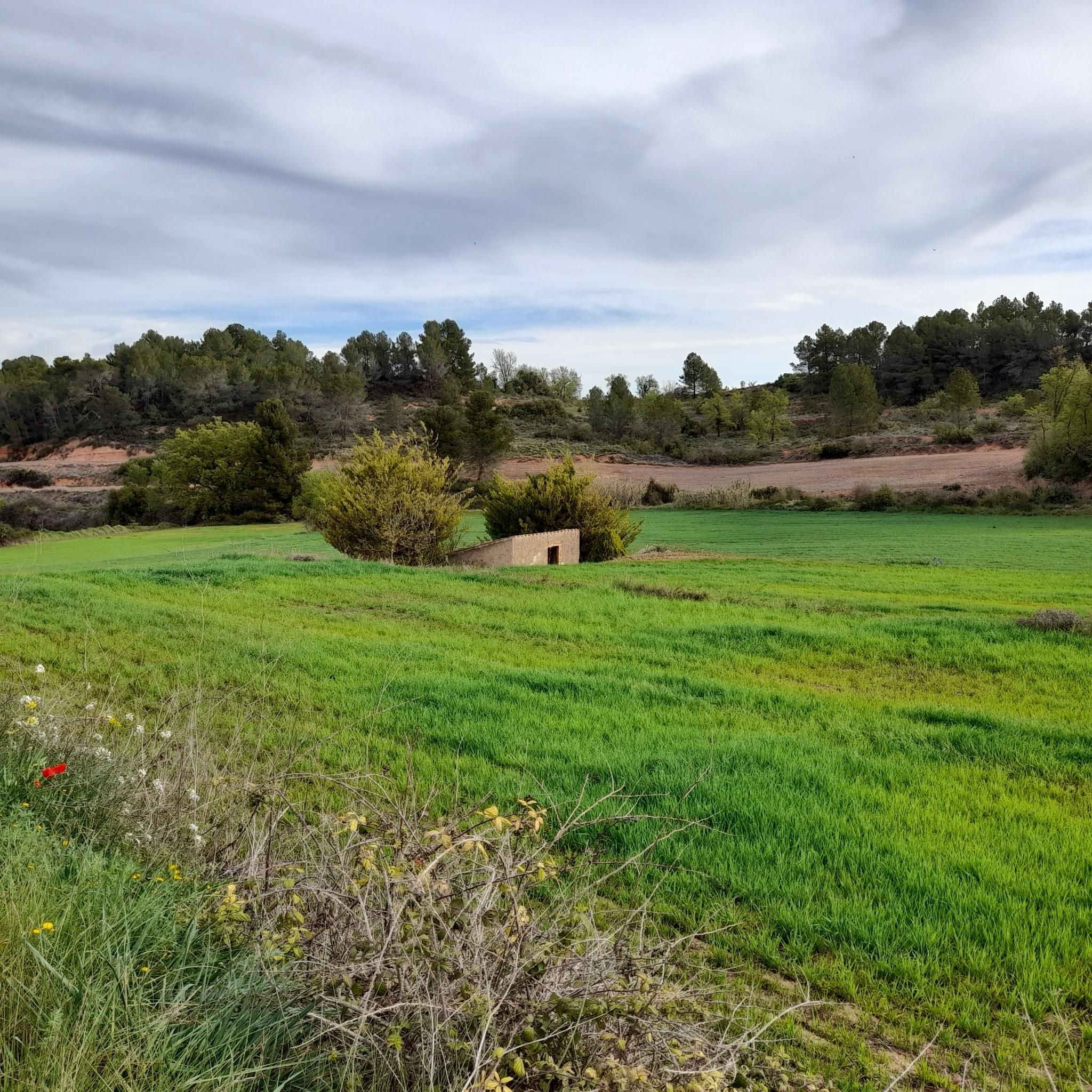
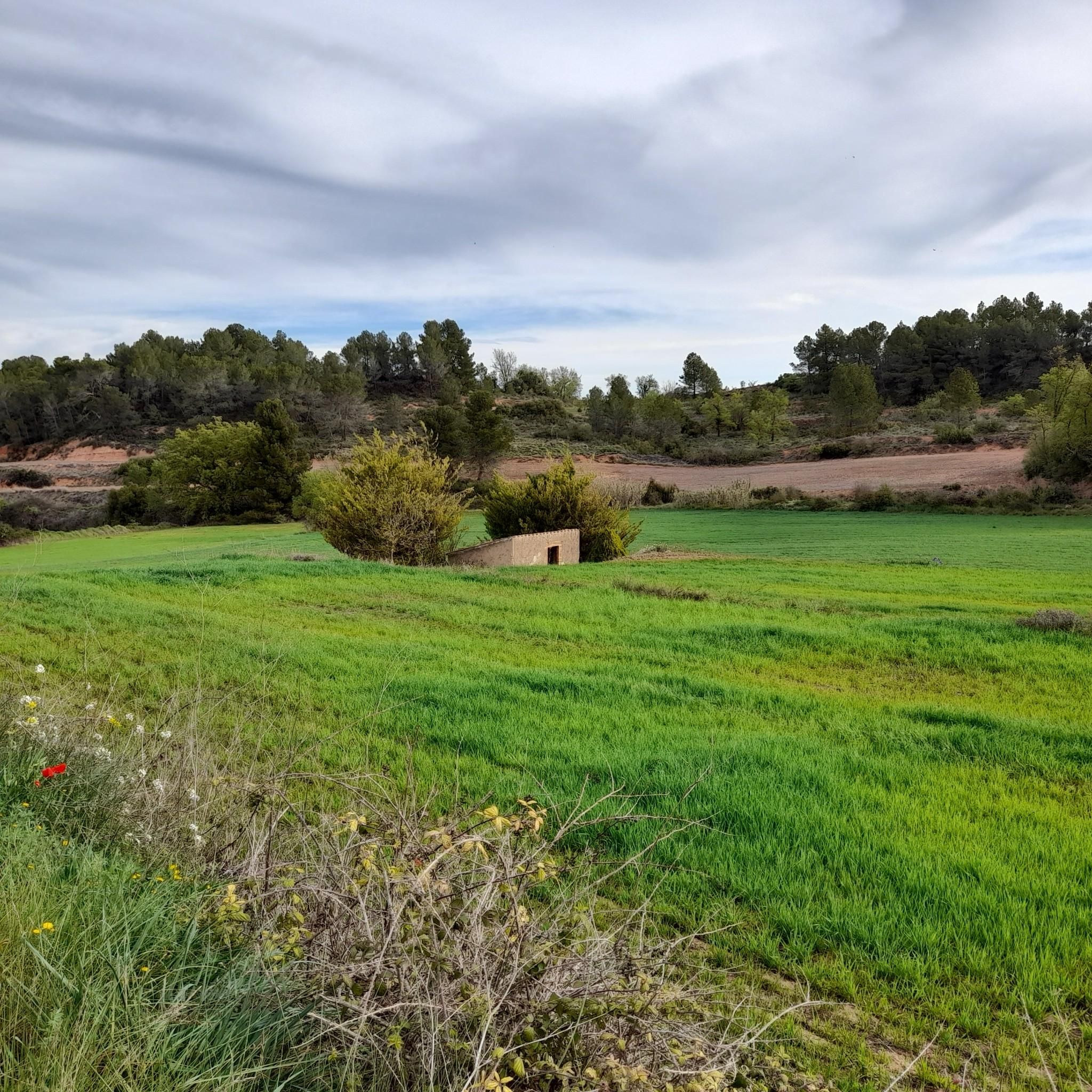
The hermitage of Sant Josep, located at the beginning of the path to the Prades Mountains, is the famous recreational area of Montblanc, where people go to prepare a barbecue with friends and spend the day. There is also a small bar-restaurant.
1
0

It is known that the Poblet forest is rich in springs. Undoubtedly the most well-known and popular are the Boixets fountain and the Deport fountain. The Sport source is located under the Cingle de les Cabres. From this location, the trail leads up to the La Pena viewpoint. The place has a lot of charm and in the past the monks had some kind of construction there (remember that the place is very close to the site of the old La Pena farm and currently a forestry house). These constructions were maintained after the exclaustration of the Poblet monastery, when the Pena estate was sold to private individuals and also later (in 1906) when it was expropriated to be reincorporated into the management of the forestry services. Currently, however, we can only find small evidence of those constructions. The location of the Deport fountain has also had other changes or modifications over the years, and one of these was the location of the fountain itself.
1
0
Frequently Asked Questions
What historical sites can I explore in Barberà de la Conca and the surrounding region?
Barberà de la Conca is rich in history. You can visit the Knights Templar Castle, dating back to the 10th century, and the Santa María Church, a Baroque building on the site of an old Roman temple. In the wider Conca de Barberà region, don't miss the UNESCO World Heritage site Real Monasterio de Santa María de Poblet, the medieval town of Montblanc, and the historic Old Bridge of Montblanc.
Are there any notable natural attractions or viewpoints in the area?
Yes, the region offers several natural highlights. You can visit the Deport Spring, located under the Cingle de les Cabres, which is a popular spot in the Poblet forest. The Mirador de la Pena provides impressive panoramic views over the western part of the Conca de Barberà, including the Monasterio de Poblet. Additionally, the millennial tree El Pi del Xaconet is a unique natural point of interest.
What kind of outdoor activities, like hiking or cycling, are available near Barberà de la Conca?
The area is excellent for outdoor activities. Nature trails wind through vineyards and olive groves, ideal for cycling and walks. The Catalan stretch of the Camino de Santiago, El Camí de Sant Jaume, also passes through the village. For more structured routes, you can find numerous hiking routes and cycling routes around Barberà de la Conca, including options for road cycling.
Are there family-friendly attractions suitable for children?
Absolutely! Many attractions are suitable for families. The Old Bridge of Montblanc and the Ermita de Sant Josep de Montblanc, with its recreational area, are great choices. The Deport Spring in the Poblet forest is also considered family-friendly, offering a pleasant natural setting.
Where can I experience the local wine culture?
Barberà de la Conca is at the heart of a significant wine region. The Wine Cooperative (Cooperativa Agrícola de Barberà), founded in 1894, is one of Catalonia's oldest and a notable 'wine cathedral.' You can sample local wines at its 'agrobotiga' or arrange visits to local wine cellars. The wider Conca de Barberà region is also known for its 'modernist wineries,' which are architectural marvels.
What are some unique cultural heritage sites in the Conca de Barberà region?
Beyond Barberà de la Conca, the region boasts several unique cultural sites. The Real Monasterio de Santa María de Poblet is a UNESCO World Heritage site and a Cistercian monastery of great historical importance. The region also features 'wine cathedrals' or modernist cellars, which are significant architectural works and Sites of National Cultural Interest. Additionally, the medieval town of Montblanc offers a well-preserved historical center and walls.
Can I find any accessible attractions for visitors with mobility needs?
Yes, some sites offer better accessibility. The Font Baixa, a historic fountain, is noted as wheelchair accessible. When planning your visit, it's always recommended to check specific accessibility details for other attractions directly.
What are some popular walking trails or paths near Barberà de la Conca?
The area is ideal for walking. The Walkways and Bridges of the Gaià River offer an entertaining route parallel to the river. You can also explore numerous nature trails winding through vineyards and olive groves. For more detailed options, check the hiking guide for Barberà de la Conca.
What is the significance of the Knights Templar Castle in Barberà de la Conca?
The Knights Templar Castle (Castell de Barberà) is a significant historical landmark in the village, dating back to the 10th century. It was given to the Knights Templar in the 12th century and has served various purposes, including housing the village school. Today, it hosts festivals and musical performances, and local lore even suggests old houses in the village have tunnels connecting to it.
Are there any interesting caves or archaeological sites to visit?
Yes, in the wider Conca de Barberà region, you can visit the Coves de l'Espluga de Francolí. These caves are known for their geological formations and archaeological significance, including a recently discovered Paleolithic sanctuary. Additionally, the mountains of Prades host prehistoric rock paintings, which are a UNESCO World Heritage site.
What is the best time of year to visit Barberà de la Conca for outdoor activities?
The region is pleasant for outdoor activities for much of the year. Spring and autumn offer mild temperatures, making them ideal for hiking and cycling through vineyards and olive groves. Summers can be warm, but early mornings or late afternoons are still suitable for exploration. Winter offers a quieter experience, with opportunities for crisp walks.
What are some recommended day trips from Barberà de la Conca?
Barberà de la Conca serves as an excellent base for exploring the Conca de Barberà region. Highly recommended day trips include visiting the Real Monasterio de Santa María de Poblet, exploring the medieval town of Montblanc, or discovering the Coves de l'Espluga de Francolí. You could also follow sections of La Ruta del Cister, connecting the region's three major monasteries.
What is the "Ruta del Cister" and how can I explore it?
La Ruta del Cister is a cultural and natural route that connects the three major Cistercian monasteries of Catalonia: Poblet, Santes Creus, and Vallbona. It can be explored on foot or by bicycle, offering a unique way to experience the region's history, architecture, and landscapes. Barberà de la Conca is located within this historically rich area.
Are there any places to relax and enjoy nature with facilities?
The Ermita de Sant Josep de Montblanc is a well-known recreational area with facilities, including a small bar-restaurant, making it a perfect spot for gatherings and relaxation in a natural setting. The Deport Spring also offers a charming natural environment for a peaceful break.
Most popular routes around Barberà De La Conca
Most popular attractions around Barberà De La Conca

Get inspired with the komoot mobile app


Explore more
Still not found the Highlight you’re looking for? See guides of the top attractions in other regions:
