The best cycling routes around Arcos De La Frontera
3.8
(9)
265
riders
38
rides
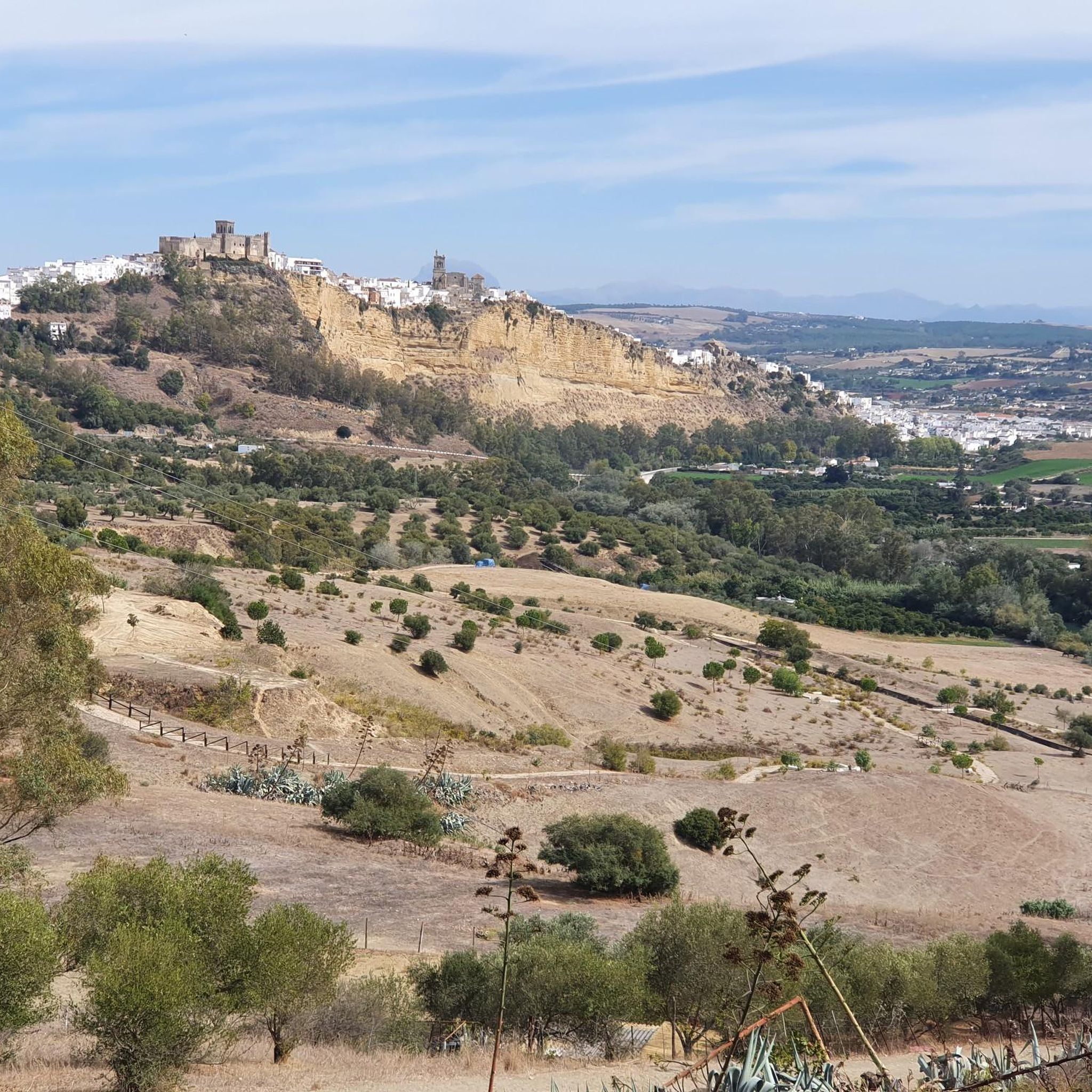
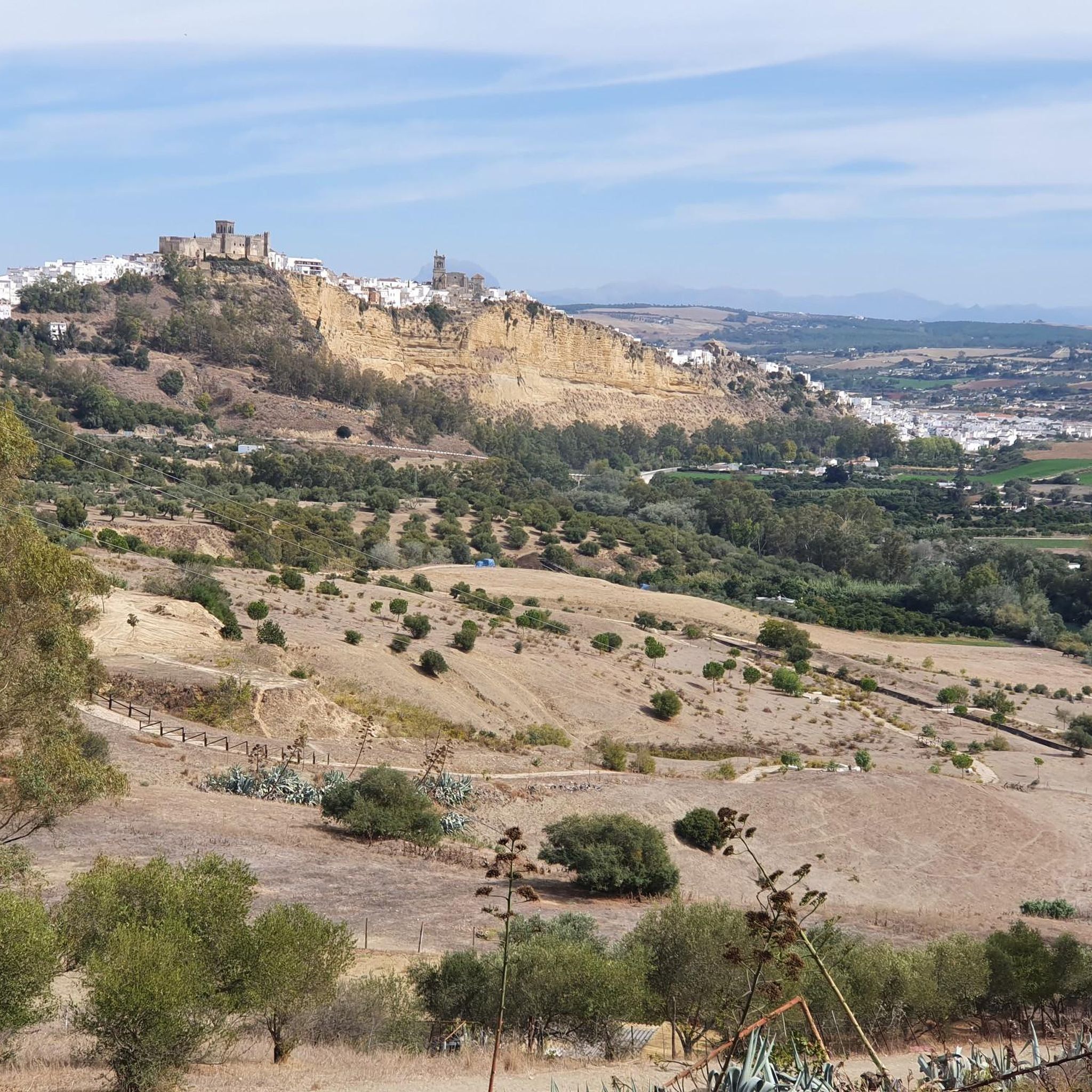
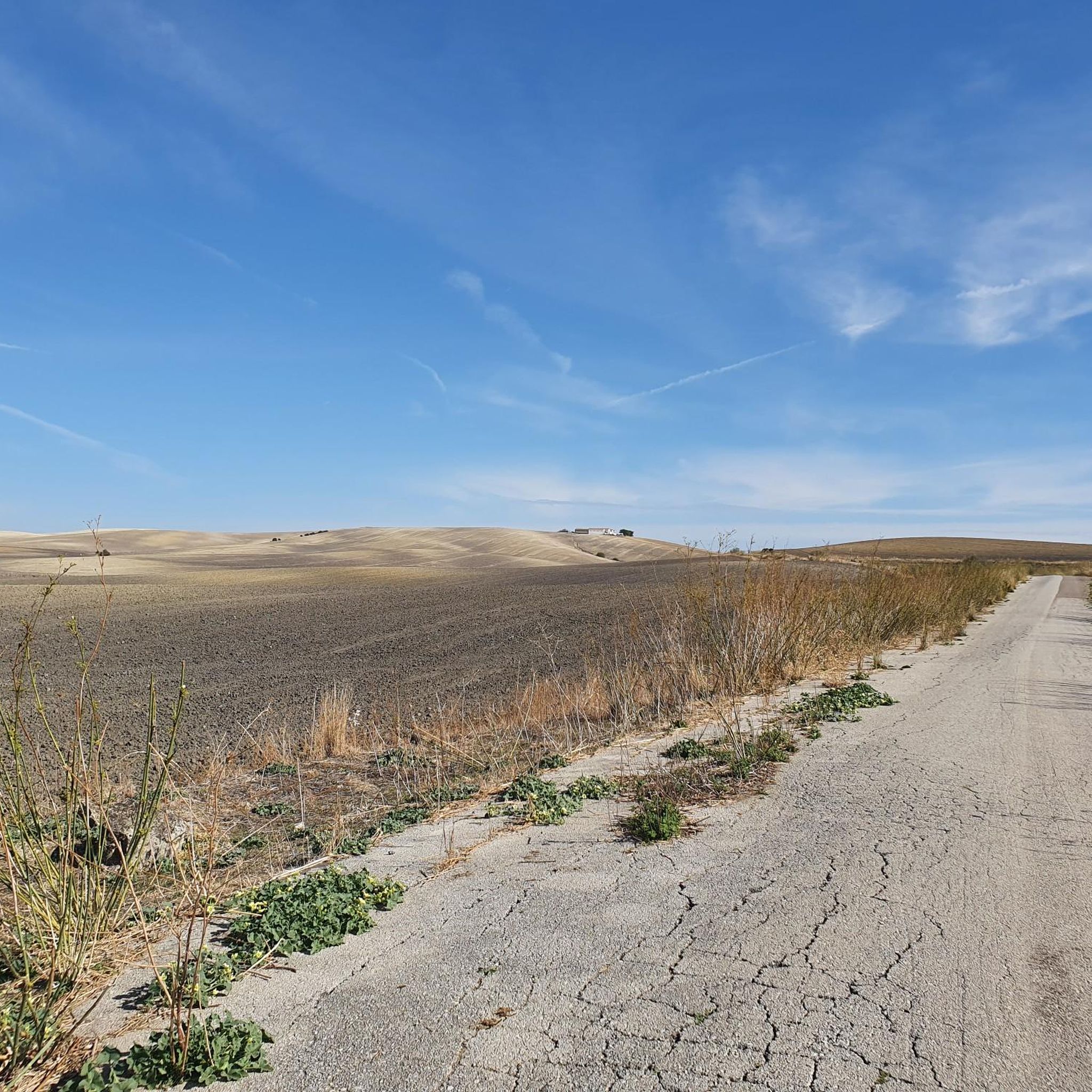
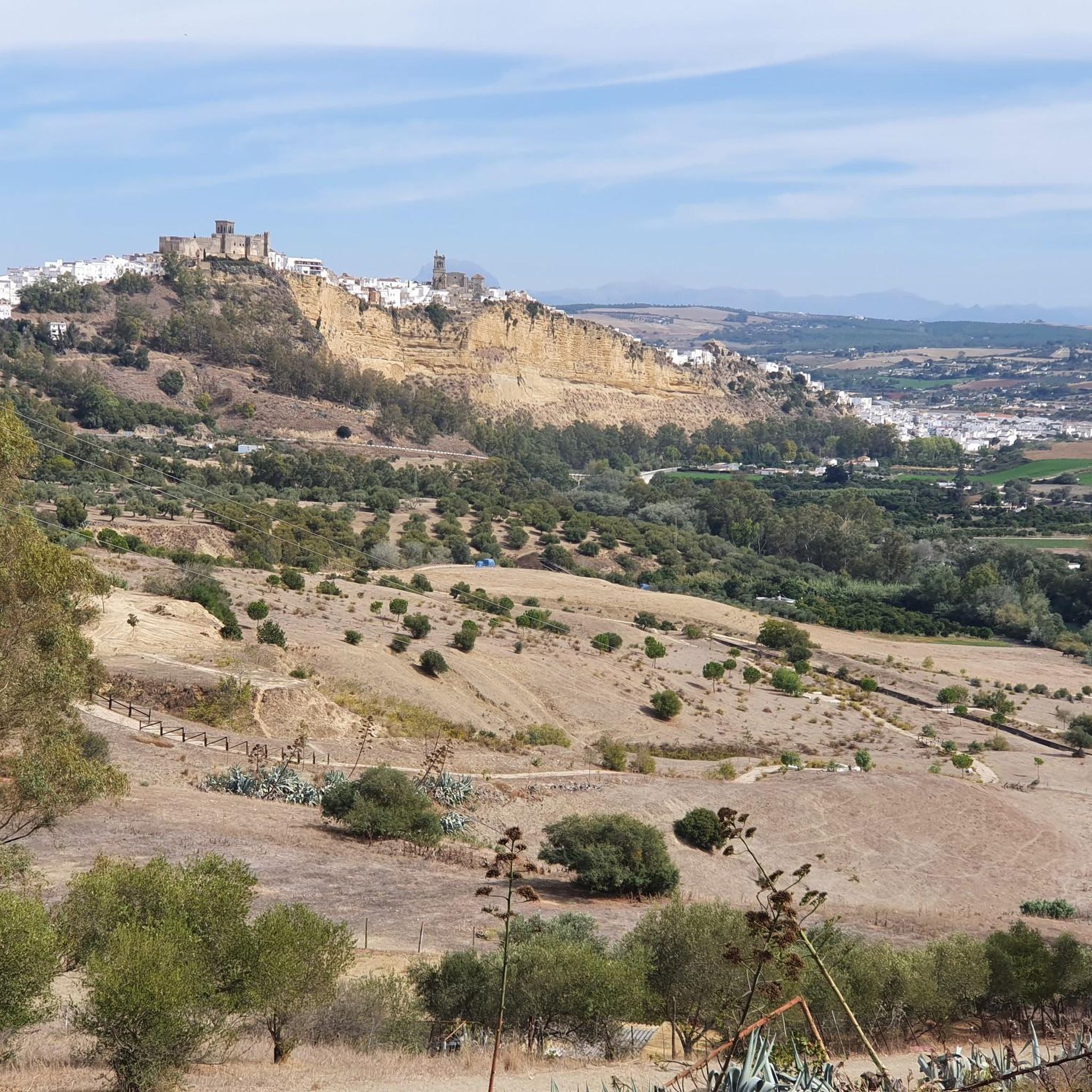
Touring cycling around Arcos De La Frontera features routes through a landscape characterized by a dramatic limestone ridge, the Guadalete River valley, and the foothills of the Sierra de Grazalema Natural Park. The region offers varied terrain, from agricultural areas with sunflower fields to routes around reservoirs like Lago de Arcos and Embalse de Bornos. Disused railway lines, known as "Vías Verdes," provide car-free paths through scenic areas. This diverse topography supports a range of cycling experiences.
Best touring cycling…
Last updated: May 10, 2026
1.5
(2)
8
riders
29.2km
02:07
440m
440m
Cycle a moderate 18.1-mile (29.2 km) loop around Embalse de Bornos, enjoying reservoir views and the Old Town of Arcos de la Frontera.
24.8km
01:36
320m
320m
Moderate bike ride. Good fitness required. Mostly paved surfaces. Suitable for all skill levels.

Sign up for free
27
riders
Moderate bike ride. Good fitness required. Mostly paved surfaces. Suitable for all skill levels.
18
riders
Hard bike ride. Very good fitness required. You may need to push your bike for some segments of this route.
5.0
(1)
14
riders
97.3km
06:50
1,880m
1,880m
Hard bike ride. Very good fitness required. Mostly paved surfaces. Suitable for all skill levels.
Get access to more routes and recommendations from other explorers.
Sign up for free
Already have an account?
Our route recommendations are based on thousands of hikes, rides, and runs completed by other people on komoot.
Start today with a free account
Your next adventure awaits.
Login or Signup
Popular around Arcos De La Frontera
Other adventures around Arcos De La Frontera

Tips from the Community

It's one of Andalusia's most iconic villages, perched on a rock with spectacular views of the Guadalete River. Its narrow, steep streets, whitewashed houses, and viewpoints invite you to wander leisurely. Furthermore, its historic center, declared a Historic-Artistic Site, perfectly reflects the essence of the White Villages.
0
0

I will especially remember the steep slopes to get there.
10
0
Beautiful viewpoint on the Embalse de Arcos
5
0
The Salinas Romanas de Iptuci are located in Prado del Rey, in the province of Cádiz and are one of the last inland salt production areas still in use in the province. These salt production areas have a rich history dating back to the Phoenicians, approximately 3,000 years ago, and were later developed during the Roman period. The salt production areas use hot underground springs that bring water with a high salt content to the surface. The water is gradually concentrated in different basins, where the salt crystals are finally isolated by evaporation under the sun.
8
0
The Puerta Matrera is the only remaining gate of the original city wall of Arcos de la Frontera. This gate connects the old town centre with the Barrio Bajo. It is a historically important building that was restored in the 17th and 18th centuries. From here you can still see remains of the city wall between the houses. The gate also has a small chapel with a statue of the Virgen del Pilar, which has been recently restored.
10
0
The town, situated on a rocky plateau, invites you to travel through time. From the 11th century it was the capital of a taifa, a small Berber kingdom. The fortified town was finally reconquered in 1264 by Alfonso X, who also took Seville, Jerez and Cádiz during the Reconquista. For two centuries Arcos was an outpost on the border of the kingdom and in the 15th century the village came into the hands of the Ponce de León family, who played a major role in the victory over the kingdom of Granada. During the 19th century, Arcos acquired its current appearance thanks to the rise of olive and grape cultivation and horse breeding.
9
0
The town, situated on a rocky plateau, invites you to travel through time. From the 11th century it was the capital of a taifa, a small Berber kingdom. The fortified town was finally reconquered in 1264 by Alfonso X, who also took Seville, Jerez and Cádiz during the Reconquista. For two centuries Arcos was an outpost on the border of the kingdom and in the 15th century the village came into the hands of the Ponce de León family, who played a major role in the victory over the kingdom of Granada. During the 19th century, Arcos acquired its current appearance thanks to the rise of olive and grape cultivation and horse breeding.
12
0

I am not going here to relate the data that can be found in any internet guide, I am only going to say that Arcos de la Frontera is a very beautiful city, with an old town that is well worth a quiet and detailed walk, with some bars and restaurants that invite you to get to know its rich and varied gastronomy, and if you don't have enough you can go down to the Arcos reservoir filled by the Guadalete River, where you have restaurants and beaches to take a good bath.
4
0
Frequently Asked Questions
How many touring cycling routes are available around Arcos de la Frontera?
There are over 40 touring cycling routes around Arcos de la Frontera, offering a wide range of options for different skill levels and preferences.
Are there touring cycling routes suitable for beginners or families?
Yes, Arcos de la Frontera offers routes suitable for various skill levels. While many routes are moderate to difficult, there is at least one easy touring cycling route. For families or beginners, consider routes that explore the gentler terrain around the Guadalete River valley or the reservoirs, which often feature less elevation gain. The region's "Vías Verdes" (Greenways) also provide car-free, relaxed cycling opportunities, though specific routes on these may need to be identified separately.
What kind of landscapes can I expect to see while touring cycling in Arcos de la Frontera?
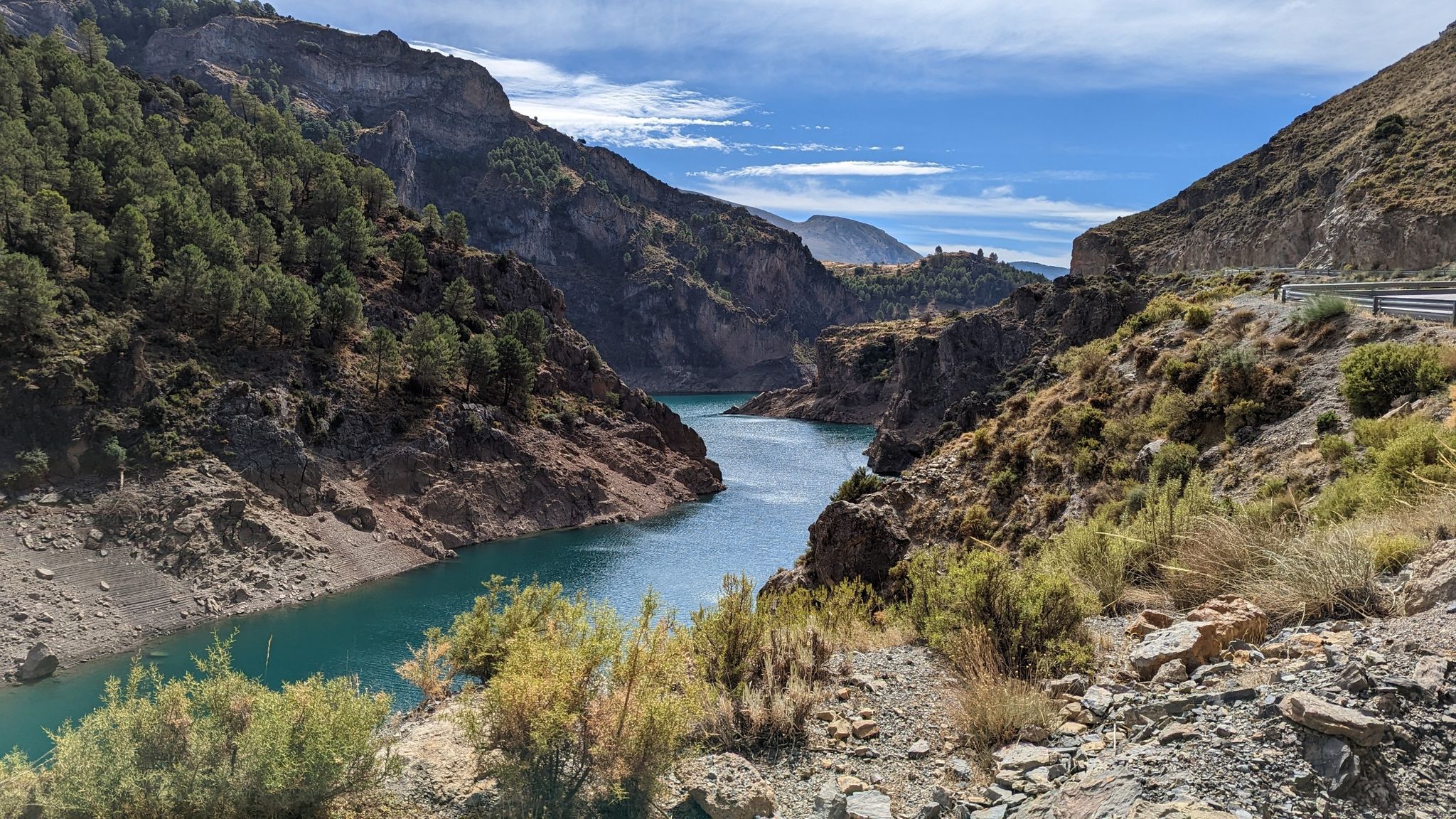
You'll experience a diverse landscape, from the dramatic limestone ridge of Arcos de la Frontera itself, offering panoramic views, to the fertile Guadalete River valley with its agricultural fields. Routes also take you around scenic reservoirs like Lago de Arcos and Embalse de Bornos, and into the foothills of the Sierra de Grazalema Natural Park, featuring olive groves and limestone mountains.
Are there any circular touring cycling routes?
Yes, many touring cycling routes in the area are circular. For example, the Circular Route of the Embalse de Bornos from is a popular option, as is the Reservoir dam of Guadalcacín – circular from Arcos de la Frontera. These routes allow you to start and end at the same point, often exploring a specific natural feature.
What are some longer touring cycling routes available?
For a longer ride, consider the Roman Saltworks of Iptuci – Lago de Arcos Beach loop from Arcos de la Frontera, which covers approximately 41.7 km (25.9 miles) and takes around 3 hours and 13 minutes. This route combines historical interest with scenic views around Lago de Arcos.
What historical or cultural sites can I explore along the touring cycling routes?
Arcos de la Frontera is the gateway to the famous Route of the White Villages, so many routes will take you through or near these picturesque whitewashed settlements. You can also find historical points of interest like the Old Town of Arcos de la Frontera itself, or the Roman Saltworks of Iptuci loop from Arcos de la Frontera. The Basilica of Santa María de la Asunción is another notable landmark in the town.
Are there any routes that pass by natural attractions like waterfalls or rivers?
Yes, the region features the Guadalete River and its tributaries. The Majaceite River Trail, for instance, is known for its pleasant path along the river, offering opportunities to see small waterfalls and local wildlife. While not directly a touring cycling route, it's a nearby natural highlight that showcases the area's riverine beauty.
When is the best time of year for touring cycling in Arcos de la Frontera?
The spring and autumn months generally offer the most pleasant weather for touring cycling in Arcos de la Frontera, with milder temperatures. Summers can be very hot, while winters are typically mild but can have more rainfall. Always check the local forecast before heading out.
What do other touring cyclists enjoy most about cycling in Arcos de la Frontera?
The area is highly rated by the komoot community, with an average score of 3.9 stars from over 10 reviews. Cyclists often praise the varied terrain, from scenic reservoir loops to routes with challenging elevation gains, and the opportunity to explore the unique landscapes and cultural heritage of the region.
Are there routes with good viewpoints?
Absolutely. Arcos de la Frontera is famous for its dramatic topography. Many routes offer stunning panoramic views of the Guadalete River valley, farmlands, and the distant Sierra de Dos Hermanas and Sierra de la Sal mountains. Within the town, Mirador de Abades and Mirador Plaza del Cabildo are well-known viewpoints that can be incorporated into your cycling experience.
Are there any routes that go through mountain passes?
Arcos de la Frontera is situated at the foothills of the Sierra de Grazalema Natural Park, which is known for its mountain passes. While specific touring cycling routes directly over the highest passes might be challenging, you can find routes that offer views of or lead towards passes like Puerto de las Palomas or Puerto del Mojón de la Víbora, providing a more mountainous cycling experience.
Most popular routes around Arcos De La Frontera
Most popular attractions around Arcos De La Frontera

Get inspired with the komoot mobile app


Explore more
Browse the best Cycling routes in other regions.
