Attractions and Places To See around Castellfollit De La Roca - Top 20
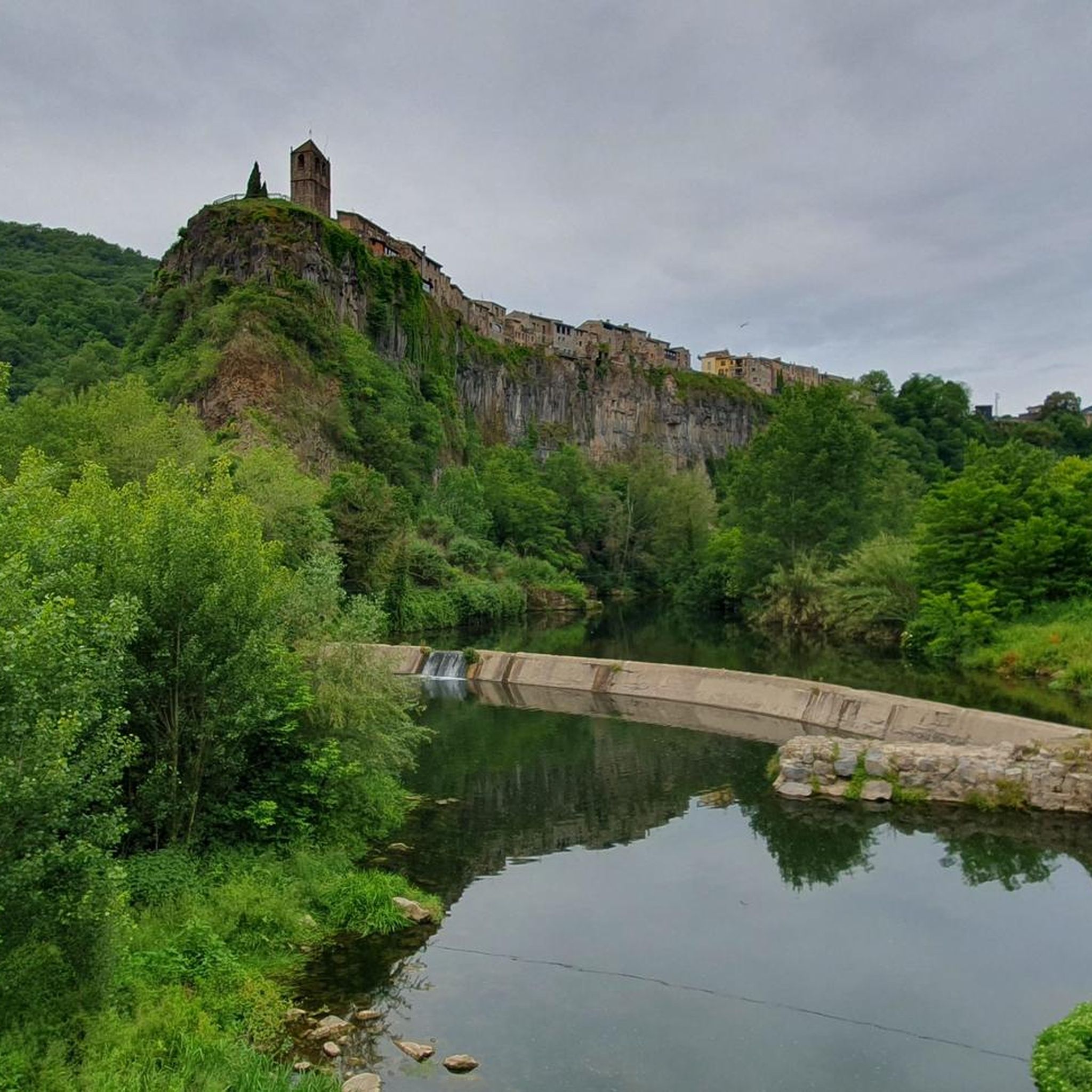
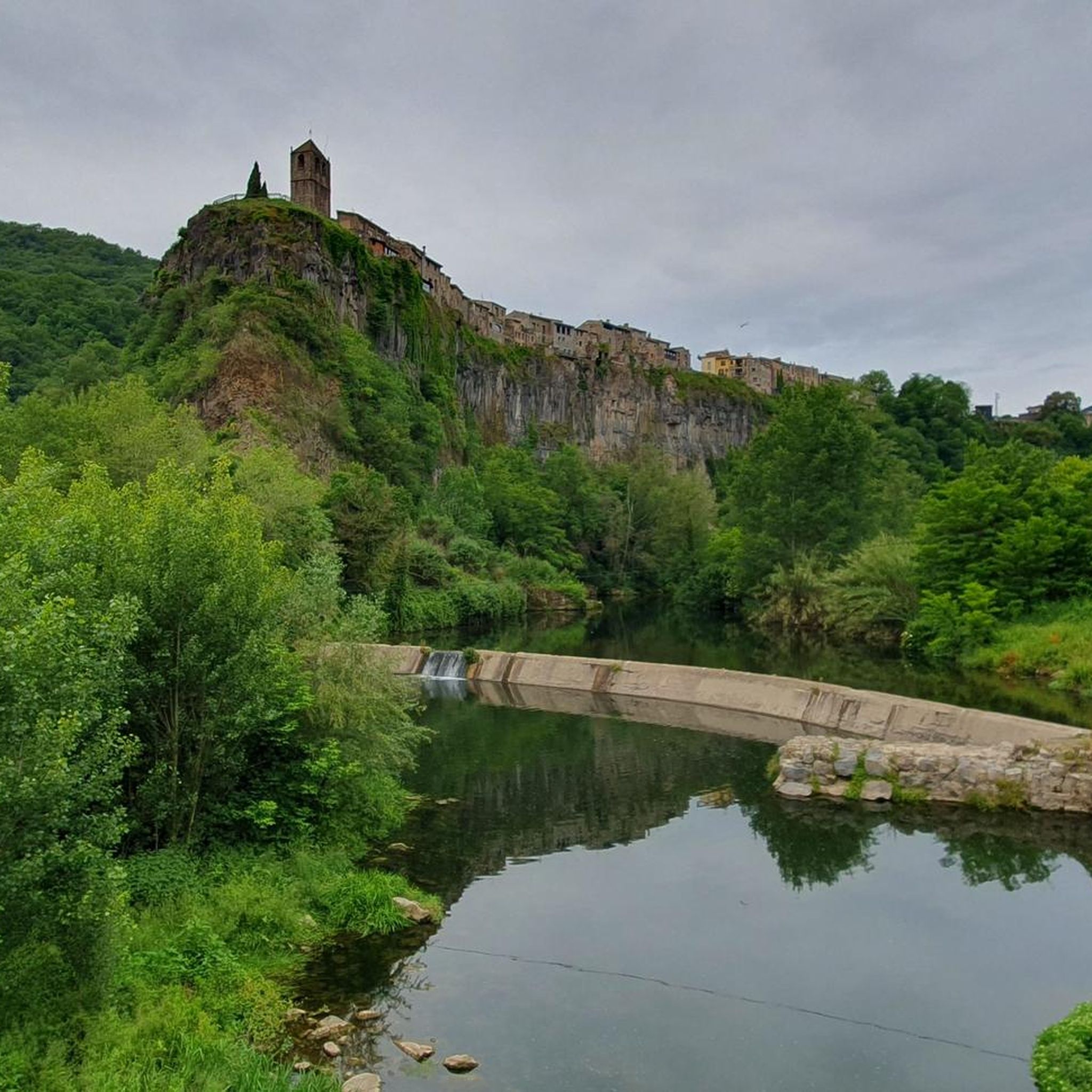
Best attractions and places to see around Castellfollit De La Roca include a village perched on a 50-meter-high basalt cliff, formed by ancient lava flows and carved by the Fluvià and Toronell rivers. This area is situated within the Garrotxa Volcanic Area Nature Reserve, featuring dormant volcanoes and forests. The region offers a blend of natural geological formations and historical sites.
Best attractions and places to see around Castellfollit De La Roca
- The most popular attraction is Santa Margarida Volcano…
Last updated: October 9, 2026
Santa Margarida Volcano
Highlight • Volcano
Translated by Google •
Tip by

Croscat Volcano Scoria Slopes
Highlight • Volcano
Translated by Google •
Tip by

Sign up now to discover places like this
Get recommendations on the best single tracks, peaks, & plenty of other exciting outdoor places.
Hermitage of Sant Miquel de Sacot
Highlight • Religious Site
Translated by Google •
Tip by

Llierca Bridge
Highlight • Bridge
Tip by

Valentí Bridge
Highlight • Bridge
Translated by Google •
Tip by

Sign up for free to discover even more attractions around Castellfollit De La Roca.
Already have an account?
Start today with a free account
Your next adventure awaits.
Popular around Castellfollit De La Roca

Tips from the Community

Beautiful relaxing place 😀
0
0

You can't just drive to Sadernes and park at the moment. You need a QR code to reserve a parking space. You can download this in advance via a website or at a checkpoint on one of the access roads. The cost was 6 euros. The best thing is to do it in advance, because the first time we came in the weekend everything was already occupied and we had to go back.
1
0

The area east of the bridge is not particularly suitable for gravel bikes. The bridge is definitely worth a visit.
0
0

In the Garrotxa Natural Park there are about 40 catalogued volcanoes with 10 well-preserved explosion craters. The Volcá del Croscat is a highly explosive Strombolian volcano. The eruption took place around 9,500 BC. It is the last volcano to erupt in the Garrotxa volcanic area and also in the Iberian Peninsula. Source https://parcsnaturals.gencat.cat/ca/xarxa-de-parcs/garrotxa/inici/
0
1

A Romanesque bridge worth seeing. Be sure to take a detour there and take a look. You can easily walk across it.
3
0

The Llierca Bridge, also called Pont de Sadernes, is a bridge 28 m high, 52 m long and 3 m wide. With a single, very slender arch, it crosses the Llierca river between Tortellà and Sadernes. Romanesque in style, although we do not know the date of its construction, there is evidence of its use since at least the 14th century, when it is documented that a toll was paid to cross it. The bridge was probably built by order of the barons of Sales, to facilitate trade between the farmhouses located west of the Llierca river with the towns of Tortellà and Besalú.
0
0


We visited with a tour guide who explained everything in an interesting and informative way. It's a great place to visit on your own, but with a guide you can really learn a lot.
0
1
Frequently Asked Questions
What are the unique geological features to explore in Castellfollit De La Roca?
Castellfollit De La Roca is famously perched atop a dramatic 50-meter-high basalt cliff, nearly a kilometer long. This impressive formation was created by two ancient lava flows and carved by the Fluvià and Toronell rivers. You can also explore the Croscat Volcano Scoria Slopes, which offers a unique cross-section of a volcano due to past clay exploitation, revealing its distinct layers.
Are there historical sites or cultural attractions in Castellfollit De La Roca?
Yes, the village itself boasts a rich history. The Old Church of Sant Salvador, dating back to the 13th century, now serves as a civic and cultural center, and you can climb its tower for panoramic views. The village's narrow, winding streets are also a historical attraction, with many houses from the 18th and 19th centuries built from volcanic rock. Additionally, the Llierca Bridge, built between the 13th and 14th centuries, is a significant historical landmark.
What outdoor activities can I do near Castellfollit De La Roca?
The region is ideal for outdoor enthusiasts, especially hiking and cycling. You can find numerous trails within the Garrotxa Volcanic Area Nature Reserve. For hiking, consider routes like 'Baumes de Caxurma from Castellfollit de la Roca' or the 'Castellfollit de la Roca – Virgin of the Devesa loop'. For more options, explore the Hiking around Castellfollit De La Roca guide. Gravel biking and road cycling are also popular, with guides available for Gravel biking around Castellfollit De La Roca and Road Cycling Routes around Castellfollit De La Roca.
Are there family-friendly attractions or activities in the area?
Absolutely. Both the Santa Margarida Volcano and the Croscat Volcano Scoria Slopes are considered family-friendly attractions, offering unique natural exploration. The Garrotxa Volcanic Area Nature Reserve also features easy walking trails suitable for families, such as the circular route through the Fageda d'en Jordà beech forest.
Where can I find the best panoramic views of the region?
For breathtaking panoramic views, head to the Josep Pla Viewpoint, located at the very end of the basalt cliff. From here, you can see the confluence of the Fluvià and Toronell rivers and the dramatic landscape of the Garrotxa region. The old bell tower of the Old Church of Sant Salvador also offers excellent vistas.
What is the Santa Margarida Volcano, and what can I see there?
The Santa Margarida Volcano is an extinct volcano within the Garrotxa volcanoes nature reserve. Its last eruption was about 11,000 years ago. A unique feature is a church located within its crater, which visitors can explore. Many visitors enjoy the climb down into the crater to see it up close.
What is the best time of year to visit Castellfollit De La Roca?
The Garrotxa region, where Castellfollit De La Roca is located, is beautiful year-round. However, spring and autumn offer pleasant temperatures for hiking and exploring the natural landscapes, with lush greenery in spring and vibrant colors in autumn. Summer can be warm, but still suitable for outdoor activities, while winter provides a quieter experience, though some trails might be less accessible depending on weather conditions.
What is the significance of the Llierca Bridge?
The Llierca Bridge is a historical bridge built between the 13th and 14th centuries. It spans 52 meters and is 28 meters above the water, offering stunning views across the river. It was historically used to transport goods in the area and is a remarkable example of medieval engineering.
Are there any unique museums or cultural insights in the village?
Yes, the Embutit Museum offers a permanent exhibition on the history of meat preservation, showcasing traditional tools, machines, old photographs, and videos. It also provides an opportunity to taste typical regional products, offering a unique cultural and culinary insight into the area's heritage.
What is the Basalt Quarry, and can I visit it?
The Basalt Quarry in Castellfollit is notable as the only one of its kind still active in Spain. While it's an important industrial site, information on public access for visitors is not readily available in the provided research. It's primarily a point of interest for its geological significance rather than a typical tourist attraction.
What makes the village of Castellfollit De La Roca itself an attraction?
The village of Castellfollit De La Roca is an attraction in its own right due to its dramatic location atop a basalt cliff. Its medieval origins are evident in its charming, narrow, and winding streets, which lead to squares and shady corners. Many houses, built from the same volcanic rock as the cliff, date back to the 18th and 19th centuries, creating a unique and picturesque atmosphere.
Are there any religious sites to visit near Castellfollit De La Roca?
Beyond the Old Church of Sant Salvador in the village, you can visit the Virgin of the Devesa sanctuary. This building in Montagut i Oix has Romanesque origins, first documented in 1261, and offers a quiet place with fantastic views.
Most popular routes around Castellfollit De La Roca
Most popular attractions around Castellfollit De La Roca

Get inspired with the komoot mobile app


Explore more
Still not found the Highlight you’re looking for? See guides of the top attractions in other regions:
