Réserve Naturelle de Camargue
Réserve Naturelle de Camargue
The best road cycling routes around Réserve Naturelle de Camargue
4.2
(86)
1,577
riders
39
rides
Road cycling around Réserve Naturelle de Camargue is characterized by its predominantly flat topography, making it suitable for various skill levels. The region is a vast river delta where the Rhône River meets the Mediterranean, creating a mosaic of marshes, ponds, and lagoons, including the notable Étang de Vaccarès. Cyclists will encounter expansive salt flats, agricultural lands with rice and wheat fields, and scenic routes along the Mediterranean coast. The terrain is generally well-paved, though some segments may feature unpaved…
Last updated: July 31, 2026
5.0
(1)
9
riders
Moderate road ride. Good fitness required. Some segments of this route may be unpaved and difficult to ride.
7
riders
Moderate road ride. Good fitness required. Mostly well-paved surfaces and easy to ride.

Sign up for free
4.2
(5)
38
riders
47.6km
01:47
10m
10m
Easy road ride. Great for any fitness level. Mostly well-paved surfaces and easy to ride.
3
riders
34.6km
01:18
20m
20m
Moderate road ride. Great for any fitness level. Some segments of this route may be unpaved and difficult to ride.
4.1
(7)
116
riders
Easy road ride. Great for any fitness level. Mostly well-paved surfaces and easy to ride.
Get access to more routes and recommendations from other explorers.
Sign up for free
Already have an account?
Our route recommendations are based on thousands of hikes, rides, and runs completed by other people on komoot.
Start today with a free account
Your next adventure awaits.
Login or Signup

Tips from the Community

Impressive and splendid facade in a small town.
0
0

At the next intersection (200m) take the Cacharel road which is much more pleasant and less busy. A change of scenery guaranteed!
0
0

A beautiful church in the center of Saintes-de-la-Mer. For €4, you can climb up to the church roof and enjoy the magnificent view. The church is clearly visible from afar.
3
0

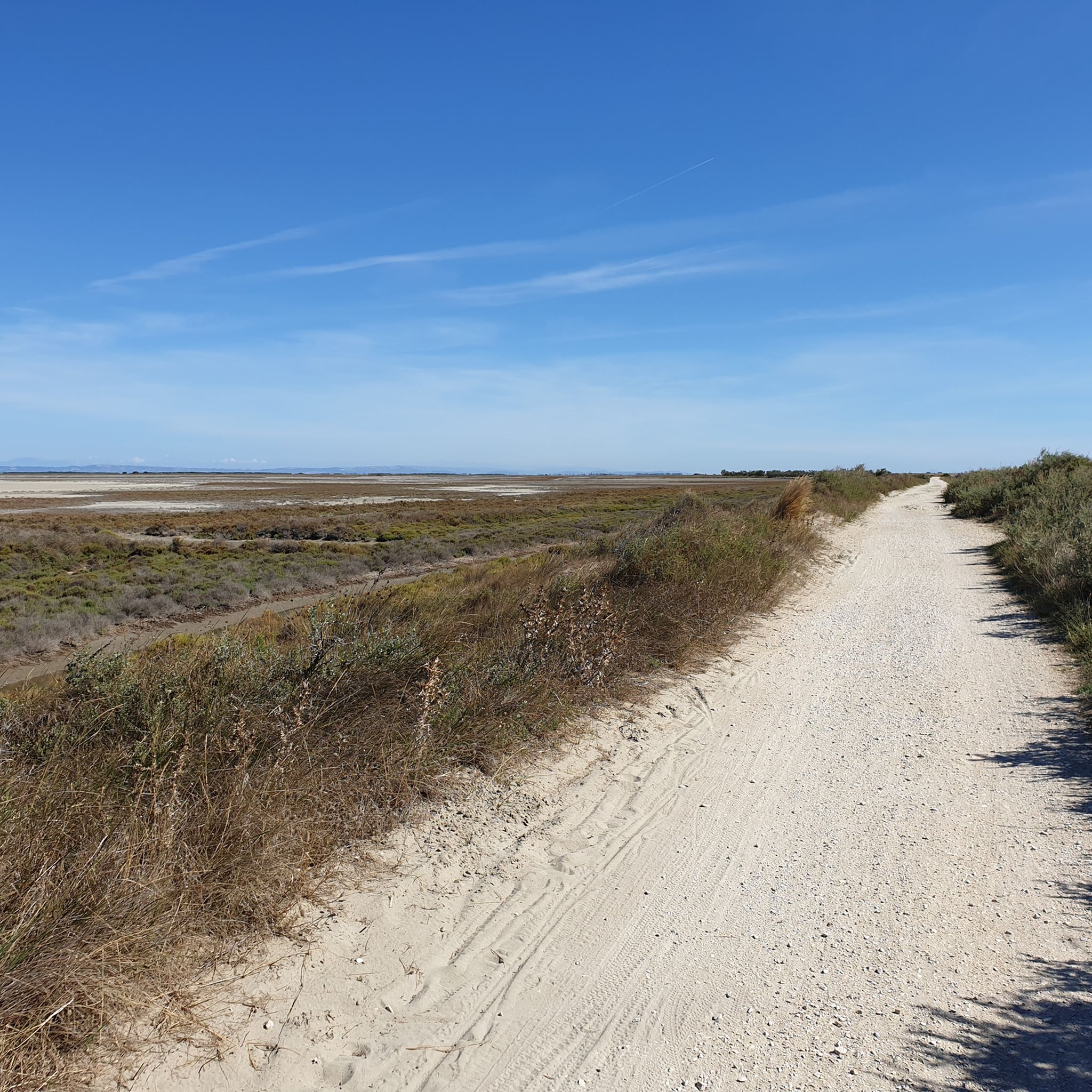
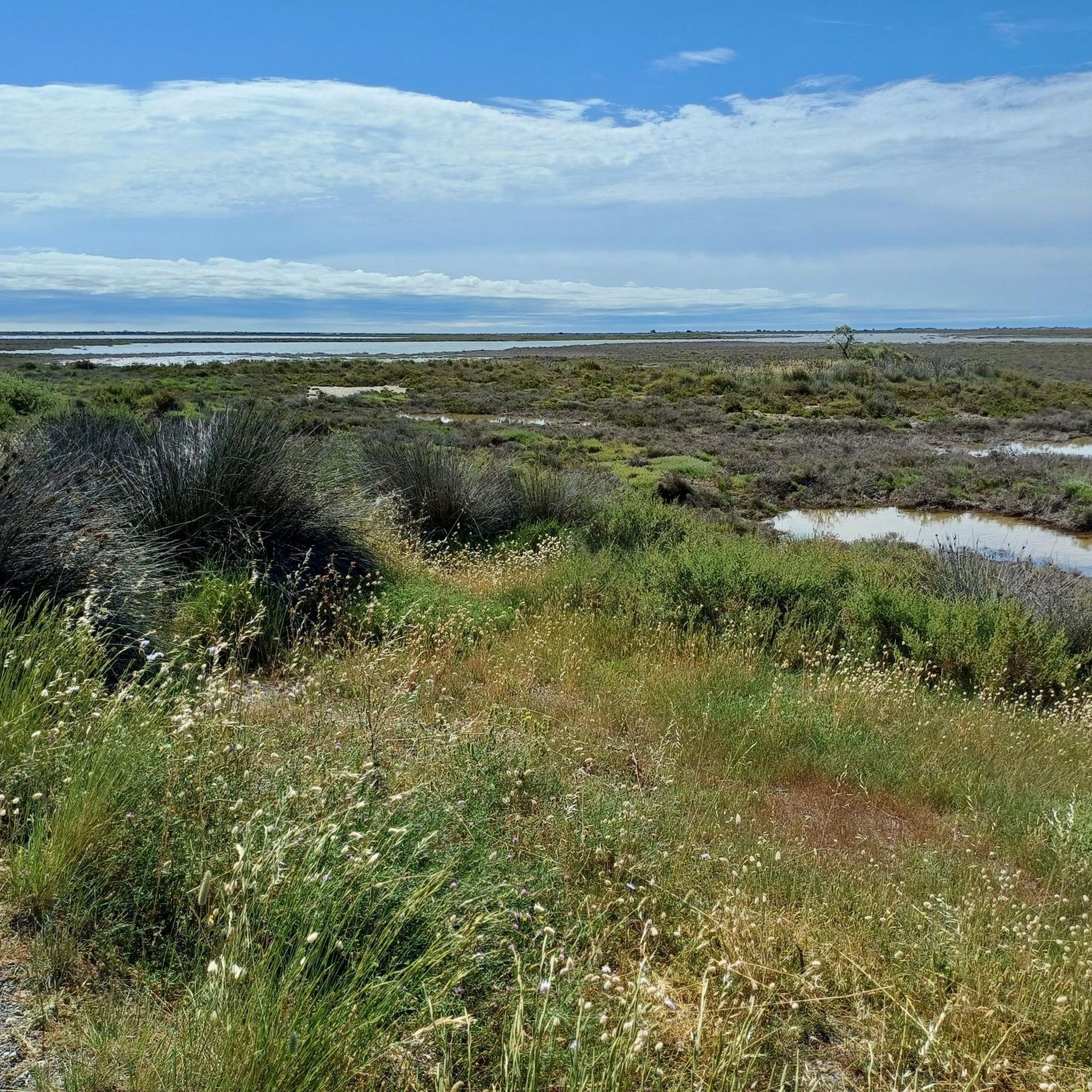
Here we saw flamingos up close. The asphalt is poor, but still rideable on a racing bike. The landscape and the animals are the real goal.
1
0
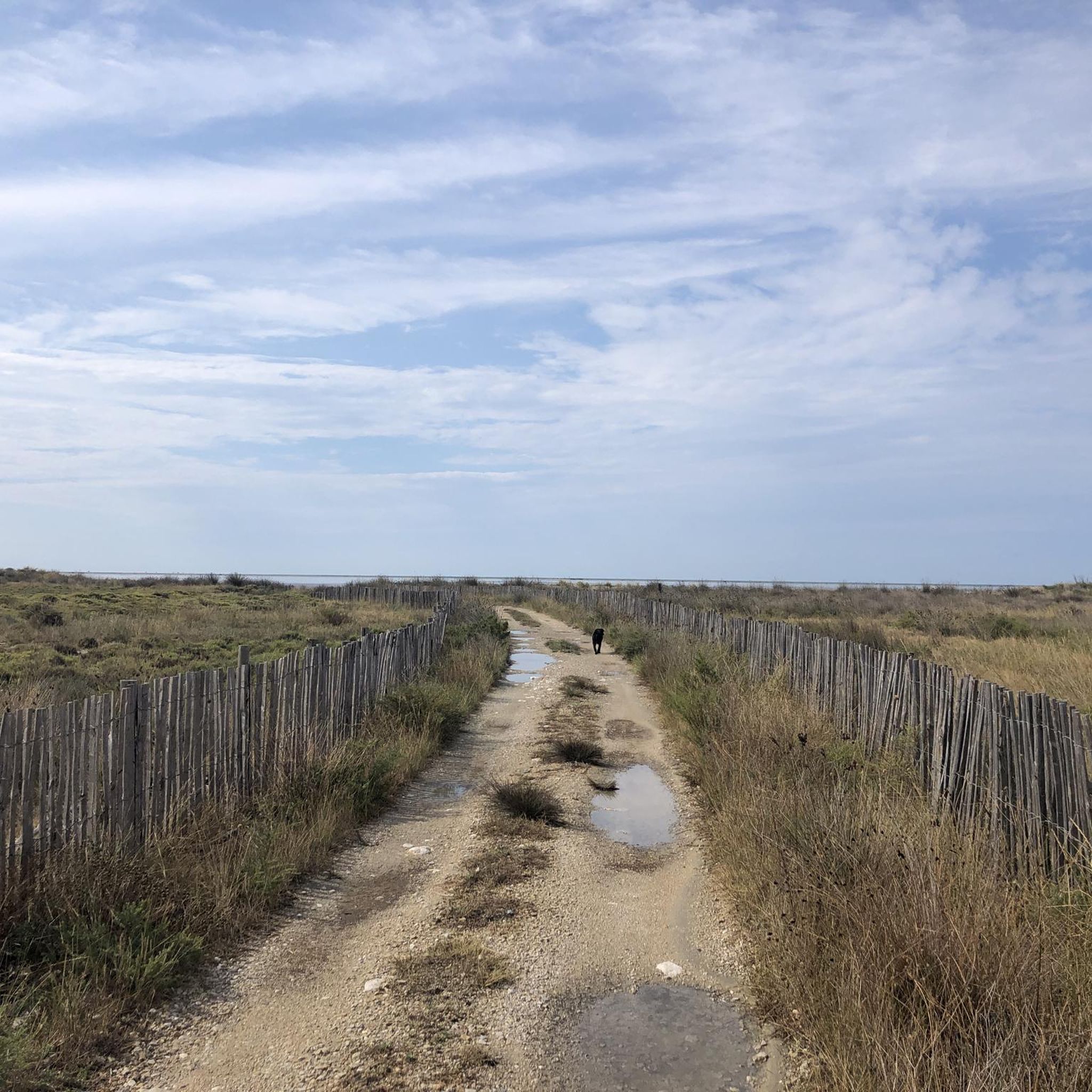
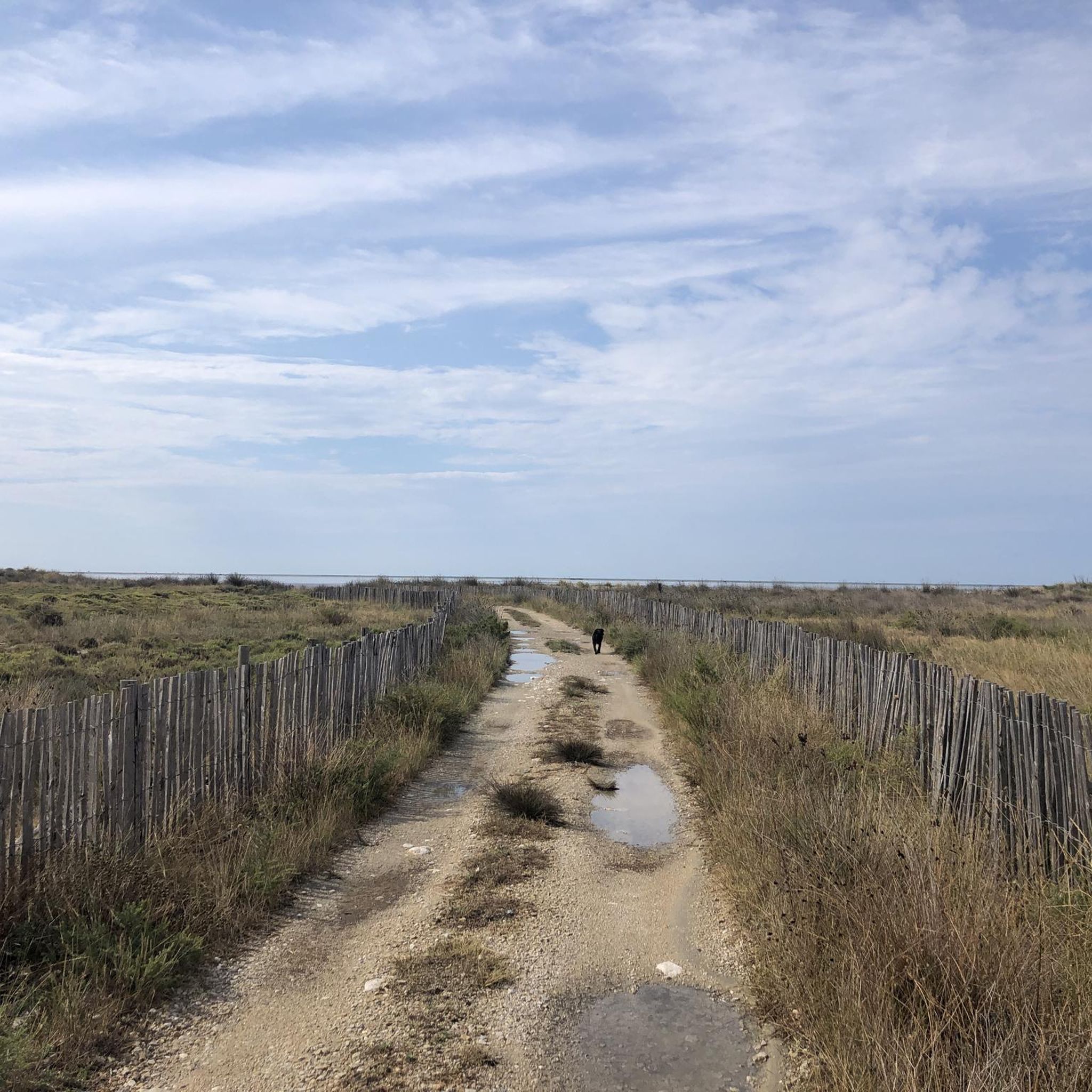
This quiet side road leads from Salin-de-Giroud to the Etang du Fournelet and the Etang de Vaccares, right through the nature reserve with flamingos, cormorants, and horses, and a unique landscape. The asphalt is very rough, often cracked, and in some places borderline. With 30 mm tires and 4 bar pressure, I found it okay. This is definitely not a speedway.
1
0
Small memorial site for the camp "Camp de gitans de Saliers"
0
0

Climbing the roof costs 4 euros per person. Admission is until 1 p.m. Then there is a lunch break. It opens again from 2 p.m. It is definitely worth it. You have a beautiful panoramic view of Saintes-Maria-de-la-mer, the Mediterranean and the Carmarque.
1
0

The Roman Catholic church of Notre-Dame-de-la-Mer was built in the 12th century. The church has been a listed monument since 1840. At the end of May each year, members of the Roma, Manouches, Sinti and Yenish people meet to pay homage to their patron saint, Black Sara. The small town becomes a huge caravan camp. The pilgrims prepare the religious event and organize the program for a week. It is also the festival of reunion, and the majority of the children are baptized in the church of Notre-Dame-de-la-Mer.
1
0
Frequently Asked Questions
How many road cycling routes are available in Réserve Naturelle de Camargue?
There are over 40 road cycling routes in Réserve Naturelle de Camargue, offering a variety of options for different skill levels. These include 16 easy routes and 26 moderate routes, ensuring there's something for everyone.
What is the typical terrain like for road cycling in the Camargue?
The Camargue is predominantly flat, making it accessible for most cyclists. Routes often traverse marshes, salt flats, and agricultural lands. While many paths are well-paved, some segments may feature unpaved or rough asphalt, so appropriate bike tires are recommended for comfort.
What are some popular circular road cycling routes in the region?
The region offers several engaging loops. A popular moderate route is the Avignon Castle – Route de Cacharel loop from Albaron, which is about 61 km. Another favorite is the Tour du Vallat loop from Saintes-Maries-de-la-Mer, exploring coastal areas and wetlands. For an easier option, consider the Vaccarès Lagoon – Ferry on the Rhône River loop from Villeneuve.
What kind of wildlife can I expect to see while cycling in the Camargue?
The Camargue is a haven for wildlife. Cyclists frequently spot pink flamingos, especially around the Etang de Vaccarès and other lagoons. You might also encounter white Camargue horses and Camargue bulls roaming freely, adding to the iconic scenery of the region.
Are there any family-friendly road cycling routes in Réserve Naturelle de Camargue?
Yes, the predominantly flat topography of the Camargue makes it ideal for family cycling. Many of the 16 easy routes are suitable for families, offering safe and enjoyable experiences through diverse landscapes without significant climbs. Dedicated cycling paths like sections of the ViaRhôna also provide a safe environment.
What are the best times of year to go road cycling in the Camargue?
Spring (April-May) and autumn (September-October) are generally considered the best times for road cycling in the Camargue. The weather is milder, and the natural beauty is at its peak. Summer can be very hot with strong sun exposure, and strong Mistral winds can occur, making cycling more challenging. Mosquitoes can also be prevalent in warmer months, especially near wetlands.
What interesting landmarks or natural features can I see along the cycling routes?
The Camargue offers a wealth of sights. You can explore the vast Camargue Salt Flats, observe the serene Bataiyolles Pond, or visit the Gacholle Lighthouse. The region is also known for its extensive lagoons and salt lakes, which are often home to flamingos, such as the Lagoon and salt lakes with flamingos in the Camargue Regional Nature Park.
What do other road cyclists enjoy most about cycling in Réserve Naturelle de Camargue?
The area is highly rated by the komoot community, with an average score of 4.36 stars from over 80 reviews. Reviewers often praise the unique, expansive landscapes, the abundance of wildlife, and the flat, accessible terrain that makes for enjoyable rides for all skill levels.
Are there options for bike rental in towns near the Camargue?
Yes, bike rental services are available in towns surrounding and within the Camargue, such as Arles, Saintes-Maries-de-la-Mer, and Aigues-Mortes. It's advisable to book in advance, especially during peak season.
What should I bring for a road cycling trip in the Camargue?
Given the open and often sunny landscape, it's essential to bring sun protection (sunscreen, hat, sunglasses), plenty of water, and snacks. Depending on the season, insect repellent can be very useful. Consider appropriate tires for potential rougher asphalt sections, and always carry a repair kit.
Are there cafes or restaurants along the road cycling routes?
While the Camargue is a natural reserve, routes often pass through or near small villages and towns where you can find cafes and restaurants. Saintes-Maries-de-la-Mer, for instance, offers various dining options. Planning your route with potential stops in mind is recommended.
Is public transport available to access road cycling trails in the Camargue?
Public transport options, such as buses, connect major towns like Arles and Saintes-Maries-de-la-Mer. However, bringing bikes on public transport can sometimes be restricted or require specific arrangements. It's best to check with local transport providers for their bike policies if you plan to use public transport to reach your starting point.
Most popular routes around Réserve Naturelle de Camargue
Most popular attractions around Réserve Naturelle de Camargue

Get inspired with the komoot mobile app


Explore more
Browse the best Road cycling routes in other regions.
