Attractions and Places To See around Villa Del Río - Top 16
Best attractions and places to see around Villa Del Río offer a blend of historical sites, cultural experiences, and natural beauty. Situated in the Guadalquivir Valley in the province of Córdoba, the town benefits from a strategic location along the Guadalquivir River. The surrounding landscape features olive groves and diverse ecosystems, providing opportunities for outdoor activities. This region is characterized by its rich history and natural features.
Best attractions and places to see around Villa Del Río
- The most popular…
Last updated: November 1, 2026
Fountain in Montoro
Highlight • Monument
Translated by Google •
Tip by

Martín Gonzalo Reservoir
Highlight • Lake
Translated by Google •
Tip by

Sign up now to discover places like this
Get recommendations on the best single tracks, peaks, & plenty of other exciting outdoor places.
Marmolejo Spa
Highlight • Historical Site
Translated by Google •
Tip by

Montoro
Highlight • Settlement
Translated by Google •
Tip by

Castillo de Lopera
Highlight • Castle
Translated by Google •
Tip by

Sign up for free to discover even more attractions around Villa Del Río.
Already have an account?
Start today with a free account
Your next adventure awaits.




Tips from the Community

In Lopera, we find one of the best examples of castles built by the Military Order of Calatrava in the province of Jaén. Declared a Cultural Monument in 1991, this fortress retains its original walled enclosure, although over the years it has also served as a residence and, in the mid-20th century, even as a winery.
0
0

The Martín Gonzalo Reservoir is located on the Martín Gonzalo stream, in the municipalities of Montoro and Cardeña, in the province of Córdoba. The dam was built in 1983 and began operating in 1987. The natural surroundings of the reservoir are very picturesque, with a rich biodiversity that includes various species of flora and fauna. It is an ideal place to enjoy nature and do outdoor activities.
6
0

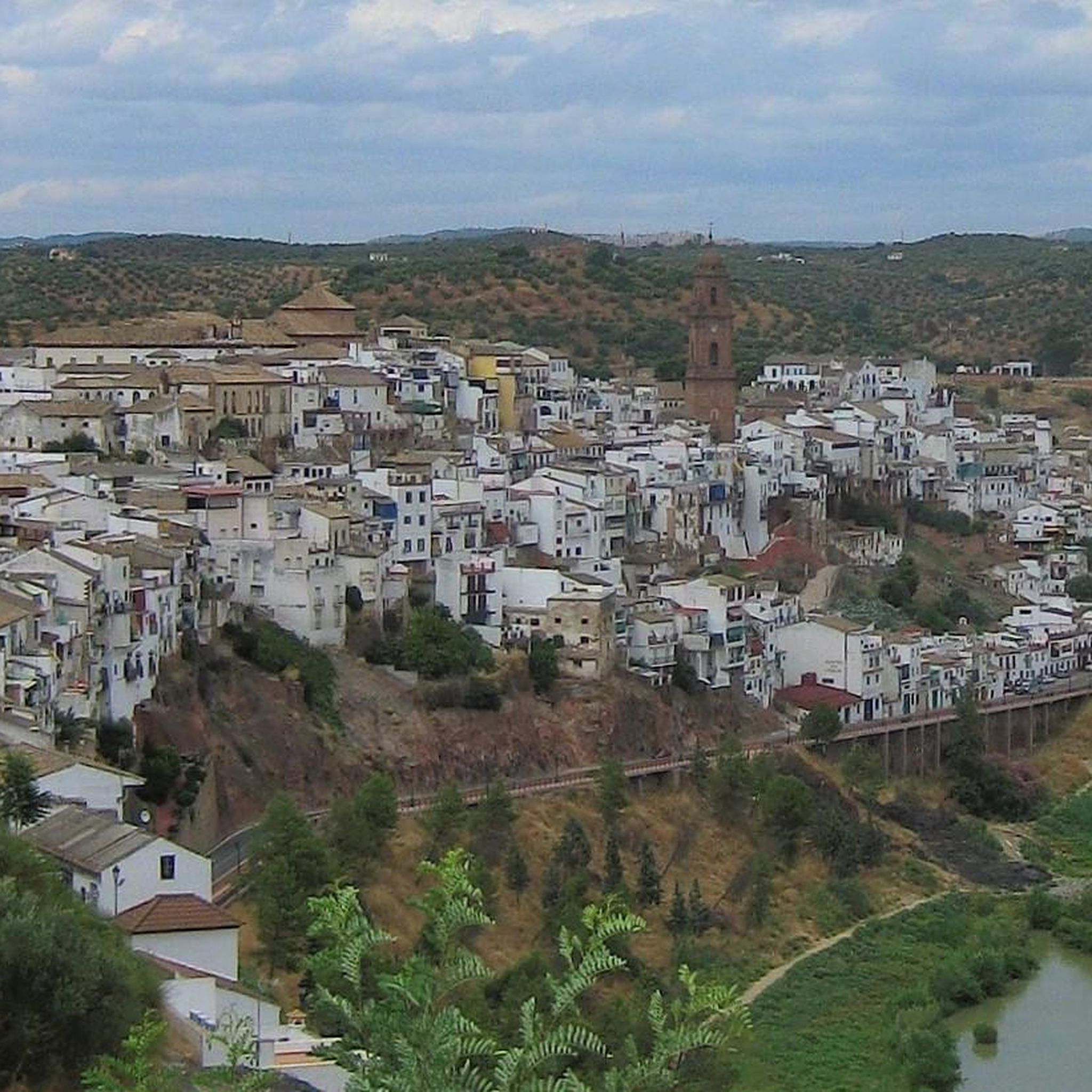
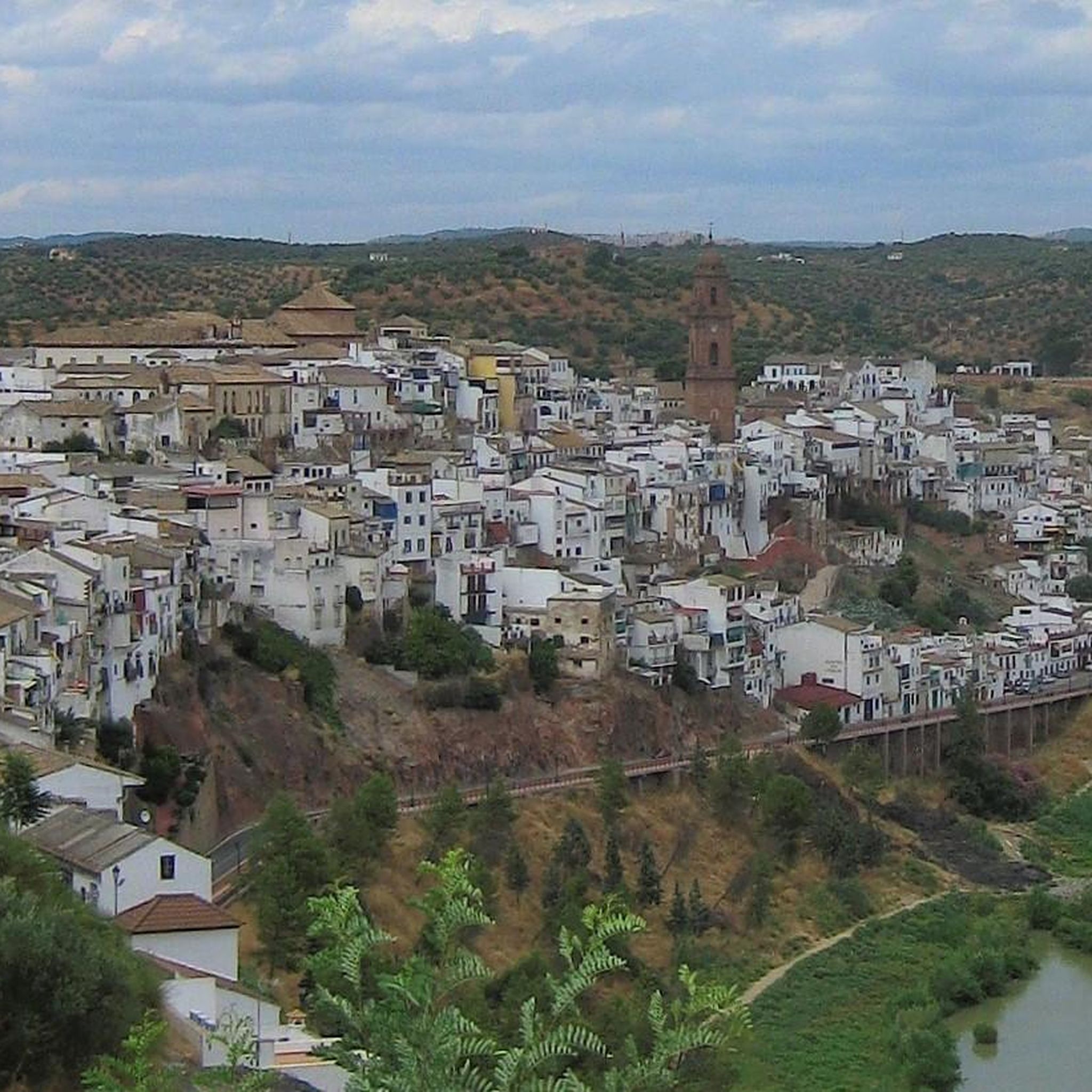
Municipality located to the east of the province of Córdoba, on the border with Jaén. Most of it is located in the foothills of Sierra Morena, making the Guadalquivir River the border with the countryside. Therefore, the mountains, the river and the countryside are the three elements that determine the landscape. The first is part of the Sierra de Cardeña y Montoro Natural Park, and in it we can find vegetation of holm oaks, wild olive trees, stone and maritime pines and a population of melojo oak, rare in Andalusia. It is also an area of great fauna, hunting and livestock value. The second, which surrounds the town, is the axis of the landscape, life and history of the town; Due to the beauty of the meander, it is also known as the Andalusian Toledo. The third, populated by olive trees, places us in a truly Cordoba environment. The town, with an Iberian, Greek, Roman, and Muslim past, is located on a small elevation that dominates the course of the river that divides it into two neighborhoods, offering an unmistakable image. Declared a Historic-Artistic Site in 1969, it brings together a multitude of attractions and tourist attractions to visit, such as the bridge over the river, the Church of San Bartolomé, the Casa de las Tercias, its steep streets of white houses, or the Torre de Villaverde. Its Holy Week, declared of Tourist Interest, reaches its greatest splendor on the afternoon of Holy Thursday with the presence of the Roman Empire. It is one of the towns included in the Baético Romana Route.
0
0

Small dam that collects water from the eastern mountains of the Sierra de Andújar National Park and is located north of the town of Montoro. The environment that surrounds it is full of olive trees and typical flora of this area of Andalusia.
1
0


The castle was built by the Order of Calatrava to guard the trade route over the Guadalquivir River and is defended by five towers.
1
0
The Spa of Marmolejo is located along the Guadalquivir river situated at the foot of the Sierra Morena mountains. Popular tourist attraction. From the bridge of the A-420 highway you can see the glass dome of the spa and the river.
2
0
Frequently Asked Questions
What historical landmarks can I explore in Villa del Río?
Villa del Río boasts a rich history. You can visit the ancient Roman Bridge, constructed between 27 and 14 BC, which was part of the Vía Augusta. The Castle and Town Hall, built upon an ancient Arab tower, is another significant monument. Don't miss the Casa de las Cadenas, a Baroque-era building with historical significance, or the Aceñas Árabes, 10th-century Arab water mills near the town.
Are there any museums or cultural sites in Villa del Río?
Yes, Villa del Río offers several cultural attractions. The Museo Histórico Municipal, located in the Casa de las Cadenas, houses archaeological pieces and works by local painters. You can also visit the Museo de Matías Prats, dedicated to the renowned journalist, and the private Museo Taurino de Manolete, which features a collection related to the legendary bullfighter. The Parroquia Inmaculada Concepción and the Ermita Virgen de la Estrella are also notable architectural and religious sites.
What natural features and outdoor activities are available around Villa del Río?
The region around Villa del Río is characterized by the Guadalquivir River and its surrounding ecosystem, including a colorful riverside forest. The river meander near Montoro is a natural monument, sometimes called the 'Andalusian Toledo'. You can enjoy hiking on the 'Ruta del Río', a 12 km trail along the river, or go birdwatching at the Reserva Natural de la Laguna de los Patos. The landscape is also dotted with extensive olive groves.
What are some family-friendly attractions near Villa del Río?
Families can enjoy several spots in the area. The Martín Gonzalo Reservoir offers picturesque natural settings ideal for outdoor activities. The Marmolejo Spa, with its beautiful gardens and Interpretation Center, is also family-friendly. Additionally, the town of Montoro itself, with its historical charm and river views, is suitable for family visits.
Are there hiking opportunities near Villa del Río?
Absolutely! The area around Villa del Río offers several hiking trails. You can explore the 'Ruta del Río' for a 12 km walk along the Guadalquivir. For more options, check out the Hiking around Villa Del Río guide, which includes routes like the 'Guadalquivir Meanders Trail' and various loops around Montoro, ranging from easy to moderate difficulty.
What cycling routes are available near Villa del Río?
Cyclists will find a variety of routes. The Road Cycling Routes around Villa Del Río guide features options such as the 'Sierra de Andújar and Cardeña-Montoro Parks Loop' for a challenging ride, or the 'Castles and Battles: Lopera Loop' for an easier experience. Distances vary, offering something for different fitness levels.
What is the best time of year to visit Villa del Río for outdoor activities?
The Guadalquivir Valley experiences hot summers, so for comfortable outdoor activities like hiking and cycling, spring (March to May) and autumn (September to November) are generally the best times. During these seasons, the weather is milder, making exploration more enjoyable. Winter can also be pleasant for outdoor pursuits, though some spa facilities might have limited hours.
What is the <a href="https://www.komoot.com/highlight/5301171" target="_blank" rel="noopener">Marmolejo Spa</a> known for?
The Marmolejo Spa is a historic site located along the Guadalquivir River, known for its three natural springs with healing properties for various ailments. Visitors can explore its beautiful gardens and the Interpretation Center of the Spa. Note that from November to April, the springs and interpretation center may be closed.
Can I find viewpoints with scenic vistas around Villa del Río?
Yes, the region offers several scenic viewpoints. The town of Montoro itself is situated around a meander of the Guadalquivir River, providing picturesque views often compared to the 'Andalusian Toledo'. The Martín Gonzalo Reservoir also offers beautiful natural surroundings and vistas.
What is special about the town of <a href="https://www.komoot.com/highlight/5442042" target="_blank" rel="noopener">Montoro</a>?
Montoro is a historically rich settlement located around a distinctive meander of the Guadalquivir River, which has been recognized as a natural monument since 2013. It is also one of the two municipalities that lend their name to the Sierra de Cardeña y Montoro Natural Park, offering a blend of historical sites and natural beauty.
Are there any running trails near Villa del Río?
Yes, there are several running trails in the vicinity. The Running Trails around Villa Del Río guide lists routes such as 'Camino de Los 14 Vados — circular por el Embalse Martin Gonzalo' and a 'Running loop from Villa del Río', providing options for different distances and difficulties.
What is the significance of the Guadalquivir River in this region?
The Guadalquivir River is central to Villa del Río's landscape, history, and ecology. The town is situated on its plains, and the river's meander near Montoro is a recognized natural monument. It forms the border with the countryside, influencing the local flora, fauna, and providing opportunities for outdoor activities along its banks.
Most popular routes around Villa Del Río

Get inspired with the komoot mobile app


Explore more
Still not found the Highlight you’re looking for? See guides of the top attractions in other regions:
