The best cycling routes around Villacañas
5.0
(5)
57
riders
27
rides
Touring cycling around Villacañas is characterized by its flat to undulating terrain, featuring a significant complex of wetlands and agricultural landscapes. The region is home to several lagoons, including Laguna Larga and Laguna de Peñahueca, which are part of the "Humedales de La Mancha," a UNESCO Biosphere Reserve. These natural features provide a unique backdrop for cycling, with routes often passing through vineyards and olive groves. The area's elevation changes are generally gentle, making it accessible for various cycling abilities.
…Last updated: May 10, 2026
1
riders
61.4km
04:59
130m
130m
Hard bike ride. Good fitness required. You may need to push your bike for some segments of this route.
1
riders
43.5km
03:28
90m
90m
Moderate bike ride. Good fitness required. Mostly paved surfaces. Suitable for all skill levels.

Sign up for free
67.1km
05:20
290m
280m
Hard bike ride. Very good fitness required. Some segments of this route may be unpaved and difficult to ride.
Moderate bike ride. Good fitness required. Some segments of this route may be unpaved and difficult to ride.
74.1km
06:11
450m
450m
Hard bike ride. Very good fitness required. You may need to push your bike for some segments of this route.
Get access to more routes and recommendations from other explorers.
Sign up for free
Already have an account?
Our route recommendations are based on thousands of hikes, rides, and runs completed by other people on komoot.
Start today with a free account
Your next adventure awaits.
Login or Signup
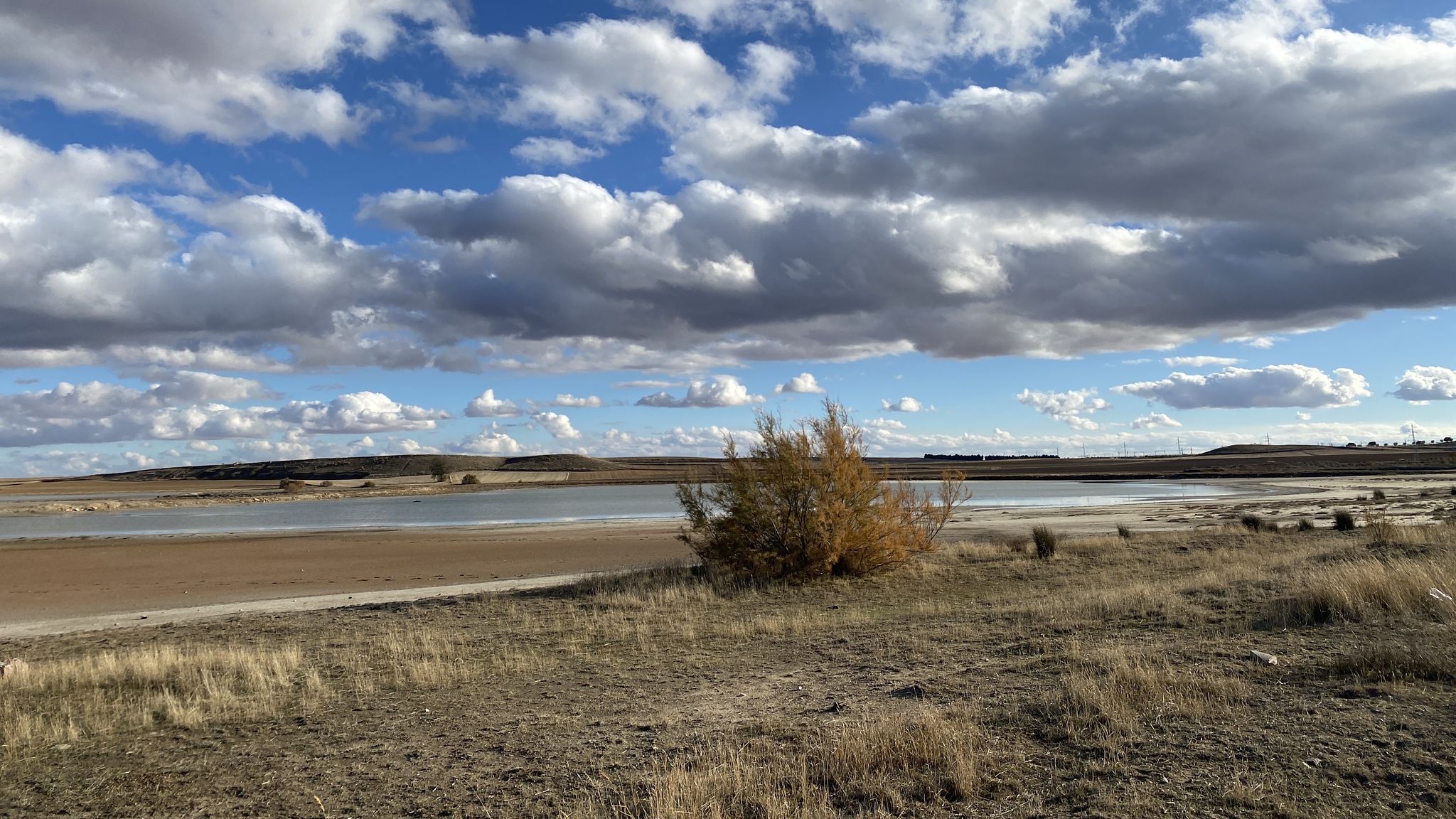
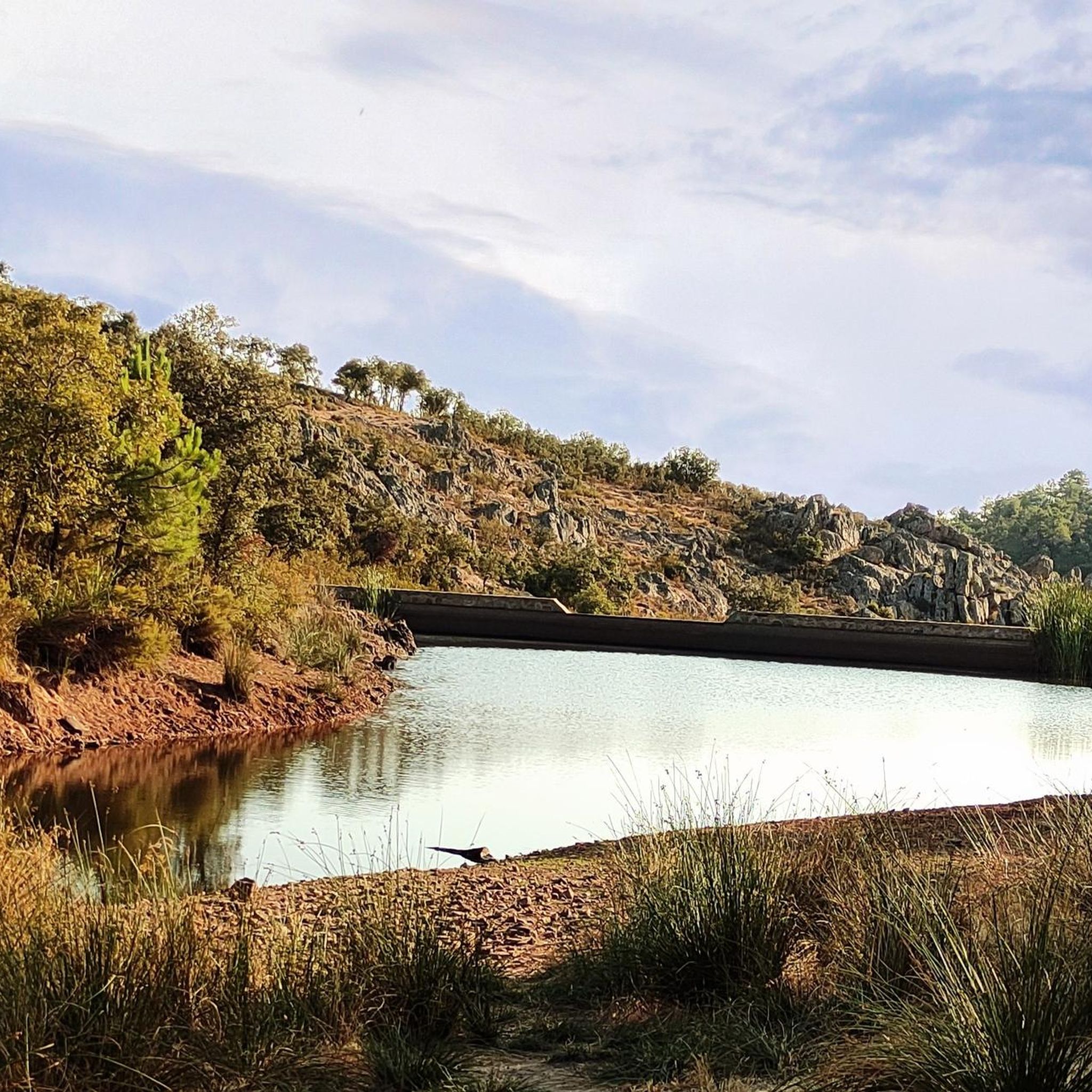
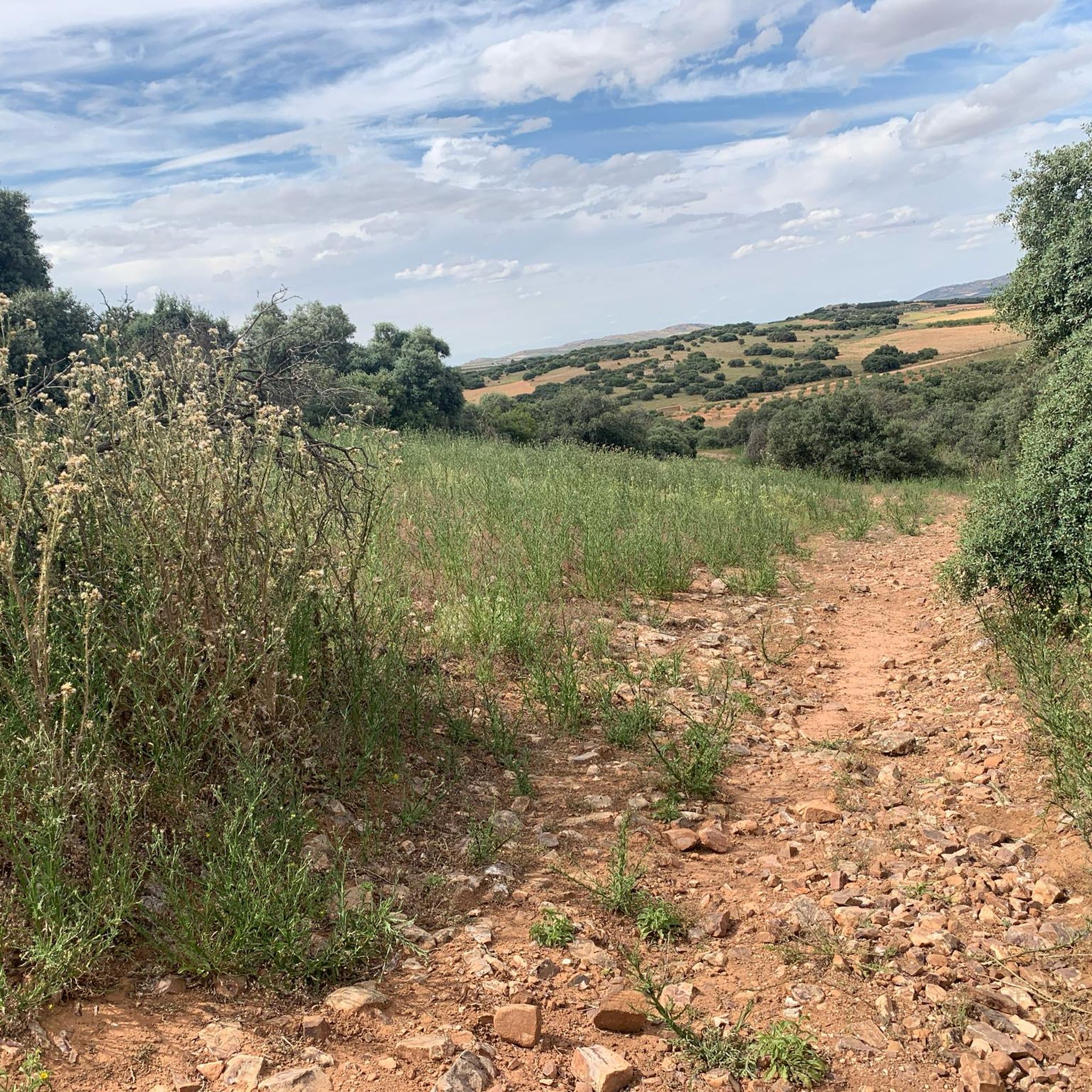

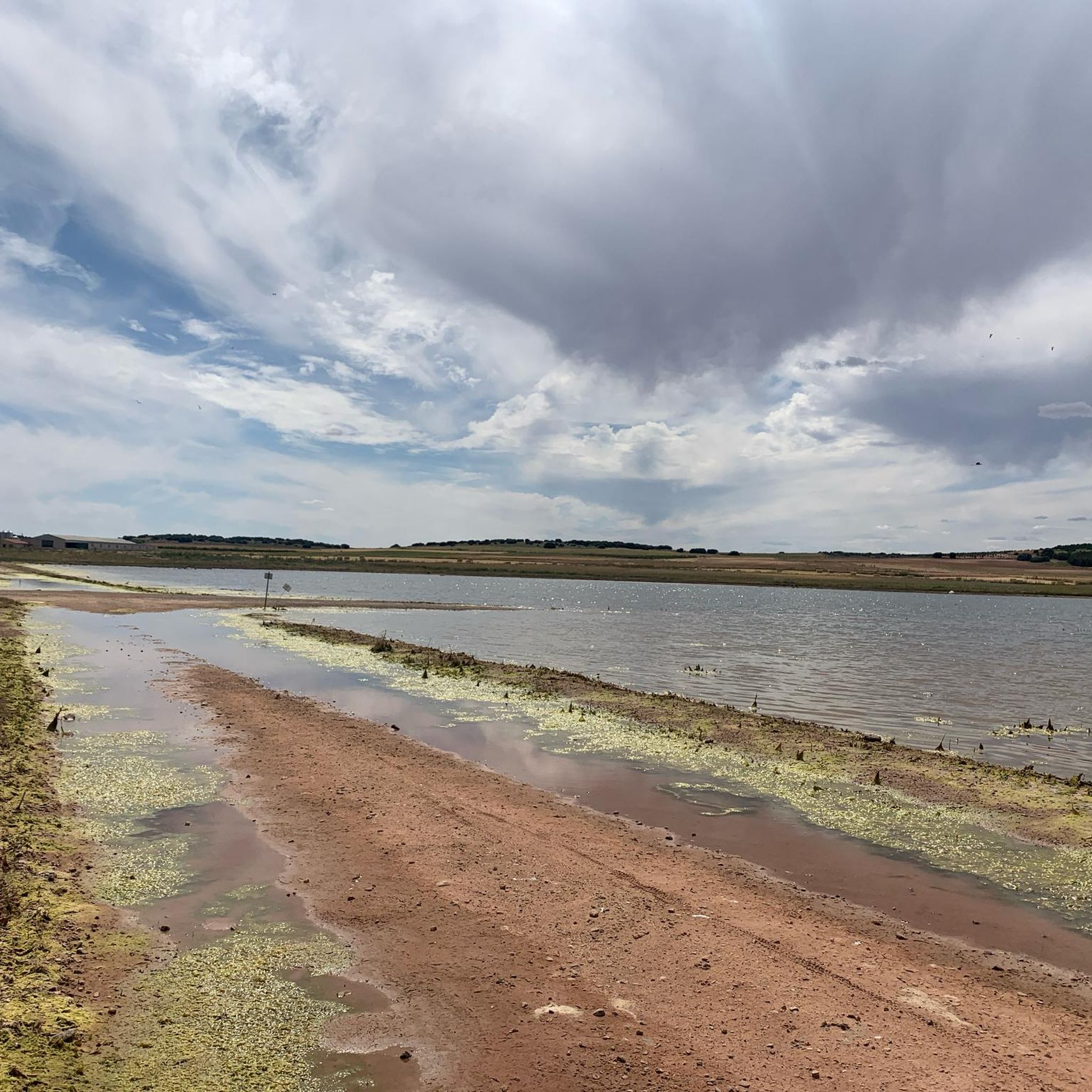
Other adventures around Villacañas

Tips from the Community

La Puebla de Almoradiel: Its origins are linked to an Iberian and Celtic fortress, inhabited by Romans, Visigoths, and, during the Muslim era, by the Almoravids. The ancient city stood on the Cigüela River, but was abandoned in 1276 due to epidemics. Repopulated by the Order of Santiago in the Middle Ages, it received a town charter in 1315 and the privilege of town status in 1341.
4
0
Founded in 1343 by Prince Don Fadrique Alfonso of Castile, Master of the Order of Santiago, who granted the Charter and the Sepúlveda charter. It was originally called La Puebla de la Isla because it was surrounded by water. The current name honors Don Fadrique, who took refuge in these lands fleeing from Pedro I "The Cruel."
5
0
Laguna Larga de Villacañas is one of the most important wetlands in the Toledo region of La Mancha, ideal for nature and photography lovers. Type: Endorheic saline lagoon (landlocked). Area: Approximately 178 hectares. Protection: It is part of the Natura 2000 Network and has been declared a Nature Reserve. Flora: Halophilous vegetation (adapted to saline soils), such as glasswort and esparto grass. Fauna: A wide variety of aquatic and steppe birds: Flamingos, avocets, and black-winged stilts. Migrating harriers, great bustards, and cranes.
3
0
Villacañas (Toledo), in the heart of Toledo's La Mancha region, is a destination that combines cultural heritage, unique nature, and singular traditions.
5
0
El Romeral (Toledo) is one of the most authentic villages on the Route of the Mills of La Mancha, with a group of mills that evoke Cervantes' image of Don Quixote. There are four mills located on Cerro Santo, overlooking the La Mancha plain. Their names are: El Pechuga (the most emblematic, it retains its original machinery and is used for events). El Crítica (renovated as an exhibition hall). Los Gorrinos. Muela.
5
0
La Guardia (Toledo) is a very interesting destination in the Ocaña Plateau, offering historical heritage, nature, and cultural routes. Church of Our Lady of the Assumption Renaissance church with Baroque details, a main altarpiece, and a bell tower. Casa de los Jaenes (Ethnological Museum) An old 18th-century manor house with collections about traditional La Mancha life.
4
0
The Casa de los Jaenes Ethnological Museum is located in La Guardia (Toledo), inside a historic 18th-century building known as the House of the Inquisition or the House of Don Eulogio. Construction: Commissioned by Sebastián de Huerta, Secretary General of the Inquisition, in the 18th century. Style: Baroque with Mannerist details. Highlights: Monumental stone doorway with two levels and the Jaenes coat of arms. Columned courtyard with Tuscan columns and wooden walkways. Declared a Site of Cultural Interest (BIC) in 1991.
11
0
The La Guardia Viewpoint is located in La Guardia (Toledo), within the Ocaña Plateau, and is one of the most spectacular spots for contemplating the La Mancha landscape. Located in the northern part of the municipality, on a plateau that slopes down toward the Cedrón stream valley. From the viewpoint, you can see: The La Guardia lagoon complex. The Cedrón Valley and the La Mancha plain. On clear days, even the Altomira Mountains.
14
0
Frequently Asked Questions
What types of touring cycling routes are available in Villacañas?
Villacañas offers a diverse range of touring cycling routes, catering to various skill levels. You'll find everything from easy paths to more challenging loops. Overall, there are 28 routes, with 2 easy, 20 moderate, and 6 difficult options, ensuring there's something for every cyclist.
Are there any family-friendly cycling routes in Villacañas?
Yes, Villacañas has several routes suitable for families, particularly those looking for a more relaxed experience. The region's generally flat to undulating terrain makes many paths accessible. Look for the 'easy' or 'moderate' rated routes, which often pass through peaceful countryside and greenways, ideal for a family outing.
Can I explore the famous wetlands and lagoons by bike?
Absolutely! The wetlands and lagoons are a major highlight for touring cyclists in Villacañas. Routes like the difficult La Mancha Wetlands Loop (61.4 km) and the challenging Villacañas Lagoons and La Guardia Loop (67.1 km) are specifically designed to showcase these ecologically significant areas, offering opportunities for birdwatching and enjoying the tranquil natural environment.
What is the Vía Verde del Trenillo and what can I expect on this route?
The Vía Verde del Trenillo is a popular greenway built on a former railway line. It offers a moderate 43.5 km loop, known as the Vía Verde del Trenillo Loop. Cyclists can enjoy a scenic journey through wetlands, vineyards, and olive groves in the Toledo plain, providing a glimpse into the region's agricultural heritage.
Are there any circular touring cycling routes around Villacañas?
Yes, many of the touring cycling routes in Villacañas are circular, allowing you to start and end in the same location. For example, the Villacañas to La Puebla de Almoradiel – circular via the Vía Verde del Trenillo is a moderate 62.4 km loop, perfect for a day trip.
What kind of landscapes will I see while cycling in Villacañas?
The cycling routes in Villacañas offer a rich tapestry of landscapes. You'll primarily encounter flat to undulating terrain, characterized by extensive wetlands, traditional vineyards, and olive groves. The region is part of the 'Humedales de La Mancha,' a UNESCO Biosphere Reserve, so expect unique flora and diverse birdlife, especially around the numerous lagoons.
What are some notable attractions or landmarks I can see near the cycling routes?
While cycling around Villacañas, you can explore several interesting landmarks and natural features. The region is rich in wetlands, including Laguna Grande de Villafranca, Laguna de Peñahueca, and Laguna Larga of Villacañas. You might also pass through charming settlements like Madridejos or see historical buildings such as the Church of Nuestra Señora de la Asunción in Tembleque.
What do other cyclists say about touring cycling in Villacañas?
The touring cycling experience in Villacañas is highly regarded by the komoot community, with an average rating of 5.0 stars from 5 reviews. Over 50 touring cyclists have explored the varied terrain using komoot, often praising the unique wetland landscapes and the well-maintained greenways like the Vía Verde del Trenillo.
Is there a route that connects different towns in the La Mancha region?
Yes, for those looking to explore more of the La Mancha region and its towns, the difficult Tembleque and La Mancha Towns Loop is an excellent choice. This 74.1 km route takes you through various settlements, offering a broader experience of the local culture and landscapes.
What is the best time of year to go touring cycling in Villacañas?
Villacañas, located in Castilla-La Mancha, experiences hot, dry summers and mild winters. The most comfortable times for touring cycling are typically spring (April to June) and autumn (September to October). During these seasons, the weather is generally pleasant, and you can avoid the intense heat of summer, making for a more enjoyable ride through the wetlands and agricultural areas.
Are there options for parking near the cycling routes?
While specific parking details for every trailhead are not provided, Villacañas is a town with various access points to its cycling network. It's generally advisable to look for public parking areas within the town or at designated starting points for popular routes like the Vía Verde del Trenillo. Planning your start point in advance can help ensure convenient parking.
Most popular attractions around Villacañas

Get inspired with the komoot mobile app


Explore more
Browse the best Cycling routes in other regions.
