Attractions and Places To See around Villaluenga De La Sagra - Top 20
Best attractions and places to see around Villaluenga De La Sagra include a blend of historical landmarks, cultural sites, and natural features within the municipality and its surroundings. This region in the province of Toledo, Spain, is characterized by a primarily flat landscape with gentle undulations, suitable for agriculture. Visitors can explore significant architectural sites, inviting town squares, and small clusters of pine and holm oak forests. The area offers a variety of points of interest, from historic churches to…
Last updated: July 26, 2026
Plaza Mayor of Alameda de la Sagra
Highlight • Settlement
Translated by Google •
Tip by

Chozas de Canales
Highlight • Settlement
Translated by Google •
Tip by

Sign up now to discover places like this
Get recommendations on the best single tracks, peaks, & plenty of other exciting outdoor places.
Sign up for free
Historic Center of Illescas
Highlight • Historical Site
Translated by Google •
Tip by
Church of Nuestra Señora de la Asunción (Cabañas de la Sagra)
Highlight • Religious Site
It stands out for its agricultural surroundings (cereals and legumes), its culinary traditions, and its proximity to Toledo and Madrid.
Translated by Google •
Tip by
Parish Church of St. John the Baptist, Cedillo del Condado
Highlight • Religious Site
Translated by Google •
Tip by
Sign up for free to discover even more attractions around Villaluenga De La Sagra.
Sign up for free
Already have an account?
Start today with a free account
Your next adventure awaits.
Login or Signup


Tips from the Community

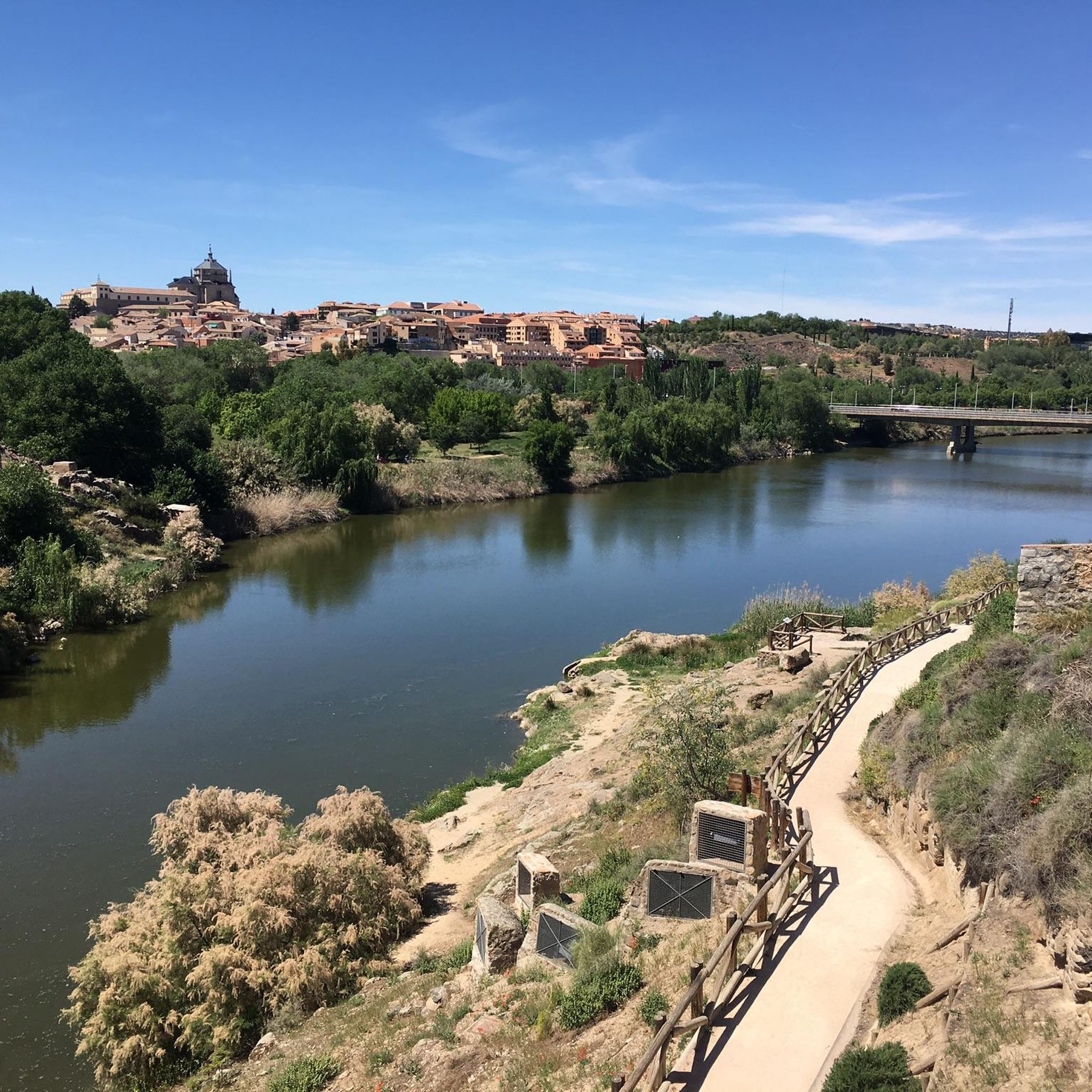
The Parish Church of Santa María de Illescas, its 12th-century Mudéjar tower stands out in the distance from any point in the comarca of La Sagra. Located in the nerve center of Illescas, it is worth a visit.
0
0

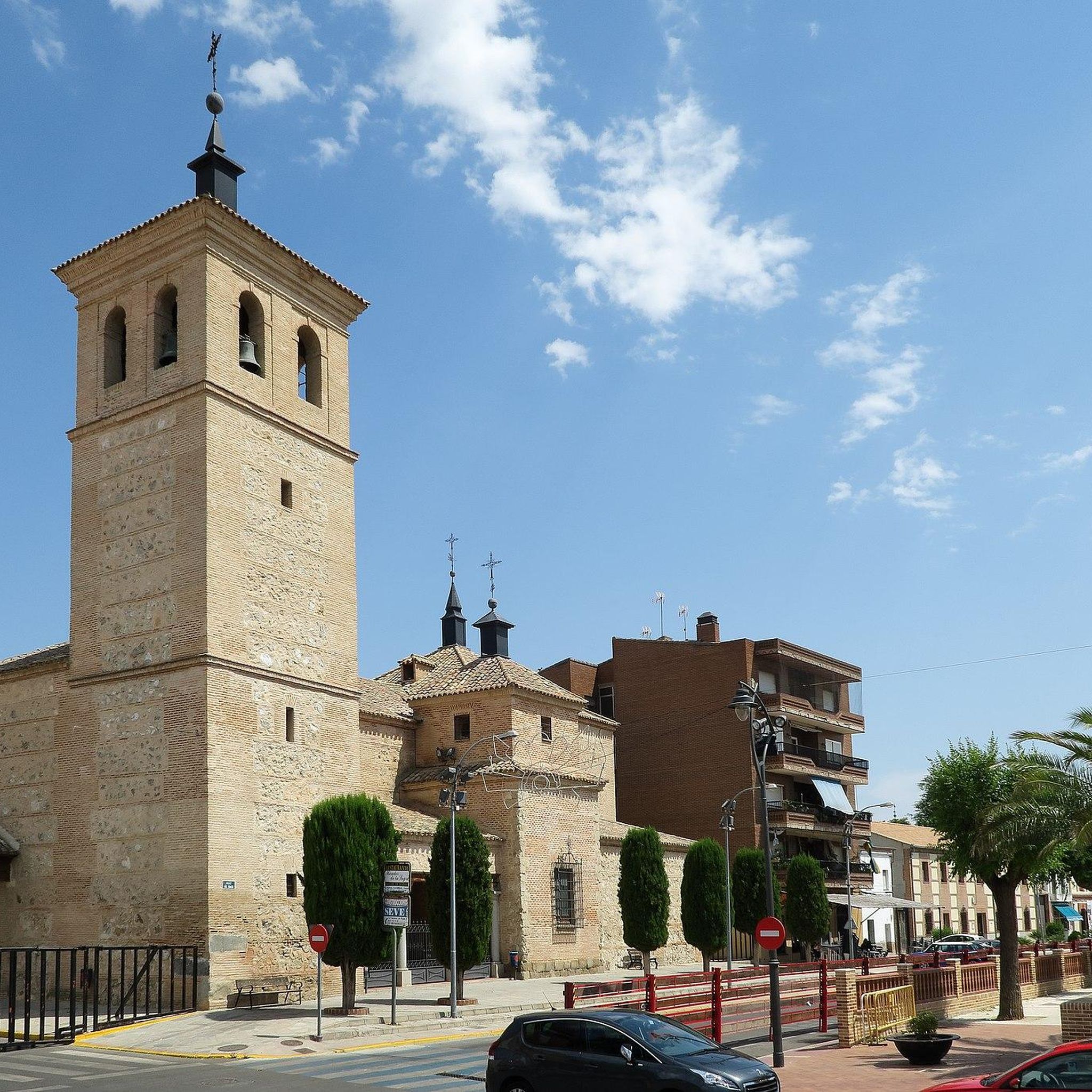
What to see in Cabañas de la Sagra Parish Church of Our Lady of the Assumption Built between the 16th and 17th centuries, with a Mudéjar coffered ceiling and unique wooden details. Roman Villa Archaeological remains from the 3rd century AD, evidence of the Roman past in the area. Osborne Bull A Spanish cultural icon, visible from the road, ideal for photos. Natural surroundings Walks to Fuente de la Mora and Los Pinos, peaceful routes through fields of grain.
2
0
Cabañas de la Sagra is a peaceful and welcoming village, perfect for escaping the hustle and bustle of the city. It stands out for its agricultural surroundings (cereals and legumes), its culinary traditions, and its proximity to Toledo and Madrid.
2
0
The Plaza Mayor of Alameda de la Sagra is the social and cultural heart of the town, a space that blends tradition and everyday life. Located in the historic center of the town, it is surrounded by charming streets and traditional buildings. It is a meeting point for locals and visitors alike, with bars, restaurants, and shops offering typical cuisine.
15
0

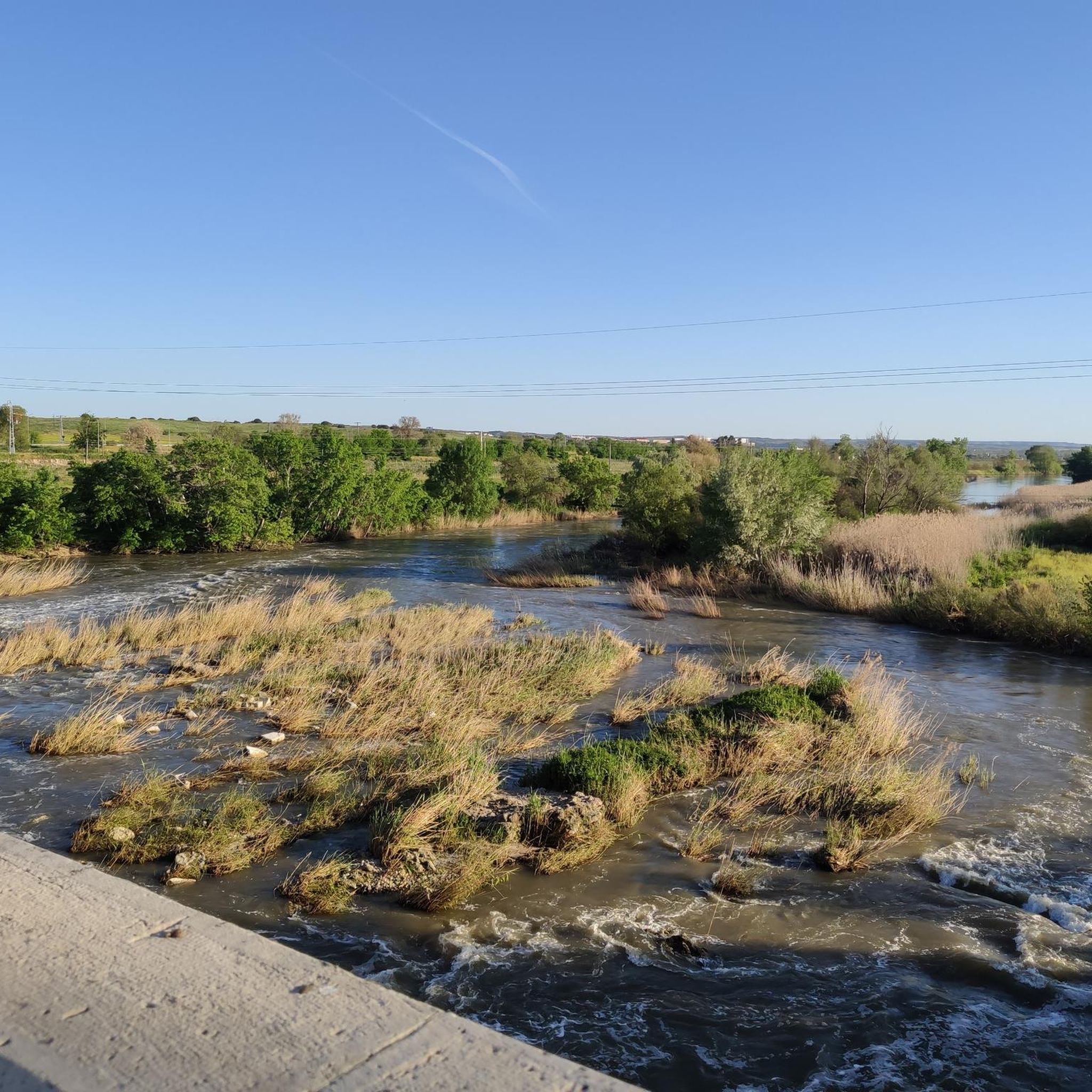
The hermitage of Cristo de la Misericordia and the parish church of Santa María Magdalena stand out. A curiosity is that this town is still buried under the rubble of the real estate boom. In the 2000s, it was intended to turn it into a new "dormitory city" for Madrid and the town went from having 500 to 2,000 homes, many of which were never lived in, or even finished building. The town went through a hard stage after the real estate crisis that still lasts today.
1
0
Cabañas de la Sagra is one of the oldest towns in the region. The Mudejar church of Nuestra Señora de la Asunción dates from the 15th-16th centuries. You can also enjoy nature in the places of Fuente de la Mora and Los Pinos and visit the excavation of the ancient Roman villa.
1
1

If you are interested in the phenomena of real estate speculation, you can take a ride with your bike through the successive extensions that were made in this agricultural town in the 2000s, when it was intended to turn it into a new "dormitory city" for Madrid. The town went from having 500 to 2,000 homes, many of which were never inhabited, or even completed. The town went through a tough time after the real estate crisis with high unemployment rates and the hangover of this recent history still lingers today.
2
1
A curiosity of this town is that its origin is not known with certainty. It is known that pre-Roman tribes already inhabited it and then it passed through Roman, Arab hands and, after the conquest of Toledo by Alfonso VI in 1086, Mozarabs and finally Christians.
2
0
Frequently Asked Questions
What historical and cultural sites can I explore in Villaluenga de la Sagra itself?
In Villaluenga de la Sagra, you can visit the 16th-century Mudejar-style Church of San Andrés, known for its distinctive three-bodied tower. The Casa de la Cultura, housed in the former Juan Palarea schools, showcases traditional architecture and hosts the municipal library. The town also features inviting public squares like Plaza de la Constitución and Plaza de Miguel de Cervantes, perfect for a stroll.
Are there any significant historical landmarks in the surrounding area?
Yes, the broader La Sagra region offers several historical landmarks. You can explore the Historic Center of Illescas, which retains narrow streets and sites like the Puerta de Ugena de Alfonso VI and the 13th-century Church of the Asunción. Another notable site is the Parish Church of St. John the Baptist, Cedillo del Condado, which has a rich history influenced by pre-Roman, Roman, Arab, and Mozarab cultures.
What natural features can I find around Villaluenga de la Sagra?
While the landscape is primarily flat and agricultural, you can find small clusters of pine and holm oak forests near the town center. These wooded areas offer a pleasant contrast to the drier surroundings and are suitable for walking or cycling. The region is also characterized by gypsum terrain.
What are some family-friendly attractions in the area?
Many of the settlements and historical sites are considered family-friendly. For instance, the Plaza Mayor of Alameda de la Sagra is a vibrant social and cultural heart with charming streets, ideal for families to explore. The Historic Center of Illescas also offers a quiet, engaging environment for families.
What outdoor activities can I do near Villaluenga de la Sagra?
The area around Villaluenga de la Sagra is well-suited for various outdoor activities. You can find numerous routes for running, gravel biking, and road cycling. For running, explore trails like the Tierra del Soldado loop. Gravel biking offers routes such as the Chozas de Canales loop, and road cyclists can enjoy tours like the La Sagra circular via Yunclillos and Chozas. You can find more details on these activities in the dedicated guides for running, gravel biking, and road cycling.
Are there any unique or lesser-known places to visit?
Consider visiting the Parish Church of Saint Stephen the Protomartyr of Mocejón, which has an interesting history of its town being relocated to avoid malarial diseases. Another unique spot is the Glorieta de Cuatro Caminos (del Torreón) in Villaluenga de la Sagra, featuring a two-meter-high tower as a tribute to the vanished 15th-century Castillo del Águila.
What are the best times of year to visit Villaluenga de la Sagra for outdoor activities?
The region's landscape, characterized by drier surroundings and agricultural land, suggests that spring and autumn would be ideal for outdoor activities. The weather is generally milder, making it more comfortable for exploring historical sites, walking through the small forests, or enjoying the various cycling and running routes.
What can I expect from the local town squares?
The town squares, such as Plaza de la Constitución in Villaluenga de la Sagra, are inviting spaces for gathering and strolling. They often feature monuments, like the Monument to the Athlete, and are surrounded by traditional architecture, offering a glimpse into local life and a place to relax.
Are there any viewpoints offering scenic views of the region?
While not directly in Villaluenga de la Sagra, the Monte de Magán in the surrounding area is known for offering incredible views of the northern part of the Toledo province. This provides a great opportunity to appreciate the characteristic flat landscape with gentle undulations of the La Sagra region.
What is the significance of the Plaza Mayor of Alameda de la Sagra?
The Plaza Mayor of Alameda de la Sagra is considered the social and cultural heart of the town. It's a vibrant space in the historic center, surrounded by charming streets and traditional buildings, offering a blend of tradition and daily life. It's a popular meeting point with local bars, restaurants, and shops.
Can I find any settlements with interesting modern history in the vicinity?
Yes, Chozas de Canales offers a unique insight into recent history. This agricultural town experienced a significant real estate boom in the 2000s, intended to turn it into a 'dormitory city' for Madrid. You can observe the successive extensions and the impact of this period, with many homes remaining uninhabited or incomplete after the real estate crisis.
Most popular routes around Villaluenga De La Sagra

Get inspired with the komoot mobile app


Explore more
Still not found the Highlight you’re looking for? See guides of the top attractions in other regions:
