Attractions and Places To See around Tarrés - Top 20
Best attractions and places to see around Tarrés include its well-preserved urban core and rich surrounding natural and cultural heritage. This municipality, nestled in Les Garrigues in Lleida, Catalonia, offers traditional Catalan life and historical architecture. The area is characterized by significant wooded areas, dry stone constructions, and historical sites. Visitors can explore a variety of landmarks, cultural sites, and natural features.
Best attractions and places to see around Tarrés
- The most popular attractions is Tossal de la Baltasana summit…
Last updated: May 9, 2026
Monastery of Santa María de Vallbona
Highlight • Religious Site
Translated by Google •
Tip by

Royal Monastery of Santa María de Poblet
Highlight • Religious Site
Translated by Google •
Tip by

Sign up now to discover places like this
Get recommendations on the best single tracks, peaks, & plenty of other exciting outdoor places.
Sign up for free
Tossal de la Baltasana summit
Highlight • Summit
Translated by Google •
Tip by

Deport Spring
Highlight • Natural Monument
The Sport source is located …
Translated by Google •
Tip by
Font Baixa
Highlight • Monument
Translated by Google •
Tip by
Sign up for free to discover even more attractions around Tarrés.
Sign up for free
Already have an account?
Start today with a free account
Your next adventure awaits.
Login or Signup
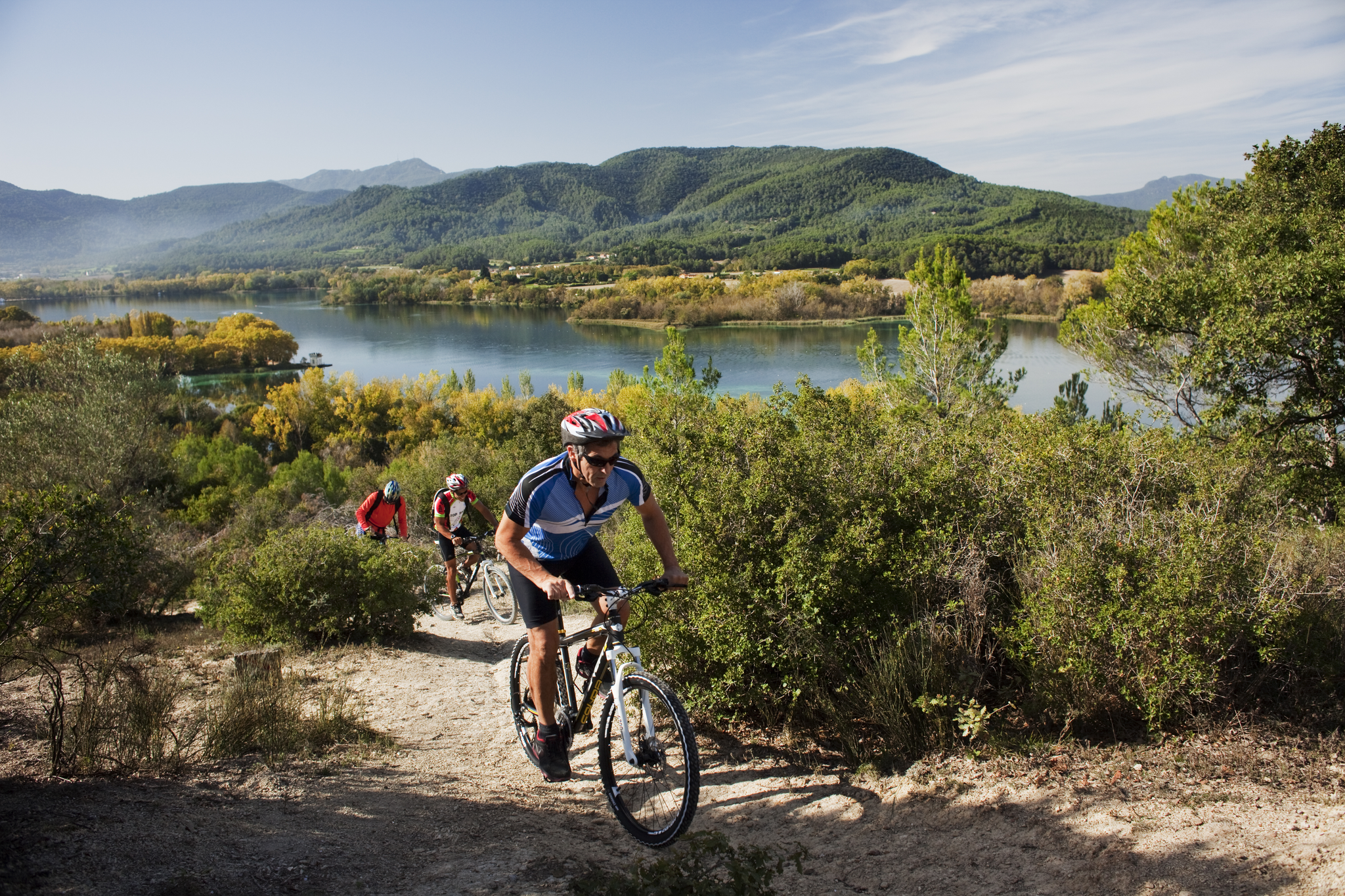
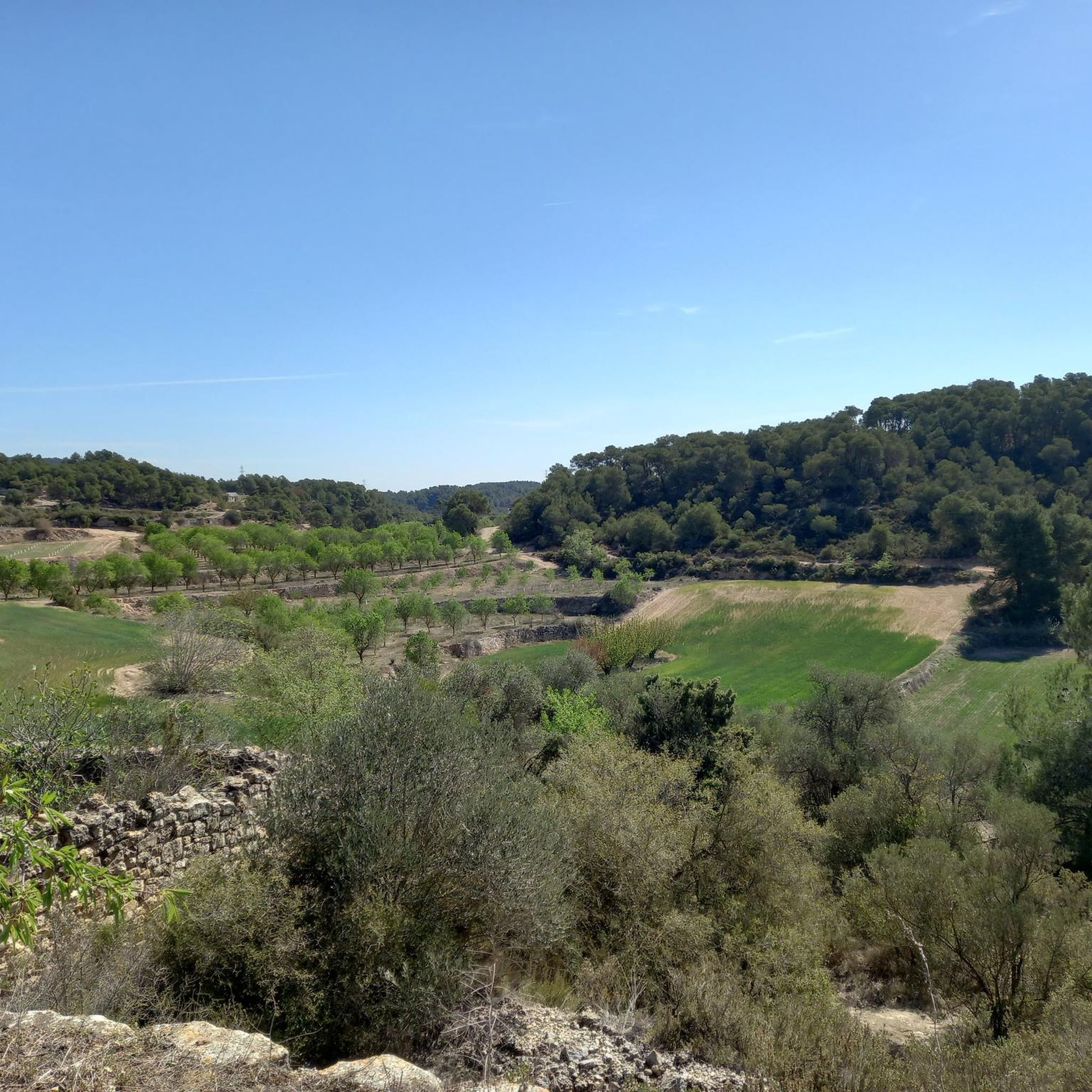
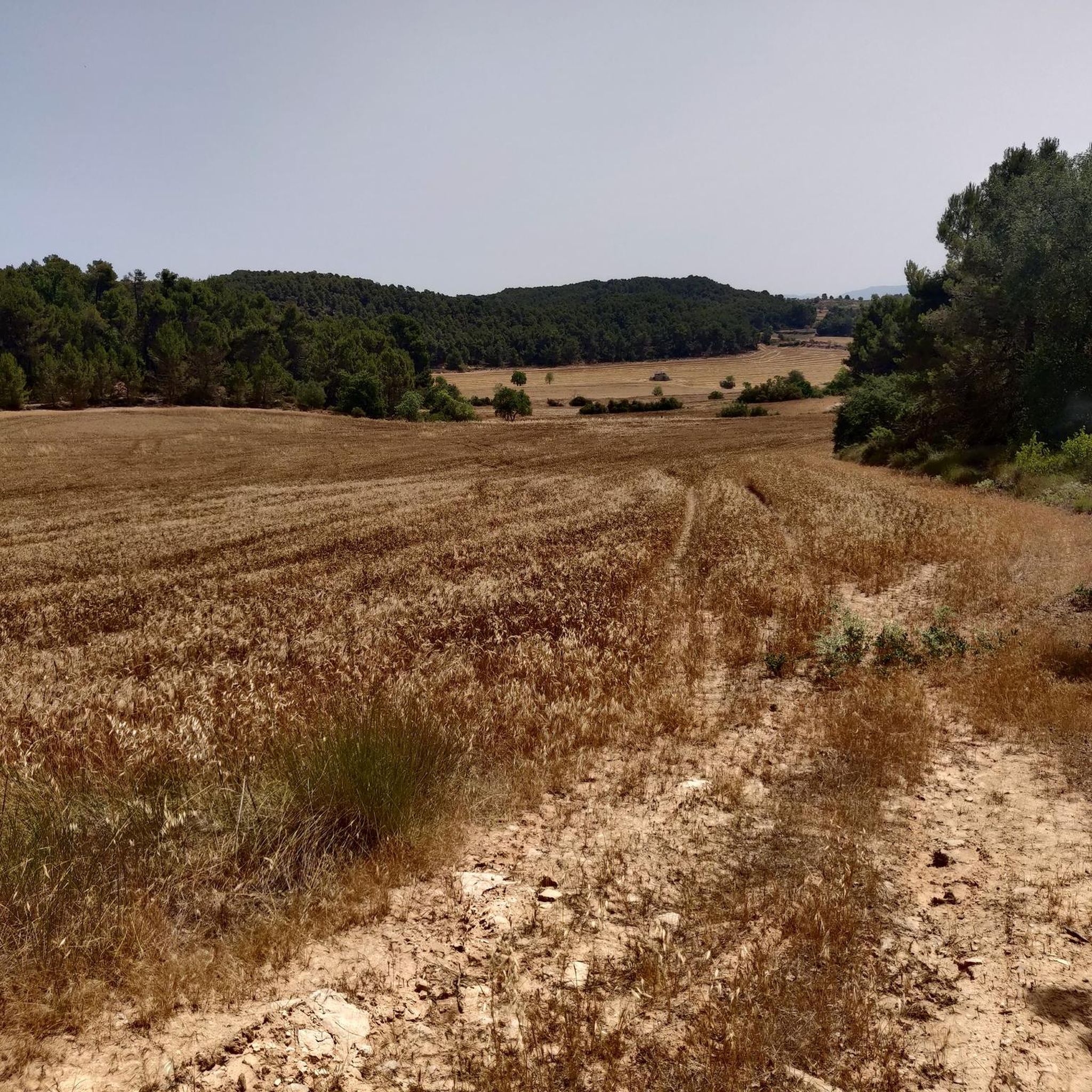
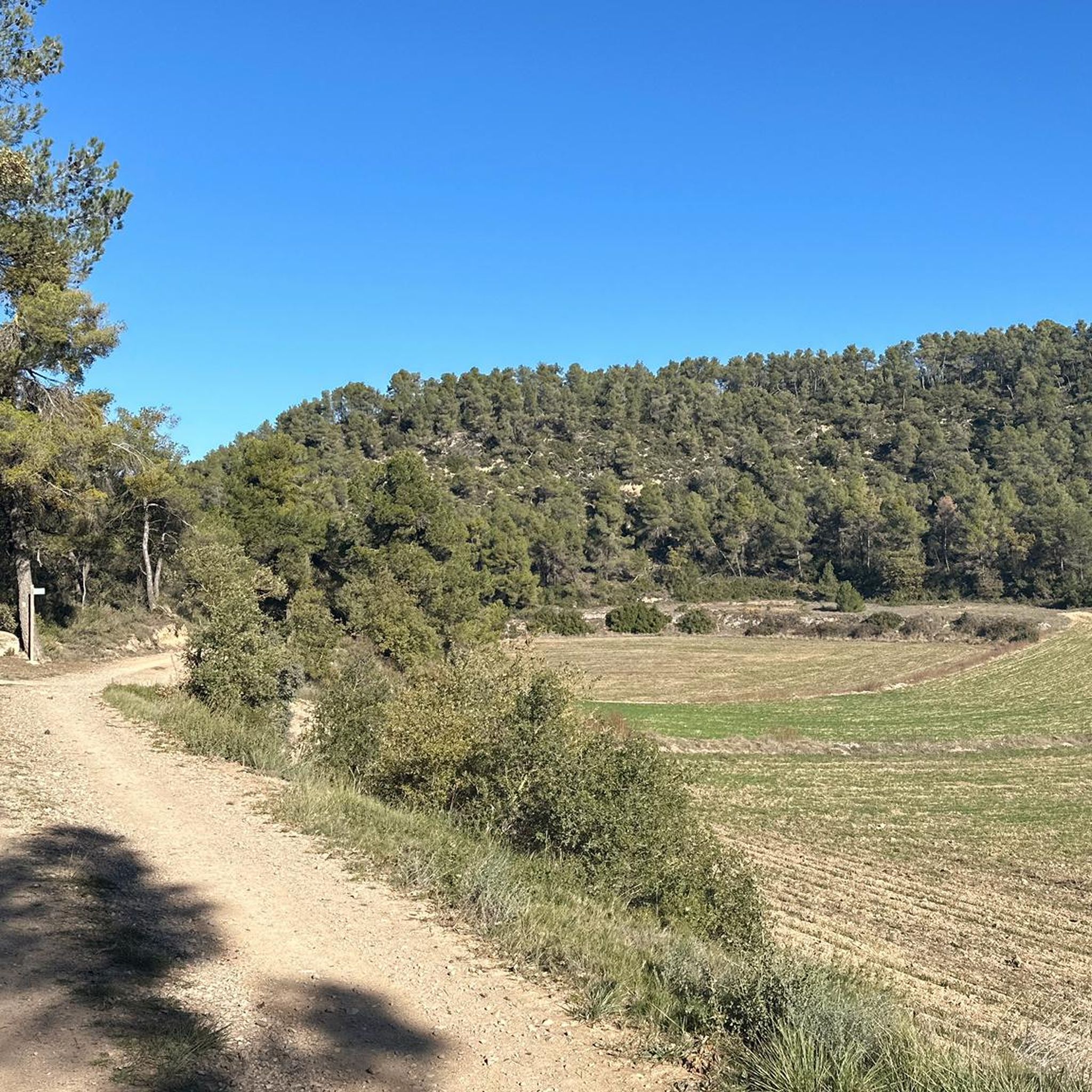

Other adventures around Tarrés

Tips from the Community


Beautiful medieval monastery from the Cistercian era, still inhabited by nuns.
0
0

Ideal place to see the Pyrenees with clear skies, amazing.
1
0

The monastery of Santa María de Vallbona is a female Cistercian abbey founded in the 11th century and built in a mixture of Romanesque and Gothic styles. Together with the Poblet and Santes Creus monasteries, it forms the Cistercian Route.
0
0

The monastery of Santa María de Vallbona is the most important female Cistercian monastery in Catalonia. It has maintained its monastic activity uninterruptedly for more than 800 years. Its beginnings, at the beginning of the 12th century, were as a mixed group of hermits who followed the Rule of Sant Benet, later converted into monastics, under the pastoral staff of its founder, Ramón de Vallbona. In 1175 the monks moved to Montsant, leaving the female monastic community in Vallbona, which joined the Cistercian order. The monastery is made up of the temple, presided over by the Mare de Déu del cor, in the usual sober and slightly ornamented style of the order, and by the trapezoidal-shaped cloister, and the other dependencies (chapter house, the archive and the old pharmacy).
1
0

A classic that is worth visiting before starting the port of Coll de l'Arena - Prades at 1034 m
0
0

Nice and quiet town where you can visit emblematic places and visit the monastery.
1
0

You can get there from many places but the best is the climb up the forest
0
0
Frequently Asked Questions
What historical and architectural landmarks can I explore in Tarrés?
Tarrés boasts a rich historical urban core. You can visit the impressive Parish Church of the Assumpció de María with its neoclassical facade and baroque interior, and the notable Cal Magre with its arcaded facade. The 17th-century Casa Comú is another fine example of traditional architecture. On the outskirts, the Ermita de la Santa Creu, an old hayloft converted into a place of worship, is also worth seeing.
Are there any significant monasteries near Tarrés?
Yes, the area is home to two historically significant Cistercian monasteries. You can visit the Monastery of Santa María de Vallbona, a female Cistercian abbey founded in the 11th century, which has maintained monastic activity for over 800 years. Also nearby is the Royal Monastery of Santa María de Poblet, founded in 1150, featuring a church, refectory, chapels, and a cloister.
What natural features and viewpoints can I discover around Tarrés?
For stunning views, head to the Tossal de la Baltasana summit, which offers panoramic vistas of the village of Prades, the Montsant mountain range, and on clear days, even the Pyrenees. You can also explore the Deport Spring, located under the Cingle de les Cabres, which is a charming natural spot within the Poblet forest.
What cultural sites offer a glimpse into Tarrés's past?
The Plaza de la Font still preserves old cisterns used for watering animals and washing clothes, offering a glimpse into daily life. La Ferreria houses tools from Tarrés's ancient forge, showcasing its industrial heritage. Additionally, the recently restored Old Wine Cooperative (El Sindicat) now serves as a bar, restaurant, farm shop, and tourist accommodation, highlighting adaptive reuse of historical structures.
Are there opportunities for mountain biking near Tarrés?
Absolutely! The significant wooded areas around Tarrés make it ideal for mountain biking. There are signposted routes that are not overly challenging. You can find detailed routes and information in the MTB Trails around Tarrés guide.
What kind of walking or hiking routes are available in the area?
Tarrés offers unique circular itineraries like the “Caminos del Agua en el Secano” (Water Paths in the Dryland) and the “Ruta de la Calç” (Lime Route). These marked routes allow you to explore the natural and cultural heritage, including dry stone constructions, ancient lime kilns, and exceptional natural spots within the protected area of Vall de Vinaixa. For more options, check the Cycling around Tarrés guide, which also includes walking routes.
What unique historical constructions can be found in the natural landscape?
The landscape around Tarrés is dotted with numerous dry stone constructions linked to water management, such as cisterns, ponds, and wells. You can also discover many ancient lime kilns (Forns de Calç) hidden in the surrounding forests, remnants of a significant historical activity in the village.
Is Tarrés a good destination for families?
Yes, Tarrés offers several family-friendly attractions. The Monastery of Santa María de Vallbona and the Royal Monastery of Santa María de Poblet are both noted as family-friendly. Additionally, the Deport Spring is a natural monument suitable for families to visit.
What is the best time to visit Tarrés for outdoor activities?
Tarrés is particularly attractive for weekend and holiday getaways, offering a peaceful retreat. The significant wooded areas and marked itineraries like the “Caminos del Agua en el Secano” are enjoyable in milder weather, making spring and autumn ideal for exploring the natural and cultural heritage through outdoor activities.
Are there any historical fountains or water features to see?
Yes, the Font Baixa is a notable historical fountain with records dating back to 1151, though its current form is from 1852. It features 17 spouts and is an interesting example of local historical engineering. The Plaza de la Font also preserves old cisterns that were historically used for water.
What do visitors enjoy most about the attractions around Tarrés?
Visitors appreciate the blend of historical architecture, tranquil natural settings, and the opportunity to immerse themselves in authentic Catalan culture. The panoramic views from the Tossal de la Baltasana summit and the rich history of the Cistercian monasteries like Poblet are frequently highlighted. The well-preserved urban core and the unique dry stone constructions also receive positive feedback.
Most popular attractions around Tarrés

Get inspired with the komoot mobile app


Explore more
Still not found the Highlight you’re looking for? See guides of the top attractions in other regions:
