Attractions and Places To See around Carracedelo - Top 20
Best attractions and places to see around Carracedelo include a blend of historical sites, cultural heritage, and natural landscapes within the Bierzo region. The area features ancient monasteries and structures that showcase various architectural styles. Visitors can explore sites related to Roman mining history and enjoy picturesque natural features. This region offers a diverse range of points of interest for exploration.
Best attractions and places to see around Carracedelo
- The most popular attractions is Ponferrada Castle, a castle that…
Last updated: June 9, 2026
Ponferrada Castle
Highlight • Castle
Translated by Google •
Tip by

Villafranca del Bierzo Castle
Highlight • Castle
Translated by Google •
Tip by

Sign up now to discover places like this
Get recommendations on the best single tracks, peaks, & plenty of other exciting outdoor places.
Sign up for free
Orellán Galleries
Highlight • Historical Site
Translated by Google •
Tip by
Church of Santiago (Holy Door of Forgiveness), Villafranca del Bierzo
Highlight • Religious Site
Translated by Google •
Tip by
La Encantada Cave and La Cuevona
Highlight • Cave
Translated by Google •
Tip by
Sign up for free to discover even more attractions around Carracedelo.
Sign up for free
Already have an account?
Start today with a free account
Your next adventure awaits.
Login or Signup

Tips from the Community

The Church of Santiago dates back to the 12th century, the Puerta del Perdón (Door of Forgiveness), and is located next to the Cathedral of Santiago. They are the only ones that can grant the Jubilee, in this case it will be due to illness or accident that prevents you from continuing on to the Cathedral of Santiago de Compostela.
0
0

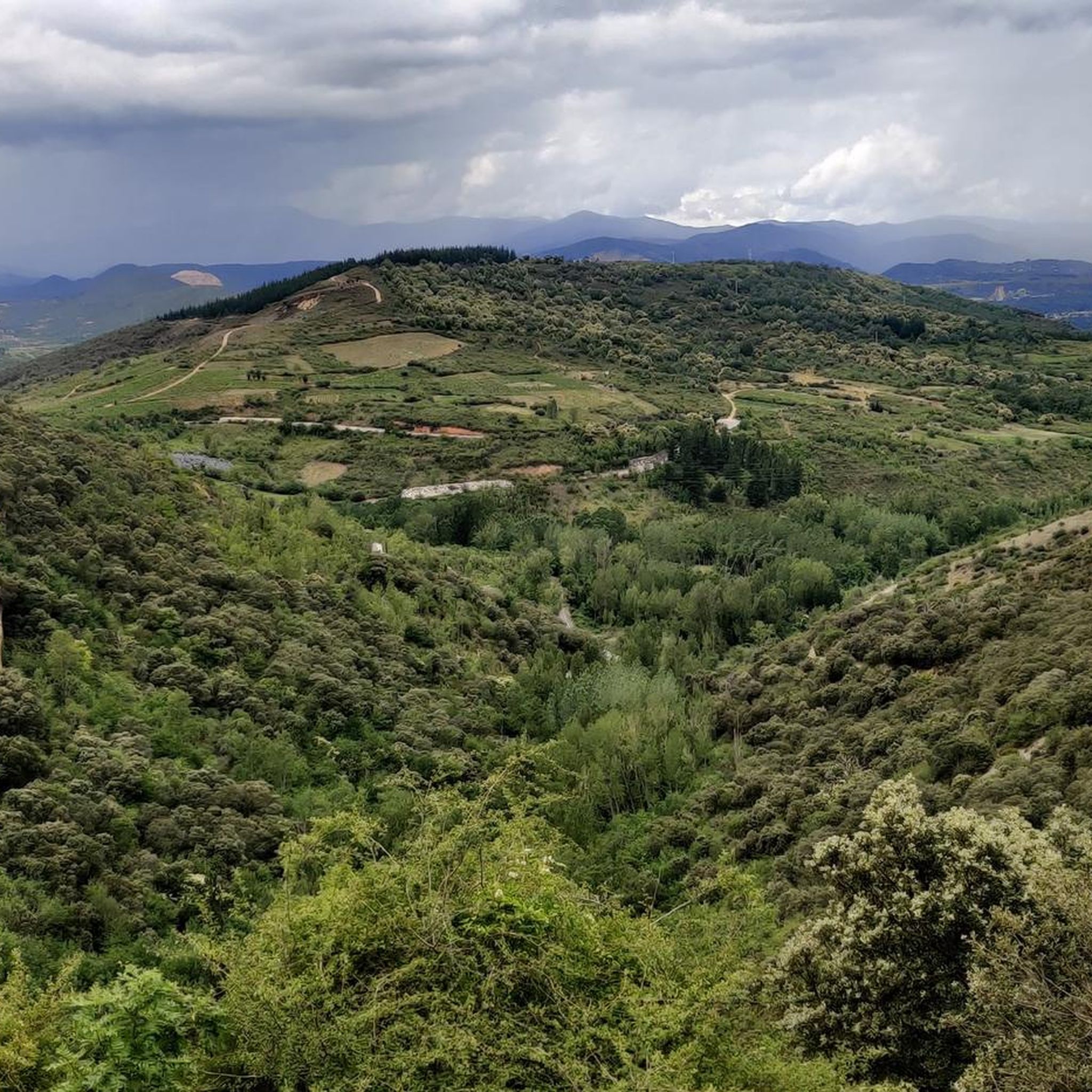
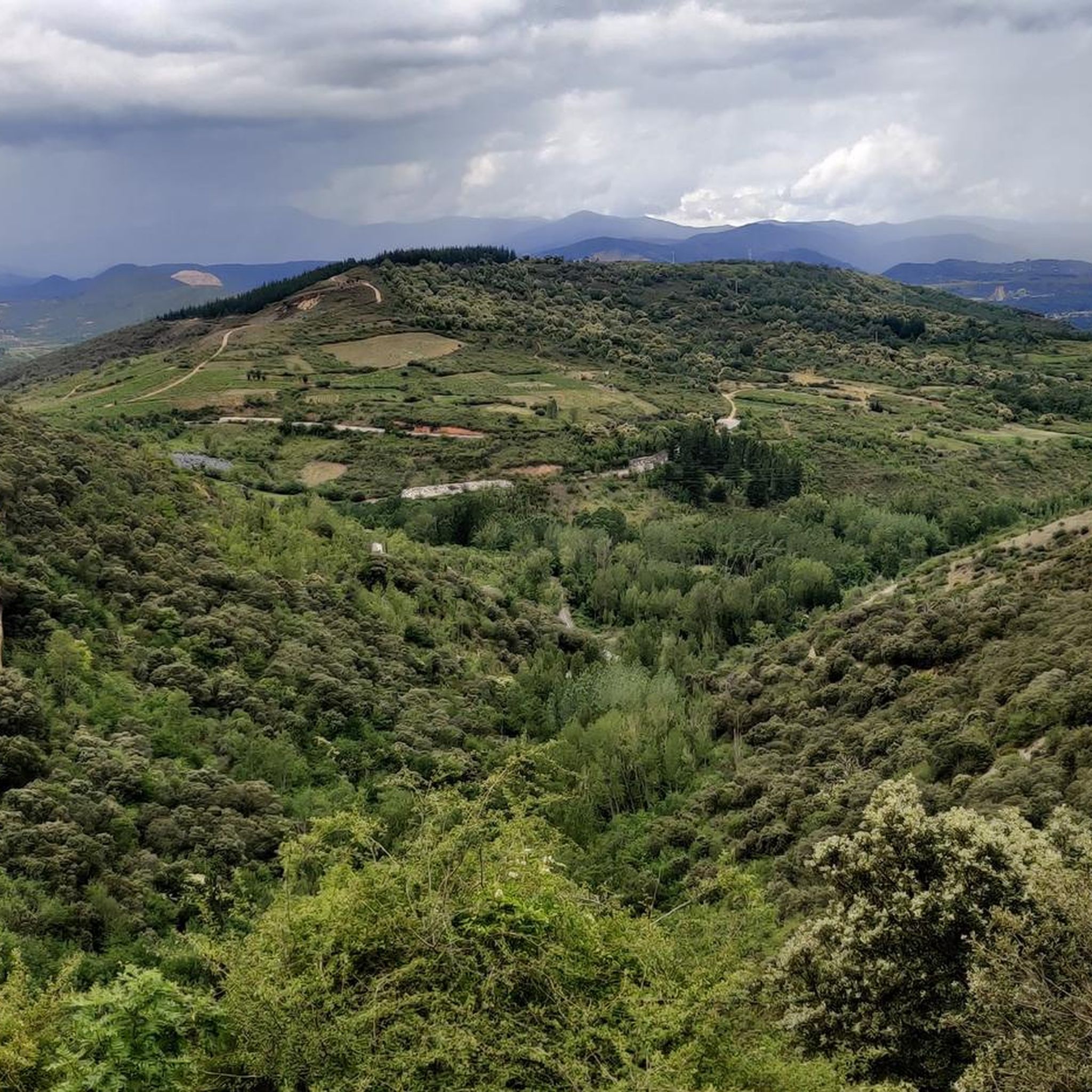
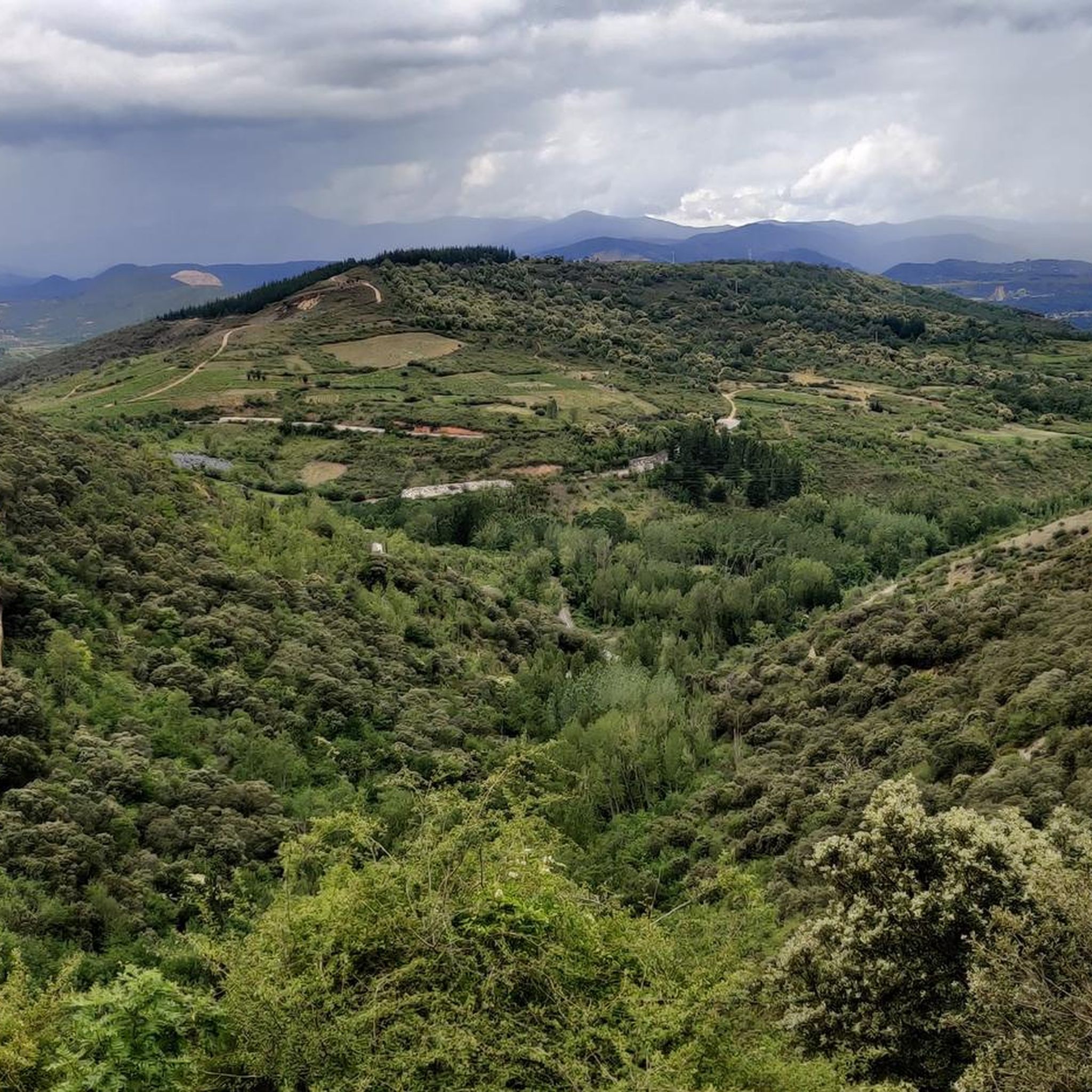
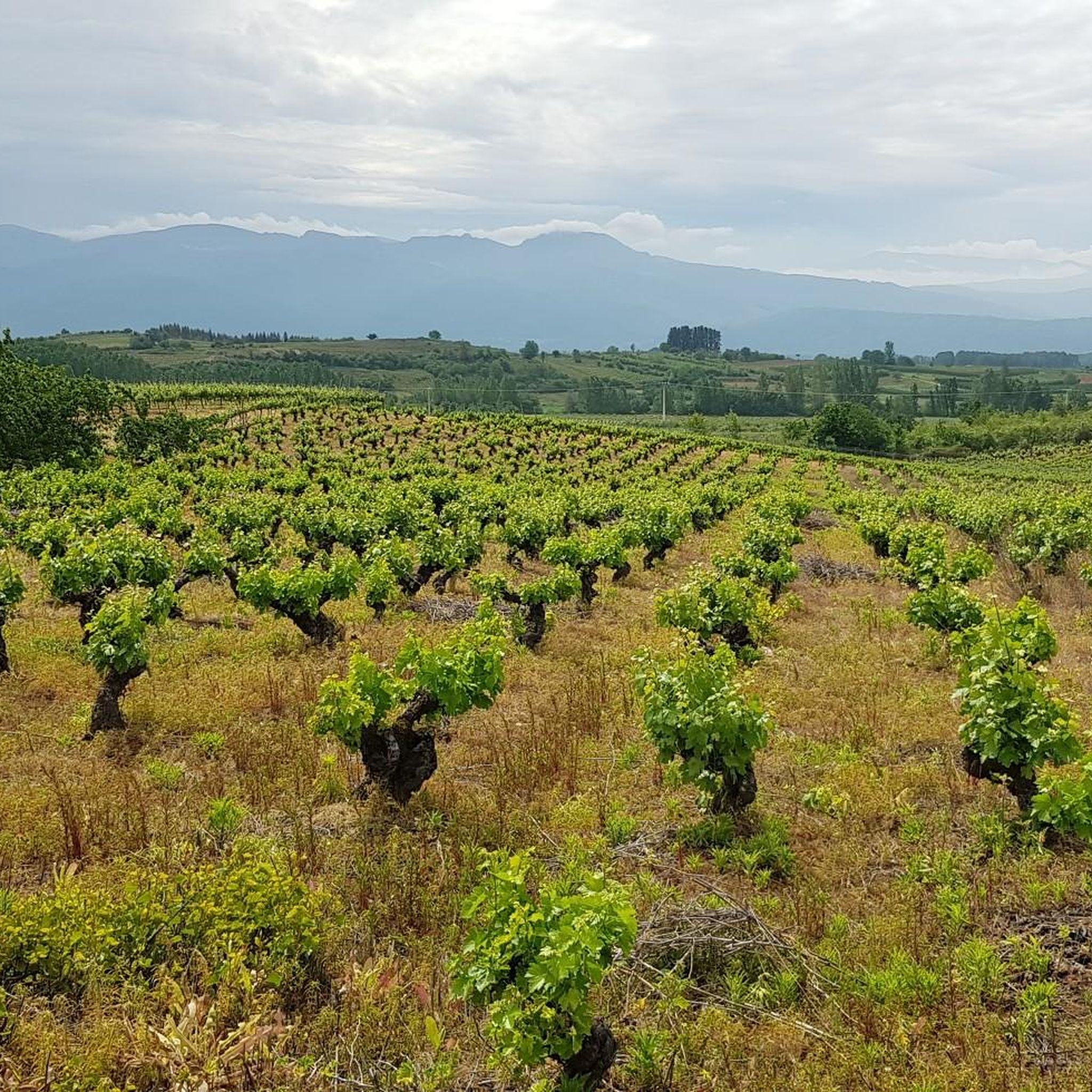
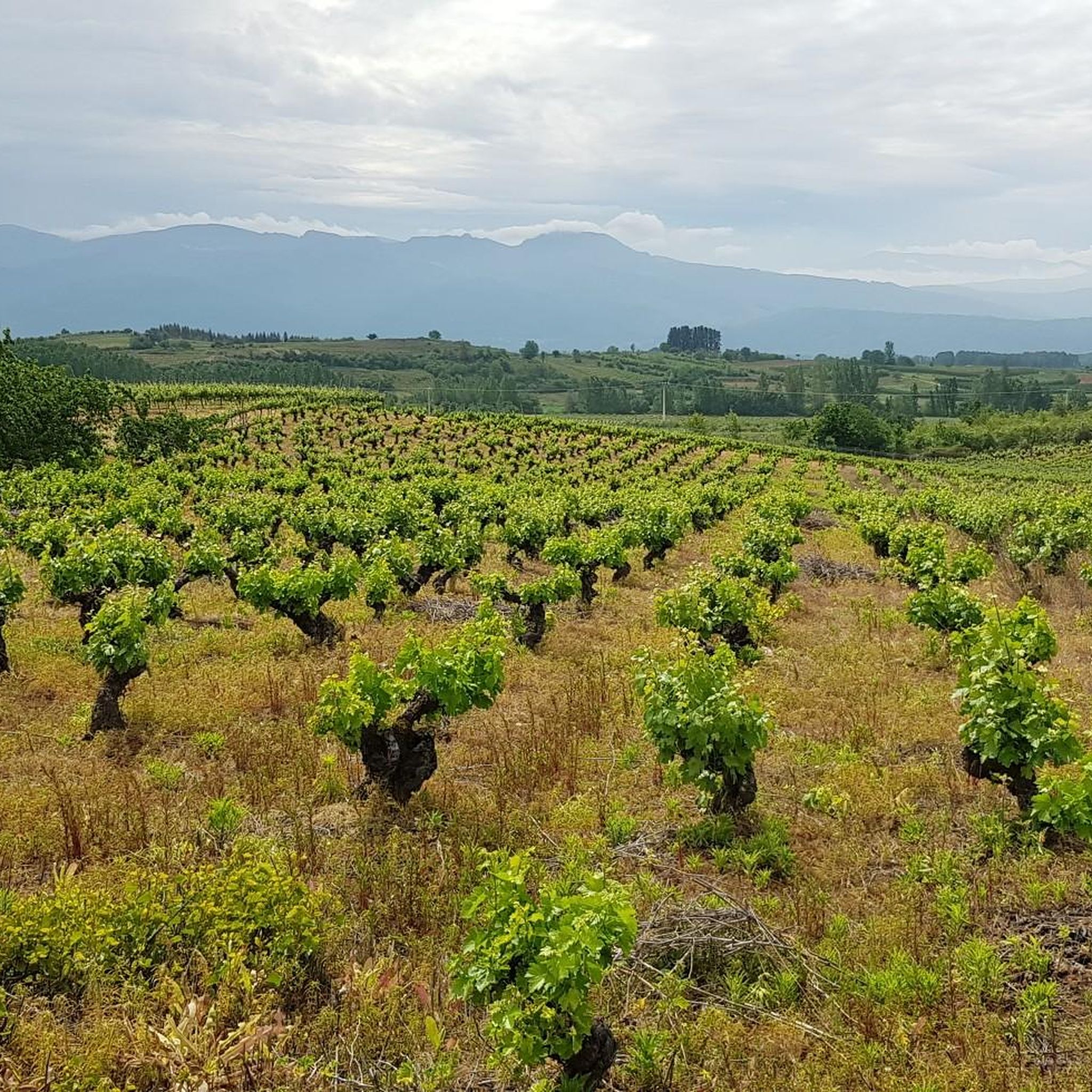
Stage of the Camino de Santiago. It goes from the vineyards of Bierzo to the green mountains of the mythical O Cebreiro pass
5
0

At the end of the 11th century, Osmundo, Bishop of Astorga, ordered the construction of a bridge (partly made of iron = pons ferrata) over the Sil for the pilgrims on the Way of St. James, near which a settlement was built. At the "pons ferrata", the iron bridge, the Knights Templar built a huge castle on a surface area of 160 x 90 m to protect the pilgrims on the Way of St. James. The medieval castle complex was inhabited by the Knights Templar from 1178 to 1312. Source: Wikipedia
5
0

The Templars' heyday from the 12th to 14th centuries led to the construction of this mighty fortress, among other things to protect the pilgrims on the Way of St. James. The rampart on the city hill stands out impressively against the mountain backdrop and absolutely conforms to the stereotypical image of a knight's castle. It is sensationally well maintained and a feast for the eyes.
6
0

The order, often referred to simply as the "Order of the Knights Templar," whose full name is "Poor Knights of Christ and of Solomon's Temple in Jerusalem," takes us mentally back to the 13th century. Founded in the Holy Land, it spread surprisingly quickly to many countries in Central Europe, and this castle complex in Ponferrada, northern Spain, was one of its numerous branches. The order gained notoriety through its dissolution in 1312 by the French king and the pope, and many of its members were burned at the stake as alleged heretics. The main reason for the dissolution, however, was not the members' human and religious misconduct (heresy), which was merely a pretext, but the legendary wealth of this order. King Philip IV of France primarily wanted to secure the treasures to bolster his coffers.
6
0

La Cuevona and La Encantada are two impressive places in Las Médulas, an area with a rich mining history and a unique landscape. The Cave: It is a gallery dug into the mountain, part of the ancient network of tunnels and galleries used in Roman mining exploitation. It has the highest height of all the existing galleries in Las Médulas. It is an important reference point for those exploring the Las Valiñas path. As you pass in front of La Cuevona, you will climb a small slope protected by a railing of wooden logs. The enchanted: It is also part of the old mining network. Upon arriving at La Encantada, you will be surprised by its unusual luminosity due to the entry of light from a hole at the top. There are two tunnels that branch off to the left and right, and from inside, you can see a beautiful landscape. Both caves are witnesses of Roman mining activity and offer a unique experience for visitors. I hope you enjoy exploring La Cuevona and La Encantada! 🏞️🚶♂️
9
0
The Orellán Gallery is an ancient underground water conduit that extends for about 100 meters. Its original function was to transport water from inside the mountain to burst it from within. The conduit ends at a viewpoint located in a vertical cut of the mountain, offering an impressive view. These galleries were part of the mining exploitation system known as Ruinae Montium. The Romans used these structures to extract minerals and natural resources. I hope you enjoy this historical and natural experience! 😊
10
0

The Templar Castle of Ponferrada is a superb building. It houses the Templar Library and the Ponferrada Center for Research and Historical Studies, with over 1,400 books, including facsimiles of works by Leonardo da Vinci. It was originally a Roman camp and later a citadel. In the early 12th century, the Templars took possession of the fortress, strengthening and expanding it to serve as a residential palace and as a protection for pilgrims on their way to Santiago de Compostela. The building has an irregular square plan, and its most notable entrance is reached by crossing the moat over a drawbridge and, further on, two large crenellated towers joined by an arch. Its twelve original towers depicted the constellations.
5
0
Frequently Asked Questions
What historical sites can I explore in Carracedelo?
Carracedelo is rich in history. You can visit the Monastery of Santa María de Carracedo, an inactive abbey and palace complex showcasing Romanesque, Gothic, and Neoclassical styles. Other notable historical sites include the Casa Rectoral, a late 18th-century Rococo building, and the Church of San Blas de Villaverde de la Abadía, known for its Baroque altarpiece.
Are there any Roman-era attractions in the area?
Yes, the region has significant Roman mining history. You can explore the Orellán Galleries, ancient underground water conduits that were part of the 'Ruinae Montium' mining system, leading to an impressive viewpoint. Also, visit La Encantada Cave and La Cuevona, which are part of the old Roman mining network, offering a unique historical and natural experience.
Can I visit any castles near Carracedelo?
Absolutely. The impressive Ponferrada Castle, a large Templar fortress, is a must-see nearby. You can also explore the 16th-century Villafranca del Bierzo Castle, which is part of a town historically significant on the Camino de Santiago.
What cultural experiences does Carracedelo offer?
Carracedelo provides a variety of cultural experiences. The MUNIC Museo Carracedelo offers quality temporary exhibitions and spaces for science and art. You can also visit the El Varal: Agricultural Ethnographic Museum to learn about the region's agricultural past. Don't miss the annual Carracedelo Medieval Festival, which transforms the Monastery of Carracedo into a medieval setting.
Where can I find natural beauty and viewpoints around Carracedelo?
The region boasts beautiful natural features. The Orellán Galleries lead to a viewpoint with impressive mountain views. The Sil and Cúa Rivers define the landscape, offering environmental heritage. You can also enjoy the Hanging Bridges of Villadepalos and Villaverde de la Abadía, which cross the Sil River and are part of a scenic circular route.
Are there opportunities for hiking or outdoor activities near Carracedelo?
Yes, the area around Carracedelo is excellent for outdoor activities. You can find various hiking trails, including easy routes like the 'Zufreiros of Frade – round trip from Lake Carucedo' or moderate options like the 'Cacabelos River Beach – Viña Los Almendros Cabin loop'. For more details and routes, check out the Hiking around Carracedelo guide.
What kind of trails are available for mountain biking around Carracedelo?
Mountain biking enthusiasts will find a range of trails. Options include challenging routes like the 'Ponferrada Castle – Molinaseca Roman Bridge loop' or the 'Orellán Galleries – Lago de Carucedo loop'. Moderate trails such as the 'Natural Spring on the Trail – Cúa River in Cacabelos loop' are also available. Discover more routes in the MTB Trails around Carracedelo guide.
Are there family-friendly attractions around Carracedelo?
Many attractions in the area are suitable for families. Both Ponferrada Castle and Villafranca del Bierzo Castle are listed as family-friendly. Exploring the ancient Roman mining sites like the Orellán Galleries and La Encantada Cave and La Cuevona can also be an engaging experience for all ages.
What is the significance of the Church of Santiago in Villafranca del Bierzo?
The Church of Santiago in Villafranca del Bierzo holds special significance for pilgrims on the Camino de Santiago. It features a Holy Door of Forgiveness, which grants indulgences to sick or handicapped pilgrims who are unable to continue their journey to Santiago de Compostela.
What do visitors enjoy most about the attractions around Carracedelo?
Visitors particularly appreciate the blend of historical depth and natural beauty. The ancient Roman mining networks, like the Orellán Galleries and La Encantada Cave and La Cuevona, are often highlighted for their unique historical and natural experience. The impressive architecture of Ponferrada Castle also receives high praise.
Are there any unique traditional structures to see in Carracedelo?
Yes, you can observe traditional Palomares (dovecote houses) in the area. These are distinctive circular constructions with conical roofs, often made with adobe, and are a testament to a long-standing tradition in certain parts of El Bierzo.
Can I find running trails near Carracedelo's attractions?
Yes, there are several running trails available. You can find routes like the 'Cúa River in Cacabelos loop from Carracedelo' which is a moderate 10.9 km run, or more challenging options such as the 'Cúa River in Cacabelos – Ponferrada Castle loop'. For a comprehensive list, consult the Running Trails around Carracedelo guide.
Most popular routes around Carracedelo
Most popular attractions around Carracedelo

Get inspired with the komoot mobile app


Explore more
Still not found the Highlight you’re looking for? See guides of the top attractions in other regions:
