Attractions and Places To See around Monturque - Top 20
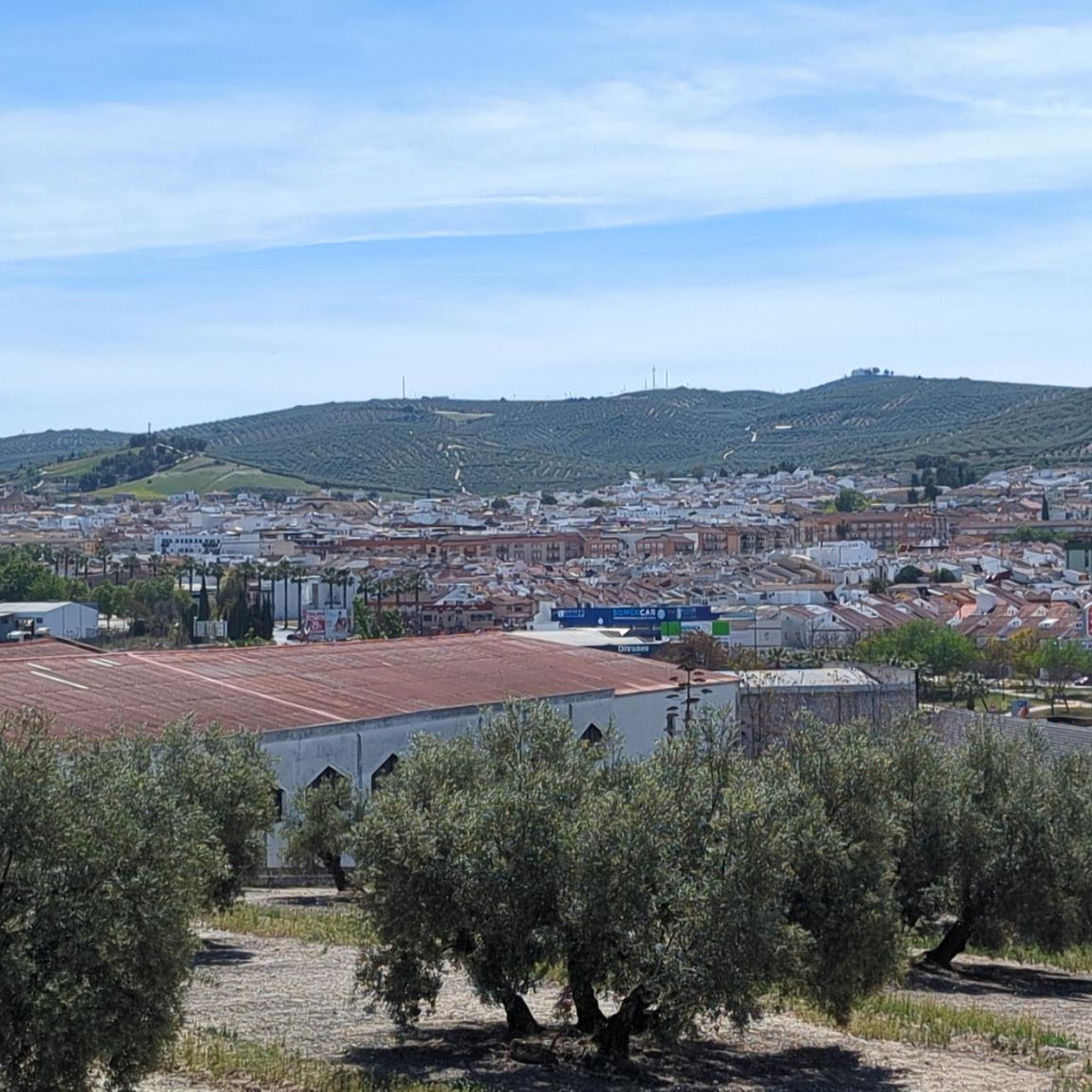
Attractions and places to see around Monturque offer a blend of historical landmarks, cultural sites, and natural features. This town in Córdoba, Spain, is known for its olive groves, vineyards, and historical significance. Visitors can explore well-preserved Roman and medieval sites, alongside natural viewpoints. The area provides a genuine experience of Andalusia's landscape.
Best attractions and places to see around Monturque
- The most popular attractions is Beautiful section of the greenway, a cycle_way that features good pavement, tunnels, and…
Last updated: July 19, 2026
Church of Santo Domingo
Highlight • Religious Site
Translated by Google •
Tip by

Castillo del Moral
Highlight • Castle
Translated by Google •
Tip by

Sign up now to discover places like this
Get recommendations on the best single tracks, peaks, & plenty of other exciting outdoor places.
Sign up for free
Montilla Vineyards
Highlight • Natural
Translated by Google •
Tip by

Old Lucena Station
Highlight • Structure
In addition to olives and …
Translated by Google •
Tip by
Beautiful section of the greenway
Highlight (Segment) • Cycleway
Translated by Google •
Tip by

Sign up for free to discover even more attractions around Monturque.
Sign up for free
Already have an account?
Start today with a free account
Your next adventure awaits.
Login or Signup
Tips from the Community


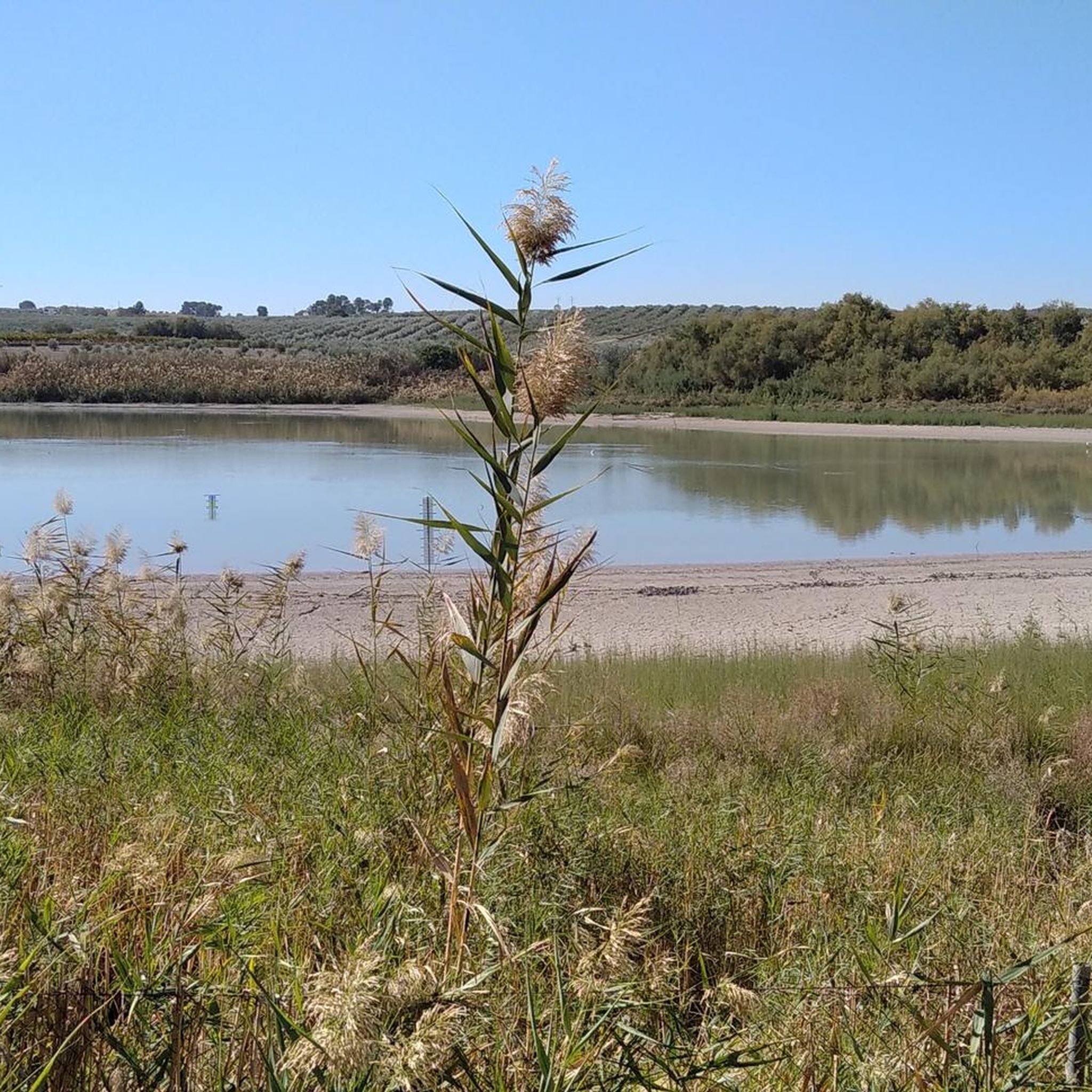
In the passage of the Vía Verda through Moriles there are these huge fields of vines that cover the set of ridges that can be seen from the track!
0
1

Also known as the castle of Lucena. It is a Hispano-Muslim military fortress from the 11th century. Inside is the Archaeological and Ethnological Museum of Lucena.
2
0

Castle built in 1148 by the Almohad Empire. After many changes of hands over the centuries, in 1926 the Lucena City Council bought the castle from the Dukes of Híjar, its last owners. After several decades of conservation work and recovery of the original structures, in 2001 the Archaeological and Ethnological Museum of Lucena was inaugurated.
3
0

Good pavement, tunnels, trenches, landscapes and a route with hardly any slope make this section a delight to pedal. During the weekends it is usually crowded.
1
0

The Church of San Mateo is a Catholic church located in Plaza Nueva in Lucena. It is the largest and best preserved of the churches built in the Córdoba countryside at the beginning of the 16th century. In the 18th century, the Sagrario Chapel was added to the building, one of the most important architectural works of this type of Andalusian Baroque style. Construction began in 1498 at the instigation and patronage of Diego Fernández de Córdoba, 1st Marquis of Comares, on the site of the old main synagogue of Lucena, based on a design by the architect Hernán Ruiz I. The temple was completed in 1544, as the Inscription on a portal reveals, although some later elements have been found (translated from Wikipedia).
1
1
Lucena is a medium-sized small town with around 42,000 inhabitants. If you cycle the entire Via Verde del Aceite, this place is a good stopover. In addition to olives and olive oil, the region's most important agricultural products are, in particular, the strong, sherry-like white wines of the D.O. growing region. Montilla Moriles (Wikipedia). You definitely have to try them.
0
0
Shortly after Navas del Selpillar on the Via Verde de Aceite there are several vineyards.
0
0
Frequently Asked Questions
What are the main historical attractions to visit in Monturque?
Monturque is rich in history. You can explore the impressive Roman Cisterns, discovered in 1885, which are among the best-preserved Roman hydraulic structures in the Iberian Peninsula. Above them lies the unique San Rafael Cemetery, part of the European Cemeteries Route. Don't miss the ancient Monturque Castle with its well-preserved Torre del Homenaje, and the Gothic-Mudejar style San Mateo Parish Church, located at the town's highest point.
Where can I find the best panoramic views of Monturque and the surrounding area?
For breathtaking views, head to the Mirador de los Paseíllos, often called the 'Balcony of the World,' which offers impressive vistas of the Córdoba province and the Subbéticas Mountains. The recently remodeled Plaza de la Barrera also provides excellent panoramic views of the town, complete with a leisure area. Additionally, the Paseo de lo Alto, near the San Mateo Parish Church, offers tranquil spots with great views.
Are there any natural areas or parks for relaxation near Monturque?
Yes, for a peaceful retreat, visit Paraje del Perezón, a recreational park between Monturque and Moriles known for its diverse trees. You can also find tranquility at Paraje de la Fuente Nueva, located amidst an olive grove, featuring one of the municipality's oldest fountains. The Paseo de lo Alto also offers gardens and trees for relaxation.
What kind of outdoor activities can I do around Monturque?
The area around Monturque is excellent for outdoor activities, especially cycling and walking. You can enjoy the Beautiful section of the greenway, which offers good pavement and a gentle slope for cycling and long walks. The Vía Verde del Aceite is a popular route. For more specific outdoor adventures, explore the various routes for hiking, running, and gravel biking available in the region.
Are there family-friendly attractions or activities in Monturque?
Many attractions around Monturque are suitable for families. The Beautiful section of the greenway is perfect for family bike rides or walks due to its easy terrain. The Plaza de la Barrera features a leisure area and playground for children. Exploring historical sites like the Roman Cisterns and Monturque Castle can also be an engaging educational experience for all ages.
Where can I learn more about Monturque's local history and archaeology?
To delve deeper into Monturque's past, visit the Local History Museum (Museo Histórico Local), which showcases the rich archaeological vestiges discovered in the area. You can also see the Archaeological Site of Los Paseíllos, near the Roman Cisterns, which reveals remains of a large public Roman building.
What is the significance of the Montilla Vineyards near Monturque?
The Montilla Vineyards are significant for producing the renowned Montilla-Moriles fine wine. These vineyards, particularly visible along the Vía Verde del Aceite towards Moriles, offer a striking green contrast to the extensive olive groves that dominate the landscape. It's a great spot to appreciate the region's agricultural heritage.
What is the Old Lucena Station and why is it a notable stop?
The Old Lucena Station is a historical site that serves as a good stopover for those cycling the Vía Verde del Aceite. It highlights the region's connection to agricultural products like olives and the famous Montilla-Moriles wines, offering a glimpse into the area's past as a transport hub.
Are there any religious buildings of historical importance in Monturque?
Absolutely. The San Mateo Parish Church is Monturque's most important and oldest religious building, dating back to the late 15th or early 16th century. You can also find the simple Hermitage of Santo Cristo, dating from the late 16th century, located at the town's entrance. Nearby, the Church of Santo Domingo and the Church and Former Hospital of San Juan de Dios in Lucena are also notable architectural complexes.
What do visitors particularly enjoy about the attractions around Monturque?
Visitors frequently praise the well-maintained paths and scenic beauty of the greenway sections, noting them as a delight for cycling and long walks. The contrast between the green vineyards and olive groves, as seen from spots like the Montilla Vineyards, is also highly appreciated. The historical depth, from Roman structures to medieval castles, provides a unique journey through time.
What kind of terrain can I expect on hiking trails near Monturque?
Hiking trails around Monturque offer a variety of terrains, from easy to moderate. Many routes, such as those found in the Hiking around Monturque guide, feature gentle slopes, especially along converted railway lines like the Vía Verde del Aceite. You can expect paths through olive groves, vineyards, and natural parks like Laguna del Rincón, with some routes offering more challenging ascents to viewpoints.
Most popular routes around Monturque

Get inspired with the komoot mobile app


Explore more
Still not found the Highlight you’re looking for? See guides of the top attractions in other regions:
