The best road cycling routes around Sierra De Yeguas
4.3
(5)
713
riders
65
rides
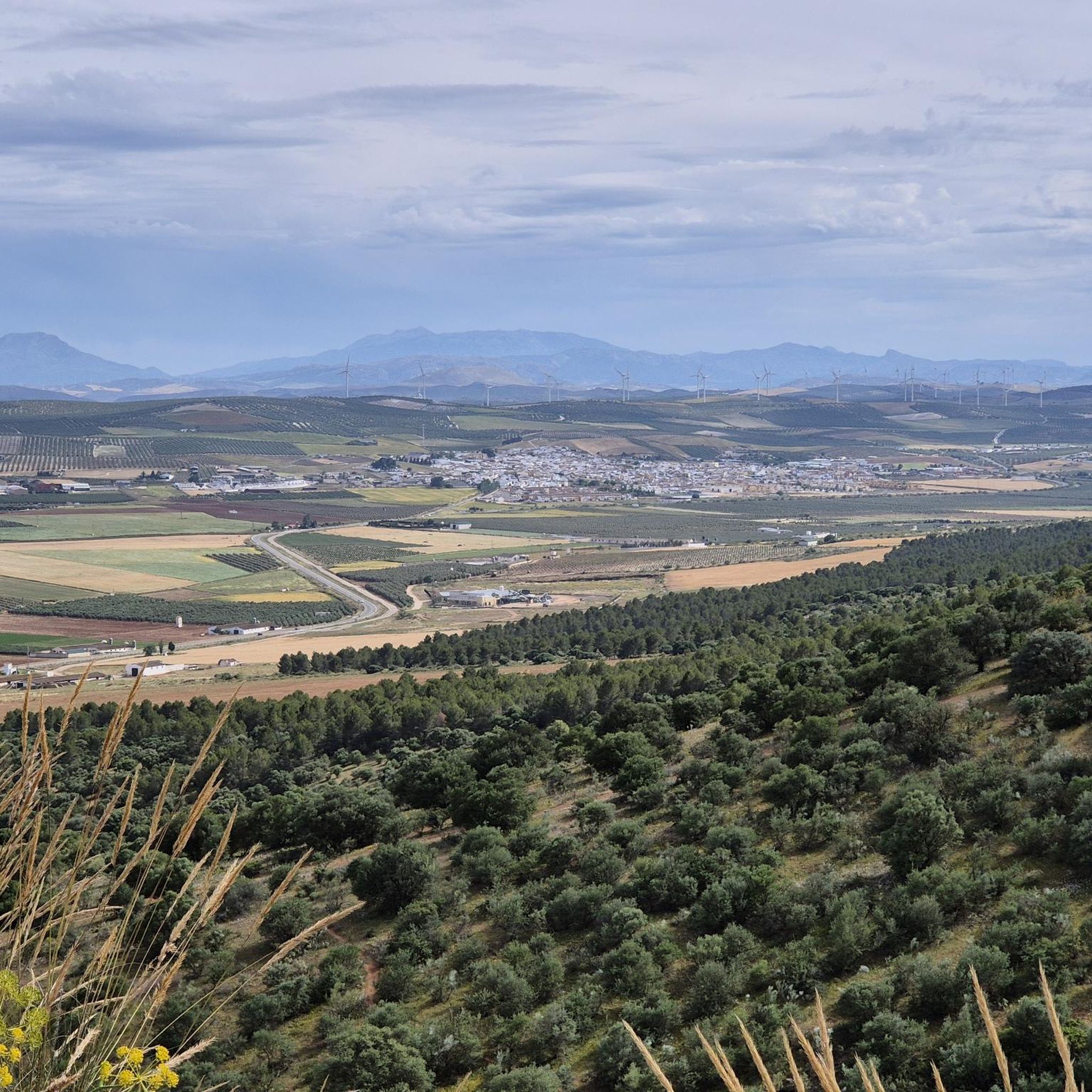
Road cycling routes around Sierra De Yeguas traverse a landscape characterized by rolling hills, extensive agricultural plains, and natural features such as the Sierra de los Caballos. The region, situated on the border of Málaga and Seville, features vast olive groves, almond trees, and vineyards, providing a scenic backdrop for road cyclists. Notable areas include the Llanos de Navahermosa, known for its agricultural plains, and the Fuente de Piedra Lagoon, surrounded by well-maintained roads suitable for cycling. This varied terrain…
Last updated: July 24, 2026
12
riders
41.2km
02:03
470m
470m
Moderate road ride. Good fitness required. Some segments of this route may be unpaved and difficult to ride.
31
riders
111km
05:17
1,490m
1,490m
Hard road ride. Very good fitness required. Mostly well-paved surfaces and easy to ride.

Sign up for free
28
riders
84.6km
03:39
690m
690m
Moderate road ride. Good fitness required. Mostly well-paved surfaces and easy to ride.
9
riders
107km
05:01
1,000m
1,000m
Hard road ride. Very good fitness required. Mostly well-paved surfaces and easy to ride.
7
riders
36.4km
01:38
240m
240m
Easy road ride. Great for any fitness level. Mostly well-paved surfaces and easy to ride.
Get access to more routes and recommendations from other explorers.
Sign up for free
Already have an account?
Our route recommendations are based on thousands of hikes, rides, and runs completed by other people on komoot.
Start today with a free account
Your next adventure awaits.
Login or Signup

Tips from the Community

A beautiful town square featuring a unique mosaic pathway and charming fountains.
0
0

The Laguna de Fuente de Piedra provides an important habitat for large flamingo colonies and is one of the most significant breeding grounds for this bird species in Europe. The shallow salt lagoon offers ideal conditions for the birds, allowing them to be observed there in large numbers, especially during the warmer months.
1
0
Laguna de Fuente de Piedra is home to large flamingo colonies and is considered one of the most important breeding grounds for this bird species in Europe, where they can be observed particularly well in the warmer months.
3
0
The Vicaría Observatory (Mirador) is an official viewpoint at the Fuente de Piedra Lagoon and is one of the most important observation points in the nature reserve. From here, there is a good overview of the shallow salt lagoon.
2
0
Fuente de Piedra is a charming village whose name derives from an ancient spring believed to possess healing powers. The area was already settled in Roman times, and the spring was then referred to as "Fons Divinus." In the Middle Ages, a small settlement grew up around the spring, which later acquired its present name. During the 18th and 19th centuries, Fuente de Piedra was a renowned spa town thanks to its mineral waters, until the spring dried up. Today, the village's name evokes this past, while its history remains closely intertwined with the use and veneration of the water.
1
0

route with medium difficulty, good physical condition and good footwear are required,
0
0


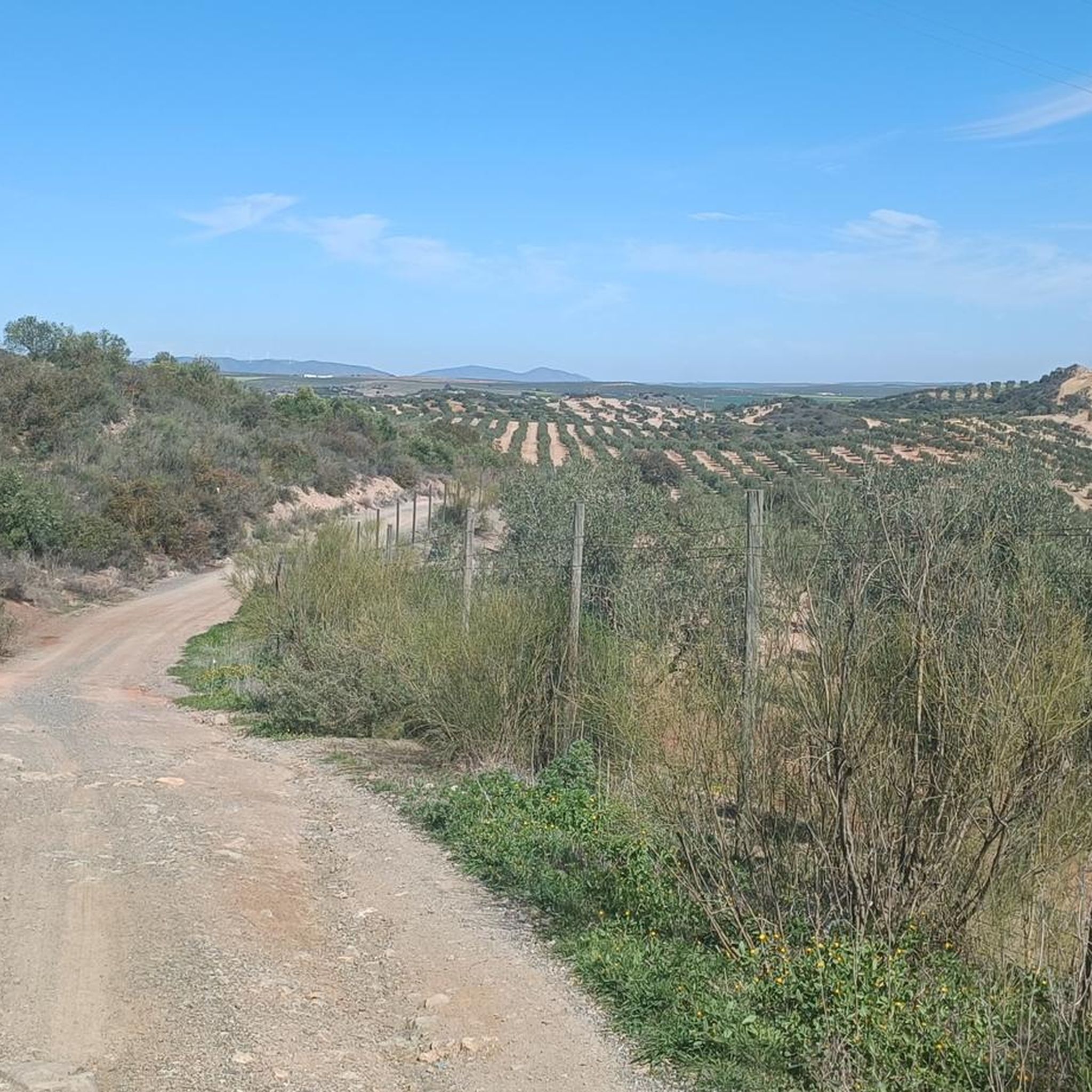
The loop just before here was not very smooth. Ok for my 30mm tyres but probably worth missing out.
0
0
Frequently Asked Questions
How many road cycling routes are available in Sierra De Yeguas?
There are over 70 road cycling routes around Sierra De Yeguas, offering a wide range of options for different skill levels. This includes 8 easy routes, 37 moderate routes, and 26 difficult routes.
What kind of terrain can I expect on road cycling routes in Sierra De Yeguas?
The region is characterized by rolling hills and extensive agricultural plains, primarily covered by olive groves, almond trees, and vineyards. You'll also encounter natural features like the Sierra de los Caballos and the flat, well-maintained roads around the Fuente de Piedra Lagoon, providing a varied and scenic backdrop for your rides.
Are there routes suitable for beginners or families in Sierra De Yeguas?
Yes, Sierra De Yeguas offers 8 easy road cycling routes that are suitable for beginners or families looking for a more relaxed ride. These routes typically feature milder terrain and less elevation gain, allowing for an enjoyable experience for all.
What are some challenging road cycling routes in Sierra De Yeguas?
For experienced cyclists seeking a challenge, there are 26 difficult routes available. An example is the Encinas Reales – Benamejí loop from La Roda de Andalucia, which is 69.2 miles (111.3 km) long and features significant elevation changes across rolling hills.
Can I find circular road cycling routes in Sierra De Yeguas?
Yes, many of the road cycling routes in Sierra De Yeguas are circular, allowing you to start and end your ride in the same location. A popular option is From La Roda de Andalucia to Estepa – circular via Pedrera and Gilena, a moderate 25.6-mile (41.2 km) route.
What natural attractions can I see while road cycling in Sierra De Yeguas?
The region boasts several natural highlights. You can cycle past the Fuente de Piedra Lagoon, home to a large flamingo colony, or visit the Bird Observation Tower within its nature reserve. Other notable lakes include Lagunas de Campillos, La Ratosa Lagoon, and Gosque Lagoon Nature Reserve.
Are there any historical sites accessible by road bike in the region?
Yes, the area around Sierra De Yeguas has archaeological remains that can be explored. These include Roman sites like the villages and farmhouses of Peñuela and Herriza, and the Haza de Estepa thermal baths, offering a glimpse into the region's history during your ride.
What is the best time of year for road cycling in Sierra De Yeguas?
The spring and autumn months are generally ideal for road cycling in Sierra De Yeguas. The weather is milder, and the natural landscapes, especially around the Fuente de Piedra Lagoon, are particularly vibrant, offering comfortable conditions for longer rides.
What is the typical elevation gain on road cycling routes in Sierra De Yeguas?
Elevation gain varies significantly depending on the route's difficulty. Moderate routes, like the Puerto de Mataliebres loop from La Roda de Andalucia, can have around 475 meters of ascent. More difficult routes, such as the Encinas Reales – Benamejí loop, can feature close to 1500 meters of elevation gain.
Are there specific viewpoints or scenic spots along the road cycling routes?
Absolutely. The rolling hills and agricultural plains themselves offer continuous scenic views of olive groves, almond trees, and vineyards. The Bird Observation Tower at Laguna de Fuente de Piedra Nature Reserve provides excellent panoramic views, especially for birdwatching. The Sierra de los Caballos also offers picturesque vistas, despite its modest altitude.
What do other road cyclists enjoy the most about road cycling in Sierra De Yeguas?
The komoot community highly rates the road cycling experience in Sierra De Yeguas, with an average score of 4.4 stars from over 7 reviews. Cyclists often praise the diverse landscapes, from the tranquil olive groves to the natural beauty of the lagoons, and the variety of routes suitable for all abilities.
Are the road cycling routes in Sierra De Yeguas generally paved?
Yes, the road cycling routes in Sierra De Yeguas primarily utilize paved roads, making them suitable for road bikes. The region's infrastructure, especially around agricultural areas and natural reserves like Fuente de Piedra Lagoon, includes well-maintained roads perfect for cycling.
Most popular routes around Sierra De Yeguas
Most popular attractions around Sierra De Yeguas

Get inspired with the komoot mobile app


Explore more
Browse the best Road cycling routes in other regions.
